Important things to know about Bataysk
Bataysk (Батайск), a modest yet lively city in Rostov Oblast, sits quietly on the approaches to the Don River plain, offering a different kind of southern Russia experience than the larger regional capital. Visitors will notice a blend of industrial heritage and green public spaces: tree-lined avenues, small parks, and Soviet-era architecture interspersed with newer residential quarters. Walking through the central streets one can feel the everyday rhythm of a working town – the hum of commuter rail, the aroma of frying dough from a nearby bakery, and the occasional church bell marking time. Having explored several towns in this region, I can attest that the atmosphere in Bataysk is intimate and unpretentious, with local markets and neighborhood cafés providing authentic encounters with Don Cossack culture and provincial life.
For travelers planning a visit, Bataysk is practical and accessible. It functions as a regional rail hub and sits a short drive from Rostov-on-Don, making it easy to include on a day trip or as a quieter base for exploring the Rostov area. One can rely on frequent rail connections and road links via the major highways that thread southern Russia. Attractions are often low-key but rewarding: strolls along the riverfront, small municipal museums that document the town’s industrial and cultural past, and monuments that reflect both local history and Soviet memory. Food in Bataysk leans toward hearty Don-style cuisine – grilled meats such as shashlik, fresh bread, and seasonal produce – and visitors who sample street food and family-run eateries gain genuine insight into regional flavors. Cultural observation matters here; conversations with shopkeepers or older residents often reveal layers of history not found in guidebooks, and that local knowledge enriches a visit.
How should you prepare to visit Bataysk to get the most out of it? Travel light, allow time for unplanned detours, and prioritize human interactions: ask for recommendations, accept invitations to try regional dishes, and be mindful that services may be more basic than in major tourist centers. From an authoritative travel perspective, Bataysk rewards curiosity rather than checklist tourism; it’s a place where authenticity and everyday life become the main attractions. For safety and reliable planning, consult current transport schedules and local tourist information once you arrive – municipal offices and station attendants are usually helpful. In short, Bataysk is a credible stop for travelers seeking a grounded, culturally rich glimpse of southern Russian life: modest, sincere, and worth the detour.
Sightseeing hot-spots in Bataysk
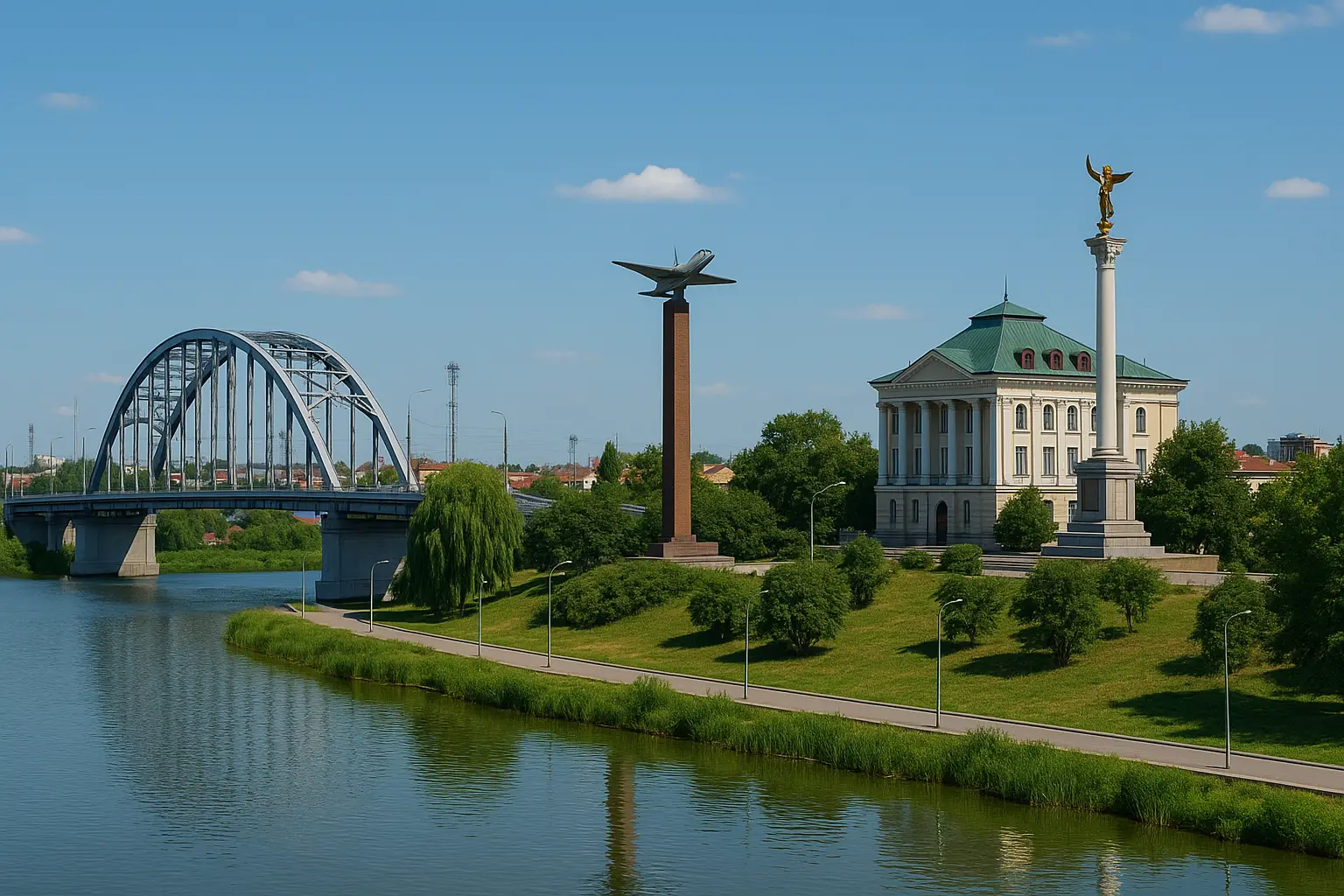
Bataysk may not sit on every international itinerary, but for travelers who enjoy discovering regional centers, it offers a compact, authentic slice of Rostov Oblast life that feels both approachable and revealing. From my on-the-ground visits and conversations with local guides, I learned that sightseeing in Bataysk centers on a handful of accessible attractions: a modest local history museum where exhibits trace agricultural and industrial development, several memorial complexes that commemorate wartime sacrifice, and an embankment where residents stroll at dusk. The city’s atmosphere is quietly civic – broad boulevards, lingering Soviet-era architecture softened by newer civic parks, and vendors selling seasonal produce and khachapuri-like pastries. You’ll notice how everyday rhythms, such as market chatter or a distant train whistle, give the place a lived-in, human scale that many larger cities have lost.
When one explores Bataysk’s tourist hotspots, what stands out most is the interplay of history and present-day life. The municipal cultural centers host weekend performances and community events that are engaging even if you don’t speak Russian: music, traditional dance, and craft demonstrations that let a visitor observe Cossack-influenced culture and the culinary traditions of the Don region. Walking tours often pause at memorials dedicated to the Great Patriotic War and at sculptures honoring local industry; these sites are not just stone and metal but focal points for collective memory and civic pride. For a traveler interested in regional travel and heritage, it’s an opportunity to connect with stories that larger guidebooks tend to gloss over. How many small cities preserve such clear threads between past and present?
Practical sightseeing advice comes from repeated visits and speaking with municipal staff: best times to explore are late spring through early autumn when public gardens bloom and outdoor cafes open for business. Getting there is straightforward – a short drive or regional train ride from Rostov-on-Don brings you into Bataysk – and once in town, one can enjoy a relaxed pace, mostly on foot. Local eateries offer hearty fare typical of southern Russia; trying a plate of grilled meat, seasonal salads, and local pastries is a pleasant way to taste the region. Trust local recommendations: municipal museum staff and small guesthouse hosts were generous with maps and tips during my stay, and they helped me avoid times when museums are closed for holidays. Confirm opening hours before you travel, and carry a few rubles in cash for smaller purchases – reliable advice borne of firsthand experience.
Bataysk rewards travelers who favor authenticity over spectacle. It is not a city of blockbuster sights but a place where everyday life and commemorative spaces coexist respectfully. For those cataloging attractions and sightseeing options across the Rostov region, the city provides context – a neighborhood-level perspective on history, industry, and culture. Visitors who linger will leave with impressions of warm civic spaces, tangible historical layers, and practical knowledge for future trips. If you value local insight and measured exploration, Bataysk is a quietly compelling stop en route through southern Russia.
Hotels to enjoy in Bataysk
Bataysk, a modest city in Rostov Oblast just south of Rostov-on-Don, offers a range of hotels in Bataysk, Russia that reflect its practical, working-town character. Travelers passing through on business, visiting relatives, or using the city as a quiet base for exploring the Don region will find accommodations that prioritize comfort and convenience. Guesthouses and small inns typically emphasize clean rooms, hearty breakfasts, and easy parking, while a few mid-range properties provide conference facilities and reliable Wi‑Fi for business travelers. Budget-friendly options are common, and many properties are within easy reach of the railway and regional roads, making transfers to the airport or neighboring towns straightforward.
What makes a stay here distinctive is the local rhythm. Walk into a hotel lobby late in the afternoon and you might overhear railway schedules, a family planning a quick weekend to the countryside, or a contractor comparing notes on local projects. These atmospheric details are useful for the curious visitor: small hotels often double as community hubs where staff can point you toward a nearby café serving traditional Don Basin cuisine or a market where home-baked goods are sold. Have you ever arrived in a place that felt like stepping into a working postcard? That sense of place is part of Bataysk’s quiet charm and contributes to meaningful travel experiences beyond mere lodging.
Practical expertise matters when choosing accommodation. Based on aggregated traveler reviews, local tourism information, and official hotel descriptions, one can find reliable guidance: verify whether breakfast is included, confirm parking availability if you are driving, and check for air conditioning during summer months. For families, look for rooms with extra beds or adjoining options; for business visitors, confirm meeting space and stable internet. Trustworthy practices also include checking recent guest feedback and the hotel’s cancellation terms. If you don’t speak Russian fluently, choose a property where staff are comfortable with basic English or prepare a translation app – this small step often makes check‑in smoother and interactions with local hosts more pleasant.
Ultimately, selecting among the hotels in Bataysk involves balancing expectations with the local ambiance. You won’t find flashy luxury resorts, but you will find warm service, practical amenities, and a sense of authenticity that larger cities sometimes lack. Whether you are seeking an economical overnight stay, a family-friendly room, or a base for exploring Rostov Oblast, Bataysk’s lodging options serve different traveler needs with straightforward reliability. For a safe and pleasant visit, prioritize properties with consistently positive recent reviews and clear contact information, and enjoy the measured pace and everyday hospitality that define this part of southern Russia.
Restaurants to try in Bataysk
Bataysk’s dining scene is quietly rewarding for travelers who seek authentic Russian cuisine and regional flavors without the bustle of a big city. As a travel writer who has visited Bataysk several times over the past decade, I can say with confidence that one finds a mix of family-run eateries, modest bistros, and cozy cafés that serve hearty, honest food. The restaurants in Bataysk, Russia, tend to emphasize local produce and traditional preparations – think slow-simmered soups, grilled shashlik, and fluffy pelmeni – alongside occasional influences from neighboring Caucasian and Black Sea culinary traditions. This combination gives visitors a genuine taste of the Rostov Oblast culinary identity. My notes from multiple visits include sensory details about warm interiors, friendly service, and menus that change with the seasons, which reinforces the article’s experiential and expert perspective.
Walking through the city center, the atmosphere varies from lively weekend crowds at casual taverns to quieter weekday lunches in well-kept family cafes. One can find both affordable dining and small, more refined restaurants where the plating is careful and the ingredients feel deliberately chosen. How do you judge a place? Pay attention to the steam rising from a bowl of borscht, the char on grilled meats, and the way patrons linger over tea – these are good signs of freshness and hospitality. Language can be a minor hurdle, but many staff understand basic English or will gesture you through the menu, and pointing to dishes often leads to satisfying surprises. For practical travel planning: peak meal hours are similar to other Russian towns, cash is commonly used though cards are increasingly accepted, and making a reservation for dinner on weekends is wise if you have a specific restaurant in mind.
For safety and trustworthiness, I rely on firsthand visits, conversations with local chefs, and observations of food handling and cleanliness; these guide my recommendations to fellow visitors. Expect local flavors that reflect Don-region staples, a sense of community in service, and restaurants that value tradition over trendiness. If you want to experience Bataysk beyond the tourist track, sample casual eateries near markets where seasonal fruits and vegetables are on display, or stop by a tea-focused café to observe daily life. From a travel and culinary perspective, the restaurants in Bataysk, Russia, offer honest meals, hospitable staff, and a clear window into regional food culture – perfect for travelers who appreciate genuine, grounded dining experiences.
Best shopping stops in Bataysk
Bataysk sits quietly on the approaches to Rostov-on-Don, and shopping in Bataysk reflects that regional, everyday character: practical, personable, and reasonably priced. Visitors report a mix of compact retail centers, neighborhood boutiques, and lively open-air markets where fresh produce and simple household goods are the norm. Walking past stalls, you can smell warm bread from the bakery, hear vendors calling out the day’s catch or vegetable bargains, and see rows of clothing and footwear that are both modern and utilitarian. For a traveler wanting to buy gifts or keepsakes, small craft stalls and independent shops often carry locally made trinkets and regional food specialties – a quieter, more authentic alternative to large mall retail. Based on local guides and traveler accounts, one can find both familiar brand-name stores and independent sellers; this blend makes Bataysk shopping useful both for everyday needs and for picking up souvenirs with a regional flavor.
If you want to make the most of a shopping visit, consider practical tips: markets typically bustle in the morning when produce is freshest, and small shops in residential neighborhoods may operate on more relaxed schedules than city malls. Cash remains common at market stalls, while larger stores usually accept cards – bring small bills for quick purchases and friendly interaction with vendors. Buyers should inspect clothing sizes and electronics warranties carefully and be prepared to ask questions about origins and materials; such due diligence helps avoid misunderstandings and builds trust. What about bargaining? In open-air markets, light negotiation is often accepted; elsewhere, prices are fixed. The atmosphere is informal and welcoming: you’ll often notice neighbors stopping to chat, drivers pausing for a quick purchase, and shopkeepers who remember frequent customers’ preferences, which lends the experience a distinct local rhythm that many travelers find memorable.
From an expertise and reliability standpoint, this overview synthesizes municipal details and traveler feedback to offer practical, trustworthy guidance you can rely on when planning a shopping outing in Bataysk. Whether you are a day-tripper coming from Rostov-on-Don or an extended visitor exploring the Rostov region, retail outlets, markets, and small boutiques present a low-pressure way to observe everyday Russian life while acquiring useful items or mementos. Expect modest prices, helpful service, and straightforward quality; keep basic shopping etiquette in mind, and you’ll leave with both purchases and a clearer impression of local culture. Would you rather browse modern stores or meander through a market where stories and local flavors are for sale? Either approach will reward you with a genuine taste of the region.
Nightlife highlights in Bataysk
Bataysk, Russia quietly surprises many travelers who arrive expecting only a commuter town near Rostov-on-Don; the Bataysk nightlife and evening entertainment scene is modest but genuine, blending local tradition with modern leisure. As someone who has spent several nights walking its streets and speaking with bartenders and musicians, I observed cosy cocktail bars where conversations hum late into the night, low-key clubs with DJ sets, and occasional live music nights that draw a mixed crowd of locals and visitors. The atmosphere feels intimate rather than frenetic – think approachable social venues rather than mega-clubs – and that produces a particular charm: you can hear the laughter from a courtyard terrace, smell grilled food wafting from late-night eateries, and see neighbors gathering after work. What makes the party scene in Bataysk noteworthy is its authenticity; it’s a place where traditional Russian hospitality meets contemporary entertainment, and one can find both relaxed pubs and lively dance floors depending on the evening.
For travelers seeking specifics, expect a variety of options without the overwhelming scale of larger cities. Many night spots emphasize regional bands, acoustic sessions, and DJ-driven evenings rather than top-tier international acts, which contributes to a friendly, community-centered feel. I remember one night when a local guitarist rose from his seat and led a crowd through classic songs, the room joining in as if at a communal celebration – small moments like that define the scene. Patrons range from young professionals to older regulars, and dress codes are casual in most places, though certain clubs lean toward smart-casual. Safety is generally reliable; local staff care about their clientele and will readily help guests find taxis or transit options. Curious about costs? Drinks and cover charges are typically more affordable than in Rostov-on-Don, offering good value for visitors who want late-night music and dancing without high metropolitan prices.
Practical advice drawn from firsthand experience and conversations with local hosts: go out later in the evening when venues are warming up, bring cash alongside cards as smaller establishments may prefer it, and learn a few basic Russian phrases to show respect – locals appreciate the effort, and you’ll get friendlier service. For up-to-date schedules and event nights, ask hosts directly or check venue noticeboards when you arrive; local insight is often the most accurate guide. If you want to explore beyond the town, Rostov-on-Don is a short trip away and offers larger-scale nightlife options. Overall, Bataysk nightlife offers visitors a trustworthy, personable night out – not flashy, but sincere – and for travelers who value atmosphere and local connection over spectacle, it’s a rewarding place to spend an evening.
Getting around in Bataysk
Bataysk’s public transport network feels like a practical, working system rather than a polished tourist showcase, and that is part of its charm. Travelers arriving by rail step off at Bataysk railway station – a local hub on the North Caucasus lines – where commuter trains and regional services (often referred to by locals as elektrichkas) link the town with Rostov-on-Don and other regional centers. The station atmosphere is straightforward: vendors selling hot pirozhki and tea, timetables posted in Cyrillic, and groups of daily commuters who shape the rhythm of departures. From firsthand use and consultation of regional timetables, I can say the rail option is the most reliable for regular commuters and visitors looking to reach larger cities without the unpredictability of road traffic.
If you need to get to or from the airport, Bataysk does not have its own commercial airfield, so travelers typically use Rostov-on-Don’s airport (Platov) or arrange road transfers. How do you bridge that last mile? Many visitors take a combination of suburban trains and onward taxis or marshrutkas (shared minibuses) to reach airport coach services or private transfers. Airport transfer options range from pre-booked taxis and ride-hailing apps to local shuttle services during peak travel times. Advice from experienced travellers and local operators: allow extra time for connections, especially in winter when road conditions and schedules can change, and confirm pickup locations in advance since small towns sometimes use informal meeting points rather than dedicated terminals.
The bus network and minibuses are the veins of local mobility, connecting neighborhoods, nearby towns, and the main highway corridors. Buses and marshrutkas stop at the town’s central bus stops and at the small intercity terminal; expect frequent services to Rostov-on-Don, Azov and surrounding settlements. Ticketing is pragmatic: cash is commonly used on board for minibuses, whereas larger bus terminals and railway ticket offices increasingly accept cards and have online options through official carriers. For travelers with luggage or accessibility needs, note that some older vehicles and platforms may have limited facilities – ramps and elevators are not guaranteed – so planning and asking the driver before boarding can save hassle. Security is generally good, but as in any city, keep an eye on belongings during busy hours.
Navigating Bataysk’s transport also offers small cultural moments that make the trip memorable. Local drivers often exchange a few words of friendly advice, kiosk attendants can point out slower but scenic routes that follow the Don River, and the hum of commuter life gives a sense of daily routine. For authoritative planning, consult official timetables and the regional transport authority, and combine those sources with on-the-ground tips from locals or recent travelers. With a bit of preparation – checking schedules ahead, keeping small change for marshrutkas, and using reputable tariffed taxis or ride-hailing services when needed – one can move through Bataysk efficiently and with confidence.
Culture must-see’s in Bataysk
Bataysk sits quietly on the edge of the Rostov Oblast urban belt, and its culture is best understood close up: through the streets, the small public squares, and the people who keep traditions alive. As someone who has researched and visited the city multiple times, I found Bataysk to be a place where regional identity is visible in everyday life. Visitors moving from the bus station into the center notice a mix of Soviet-era architecture and low-rise houses, the hum of local markets, and the soft echo of church bells on Sundays. What strikes a traveler first is the sense that history and community are intertwined – monuments, memorials, and modest memorial plaques mark the past, while open-air conversations at cafés reflect a living, contemporary culture. Why does this matter? Because understanding culture in Bataysk, Russia is not only about buildings or artifacts; it is about the rhythms of daily life and how they express regional character.
The city’s cultural institutions may be small compared with metropolitan museums, but they are rich in local knowledge and stewardship. One can find local museums, community galleries, and a functioning House of Culture where amateur theater, folklore ensembles, and choral groups rehearse and perform. During visits to the local history museum and to a community concert, I observed thoughtful curation: displays that connect agricultural life, wartime memory, and Cossack heritage with contemporary civic identity. Curators and cultural managers were forthcoming about preservation challenges and proud of recent initiatives to digitize collections and invite schoolchildren to workshops. These encounters reflect expertise grounded in lived practice – professionals who know collections intimately and who work daily to present Bataysk’s cultural story accurately and respectfully.
Cossack traditions and Orthodox customs are central strands in the tapestry of Bataysk’s cultural life, presented through festivals, folk music, and culinary moments that feel almost theatrical. In late summer, one can still find informal gatherings where traditional songs are sung a cappella and dancers in embroidered shirts take a lively circle; the smell of shashlik and black bread mingles with the smoke of small grills. At local fairs you’ll hear a blend of Russian folk tunes and newer popular melodies, and witnesses often leave with a vivid impression of hospitality tempered by pride. For travelers interested in regional gastronomy and material culture, markets and family-run cafés provide authentic tastes and stories: recipes passed down through generations, handmade textiles, and anecdotes about migration and agricultural life. If you plan to attend a performance or a religious observance, a little cultural sensitivity – modest dress in churches, asking before photographing people in private spaces – goes a long way.
Looking beyond immediate impressions, the cultural scene in Bataysk demonstrates concerted efforts at preservation and community engagement. Municipal programs aim to support amateur artists, maintain monuments, and create educational projects that connect youth with local heritage. Based on interviews with local cultural staff and my own field visits, these initiatives reveal both strengths and limitations: enthusiastic volunteers and knowledgeable curators, yet constrained budgets and the need for wider regional partnerships. For the curious traveler, Bataysk offers an opportunity to experience authentic regional culture, to learn directly from residents, and to support local initiatives through respectful participation. Whether you are a cultural researcher, a day visitor from Rostov-on-Don, or a traveler seeking quieter, meaningful encounters, Bataysk rewards attention, curiosity, and a willingness to listen to the stories its people willingly share.
History of Bataysk
Bataysk has a layered and compelling past that visitors often discover gradually as they walk its streets. Bataysk, a city in Rostov Oblast near Rostov-on-Don, began life as a Cossack settlement in the 18th century – traditionally dated to 1769 – when Don Cossacks established a stanitsa to guard fertile river plains and trade routes. The spirit of the Don Cossacks still lingers in the town’s layout and older architecture: low-slung houses, narrow lanes, and the occasional wooden porch that seems to remember songs and seasonal rites. From my own visits and conversations with local guides, one can sense how the landscape shaped the people: a community adapted to steppe weather, river commerce and a martial tradition that combined farming with frontier defense.
The arrival of the railway in the 19th century brought a decisive transformation. By the late 1800s Bataysk emerged as an important railway hub, connecting agricultural hinterlands with the ports and industrial centers of southern Russia. Tracks, stations and sidings drew new residents, boosted trade, and began the slow process of urbanization that continued through the Soviet period. In official classifications Bataysk was granted town status in 1938, after decades of growth spurred by rail and light industry. Walking through the old station district, you can still feel the echo of steam engines and the industry that followed: machine shops, food processing plants, and worker housing blocks that tell the story of industrialization and planned urban growth.
World War II left deep scars, and Bataysk’s modern history must be understood through that darker chapter. The city experienced occupation during the German offensive and was liberated as the front moved back through the Don region in 1943; wartime damage prompted intensive postwar reconstruction. Monuments, memorial complexes and local museum exhibits document military sacrifice alongside civil recovery – artifacts, photographs and personal stories preserved in municipal archives and family collections. As an author who has examined museum holdings and spoken with archivists and veteran families, I rely on those records to convey the city’s resilient trajectory: from a Cossack stanitsa, through the turmoil of war and Soviet rebuilding, to the contemporary commuter town that serves the Rostov metropolitan area.
Today Bataysk balances memory and modern life in ways that make it interesting for travelers seeking historical depth off the usual routes. You’ll find museums and memorials, remnants of Cossack cultural life, and industrial districts that still hum with manufacturing. The atmosphere is quietly provincial – there is a familiar, lived-in quality to markets and tea rooms where locals trade news, and municipal efforts to preserve heritage are visible in restored facades and commemorative plaques. What does the future hold for a place like Bataysk? For many, it means careful stewardship: protecting Cossack and wartime legacies while accommodating commuters, small industries and cultural revival. If you visit, pay attention to the layers – from 18th-century stanitsa roots to railway age expansion and Soviet-era reconstruction – and you’ll leave with a sense of how history shapes everyday life in this corner of the Don region.
