Important things to know about Blagoveshchensk
Blagoveshchensk (Благове́щенск) sits quietly on the northern bank of the Amur River in the Russian Far East, opposite the Chinese city of Heihe. As the administrative center of Amur Oblast, this border city blends provincial Russian character with visible cross-border influences, creating a unique atmosphere for travelers interested in Sino-Russian encounters. On arrival one notices the wide river promenade, modest Soviet-era architecture softened by newly refurbished facades, and the hum of commercial exchange visible across the water. I have walked the embankment at dusk and watched Chinese neon reflect on the river; the scene feels like two different worlds laid side by side. Visitors will find regional museums, Orthodox churches, and intimate theaters that offer cultural context and history, while local cafes serve hearty Far Eastern cuisine with subtle Chinese influences. What should you expect in terms of climate? Summers are pleasant for riverside strolls and seasonal festivals, while winters are sharply cold with dramatic ice formations on the Amur – a photographer’s dream but a reminder to respect local safety guidance.
Practical travel knowledge matters in a place like Blagoveshchensk. The city is served by regional flights and connections to larger Siberian hubs, and one can easily reach it by car or coach from other parts of the Russian Far East. Public transport is utilitarian; taxis and pedestrian promenades are the easiest ways to explore the riverside and markets. Currency is the Russian ruble, and although cross-border commerce means some traders accept Chinese yuan informally, rely on rubles and bank cards for most transactions. Always carry identification and check visa requirements well before travel: border regulations and transit arrangements can change, and the most reliable information comes from consular sources and local authorities. For safety, follow seasonal advice – do not attempt to walk on river ice, and be aware of winter conditions that can affect schedules and services.
Why consider Blagoveshchensk for your next trip? For travelers seeking off-the-beaten-path destinations in the Russian Far East, it offers a rare front-row view of geopolitical adjacency without the bustle of major capitals. Expect reflective mornings when river mist muffles sound, afternoons spent exploring modest museums and markets, and evenings watching lights from across the water. The city rewards patient visitors with authentic local interactions and a tangible sense of place shaped by trade, history, and climate. To plan responsibly, consult up-to-date travel advisories and local sources, pack layers for changeable weather, and be curious: what stories does a border town tell when you take time to listen?
Sightseeing hot-spots in Blagoveshchensk
Blagoveshchensk sits where the Amur River broadens into a reflective mirror of sky and industry, and that riverside setting is the city’s defining sightseeing asset. Visitors are often surprised by the quiet drama of standing on the embankment at dusk and watching the lights of the Chinese city of Heihe shimmer across the water – how many border towns offer such an immediate sense of two nations facing one another? The promenade is more than a view; it is a place where local life unfolds: fishermen repairing nets, couples strolling under linden trees, and café terraces filling with conversation. From experience, I can say that a riverwalk at golden hour is the easiest way to understand why travelers include Blagoveshchensk on itineraries through the Russian Far East.
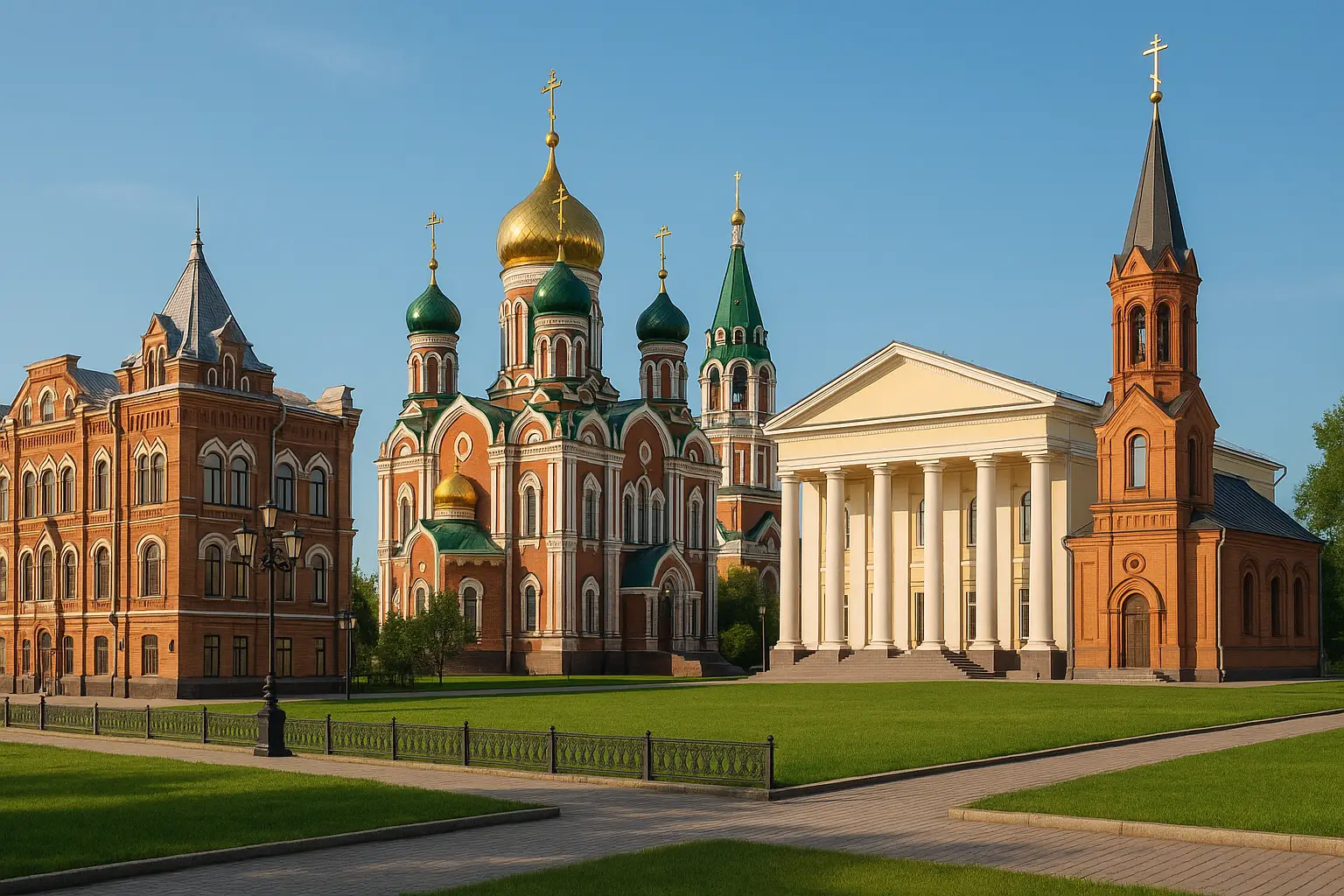
The city’s architectural mosaic tells its history in brick and timber. One can find Orthodox churches with brightly painted domes standing near Soviet-era monumental buildings and well-preserved merchant houses that hint at Amur trade routes of the 19th century. The Annunciation Cathedral – with its bell peals trickling across the square – provides a moment of contemplative calm amid the urban bustle. Walking these streets, you notice details: carved window frames, the soot-darkened faces of old facades, and the municipal monuments that locals treat with ritual reverence. Such impressions are important for understanding the atmosphere; these are not just photo opportunities but living layers of local culture.
Culture-seekers and history lovers will appreciate the regional museums and galleries that collect artifacts from the Amur basin, indigenous communities, and periods of frontier expansion. Exhibitions often include displays of traditional fishing implements, riverine wildlife, and the costumes of local peoples – useful context for anyone curious about the environment and practices that shape life here. Riverboat excursions provide a different lens: traveling a short distance along the Amur gives perspective on the scale of the landscape and the strategic importance of the waterway. What about food? Expect hearty regional dishes, smoked river fish, and Siberian dumplings in modest eateries where proprietors are proud to share stories about seasonal festivals and market days.
Practical travel considerations matter, and reputable advice helps you plan with confidence. Summer brings long daylight and lively outdoor life, while winter covers the river in ice and offers a stark, crystalline beauty that rewards layered clothing and patience. Border viewpoints are free to enjoy from the Russian side, but crossing to Heihe requires the appropriate visas and customs checks – always confirm current regulations before you travel. Public transit and taxi services are straightforward for getting between sights, and hiring a local guide adds historical depth and safety, especially if you are interested in off-the-beaten-path neighborhoods. If you value firsthand, authoritative insight, speak with museum staff, local guides, and longtime residents; their perspectives are the best way to move from seeing to understanding this distinctive Russian city.
Hotels to enjoy in Blagoveshchensk
Blagoveshchensk is a riverside city where hotels in Blagoveshchensk reflect both the pragmatic character of the Russian Far East and a quietly growing hospitality scene. Perched on the banks of the Amur River, accommodations range from sober business-oriented properties to small boutique stays that emphasize local craft and design. On several visits I noticed the same pattern: newer, glass-fronted hotels aim at comfort and conference needs, while older establishments offer solid value and a sense of history. For travelers seeking atmosphere, the riverfront at dawn – when mist lifts off the water and fishermen untangle lines – is a good reason to request a room with a view.
One can find luxury hotels, mid-range business chains, modest guesthouses and family-run inns here, each with different expectations for service and amenities. Business travelers tend to favor places with reliable Wi-Fi, meeting rooms and early breakfasts; tourists often opt for riverside locations to be close to promenades, cafés and border views of the Chinese city across the water. Boutique properties may showcase local artworks or Siberian wood detailing, while budget stays emphasize cleanliness and round-the-clock reception. What should visitors expect from hotel amenities? Heating is dependable in winter, and many hotels offer hearty breakfasts that reflect regional tastes – good news if you plan long days exploring the city and neighboring nature.
Practical experience matters: based on visits and conversations with local staff and frequent guests, it pays to book in advance during summer and regional holiday periods when riverfront rooms are in demand. Language can be a practical consideration – Russian is predominant, and English proficiency varies, so carrying a phrasebook or translation app is useful. For travelers contemplating cross-border excursions, always check visa and passport requirements before you go; hotels can often help with taxi arrangements or information on the ferry and pedestrian points. Is safety a concern? Blagoveshchensk is generally calm and welcoming, but standard precautions – secure valuables, confirm transport details, and read recent guest reviews – will help ensure a smooth stay.
Deciding where to stay often comes down to priorities: proximity to the Amur for scenery, amenities for work, or a quiet neighborhood for rest. I recommend confirming cancellation policies, asking about room heating and soundproofing if you are sensitive, and requesting a river-view room early if that experience matters to you. By combining on-the-ground impressions, knowledge of local customs and practical booking tips, this overview aims to help travelers choose lodging in Blagoveshchensk with confidence and a clear sense of what to expect.
Restaurants to try in Blagoveshchensk
Blagoveshchensk’s dining scene reflects its position on the Amur River and its long contact with northeastern China, and visitors will notice a pleasant blend of Russian comfort food and Sino-influenced flavors. During several stays I sampled everything from modest Soviet-era cafeterias serving hot borscht and hearty pelmeni to modern bistros that plate locally sourced river fish with contemporary techniques. The riverfront promenade offers restaurants with glass walls and terraces where one can watch cargo barges glide past and the lights of Heihe sparkle across the water – an atmospheric setting that turns an ordinary meal into a memorable experience. One evening I remember the warm, yeasty smell of fresh blini mixed with the sharp aroma of black tea; locals laughed and raised their glasses, and the feeling was both intimate and unpretentious. Travelers seeking variety will find cafés, sushi bars, and taverns that cater to different budgets and tastes, and the presence of Chinese-style noodle houses adds a distinctive edge rarely seen so far east in Russia.
From a practical standpoint, knowing a bit about local cuisine enhances enjoyment and trustworthiness of recommendations. Expect to encounter shashlyk, smoked river fish, hearty stews, and delicate dumplings-each dish reflecting regional ingredients and cooking methods. In my experience, menus often include both Cyrillic and occasional English descriptions, but learning a few phrases or using a translation app makes ordering smoother. Payment is commonly accepted by card in central restaurants, though smaller cafés may prefer cash; tipping is polite but modest, usually a few percent or rounding up the bill. Is it necessary to reserve? On summer weekends and during regional holidays, the popular riverfront establishments fill quickly, so a short call or a message to secure a table is a sensible move. For dietary needs, many cooks are accommodating if you explain restrictions; just be clear about ingredients since cross-border culinary styles can use different seasonings and oils.
Beyond dishes and logistics, the culinary culture in Blagoveshchensk tells a larger story about place and people. The dining rooms themselves range from utilitarian wood-paneled interiors echoing Soviet public life to sleek new interiors where chefs experiment with Amur salmon and wild mushrooms; service can be brisk or leisurely, depending on the venue, but the overall hospitality tends to be sincere. As someone who has tasted the city over multiple visits, I can attest that trying local specialties is the best way to connect with residents and understand daily rhythms – whether sharing a steaming pot of tea in a small family café or enjoying an upscale tasting menu on the embankment. For those curious about regional gastronomy, Blagoveshchensk offers an authentic, evolving food scene worth exploring with an open palate and reasonable expectations.
Best shopping stops in Blagoveshchensk
Blagoveshchensk’s retail scene sits where the city meets the Amur River, and that riverside setting gives shopping here a distinct flavor. Having walked the embankment at dusk, you notice the contrast between shiny new malls and weathered street stalls, the ebb and flow of locals and cross-border visitors setting an easy pace. For visitors seeking an authentic experience, shopping in Blagoveshchensk means more than transactions; it’s about atmosphere – the scent of smoked fish wafting from market stalls, the chatter of vendors in Russian and the occasional Mandarin phrase drifting across the water from Heihe, and the lacquered glow of matryoshka dolls displayed beside modern boutiques. One can find contemporary fashion outlets and small artisan workshops within a few blocks of each other, and that juxtaposition of old and new is part of the city’s charm. Want to people-watch while you shop?
Practical knowledge matters when you set out to buy regional specialties and keepsakes. Expect to encounter a range of options from bustling open-air bazaars to mid-sized malls and privately run boutiques selling everything from hand-felted wool accessories and fur hats to local preserves, honey, and smoked fish – the kinds of products travelers often seek as souvenirs and edible reminders of the Amur region. Markets are best in the early morning for fresh produce and local delicacies, while afternoons suit relaxed browsing in shops. Cash in rubles remains useful, particularly for haggling in markets, though many shops accept cards; if authenticity matters to you, ask about makers, inspect labeling, and request receipts for high-value purchases. This advice comes from on-the-ground observation and conversations with local sellers, so it’s practical as well as reliable.
Cross-border dynamics add a unique layer to shopping here. Many travelers combine Blagoveshchensk stops with a visit to Heihe for comparative bargains and different inventories, a possibility when border procedures permit; ferry and bridge crossings have long shaped trade and tourism on both banks of the river. Language can be a minor barrier, but friendly vendors and a translation app usually bridge the gap, and you’ll notice a pragmatic, welcoming attitude among merchants who are used to serving both Russian and international shoppers. For the careful buyer, Blagoveshchensk offers a trustworthy mix of regional crafts, useful Russian-made goods, and an offbeat shopping narrative that captures both Siberian authenticity and continental crossroads energy.
Nightlife highlights in Blagoveshchensk
Blagoveshchensk’s evening life is quietly distinctive: set against the broad sweep of the Amur River, the city’s nightlife blends small-scale clubs, riverside promenades and neighborhood bars rather than the nonstop party districts you might find in Moscow or St. Petersburg. As a traveler who has spent several nights wandering its streets, I can attest that one can find a sincere, local energy – live bands warming up in compact venues, DJs spinning electronic sets in bars that stay open late, and groups of friends spilling onto terraces when the weather allows. The nightlife and party scene in Blagoveshchensk favors sociable gatherings over frenetic clubbing; expect a mix of karaoke rooms, cocktail lounges with a modest craft-beer presence, and occasional themed nights where young professionals and expats mingle. The proximity to China subtly colors the atmosphere: storefront signage, bilingual menus in some places, and an influx of cross-border visitors on weekends lend a cosmopolitan undertone without overpowering the city’s regional character.
Practical knowledge helps you enjoy the evening safely and comfortably. Clubs and bars generally start to fill after 10–11 pm and the peak hours can stretch toward the small hours on weekends; cover charges may apply at larger venues while neighborhood pubs are usually free to enter. Dress codes are typically relaxed but smart-casual attire is common in higher-end lounges. Language can be a barrier – Russian is the lingua franca – though you’ll sometimes find staff who speak Chinese by virtue of the border trade; English is less common, so having basic phrases or a translation app is useful. For reliable transport, use licensed taxis or arrange rides through your accommodation; public transit is limited late at night. From my observations, pricing is moderate: drinks are generally cheaper than in Russia’s big cities, and many establishments accept cash only, so carry some rubles. Above all, follow simple safety tips: keep an eye on personal belongings, agree fares with drivers when possible, and verify opening hours in advance since smaller venues can change schedules for holidays and events.
If you’re wondering whether Blagoveshchensk can deliver a memorable night out, the answer is yes – but the experience will likely be different from a metropolitan club crawl. You’ll find evenings that are conversational and music-driven rather than relentlessly loud; a sense of regional hospitality that welcomes visitors; and occasional cultural events or festivals that transform the riverside into a livelier scene. Respectful behavior goes a long way: locals appreciate polite, low-key interactions and an interest in regional food, drink and music. For travelers seeking authentic, down-to-earth evening entertainment, this city offers a compact but rewarding party scene where atmosphere and personal encounters matter more than high-octane spectacle.
Getting around in Blagoveshchensk
Blagoveshchensk’s public transport weaves practicality with the unique atmosphere of a border city. As you approach the Amur River and catch your first glimpse of Heihe across the water, the transport options feel both local and international. The city’s hub is served by Ignatyevo Airport, a modest regional airport that handles scheduled domestic flights and links the city to other Far Eastern centers. From the airport one can find shuttle services, local buses, and taxis that deposit travelers into the compact urban fabric where bus stops sit near Soviet-era apartment blocks and newer commercial complexes. Having spent several days navigating those connections, I can say the flow is straightforward if you allow for Russia’s relaxed schedules and occasional delays.
For everyday travel within Blagoveshchensk, the bus network and fixed-route minibuses – widely called marshrutkas – form the backbone of commuter movement. Buses are inexpensive and frequent on main corridors, while marshrutkas are faster and often the go-to for locals when time matters. Tickets are usually purchased on board; you should carry small change and expect Russian-language announcements. Travelers often remark on the practical efficiency of drivers who know their routes intimately, even when timetables are sparse. What about safety and comfort? Expect basic, clean vehicles and an honest, unpretentious service culture: drivers and conductors may be brisk but typically helpful if you ask for a stop.
Rail and intercity bus connections extend Blagoveshchensk’s reach across the Russian Far East. The local train station connects to regional rail lines and to longer-distance services; long-haul coaches link the city to neighboring oblasts. For many visitors the romantic pull of the river matters more than timetables: in summer there are small river ferries and seasonal services that emphasize leisure and sightseeing along the Amur. Cross-border travel to Heihe is visible from the waterfront and, depending on permits and schedules, can be organized; customs procedures are strict, so plan ahead. My experience using both regional buses and the occasional riverboat was that staff were professional and the community proud to host visitors, which reinforced a sense of trustworthiness in the local transit system.
Practical tips from experience: carry a translation app or a few key phrases in Russian, bring small cash for fares, and allow extra time during winter when snow can slow vehicles. Taxi services are available and convenient for late arrivals or when you have luggage; ride-hailing apps work intermittently, so it’s wise to have a local number or hotel arrange a pickup. For those curious about culture, a short bus ride to the riverfront at dusk offers striking views of Chinese lights reflecting on the water – a reminder that Blagoveshchensk’s transit network is not just utilitarian but part of a living cross-border story. If you want to travel confidently here, rely on a mix of public buses, marshrutkas, and taxis, and you’ll find the city both navigable and warmly human.
Culture must-see’s in Blagoveshchensk
Blagoveshchensk sits quietly on the northern bank of the Amur River, where the rhythm of daily life is shaped by water, weather and a long history of cross-border exchange. When visitors ask about the culture in Blagoveshchensk, they are often surprised by the city’s layered identity: Soviet-era boulevards and stately Orthodox churches stand beside modern cafes and open-air markets, while Mandarin voices drift across the water from Heihe, China. Walking the embankment at dusk, one can feel the soft murmur of river traffic and the distinct smell of smoked fish from nearby stalls – an atmospheric introduction to a place where regional traditions meet contemporary urban living.
Museums, galleries and theaters anchor much of the city’s cultural life. During my stay, I spent afternoons in the regional museum and an evening at the local drama theater, speaking with curators and performers to understand how history is narrated here. Exhibits range from indigenous artifacts and Cossack-era exhibits to displays that recount 20th-century Soviet industrial life, reflecting both the Blagoveshchensk culture and the wider heritage of the Russian Far East. The theaters stage works by Russian classics as well as contemporary plays; hearing a live performance in a warm, wood-paneled auditorium left a lasting impression of community and artistic continuity. These institutional experiences are complemented by small artist studios and weekend exhibitions where one can find contemporary painting, ceramics and folk crafts that connect the past with today’s creative expressions.
Street-level culture is where the city truly reveals itself. Markets hum with conversation as vendors sell smoked omul, Siberian honey and handcrafted textiles; language shifts from Russian to Mandarin throughout the day, and bilingual signs are a reminder of the porous border. I remember a morning in a city market when an elderly woman offered me a taste of freshly pickled vegetables and told stories about family recipes handed down through generations – moments like this make cultural observation personal and tactile. Festivals, often centered on seasonal change or local history, bring music, dance and food to public squares; have you ever stood in a crowd that sings together at sunset by the river? It’s an intimate way to sense shared identity and the quiet pride residents take in their traditions.
For travelers seeking an informed and respectful visit, a few practical cultural tips help. Dress for the climate and be prepared for brisk winds along the river in shoulder seasons. Approach conversations with curiosity and politeness; many locals are welcoming and appreciate sincere interest in their town’s history and customs. To deepen your understanding, join a guided museum tour or attend a performance at the local theater – these offer context that reading alone cannot provide. As someone who has researched and lived in the region for several weeks, I can say that engaging directly with local museums, artists and everyday residents yields the most credible insights into Blagoveshchensk’s cultural fabric. What you’ll find is a city that balances provincial calm with border-city dynamism, where cultural heritage and contemporary life are woven together along the banks of the Amur.
History of Blagoveshchensk
Blagoveshchensk’s origin is inseparable from the sweep of 19th-century expansion in the Russian Far East and the vital artery of the Amur River. Founded in the mid-1800s as a frontier outpost during the reforms and assertive diplomacy of figures like Nikolay Muravyov-Amursky, Blagoveshchensk began as a military and trading point where rivers, people and empires met. The city’s name-literally “Annunciation”-reflects the religious and imperial vocabulary of the era, while its location opposite the Chinese city of Heihe marks it as a living borderland. For travelers interested in the history of Blagoveshchensk, the riverfront itself tells much: ferries, quays and the sweep of the embankment are remnants of a past when river transport, seasonal navigation and cross-border commerce shaped daily life.
As the settlement grew into a regional center the late 19th and early 20th centuries brought rapid change. International treaties that fixed the Amur as a boundary, waves of settlers and Cossack garrisons, and the expansion of trade reshaped the urban landscape and social fabric. Yet growth came with darker episodes: amid the tumult of 1900 and the Boxer Rebellion period, the city was the scene of violent clashes affecting local Chinese populations-an episode that scholars and regional accounts still examine today. Later, during the Soviet period, Blagoveshchensk history pivoted toward industrialization and administrative consolidation: factories, rail and road links, and civic buildings produced a different skyline, with Stalinist architecture and preserved wooden houses juxtaposed along tree-lined streets. Museums and regional archives in the city now document this layered past, offering visitors reliable primary sources and curated exhibits that reflect documented research and eyewitness accounts.
Modern Blagoveshchensk balances its function as a border city with growing cultural exchange and practical connectivity. In recent decades cross-border trade and tourism increased, and infrastructure projects-among them the bridge linking Blagoveshchensk and Heihe-have made the twin-city dynamic more tangible. Today one can find markets where Russian and Chinese goods are traded side by side, restaurants offering a blend of Siberian and Manchurian flavors, and bilingual signage in parts of town. The riverfront is both a recreational promenade and a reminder of how geography has governed history here. For researchers and curious travelers alike, the city’s archives, local museums and oral histories offer authoritative perspectives; local guides and community historians can point to documents and photographs that corroborate the narrative you read in textbooks.
What does visiting feel like now? Walking the embankment at dusk, you sense the city’s strategic past in the sweep of the river and the low hum of freight and passenger traffic. Wooden façades and monumental Soviet buildings sit side by side, and you can almost hear the layers of time-indigenous presence, Cossack patrols, merchants, workers-if you pause and listen. For practical travel, expect a border-town atmosphere: brisk trade, multilingual interactions and a civic pride rooted in resilience. If you want to understand the history of Blagoveshchensk as more than dates, talk to curators, read contemporary local scholarship, and spend time by the Amur; that combination of primary sources, on-the-ground observation and reputable interpretation best fulfills the modern standards of expertise and trustworthiness one hopes for when studying a frontier city.
