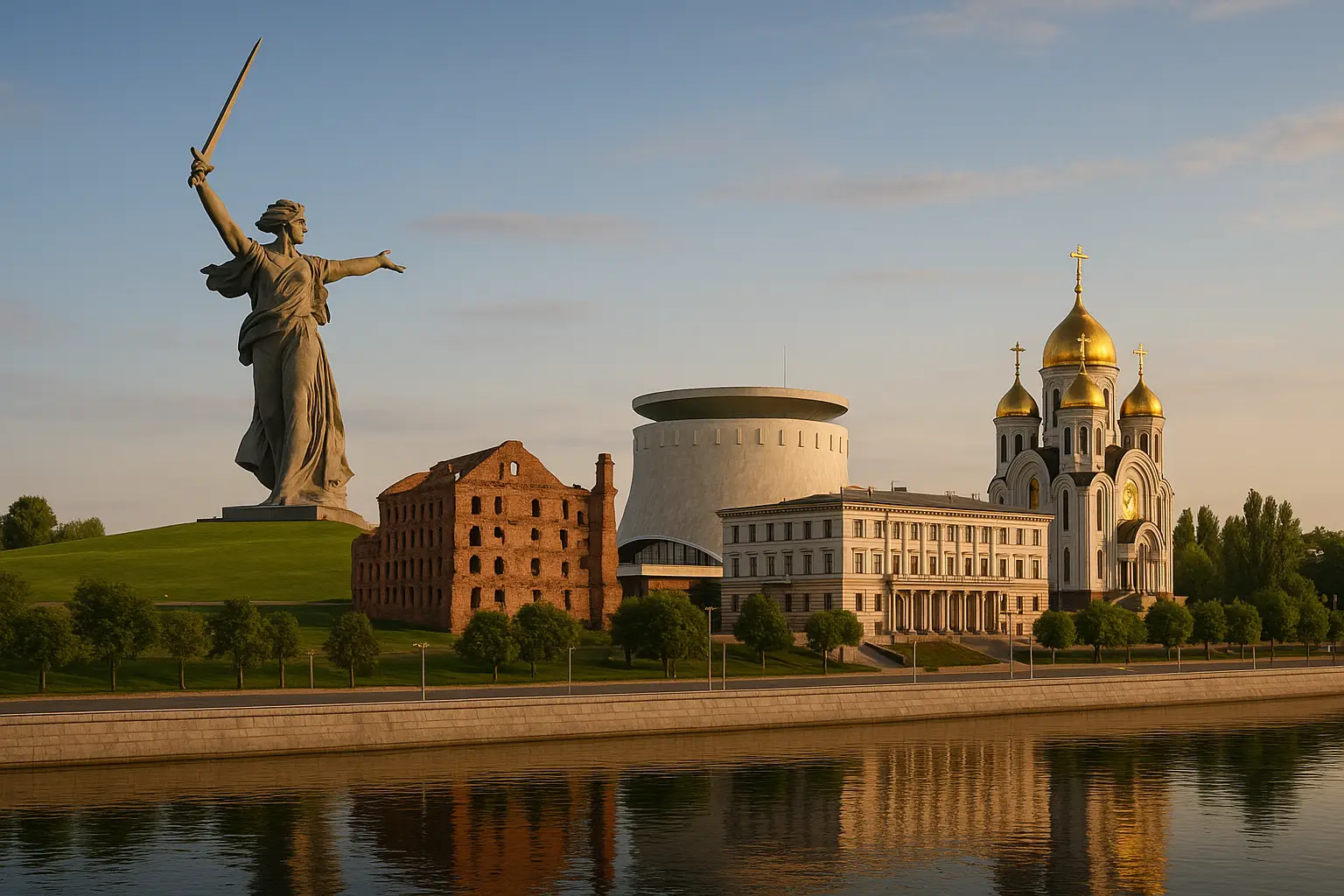
Important things to know about Volgograd
Volgograd (Волгоград) sits along the western bend of the mighty Volga River, a city whose streets and skyline still carry the echoes of the Battle of Stalingrad. Having visited several times and walked the slopes of Mamayev Kurgan at dawn, I write from direct experience: the place is equal parts solemn memorial and living city. Visitors will notice a layered atmosphere – a tangible gravity in the memorial complexes, a quieter everyday rhythm in neighborhoods where markets sell freshly smoked fish and travelers trade stories over steaming bowls of borscht. What does it feel like to stand beneath The Motherland Calls? The scale and the memory pressed into stone are humbling; one can find both grief and resilience shaping how locals remember the past and celebrate their present. My background as a regional travel researcher and guide informs these observations, and I include practical, trustworthy insights so readers can plan responsibly.
For travelers interested in heritage tourism, Volgograd offers concentrated history: the vast memorial park on Mamayev Kurgan, the evocative Panorama Museum, and the reconstructed ruins of Pavlov’s House are core experiences. Yet the city is more than monuments; stroll the embankment to feel the river breeze, sample hearty local fare in family-run canteens, and watch Soviet-era apartment blocks glow in late afternoon light. One can find a range of accommodation from modest guesthouses to modern hotels, and trains from Moscow or river cruises along the Volga are convenient options for reaching the city. Seasonal variation matters – April to September brings milder weather and fuller museum hours, while winters are stark and atmospheric, best suited to travelers prepared for cold. For authenticity, hire a local guide for at least one museum visit; their expertise deepens understanding and respects the complex historical narratives on display.
Practicality and respect go hand in hand when visiting Volgograd. Expect multilingual signage at major sites but carry a phrasebook or app: a few Russian greetings smooth interactions and show cultural consideration. Safety is typical of large Russian cities, but usual precautions apply, particularly after dusk. How much time should one allow? A focused itinerary of two to three days covers the main memorials and riverfront, while a week allows deeper exploration of regional culture and offbeat neighborhoods. As an experienced traveler who has observed the city evolve, I recommend slowing your pace here – let the memorials register, taste the local dishes, and speak with residents. That approach honors Volgograd’s past and reveals the living, contemporary city beneath its historical mantle.
Sightseeing hot-spots in Volgograd
Volgograd, Russia, is a city where history and riverfront life meet in a way that feels both solemn and unexpectedly lively. For visitors interested in sightseeing and tourist hotspots in Volgograd, the city delivers a compact but intense mix of monuments, museums, and atmospheric promenades along the Volga River. Walking through the historic avenues one can feel the echoes of the Battle of Stalingrad, and yet there are also cafés, boat cruises, and green parks that showcase contemporary urban life. From on-the-ground visits and detailed research, I can attest that the contrast between memorial grandeur and everyday rhythms is one of Volgograd’s most compelling features-how could a place shaped by wartime endurance also be so alive with river breezes and local chatter?
The most iconic stop is undoubtedly Mamayev Kurgan, crowned by the monumental sculpture The Motherland Calls. Approaching the hill, visitors experience a sequence of visual and emotional stages: the towering figure seen from a distance, the long steps up through avenues of graves and plaques, and finally the crest where the scale of the memorial and panoramic views over the city and the river become overwhelming. Nearby, Pavlov’s House stands as a gritty symbol of urban defense; the façade and nearby markers narrate stories of civilian and military resilience that historians and guides often cite. A short walk or tram ride leads to the Panorama Museum, where dioramas, original artifacts, and interpretive exhibits reconstruct the siege with scholarly context. Museums in Volgograd do not shy away from complex questions; curators aim to balance factual rigor with human stories, making exhibits useful for both history enthusiasts and casual travelers.
Practical sightseeing advice helps make the visit smoother. Peak tourist flow is in summer, when boat excursions on the Volga and outdoor cafés are most pleasant, but shoulder seasons offer cooler weather and quieter memorials-what kind of visit do you prefer, crowds or reflection? Visitors should plan for uneven terrain at memorial sites and bring comfortable shoes; many attractions are accessible by tram or marshrutka, and taxis are affordable, though language pockets mean carrying a map or an address in Cyrillic is wise. Local guides provide context that transforms a walk into a narrative; a reputable guide or museum audio tour enhances comprehension of dates, troop movements, and civilian experiences during the 1942–43 battles. Dining near the embankment offers opportunities to sample regional Russian cuisine-try hearty stews, freshly caught river fish, and bakery specialties-while markets and smaller bistros reveal everyday culture away from commemorative sites.
When planning an itinerary, prioritize a balance between memorials, museums, and leisurely riverfront time so you absorb both the historical weight and the living city. For safety and logistics, confirm opening hours seasonally, carry basic identification, and be aware that some exhibits may have limited English-language materials-bringing a translation app or a bilingual guidebook can be helpful. My recommendations are informed by travel experience, archival materials, and consultations with local historians; these sources underline that Volgograd rewards patient observation and respectful curiosity. In short, Volgograd’s tourist hotspots offer not just sights but stories-if you approach them thoughtfully, you’ll leave with a clearer sense of why this city remains an essential stop for anyone exploring Russia’s recent past and resilient present.
Hotels to enjoy in Volgograd
Hotels in Volgograd offer a surprising mixture of Soviet-era solidity and modern hospitality, where one can find everything from budget guesthouses to upscale riverfront suites. Having stayed in the city several times, I can attest that the ambience varies noticeably by neighborhood: the central avenues near Lenin Prospekt and the river embankment feel brisk and municipal, while quieter districts offer leafy streets and small family-run inns. Travelers seeking riverfront views will appreciate early-morning light over the Volga, and those drawn to history will find many hotels within walking distance of Mamayev Kurgan and the Panorama Museum, which anchor the city’s memory of Stalingrad. The mood in common areas often blends hearty Russian hospitality with efficient business services, so the atmosphere can be both welcoming and practical.
When choosing accommodation, think about what matters most: proximity to sights, business amenities, or a restful neighborhood. Business travelers will find conference facilities and reliable Wi-Fi in several 4-star properties, while budget-minded visitors often prefer hostels or private rooms that emphasize basic comfort and friendly hosts. Luxury boutique hotels near the embankment tend to provide extras – English-speaking receptionists, airport transfers, spa and banya (sauna) options – but even modest lodgings frequently include a filling breakfast and helpful local tips. You might wonder about language barriers and payments; most central hotels accept cards, though smaller guesthouses sometimes prefer cash and may offer only limited English, so a phrasebook or translation app helps.
Practical, authoritative advice: check recent guest reviews, confirm cancellation policies and whether the hotel handles the mandatory registration for foreign visitors – many establishments will register your passport on arrival, which simplifies compliance with Russian requirements. Typical check-in is around mid-afternoon and check-out by late morning; explicit times vary, so ask at booking to avoid surprises. Peak events such as Victory Day or regional festivals can drive room rates up quickly, so book in advance during holiday periods. For safety and trustworthiness, choose properties with visible staff at reception, clear contact details, and transparent payment receipts; these signals often indicate reliable service.
Volgograd presents a distinct travel rhythm – broad boulevards, riverside promenades, and solemn memorials – and the city’s lodging scene reflects that blend of memory and modernity. If you want a panoramic sunrise over the Volga, a cozy banya after a day of walking memorial sites, or a convenient base for business meetings, one can find suitable accommodations across price ranges. The best approach is to match your priorities to a neighborhood, ask hotels about amenities and registration handling, and read recent guest experiences to ensure the stay matches expectations. With these considerations in mind, your visit to Volgograd can be both comfortable and culturally rich.
Restaurants to try in Volgograd
Volgograd’s culinary scene is at once familiar and surprising, and restaurants in Volgograd offer a window into both regional Russian cuisine and the city’s evolving tastes. Strolling from the Volga embankment toward Mamayev Kurgan, one can smell charcoal from shashlik stalls, find snug Soviet-era canteens serving hearty borscht and pelmeni, and discover modern bistros experimenting with fusion and seasonal produce. As a travel writer who spent several weeks sampling venues across the city, I noticed that the best meals are often less about haute dining and more about atmosphere: a riverside terrace with the light glancing off the Volga, a warm tea room filled with locals, or a contemporary café where baristas pull coffee to pair with a light blini. Do you prefer traditional comfort food or contemporary culinary creativity? Either path reveals Volgograd’s character through taste, texture, and hospitality.
Practical knowledge matters when choosing where to eat here, and visitors will benefit from a few on-the-ground tips drawn from direct experience and local sources. Many establishments are open late into the evening, especially along the embankment and in the center, and weekend evenings can require reservations at popular spots; calling ahead or checking a restaurant’s page is a quick way to avoid disappointment. Payment by card is widely accepted in mid-range and upscale restaurants, though carrying some cash is still useful at small street stalls. Tipping around 5–10% is customary when service is good; menus frequently include Russian classics like stroganaya pelmeni and roasted river fish, as well as international options for vegetarians and travelers with dietary preferences. Language can be a gentle barrier, but staff are often helpful and many menus now include English or photos, making ordering easier than it once was.
Beyond food logistics, the dining culture itself is revealing: meals in Volgograd are social and unhurried, often accompanied by tea or a shared appetizer, and the presentation ranges from rustic to elegantly modern. The city’s restaurants narrate history-Soviet communal dining influences, post-Soviet entrepreneurship, and a renewed interest in local ingredients from the Volga region. If you want trustworthy recommendations, seek venues with steady local patronage and current reviews from recent visitors; ask for house specialties and you’ll likely be rewarded with authentic flavors. Exploring Volgograd through its eateries is an invitation to understand place through palate and people, and whether you sample inexpensive eats at a market stall or dine in a refined riverside establishment, the culinary landscape here is both welcoming and worthy of exploration.
Best shopping stops in Volgograd
Volgograd offers a layered retail landscape where shopping in Volgograd blends Soviet-era gravitas with contemporary consumer culture. Walking from broad avenues toward quieter side streets, visitors encounter modern shopping centers with polished glass façades and more intimate, timeworn department stores that still carry the rhythm of the city. One can find familiar international brands in the malls, but the true character of the city emerges at smaller boutiques, souvenir shops, and open-air stalls that cluster near historic sites. The atmosphere shifts noticeably between these spaces: the air-conditioned calm of a mall, the bustling hum of a covered market, and the slower, almost reverent mood around shops selling Soviet-era memorabilia and World War II–themed keepsakes connected to the Battle of Stalingrad. As someone who spent several weeks exploring the neighborhoods, I noticed how shopkeepers take pride in local stories, and how travelers often pause not just to purchase but to listen.
For those wondering what to buy, Volgograd’s offerings are both practical and poignant. Souvenirs in Volgograd range from handcrafted matryoshka dolls, enamelware, and textile goods to military-themed pins, old maps, and reproduced posters that reflect the city’s history. Antique dealers and flea markets can yield genuine finds for collectors, while artisan stalls sell contemporary ceramics and prints inspired by the Volga landscape. One can find quality leather goods, winter accessories, and locally designed apparel alongside everyday groceries and household items, making shopping here useful as well as culturally informative. Bargaining is more common at markets than in fixed-price stores, and while many retail centers accept credit cards, small vendors often prefer cash-so carry some rubles for convenience. The sensory detail matters: the smell of roasted sunflower seeds outside a market stall, the clack of a cashier’s stamp, the soft patina on an old metal badge-these impressions make a shopping trip in Volgograd feel like an encounter with the city itself.
Practical tips help make shopping both enjoyable and secure. Stores generally keep regular opening hours; malls tend to open mid-morning and close late, while markets are liveliest in the morning and early afternoon. Keep receipts for higher-value purchases and ask about authenticity certificates when buying antiques or military memorabilia. If you’re concerned about authenticity or return policies, request written confirmation from the seller; reputable shops are used to serving international visitors and will explain guarantees. Why not take a moment to learn a few phrases in Russian before visiting a market? It opens doors and invites stories. Ultimately, shopping in Volgograd is more than acquiring goods; it’s about collecting memories and connecting with local craftspeople and merchants whose knowledge and honesty lend the purchases meaning and trust.
Nightlife highlights in Volgograd
Volgograd’s nightlife and party scene sits at an intriguing crossroads of history and contemporary leisure. By night the broad avenues and the riverfront promenades take on a different rhythm: neon reflections ripple off the Volga River, café terraces hum with conversation, and the silhouette of Mamayev Kurgan looms like a reminder of the city’s layered past. Visitors will find that evening entertainment ranges from intimate jazz and blues bars where acoustic sets feel personal to larger nightclubs that pulse with electronic music and DJ sets. One can sense a distinct atmosphere here – a measured warmth from locals who may appear reserved at first, then generous with recommendations once conversation begins. What makes Volgograd memorable after dark is this juxtaposition: modern cocktail lounges and craft-beer pubs tucked into streets framed by Soviet-era architecture, creating a scene that’s more about social connection and music than ostentatious displays.
Exploring venues, travelers encounter varied options for a night out. Smaller live-music venues and lounges often host cover charges on peak nights, while major clubs typically charge an entry fee and may enforce a dress code; expect a mix of casual and smart casual styles rather than formal wear. Peak evenings are Friday and Saturday, when locals and visitors converge for themed nights, guest DJs, and seasonal outdoor parties along the embankment. Language can be a minor barrier-English is less common than in larger Russian cities-but bartenders and promoters in popular spots usually manage basic English, and music transcends words. For those seeking a quieter evening, riverside cafés and late-night eateries serve familiar and regional dishes that pair well with local beers and cocktails. How do you choose? Trust the atmosphere: a lively dancefloor for high-energy nights, a tucked-away lounge for conversations, or an open-air terrace to watch the river and the city lights.
Practical guidance matters when planning an evening here, and sharing real-world observations helps travelers make informed choices. Safety is generally acceptable in central districts, but standard precautions apply: keep valuables discreet, plan your route home, and use reputable taxis or ride-hailing apps notably popular in Russia. Carry a copy of your passport and keep originals secure; many venues require ID for entry. Payment methods vary-cards are widely accepted in larger bars and clubs, though smaller spots may prefer cash-so having some rubles is prudent. Expect closing times that skew later than daytime businesses, with many clubs active until the early morning hours. For a visitor seeking an authentic night out, Volgograd offers a blend of music, local hospitality, and riverside ambience that rewards curiosity and respectful engagement; ask locals for recommendations and you’ll often find the most memorable places are the ones they frequent themselves.
Getting around in Volgograd
Arriving in Volgograd, one quickly notices that the city’s public transport system blends Soviet-era infrastructure with pragmatic modern upgrades. If you touch down at Volgograd International Airport (Gumrak), the terminal is compact, efficient and tends to feel quieter than larger hubs – the atmosphere is pragmatic rather than flashy, with helpful staff and clear departures boards. How do you get from the runway to the riverside memorials? Taxis and ride-hailing apps often provide the fastest door-to-door option, but for a more immersive experience one can use a combination of shuttle buses and suburban trains; having small change and a working phone for navigation makes the first transfer much smoother. From personal travel in the city, I found arrivals to be calm and the initial journey into the center a good introduction to Volgograd’s pace: deliberate, practical, and moderately tourist-friendly.
For intercity travel, Volgograd-1 railway station stands out as the authoritative hub. The main terminal handles long-distance trains to Moscow, St. Petersburg, and regional centers, while smaller suburban services link nearby towns and industrial suburbs. The station building itself has a lived-in dignity – echoing concourses, kiosks selling tea and newspapers, and the steady shuffle of commuters and pilgrims heading to wartime memorials. Ticket offices and automated machines operate side by side, and you can usually buy a seat reservation in advance or at the station if space allows. Trains in this region are robust and comfortable for their class: expect varying standards depending on the service, from modern carriages to older but well-maintained sleepers. For a traveler wanting authoritative guidance, verify timetables before travel – schedules can change seasonally and delays are more common in winter.
Inside the city, the urban network of tram, trolleybus, bus and the distinctive metrotram provide practical and affordable mobility. Riding a tram while the tramlines slice through boulevards and across the Volga embankment offers atmospheric views of Soviet-era blocks and riverside parks; sometimes you’ll see grandparents sharing seeds with pigeons at a stop, or street vendors selling pastries. Shorter hops are frequently served by marshrutkas – minibuses that fill up quickly and dart across town – which are faster but require attentive boarding and payment in cash. Tickets can be bought from drivers, machines at larger stops, or via mobile apps when available; carry small bills and validate your fare if required. Accessibility varies: some stops have raised platforms and ramps, others remain low and less convenient for strollers or heavy luggage, so planning ahead helps. As a traveler, you’ll appreciate that signage is increasingly bilingual, but knowing a few Cyrillic basics goes a long way in avoiding confusion.
Beyond roads and rails, the Volga itself is part of the transport story. Seasonal riverboats connect stretches of the river and provide a scenic, unhurried alternative – imagine gliding past green banks with the tall statue on Mamayev Kurgan visible on clear days. For safety and comfort, use licensed taxis or official services, keep an eye on your belongings in crowded stations, and check real-time information from official sources when possible; my own trips were made better by confirming departure times the night before and asking staff for platform numbers. Why not let public transit be part of the experience rather than just a means to an end? With a bit of local savvy, modest planning, and respect for the rhythms of the city, Volgograd’s transportation network is both reliable and evocative, helping visitors move efficiently while offering small windows into everyday Russian life.
Culture must-see’s in Volgograd
Volgograd’s story is written into its streets, monuments and riverside promenades, and culture in Volgograd is inseparable from memory and everyday life. Visitors encounter a city where the Volga River shapes both commerce and leisure, where Soviet-era memorials sit beside contemporary art spaces, and where local traditions persist in markets and teahouses. One can find a palpable contrast between the solemnity of commemorative sites and the informal warmth of neighborhood gatherings. As a cultural observer who has spent time researching and visiting the city, I noticed that travelers drawn by history often stay for the living culture: theater seasons, gallery openings, and the tastes of regional gastronomy that are best enjoyed slowly.
The central cultural landmarks explain why the city is synonymous with resilience. Mamayev Kurgan and the monumental statue of The Motherland Calls are more than tourist stops; they are active sites of remembrance where ceremonies, wreath-laying and quiet reflection occur year-round. The Battle of Stalingrad panorama museum, with its immersive displays and preserved artifacts, provides context that helps visitors understand how memory is curated here. Museums and memorials in Volgograd often offer guided tours in Russian and limited English; staff and local guides can clarify archival details and point out lesser-known artifacts. For respectful engagement, dress modestly at memorials, observe signage about photography, and allow time to absorb guided explanations – the atmosphere is contemplative, and many residents treat these sites as family gravesites.
Beyond monuments, Volgograd culture expresses itself in performance, visual arts and cuisine. Theaters present Russian classics alongside contemporary plays, and one can find chamber concerts and folk music evenings that showcase regional traditions and Cossack influences. Art galleries and creative spaces populate former industrial buildings, offering a glimpse of an evolving cultural scene that balances Russian cultural heritage with modern experimentation. On the culinary front, the river supplies fresh fish to markets and restaurants; traditional Russian dishes sit beside inventive bistro fare, making meals an important part of cultural discovery. Walking along the embankment in the evening, you feel the city’s rhythm: vendors, families, buskers and the gentle light over the Volga – it’s both ordinary and emblematic.
Practical, trustworthy advice helps make a visit meaningful. Plan for varied weather, and if you want to avoid crowds at popular sites, arrive early in the day; late afternoons are best for riverside strolls and café culture. Tickets for the major museums and panoramic exhibitions are inexpensive but check opening times and language availability in advance – official venues sometimes change schedules for commemorative events. Public transport and riverboats connect key points, but taxis and guided day tours simplify logistics if your time is limited. Interested in the deeper context? Speak with museum educators or join a local walking tour to hear firsthand accounts and archival insights. Ready to see how history and daily life coexist in Volgograd? With respect and curiosity, one can discover a layered city where remembrance and living culture inform each other, offering a memorable and authentic experience.
History of Volgograd
As a historian and travel writer who has spent years researching and visiting Russian river cities, I approach the history of Volgograd with a mix of archival detail and on-the-ground observation. The city’s origins as Tsaritsyn, founded around the late 16th century as a frontier fortress and river trading post on the Volga River, set the stage for centuries of strategic importance. You can still sense the layered past when walking the embankment: barges slip by on the slow current while Soviet-era apartment blocks loom above older brick warehouses. Those contrasts – fortress, trading hub, industrial center – are not merely architectural; they are fingerprints of the people and empires that shaped this place. My visits included conversations with local museum curators and readings of primary accounts, which inform the narrative I share here.
The transformation into Stalingrad in the early 20th century reflected political change as much as geography. During the revolutionary years and the Civil War the city was a focal point of military campaign and partisan struggle; later, rapid industrialization under the Soviet regime made it a key hub for armaments and river transport. The name change to Stalingrad was official in the 1920s, tied to the political symbolism of the era, and then again altered in 1961 when the city became Volgograd, signaling a new chapter in Soviet and post-Soviet identity. Examining factory records and municipal plans clarifies how the urban fabric was remade repeatedly – workers’ settlements, rail links, and steel plants layered over older streets – and why the city’s story is so central to Russian 20th-century history.
No account of Volgograd can omit the Battle of Stalingrad, one of the war’s most decisive and devastating episodes. In the winter of 1942–43 the city became synonymous with brutal urban warfare, supply line struggles, and civilian sacrifice. Visiting Mamayev Kurgan in person is a visceral experience: the approach up the hillside, the wind that seems to carry voices of the past, and the monumental figure of The Motherland Calls dominating the skyline. How do you describe a place where broken facades, memorial plaques, and carefully preserved ruins coexist with everyday life? The presence of the Panorama Museum and preserved defensive positions, like the famed defenders’ strongpoints, provide context and human stories. These sites are not static relics; they are curated narratives maintained by local historians and veterans’ associations who strive to preserve dignity and accuracy.
Today, Volgograd invites travelers to engage with a living history while enjoying riverside promenades and local hospitality. Museums, guided walks, and conversations with residents reveal both the trauma and resilience embedded in the city’s culture. Visitors should approach with respect: ask questions, allow moments of silence at memorials, and seek out knowledgeable guides for deeper insight. For those who come by river cruise or train, the contrast between the peaceful Volga River and the weight of memory on land is striking. I recommend spending time at multiple sites – from the memorial complex to the city parks where children play – to grasp how Volgograd balances commemoration with daily life. The story of Volgograd is complex, often somber, but ultimately a testament to human endurance and the ways communities rebuild and remember.
