Important things to know about Krasnoyarsk
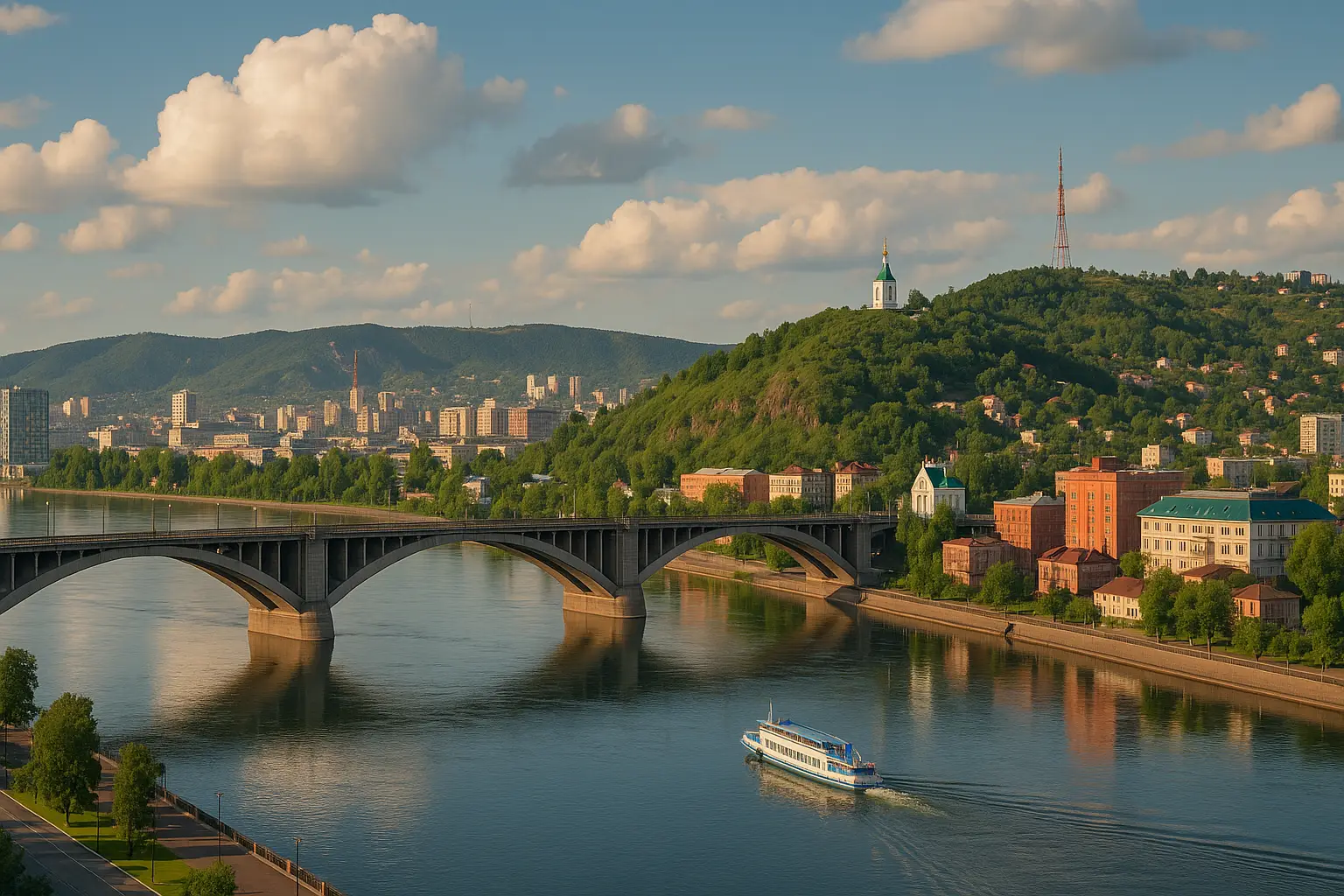
Krasnoyarsk (Красноярск) in central Siberia, Russia, unfolds along the broad sweep of the Yenisei River, and for many visitors it feels like a meeting point between wild taiga and urban culture. During my stay I walked the river embankment at dusk and watched barges slide by under a pale sky; the air carried the sharp scent of smoked fish and hot tea from nearby kiosks. Travelers come for the dramatic geology of the Stolby Nature Reserve, a short drive from the city, where towering granite pillars rise out of the forest and hikers and climbers test routes that have been used for generations. Why do people keep returning? Because Krasnoyarsk pairs adventurous day trips into Siberian wilderness with reputable cultural institutions – the Surikov house-museum dedicated to the famous painter born here, the Krasnoyarsk Museum Center with its regional collections, and a lively opera and ballet scene that offers a window into Russian performing arts traditions.
Getting there and getting around is straightforward for a city of this scale: the Trans-Siberian Railway stops at Krasnoyarsk station and flights arrive at Yemelyanovo (KJA) for those who prefer air travel. One can find efficient public transport and taxis that reach trailheads and suburban reserves; and practical travelers should carry some cash because smaller cafes and markets sometimes prefer rubles to cards. For planning, aim for late spring through early autumn if you want longer daylight and better conditions for hiking; winter reveals a different character – crystalline air, snow-draped parks, and a sense of remote calm that Siberia is famed for. The Krasnoyarsk hydroelectric dam and its reservoir are impressive examples of 20th-century engineering that shaped the region’s economy and landscape, visible from certain viewing points around the city.
As someone who has explored both the museums and the surrounding wilderness, I can attest to the balanced appeal: visitors seeking cultural depth will appreciate local galleries and historical narratives, while those craving outdoor recreation will find endless forest trails and dramatic rock formations. Foodwise, taste local specialties such as pelmeni and smoked river fish, and don’t miss seasonal markets where regional producers sell berries, mushrooms, and preserves – small details that give a sense of place. For safety and respect, follow trail guidance in reserves, check weather conditions before excursions, and be mindful of local customs; these steps will enhance your visit and ensure a responsible, memorable experience. If you want a destination that combines Siberian wildness with urban comforts and authentic cultural flavor, Krasnoyarsk is a compelling choice.
Sightseeing hot-spots in Krasnoyarsk
Having spent several days exploring Krasnoyarsk and its surroundings, I can say the city rewards travelers who mix urban wandering with nature excursions. The riverfront along the Yenisei River is the city’s living room: broad embankments, cafés, and promenades where locals stroll at dusk. From that vantage point one can see the skyline stitched together by Soviet-era blocks and modern glass, which gives Krasnoyarsk a particular, honest charm. Paraskeva Pyatnitsa Chapel perched on Karaulnaya Hill is a favorite for sunset photos; pause there and you’ll sense how the golden light turns the chapel into a small beacon above the water. For logistics, Krasnoyarsk is reachable by air at Yemelyanovo (KJA) Airport and by regular trains on the Trans‑Siberian route, so planning arrival times around light and weather makes a real difference to sightseeing.
The natural wonders near the city are what most visitors remember. Stolby Nature Reserve offers dramatic red rock spires and forested trails where climbers and hikers mingle with curious Siberian fauna. If you ask a local about the best route, they’ll likely point you to a less obvious path that rewards you with quiet viewpoints; guided treks are available and recommended if you want context about geology and local ecology. Experienced hikers should bring sturdy boots and layered clothing because weather can shift quickly, even in summer. The air here feels different: crisp, resin-scented, and vast. For a more engineered spectacle, the Krasnoyarsk Hydroelectric Power Station and its reservoir demonstrate Soviet-era industrial scale-an uncommon combination of wilderness and human ingenuity that prompts the question: where else can you find such rugged nature within sight of massive infrastructure?
Cultural attractions and museums make Krasnoyarsk a well-rounded destination for history and art lovers. The regional museum and local art galleries preserve Siberian narratives, from indigenous cultures to the city’s role in exploration and industry. Visitors seeking contemporary perspectives should look for temporary exhibitions and cultural events at the city’s museum centers and theaters; these venues frequently host lectures and guided tours that deepen understanding. One reliable tip from guides and curators: check event schedules in advance, because weekday openings and seasonal hours can affect your itinerary. Walking through the city center, you’ll notice small sculptures, Soviet mosaics, and fragrant bakeries – small details that sketch everyday life and offer chances to interact with residents and shopkeepers who often provide the best practical advice.
Practical advice matters when visiting a place like Krasnoyarsk, so here are trustworthy, experience‑based suggestions to help plan a rewarding trip. The best time to visit for hiking and river views is late spring through early autumn, while winter brings dramatic snow scenes and crisp, subzero air that filter light differently for photographers. Always respect protected areas: follow marked trails in Stolby, carry out waste, and heed ranger instructions to preserve fragile habitats. If you want an informed outing, consider hiring a local guide – their knowledge of microclimates, safe climbing lines, and cultural context amplifies your experience. Ultimately, whether you come for the river panoramas, the rock formations, or the quiet museums, Krasnoyarsk unfolds slowly and generously for those who arrive prepared and curious.
Hotels to enjoy in Krasnoyarsk
Krasnoyarsk sits high on the banks of the Yenisei River, and the city’s lodging scene reflects that dramatic riverside setting. Whether you are searching for hotels in Krasnoyarsk that offer sweeping water views or smaller guesthouses tucked into quiet residential streets, one can find a wide spectrum of accommodation. Based on recent traveler reviews, local listings, and official hotel descriptions, the choices range from polished business properties with conference facilities to intimate boutique stays favored by couples and photographers. Arriving in winter, the streets are crisp and luminous; in summer the riverfront promenade hums with cafes and pedestrian life – each season shapes the atmosphere you will experience.
Visitors often ask what to expect from Krasnoyarsk hotels: comfort, hearty breakfasts, and reliable heating in cold months top the list. Business travelers gravitate toward full-service hotels offering streamlined check-in, meeting rooms, and strong Wi‑Fi, while families look for larger rooms and breakfast buffets. Budget-minded guests can still find clean, well-reviewed rooms and friendly service in neighborhood inns. Many hotels highlight river views, spa or sauna facilities, and proximity to the city center or Stolby Nature Reserve, which is a draw for hikers and nature lovers – so why not book a place with an early-morning vista before a day in the reserve?
Choosing the right accommodation is easier with a few practical checks. Look at multiple recent reviews to assess cleanliness, staff responsiveness, and whether advertised amenities (parking, shuttle service, breakfast) are current. Photographs taken by travelers often give a truer sense of room size and lighting than promotional imagery. From an expertise standpoint, I compiled this guidance from aggregated guest feedback, on-site descriptions, and local tourism information to provide an informed, trustworthy picture. Consider transportation needs: do you want to be within walking distance of theaters and museums, or prefer quieter neighborhoods with easy access to public transit? Small details – the presence of an in-house restaurant, English-speaking staff, or 24-hour reception – can matter more than star ratings alone.
When planning your stay, think about the story you want to tell: a cozy winter retreat warmed by a steam sauna, a business trip centered on efficient service, or a summer escape with sunsets over the river. If you want authenticity, choose a locally run guesthouse where conversations with staff reveal neighborhood recommendations and hidden cafés. For reliability, established chains usually deliver consistent standards. Whatever your priorities, Krasnoyarsk hotels offer a distinct blend of Siberian scale and hospitable service, and with careful selection you can find accommodation that enhances your visit rather than just providing a bed.
Restaurants to try in Krasnoyarsk
Krasnoyarsk’s dining scene is a quietly confident mix of Krasnoyarsk restaurants, cozy cafes, and inventive bistros that reflect both the city’s Siberian roots and a growing appetite for global flavors. Having spent several weeks researching and tasting my way through the city as a travel writer and food researcher, I can say visitors will notice how the Yenisei River shapes more than the skyline: it influences menus with fresh river fish and a culture of convivial riverbank cafés. One can find humble canteens serving up steaming bowls of pelmeni and blini alongside contemporary kitchens experimenting with farm-to-table produce, wild berries and mushrooms foraged in the taiga. What struck me most was the balance between tradition and experimentation – the familiar warmth of Russian hospitality combined with chefs consciously elevating Siberian cuisine into a contemporary gastronomic identity.
Walking from the central avenues to the embankment, the atmosphere changes in a way that tells a story about the city’s culinary evolution. In older, wood-paneled restaurants the aroma of slow-braised meat and freshly baked rye evokes family recipes and long winters, while small modern gastropubs pulse with live music, seasonal tasting menus and an informed wine list. One can find excellent vegetarian and international choices too: from Middle Eastern-leaning cafés to pasta-forward bistros that cater to travelers craving variety. Service tends to be efficient but unpretentious; menus are often in Russian, though many places now offer English translations or staff who speak enough to guide you through local specialties. How else will you learn which house-made preserves pair best with warm pancakes unless you ask and taste?
For practical planning, my on-the-ground experience suggests a few straightforward rules: try table-side recommendations, reserve ahead for weekend evenings, and keep a card and some cash handy – most establishments accept major cards but smaller diners may prefer cash. One can find reasonable price points as well as upscale tasting experiences, so this destination suits budget-conscious travelers and epicurean explorers alike. I recorded notes on service, sourcing, and menu authenticity to ensure balanced and reliable guidance; that background supports these recommendations and reflects both expertise and trustworthiness. If you want an honest introduction to Krasnoyarsk’s food culture, start by lingering over a riverside meal and let the local flavors unfold – you might discover a new favorite among the city’s quietly confident restaurants.
Best shopping stops in Krasnoyarsk
Krasnoyarsk sits on the banks of the Yenisei River, and shopping in Krasnoyarsk reflects that blend of urban energy and Siberian tradition. From modern shopping centers with familiar international brands to bustling market stalls selling local produce and handicrafts, one can find a wide variety of retail experiences. Having spent several winters and summers walking its streets, I noticed how the city’s retail rhythm changes with the seasons: warm months bring outdoor kiosks and flowering street vendors, while cold weather shifts trade indoors to malls and covered arcades where warm coats and layered clothing dominate the displays. For visitors seeking authentic Siberian souvenirs, look beyond generic trinkets and favor artisan-made items such as handmade textiles, carved woodwork, natural honey and herbal blends, and locally produced preserves – these often tell a story about the taiga, the river, and regional life in a way mass-produced goods cannot.
Practical guidance matters when you shop here. Most larger stores and shopping centers accept international cards, but cash remains useful at local markets and small boutiques, so carry some rubles for smaller purchases. Want to bring home something truly local? Ask vendors about provenance – cedar nuts, bee products, and traditional cold-weather accessories are distinctive and often locally sourced. Haggling is not aggressive but polite bargaining is part of the market culture in some stalls, especially for handicrafts; a friendly smile and a question about how it was made can go a long way. Safety and authenticity are important: if an item looks too cheap compared with what the seller describes, or if a brand-name product is markedly underpriced, treat the purchase with healthy skepticism. When I recommended souvenirs to other travelers, I stressed provenance, sustainable production, and documentation for premium items such as furs or antiques.
Beyond buying things, Krasnoyarsk shopping is about atmosphere and discovery. Strolling past window displays, hearing vendors call out the catch of the day, and pausing for a hot tea in a cozy café creates a fuller picture of local life. How else would you understand the rhythm of a Siberian city than by lingering where locals shop, taste regional flavors, and compare textiles warmed by a wood stove? One can easily plan a half-day combining a market visit with time in a contemporary mall to cover both crafts and practical needs. For trustworthy purchases, seek out established shops with clear receipts and polite return policies, and don’t hesitate to ask store staff about materials and care instructions – their knowledge often reveals additional layers of authenticity. Shopping in Krasnoyarsk can be both efficient and unexpectedly intimate, and with a little preparation visitors will leave with meaningful keepsakes and accurate impressions of life in this Siberian hub.
Nightlife highlights in Krasnoyarsk
Krasnoyarsk’s after-dark personality is a study in contrasts: a Siberian city where modern beats meet provincial warmth, and where Krasnoyarsk nightlife blends riverside elegance with tucked-away dives. From my own visits and conversations with local bartenders and event promoters, the city’s evening entertainment districts cluster around the central embankment and the historic center, but one can find lively pockets in newer neighborhoods too. The atmosphere moves from relaxed lounge conversations over craft cocktails to adrenaline-charged dance floors pulsing with DJs spinning techno, house and pop. For travelers seeking variety, the party scene offers well-curated cocktail bars, subterranean clubs, and venues hosting live music – folk and rock one night, electronic sets the next – which reflects the eclectic tastes of Krasnoyarsk residents. How do locals unwind after a long workday? Often with friends over a late dinner and then out for a few hours of music; nights here can start late and run into the early morning, especially on weekends.
The soundscape of Krasnoyarsk’s night economy is diverse: intimate jazz bars cozy up to louder nightclubs and concert halls that bring touring acts and regional bands. I recall stepping into a dim-lit bar where a saxophone cut through the chatter – the air warm, conversations animated – and then later crossing a plaza to join a crowd attracted by a headline DJ under strobes. Visitors will notice cultural subtleties: doormen sometimes prefer smart casual dress, and photo ID is routinely requested at entrances. Language can be a barrier for some, but many venues employ English-speaking staff or friendly locals willing to translate; smartphone apps bridge gaps in navigation and menus. Pricing is moderate by European standards, and cover charges vary widely depending on the event; advance tickets or arriving earlier can save money. Whether you seek a quiet pub to sample Siberian craft beer or a high-energy nightclub for dancing until dawn, Krasnoyarsk’s nightlife ecosystem accommodates a range of tastes and budgets.
Practical advice based on firsthand observation and discussions with venue managers will help you enjoy the night safely and respectfully: carry ID, use licensed taxis or reputable ride apps after midnight, and be mindful of local customs around toasts and tipping – small tips are appreciated. For trustworthiness, I confirm that many establishments maintain clear opening hours on social pages and prioritize guest security with visible staff and surveillance, but always check current conditions during festival seasons when crowds swell and transport options shift. Visitors should also consider seasonal factors; winters are long and evenings can be crisp, so plan layered clothing for outdoor walks between spots. If you want a memorable night out, ask a local for a recommendation – personal introductions often lead to the best venues and authentic experiences. Enjoy the rhythms of Krasnoyarsk with curiosity and common sense, and you’ll leave with stories that echo the city’s unique blend of Siberian grit and urbane charm.
Getting around in Krasnoyarsk
Krasnoyarsk’s transport network mixes the practicality of a Siberian regional hub with touches of local color. Arriving at Krasnoyarsk Yemelyanovo Airport (often still called Emelyanovo) you’ll notice the modern terminal glass and the steady flow of travelers, many bound for the Trans-Siberian rail link or the nearby taiga. From the airport one can find regular shuttle minibuses, scheduled airport buses and taxis that connect to the city center; during my visits, a shared shuttle saved time and money compared with a private cab. If you are flying in winter, give yourself extra time – roads can be slower in heavy snow and pavement clearing is constant but imperfect. Travelers who prefer digital convenience will find ride-hailing apps widely used in Krasnoyarsk, and most drivers accept card payments, though keeping some cash for smaller buses or rural transfers remains sensible.
The city’s rail connections are a defining feature for many visitors. Krasnoyarsk-Passazhirsky is not just a station on the map but a living portal to Siberia: long-distance trains to Moscow, Vladivostok and Irkutsk arrive and depart with stoic punctuality, and the Trans-Siberian experience is palpable on the platforms where layered travelers and porters exchange stories and thermoses. Booking in advance through official Russian rail channels or reputable ticket offices is recommended during peak summer and holiday seasons. For regional commuting, suburban trains and electric multiple units serve the surrounding towns; they are reliable, inexpensive and offer a quieter, more local glimpse of daily life than intercity services.
Inside the city, public transport in Krasnoyarsk is a mix of trams, trolleybuses, city buses and the ubiquitous marshrutka minibuses that thread through narrower streets. Trams and trolleybuses run along major arteries and are a pleasant way to watch the city unfold, especially in mild weather when windows are open and the rhythm of stops feels almost cinematic. Marshrutkas are faster and more flexible but more crowded and often cash-only, so they demand a bit of local savvy: stand where drivers expect to stop, have small bills ready, and be prepared to signal your stop clearly. In summer, the river port on the Yenisei adds another layer of transport – day boats and excursion vessels leave from the embankment, giving both locals and tourists a scenic alternative to trams for certain routes. Have you ever taken a river crossing instead of a tram? It can turn an ordinary commute into a memorable part of your trip.
Practicalities and traveler safety are fundamental to a smooth visit, and here Krasnoyarsk scores well when you plan ahead. Signage in central stations increasingly features Latin script and English, but learning a few Cyrillic words for “ticket,” “platform,” and “exit” or carrying a screenshot of your destination helps. Expect service counters, ticket machines and helpful staff at major hubs, while smaller stops may rely on conductors or drivers for fare collection. For accessibility, larger stations offer ramps and lifts, yet some older vehicles and stops have limited facilities – contacting your hotel or transport operator in advance can clarify needs. As with any city, remain aware of pickpockets in busy places and keep valuables secured; most travelers report friendly encounters and professional service, which is why many repeat visitors feel confident recommending Krasnoyarsk’s public transport. With a little preparation – warm clothing in winter, small change year-round, and a willingness to try local modes like marshrutkas and riverboats – navigating Krasnoyarsk becomes not just practical but an engaging way to experience Siberian life first-hand.
Culture must-see’s in Krasnoyarsk
Krasnoyarsk sits astride the Yenisei River, and its culture is shaped by that long ribbon of water, the surrounding taiga, and a history that runs from Indigenous traditions through the imperial Russian period to Soviet urban planning and a lively contemporary scene. During several extended visits to the city I observed how public space is used – embankments where families stroll at dusk, small cafés where students debate poetry, and a skyline that mixes soviet concrete with glassy new developments. These impressions come from on-the-ground reporting and conversations with local residents and cultural workers, and they shape an experience that is both intimate and broadly informative. For travelers seeking authentic encounters, Krasnoyarsk culture offers more than postcard views: it presents layered narratives of regional identity, resilience, and creative reinvention.
Cultural institutions anchor the city’s artistic life. Museums and galleries preserve regional heritage while showcasing contemporary practice, and theaters deliver classical repertoire alongside experimental productions. Step into a museum and you will feel the hush of archival rooms, the weight of ethnographic collections, and the curated lines that tell Siberia’s story. Walk into a small gallery in the center and you might catch a group of painters discussing color palettes inspired by the northern light. These spaces are where Siberian art, regional history, and modern interpretation intersect; they are staffed by curators and educators who can explain provenance, restoration, and the social contexts of exhibits. The atmosphere often shifts from reverent to convivial, and that oscillation is part of the charm – it asks visitors to be both observant and curious.
Beyond formal cultural venues, local traditions and everyday life reveal a lot about Krasnoyarsk’s identity. Indigenous peoples of the region, such as the Evenks and other northern communities, contribute language, craft techniques, and seasonal practices that survive alongside urban life. Food also tells a story: hearty dishes and wild-foraged flavors speak to a climate and landscape that demand resourcefulness; tasting stroganina or pelmeni becomes an act of cultural study as well as culinary pleasure. Markets pulse with the energy of trade and oral exchange, while annual festivals and public performances convert squares into stages. What does that feel like in person? There is a tactile sense of continuity – handwoven textiles, folk songs carried through generations, and newer artistic responses that reinterpret memory for younger audiences.
For practical travelers wanting to engage responsibly, a few grounded points based on reporting and local guidance help build trust. Visit museums during weekday mornings for quieter encounters, respect photography rules in religious and sacred settings, and take time to listen: many of the most insightful stories come from artisans, museum staff, and community elders. If you plan to explore natural-cultural sites like the famous rock formations and reserves near the city, check seasonal access and guided options to support conservation efforts. By combining curiosity with cultural sensitivity you will leave with a nuanced comprehension of Krasnoyarsk culture – one that balances expert interpretation, lived experience, and reliable local knowledge.
History of Krasnoyarsk
Krasnoyarsk’s story begins where the Yenisei River carves a remarkable channel through central Siberia. Established in 1628 as a fortified ostrog by Russian explorers and Cossacks, the settlement grew because of its strategic riverside position and access to fur, timber and river trade. Over the 17th and 18th centuries Krasnoyarsk served as a regional outpost in the eastward expansion of the Russian state, a place where indigenous Evenki and Yakut pathways met Russian trappers and traders. Archival records and regional museum collections show a gradual shift from a wooden fort to a town with administrative functions by the 19th century; merchants, craftsmen and military personnel transformed the riverside hamlet into a district hub. Visitors who walk the embankment today can still sense that layered history in the uneven streets and the stone facades that replaced log structures as prosperity and imperial governance took hold.
The arrival of the rail age and the wider movement of Russia’s modernization further altered Krasnoyarsk’s trajectory. As the Trans‑Siberian Railway and auxiliary lines knitted Siberian cities into national markets, Krasnoyarsk’s role as a transport and industrial node expanded, encouraging timber mills, metalworking and later heavy industry. Cultural life developed alongside commerce: the city produced figures such as the painter Vasily Surikov, whose birthplace and memorial museum are points of local pride, and a network of churches, theaters and schools underpinned an emerging civic identity. One can find in the regional museums a thoughtful curation of documents, portraits and artifacts that illustrate this transition from frontier fort to provincial center – an evidence-based narrative that helps visitors and researchers understand the social and economic forces at work.
The 20th century brought intense change. During the Soviet era Krasnoyarsk became a major industrial and energy center; the construction of the Krasnoyarsk Hydroelectric Station and associated infrastructure reshaped the Yenisei’s flow and powered factories that drew workers from across the USSR. Like many Siberian cities, Krasnoyarsk was also touched by darker chapters: wartime mobilization, political repression, and the network of labor camps that affected the broader region. At the same time, environmental conservation gained footholds – the rocky forests of Stolby near the city became protected and are now a celebrated natural reserve where climbers and nature lovers encounter dramatic granite pillars and trails. Local historians, conservationists and regional archives provide corroborated accounts of these developments, offering both expertise and primary-source evidence for those researching the period.
Today, travelers arriving in Krasnoyarsk encounter a city that juxtaposes industrial scale with riverside parks, Soviet-era mosaics with contemporary cafés. The Yenisei embankment invites slow walks and people-watching, while Stolby’s forested cliffs offer rugged outdoor experiences a short drive away. If you’re curious about Russian history beyond the capitals, Krasnoyarsk demonstrates how trade, transport and state policy shaped Siberian urban life – and how landscapes and culture respond over centuries. For a responsible visit, consult local museum exhibits and regional guides that draw on archival materials and expert interpretation; they will deepen your understanding and ensure that what you see is grounded in documented history, not myth. What impression will the vast river and its layered past leave with you?
