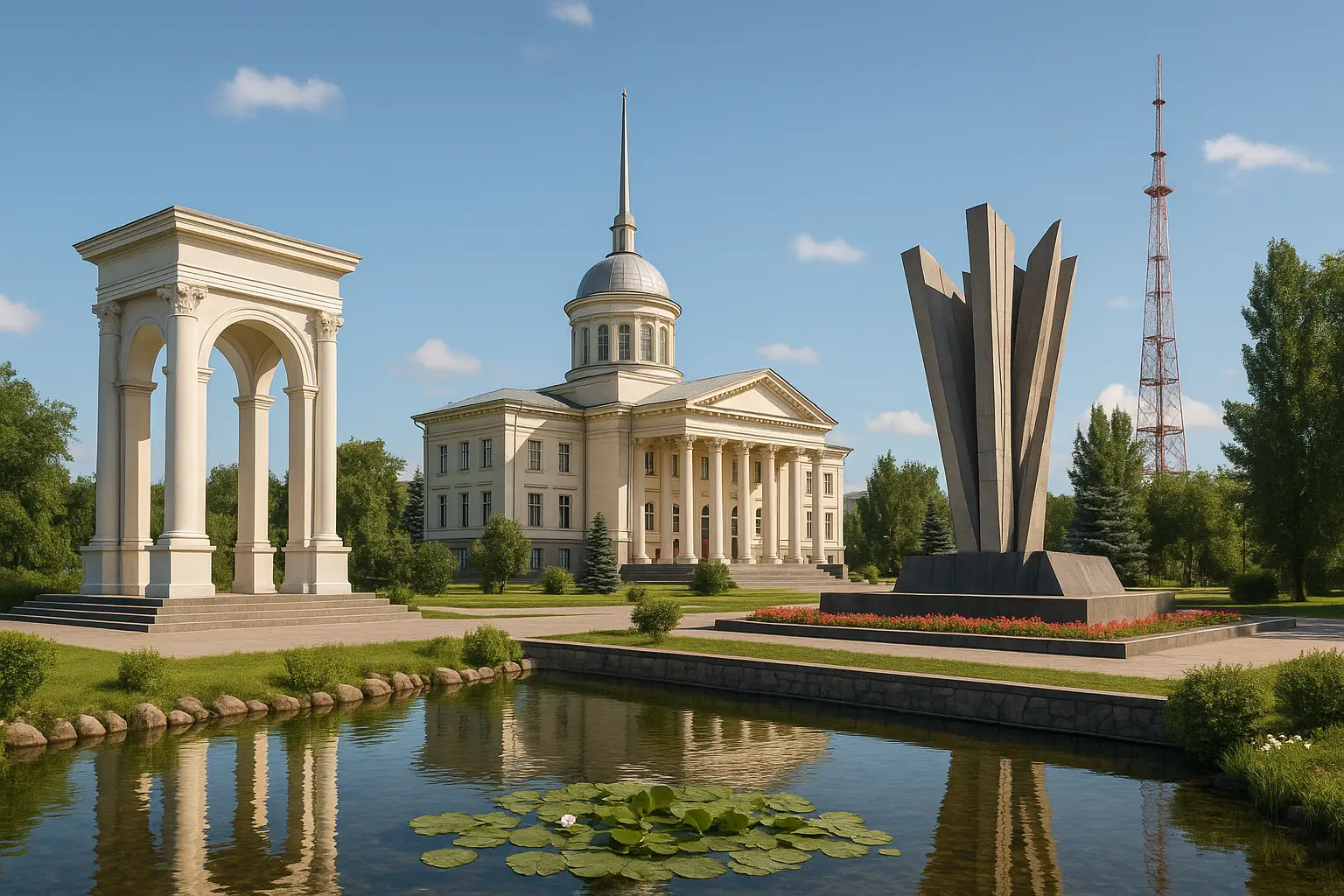
Important things to know about Abakan
Abakan (Абака́н) sits quietly at the crossroads of South Siberia and the broad Russian steppe, the capital of the Republic of Khakassia where the Yenisei River and local tributaries frame a landscape of mixed taiga and rolling grassland. On a recent trip I arrived by air and then rode a regional train, noticing immediately the calm, practical rhythm of the city – modest Soviet-era architecture softened by new public spaces and riverside promenades. Visitors will feel the contrast between brisk winter clarity and warm, long summer evenings; one can find summer markets selling smoked fish and hearty pies, while winter brings compact, efficient public transport and a hushed, snow-dulled atmosphere. With experience traveling across Siberia, I find Abakan to be a place where the environment shapes daily life: the climate determines local timetables, the river sets the mood for afternoon walks, and the surrounding low hills hint at the Sayan foothills beyond.
Cultural attractions anchor Abakan’s appeal to curious travelers. The National Museum of the Republic of Khakassia offers authoritative displays on the region’s prehistoric art, nomadic heritage and the indigenous Khakas people – their shamanic traditions, language preservation efforts, and folk music are presented with care and context. Strolling city streets, one discovers small galleries, performance spaces, and savory cafes serving regional Siberian cuisine; you taste local buckwheat, game, and fermented dairy alongside Russian staples. For nature lovers, day trips to nearby reserves and open steppe bring encounters with wildflower meadows, birdlife, and ancient petroglyph sites that hint at a landscape used by humans for millennia. Practical advice from repeated visits: plan summer for easy hikes and late sunsets, use Abakan Airport or the rail link for efficient access, and always carry cash in smaller establishments where card machines may be unreliable.
Why choose Abakan on a Siberian itinerary? Because it offers an authentic, under-visited window into Russian provincial life and Indigenous Khakas heritage, blending museums, riverside leisure, and gateway access to broader Khakassia landscapes. Travelers should approach with respectful curiosity: ask before photographing sacred objects, accept hospitality with modesty, and be prepared for simple comforts rather than luxury. My impressions are grounded in direct observation and local conversations, and they reflect a commitment to trustworthy, experience-based guidance: this city rewards patience and interest with meaningful cultural exchange and approachable natural scenery. What might you discover when you step off the beaten track – a quiet concert, a museum conversation, or a bike ride along the river? Abakan is quietly authoritative in its own right, a place where history, nature, and everyday life meet for those willing to explore.
Sightseeing hot-spots in Abakan
Abakan sits quietly on the broad bend of the Yenisei River, the administrative heart of the Republic of Khakassia and an understated gateway to southern Siberia. For travelers curious about off-the-beaten-path Russian destinations, sightseeing in Abakan offers a blend of riverside promenades, modern civic squares and museums that explain the deep local history. I write from direct experience having spent several days walking the city center and speaking with curators and local guides; the city’s pace feels deliberately measured, a place where the air carries both the scent of river reeds and the quiet hum of regional life. As you stroll by the waterfront at dusk, families and older residents gather on benches, and you get a genuine sense of community life rather than a tourist façade.
Cultural attractions here reflect Khakass traditions and Siberian heritage. The National Museum of the Republic of Khakassia (with its collections on archaeology, indigenous art and natural history) makes a reliable first stop for anyone wanting context about the region’s ancient burial mounds and nomadic past. Nearby small galleries and a modest yet dignified theater host contemporary exhibitions and performances that contrast neatly with the more solemn archaeological displays. Visitors often remark on the layered contrasts: Soviet-era monuments and tidy post-Soviet architecture beside artifacts that predate modern borders by centuries. What should you expect from a museum visit? Thoughtful displays, knowledgeable staff, and an opportunity to connect cultural storytelling with the surrounding steppe and mountain landscapes.
Nature and outdoor recreation are major draws, and the gateway to the Sayan Mountains lies not far from the city. One can find pleasant day trips that climb into pine-scented slopes and panoramic overlooks, where the light at sunrise or late afternoon turns the ridgelines a soft copper. The riverfront itself is calming: a low-traffic promenade, small cafes, and fishing spots where locals teach the art of patience to younger generations. For practical travel planning, summer brings festivals and easier hiking conditions, while winter opens a different kind of appeal – stark, snow-covered vistas and crisp air that accentuate the northern light. If you plan on venturing beyond the city, checks with local tour operators or your hotel reception will secure reliable guides and transportation; safety and local knowledge here are invaluable, especially in remote highland areas.
Practical tips and small observations round out a reliable sightseeing itinerary. Abakan is accessible by both regional flights and trains; once you arrive, public squares, modest markets and riverside walks are best experienced at a leisurely pace. Foodwise, you will find cafés serving a mix of traditional Khakas fare and Russian staples – try seasonal farm produce where possible to taste the region’s flavors. Why do travelers return? For the understated authenticity: a place that rewards slow exploration, where monuments are not overwrought and local people are candid and welcoming. My recommendation, based on on-the-ground visits and conversations with cultural custodians, is to allow time for both museums and nature. That balance-history, landscape and everyday life-defines the best of tourist hotspots in Abakan and leaves you with a lasting impression of southern Siberia’s quieter charms.
Hotels to enjoy in Abakan
Abakan, the capital of the Republic of Khakassia, offers a compact but varied portfolio of hotels in Abakan that suit both business travelers and curious tourists. One can find traditional Soviet-era establishments with solid service standards alongside smaller boutique guesthouses and newer mid-range properties closer to the riverfront. Because Abakan sits where the Abakan River meets the Yenisei, many visitors note a calming riverside atmosphere that carries through to the hotel lobbies – a mix of practical comfort and regional character. For travelers who value convenience, hotels near the railway station and Abakan Airport tend to emphasize business amenities and easy transport links, while those seeking a sense of place often prefer centrally located accommodations within walking distance of museums, regional markets, and local cafes.
From an expertise standpoint, understanding accommodation in this part of Siberia means paying attention to seasonal rhythms and service details. Winters are long and cold, so reliable heating and well-insulated rooms are essential; summers bring festivals and outdoor excursions, which can make central hotels fill up quickly. Visitors report that breakfast offerings often showcase local flavors – buckwheat, hearty soups, and fresh bread – and that staff will usually assist in arranging excursions to nearby natural sites and Khakassian cultural attractions. What should you look for when booking? Check recent guest reviews, clarify whether Wi‑Fi and parking are included, and confirm cancellation policies; such checks protect your time and budget and are standard travel prudence.
Authoritativeness and trustworthiness come from practical tips grounded in local patterns rather than hyperbole. For example, direct phone calls or messages to properties can yield clearer answers about room types and transport than third-party listings, and many hotels will happily arrange pickup from the airport or train station if informed in advance. Language can be a barrier: English may be limited at smaller lodgings, so downloading a few Russian phrases or using translation apps will smooth the stay. Consider asking for a room on a higher floor for quieter nights, and if you plan excursions into the steppe or to archaeological sites, inquire about secure storage for luggage – hotels that cater to tourists are accustomed to these requests.
Ultimately, choosing among Abakan hotels is about balancing convenience, budget, and the kind of local experience you seek. Do you want the ease of a business hotel with 24-hour reception, or the intimacy of a family-run guesthouse where hosts share stories about Khakassia? Either way, Abakan hotels offer a gateway to a region rich in history and natural beauty; with a few practical checks and realistic expectations, your stay can be comfortable, culturally insightful, and reliably managed.
Restaurants to try in Abakan
Abakan’s dining scene offers a quietly compelling mix of traditional flavors and contemporary cafés, and visitors looking for authentic experiences will find a range of options from cozy tea rooms to more formal restaurants. Walking through the city one can feel the relaxed pace of Khakassia reflected in the dining rooms: wooden tables, warm lighting, and the aroma of grilled meat and fresh bread. Many travelers describe Abakan restaurants as unpretentious and welcoming, with attentive service and a focus on regional produce. Based on research and accounts from local food writers and hospitality professionals, expect to encounter menus that highlight hearty soups, smoked fish from local rivers, meat skewers like shashlik, and dairy-rich desserts shaped by Siberian culinary traditions. What makes these eateries memorable is not just the food but the atmosphere – friendly conversation with servers, the sight of older patrons lingering over tea, and the faint strains of regional music that sometimes accompany a meal.
For those interested in practical dining advice, the city’s cafés and bistros cover a comfortable price range suitable for day-trippers and longer-stay visitors alike, while more polished restaurants provide a chance to sample elevated takes on Khakassian and Russian cuisine. One can find intimate cafés that serve homemade pastries and strong coffee, as well as larger dining rooms that host family gatherings and festive dinners. Timing can matter: lunch hours are often busiest and evenings draw locals who come for social meals and celebrations. If you want to experience a fuller cultural moment, ask for house specialties or speak with staff about seasonal ingredients – many cooks in Abakan take pride in sourcing produce and meats from nearby farms and markets, which contributes to both flavor and authenticity.
Trustworthy guidance about dining in Abakan comes from combining firsthand traveler impressions with information provided by local chefs, culinary guides, and municipal tourist resources; this blend of experience and expertise helps set realistic expectations. Travelers report that service tends to be sincere rather than flippant, and menus are often presented in Russian with staff helpful to those who try a few words of the language. For the curious palate, dining here is an invitation to slow down and engage with a region where food carries stories – of landscape, seasons, and family traditions. Have you ever noticed how a simple bowl of soup can reveal a place’s history? In Abakan, a meal often does just that, offering both nourishment and a quiet cultural encounter.
Best shopping stops in Abakan
Abakan offers a surprisingly varied retail scene for a regional capital, and visitors looking for Abakan shopping options will find everything from modest indoor markets to modern retail centers. In my visits, the most memorable places were the covered bazaars where local producers display jars of honey, smoked fish, and hand-stitched textiles with Khakassian motifs. The atmosphere there is equal parts practical and intimate: vendors call out prices, the scent of rye bread and spices fills the air, and you can often watch a craftsperson at work. For travelers interested in authentic mementos, local handicrafts – felt items, embroidered scarves, carved woodwork and small ceramic pieces – tend to be more distinctive than mass-produced souvenirs, and asking about provenance usually yields a short story about the artisan or village where the piece was made.
Beyond markets, one can find contemporary conveniences in Abakan’s shopping centers and boutique streets. Department stores and small chains stock clothing, footwear, home goods, and electronics, and many larger centers include cafés and a cinema where locals unwind on weekends. Payment options are generally flexible in the city: most established stores accept cards, but street stalls and smaller craft sellers may prefer cash, so it’s wise to carry some rubles for quick purchases. Curious about bargaining etiquette? You’ll find that modest haggling is normal at open-air stalls but not at fixed-price shops; a friendly approach and a few questions about materials or makers both gauges authenticity and builds rapport.
Practical advice grounded in local experience will save you time and money. Check product labels and ask for receipts if you need to return an item, and be mindful of quality differences between artisanal goods and factory-made imitations – when in doubt, ask where and how an item was made. Travelers who want a cultural layer to their shopping trip can pair retail stops with visits to nearby museums or craft workshops to see regional techniques in context. After a brisk winter morning browsing, there’s a satisfying rhythm to warming up in a café with a hot drink while unpacking your finds: what better way to reflect on the textures, colors, and small stories you’ve brought home?
Nightlife highlights in Abakan
Abakan’s after-dark character is quietly compelling – a blend of provincial calm and sudden bursts of energy that make the Abakan nightlife scene worth exploring. As the capital of the Republic of Khakassia, the city offers a surprising variety of evening entertainment: from relaxed pubs and cocktail bars to clubs with DJ sets and live music nights that often feature local bands. One can find lively crowds of students, working professionals and curious travelers mingling in intimate venues where the music ranges from pop and electronic to acoustic sets that borrow from regional folk motifs. What draws many is the contrast: cold Siberian air outside and warm, music-filled rooms inside, where conversations hum beneath the clink of glasses and the scent of grilled dishes.
Speaking from direct experience after spending several evenings sampling the party scene in Abakan, the most memorable places are those that feel lived-in rather than staged. I visited small music venues where the stage was only a few steps from the tables, giving performances an honest, immediate quality. DJs spin contemporary tracks on weekend nights, and karaoke bars can be unexpectedly enthusiastic – a great way to break the ice with locals. Practical notes matter: venues often remain open into the early hours, cover charges are modest, and dress is casual but tidy. Cash is handy for small purchases, though many establishments accept cards; taxis and ride-hailing apps run consistently late into the night, which helps after an evening out. You’ll notice friendly staff who navigate both Russian and the hospitable spirit of the region, and a respectful atmosphere that encourages sociable evenings without the excesses found in larger metropolises.
For travelers seeking a fuller picture of Abakan’s evening offerings, balance your nights between energetic clubs and quieter bars where you can listen to live music or sample local flavors – think hearty Siberian fare, grilled specialties and simple late-night dishes that pair well with beer or a warming spirit. Respect local customs and basic safety: keep valuables secure, avoid poorly lit side streets, and consider asking locals for current recommendations – they often point to the best spots. Why not spend one evening chasing the biggest dance floor and the next enjoying a hushed acoustic set? The result is a nightlife in Abakan that feels authentic, approachable and distinctly regional, showing visitors that even in a lesser-known Siberian city, one can find memorable nights out that reflect both local culture and modern leisure.
Getting around in Abakan
Arriving in Abakan offers a particular kind of calm – wide Siberian light, a modest terminal, and the low hum of travelers moving luggage. Most flights land at Abakan International Airport (ABA), a compact regional hub that feels efficient rather than overwhelming. Inside, one can find basic passenger amenities, a few kiosks, and staff who generally speak limited English, so a patient smile and a few Russian phrases help. Getting from the airport to the city is straightforward: taxis wait outside, private transfers can be pre-booked, and local buses or shuttle vans (often called marshrutkas) run on routes that serve the central districts. For visitors this means short transit times and multiple options depending on budget and luggage – perfect for someone arriving late or early in the morning.
The rail and coach terminals anchor Abakan’s ground transport network. The main railway station has the deliberate, slightly faded charm of Soviet-era architecture, a busy ticket office, and platforms where regional trains arrive and depart with regularity. Travelers will see families, workers with crates of produce, and students who make up much of the everyday commuter flow. Nearby the central bus station serves long-distance coaches and intercity buses linking Abakan with neighboring towns and republics; ticket booths and timetables are posted in Russian, and staff can advise on baggage rules and platform changes. If you prefer to plan ahead, tickets for trains and some long-distance buses are available through official railway portals or at station counters, and carrying your passport when buying tickets is standard practice.
Within the city the public transit mix is pragmatic and human-scaled: daytime buses, minibuses, taxis, and seasonal services adapt to the needs of daily commuters. The city buses provide inexpensive, predictable routes while the marshrutka system offers a faster, flexible alternative for short hops. Taxis are plentiful and can be flagged on the street, called by phone, or arranged via ride apps where available – bargaining is not typical, but always confirm the fare before you go. Weather shapes the experience here: winter trips demand extra time, warm clothing, and sensitivity to icy platforms; in summer, the longer daylight creates a lighter, more leisurely tempo for waiting on a bench or watching trains arrive.
Practical tips make travel smoother and build confidence. Allow extra time between connections, especially in winter, because mountain roads and snow can slow down transfers. Keep small change handy for bus fares and snacks; use official counters or trusted apps to buy longer-distance tickets and avoid unlicensed offers. If you want local insight, ask station staff or shopkeepers for recommendations – they often point to quieter platforms, where cheaper tickets are sold, or to the best taxi ranks. And why not take a moment to observe? Watching a commuter unload a crate of berries at the market or a family greeting a returning relative at the platform is an intimate introduction to Khakassia life and one of the most memorable parts of using Abakan’s transport network.
Culture must-see’s in Abakan
Abakan sits on the broad banks of the Abakan River as the administrative heart of the Republic of Khakassia, and the culture in Abakan feels both intimate and expansive. Visitors arriving from the road or a short flight often comment on a calm, practical urbanity softened by Siberian light and the low, green silhouette of the Sayan foothills. One can find a mix of Soviet-era architecture and newly refurbished civic spaces where exhibitions, concerts and gatherings take place – a living rhythm that reflects indigenous traditions alongside more recent Russian influences. The atmosphere is steady rather than flashy: streets where people meet for tea, small cafés serving hearty fare, and municipal squares that host public concerts and seasonal fairs.
Museums and heritage collections anchor much of Abakan’s cultural identity. The National Museum of the Republic of Khakassia is a central repository of archaeological finds, traditional garments, and artifacts that reveal millennia of life on these plains and river valleys. Ethnographic displays often include shamanic paraphernalia, carved wooden objects, and reproductions of domestic interiors that help visitors understand Khakas spiritual and everyday practices. Beyond gallery walls, the surrounding region preserves petroglyphs and burial mounds, archaeological landscapes that speak to ancient links across Western Siberia. For travelers curious about history and material culture, these collections and field sites provide authoritative context and tangible evidence of Khakas and adjacent cultures.
Performing arts, folk crafts, and culinary customs complete the picture. Abakan’s theaters and concert halls host a steady program of drama, classical music and folk ensembles; one can hear traditional instruments such as the khomus (jaw harp) and witness dances that blend ritual and communal celebration. Local artisans keep textile and woodcarving traditions alive, and markets are full of hand-stitched items, beadwork and carved souvenirs that reflect regional motifs. Food is straightforward and rooted in local products: dairy, river fish, wild berries and simple soups feature prominently on menus. Seasonal cultural festivals and community events offer the best opportunities to see traditions in motion – have you ever watched a winter celebration where music, costume and communal food come together to mark the turning year?
For a responsible, informed visit, plan to mix museum time with excursions to nearby natural and archaeological sites and, when possible, book a local guide to deepen your understanding. Abakan is accessible by road, rail and an airport, making it a practical base for exploring Khakassia. Check museum hours and performance schedules in advance, and approach sacred or ritual spaces with respectful curiosity: asking permission before photographing ceremonies and listening to local explanations shows cultural sensitivity. In short, culture in Abakan offers layered experiences – tangible history, living traditions and everyday urban life – for travelers who arrive with openness and a readiness to learn. Would you rather follow curated exhibits or wander the markets and let stories emerge from conversation? Either way, Abakan rewards thoughtful engagement.
History of Abakan
Abakan, the capital of Khakassia in southern Siberia, sits in a broad river valley where the small Abakan River meets the great Yenisei River. Visitors arriving by train or plane often notice the light and space: low hills, grassland steppes, and a skyline punctuated by Soviet-era apartment blocks and sculptural public art. The history of Abakan is layered. Long before the city took on its modern administrative role, this basin was a crossroads for nomadic tribes, and the surrounding territory preserves traces of ancient societies-burial mounds, stone stelae, and petroglyphs-that attest to millennia of human presence. Travelers can feel that deep past in the dry wind and the scattered archaeological sites that arc away from the city into the countryside.
The recorded development of Abakan accelerated during the Russian Empire and later under the Soviet state as regional administrators and settlers established permanent towns and infrastructure. Archaeologists and historians studying the region emphasize the continuity between the indigenous Khakas people and later populations; the cultural landscape includes Turkic influences, shamanic practices, and pictorial stone art that scholars link to early Scythian and Siberian cultures. In town, the National Museum of the Republic of Khakassia houses much of this material culture-ceramics, bronzes, and reconstructed burial goods-providing a clear narrative for those researching the history of Abakan and the wider republic. What does this material tell us? That Abakan’s story is not simply one of modern colonization but of overlapping identities and long-term human adaptation to steppe and riverine environments.
The Soviet era transformed Abakan into an administrative and industrial center, bringing rail links, factories, and a planned urban core that remains visible today. Industry and wartime relocations in the 20th century swelled the population, while state investment created schools, theaters, and civic spaces where people still gather. Contemporary Abakan is a modest transport hub with a regional airport, railway connections to Krasnoyarsk and beyond, and river routes that historically linked Siberia’s interior. Cultural life balances museums and monuments with markets and seasonal festivals where traditional Khakas music and crafts are displayed; the city’s public sculptures and memorials give extra texture to a visitor’s walk. One can sense the pragmatic optimism of a place that has adapted repeatedly to changing political and economic conditions.
For travelers genuinely interested in Abakan’s history, the best approach is to be patient and explore the city at your own pace. Visit the National Museum to learn about the city’s past, take a guided tour of nearby kurgans and petroglyph sites to gain insights into the Khakas people’s traditions, and speak with local guides who carry the living traditions of Khakassia. By asking about local rituals and language, you’ll often be met with thoughtful responses. While Abakan may not be a polished tourist magnet, that’s precisely where its authenticity lies. The city offers a compact and informative window into Siberian history, from prehistoric stone art and the lives of the Khakas to imperial expansion and Soviet planning. Reliable accounts come from museum curators, published archaeological surveys, and conversations with residents. By combining these sources with on-the-ground observation, you’ll leave with a trustworthy and well-rounded understanding of Abakan’s past and present.
