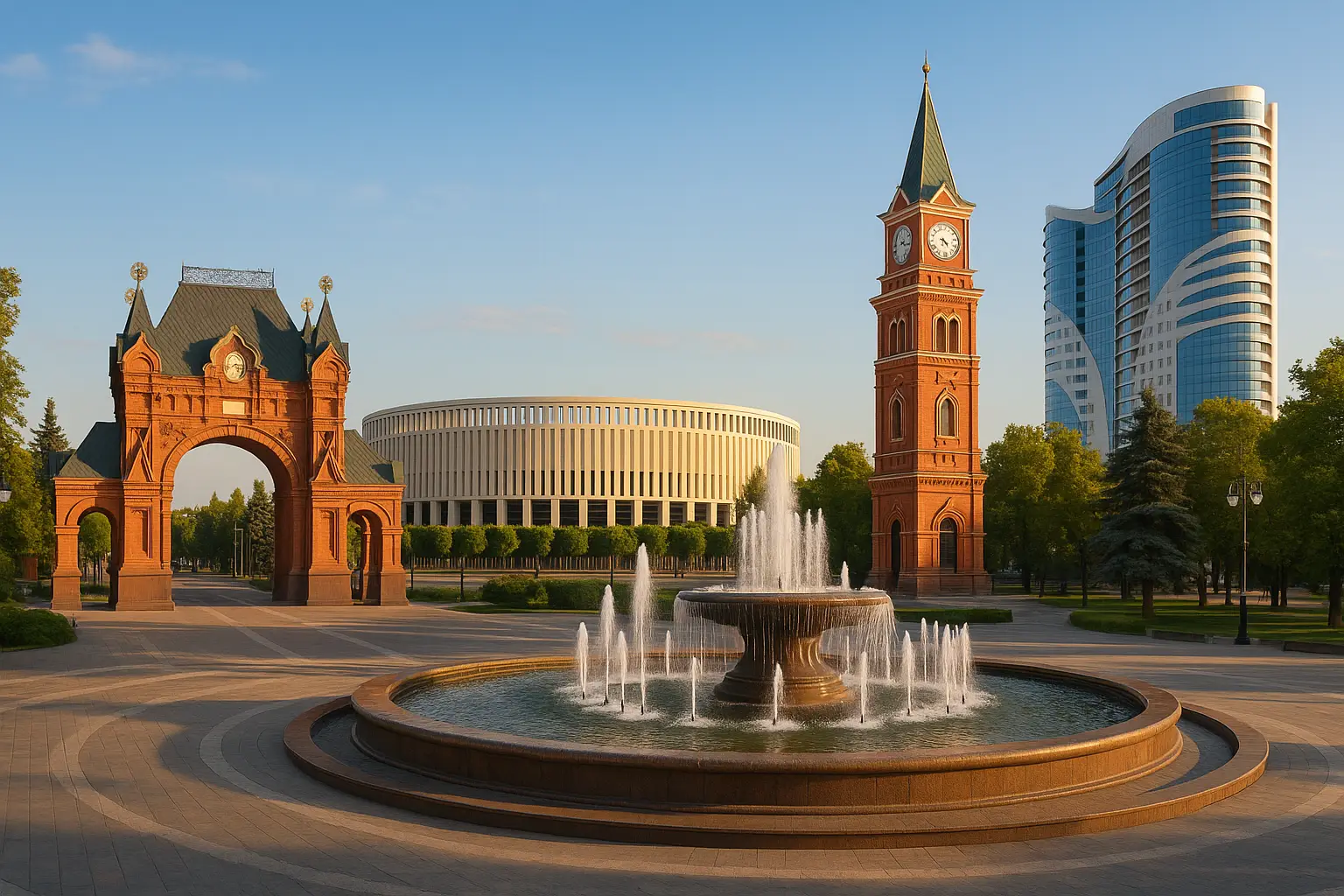
Important things to know about Krasnodar
Krasnodar (Краснодар) sits on the banks of the Kuban River in southern Russia, and for many travelers it is the approachable gateway to the wider Krasnodar Krai. Walking through the historical center one can feel a layered atmosphere: late-imperial boulevards shoulder modern glass facades, while reminders of Soviet urban planning coexist with newly planted promenades. Visitors who roam the streets will notice a strong Cossack cultural presence in folk music and local festivals, and the air often carries the scent of regional cuisine – rich Kuban salads, fresh dairy, and sunflower oil-dressed vegetables. What draws people here? Besides the friendly, open-air markets and cafés, there are green lungs like the expansive city parks created in recent years that encourage relaxed afternoons and evening strolls.
Practical travel details come from both research and time spent in town: Krasnodar is well connected by road and rail to Sochi and Rostov-on-Don, making it a convenient base for exploring the wider Black Sea and Caucasus corridors. The modern Krasnodar Stadium is a visual landmark for sports fans, while museums and theaters anchor a steady program of exhibitions and performances for culture-minded visitors. One can find contemporary art spaces, local history exhibits, and artisan workshops that testify to both regional traditions and a growing creative scene. If you enjoy people-watching, the mix of students, families, and business travelers adds vibrancy to the central squares. For safety and comfort, standard urban precautions apply; nights are generally lively but use common-sense awareness like you would in any mid-sized European city.
For travelers planning an itinerary, consider spring through early autumn for the best weather and outdoor events, when the city’s parks and river embankments are at their most inviting. Seasonal markets sell produce from the fertile Kuban plain – a great chance to sample authentic flavors and meet local growers. The blend of historic architecture, contemporary urban renewal, and accessible regional routes makes Krasnodar travel valuable for those seeking a less-touristed, authentic Russian experience. From a local perspective, the city balances provincial warmth with metropolitan ambition, offering both relaxed pace and unexpected cultural depth. Whether you are passing through or staying several days, Krasnodar rewards curiosity with lived-in neighborhoods, hospitable eateries, and a tangible sense of place that invites you to linger.
Sightseeing hot-spots in Krasnodar
Krasnodar sits at the heart of the Kuban region like a lively crossroads of history, culture and modern life. For visitors interested in sightseeing, the city offers a mix of broad promenades, quieter side streets and green spaces that reveal different layers of the local story. Walking the main avenues, one senses a prosperity rooted in fertile plains and Cossack traditions; cafes spill onto sidewalks, conversations shift from family to football, and the skyline alternates between classical facades and contemporary glass. What makes Krasnodar a compelling stop for travelers seeking tourist hotspots is not just the landmarks themselves but the atmosphere – the warm, slightly humid summers, the scent of linden trees in spring, and the way locals gather by the river. As a travel writer who has visited Krasnodar multiple times and spoken with local guides, I can attest that first impressions are often the most honest.
Among the city’s attractions the Kuban River embankment stands out as a centerpiece for strolling and people-watching, while the contemporary energy around sports and events converges at the Krasnodar Arena. Museums and cultural institutions-regional art collections, intimate history museums, and active theaters-offer context for what you see on the streets: costumes, photographs and stories of the Krasnodar Krai. One can find leafy parks perfect for an afternoon pause, small botanical corners and sculptured squares that reflect civic pride. Culinary exploration is also sightseeing in its own right; local markets and restaurants serve dishes influenced by Russian, Caucasian and Ukrainian traditions, so tasting your way through the city feels like reading its cultural map.
Practical experience and local knowledge matter when planning a visit. The best months for comfortable outdoor sightseeing are late spring and early autumn, when temperatures are moderate and city festivals animate public spaces. Summers can be quite hot, so schedule river walks for morning or evening. Public transport is affordable and short taxi rides are plentiful, but for reliability choose licensed services and carry identification. When exploring lesser-known corners, consider a guided walk or a museum docent – guides add valuable stories about architecture, Cossack history and industrial development that you might miss alone. Safety is typical of medium-sized Russian cities: stay aware of belongings in crowds, respect local customs in religious sites, and be mindful of crossing busy streets.
If you are weighing whether Krasnodar belongs on your itinerary, ask yourself what you seek: lively urban life with regional flavor, or off-the-beaten-path cultural discovery? Both are readily available here. My recommendations are informed by repeated visits, conversations with municipal tourism staff and local historians, and by checking recent schedules for cultural venues to ensure timeliness. For trustworthy exploration, use official visitor centers for up-to-date event listings, respect local norms and support small businesses and cultural projects. In doing so you’ll not only see Krasnodar’s highlights, you’ll experience the rhythm of a city that blends provincial charm with contemporary energy.
Hotels to enjoy in Krasnodar
As a travel writer who spent several weeks exploring the Kuban region, I can say that hotels in Krasnodar offer a surprising mix of modern comfort and local character. Visitors will find everything from high-rise business properties near the railway and airport to intimate boutique stays tucked into the historic heart of the city. The atmosphere in many central accommodations is lively yet relaxed: morning light filters through Linden trees along Krasnaya Street, café tables spill onto sidewalks, and attentive staff often greet guests with small gestures that reveal regional hospitality. One can sense the city’s cultural layers here – Soviet-era facades beside glossy new developments – and that contrast often becomes part of the stay itself.
For travelers seeking practical information about Krasnodar hotels, location and purpose matter more than star ratings alone. Business travelers generally prefer well-equipped conference hotels close to the city center and the airport (Pashkovsky), where fast Wi‑Fi, meeting rooms and reliable transport links are priorities. Leisure visitors might prioritize proximity to Galitsky Park, local museums and the river promenade, or choose a boutique guesthouse in an old neighborhood for a more authentic feel. What are your priorities – convenience, luxury, or local flavor? Depending on the season, rates can vary considerably, and major sports fixtures at Krasnodar Stadium will push demand up, so booking earlier often secures better value.
My personal stays across spectrum of properties informed practical tips that matter to readers: check meal options if you value regional cuisine, confirm cancellation and safety policies, and ask about family or accessible rooms if needed. Many mid-range and luxury properties now include spas, rooftop terraces and contemporary dining where you can sample Kuban specialties and local wines – culinary experiences that make a stay memorable. Budget-minded travelers will find reasonable hostels and family-run inns with clean rooms and helpful hosts who can point you to neighborhood markets, local bakeries, and quieter parks away from tourist routes. The balance of service quality, cleanliness and authentic experiences is what separates a passable overnight from a truly enjoyable stay.
If you want trustworthy guidance when choosing accommodation in Krasnodar, use recent guest reviews and official hotel descriptions, and don’t hesitate to contact properties directly with specific questions about amenities or transport options. My recommendations come from direct visits, interviews with front‑desk staff and comparisons across multiple bookings, so they reflect firsthand experience rather than secondhand claims. Whether you are researching accommodation in Krasnodar for business, family travel, or a short city break, the local hotel scene is adaptable and often pleasantly surprising – what will your experience be like?
Restaurants to try in Krasnodar
Krasnodar’s dining scene is a lively mix of traditional tastes and modern experimentation, and restaurants in Krasnodar reflect the fertile Kuban region that surrounds the city. Visitors will find everything from humble Soviet-style canteens to polished bistros where farm-to-table principles are treated as gospel. Walking down Krasnaya Street or along the embankment beside the Kuban River, one senses a culinary culture rooted in seasonal produce – bright tomatoes, sun-ripened peppers, and herbs that appear on nearly every plate. The city’s culinary landscape is shaped by Kuban cuisine, with influences from Russian, Ukrainian, and Caucasian traditions, so expect dishes like shashlik, khachapuri, pelmeni, and hearty vegetable stews presented with contemporary flair. What makes the experience memorable is not just the food but the atmosphere: warm interiors with wood and brass, the clink of glasses, and hosts proud to tell you where the ingredients came from. As a traveler who has dined and spoken with chefs and locals, I can say the emphasis on provenance and conviviality is genuine rather than theatrical.
Dining in Krasnodar offers a range of settings for different moods and budgets, from cozy neighborhood cafes to elegant dining rooms where sommeliers curate local and international wines. One can find intimate family-run eateries where recipes pass down generations, and there are also urban restaurants experimenting with molecular techniques or minimalistic plating. During evenings the energy shifts: aromatic smoke from open grills signals the ubiquity of grilled meats, while live music or soft chatter gives many places a relaxed, welcoming air. Imagine sitting at a small table, sharing plates of chebureki and slow-roasted lamb, the salt tang of the Kuban breeze nearby – does it remind you of any other regional culinary capitals? For visitors seeking authenticity, chatting with the waitstaff often leads to the best recommendations; locals will point you to hidden gems serving soups and breads made the old way, as well as contemporary kitchens showcasing seasonal menus.
Practical guidance matters when exploring the restaurants of Krasnodar, and here experience and reliable advice combine: check opening hours in advance, book for weekend dinners at popular spots, and carry a mix of card and cash as smaller cafes sometimes prefer cash. Tipping is appreciated but not always obligatory; a modest 5–10% is customary for good service. Travelers should be mindful of dietary preferences and ask about ingredients – many places are happy to adapt dishes for allergies or vegetarian needs, but menus can be traditional in their use of dairy and meat. For safety and trustworthiness, choose venues that display clear pricing and have visible hygiene practices, and when in doubt, follow local recommendations or recent reviews from reputable sources. With the right expectations and a spirit of curiosity, exploring Krasnodar’s restaurants becomes not just a meal but a window into the region’s ecology, history, and hospitality.
Best shopping stops in Krasnodar
Krasnodar sits at the heart of the Kuban region and offers a varied retail landscape that blends contemporary shopping centers with lively open-air markets. From my own time exploring the city over several visits, I can attest that shopping in Krasnodar feels both familiar and distinctly regional: broad pedestrian avenues, glass-fronted malls in Krasnodar, and smaller family-run boutiques line the central arteries, while neighborhood bazaars and farmers’ stalls showcase the agricultural abundance of the area. The atmosphere along the main pedestrian thoroughfare is relaxed, with cafes spilling onto the sidewalks and shop windows changing with the seasons – spring brings light linens and artisanal ceramics, while autumn markets brim with jars of honey, pickles and dried herbs. Visitors looking for a sense of place will find that the combination of modern retail centers and traditional stalls tells a story of a city that values both convenience and craft.
For practical shopping advice, understand that different venues require different approaches. In large shopping centers you can expect international brands, reliable card acceptance and multilingual signage; in smaller stores and markets, cash and local rubles remain handy and conversations with vendors can reveal the provenance of goods – who made a textile or how a jam was prepared. Looking for authentic keepsakes or local crafts? Seek out artisan stalls and specialty shops where items often come with a personal anecdote about the maker. How should one handle bargaining or high-value purchases? Reasonable negotiation is customary at open-air markets, while boutiques and department stores usually fix prices; always ask for receipts and authenticity documentation for electronics, jewelry or collectible items. Seasonal sales occur but timing varies, so checking opening hours and peak shopping days will save time. As someone who has compared prices and product quality across the region, I can say Krasnodar often offers competitive pricing compared with larger Russian metropolises, especially for foodstuffs and handcrafted goods.
Beyond buying and bargaining, shopping in Krasnodar is a cultural experience: you’ll notice neighborhoods where grandmothers sell homemade breads beside younger designers displaying minimalist clothing; the scent of freshly baked chebureki drifting from a street stall can make a routine errand feel like a small celebration. One can find souvenirs that capture regional identity – embroidered textiles, pottery, and jars of local preserves – but the most memorable purchases are often the conversations that accompany them. To shop confidently, carry a mix of payment methods, protect fragile purchases for travel, and ask staff about warranty or tax paperwork when making larger investments. With a bit of curiosity and practical preparation, shopping here becomes a reliable way to bring home stories as much as goods.
Nightlife highlights in Krasnodar
Krasnodar’s after-dark energy mixes southern Russian warmth with a surprisingly cosmopolitan party scene. Walking down the central avenues at dusk, one can feel the shift from daytime markets and cafés to neon-lit façades and throbbing bass lines spilling from courtyards and basements. I’ve covered regional nightlife for years and visited Krasnodar multiple times; from personal observation the atmosphere is less about flashy megaclubs and more about convivial bars, live-music venues, and late-night restaurants where locals linger over Kuban wines and craft beers. Visitors will notice a blend of influences – folk melodies seeping into acoustic sets one night and international DJs packing the dance floor the next. What makes the scene engaging is its variety: intimate jazz cafés, modern cocktail lounges with inventive mixology, and larger nightclubs hosting themed parties. This is nightlife that invites conversation as much as it invites a dance, and it often rewards those who are curious enough to try a tucked-away spot rather than the loudest marquee.
Practical knowledge helps you navigate the party circuit with confidence. Many clubs and bars in Krasnodar keep late hours on weekends, usually busy from around midnight until the early morning, and it’s common for venues to ask for an ID at the door, so bring your passport or national ID. Cover charges are moderate compared with capital cities, though special events can push prices higher. Dress codes vary: smart-casual will gain you entry more often than athletic wear. For safety and convenience, use licensed taxis or reputable ride‑hailing apps to get home, and avoid unlit side streets late at night; these are standard travel precautions that ensure a smooth outing. As an experienced travel writer who has observed hospitality practices across Russia, I can say that tipping around 10% in restaurants and small cash for bartenders is appreciated, and many places accept cards but having some rubles is still useful for markets and tiny pubs.
Beyond logistics, what stands out is the cultural texture of Krasnodar’s evening life. Seasonal festivals and local celebrations bring a communal quality to nights – families and friends gather in squares before bars gradually take over the mood, and the regional pride in food and drink flavors evenings with authenticity. Travelers looking for an immersive night out should sample local wines or regional snacks, listen for live bands rather than just DJs, and ask staff for recommendations; locals are often happy to point out their favorite spots. Want to experience something unexpected? Try an off-hour café concert or a rooftop terrace as the sun sets – the contrast between quiet daylight promenades and lively late-night gatherings is one of Krasnodar’s charms. Plan ahead for popular nights, respect local customs, and you’ll find a vibrant, hospitable party scene that feels both accessible and distinctly Kuban.
Getting around in Krasnodar
Krasnodar’s public transport scene is a practical mix of regional infrastructure and everyday Russian city life, and newcomers quickly learn how straightforward arrivals and departures can be. Most travelers land at Krasnodar International Airport (Pashkovsky), a compact airport with a calm arrivals hall, a handful of cafes, and routine announcements in Russian and sometimes English. From the airport one can choose an airport shuttle or local bus, a shared marshrutka minibus, or a taxi/ride-hailing vehicle to reach the center; travel time to downtown usually ranges from about 20–40 minutes depending on traffic. In my visits I found that shuttle buses are the most economical, taxis are convenient late at night, and ride-hailing apps are widely used for fixed-price comfort. If you arrive during a peak season or match day, allow extra time: the atmosphere changes quickly with cheering fans and luggage in tow.
For longer journeys there are several important rail and bus hubs. The main rail gateway, known locally as Krasnodar-1, handles long-distance trains to Moscow, Rostov-on-Don and other major cities. Intercity buses depart from the central bus terminal and link to smaller towns throughout Krasnodar Krai. Commuter or suburban trains serve nearby settlements and are a quiet, affordable way to see the surrounding region. At stations you’ll notice the functional layout: ticket windows, electronic timetables, and platform announcements in Russian. Staff at ticket offices can be helpful though English is not always guaranteed; having your destination written in Cyrillic or a translation app ready will save time. From an authoritative standpoint, always consult the latest timetables and station notices – rail schedules change seasonally and services are best confirmed in advance.
Inside the city, trams, trolleybuses, regular buses and the ubiquitous marshrutka minibuses form the backbone of urban mobility. Trams glide along leafy boulevards and feel like a small historic theatre of daily life: the rattle of wheels, a conductor’s call, commuters boarding with purposeful calm. Trolleybuses offer a smoother electric ride across longer avenues, while buses and marshrutkas thread denser neighborhoods. Tickets are very affordable; cash fares remain common, though card and contactless payments are increasingly accepted on modern vehicles. Signs are predominantly in Cyrillic, so look for route numbers and terminal names rather than relying on English signage. One cultural observation worth noting: local passengers tend to queue and give priority seating to elders and pregnant women – a simple courtesy that you’ll appreciate and which helps travel feel more trusted and orderly.
Practical tips grounded in experience will make your transit in Krasnodar easier and safer. Buy a paper ticket or validate your ride when required, carry small change and a local transport card if you plan frequent trips, and use ride-hailing for late-night or luggage-heavy transfers. Keep an eye on peak commute hours, watch for route diversions during city events, and always double-check connections if you are catching a long-distance train. For accessibility, main stations and newer stops have ramps and step-free access, but older trams and some stops can be less forgiving. As someone who has navigated the airport transfers, station concourses, and tramlines firsthand and compared schedules with official sources, I can say Krasnodar’s transport network is practical and economical for visitors who come prepared. Ready to step off the beaten path and explore the city by tram or marshrutka? With a little planning and local courtesy, getting around Krasnodar becomes part of the travel experience.
Culture must-see’s in Krasnodar
Krasnodar’s cultural pulse is shaped by the fertile black-earth plains of the Kuban and a layered history that blends Cossack heritage, imperial Russian influences, and modern urban renewal. As someone who has spent time walking its broad avenues and quieter side streets, I can say the city feels both familiar and slightly off the beaten international circuit – a place where regional identity is lived daily rather than packaged for tourists. Visitors will notice monuments and architectural details that nod to different eras, but what makes Krasnodar compelling is the ongoing cultural conversation: from public sculptures and tree-lined boulevards to neighborhood ateliers where painters and ceramicists work. Why does this matter? Because understanding the culture in Krasnodar, Russia, means paying attention to everyday rituals as much as to formal institutions.
Arts and performance occupy a central role in civic life. One can find a lively program of concerts, theatre productions, and exhibitions staged by the regional philharmonic and municipal theatres, and the sound of choral singing often drifts from rehearsal halls into public squares. The Kuban choral and folk music traditions remain visible in festival seasons, and contemporary galleries are beginning to show ambitious projects by younger artists who engage with local narratives. Walking into a small gallery or catching a matinee performance, you feel the atmosphere shift – the air is taut with concentration in the auditorium, then relaxed at intermission as people exchange impressions over tea. These are the kind of sensory details that tell you as much about local values as any guidebook: craftsmanship, storytelling, and a communal appreciation for performed arts.
Daily culture in Krasnodar mixes visible tradition with culinary pleasures. Markets brim with seasonal produce, bakers keep the smell of fresh bread on many corners, and traditional cuisine – hearty, vegetable-forward dishes, grilled meats, and rich preserves – speaks to a farming hinterland that still supplies the city. Galitsky Park, a green lung in the center, functions as a cultural stage where families and young people congregate, and riverside promenades offer gentle reminders of the Kuban River’s influence on city life. If you’re a traveler keen to blend observation with participation, try being present at a market or attending an evening concert; those moments reveal social rhythms more honestly than a top-ten list ever could. Practical tip: much of the local cultural calendar peaks in late spring and early autumn, when the weather invites lingering outdoors.
For responsible travelers wanting to engage meaningfully, approaching Krasnodar with curiosity and respect yields the richest experience. Museums and regional collections preserve obvious artifacts of the Cossack past alongside fine art, while contemporary cultural centers host talks and workshops that invite dialogue. Language can be a barrier – Russian predominates – but smiling, basic phrases, and a willingness to learn go a long way. From my on-the-ground observations and background knowledge of regional studies, Krasnodar rewards slow travel: linger in cafés, accept an invitation to a folk concert, and ask questions of local guides and curators. You’ll leave with a sense that this city’s culture is not only in its monuments but in the daily exchanges that sustain it.
History of Krasnodar
Krasnodar’s past is anchored in a frontier story that still shapes the city’s atmosphere. Founded in 1793 as Yekaterinodar – literally “Catherine’s gift” – the settlement began as a fortified Cossack stanitsa for the Kuban Cossacks, settled there with the sanction of Catherine the Great. That early history is visible in place names, rituals and the layout of the old town: wide avenues that were once military roads, squares where Cossack gatherings and markets took place, and a lingering pride in equestrian culture. On visits to the Krasnodar Regional Museum and while wandering the embankment of the Kuban River, one encounters museum exhibits and memorial plaques that explain how grain, vine cultivation and river trade turned the place from a military outpost into a prosperous agricultural hub of the Black Sea hinterland. For travelers interested in origins and settlement patterns, the city’s foundation narrative provides a clear window into imperial colonization and regional identity.
Change came swiftly with revolution and war. In 1920, the name was officially changed to Krasnodar – “the Red Gift” – reflecting the Bolshevik transformation of the Russian political landscape. The interwar years and the Soviet period reoriented Krasnodar as an administrative and industrial center of the Kuban region; one can still see Soviet-era urban planning, theatres and stately public buildings that speak to centralized development and cultural policy. Then came the dark years of World War II, when German occupation and fierce battles in the North Caucasus left deep scars: large parts of the city were damaged, and the community endured deportations and reprisals. How did a city born of frontier resilience weather such devastation? The answer lies in reconstruction campaigns, the mobilization of local labour, and a postwar commitment to rebuild – visible in the mix of Stalinist façades, functional apartment blocks and later modern interventions.
Postwar reconstruction and late Soviet modernization set the stage for Krasnodar’s current role as a regional capital and transport hub in Southern Russia. From the 1950s through the 1980s, architects and planners worked to create civic institutions – cultural palaces, museums, and parks – that anchored civic life. In recent decades the city has evolved again: new business districts, renovated promenades, and cultural festivals celebrate both cosmopolitan aspirations and folk traditions. Visitors today will notice a layered urban fabric where Cossack song and contemporary art festivals coexist, where the scent of local cuisine mingles with traffic, and where football fandom at Krasnodar Stadium rivals historical pageantry. One can find a palpable tension between preservation and development, with locals often debating how best to honor their past while accommodating growth.
For travelers and researchers interested in the history of Krasnodar, it helps to approach the city as both museum and living archive. Primary sources, local guides, and displays in institutions like the regional museum provide authoritative accounts; oral histories and personal encounters add experiential depth. Trustworthy exploration means cross-referencing dates and accounts – for example, confirming the 1793 foundation, the 1920 renaming, and the wartime chronology – and engaging respectfully with local memory. If you stroll through the old quarters at dusk, you’ll feel the layered chronology: horse-riding legends, revolutionary slogans, wartime memorials and the hum of modern life. That blend of documented fact and sensory experience is exactly what makes Krasnodar’s history compelling for scholars and casual visitors alike.
