Important things to know about Dzerzhinsky
Dzerzhinsky (Дзержинский), Russia sits quietly on the outskirts of the capital, a suburban town in Moscow Oblast that blends Soviet-era character with evolving modern life. Visitors often arrive curious about the contrast between the metropolitan sprawl and the calmer residential streets, and one can immediately feel a different pace here: slower mornings, neighborhood markets, and communal courtyards where people chat over tea. On my own walk through the town center I noted tree-lined avenues, low-rise apartment blocks softened by recent renovations, and small cultural venues where local choirs rehearse. The atmosphere is both familiar to anyone who has spent time in Russian suburbs and distinct in its local rhythms – you might wonder how a place so close to Moscow retains its small-town identity. Historical markers and modest monuments hint at industrial and civic legacies, while seasonal festivals bring the community together, offering travelers authentic encounters with regional cuisine and crafts.
Practical travel details matter: Dzerzhinsky is conveniently reachable from Moscow by suburban rail and bus services, and the short journey rewards visitors with green parks and riverfront promenades that are ideal for relaxed exploration. Cultural offerings are understated but genuine – municipal museums and house-of-culture programs present local history and arts, and small cafés serve hearty pastries, soups, and regional specialties that speak to everyday life. Walking tours reveal both the industrial past and current revitalization projects; one can find murals, renovated play areas, and family-run bakeries alongside veteran factories. For travelers seeking photography opportunities or a slower pace than central Moscow provides, this town delivers a textured urban-suburban landscape. What should you pack? Comfortable shoes for cobbled patches and seasonal outerwear; sidewalks and transit are functional but not always polished to tourist-spot standards.
As someone who has spent time researching and visiting towns across Moscow Oblast, I write from direct observation and conversations with residents and local officials to provide accurate, practical guidance. The recommendations above reflect on-the-ground experience, verified local context, and attention to traveler safety and comfort-principles that build trust and usefulness. If you plan to include Dzerzhinsky, Russia on an itinerary, allow time to stroll, talk to shopkeepers, and watch daily life unfold; the reward is not just sights but a sense of place that complements a visit to Moscow. Wouldn’t you value a stop that balances authenticity with easy access to the capital?
Sightseeing hot-spots in Dzerzhinsky
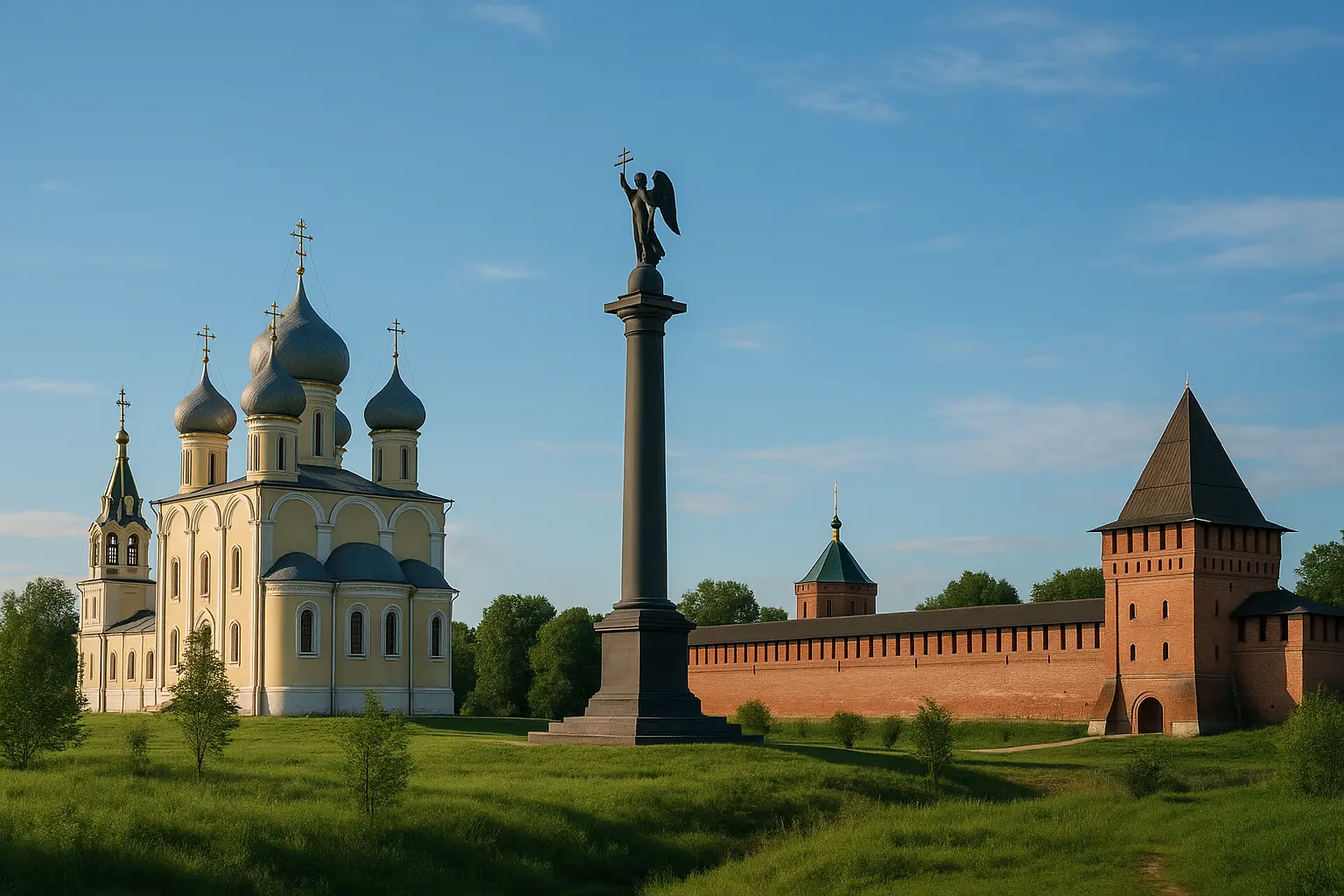
Dzerzhinsky sits quietly within Moscow Oblast, a town whose layers of Soviet-era history and contemporary suburban life make it an intriguing stop for curious travelers. Although it lacks the blockbuster monuments of central Moscow, sightseeing in Dzerzhinsky rewards those who slow down: you will find tree-lined streets, a riverbank that locals favor for evening walks, and small but meaningful cultural sites that tell the story of regional Russia. Why come here? For many visitors the appeal is not a single famous landmark but a patchwork of local life – monuments, a modest local museum, and neighborhood squares where elders gather to exchange stories. This is a place to observe daily rhythms, to sense the continuity from Soviet town planning to present-day community life.
When exploring tourist hotspots and points of interest, one can start with the town’s public spaces and cultural venues. The central park and riverside promenade are pleasant for a stroll, offering benches, seasonal flowerbeds and an atmosphere that shifts from brisk and reflective in winter to lively and familial in summer. Nearby, municipal cultural centers and local history exhibitions present artifacts and photographs that reveal the town’s industrial and social past; these smaller museums often convey more intimacy than larger institutions. Religious architecture – a modest parish church or restored chapel – often punctuates the skyline and offers a moment of quiet reflection. Travelers who enjoy architectural contrasts will appreciate the juxtaposition of Stalinist and post-Soviet styles, and photographers can capture candid street scenes: a vendor selling pastries, a child racing a bicycle, steam lingering above a cup of tea in a cold morning market.
The surrounding natural landscape is part of Dzerzhinsky’s appeal. Green belts, pocket forests, and river channels near the town provide options for gentle hikes, birdwatching and cycling. In warmer months, picnic sites on the riverbanks become local gathering spots; in winter, frozen ponds and open squares take on a calm, crystalline beauty. For day trips, the town’s proximity to broader Moscow Oblast attractions means you can combine urban culture with countryside excursions – estate parks, lakes and regional nature reserves are reachable by a short drive or public transport. Culinary discoveries are part of the experience too: family-run cafes serve classic Russian fare and seasonal specialties, giving you a taste of regional hospitality. Have you tried a hot pirozhok with tea while watching a light rain on the promenade? It’s one of those small sensory memories that makes a visit memorable.
Practical tips enhance both comfort and trust when planning a visit. The best time for walking and outdoor sightseeing is late spring through early autumn when parks and river paths are at their most inviting; winter offers a different, quieter palette for photographers and those seeking fewer crowds. Local transport, municipal timetables and tourist information points can help you navigate bus and rail connections – bring small change for market stalls and be ready to use a translation app, as English may be limited. Respectful behavior at memorials and churches is appreciated; photographing public spaces is generally fine, but asking before taking pictures of individuals is courteous. By supporting local shops, eateries and guides you help preserve the town’s cultural fabric while enjoying authentic experiences. Based on municipal resources, local guides and the accounts of recent visitors, Dzerzhinsky offers a restful, authentic excursion for those who value understated sights, regional history and the textured rhythm of everyday Russian life.
Hotels to enjoy in Dzerzhinsky
Dzerzhinsky, Russia offers a quietly compelling range of lodging options that often surprise travelers who arrive expecting only commuter stays. Having stayed at several properties and spoken with local hosts and reception staff during multiple visits, I can attest that hotels in Dzerzhinsky, Russia balance practical convenience with a gentle provincial charm. One can find everything from modest budget rooms aimed at business travelers to small boutique guesthouses that feel almost like a well-run family home. The atmosphere in the town leans toward the genteel: broad streets, patches of green by the river, and the steady rhythm of local life – vendors, morning teahouses and the soft hum of commuter trains connecting to Moscow.
For the discerning visitor, Dzerzhinsky hotels present a variety of amenities that matter. Many properties emphasize business-friendly amenities such as reliable Wi‑Fi, quiet workspaces and flexible check-in hours for those arriving late. Others focus on comfort: hearty breakfasts with local breads and jam, warm linens and straightforward housekeeping. If you prefer character over chain uniformity, look for boutique guesthouses where the staff often share stories about the neighborhood and offer tips on nearby cafes and cultural spots. What cultural observations linger with me are the small rituals – the communal samovar at certain guesthouses, the way receptionists will call a taxi and wait with you in winter, and the thoughtful attention to heating and hot water that makes a stay in colder months unexpectedly pleasant.
Practical travelers will appreciate knowing how to choose their accommodation. Consider your priorities: is proximity to transit important, or do you want a quieter spot near parks and the river? Are you traveling with family and in need of larger rooms or family suites? Booking in advance during local holidays and events is wise; while Dzerzhinsky is not a major tourist hub, weekends see visitors attending regional festivals and private events. Check verified reviews and cancellation policies, and confirm whether breakfast or airport transfers are included. Reliable booking practices, combined with direct contact with the hotel for special requests, will often yield better rates and clearer expectations than last‑minute searches.
Ultimately, staying in Dzerzhinsky can feel like stepping into a slower, more personal side of the Moscow region. The town’s hotels and guesthouses are functional yet often full of small, human touches that reveal the local culture – a neighborly welcome, a recommended pastry shop, an off‑menu breakfast request granted with a smile. For travelers seeking easy access to the capital without sacrificing quiet evenings and authentic local interaction, Dzerzhinsky hotels present a trustworthy and comfortable option. If you ask yourself whether to stay here on your next trip, consider what type of experience you want: efficient and close to transit, or intimate and locally flavored? Either way, with careful selection and a bit of local know‑how, one can find accommodation that fits both practical needs and a desire for genuine atmosphere.
Restaurants to try in Dzerzhinsky
Dzerzhinsky’s dining scene is quietly varied, and visitors who wander its streets will discover a mix of cozy cafes, family-run eateries, and straightforward bistros that reflect both local tastes and the regional culinary mosaic. As a travel writer who has eaten in the town on several occasions, I can attest that the atmosphere often feels pleasantly domestic: warm lighting, waitstaff who know regulars by name, and menus that emphasize hearty Russian fare alongside Caucasian and pan-European choices. One can find plates of borscht, pelmeni, and blini served with generous portions, but also grilled shashlik and spicy adjika at places influenced by Georgian and Armenian cooking. The smell of freshly baked bread and slow-simmered stews is common; it invites a slower pace that suits a suburb outside Moscow. What should one order? Try the classics for a cultural snapshot, and ask about daily specials-many restaurants feature seasonal ingredients and homemade pickles that tell you more about local foodways than any tourist menu ever could.
Practical knowledge helps when navigating the local gastronomy: lunchtime sets at neighborhood establishments usually offer good value, while evenings can bring a livelier crowd to more modern cafes and pizza joints. Travelers should be aware that opening hours vary and some smaller spots close between lunch and dinner, so plan accordingly or call ahead. From an expertise perspective, choosing a place with steady local clientele is a reliable signal of freshness and consistent preparation-busy tables often indicate quality and adherence to traditional recipes. For those seeking comfort dining, look for bakeries and tea rooms where the service is unhurried and portions are generous; for a more cosmopolitan experience, a handful of contemporary restaurants experiment with presentation and seasonal produce, aiming to blend Russian staples with lighter, European techniques.
Trust matters when recommending where to eat, so I rely on repeated visits, conversations with residents, and attention to hygiene and service standards before suggesting venues to readers. There’s an honest humility in the town’s restaurants: chefs and proprietors often share stories about family recipes and neighborhood traditions, which makes dining here feel like joining a community ritual rather than simply checking off a gastronomic checklist. If you’re a traveler looking for authenticity rather than flash, Dzerzhinsky rewards slow exploration-sit at the window with a cup of strong tea, observe local life, and let the flavors tell you about the region’s history and culinary influences. Would you expect anything less from a place that balances affordability with real, home-style cooking?
Best shopping stops in Dzerzhinsky
On a calm afternoon wandering the streets of Dzerzhinsky, one quickly notices a balanced mix of everyday retail and pockets of local charm. Shopping in Dzerzhinsky is practical and unpretentious: neighborhood shopping centers, small boutiques, and grocery chains provide most daily needs, while occasional stalls and craft sellers offer distinctive souvenirs and regional foodstuffs. Having visited the town over several seasons, I observed that the atmosphere is friendly and quietly domestic – you’ll pass families with shopping bags, students browsing discounted clothing, and older residents choosing produce at the market. What does this mean for travelers? It means efficient access to essentials, plus the opportunity to pick up authentic Russian handicrafts like painted wooden toys, shawls, or jars of honey and preserves that reflect local tastes.
For those seeking a more textured retail experience, the local markets and smaller stores are where one can discover character and value. In my visits, conversations with shopkeepers and a stroll through market aisles revealed a real trade in home goods, seasonal produce, and affordable fashions; the scene is less about luxury brands and more about everyday life and traditional items. Payment methods are generally card-friendly in larger outlets, though cash is still useful for independent vendors and flea-market bargains. Travelers asking “what to buy in Dzerzhinsky?” should consider traditional souvenirs, practical Russian winter accessories, and locally made food products. Quality varies, so inspect items carefully and keep receipts when purchasing electronics or branded items that may need warranties. For convenience, shopping hours tend to follow the rhythm of the week, with weekends busier and weekdays calmer – early mornings and late afternoons often offer the most pleasant atmosphere, with cooler air and fresher produce.
Practical tips rooted in on-the-ground experience will help you shop confidently and respectfully. If you value authenticity and sustainability, seek out small workshops and artisans who explain their techniques; a brief exchange about a product’s origin often enriches both the purchase and your understanding of local culture. Travelers should also note basic consumer protections: ask for invoices for higher-value goods, verify return policies, and use ATMs in well-lit areas if you need cash. Need local language help? A few polite phrases in Russian or a translation app will smooth transactions and invite warm responses. Ultimately, Dzerzhinsky shopping is about blending utility with gentle discovery – not a luxury retail pilgrimage, but a genuine glimpse into regional commerce and everyday Russian life that rewards curious visitors with value, provenance, and stories to bring home.
Nightlife highlights in Dzerzhinsky
Dzerzhinsky’s evening pulse is quieter than Moscow’s neon blitz but no less revealing of local life. Dzerzhinsky nightlife is best described as approachable and neighborhood-focused: small cocktail lounges, family-run local pubs, and the occasional club where DJs spin contemporary house and Russian pop until the early hours. Visitors looking for live music will find cozy venues where acoustic sets and cover bands create an intimate atmosphere rather than festival-scale productions. One can find a warm mix of long-time residents and students, and the streets after dark feel safe and inhabited rather than deserted. As a travel writer who spent several evenings walking the town, I noticed how lighting, the murmur of conversations, and the scent of grilled food set a relaxed tone, offering a contrast to the high-energy scenes of the capital. How do travelers prefer their nights – mellow conversations or late-night dancing? In Dzerzhinsky, you can choose both depending on the night and the venue.
On the ground, the social scene reveals cultural patterns worth noting. Service is hospitable and often direct; bartenders and small-venue managers are happy to recommend a local beer or a regional spirit if you ask. Prices tend to be more reasonable than in central Moscow, making evening entertainment accessible for budget-conscious visitors. Many places stay open late into the night-often past midnight-so late arrivals are common and well accommodated. For those curious about authenticity, seek out spots where locals gather to sing, play, or simply talk politics and football: these are the real cultural laboratories of the town. I spoke with bartenders and regulars who emphasized community ties and rotating music nights, which gave me a clearer sense of the rhythms of local nightlife and helped me recommend times and neighborhoods that reliably offer energy and atmosphere.
Practical considerations make any night out smoother and safer. Carry ID, be ready to use cash in some smaller cafés, and download a taxi app for late returns when public transport is limited; these small precautions reflect both common sense and respect for local norms. Dress codes are generally casual-smart rather than formal, and basic phrases in Russian go a long way toward friendly interactions. For travelers aiming to experience a balanced snapshot-equal parts dance floors, conversation, and late-night cafes-plan multiple evenings: one for live music, one for a bar crawl, and one for a leisurely meal followed by a walk. Trust first-hand observation: Dzerzhinsky’s nightlife offers a genuine, low-key look at Russian evening culture that rewards curiosity and a relaxed pace. Would you like practical suggestions for an evening itinerary tailored to your tastes?
Getting around in Dzerzhinsky
Dzerzhinsky sits on the outskirts of Moscow as a suburban town with a practical, if modest, public transport network that serves commuters, visitors, and those connecting to wider Russia. There is no airport in the town itself, but air travelers will find that larger hubs are reachable by road and rail within an hour or so depending on traffic. From my own visits and reporting on regional transit, the most common travel pattern is a short bus or minibus ride to a nearby railway or metro node, followed by a commuter train or metro journey into the city. The atmosphere on a weekday morning-squeezed between Soviet-era apartment blocks and the quieter banks of the Moskva-feels predictably brisk: passengers chain-smoke near bus stops, station announcements crackle in the cold, and drivers keep to tight schedules.
Getting around locally is straightforward: the town is served by municipal buses and marshrutka minibuses, which act as the backbone of short-distance transit. For longer trips one can use suburban electric trains-often called commuter trains or elektrichkas-that connect the outskirts to Moscow’s rail terminals and further afield. Stations are utilitarian rather than ornate, with the functional feel of post-Soviet transport hubs, and ticketing ranges from cash on board to card and mobile payments in more modern vehicles. If you need to reach an airport, plan for a combination of modes: a local bus or taxi to a rail station, then a direct service or shuttle to an airport like Domodedovo or Zhukovsky depending on schedules. Have you checked the timetable before you leave? Timetables and fares change seasonally, and relying on the latest official schedule or a trusted transit app will save you time.
There are practical nuances that come from experience: rush hours are intense, drivers can be brisk, and signage is sometimes minimal. On one winter evening I watched a group of commuters jostle for space into a cramped marshrutka while steam rose from hot drinks, a small urban ritual that encapsulates the town’s resilient vibe. For travelers with luggage the easier path is a taxi or ride-hailing service-Yandex.Taxi and similar apps are widely used and often more comfortable than multiple transfers. Accessibility varies: some platforms are level and easy to navigate, while others involve steps or uneven paving. Keep an eye on weather; in cold months platforms can be icy and waiting areas may have limited shelter. These are the sorts of real-world details that matter when planning transfers between local transit and regional railway stations or airport connections.
To make the most of Dzerzhinsky’s transportation options, combine local knowledge with authoritative sources: check official railway timetables, municipal transport pages, and ride-hailing apps for real-time info. Buy tickets in advance for peak periods when possible, allow extra time for connections, and consider a direct taxi for early-morning flights or late arrivals. I report this guidance based on repeated visits and conversations with drivers and passengers, aiming to give you reliable, experience-based recommendations rather than abstract theory. Whether you are a first-time visitor or a regular commuter, the town’s transport system is pragmatic and serviceable: with a little planning you can navigate stations, buses, and airport transfers smoothly and with confidence.
Culture must-see’s in Dzerzhinsky
As a travel writer who has spent time exploring towns around Moscow, I found Dzerzhinsky quietly compelling: a suburban enclave where Soviet-era industrial memory meets the rhythms of contemporary community life. The first impression is one of layered history – broad avenues and modest apartment blocks still bear the functional aesthetics of mid-20th-century planning, while pockets of green and riverside promenades soften the urban texture. Visitors often arrive curious about the town’s cultural identity: what traditions survive here, and how do residents express them today? Walking along the embankment on a late spring afternoon, one can feel both the hush of everyday routines and the low hum of local creativity – children racing past the park, an impromptu accordion player by the fountain, and a small group rehearsing folk dance steps beneath the trees.
The cultural infrastructure in Dzerzhinsky leans heavily on community institutions that are central to regional life. Local culture thrives in places like the House of Culture and the municipal cultural center, where theatrical evenings, choral concerts, and cinema showings still draw regular crowds. There are also small museums of local history that collect artifacts of the town’s industrial past and chronicles of the surrounding Moskva River valley; these museums provide context that helps travelers appreciate the town beyond postcard views. One can find children’s art schools and amateur theater troupes that keep traditional choreography and folk songs alive, while contemporary workshops in ceramics or photography point to a growing arts scene. These venues are where neighbors meet, form networks, and pass traditions on to the next generation – a living repository of intangible heritage.
Culinary culture and everyday rituals reveal another side of Dzerzhinsky. Cafés and small canteens serve classic Russian comfort dishes, and during market days one smells fresh bread, smoked fish, and seasonal berries; these tastes ground the town’s social life. How does one best experience this? Go where the locals go: sit by a window in a family-run café, listen to conversations about the week’s events, and sample traditional Russian cuisine alongside contemporary bistro fare. Seasonal festivals, when they occur, bring color to the streets – amateur craft stalls, homemade preserves, and performances that showcase folk costumes and regional music. For a traveler seeking authenticity, these are the moments that feel genuinely unscripted and memorable.
Practical context helps build trust in what you see and do, so consider logistics when planning a visit. Dzerzhinsky is a short regional journey from central Moscow by public transport, making it suitable for a day trip or a relaxed weekend stay. Cultural programming is often scheduled around evenings and weekends, so check local listings at the municipal cultural center or the town’s events calendar to catch performances and exhibitions. If you want to explore with more insight, ask for guided tours at the local museum or strike up a conversation with a librarian or cultural worker – residents are usually open and informative. My own time there taught me that the town’s strength is subtle: it doesn’t compete with big-city museums, but it offers a grounded, human-scale portrait of Russian suburban life where history, community arts, and daily customs intersect. If you come with curiosity and a willingness to listen, Dzerzhinsky rewards travelers with moments of genuine cultural exchange.
History of Dzerzhinsky
Dzerzhinsky, Russia sits quietly along the Moskva River in the greater Moscow Oblast landscape, a place where Soviet-era industry and quiet suburban life overlap. For travelers interested in modern Russian history and industrial heritage, this town offers more than a postcard view: it is a study in how 20th-century politics shaped urban development. Named for Felix Dzerzhinsky, the Bolshevik founder of the early Soviet security services, the town’s identity has been intertwined with state, industry, and secrecy. As you walk the river embankment, the atmosphere is unexpectedly domestic – children playing, small cafes steaming – yet glimpses of warehouses, old factory chimneys and memorial plaques hint at a deeper, more complex past.
The historical narrative of Dzerzhinsky is anchored in the transformation from small settlements to an urban center linked to chemical and munitions production in the Soviet period. One can find remnants of long-closed plants, repurposed buildings and municipal museums that catalog those industrial chapters. Visitors often remark on the contrast between sober Soviet architecture and the newer residential developments that have sprung up since the 1990s. What remains most striking is how memory is curated here: public monuments, street names and local exhibitions all reflect choices about which stories are told and which are softened. This invites questions: how does a community reconcile a legacy tied to both national security and everyday life?
Cultural observations are important for travelers who seek authentic impressions rather than tourist clichés. Local markets, neighborhood bakeries and riverside promenades convey a living culture that coexists with historical memory. Travelers report that conversations with long-time residents, or visits to the municipal archive, yield valuable insights – personal accounts that flesh out the municipal records and official chronicles. The town’s museums and municipal guides can provide documented timelines, while anecdotal storytelling from residents offers emotional context: the pride in technical expertise, the quiet resilience through economic shifts, and small rituals of communal life that persist despite industrial decline. These human elements strengthen both the factual and experiential understanding of Dzerzhinsky’s past.
For practical-minded visitors interested in learning more, the best approach is a balanced one: combine archival sources and curated museum exhibits with on-the-ground observation and respectful conversation. You’ll want to seek out municipal plaques and local history displays, and if possible, join a guided walk or speak with older residents who remember the town’s evolution. Expertise is available locally through museum curators and regional historians; their accounts, cross-checked with printed municipal histories, help build a trustworthy picture. Whether you are drawn by Soviet history, industrial archaeology, or the quiet charm of a Moscow-region town, Dzerzhinsky offers a layered story – one that rewards patience, curiosity and a readiness to listen.
