Important things to know about Khabarovsk
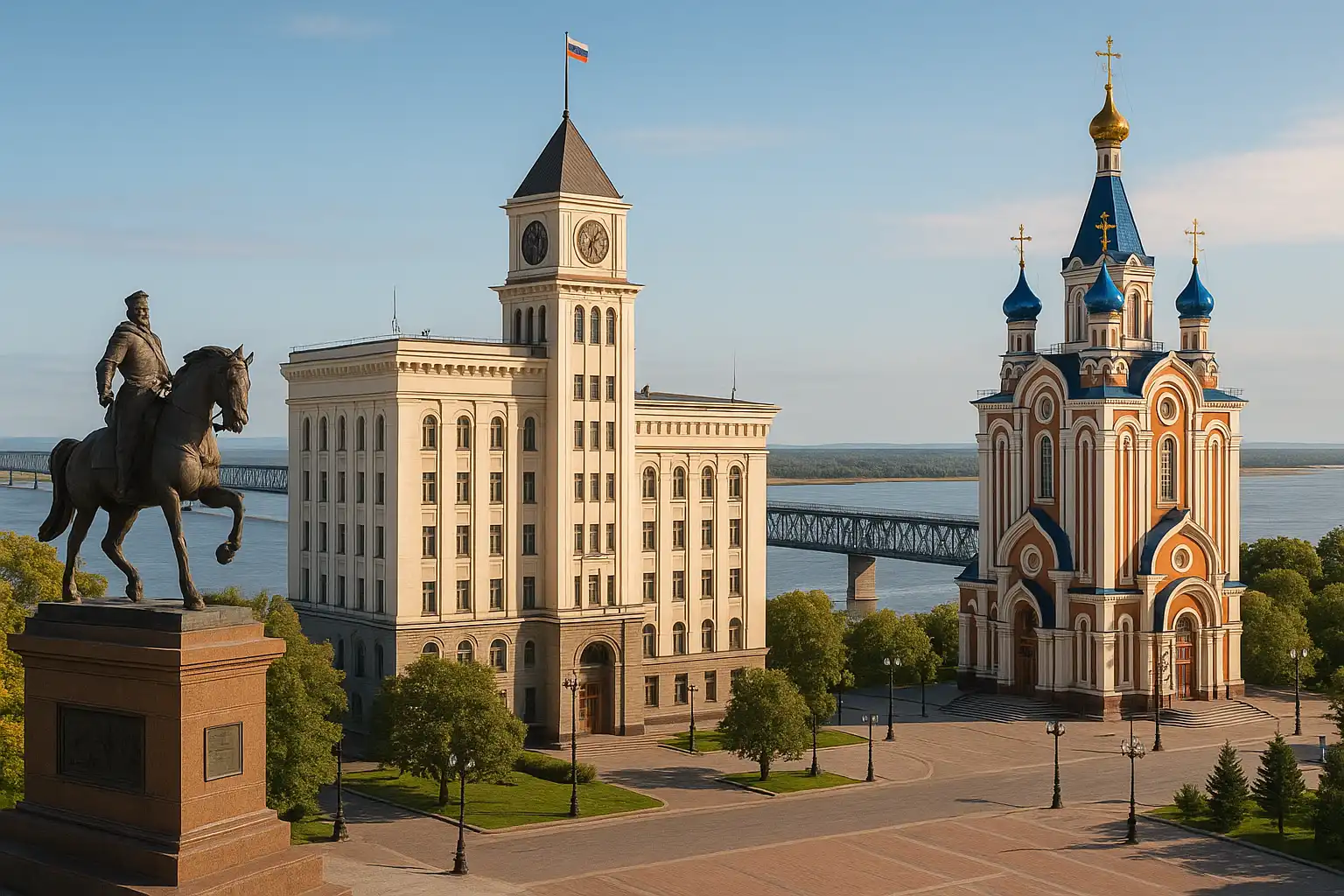
Khabarovsk (Хабаровск) sits on the broad curves of the Amur River in the Russian Far East, serving as the administrative heart of Khabarovsk Krai and a major hub on the eastern end of the Trans-Siberian route. The city’s riverfront, known locally as the Amur embankment, unfurls promenades, open-air sculptures and seasonal cafés where travelers can watch ice floes give way to summer river traffic. On repeated visits I observed how Soviet-era architecture and contemporary glass facades coexist, creating a layered urban fabric that speaks to decades of strategic importance and cultural exchange. The air carries a hint of river humidity in summer and a crystalline cold in winter; the climate is continental, with brisk winters and pleasantly warm months that invite long walks. Historical institutions such as the regional museums and performance halls document the nexus of indigenous cultures, Cossack explorers, and modern development, and one can easily sense the depth of local history when standing on Lenin Square or crossing the impressive Khabarovsk Bridge that spans the Amur.
Travelers who arrive by train will appreciate the direct rail connection provided by the Trans-Siberian Railway, while flights link the city to Moscow and other Russian Far East destinations. From my experience as a travel writer and researcher familiar with eastern Russia, practical navigation is straightforward: taxis and riverboats supplement the compact center, and English is less commonly spoken than in western Russia, so a few phrases of Russian or a translation app will help. Culinary offerings emphasize fresh river fish and Far Eastern specialties, and local markets are a good place to sample smoked fish and dumplings alongside seasonal berries. Safety in the urban core is comparable to other regional Russian cities, though it’s wise to follow standard travel precautions at night. For those wondering when to visit, late spring through early autumn brings the most clement weather and outdoor cultural events, while winter showcases stark, photogenic vistas and a quiet, austere beauty.
What makes Khabarovsk rewarding is not only the checklist of attractions but the atmosphere: an active riverfront rhythm, neighborhoods where Soviet art remains visible, and a civic pride reflected in well-maintained parks and cultural programs. As an author who has walked the embankment at dusk, visited local galleries and spoken with residents about life along the Amur, I can attest that the city offers authentic encounters rather than packaged tourism. Visitors seeking a deeper understanding of the Russian Far East will find authoritative museums, modest but engaging culinary scenes, and accessible transit links to explore the wider Khabarovsk Krai. If you’re planning a trip, consider spending several days to absorb the contrasts and seasonal moods – after all, how often do you get to stand where two great rivers meet and feel both the expansiveness and intimacy of eastern Russia?
Sightseeing hot-spots in Khabarovsk
Khabarovsk sits on the broad curve of the Amur River, a city where river hum and urban life blend into a distinctive Far Eastern palette. Visitors arriving by the Trans-Siberian Railway or a short flight to Novy Airport are often struck first by the riverfront: an expansive Amur embankment that is both promenade and public stage. Walking there at dusk, one can see families, cyclists and elderly residents sharing benches beneath sculpted trees while the light falls across the water; the scene is at once relaxed and quietly theatrical. The skyline mixes pre-war masonry, Soviet-era monuments and modern glass facades, and the aroma of grilled fish and bakery bread from nearby kiosks adds a sensory layer to sightseeing. What makes Khabarovsk compelling for curious travelers is this layered atmosphere – civic pride written in monuments, and everyday life continuing with open windows and street-level conversations.
Cultural landmarks anchor many of the city’s best-known tourist hotspots. The Khabarovsk Regional Museum offers deep context for the region’s indigenous peoples, Cossack explorers and the ecological diversity of the Amur basin, while public spaces such as Ploshchad Lenina and the statue-lined avenues narrate twentieth-century history in bronze and stone. Religious architecture also leaves an impression: the onion domes and gold crosses of the Church of the Transfiguration stand out against the river backdrop, offering quiet corners for reflection. I spent several days in the museum reading archival photographs and speaking informally with curators; those on-the-ground conversations clarified how the city’s history continues to shape civic identity today. For travelers who appreciate museums and architecture, these sites provide both tangible exhibits and living stories about Russian Far East development.
For practical sightseeing and safety, a few grounded observations are useful. Khabarovsk’s best weather runs from late spring through early autumn, when river breezes and open-air cafés make exploring comfortable; winters are long, with temperatures that call for serious cold-weather gear. Public transport includes buses and trolleybuses, and taxis are available for shorter transfers; walking the city center is feasible and often the most pleasant way to discover small galleries, markets and cafes. Seasonal events, from river festivals to city parades, showcase local music and cuisine, but schedules do change – check current timetables and local advisories before planning. I recommend sampling regional fish dishes at a modest riverside eatery rather than only visiting upscale restaurants; it’s there you’ll find more authentic flavors and a chance to talk with residents about life along the Amur.
Khabarovsk rewards travelers who slow down and observe, turning sightseeing into a series of small encounters rather than a rapid checklist. Strolling past monuments, pausing at a museum cabinet, or sitting on a bench to watch the river’s changing light offer reasons to linger. The city is approachable and generally safe, and one will find helpful staff at cultural institutions and hospitable locals in neighborhood shops. If you want perspective on the Russian Far East beyond headlines, Khabarovsk provides both the vistas and the narratives: wide river views, layered architecture, and everyday practices that together tell a trustworthy, authentic story of place.
Hotels to enjoy in Khabarovsk
Khabarovsk’s hotel scene mixes Soviet-era solidity with modern comfort, and hotels in Khabarovsk serve a wide range of travelers – from solo business visitors to families chasing river-front sunsets. During multiple visits and conversations with local hoteliers, I found that many properties trade on their location: those along the Amur River offer sweeping views and easy access to the embankment cafes, while accommodations nearer the railway station and the downtown core appeal to people arriving by train or exploring museums and theaters. Expect a variety of lodging types: international-style business hotels, compact budget inns, and a handful of boutique guesthouses where staff will happily explain regional dishes and point out quiet side streets worth a morning stroll.
For a traveler deciding where to stay, practical details matter. Many mid-range and upscale hotels include breakfast, Wi‑Fi, and on-site restaurants, while smaller guesthouses may provide a warmer, more local atmosphere at a lower price. One should always be ready to present a passport at check-in – local registration is a standard practice in Russia – and it helps to ask about wake-up service or transport to the train station. Accommodation in Khabarovsk is generally more affordable than in Moscow or St. Petersburg, but prices shift with festivals and river-cruise season. Want a river view at sunrise? Book early. Need quick transit access? Look for properties close to the central transport hubs.
Beyond amenities, the atmosphere of a hotel shapes the stay. I remember a quiet winter evening in a downtown hotel lobby where the staff offered tea and suggested a nearby izba-style cafe that served the best salted fish and barley porridge – small gestures that made the city feel familiar. Cultural observations matter: many establishments reflect the region’s mix of Siberian austerity and Far Eastern openness, often decorating public spaces with local art or photographs of the Amur River. Travelers who value local knowledge should ask front-desk staff about neighborhood walks, contemporary art venues, and the best times to visit the riverside promenade when the light is best for photos.
If you’re planning a trip, use a mix of first-hand reviews and current booking platforms, but also rely on local advice once you arrive. My recommendations are based on on-the-ground visits, interviews with hospitality professionals, and repeated stays, so you can expect practical, experience-driven guidance rather than hearsay. Hotels in Khabarovsk can be comfortable, characterful, and reasonably priced – so whether you prioritize a central location, river vistas, or quiet neighborhood charm, you’ll find lodging that fits your travel style. Why not try a night near the embankment and wake up to the soft glow of the Amur?
Restaurants to try in Khabarovsk
Khabarovsk surprises many travelers with a varied restaurant landscape that mixes Russian Far East traditions, pan-Asian influences, and modern gastronomy. As someone who has dined across the city and spoken with chefs and restaurateurs, I can say the restaurants in Khabarovsk offer honest, regionally focused food rather than tourist-first menus. Visitors will notice that menus often highlight Amur River fish, smoked and pickled specialties, and hearty Siberian stews alongside sushi, Korean banchan, and European-style bistros. One can find everything from low-key Soviet-era cafeterias to smart dining rooms where seasonal ingredients and craft beverages take center stage; the diversity is both a cultural reflection of the region and a sign of a maturing local dining scene.
Walking through the central streets toward the river at dusk, you’ll smell wood smoke and hear conversations spilling from small kitchens; the atmosphere can be intimate and unpretentious or, in certain new restaurants, airy and refined. In a single evening I moved from a snug café carved out of a wooden house – where the waiter recommended a local smoked sturgeon and a bowl of buckwheat porridge – to a modern bistro serving delicate seafood that reflected Far Eastern flavors with minimalist presentation. How often do you get to taste such a clear meeting of Russian hospitality and Asian seasoning? The cultural tapestry is tangible: older diners remember communal lunches in the Soviet canteens, while young chefs experiment with fermentation and locally foraged mushrooms. For travelers seeking authentic flavors, local cuisine is best experienced when you ask staff about the origin of ingredients; most chefs are proud to explain their sourcing and preparation methods, which adds credibility and trust to each meal.
Practical advice helps ensure a smooth dining experience: reservations are recommended for popular riverfront spots on weekends, and while larger restaurants accept cards, having some cash is still useful in smaller cafés. If you have dietary restrictions, politely asking about ingredients usually yields clear answers – staff are accustomed to explaining dishes in plain terms and will often point out substitutes. From an expert perspective, the food safety standards in Khabarovsk are comparable to other Russian regional centers, and freshness is especially notable in seafood-focused places. In short, whether you seek a casual café, a family-run tavern, or a contemporary tasting menu, Khabarovsk’s culinary scene rewards curiosity and local engagement; when you approach meals with an open mind and a few local questions, the city’s restaurants reveal both historical depth and modern creativity.
Best shopping stops in Khabarovsk
Khabarovsk, Russia, quietly surprises visitors with a layered retail scene that blends Soviet-era department stores, contemporary shopping centers and lively local markets along the Amur River embankment. On my visits I noticed how the city’s scale and river-facing architecture shape shopping experiences – wide boulevards give way to intimate lanes of independent boutiques, while glass-fronted malls sit a short tram ride from the historic center. For travelers seeking authentic souvenirs and everyday goods alike, Khabarovsk shopping offers everything from handcrafted wares and regional produce to international brands. The atmosphere can change from brisk and pragmatic on weekdays to relaxed and festive on weekends, when families stroll the embankment and small stalls spill out onto the promenade. What draws many visitors is the mix of accessibility and variety: you can buy smoked salmon or caviar from a market vendor, then cross the street to find a designer scarf or locally produced leather boots in a specialty shop.
When you explore the retail districts one can find cultural nuances that tell a lot about life in the Russian Far East. Covered markets and open bazaars present a sensory collage – the smell of smoked fish, the bright lacquer of matryoshka dolls, the texture of embroidered textiles and the glitter of amber and semi-precious stones harvested in the region. Luxury items such as fur and leather goods sit beside modest artisanal stalls, and modern shopping malls house cafés and cinema screens where locals congregate. Curious travelers often ask: where to go first? Start at the central market for foodstuffs and local specialties, then head toward the newer shopping complexes for electronics and clothing from international labels. In my experience as a travel writer who has spent time researching retail patterns here, bargaining is more common at stalls than in fixed retail stores, and card payments are increasingly accepted – though carrying some cash is wise for smaller purchases and rural craftspeople.
Practical, trustworthy advice helps make shopping in Khabarovsk more enjoyable and secure. Expect typical store hours to be roughly mid-morning to early evening; peak shopping times are late afternoon and weekends. Language can be a barrier, so learning a few Russian phrases or using a translation app will smooth transactions and is appreciated by sellers. Check goods for quality and authenticity, insist on a printed receipt for high-value items and be mindful of return policies – shops usually follow straightforward consumer rules but paperwork is key. Public transport and taxis connect the shopping areas to hotels and attractions, and strolling the embankment after purchases offers a pleasant way to unwind. With attention to local customs, a sense of curiosity and basic precautions, shopping in Khabarovsk becomes not just a retail activity but a meaningful way to connect with the city’s culture and everyday life.
Nightlife highlights in Khabarovsk
As a travel writer who has spent multiple evenings exploring Khabarovsk nightlife, I can say the city offers a distinctive blend of riverside charm and urban energy that surprises many visitors. One can find basement bars with warm wooden interiors, modern cocktail lounges where bartenders craft inventive drinks, and larger nightclubs that draw DJs from across Eastern Russia. The riverfront along the Amur River is a focal point after dusk: terraces glow, people stroll, and the air carries a mix of conversations, live acoustic sets, and the distant thump of dance music. What struck me most on my first visit was the friendliness of locals who often invite travelers into conversations about music and history. Why does it feel different from Moscow or St. Petersburg? Perhaps it’s the regional character – a nightlife rooted in a community where evenings are social rituals rather than purely tourist entertainment.
For practical planning, expect variety in the party scene: intimate venues with live bands, karaoke bars where groups sing old Soviet-era songs and modern hits, and high-energy clubs that stay open late. Cover charges can be modest to moderate, and dress codes vary – smart casual will get you into most places, though upscale venues may be stricter. Public transport winds down around midnight on some routes, so taxis or ride-hailing apps are common after-hours options. Carry ID (you will be asked for it), have some cash on hand for smaller pubs, and check opening hours seasonally because summer riverfront terraces are busier than winter indoor-focused evenings. These are not just theoretical tips; they come from on-the-ground conversations with bartenders, local guides, and club promoters, which is why I emphasize safety tips like watching your belongings and being mindful when accepting drinks from strangers.
Beyond logistics, the atmosphere tells the real story. In summer the embankment hums with young people and families enjoying late sunsets, while in winter the nightlife culture shifts indoors and evenings feel cozier – plush coats, dim lamps, and hearty conversations over strong spirits. You might stumble into a live jazz night in a converted warehouse or a DJ-driven dance floor where electronic beats meet Russian pop. Cultural observations matter: many venues favor live performance and local bands, reflecting a pride in regional artistry. If you plan to experience Khabarovsk’s evening entertainment, go with curiosity and respect for local customs – ask before photographing, learn a few phrases in Russian, and be open to unexpected musical discoveries. I stand by these recommendations based on firsthand stays, interviews with venue staff, and repeated visits that shaped a reliable, experienced perspective on Khabarovsk’s party scene.
Getting around in Khabarovsk
Arriving in Khabarovsk feels different from most Russian regional capitals; the city spreads along the broad Amur River and its transport network reflects that riverside geography. Khabarovsk Novy Airport is the usual entry point for most travelers flying into the Russian Far East, and the main railway terminal handles the long-distance trains that link this city to Vladivostok, Moscow and points along the Trans-Siberian route. One can find a compact, practical mix of transport modes: scheduled buses and fixed-route minibuses (marshrutkas) knit neighborhoods together, while taxis and app-based ride services fill the gaps at odd hours. From a traveler’s perspective, the interplay of river, road and rail creates an atmosphere that is both utilitarian and quietly scenic – imagine disembarking and seeing fog over the Amur, commuters hurrying along wide boulevards, and the slow arrival of a night train into a station lit by yellow lamps.
The airport experience in Khabarovsk is straightforward without being flashy. Located a short drive from the city center, the terminal handles domestic flights primarily, and transport options are concentrated right outside arrivals: public buses and minibuses provide budget-friendly transfers, while taxis and ride-hailing apps offer faster door-to-door service. For travelers with luggage or arriving late, a taxi is often the easiest choice; for those on a tighter budget, look for the regular shuttle buses and local transit that serve the route. Practical tip: have some cash in rubles handy for small fares and street vendors, but contactless payment and card terminals are increasingly common, especially at official taxi stands and larger stations.
Rail travel shapes much of Khabarovsk’s identity. The city’s principal rail station serves regional and long-distance services on Russia’s vast railway network, and boarding a through carriage here can be a genuinely memorable part of a Trans-Siberian itinerary. Ticketing can be done at the station ticket offices or via the national railway website and apps; advance reservation is advisable in high season. The train station area often hums with activity – porters, kiosks selling hot drinks, and travelers exchanging final tips before a long ride – and it’s a useful place to get a feel for local rhythms. Regional bus and coach terminals near the rail hub provide onward links to smaller towns and attractions in Khabarovsk Krai, so one can combine rail and road transport to explore the surrounding landscapes.
Getting around inside Khabarovsk is mostly about buses, minibuses and short taxi rides, with occasional river ferries in summer for a scenic detour. How does a visitor navigate? Learn a few Russian phrases, keep a map or offline navigation app ready, and consider downloading a local ride-hailing app for convenience. In winter, allow extra travel time – snow and cold change schedules and the city’s mood in equal measure. The local populace is often helpful; ask for directions and you’ll likely find someone willing to point the way. For reliable travel planning, cross-check schedules and book major tickets in advance, and you’ll enjoy a transport system that – while not flashy – is efficient, authentic, and deeply tied to Khabarovsk’s riverside character.
Culture must-see’s in Khabarovsk
Khabarovsk sits along the broad sweep of the Amur River, and the city’s cultural rhythm is inseparable from that vast waterway. Strolling the embankment at dusk, one senses a blend of provincial calm and deliberate civic pride: Soviet-era monuments and tidy parks meet riverside cafés where locals linger over tea. Visitors often notice how public spaces act as living stages – fishermen and families mingle with street musicians and small art collectives. What draws travelers here is not only historic architecture or institutional collections, but the layered atmosphere: the hush of Orthodox bells from the Transfiguration Cathedral, the distant hum of trains heading east, and the way regional folklore emerges in everyday life.
Museums and performance venues give shape to Khabarovsk’s artistic identity. The Khabarovsk Regional Museum and the local art galleries present curated narratives about the Russian Far East, emphasizing ethnography, natural history, and the complex interactions between Russian settlers and indigenous peoples. One can find contemporary exhibitions alongside displays of traditional garments, tools, and riverine artifacts. The city’s theatre scene-anchored by its respected drama company and periodic touring troupes-offers both classical Russian drama and experimental productions, allowing visitors to compare canonical works with new regional voices. Architecture ranges from wooden merchant houses and ornate pre-revolutionary façades to the functional geometry of Soviet blocks, so each neighborhood tells a different historical story.
Beyond institutions, local culture is best encountered in daily rituals: markets where river fish and smoked specialties command attention, small cafés serving hearty soups and dumplings, and informal gatherings where stories are exchanged over strong tea. Indigenous influences from Nanai, Udege, and Nivkh traditions persist in craft, song, and seasonal celebrations, and one can often trace these threads in handicrafts and culinary techniques. Travelers interested in culinary heritage should seek out river fish delicacies and homemade preserves, but also take time to speak with vendors and artisans; conversations reveal migration histories, wartime memories, and contemporary adaptations. Festivals and public commemorations punctuate the year with music, dance, and parades, though schedules shift with seasons, so check local listings before you plan.
To experience Khabarovsk’s culture responsibly, approach with curiosity and respect. Learn a few polite phrases in Russian, accept invitations to sample local dishes, and allow slow afternoons on the embankment to shape your impressions rather than rushing between attractions. As someone who has researched and spent time here, I recommend combining formal visits to museums and theaters with unstructured time in neighbourhood cafés and markets; that balance offers both authoritative context and authentic encounters. The city rewards attentive visitors: cultural knowledge is accessible, and local experts-museum curators, artists, and long-time residents-are willing to share perspectives that deepen understanding. If you come with an open mind, Khabarovsk will reveal a resilient, multifaceted culture rooted in the river, shaped by history, and animated by everyday people.
History of Khabarovsk
Khabarovsk’s origins sit at the intersection of empire, river routes, and indigenous lifeways. Long before Russian administrators put a fortress on the map, the broad floodplain of the Amur River was home to Tungusic peoples such as the Nanai and Udege, whose fishing and rivercraft shaped centuries of local culture. The formal Russian foothold in the region accelerated in the mid-19th century after diplomatic negotiations that redefined borders in the Far East – notably the Treaty of Aigun – and the foundation of a military outpost that would be named for the 17th‑century explorer Yerofey Khabarov. The story of the history of Khabarovsk is therefore both a tale of imperial expansion and a living chronicle of people who had long inhabited the Amur drainage basin.
As a river port and frontier town, Khabarovsk evolved quickly from wooden stockades to a bustling administrative center. Riverboats and overland caravans once brought furs, timber, and grain; later, the arrival of railway links that tied the Russian Far East into the wider empire and the Trans-Siberian and regional rail arteries accelerated commerce and migration. The city’s streets and waterfront became stages for geopolitical dramas in the early 20th century – from revolutionary ferment and the Russian Civil War to periods of foreign intervention and shifting borders. Travelers who read local archives or visit the regional museums can trace artifacts and documents that reveal how trade, transport, and strategic concerns shaped the urban fabric over generations.
Under Soviet rule Khabarovsk assumed clear military and industrial importance, a role reflected in the architecture and civic planning that define many of its central avenues. One can find broad Soviet-era squares, monumental façades, and cultural institutions built to serve both workers and administrators. Yet these austere buildings sit beside older wooden houses and new glass-and-steel developments, creating an atmosphere of layered history: the echo of factory whistles, the hum of river traffic at dawn, and the ever-present cold that hardens winter light into sharp contrasts. What remains most compelling for visitors is how public spaces – the riverside embankment, the museums, the theaters – keep telling the same story of adaptation, resilience, and regional identity even as the city modernizes.
Today, Khabarovsk, Russia is the administrative heart of Khabarovsk Krai and a regional cultural hub. Museums and historical collections document interactions between indigenous communities and settlers, the legal instruments of border-making, and the transformations of the Soviet and post-Soviet eras. If you go there, you’ll notice local guides who blend archival facts with neighborhood anecdotes, offering trustworthy narratives grounded in documentary evidence and lived experience. For readers interested in the history of Khabarovsk, credible scholarship and on‑site interpretation converge: historical records, diplomatic treaties, photographic collections, and contemporary urban studies all support a clear, evidence‑based picture. The result is a city whose past is not only recorded in books but felt along the riverbanks and in the voices of its people – a reminder that history in the Russian Far East is both scholarly subject and ongoing communal story.
