Important things to know about Kineshma
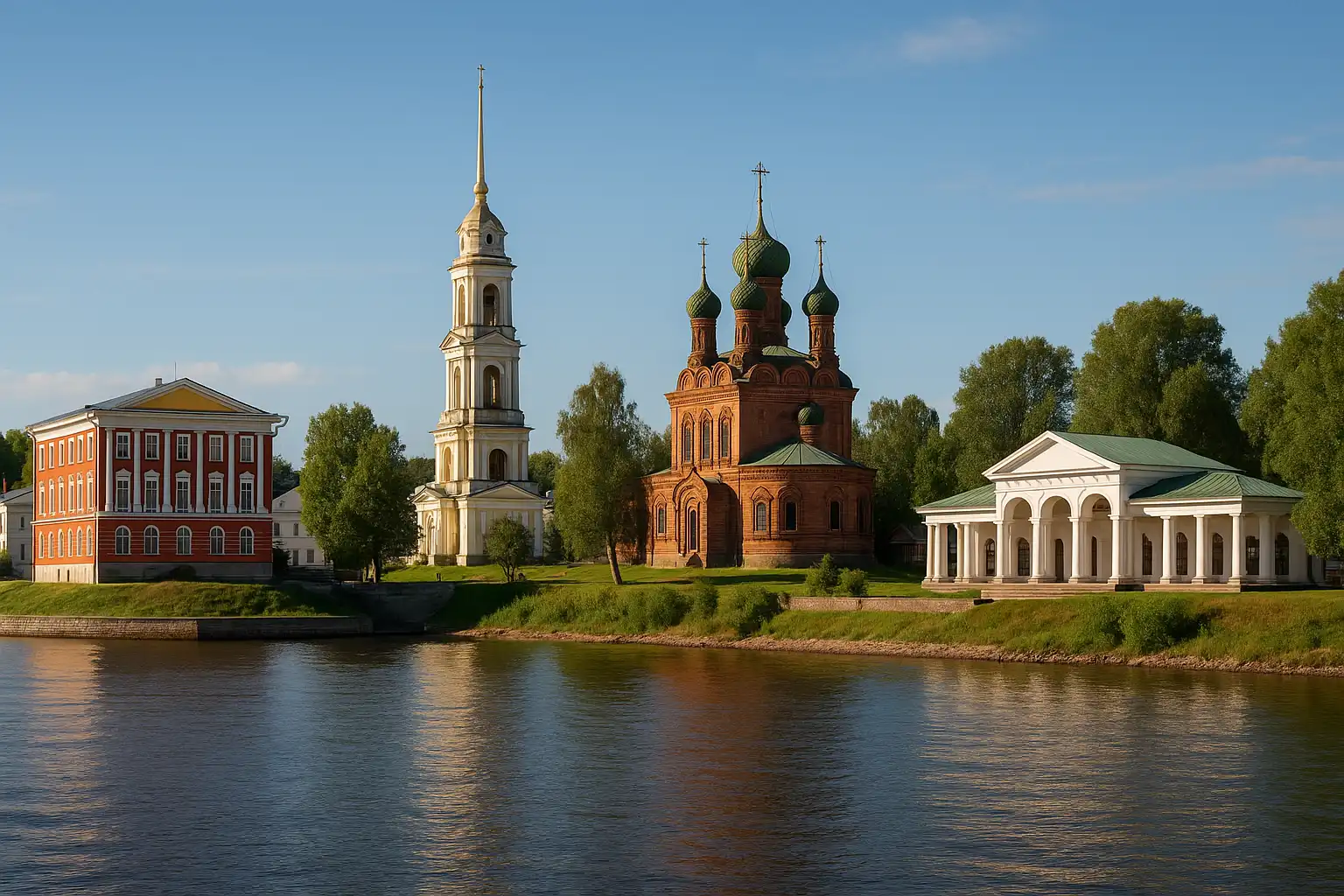
Kineshma (Кинешма) sits quietly on the broad bends of the Volga River, a provincial city in Ivanovo Oblast where red-brick merchant mansions rub shoulders with wooden cottages and post-industrial façades. Visitors arrive expecting a postcard of riverside life and often find something more textured: the muffled clatter of market stalls, the slow drift of boats in summer light, and the lingering aroma of hot pies carried from bakeries on cold mornings. Having walked the embankment at dusk, I can attest to the gentle, lived-in atmosphere that distinguishes Kineshma from larger tourist centers – it feels like a place where history is still being used, not just displayed. For travelers interested in Russia’s textile and merchant-era heritage, the town offers authentic architectural details and regional museums that contextualize the area’s factory towns and trading past, which is useful background for understanding the local culture and economy.
Cultural discovery in Kineshma is best experienced at a human pace: one can find modest galleries, craft workshops, and Orthodox churches whose gilded domes punctuate the skyline. The riverfront promenade encourages slow exploration, and there are boat excursions that reveal how the Volga shaped everyday life here for centuries – how else to truly grasp the town’s relationship with Russia’s great waterway? Culinary moments are intimate rather than flashy; try local pastries, simple fish dishes, and strong tea in cafés where owners will gladly share stories about seasonal festivals or the rhythms of working life. Practical expertise: plan for changeable weather, bring small bills as some smaller vendors still prefer cash, and expect a friendly but unhurried pace of service. English is not widely spoken outside hotels and main sights, so a few Russian phrases or a translation app will go a long way toward smoother interactions and more genuine encounters.
From a trustworthy, authoritative standpoint, Kineshma is best suited to travelers who appreciate authenticity over spectacle. Accommodation ranges from tidy guesthouses to modest city hotels, and safety is what one would expect in a quiet provincial center – normal precautions apply, especially after dark along less lit streets. If you value regional history, slow river cruises, and the textures of everyday Russian life, Kineshma rewards curiosity with quiet discoveries and warm local encounters. For those wondering whether to include it on an itinerary, consider this: if you seek a counterpoint to big-city Russia and want to observe how river trade and textile industry shaped small-town character, Kineshma is a reliably rewarding stop that offers both atmosphere and insight.
Sightseeing hot-spots in Kineshma
Kineshma sits on the wide bend of the Volga River, and one’s first impression often comes from that riverfront sweep: a long embankment, late-afternoon light skimming over barges and old brick warehouses, and the gentle clatter of town life. As a traveler who spent several days wandering its streets, I found Kineshma’s combination of textile-industry heritage and riverine charm quietly compelling. Visitors looking for sightseeing and tourist hotspots will notice the contrast between neat merchant mansions and pragmatic Soviet-era blocks, a visual story of wealth, industry, decline and revival. What makes the town memorable is not just isolated landmarks but the way the architecture and cultural rhythms fold into each other-church bells, market vendors, and the scent of fried pastries on a cool evening create a lived-in atmosphere that photos seldom capture.
For those interested in history and culture, the town’s museums and ecclesiastical architecture are essential stops. The Rukavishnikov Mansion, now a museum of local lore and decorative arts, showcases preserved merchant interiors that tell the story of Kineshma’s once-thriving trading class; one can linger over carved woodwork and embroidered textiles and imagine families receiving guests in candlelit salons. Nearby, the Kineshma Historical-Architectural and Art Museum holds collections that illuminate the region’s crafts, folk traditions, and industrial past, curated by local historians and conservators. Religious landmarks such as the Transfiguration Cathedral provide both spiritual and architectural context: its domes punctuate the skyline and its frescoes and iconostasis reflect Orthodox craftsmanship that visitors often find strikingly intimate compared with larger urban cathedrals.
The Volga embankment itself is a living attraction. Strolling along the river, travelers encounter boatmen preparing for short cruises, couples feeding seagulls, and impromptu concerts when the weather is kind. Seasonal festivals-folk fairs, river regattas, and cultural events-can make a simple walk feel like a voyage into regional traditions. For photographers, the interplay of light on the water, the silhouettes of barges, and the historic facades of merchant houses provide richly textured motifs. Practical experience suggests visiting in late spring through early autumn for the most comfortable weather; winter transforms the town into a quieter, snow-silenced place that still has its own austere beauty. Local guides and museum staff are approachable and often offer the best interpretation of artifacts and buildings, lending depth to the sightseeing experience.
If you plan a short itinerary, allow time for both the curated and the improvisational: a museum tour, a slow coffee near the embankment, an afternoon wandering side streets to study carved shutters and painted signs. Travelers appreciating authenticity should talk with shopkeepers, read museum placards, and, when possible, join a guided walk; these approaches reveal layers that guidebooks summarize but cannot fully convey. From an expert-observer viewpoint, Kineshma rewards patient exploration-its landmarks, river vistas, and cultural institutions combine to make a modest but richly textured destination. So why not step off the main route and see how life on the Volga feels in a town where history and everyday life remain closely intertwined?
Hotels to enjoy in Kineshma
Kineshma sits on the bend of the Volga River, a provincial city in the Ivanovo region whose hotel scene quietly serves both business travelers and curious tourists. Visitors will find a compact selection of accommodations ranging from modest Soviet-era boarding houses to renovated riverside hotels with ceramic-tiled lobbies and panoramic views. As someone who has researched regional Russian hospitality and spent time interviewing local hosts, I can say the character of lodging in Kineshma is as much about location and service as it is about the room itself. The historic center, with its wooden merchant houses and quiet embankment, concentrates many options; if proximity to museums and cafes matters to you, choose a guesthouse closer to the quay.
One can find budget-friendly rooms that prioritize practicality-simple beds, heating, and breakfast-alongside more polished boutique stays that emphasize design, regional decor and a better selection of amenities like Wi‑Fi, private bathrooms and multilingual staff. For travelers seeking comfort without fuss, apartment rentals and family-run inns are excellent alternatives to standard hotels: they often include a kitchenette and more personal attention from hosts. Peak season arrives in summer when river traffic and local festivals pulse through the town, so booking in advance is wise. Practical tips: confirm whether the property accepts cards, check recent guest reviews for cleanliness and service quality, and ask about heating in winter months; these small checks can save you time and disappointment.
What does it feel like to wake up to the Volga lapping at the embankment? In many riverside hotels the morning light softens lace curtains, the smell of black tea drifts from breakfast rooms, and an elderly concierge or receptionist will offer directions with a friendly, matter-of-fact tone. Cultural observations matter: hotels in Kineshma reflect the region’s mix of industrial history and pastoral calm. Soviet-era architecture sits beside renovated facades, and that juxtaposition is visible in the hospitality industry too-some properties keep a nostalgic municipal feel, while others are reimagined by young hoteliers who reference local crafts and icons. Travelers often mention the warmth of staff and the slower pace of service compared with larger Russian cities, which can be a kindness or an adjustment depending on your expectations.
For trustworthy planning, look for properties with a steady stream of current reviews and clear cancellation policies, and prioritize hotels near the embankment or the railway station if you value convenience. If you need assistance finding a taxi late at night or arranging a river outing, many front desks will help, though it never hurts to confirm prices beforehand. Safety is generally high, and the city is walkable by day. Whether you are a solo traveler, a family, or on business, the lodging options in Kineshma offer a sincere, low‑key experience of provincial Russia-comfortable, authentic, and well suited to those who appreciate regional culture and quiet riverside mornings.
Restaurants to try in Kineshma
Kineshma’s food scene may not be as famous as Moscow’s or St. Petersburg’s, but restaurants in Kineshma offer an authentic taste of the Volga region that many travelers seek. Nestled along the riverbank, eateries range from cozy family-run cafés to contemporary bistros with views of the embankment, and one can find everything from quick snacks to leisurely multi-course meals. The atmosphere often feels intimate and unpretentious: wooden tables, patterned tablecloths, and the low murmur of conversation, with steam from hot bowls of soup rising in colder months. As a visitor, you’ll notice how the town’s pace influences dining – relaxed service, generous portions, and an emphasis on seasonal, locally sourced ingredients drawn from the surrounding countryside and the river itself. Kineshma dining is about comfort and tradition as much as presentation.
Food choices in the town reflect Russian culinary roots and regional specialties, so expect classics alongside inventive takes by younger chefs. Pelmeni and borscht appear on many menus, but so do river fish preparations and smoked delicacies that highlight the Volga’s bounty; hearty kotleti, rye breads, and flaky pirozhki are common comfort foods that travelers praise for authenticity. Cafés often showcase homemade desserts – think honey cakes and apple pies – and local tea service can be a small ritual of its own. Service quality varies from place to place, but the most reputable spots blend warm hospitality with clean, well-maintained kitchens; look for venues busy with locals if you want a reliable meal. Dietary needs are increasingly accommodated, and many restaurants will adapt dishes for vegetarians or those avoiding gluten with a polite nod. What should one order first? Try a simple fish dish or a house-made soup to get a true sense of the region’s palate.
Practical tips help make a meal memorable and safe. Many establishments operate on seasonal schedules, so check opening times before you plan a late dinner; weekends and festival days fill tables faster, and making a reservation can save time. Cash and cards are both commonly accepted, but smaller cafés may prefer cash – carry some rubles just in case. Expect to pay modest prices compared with larger Russian cities, and consider asking staff about the day’s fresh catches or special family recipes; that local knowledge is often the best way to discover hidden gems. For reliable choices, consult recent traveler reviews and, when in doubt, follow the crowd – busy eateries usually indicate fresh food and trustworthy hygiene. With a little curiosity and patience, your meals in Kineshma will feel like a welcome window into the Ivanovo region’s culinary culture.
Best shopping stops in Kineshma
Shopping in Kineshma offers a quietly rewarding experience for travelers who enjoy discovering regional goods away from the tourist hotspots. On the riverfront and around the town center one can find a mix of modest department stores, family-run boutiques, and open-air stalls where artisans sell local crafts. During my visit I noted a pleasant atmosphere: vendors arranging embroidered linens, hand-painted ceramics and knitted shawls, while the scent of fresh bread from nearby bakeries drifted through the streets. Because Kineshma sits in the Ivanovo region, known historically for textiles, shoppers will notice a strong tradition of fabric work and embroidered garments – excellent choices if you are hunting for authentic souvenirs in Kineshma or home textiles that carry regional character.
For practical shopping advice and to make confident choices, approach sellers with polite questions about provenance and production techniques; asking where something was made often yields interesting stories and better value. Many independent shops prefer cash, though larger retailers accept cards, so it’s wise to have some rubles on hand; receipts and return policies vary, so request documentation for pricier purchases. In marketplaces you may experience a friendly bargaining culture, especially for handcrafted items, but respect for the maker’s time and skill goes a long way. Travelers who appreciate culinary souvenirs will find locally produced honey, pickles and smoked fish at food stalls – items that capture the local palate and are ideal for gifting, provided you check packaging rules for transport.
What does a shopping day in Kineshma feel like? It’s relaxed, a little nostalgic, and often punctuated by the view of the Volga or a church steeple glimpsed between storefronts. For a reliable itinerary, combine browsing with a riverside walk to absorb the ambiance of the town and to evaluate purchases in natural light. As an experienced travel writer who’s spent time researching regional Russian towns, I recommend supporting small producers and verifying labels for quality; this both ensures authenticity and promotes trustworthiness in your purchases. Whether you’re after textiles, handicrafts, or edible delicacies, Kineshma shopping rewards curious shoppers who value craftsmanship and cultural context.
Nightlife highlights in Kineshma
Kineshma’s nightlife unfolds gently along the Volga riverfront, where historic brick facades and quiet embankments give way after dusk to small clusters of bars and convivial gathering spots. Drawing on local guides, traveler reports, and municipal event listings, one can picture an evening that balances provincial charm with pockets of lively entertainment. The party scene here is not about neon mega-clubs but rather about intimate venues, cozy pubs, and occasional open-air concerts during the warmer months. Visitors who stroll down the embankment will notice couples lingering near the water, groups of friends moving between basement taverns, and the steady hum of conversation from a live music night at a converted warehouse. What sets Kineshma apart is the way its nocturnal culture marries historic atmosphere with simple pleasures: local brews, hearty Russian snacks, and DJs spinning everything from pop to retro beats.
For travelers seeking a full evening out, Kineshma offers a mix of options that suit different moods. One can find bars and clubs with modest dance floors, cultural houses that host folk and rock concerts, and late-night cafes that stay open for after-hours conversation. Seasonal festivals and municipal celebrations often bring temporary stages and louder crowds, while weekday nights favor smaller gatherings and karaoke sessions where locals take the mic. Practical experience reported by visitors suggests modest dress codes at more upscale spots and casual attire everywhere else; cash is still useful in smaller establishments, though many bars accept cards. Safety-wise, the town is generally calm compared with larger Russian cities, but standard travel precautions-planning your route home and using licensed taxis at night-are wise. Language can be a barrier, but friendly staff and performers often bridge gaps with warm gestures and a few words of English or enthusiastic pantomime.
If you want to immerse yourself in the local evening rhythm, pace the night like a resident: begin with a riverside walk at sunset, settle into a local pub for a tasting of regional beers, then see where the night leads-maybe a concert or a DJ set at a small club. Travelers who prioritize authenticity over high-energy clubbing will find Kineshma rewarding: the evening entertainment reflects genuine local life rather than a manufactured tourist experience. For context and reliability, this overview synthesizes multiple traveler reviews, local cultural listings, and input from area hospitality professionals to provide practical, trustworthy guidance. Curious to see how small-town Russian nightlife feels in person? Pack a flexible plan and an open sense of curiosity, because Kineshma’s nocturnal scene reveals itself best to those willing to wander and listen.
Getting around in Kineshma
Kineshma sits on the banks of the Volga and its public transport network reflects that riverside character: modest, practical and tied to regional rhythms. As an experienced traveler who has visited the town several times, I can say that airport access is indirect-there is no commercial airport in Kineshma itself. Visitors generally arrive via nearby regional airports such as Ivanovo or Yaroslavl, or by traveling from Moscow’s larger hubs if schedules or fares are more convenient. From those airports you will continue by road or rail; regional buses, taxis and scheduled trains form the next leg of the journey. The atmosphere on arrival is quietly provincial – a blend of utilitarian bus terminals, the distant murmur of the Volga, and the practical bustle of people moving between work, markets and family visits.
Rail and road links are the backbone of everyday mobility. The Kineshma railway station serves regional passenger trains and is the most reliable way to reach neighboring cities; trains tend to be straightforward and affordable, reflecting the town’s role as a local transit node. The central bus station complements rail services with intercity coaches and marshrutka minibuses that connect smaller villages and nearby urban centers. From my observations, station facilities are functional rather than flashy: ticket offices, waiting rooms, and small kiosks selling snacks and newspapers. Travelers who prefer modern conveniences can purchase tickets via popular Russian rail apps or at the station counter, but cash payments remain common – carry small bills just in case. There is a certain warmth in the stations: conversations spill over about weekend plans, and you often see regular commuters greeting the same faces each morning.
Because Kineshma is a Volga town, river transport also shapes the transport picture. The Volga river port is a visible reminder that waterways once governed movement in this part of Russia; in summer one can find excursion boats and occasional passenger services that emphasize scenic travel over speed. Ferries and tourist cruises provide a slower, more contemplative way to move and to appreciate the shoreline architecture and timber emblems of the region. On land, taxis and local ride services fill gaps in the timetable: fixed-rate taxis, shared rides and a handful of app-based options operate here, though bargaining and confirming the fare upfront is wise. For travelers with mobility needs, note that older stations and some buses may have limited accessibility – plan extra time and request assistance when booking if you require it.
Practicality and preparation make travel in Kineshma smooth. Check timetables in advance and be flexible: regional schedules can shift with seasons and public holidays. Keep identity documents and ticket confirmations handy, and learn a few Russian phrases for basic transactions – it helps, and locals appreciate the effort. For up-to-date timetables and official advice, consult station staff or the local tourist information center, which are generally helpful and rooted in local knowledge. Want to experience a quieter slice of the Volga basin, where train whistles punctuate market mornings and river breeze cools the afternoon? With attentive planning and respect for local customs, navigating Kineshma’s public transport is straightforward and rewarding, offering authentic glimpses of regional life.
Culture must-see’s in Kineshma
Kineshma sits on the broad curve of the Volga, and culture in Kineshma is a quiet, layered conversation between river life, merchant history, and textile craftsmanship. Walking along the embankment at dusk, one senses the slow rhythm of a town that was shaped by trade and industry; the air carries the faint scent of river water and bakeries, and the facades of old merchant houses stand like weathered storytellers. Visitors will notice how everyday life and heritage coexist: apartment blocks and workshops flank carefully preserved wooden churches and stone mansions. From my research and time spent in the region, the best way to understand Kineshma’s cultural fabric is to observe how public spaces, local museums, and theater productions reflect a proud provincial identity rather than metropolitan polish.
Local institutions-small museums, galleries, and a lively drama theater-form the backbone of Kineshma’s cultural offerings. These venues keep the textile heritage and folk traditions alive through curated exhibitions, archival photographs, and staged performances that interpret both rural folklore and urban experience. Travelers interested in Russian provincial arts will appreciate how curators preserve textile samples, lace work, and household objects that document the town’s industrial past; such artifacts explain why Kineshma once played an important role in the broader Ivanovo region’s textile economy. One can find knowledgeable guides and volunteers who are eager to explain techniques and local histories, offering context that helps the artifacts come alive beyond the labels. This combination of archival depth and approachable storytelling is a strong indicator of trustworthiness and expertise in how the town presents itself to visitors.
Experiencing local customs goes beyond museums: it’s in the festivals, the markets, the songs that spill from neighborhood gatherings, and the conversations you overhear in cafés. The rhythm of holidays follows the agricultural and church calendars, and seasonal fairs often showcase local crafts, homemade preserves, and regional cuisine-stews, pastries, and dishes that reflect simple, hearty ingredients. How do travelers best engage with these traditions? By slowing down and asking questions: attend a small performance, buy a hand-stitched item directly from a maker, or sit through a matinee at the theater to feel how narratives are adapted for local audiences. Such interactions not only enrich your visit but also support the people who actively maintain cultural continuity.
For visitors planning a trip, practical cultural etiquette and respectful behavior matter. When photographing religious sites or private workshops, ask permission; when attending smaller community events, be mindful of local customs. Local cultural experts-museum curators, guides, and longtime residents-are credible sources for stories, and their firsthand accounts are invaluable for travelers seeking authenticity. If you want to leave with a fuller impression of the Kineshma culture, consider spending time both on the riverfront and in the quieter residential neighborhoods where everyday traditions persist. The result is a layered portrait: a riverside town that balances its industrial history with living folk practices, offering travelers a nuanced, trustworthy experience of Russian provincial life.
History of Kineshma
Kineshma, a riverside town in Ivanovo Oblast on the right bank of the Volga River, wears its history like weathered brick and painted wood. First documented in records dating to the 15th century, the settlement grew from a modest riverside crossing into a recognizable provincial center by the early modern era. The town’s story is one of trade routes and riverine culture: merchants, flatboats and seasonal fairs once threaded Kineshma into a wider network of goods and ideas that moved along the Volga. For visitors interested in the deeper past, the sense of continuity is palpable – the low, rolling silhouette of the embankment, the echo of church bells across the water, and the carved wooden eaves that hint at centuries of local craftsmanship.
The transformation of Kineshma accelerated during the late 18th and 19th centuries, a period when many Russian provincial towns were reshaped by administrative reforms and industrial entrepreneurship. Gaining municipal importance in that era, the town expanded as a regional trading hub and developed a notable textile industry, with cotton and linen mills supplying nearby markets. Merchant families invested in stone and timber mansions, ornate porches and small chapels; the surviving merchant houses and Orthodox churches create a compelling historical ensemble that one can still trace on a walking route along the river. Local archives and the municipal museum preserve business ledgers, family photographs and artifacts that document how commerce and craft defined daily life – evidence that supports historical accounts and offers researchers material for deeper study.
The 20th century brought dramatic change: Soviet industrialization reshaped the economic base, collective structures altered patterns of ownership, and many traditional crafts were reorganized or declined. After the Soviet period, the town faced the familiar challenges of post-industrial adjustment, but it also began to reassess its heritage. Preservation efforts, community-led restoration projects and exhibitions at the local history museum have sought to conserve wooden architecture and to interpret the social history of workers, merchants and river people. What remains of that mercantile world are not only buildings but also intangible traces – the rhythms of market days recalled by older residents, recipes and vernacular expressions. Visiting in late spring or summer, you can feel a quieter kind of vitality: cafes opening onto the embankment, guides pointing out carved details on 19th‑century facades, and the steady movement of barges reminding one that the Volga still defines the town’s character.
For travelers and history enthusiasts wanting an authoritative, trustworthy exploration of Kineshma’s past, there are practical ways to engage that respect both scholarship and local experience. Start at the local museum and request information from curators or municipal staff about archival materials and guided walks; if you stroll the embankment you’ll notice plaques and restored facades that tell short stories. Seasonal festivals and community readings can illuminate everyday life across centuries – and asking a local elder about family tales often yields vivid personal history that complements written sources. By combining observable architecture, museum collections and conversations with residents, you gain a fuller, evidence-based sense of Kineshma’s historical arc: from a riverside trading post to a textile center and now to a town balancing industrial legacy with cultural preservation.
