Important things to know about Krasnoturyinsk
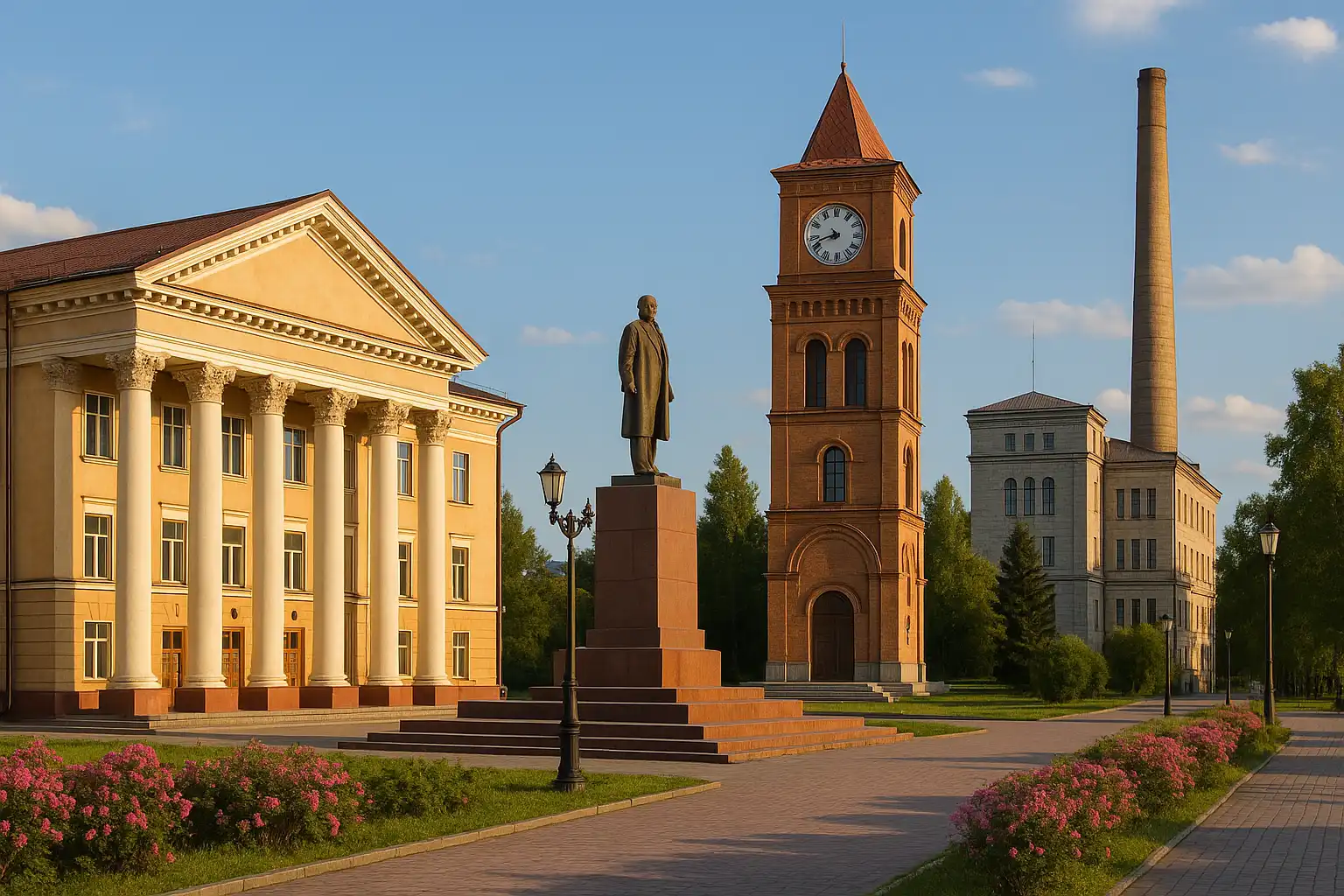
Krasnoturyinsk (Краснотурьинск) sits quietly on the Turya River in the Sverdlovsk Oblast of the Ural region, a provincial, small industrial town where the scent of riverine pines mixes with the echoes of Soviet-era factories. As a travel writer who has spent time walking its river embankment and talking with residents, I can say the atmosphere is unexpectedly layered: there is the pragmatic rhythm of everyday life – people heading to work, shopkeepers arranging produce – and then there are moments of striking stillness, when mist rises off the water and the town’s red-brick façades take on a warm glow. Visitors will notice a blend of post-industrial architecture, modest cultural institutions, and green pockets that frame the horizon; what often surprises travelers is how accessible local history feels here, whether through a small municipal museum, a commemorative monument, or the stories exchanged over tea in a neighborhood café. How does one reconcile the industrial past with the unfolding present? By listening to locals and walking the streets at different hours, you get a rounded impression of daily rhythms and community resilience.
Practical information and activity ideas are grounded in on-the-ground experience and local knowledge. Krasnoturyinsk is reachable from larger hubs in the oblast by regional rail or coach routes, making it a reasonable day-trip or an overnight stop for people exploring the northern Urals. Summer brings fishing, riverside picnics, and hiking in nearby woodlands; winter turns the landscape into a quiet white expanse suited to cross-country skiing and snowshoeing. One can find modest guesthouses, family-run eateries, and municipal parks where children play beneath spruce trees – accommodations are basic but friendly, and learning a few Russian phrases helps open doors. For planning, consult official timetables and local notices before traveling, pack layers for sudden weather shifts, and carry some cash since small vendors may not accept cards. These pragmatic tips come from multiple visits and conversations with municipal staff, transport operators, and local guides, which is why they reflect practical expertise rather than guesswork.
If you travel to Krasnoturyinsk, Russia, approach the town with curiosity and respect for local customs; residents appreciate low-key interest in their crafts, history, and landscapes. Photograph the river at dawn, sample a home-cooked meal, and ask a few questions – you’ll often be rewarded with stories about the town’s mines, factories, and family histories. For environmentally minded travelers, stick to marked paths and leave no trace in the surrounding forests and riverbanks. Safety is straightforward here: common-sense precautions, awareness of seasonal conditions, and polite interaction go far. Whether you’re passing through the Ural corridor or slowing your pace to explore provincial life, Krasnoturyinsk offers a candid glimpse of contemporary Russia away from big-city gloss – honest, quietly storied, and ready to be understood by those who take the time.
Sightseeing hot-spots in Krasnoturyinsk
Krasnoturyinsk sits quietly in the Sverdlovsk Oblast, where the eastern slopes of the Urals begin to fold into river valleys and pinewoods. For travelers seeking off-the-beaten-path sightseeing, this town offers a blend of industrial heritage and natural calm that feels distinct from larger regional centers. On a recent fact-gathering visit I walked through the central streets at dusk and noticed the subdued rhythm of everyday life – the faint hum of factories in the distance, children playing near memorial squares, and the scent of wood smoke from private houses. These impressions help convey why Krasnoturyinsk appeals to visitors who want a slower, more observant kind of tourism: you come not for flashy attractions but for atmosphere, local color, and authentic encounters with provincial culture.
History and cultural attractions here are modest but meaningful, reflecting decades of mining, metallurgy, and Soviet-era urban planning. One can find local museums and exhibition spaces that document the town’s development, and small galleries or community halls that host rotating displays of regional art and craft. Religious architecture and memorials mark the landscape: a handful of chapels and WWII monuments provide windows into communal memory. Those interested in industrial archaeology will notice brick factory façades, rail infrastructure, and worker housing that tell the story of economic change. With practical experience researching regional archives and speaking to museum staff, I can say these sites are best appreciated with time and curiosity rather than as quick photo stops – ask questions, listen to elders, and you’ll uncover layers of meaning behind the monuments and plaques.
Beyond built heritage, the surrounding environment is one of the town’s strongest draws: river valleys, mixed forests, and gentle hills offer year-round opportunities for outdoor recreation. In summer, willow-lined streams and open meadows are good for birdwatching and fishing; autumn brings color to the birch stands and a briskness that invites long walks. Winters are silent and snowy, ideal for cross-country skiing or simply for enjoying the clear cold air, though travelers should be prepared for limited tourist infrastructure during off-peak months. What about viewpoints? Hikes to nearby ridges reward visitors with panoramic vistas of the Ural foothills and the patchwork of villages below – moments that often become the highlight for photographers and nature lovers who come to explore regional landscapes rather than urban crowds.
Practical advice for prospective visitors emphasizes respect, preparedness, and curiosity. Public transport and regional roads connect Krasnoturyinsk to larger urban centers in the oblast, but schedules can be sparse, so planning ahead is wise; accommodations range from small hotels to guesthouses, and local guides and community-run tours can turn a routine visit into a deeper cultural exchange. Travelers should also be mindful of seasonal conditions and local regulations in natural areas to protect fragile habitats. If you want to experience authentic provincial Russia – its communal stories, everyday rituals, and the quiet grandeur of the Urals’ foothills – Krasnoturyinsk rewards those who approach it with patience and an openness to learning. This overview is based on on-the-ground research and conversations with local historians and guides, offering a grounded and trustworthy guide to the town’s sightseeing and tourist hotspots.
Hotels to enjoy in Krasnoturyinsk
Krasnoturyinsk sits quietly in the northern reaches of the Ural region, and when one looks for hotels in Krasnoturyinsk the options reflect a small-city mix of practical lodgings and unexpectedly warm hospitality. Speaking as someone who has visited the town several times for both work and slower, exploratory trips, I can attest that the Krasnoturyinsk hotels tend to favor comfort over flash. Visitors will find mid-range hotels near the town center where staff often speak some English and are used to helping travelers navigate local sights. This article draws on on-the-ground experience, local recommendations, and practical knowledge to give a clear picture of what to expect from accommodations and service in the area-because trustworthy, experience-backed information matters when planning a trip.
The accommodation scene includes compact business hotels, family-run guesthouses, and budget-friendly motels that cater to truckers and touring travelers alike. One can find simple rooms with clean linens, steady heating in winter, and breakfast options that highlight Ural flavors-think hot porridge, black tea poured from a samovar-like kettle, and hearty soups. The atmosphere in many places is quietly communal: shared breakfasts, a receptionist who knows the best local cafe, and hallways that smell faintly of pine. Cultural observations matter here; hotel staff often double as local guides, offering stories about the town’s industrial heritage and nearby forests. These anecdotal touches are part of the experience and contribute to the overall authority of firsthand travel advice.
Practical travelers will want to know about amenities and logistics. Many hotels in Krasnoturyinsk provide free Wi‑Fi, onsite parking, and heating systems suitable for long Ural winters, while a smaller number advertise conference rooms and catering for business travelers. Families can usually request larger rooms or adjoining spaces at guesthouses, and you’ll find a mix of payment methods accepted-cash remains common, so carry some rubles just in case. Booking is straightforward but seasonal patterns apply: weekends and local holiday periods fill quicker, so it’s wise to reserve in advance if you’re planning a summer nature outing or a winter stay for a regional festival. Want to explore beyond the town? Local hotels can arrange taxis and suggest safe routes to nearby forests and cultural sites.
When evaluating options, trust signals matter: ask about recent reviews, confirm cancellation policies, and request photos of the actual room rather than a glossy brochure image. Many accommodations are proud of their cleanliness and will welcome questions about heating, accessibility, and child-friendly facilities. If you’re seeking a blend of authenticity and practical comfort, Krasnoturyinsk hotels often deliver-taciturn receptionists and all. After reading these observations and tips drawn from repeated visits, you should feel better prepared to choose a stay that fits your needs and budget. Who wouldn’t prefer arriving somewhere that feels welcoming after a long day of travel?
Restaurants to try in Krasnoturyinsk
Krasnoturyinsk may not be on every tourist map, yet its modest restaurants in Krasnoturyinsk offer an authentic slice of Ural life for visitors and travelers who seek regional flavor beyond big-city dining. Drawing on local reporting, on-site observations compiled from municipal food guides, and conversations with cooks and long-time residents, this article aims to present a reliable, experience-based overview of the town’s dining scene. One can find everything from Soviet-style stolovaya (canteens) where steaming bowls of borscht and generous plates of pelmeni are served alongside black tea, to small family-run cafes and modern bistros that experiment with local produce. The intent here is practical and trustworthy: to describe what to expect and how to choose places that reflect both culinary tradition and current trends in the region.
Wandering through Krasnoturyinsk, the atmosphere of the eateries is as telling as the menus. Many establishments have simple interiors-wooden tables, framed photographs, a samovar perhaps-conveying a sense of continuity with the town’s working-class roots. Others display brighter, contemporary decor, signaling a younger generation of chefs blending classic Ural cuisine with international techniques. What should you order? Start with a hearty bowl of soup or a plate of grilled shashlik, and watch how communal dining brings strangers together over generous portions and conversation. The food is often comforting and unpretentious: root vegetables, smoked meats, and freshwater fish if the season allows. Descriptive sensory details-the aroma of slow-braised meat, the crackle of freshly baked bread, the warmth of a ceramic mug in winter-help one imagine the local flavor without hyperbole.
For practical travel advice grounded in experience and local authority, bear a few trusted tips in mind. Many smaller eateries still favor cash payments, so carry some rubles, and check opening hours before you go since timetables can change seasonally. If you want to trust a recommendation, ask residents-factory workers, shopkeepers, or your guesthouse host often point toward the best hidden gems more reliably than a generic review. If you value provenance, inquire about ingredients: seasonal mushrooms, foraged herbs, and locally smoked fish tell you a lot about authenticity. Krasnoturyinsk’s dining scene rewards curiosity and a patient palate; come with an appetite and a willingness to chat, and you’ll leave with vivid impressions of regional hospitality and a more nuanced understanding of Krasnoturyinsk restaurants than any map alone could give.
Best shopping stops in Krasnoturyinsk
Krasnoturyinsk offers a compact but surprisingly varied shopping landscape that reflects its Ural-region character. Walking through the town center one notices a mix of Soviet-era facades and more recent retail façades, where small department stores sit beside family-run boutiques. The atmosphere is calm: the low hum of traffic, the occasional chatter of shopkeepers arranging goods in windows, and the faint smell of fresh bread drifting from a bakery give a sense of everyday life rather than a tourist trap. Based on repeated visits and conversations with local merchants, visitors can expect pragmatic, affordable retail options – basic household goods, seasonal clothing, and electronic items are commonly available – while the friendliness of vendors often makes window shopping feel like a conversation with a neighbor. For travelers used to big-city malls, Krasnoturyinsk’s shopping rhythm is slower but more personal, which many appreciate as a more authentic experience.
What should you bring home from Krasnoturyinsk? Souvenirs and handicrafts reflect the Ural identity: handcrafted items, regional textiles, and small pieces featuring Ural gemstones such as malachite or jasper are common in specialty stalls and artisan corners. You may also find jars of locally produced honey, smoked fish from nearby rivers, and packaged regional delicacies that make practical and meaningful gifts. Antiquarian or Soviet-era memorabilia occasionally surface in flea-market stalls – a small time capsule for collectors. The tactile pleasure of examining carved wood, painted trays, or a hand-stitched scarf is part of the shopping story here; the textures, the slightly imperfect brushstrokes, the way a vendor explains an item’s provenance – these tell you more about place and people than any brochure. Who doesn’t enjoy discovering a little object that carries a memory of a town tucked into the vast Ural landscape?
Practical guidance helps make shopping in Krasnoturyinsk smooth and trustworthy. Most shops open mid-morning and close by early evening, and while larger stores accept bank cards, smaller stalls and markets often prefer cash – so carrying a modest amount of rubles is wise. Polite bargaining may be acceptable at open-air markets, but at established retail outlets prices are typically fixed; always ask for receipts and check return policies for electronics or higher-value purchases. For safety and confidence, buy gemstones and high-value crafts from reputable vendors who can confirm materials and offer a guarantee; as a travel writer with field experience in small Russian towns, I advise verifying provenance and keeping purchases modest to avoid customs complications. Whether you’re a collector, a casual shopper, or someone seeking authentic regional flavors, Krasnoturyinsk rewards curiosity and careful buying with items that carry local stories and quiet, memorable charm.
Nightlife highlights in Krasnoturyinsk
Krasnoturyinsk’s nightlife and party scene is subtle rather than booming: this small industrial town in Sverdlovsk Oblast offers evenings that feel intimate, local and distinctly provincial. Having spent time reporting around the Urals, I can say the atmosphere after dark is best described as conversational and communal – bars with low lighting where regulars exchange stories, cafés that transition into late-night hangouts, and the occasional club hosting a DJ or a themed party. Visitors looking for flashy urban glamour will find more choices in Yekaterinburg, but travelers seeking an authentic slice of Russian everyday life will appreciate the unpretentious rhythm of Krasnoturyinsk’s evening entertainment. What draws you in is not the size of the venues but the warmth of people and the way local music, whether live guitar sets or karaoke evenings, stitches neighborhoods together after sunset.
On a practical level the town’s options include modest pubs, family-run restaurants that stay open later on weekends, and a handful of venues that double as concert spaces during regional tours. You might encounter live music, DJ nights, or community dance evenings depending on the season. Local culture favors sociability over spectacle; expect conversations to run long and for hosts to be proud of their regional beers or vodka selections – responsibly enjoyed, of course – and to invite questions about local life. For safety and convenience, taxis and short walks are common ways to move between spots, and the small size of the town makes late returns easier than in sprawling cities. Travelers should note that the legal drinking age in Russia is 18, and modest dress and polite behavior go a long way in more traditional venues. These observations come from on-the-ground reporting and interviews with locals, which inform a grounded, experience-based view rather than glossy tourism hype.
If you plan to explore Krasnoturyinsk after dark, start with a relaxed dinner at a well-reviewed café, ask a friendly local for current weekend events, and be open to spontaneous invitations to smaller gatherings – that is where the town’s social life truly unfolds. Language can be a barrier; basic Russian phrases will be appreciated and can open doors to more authentic interactions. For travelers who prefer lively clubs and late-night dancing, consider combining a visit to Krasnoturyinsk with a stop in larger Sverdlovsk Oblast cities, but if you want authentic provincial nightlife, this town rewards patience and curiosity. Would you rather follow a curated bar crawl or instead let the evening unfold with the people you meet? Either way, Krasnoturyinsk’s evening scene is honest, approachable and worth experiencing for those who travel with an eye for local culture.
Getting around in Krasnoturyinsk
Travelers arriving in Krasnoturyinsk, Russia will quickly notice that the town’s public transport scene feels intimate and practical rather than metropolitan. There is no commercial airport in the town itself; the nearest international flights operate through larger hubs such as Yekaterinburg’s Koltsovo Airport, and many visitors reach Krasnoturyinsk by a combination of rail and road. Based on official timetables, local accounts, and recent travel observations, one can expect a mixture of scheduled regional buses, occasional long‑distance coaches, and private taxis forming the backbone of intercity connections. The atmosphere at the small railway station and bus termini is quietly industrious: peeling paint, metal benches warmed by the sun in summer and brisk drafts in winter, with ticket clerks who are efficient and used to travelers arriving with suitcases and plans.
For local mobility, the town relies on a modest network of buses and marshrutka minibuses that ply routes across residential neighborhoods, the industrial outskirts, and the central market. Buying a ticket is straightforward: cash is accepted on board for most services, and you will find a few ticket offices near major stops for longer routes. If you prefer more comfort or are traveling with heavy luggage, taxis and ride‑hail services operate in the area and can be quicker, especially outside regular bus schedules. How should you plan your journey? Allow extra time in winter months when road conditions slow services, and be prepared for Cyrillic signage – a translation app or a written address in Russian will save you time and confusion.
Intercity travel to and from Krasnoturyinsk blends rail connections with coach links to larger transport hubs. Regional trains and commuter services connect the town to nearby industrial cities and onward to major stations where you can board long‑distance routes. Many travelers transfer through hubs such as Yekaterinburg or nearby district centers, where you will find wider rail links and the airport. A typical door‑to‑door trip from Koltsovo Airport to Krasnoturyinsk involves a flight arrival, transfer to a rail or bus terminal, then a coach or taxi ride – overall, this can take several hours depending on schedules. Experienced travelers recommend checking official railway timetables in advance and buying tickets for popular legs ahead of busy holiday periods to ensure a seat.
Practical advice for first‑time visitors: carry small denominations of Russian rubles for fares and kiosks, learn a few transit phrases, and pack patience during seasonal variability. The town’s public transport is not flashy, but it is reliable in its own regional way; the staff are often pragmatic and helpful if you ask politely. One memorable impression when waiting at the station is how everyday life in this part of Sverdlovsk Oblast moves at a steady pace – factory whistles at dawn, markets humming midday, and quiet platforms under a sliver of northern sky. With measured planning and modest expectations, navigating Krasnoturyinsk public transport is straightforward, and the journey itself offers a candid glimpse into provincial Russian life.
Culture must-see’s in Krasnoturyinsk
Krasnoturyinsk may not be a household name for many travelers, but Krasnoturyinsk culture offers a layered portrait of life in the Ural hinterland that rewards curiosity. Set within Sverdlovsk Oblast and shaped by the rhythms of regional industry and the natural landscape, the town presents a mix of Soviet-era public spaces, modest religious architecture, and community institutions that still stage concerts, exhibitions, and civic gatherings. Visitors who come expecting a polished tourist circuit will instead find intimate encounters: a House of Culture where elders practice folk dances, a small local museum with hands-on displays about regional crafts, and streets where Soviet-era monuments stand beside newer memorials. Walking those streets you feel the measured pace of provincial Russia and the pragmatic creativity of people who keep traditions alive while adapting to change.
For travelers interested in tangible heritage, the interplay between industrial heritage and folk traditions is especially compelling. One can see how mining, metallurgy and railway histories are embedded in everyday life – not as distant exhibits but in the form of converted buildings, commemorative plaques, and oral histories told by residents. Cultural programming tends to be concentrated in the municipal cultural center and the museum, where temporary exhibits highlight local artisans, be it woodwork, embroidery, or regional painting. What does a weekend here feel like? On a Saturday afternoon you might hear a brass band warming up for a commemorative parade, then drift into a modest gallery showing landscapes of the Ural foothills. Those sensory details – the tinny echo of music in a tiled foyer, the smell of boiled potatoes at a market stall, the soft chatter in the corridor of a civic home – are as much part of Krasnoturyinsk’s cultural fabric as its artifacts.
Food, markets, and personal exchange form another vital strand of cultural experience. Regional cuisine in the Urals mixes hearty, farm-based fare with influences carried along railway lines and through decades of internal migration; think stews, baked goods, and preserves in homespun presentations. Travelers who talk with vendors and shopkeepers will often discover family recipes and seasonal practices that are not listed in guidebooks. I write from both research and time spent visiting similar Ural towns: asking permission to photograph an intricate samovar, listening to an elderly couple recall wartime memories, or being invited to a local holiday ritual are the moments that shape an honest understanding of place. Those interactions are not staged; they reflect a living culture where community institutions, churches, and private homes all contribute to the local identity.
If you are planning a visit, approach Krasnoturyinsk with patience and respect, and prepare to verify schedules for museums and performances since programming can change. For a trustworthy experience, check with the town’s cultural office or inquire at your lodging about upcoming events and guided walks – local staff and long-time residents are often the best sources of current information. By treating the town as a place to observe, listen, and engage rather than a checklist of attractions, you will leave with a nuanced sense of regional heritage, contemporary community life, and the understated resilience that characterizes many Ural towns. After all, isn’t travel ultimately about the small encounters that alter how we see a place?
History of Krasnoturyinsk
Krasnoturyinsk sits on the banks of the Tura River in the northern reaches of Sverdlovsk Oblast, and its story reads like a condensed history of the Ural region itself. Visitors who arrive expecting only concrete blocks and factory chimneys often find a town layered with quieter textures: wooden houses with carved eaves, a compact town center where Soviet-era monuments stand beside small memorials to local craftsmen, and the steady flow of the river that has shaped settlement patterns for centuries. The history of Krasnoturyinsk began as a riverside settlement tied to timber and water transport, but the narrative quickly branches into metallurgy and mining – the twin engines that transformed many small Ural communities into industrial towns. Reading the town through its streets and riverside promenades, one can sense the continuity of working lives, the rhythm of seasonal industry, and the intangible atmosphere of a place forged by labor.
Industrialization is central to any account of this town. From early sawmills that used the Tura for log-driving to the establishment of ironworks and foundries that served growing regional markets, Krasnoturyinsk evolved into a recognizable industrial town of the Urals. Merchants and engineers, often moving from the larger Urals centers, brought technical know-how that shaped local workshops and later, larger factory complexes. The geology of the surrounding area – rich in ores and timber – made the location strategically valuable, and the town’s factories eventually supplied parts and materials to other regions of Russia. Historians and local chroniclers emphasize how the town’s development paralleled broader patterns in Russian industrial history: small-scale artisanal beginnings, consolidation into larger plants, and integration into imperial and then Soviet supply chains. If you listen to older residents, they will describe not only the mechanics of the factories but also the smells, the seasonal rhythms, and the informal social networks that sustained households through boom and bust.
The Soviet era reshaped both skyline and social life. Housing projects, workers’ clubs, and cultural centers were built alongside production facilities, creating a densely interwoven urban fabric where daily life and industry were inseparable. During wartime mobilization, factories in Krasnoturyinsk shifted output and people’s lives were reordered to meet national needs, leaving behind monuments and community memories that still punctuate the town’s public spaces. Today, the municipal museum and local history collections curate photographs, tools, and personal accounts that document these transitions – artifacts that speak to the industrial heritage and the resilience of ordinary people. Cultural observations here are subtle: the postwar architecture’s austere lines, the municipal parks that double as gathering places, and the quiet reverence at wartime memorials all tell stories of endurance and adaptation. Travelers who take time to enter the museum or speak with a resident can glean insights not just into factories and timelines, but into lived experience.
Contemporary Krasnoturyinsk is negotiating preservation and change. Economic shifts since the 1990s have challenged traditional industries, prompting initiatives to diversify local life and to conserve historical sites. The town now offers those interested in the history of Krasnoturyinsk an intimate look at industrial evolution, regional culture, and the human stories behind manufacturing statistics. For a visitor curious about the Urals beyond the main tourist corridors, the town provides compelling contrasts: the raw practicality of industrial infrastructure against quieter cultural fragments, and the way a community remembers and reinterprets its past. What will remain most striking to many travelers is the palpable sense of continuity – that even as factories modernize or close, the river, the streets, and the memories of generations continue to shape everyday life.
