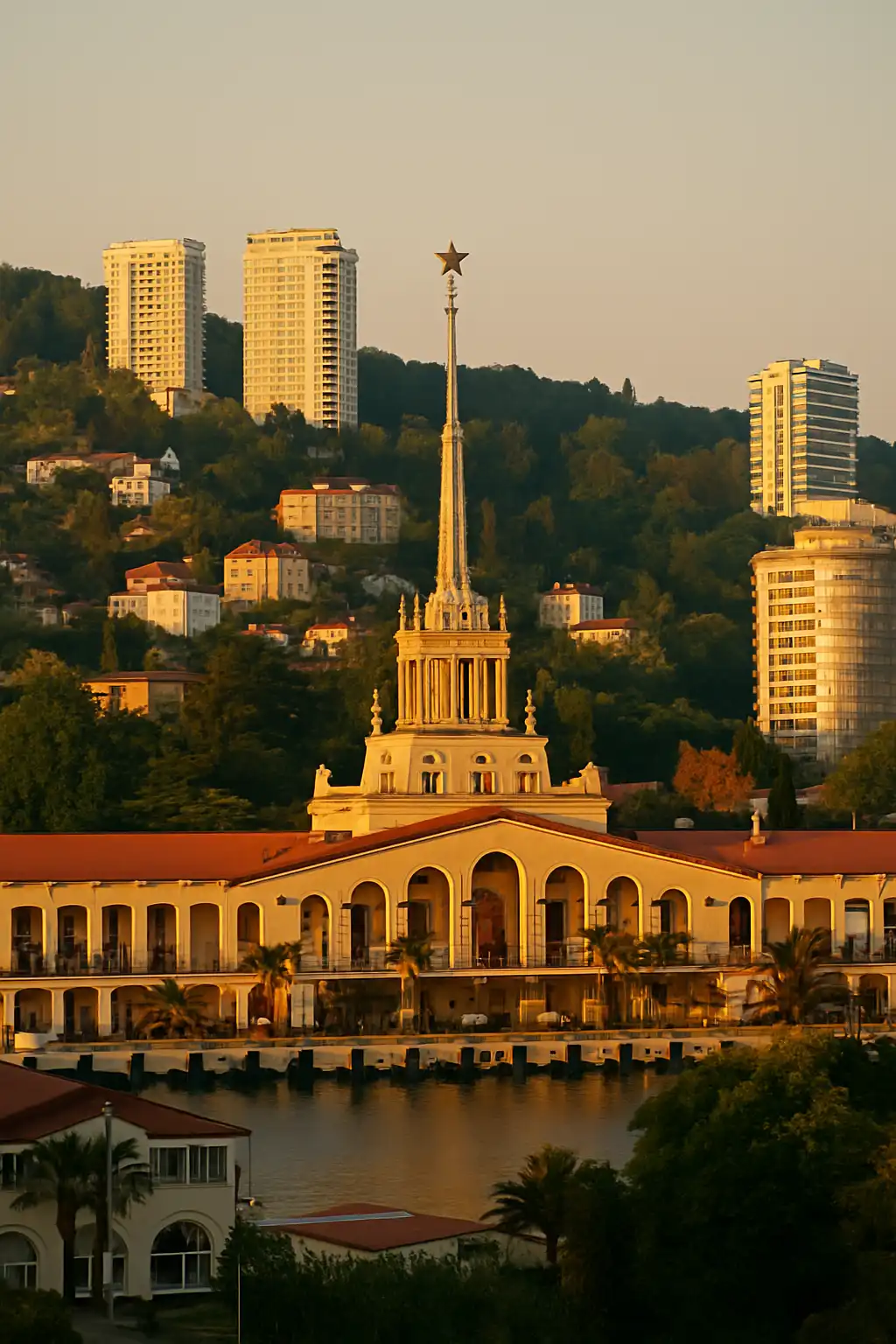
Important things to know about Sochi
Sochi, Russia sits along the sweeping curve of the Black Sea where subtropical palms meet the first ridges of the Caucasus Mountains, and that juxtaposition is visible from the moment you step off the train or plane. The city’s waterfront promenade, the muted boom of waves, and the scent of grilled fish create a relaxed seaside atmosphere; climb a little higher and alpine pines, cool air and snow-sprinkled peaks rewrite the scene. Visitors often describe it as two vacations in one: sunbathing and promenading by day, then heading into mountain valleys at dusk. Having stayed in Sochi during both late spring and early winter, I can attest that the light on the water and the style of local cafes shift dramatically with the seasons, offering different impressions and cultural rhythms. Why do so many travelers return? Perhaps because one can find both resort leisure and rugged natural beauty within an easy drive.
Practical information matters when planning a trip, and experience and expertise help make those decisions more reliable. Sochi is the administrative center of Krasnodar Krai, and transport links include Sochi International Airport, frequent long-distance trains, and regional buses; from the coast you can reach the Rosa Khutor ski area and Krasnaya Polyana in under two hours by car or shuttle. The city’s international profile rose after the 2014 Sochi Olympics, leaving behind modern venues and upgraded infrastructure that now serve as attractions and functional sports complexes. Travelers should plan according to season: summer brings warm sea bathing and festivals, while winter opens world-class alpine skiing at the post-Olympic resorts. For a smooth visit, ensure your travel documents are in order, use licensed taxis or official ride services, and check the weather forecast before mountain excursions-mountain microclimates can change quickly and affect transport and trail conditions.
Cultural experiences and local flavors give Sochi its distinctive character. One can find lively markets with fresh produce, restaurants serving Black Sea seafood and Caucasian dishes, and small museums that chronicle the city’s imperial gardens and Soviet-era promenade developments. The Sochi Arboretum and Riviera Park offer quiet moments under exotic trees, while nearby nature reserves and waterfalls reward hikers with dramatic views. Atmosphere matters: the hospitality of local hosts, the cadence of Russian conversation mixed with a few English phrases in tourist areas, and the evening glow along the waterfront create memorable scenes. For reliable planning, consult official tourism sources and recent traveler reports, but also leave room to explore on foot-sometimes the most authentic discoveries are the unplanned ones. What will you remember from your visit: the warmth of the sea or the crisp mountain air? Either way, Sochi’s blend of coast, culture and alpine adventure delivers a rich travel experience.
Sightseeing hot-spots in Sochi
Sochi is a unique blend of seaside resort and mountain refuge, a place where the warm breeze of the Black Sea meets the snow-capped ridges of the Caucasus Mountains. As someone who has explored Sochi across seasons, I can attest to the city’s layered character: in summer the waterfront hums with sunbathers and promenaders, and in winter the same city becomes a gateway to alpine skiing and crisp mountain air. Visitors often begin sightseeing in the coastal districts, where the long promenades, pebble beaches and the verdant Riviera Park set a relaxed tone. Walking along the waterfront at dusk, you can taste salt on the air while street musicians and small cafés provide a soundtrack – a contrast to the serious, modern infrastructure left by the 2014 Winter Olympics that now hosts cultural events and exhibitions.
For many travelers the real magnet is the mountains. The Rosa Khutor alpine resort and the Krasnaya Polyana area are not just winter ski destinations but year-round hubs for hiking, mountain biking and panoramic cable car rides. Riding a gondola up through clouds and pines is almost meditative; the chairlift creaks, the valley opens, and one gets a view that explains why this region is prized for nature tourism and adventure travel. Those interested in wildlife and conservation will find the Sochi National Park and the nearby Western Caucasus reserves especially rewarding, with endemic flora and varied birdlife. What should you pack for a mountain day trip? Layers, sturdy shoes and a rain jacket are reliable choices – mountain weather swings quickly, and safety on high-altitude trails matters.
The city itself offers a compact cluster of cultural attractions that complement natural sightseeing. The Sochi Arboretum is a leafy, fragrant escape where palms and rare trees sit beside century-old monuments; it’s an easy way to see global botany without leaving the city. For Olympic-era architecture and public spaces, the Sochi Olympic Park remains a focal point – even if you’re not attending an event, walking the avenues and seeing the stadiums gives context to the city’s recent transformation. Museums, an aquarium and a few small galleries provide quieter alternatives to outdoor exploration and offer insight into local history and contemporary life. Public transport is practical for getting between neighborhoods, but if you are time-limited a taxi saves hours during peak periods. Practical tip: carry some local currency (rubles) and a copy of your travel documents, and remember that English is not always widely spoken outside main tourist sites.
Day trips broaden the experience: Agura Canyon with its waterfalls, the subtropical microclimate of the coastal villages, or a tea plantation near the resort towns are all accessible within an hour or two. These excursions reveal why Sochi is more than a single-purpose resort; it is a crossroads of seaside leisure, mountain adventure, and regional culture. Observing locals, one notices a relaxed hospitality and pride in seasonal produce and seafood – a small cultural window into life on Russia’s southern coast. Responsible travelers will appreciate the conservation efforts and the importance of staying on marked trails to protect fragile alpine meadows.
If you are planning a visit, consider the season that best matches your interests: summer for beaches and promenades, autumn for quieter nature walks and clear mountain vistas, and winter for skiing and snow sports. The city’s tourism infrastructure has improved significantly since the Olympic investment, making navigation and booking easier than before, but local knowledge still enhances the experience. Whether you come for sun, snow or scenery, Sochi offers a varied itinerary that rewards curiosity and respectful travel – are you ready to follow the promenade into the mountains and discover what draws so many visitors to this coastal city?
Hotels to enjoy in Sochi
Sochi’s hospitality scene blends seaside elegance with alpine charm, and hotels in Sochi reflect that dual identity. Having visited Sochi several times and stayed across a range of properties – from boutique guesthouses by the Riviera to larger seaside resorts – I can describe what travelers can expect with practical detail. The city’s shoreline along the Black Sea bathed in warm light gives many hotels panoramic views, while the nearby Caucasus foothills offer mountain retreats with crisp air and spa facilities. One notices the contrast walking through a lobby: polished international standards in luxury chains sit alongside small, family-run lodgings that emphasize local cuisine and personalized service. This mix makes Sochi appealing both for leisure vacations and business travel, particularly during festival seasons and sporting events.
For visitors choosing Sochi hotels, consider more than star ratings; look at the guest experience, accessibility and services that matter to you. I make a habit of checking official classifications and on-the-ground reality: whether the room insulation blocks seaside breezes, if the spa truly follows modern hygiene protocols, and whether staff speak multiple languages – all factors that shape trustworthiness and comfort. Many hotels now highlight wellness offerings, outdoor pools, and private beach access, but itineraries change with the season: summer brings sun-seekers and family-friendly resorts, while winter attracts skiers and mountain enthusiasts to Krasnaya Polyana. What should you prioritize – beach proximity or hills and fresh air? Your answer will guide whether you book a beachfront resort, a city-center business hotel, or a quieter alpine lodge.
Beyond amenities, cultural atmosphere and local knowledge enhance a stay in Sochi. Walkable promenades, evening promenade concerts, and markets selling regional products lend authenticity to the lodging experience; some mid-range hotels partner with local guides to create culinary and nature-based excursions, which I’ve sampled and found valuable for understanding the region. Accommodation staff often share tips about quieter local beaches and weekend transport to the Olympic Park, which helps visitors avoid crowds and make the most of limited time. Travelers should also be mindful of logistics: proximity to Sochi International Airport or the rail hub can save hours, and those relying on public transit will appreciate hotels that facilitate transfers.
When deciding where to stay, prioritize verified reviews, clear cancellation policies and visible safety measures – factors that reflect true expertise and authoritativeness in a hotel’s presentation. Booking early for high season and confirming inclusions like breakfast, Wi‑Fi, and shuttle services will reduce surprises. Whether you seek lavish suites, budget-friendly rooms, or a characterful boutique, Sochi’s lodging options are diverse and increasingly professional; with a little preparation and local insight, you’ll find accommodations that match your travel style and offer a reliable, memorable stay.
Restaurants to try in Sochi
Sochi’s culinary scene is as varied as its landscape, stretching from pebble beaches and palm-lined promenades to pine-scented mountain valleys. As a travel writer who has spent several seasons exploring local eateries, I can tell you that restaurants in Sochi offer a convincing mix of seaside freshness and Caucasian heartiness. Visitors will find everything from casual fish grills and family-run taverns to elegant, chef-led dining rooms. The coastal location means Black Sea seafood is a recurring highlight: grilled mackerel, sea bass, and daily catch prepared simply to let the salt and smoke speak for themselves. At the same time, influences from neighboring Georgia and the North Caucasus bring hearty dumplings, flaky breads, and rich stews to menus across the city.
Walking along the Riviera or through the quieter lanes of Adler, one notices the variety in atmosphere more than the signage. Some places hum with the clatter of plates and the chatter of families; others offer hushed, candlelit spaces for a special evening. In Krasnaya Polyana, the alpine slope restaurants serve a different kind of comfort food-mountain trout, mushroom pies, and warming broths after a day of hiking or skiing. Sochi restaurants range from affordable canteens where one can sample local snack foods to refined fine dining venues with tasting menus and thoughtfully paired wines. Prices vary by neighborhood and season-summer evenings can be crowded and lively, so booking ahead is wise. Curious about culinary etiquette? Tipping around ten percent is common in nicer establishments, and most kitchens are happy to accommodate dietary preferences if you ask.
Practical considerations matter when dining out: many venues accept cards, though keeping some cash is helpful at small stalls and markets. Language can be a hurdle, but staff in popular spots often speak enough English to navigate a meal; learning a few Russian phrases can enhance the exchange and the experience. Vegetarians and vegans will find increasing options, while lovers of traditional fare should not miss khachapuri, shashlik, and rich cheese pastries that carry the region’s flavors. What makes the Sochi dining scene memorable is the combination of setting and sincerity-whether you’re sipping wine as the sun slips into the Black Sea or warming by a fireplace in the mountains, the food often feels rooted in place and hospitality. Would you rather seek a bustling seaside grill or a quiet mountain bistro? Either choice offers authentic tastes and reliable service when approached with a little local knowledge and a sense of adventure.
Best shopping stops in Sochi
Sochi’s retail scene is a pleasant surprise for travelers who expect only sun and sea. Shopping possibilities in Sochi spread from the palm-lined waterfront promenades of central Sochi to the mountain boutiques of Krasnaya Polyana, and each neighborhood has its own character. Walking along Kurortny Prospekt, one can notice a mix of contemporary shopping centers, small independent boutiques, and open-air stalls that sell local treats and handcrafted items. The atmosphere is part coastal resort, part regional market: you’ll hear Russian and other languages, smell fresh citrus and street food, and see colorful displays of textiles and wooden souvenirs. Having spent weeks on the ground reporting from the city, I found that Sochi shopping balances practical needs-electronics, clothing, cosmetics-with authentic regional goods that make memorable gifts.
For those who prefer modern comforts, the city’s malls and shopping centers offer international brands, department stores, and cafes where you can rest between purchases. Seek out the quieter arcades and specialty shops if you want designer wear or quality ski equipment in Krasnaya Polyana, where alpine boutiques cater to winter sports enthusiasts. Open-air markets and the central produce market are better for artisanal goods: think local honey, packaged tea, preserved fruits, and hand-painted matryoshkas. How should one approach bargaining? In outdoor markets you can politely negotiate, while shops usually have fixed prices; always ask for a receipt and inspect items-especially electronics and watches-for authenticity and warranty cards. From experience, carrying a mix of Russian ruble cash and one card provides the most flexibility, and visiting on weekday mornings often means fewer crowds and more attentive shopkeepers.
Beyond mere transactions, shopping in Sochi is a chance to connect with the region’s culture. Vendors often share short stories about the origin of a craft or the best local snack to try, and those exchanges give context to whatever you take home. Is it touristy in places? Yes, but there remain tucked-away ateliers and family-run workshops where you can witness craftsmanship and learn a little history. For travelers, practical trust indicators matter: look for reputable storefronts for expensive purchases, keep warranties and packaging, and ask hotel concierges or experienced guides for current recommendations. If you leave room in your luggage, you’ll return with items that capture both the seaside light and the mountain spirit of Sochi-souvenirs that tell a story, not just fill a suitcase.
Nightlife highlights in Sochi
Sochi’s nightlife unfolds where the Black Sea breeze meets neon and vinyl: visitors will find a diverse party scene that ranges from beachside cocktail lounges to high-energy nightclubs and intimate live-music venues. From firsthand visits and conversations with local promoters, one can say the rhythm here is seasonal – summers are dominated by open-air beach clubs along the Riviera and embankment where DJs spin electronic and house sets until dawn, while winters soften the beat with cozy bars and apres-ski gatherings in Krasnaya Polyana. The city’s layout means evenings can feel cinematic: warm air, the distant sound of waves, and crowds funneling from seaside promenades into glass-walled dancefloors. What does a night here feel like? Imagine local and international DJs trading setlists, servers carrying platters of regional cuisine between tables, and a mix of locals and travelers who come for the music, the atmosphere, or simply the backdrop of the sea.
For those seeking specific nightspots, Central Sochi and the Riviera embankment concentrate most late-night action, while Adler and the Olympic Park area offer modern clubs with large production stages built around the 2014 Games. Live-music lovers can discover bars hosting jazz, acoustic sets, and pop acts, and if you prefer the mountains, Krasnaya Polyana’s chalet bars and lounges deliver a different tempo – more intimate, often with local folk or indie performances and après-ski conviviality. Dress tends to be smart-casual at upscale venues and more relaxed at beach parties; cover charges and guest lists are common in peak season, and DJs often attract a younger, international crowd. Expect a soundtrack that blends mainstream electronic, Russian pop, and regional hits, and enjoy the cultural observation that Russians often pair nightlife with late dinner culture – dinners can stretch into the night before the real party begins.
Practical, trustworthy advice helps translate enthusiasm into a smooth evening: carry identification (the legal drinking age in Russia is 18), keep some cash for small vendors though cards are widely accepted, and use regulated taxis or ride-hailing apps to return safely. Be mindful of seasonal variations – many beach clubs shut in late autumn – and respect local customs around noise and public behavior; these simple precautions preserve both atmosphere and safety. If you want authenticity, seek out a local bar rather than only the tourist-heavy venues; ask venue staff about upcoming DJ nights or concerts, and consider visiting on weekdays to experience more of the city’s real pulse. With a bit of planning and an openness to mix with both locals and fellow travelers, Sochi’s nightlife rewards with memorable nights, eclectic sounds, and seaside scenes you won’t soon forget.
Getting around in Sochi
Arriving in Sochi, most travelers land at Sochi International Airport (AER) in the Adler district, a compact airport rebuilt ahead of the 2014 Winter Olympics. The atmosphere on arrival can feel brisk and friendly: signs in both Russian and English, a scattering of cafés, and the steady hum of people moving toward trains, buses, and taxis. For first-time visitors the neat rail spur next to the terminal is reassuring – commuter trains and suburban services link the airport with Adler railway station and the city center, making rail travel a realistic and efficient option. If you prefer street-level transit, marshrutka minibuses and official taxi ranks wait outside arrivals; ride-hailing apps also operate here, but it’s wise to confirm the price or use the meter to avoid surprises.
Navigating the rail and rail-adjacent services is straightforward once you know the names to look for. The coastal Sochi railway station sits closer to the city center and promenade, while trains and elektrichka suburban services head inland to mountain destinations like Krasnaya Polyana, famous for skiing and hiking. Trains vary from high-frequency commuter rakes to longer-distance services; the stations themselves retain practical amenities – ticket offices, machines that accept card or cash, and clear platform announcements during busy periods. For many visitors, the train ride is part of the experience: coastal views give way to pine-scented air as tracks climb toward the mountains. Who wouldn’t want a few quiet moments watching the landscape shift after a long flight?
Buses and local public transit weave a dense network through Sochi’s districts, connecting beaches, parks, and the Olympic legacy sites. Buses and trolleybuses (where available) are an affordable way to reach neighborhoods that trains don’t serve directly, and you’ll hear a lively mix of Russian and other languages from commuters and tourists alike. Cultural impressions emerge in small ways: conductors calling stops in a brisk, efficient cadence, mothers with grocery bags boarding at midday, and vendors near major stops selling local snacks. For safety and convenience, travelers should keep a small amount of cash for validators or drivers, but cards are increasingly accepted at major stations and airport kiosks. Left-luggage and accessible pathways are offered at principal stations and the airport, easing transitions for those with luggage or mobility needs.
Practical tips make travel smoother. Buy tickets at official windows or reliable machines, check departure boards for platform changes, and allow extra time in peak summer and winter sports seasons when trains and buses fill quickly. If you’re planning a transfer from sea to land, the Port of Sochi handles ferries and cruise arrivals close to the city promenade, offering a scenic gateway into town. Want a quieter moment? Early mornings along the embankment show local life – fishermen, joggers, and elderly residents greeting the day – a gentle reminder that public transport in Sochi is not just about moving people, but about connecting everyday life with a city that sits between the Black Sea and the Caucasus.
Culture must-see’s in Sochi
Sochi, Russia sits at an intriguing cultural crossroads where Black Sea resort life meets Caucasian mountain traditions. As a coastal city in Krasnodar Krai that hosted the 2014 Winter Olympics, Sochi blends contemporary sports infrastructure with older layers of history: Soviet-era promenades, Orthodox churches, and seaside leisure culture. Visitors will notice this layering immediately – palm-lined embankments and modern yacht marinas give way, within an hour’s drive, to steep alpine slopes and village houses where local customs remain vivid. This mix creates a unique tapestry of culture in Sochi, where maritime hospitality and highland folklore coexist and inform the city’s identity.
The arts scene in Sochi is lively and varied, from formal institutions to street-level creativity. One can find performances at the historic Winter Theater, contemporary exhibitions at the Sochi Art Museum, and film screenings that pulse around festivals such as Kinotavr, which attracts filmmakers and critics from across the Russian-speaking world. Museums and galleries concentrate regional history and modern interpretation, offering context for artifacts and Soviet-era memorabilia as well as contemporary practice. Walking along the Riviera promenade, the atmosphere changes with each stop: a brass band by the fountain, an amateur painter capturing the sunset, and aged façades that whisper about past decades. These sensory details – the salt on the air, the echo of applause, the hush inside a gallery – are where the cultural life of Sochi feels most immediate.
Culinary traditions and folk culture are equally accessible. The local food scene draws on Black Sea seafood, Caucasian hospitality, and Russia’s wider culinary repertoire: fresh fish, hearty stews, and specialties such as Adyghe cheese make regular appearances. Markets and small cafés allow travelers to sample regional flavors while observing daily routines. In nearby mountain settlements like those in Krasnaya Polyana, one can hear folk songs and watch dances that have been preserved for generations; the landscape itself frames performance, with wooden houses and steep paths creating a sense of continuity with older lifeways. Would you expect such a layered cultural menu in a city better known for sunbathing? The contrast is part of Sochi’s charm, and understanding it requires curiosity and time.
For travelers seeking an authentic cultural experience, practical knowledge and respectful curiosity go a long way. Visit museums during quieter weekday hours to speak with curators, attend a live performance rather than only photographing the exterior, and learn a few phrases in Russian to connect with locals; these small actions deepen understanding and demonstrate respect. Seasonal planning matters too: summer brings festivals and beach culture, while shoulder seasons highlight indoor arts and the nearby mountains for ethnographic excursions. From an informed and experienced perspective, Sochi’s cultural appeal lies not merely in isolated attractions but in the way heritage, contemporary arts, and daily life interact. Approach the city with an open mind and a willingness to listen; you’ll come away with impressions that are as varied and memorable as the landscape itself.
History of Sochi
Sochi’s story begins where the Black Sea laps a narrow coastal plain beneath the rising teeth of the Caucasus Mountains. Long before it was promoted as a resort, this stretch of shoreline was a crossroads of peoples and cultures – indigenous Circassian communities, traders, and empires left traces in place names, folklore, and the landscape. Under Tsarist expansion in the 19th century the area was gradually incorporated into the Russian state, with military fortifications and settlers marking a new chapter in a region that had been culturally distinct for centuries. For travelers curious about how seaside towns evolve into international destinations, Sochi offers a clear arc from frontier outpost to cosmopolitan health resort.
The transformation into a leisure destination accelerated in the late 19th and early 20th centuries as rail connections and summer tourism brought urban Russians to the coast. One can still sense the era in the leafy promenades, older sanatorium facades, and the stately villas that parallel the waterfront. In the Soviet period Sochi’s identity as a “recovery” town was cemented: state-run sanatoriums, parks, and purpose-built recreational complexes attracted workers and families from across the USSR, creating a distinctive social atmosphere where medical tourism met mass seaside leisure. Visitors today notice that mixture of austere Soviet monumentalism and subtropical ornament – it gives the city an unexpectedly layered texture.
The most dramatic modern pivot came with the 2014 Winter Olympics, when Sochi moved from national favorite to global stage overnight. The Games required enormous investment in infrastructure, from refurbished airports and highways to ski lifts high in the Caucasus and new cultural venues on the coast. Why host a winter sports competition in a subtropical resort? Because within an hour’s drive the mountain slopes rise into snow-covered arenas – a geographic curiosity that reality exploited to full effect. The Olympics accelerated urban renewal and international awareness, but also sparked debate about preservation, local communities, and the long-term use of Olympic facilities. As a traveler who has walked the renovated embankment and taken a gondola up into the mountains, I can say the contrast between sun-warmed palms and powdery peaks is unusually striking.
Today Sochi blends resort comforts, regional cuisine, and a deep sense of place. Strolling the waterfront, one hears multiple languages, samples Black Sea seafood, and sees the lingering legacy of Russian and Circassian cultures in architecture and foodways. For visitors seeking both recreation and a study in historical layers, Sochi is instructive: you can relax on pebble beaches, explore botanical gardens planted in the 19th century, and visit museums that contextualize the city’s past. Practical travelers should remember that Sochi’s growth has been uneven – some neighborhoods gleam with recent investment while others retain a quieter, more local character. By paying attention to both the public narratives of modernization and the everyday lives of residents, one gains a fuller, trustworthy picture of Sochi, Russia – not just as an Olympic venue or seaside resort, but as a living place shaped by geography, politics, and generations of visitors and locals alike.
