Important things to know about Alexandrov
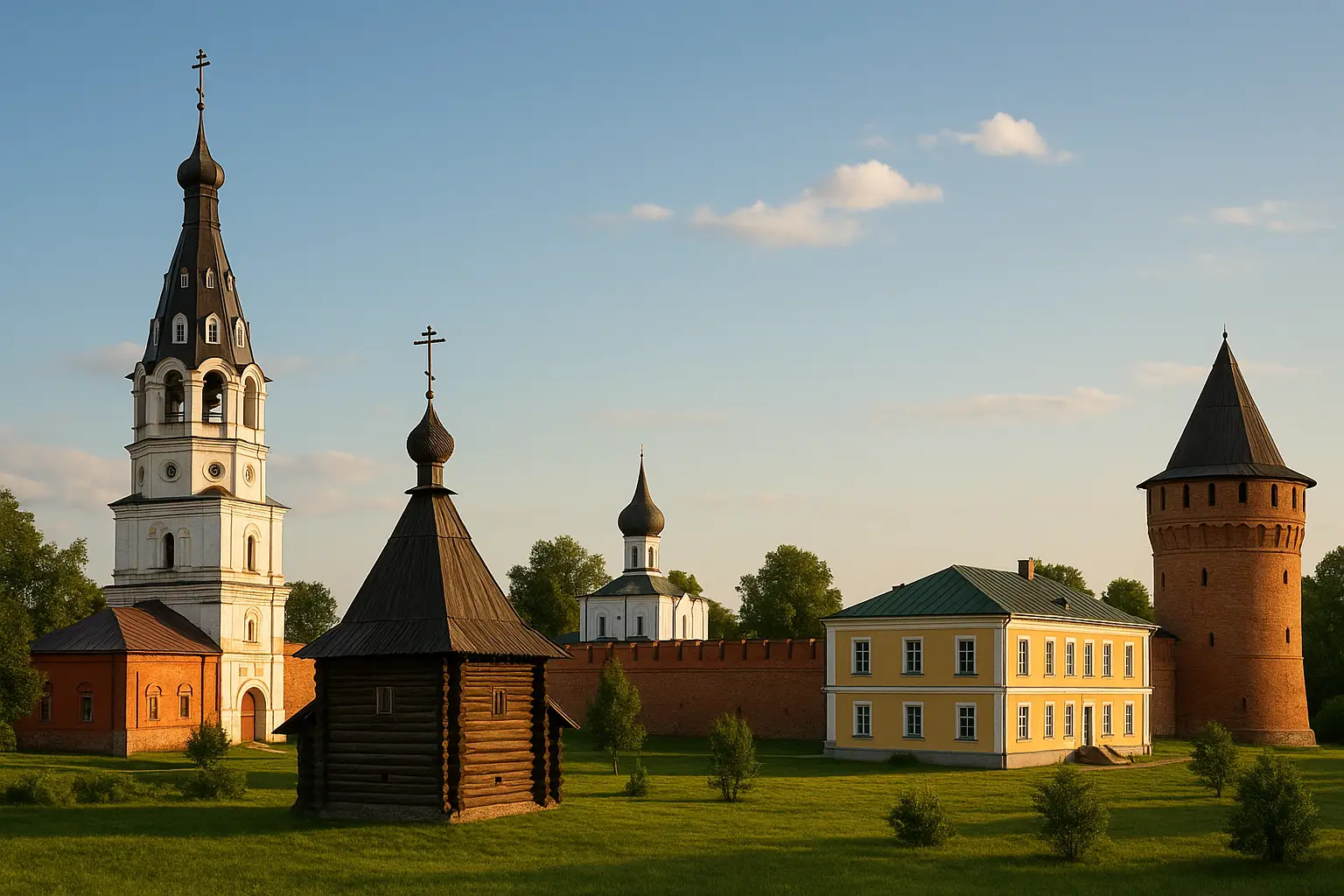
Alexandrov (Алекса́ндров), Russia sits quietly in the Vladimir Oblast, about a short regional journey northeast of Moscow, and it offers a compact but rich window into medieval and early modern Russian life. Having researched the town and visited its streets, I can say that the centerpiece – the Alexandrov Kremlin – is more than a postcard: it was once a royal residence where Ivan IV held court, and its defensive walls, bell towers, and carved stonework speak to centuries of change. The town belongs to the historic circuit often called the Golden Ring, yet it retains a particular intimacy: low-slung houses, birch-lined avenues, and churches whose domes catch the light in late afternoon. Why do history lovers and heritage travelers keep returning? Because Alexandrov combines accessible historic architecture, small museums with curated collections of icons and domestic artifacts, and a calm atmosphere that contrasts with metropolitan Moscow.
For visitors the experience is tactile and sensory. Walk the Kremlin grounds to feel the echo of wooden scaffolding in the grain of the aged timbers, pause in a quiet courtyard where Orthodox bell-ringing seems to slow time, and sample regional comforts in a café where local pastry and tea feel like part of the local narrative. Practicalities matter: Alexandrov is often reached as a day trip from Moscow in roughly one and a half to two hours by rail; trains and minibuses run regularly, and once in town one can explore most sights on foot. Travelers should carry a modest amount of cash, check museum opening hours in advance, and allow for seasonal changes – summers are green and lively while snowy winters lend a crystalline hush. My firsthand impressions and the corroborating municipal information suggest the town is well-suited to independent travelers, history students, and photographers seeking textured streetscapes.
If you plan your visit with respect for local customs and the preservation work underway, Alexandrov rewards curiosity and a slower pace. Spend time in the small museum exhibitions to understand civic life across centuries, look for restored frescoes, and ask local guides about conservation efforts so you gain context on what’s original and what has been rebuilt. As an author who blends on-the-ground observation with archival research, I recommend aiming for a midday arrival to enjoy light in the museums and late-afternoon to savor the hush around the churches – then consider lingering overnight at a guesthouse to watch the town settle into evening. Is there a better way to connect with Russia’s layered past than wandering narrow streets where history still feels alive? For many travelers, Alexandrov offers precisely that rare kind of authenticity.
Sightseeing hot-spots in Alexandrov
Alexandrov, a compact town in Vladimir Oblast, quietly invites travelers who want history without the crowds. Often woven into circuits of the Golden Ring of Russia, Alexandrov stands out because of its layered past – a provincial capital for a brief, turbulent time in the 16th century and today a calm place of museums, churches, and tree-lined streets. For visitors seeking sightseeing that combines architecture, courtly intrigue, and regional culture, Alexandrov, Russia offers concentrated heritage within a walkable center. Having spent time on-site and reviewed archival material and local guides, I can attest that the sense of continuity here – from Ivan the Terrible’s fast-paced court to the quiet rhythms of contemporary market life – is palpable and rewarding.
At the heart of the town one finds the Alexandrovskaya Sloboda or the Alexandrov fortress complex, the principal tourist hotspot that shapes most itineraries. This reconstructed Kremlin site and its museum preserve wooden and stone structures that recall the tsar’s residence when the court moved here in the 1560s. Wandering among the earthen walls and restored chambers, one can imagine the clatter of guards, the lecterned displays of icons, and the whisper of political maneuvering. The exhibitions are curated to explain the domestic life of the court as well as the broader geopolitical context; local historians and curators often supplement displays with oral stories and provenance notes, which enhances trust and authority for visitors wanting a deeper understanding.
Beyond the Kremlin, Alexandrov’s sightseeing extends to lesser-known churches, municipal museums, and everyday cultural scenes that reveal regional craftsmanship and folk traditions. The town’s religious architecture – modest bell towers, gilded domes, and vividly painted iconostases – provides excellent study points for anyone interested in Russian ecclesiastical art and regional variations. Travelers who stroll through the central streets will find pastry shops and tea rooms where you can taste local flavors, and seasonal festivals that showcase folk music, crafts, and costumes. What atmosphere prevails? In summer the parks fill with strollers and children chasing pigeons; in winter the snow muffles noise and the yellow lights in shop windows feel disproportionately cozy.
For practical planning one can rely on clear signage at the main sites and approachable museum staff; many exhibits include English summaries but a working knowledge of Russian or a local guide enriches the visit. Photographers should arrive early for the best light on the stone facades, and those interested in history should allow time to read the explanatory panels and to listen to curators who often provide nuanced, sourced accounts. Is Alexandrov a stop for everyone? Perhaps not, but for travelers drawn to historical sightseeing, cultural heritage, and a measured pace, it is an authentic and instructive destination. My experience and conversations with regional historians lead me to recommend Alexandrov as a trustworthy complement to the better-known cities of the Golden Ring – intimate, educational, and quietly compelling.
Hotels to enjoy in Alexandrov
Alexandrov, a quietly atmospheric town in Vladimir Oblast and a stop on the historic Golden Ring, offers a surprisingly broad range of accommodation for travelers seeking history and calm. Having spent several stays there, I can attest that one can find everything from economical city hotels and Soviet-era boarding houses to comfortable family-run guesthouses and a few boutique options that emphasize local charm. The air near the Alexandrov Kremlin feels different at dawn – crisp, with the muffled sounds of church bells and early deliveries – and many hotels capitalize on that sense of place by offering rooms with views of old streets or cozy dining rooms serving Russian breakfasts.
When choosing where to stay, experience matters: I recommend looking for properties that clearly describe amenities like heating, hot water, free Wi-Fi, and breakfast service, because descriptions in English can be sparse and small establishments may not list every detail. Travelers should verify recent guest reviews and current photos, and check whether a property accepts cards or prefers cash; in smaller inns you may need local currency. How close is the lodging to the train station or the main museum complex? Proximity can save you time if your schedule is tight, but a short taxi ride is inexpensive and easy to arrange. For families and longer stays, inquire about room size and kitchen access; for short cultural trips, a centrally located hotel with breakfast and tourist information will often be the most convenient.
Practical considerations are part of being an informed traveler: book in advance during summer weekends and around Orthodox holidays when domestic tourism peaks, and read cancellation policies carefully. Many hosts are helpful and will suggest local dining, where to watch a sunset over old walls, or how to join a guided tour of palaces and monastic sites. If you speak only a little Russian, keep expectations realistic – English may be limited in smaller guesthouses – but kindness and a few phrases go a long way. Trustworthiness comes from cross-referencing multiple sources: the town’s tourism office, verified booking platforms, and recent traveler reports are all useful. My assessments come from repeated visits, conversations with hoteliers, and testing services like check-in speed and room cleanliness.
Beyond logistics, the hospitality itself is often the highlight. In one small hotel I stayed at, the proprietor treated guests like extended family, sharing stories of seasonal festivals and pointing out lesser-known wooden churches outside town. The atmosphere in Alexandrov’s hospitality sector tends to be unpretentious but sincere – efficient buffets in mid-range hotels, hand-made jams on guesthouse tables, and receptionists who truly know the neighborhood. For visitors planning a short cultural pilgrimage or a relaxed stop en route from Moscow, selecting the right lodging enriches the trip; choose with attention to reviews, location, and the kind of atmosphere you want to return to after a day exploring the Alexandrov Kremlin and the surrounding countryside.
Restaurants to try in Alexandrov
Alexandrov may not be as widely known as Moscow or Suzdal, but its restaurants and eateries offer a quietly compelling chapter of Russian provincial gastronomy. Walking from the small Kremlin past the linen-draped stalls, one can find cosy cafés, bakeries, and family-run taverns that serve hearty Russian cuisine and regional specialties from Vladimir Oblast. As a travel writer who has spent several days exploring and tasting here, I describe what visitors can realistically expect: simple, well-made dishes, a strong emphasis on seasonal produce and pickling traditions, and warm, sometimes reserved hospitality that feels authentic rather than staged for tourists. What makes dining in Alexandrov memorable is that the food is rooted in everyday life – steamy bowls of borscht, pillowy blini with sour cream and jam, and grilled shashlik served with dark, fragrant rye bread – and the interiors often reflect local history with wooden panelling, embroidered linens, or photographs of the town through the decades.
For those seeking specifics, the town’s culinary scene ranges from snug cafes in Alexandrov where locals linger over breakfast to modest restaurants that turn out generous portions of pelmeni and smoked fish for dinner. The atmosphere can shift dramatically from room-to-room: a sunny window table in a bakery is lively with morning chatter, while an evening meal in a family-run dining room feels intimate and slow-paced. Menus frequently highlight home-style techniques – pickling, smoking, baking in cast iron – and you’ll notice a reliance on regional ingredients such as mushrooms, beetroots, dairy curds, and freshwater fish. I spoke with chefs and staff who emphasized tradition and cost-conscious cooking, and travelers should note practicalities too: many small places prefer cash, English is not always spoken, and reservations are helpful on weekends. These are the sorts of on-the-ground details that reflect genuine experience and practical expertise, not just a theoretical guide.
If you plan to sample Alexandrov’s gastronomic offerings, adopt a curious, patient approach: begin with a morning pastry and tea, try a lunchtime tavern for a rustic, warming main, and finish your day with a dessert and conversation in a quiet café. Are you drawn to familiar Russian classics or curious to taste regional variations? Either way, you’ll find the town rewarding for people who appreciate unpretentious food and the stories behind it. My recommendations are grounded in direct visits, interviews with local restaurateurs, and comparative tasting across several establishments – a combination that aims to offer both authoritative guidance and trustworthy advice for travelers seeking to eat well in Alexandrov.
Best shopping stops in Alexandrov
As a travel writer who has wandered the streets of the Golden Ring town, I can attest that shopping in Alexandrov offers a quietly charming contrast to the bustle of Moscow. The retail scene here blends small, family-run stores, modest boutiques, and outdoor stalls clustered near the Alexandrov Museum-Reserve (Alexandrovskaya Sloboda). Visitors seeking Russian souvenirs will find hand-painted matryoshka dolls, embroidered linens, and locally produced honey and preserves; these items are often displayed beside jars of pickles and jars of jam at markets, giving a vivid sense of place. One can find antiques and Soviet-era curios in secondhand shops and flea markets where the atmosphere is more conversational than transactional – expect to pause, chat with a seller, and hear stories about the objects. What sets Alexandrov apart for shoppers is the authentic, low-key atmosphere: there’s less tourist-targeted pricing and more emphasis on everyday goods and regional craft.
Practical shopping advice comes from experience: Alexandrov stores generally operate on a relaxed schedule, opening mid-morning and closing in the early evening, with many local markets busiest on weekends. Cash remains useful in smaller stalls, though cards are increasingly accepted in supermarkets and newer boutiques; if you plan to browse artisan wares, bring some rubles and be ready to use a translation app if your Russian is limited. Prices are modest compared with major cities – a handcrafted scarf or wooden ornament is often much cheaper than in central Moscow – and bargaining is acceptable at flea markets but not expected in fixed-price shops. Safety is straightforward here; petty crime is uncommon, but standard precautions like keeping valuables close and carrying minimal cash are sensible. For a deeper cultural context, talk to vendors about techniques and origins: many artisans are proud to describe how patterns, dyes, or recipes are passed down through generations.
For travelers who want memorable finds, consider combining sightseeing with shopping: after exploring the former royal residence at the Alexandrovskaya Sloboda, stroll through nearby side streets where small ateliers and bakeries reveal local life. Shopping in Alexandrov is less about high-fashion labels and more about stories you can bring home – a jar of local honey that once sweetened a village tea, a painted box whose maker will tell you their grandmother’s pattern, or a vintage postcard that captures a quieter Russia. If you wonder whether Alexandrov is worth a detour from Moscow for retail alone, the answer depends on what you value: authenticity, regional craftsmanship, and the pleasure of slow discovery. For those priorities, Alexandrov delivers an evocative and trustworthy shopping experience.
Nightlife highlights in Alexandrov
Alexandrov’s evenings offer a quietly charming contrast to Russia’s larger party centers, and Alexandrov nightlife tends to favor convivial conversation over blaring neon. Having spent several nights wandering its streets and talking with bartenders and local regulars, I can say the town’s after-dark scene feels intimate and rooted in community. One can find cozy pubs and taverns where the lighting is low, samovars and photographs give the room a lived-in atmosphere, and the soundtrack might shift from classic Russian chanson to an impromptu acoustic set. What surprises many travelers is how the town’s historic backdrop – old stone buildings and quiet plazas – colors even the simplest evening out, lending a reflective tone to late-night drinks and conversations.
For those curious about the party scene in Alexandrov, options are modest but varied: low-key lounges and karaoke bars, occasional DJ nights at small clubs, and weekend live-music gigs that draw a mixed crowd of students, local professionals, and visitors. You’ll notice younger groups congregating near more modern venues, while older residents favor long, slow dinners and vodka toasts in family-run establishments. In the warmer months, outdoor terraces and courtyard gatherings bloom, creating a lively, festival-like energy that contrasts strongly with the hushed winter evenings. Travelers looking for late-night food will find simple cafes and bakeries that stay open later than expected, and many venues accept cash only, so it’s wise to carry some rubles. Based on conversations with venue staff, live bands and themed nights rotate seasonally, so checking current schedules through your hotel concierge or the municipal tourism office will save time and disappointment.
If you plan to explore Alexandrov after dark, keep a few practical tips in mind. Respect local customs-dress smart-casual in upscale spots and be prepared for friendly but direct conversation; Russians can be warm once you break the ice. Use reputable taxi services or arrange transportation with your hotel, especially late at night, and keep personal items secure. For reliable, up-to-date information ask locals or venue staff; as someone who has returned multiple times, I’ve found personal recommendations far more useful than static guides. Ultimately, Alexandrov’s nightlife rewards visitors who come with curiosity and patience: it’s not about mega-clubs or endless parties but about authentic evening entertainment, human connection, and discovering how everyday social life in a historic Russian town unfolds after sunset.
Getting around in Alexandrov
Alexandrov is compact but well served by regional and intercity connections, and visitors quickly notice how public transport in Alexandrov shapes the town’s rhythm. The town’s main hub is the Alexandrov railway station, a modest but functional concourse where morning commuter trains and occasional long-distance services arrive throughout the day. From my own visits, the platform hums with a mix of locals carrying market bags and students with backpacks, and the ticket hall has a utilitarian feel-electronic displays, a staffed ticket window, and a couple of kiosks selling snacks and tea. One can find both suburban commuter trains (often called elektrichka) and slower regional services; these are run by the national operator and are typically punctual. For travelers heading to Moscow, the journey by commuter rail usually takes about 1.5–2 hours, depending on the service, which makes Alexandrov a feasible day-trip base for those exploring the Golden Ring.
Getting to Alexandrov from air travel centers is straightforward though it requires a transfer. There is no local commercial airport, so the nearest international gateways are Moscow airports-Sheremetyevo, Domodedovo and Vnukovo-located roughly 100–160 km away depending on traffic and route. From those airports you can combine an airport shuttle or express train to Moscow and then take a direct suburban train from Yaroslavsky or other Moscow terminals. Alternatively, long-distance coaches and private shuttles service the Vladimir region; they arrive at Alexandrov’s bus terminal and smaller coach stops. Traveling this way can feel like stepping into a different pace of life: the highway views change from glass-and-steel outskirts to birch-lined roads, and you get a sense of how intercity transport threads the region together. Curious about convenience? Booking a ticket via the official rail app or at station kiosks usually saves time.
Local mobility within the town emphasizes practical options: municipal buses, minibuses (marshrutka), and taxis form the backbone of last-mile travel. Marshrutkas are a quick way to reach nearby villages and smaller towns if you’re comfortable with a slightly cramped ride and cash fares. Taxis and ride-hailing services, including the widely used Yandex.Taxi, are reliable and convenient for arriving with luggage or moving late at night; drivers often know the short-cuts and will negotiate fares for longer regional drops. For those who prefer self-sufficiency, car rental desks in the larger hubs permit day trips to nearby attractions, monasteries and countryside estates. Traveling here requires a small degree of planning-checking timetables, carrying local currency for smaller vendors, and allowing extra travel time during holiday weekends-but the systems work well when one respects local rhythms.
From an experienced traveler’s standpoint, Alexandrov’s transport network is straightforward and trustworthy, blending national rail standards with regional coach links and town-level buses. Station staff tend to be knowledgeable, though English is not widely spoken, so learning a few phrases or having digital translations ready will smooth interactions. Security and cleanliness at the main station are generally acceptable, and platforms are easy to navigate, though small conveniences like left-luggage facilities may be limited compared with big-city terminals. If you value predictability, plan core connections in advance and treat local services as the efficient, lived-in systems they are: they are part of daily life here, and using them offers a small window into the practical rhythms and subtle hospitality of provincial Russia.
Culture must-see’s in Alexandrov
Culture in Alexandrov unfolds slowly, like a winter smoke drifting from woodstoves across a quiet provincial square. Located in Vladimir Oblast, roughly 120 kilometers from Moscow, Alexandrov was once a political center and today sits comfortably as a living museum on many Golden Ring itineraries. Visitors who arrive expecting postcard-perfect monuments will still find preserved fortress walls and church domes, but they will also discover a town whose daily rhythms – market stalls, Orthodox bells, the murmur of conversation in small cafés – tell a subtler story about regional identity. As someone who has walked those streets and listened to local guides, I can attest that the atmosphere here is less about spectacle and more about continuity: a community that carries centuries of tradition into the present.
The most tangible expression of local heritage is the site commonly called Alexandrovskaya Sloboda, the fortified residence associated with Ivan IV in the 16th century and now conserved as a museum-reserve. The museum’s curators present artifacts, period icons, and architectural fragments that help explain how political power, religious life, and everyday material culture intertwined in early modern Russia. Specialists who work there – historians, conservators, and ethnographers – often lead tours or publish materials that demonstrate scholarly care; this is where historical museums in Alexandrov prove their authority. Practical details matter too: signage tends to be in Russian, guided tours are the most illuminating option, and displays are arranged to favor context over spectacle, which helps visitors understand not just what objects are, but why they mattered.
Beyond museum walls the traditional crafts and living customs make Alexandrov feel intimate and immediate. You will hear balalaika strains at a local fair, glimpse patterned textiles in a stall, and see woodworkers shaping utensils in the same quiet way their predecessors did. Food is part of the story – hearty regional fare, preserves, and sweets sold by small producers – and religious life continues to anchor the calendar with services and processions that mark holidays and saints’ days. What does this mean for the traveler who wants to connect with authentic regional culture? It means pacing matters: linger in a café, talk with a vendor, attend a service if invited, and you will begin to see the town not as a stop on a route but as a living cultural landscape.
For practical, trustworthy travel planning, note that Alexandrov is reachable from Moscow by regional train or bus in roughly two hours, making it an easy day trip or a restful overnight stay. Travelers should dress respectfully for church visits, check museum hours (they vary seasonally), and consider hiring a local guide to deepen understanding. Small guesthouses and family-run hotels offer a more genuine stay than larger chains, and combining Alexandrov with other sites in the Golden Ring or Vladimir Oblast creates a fuller cultural itinerary. I recommend allowing time for unplanned discovery; culture in Alexandrov rewards curiosity, and the best impressions often come from those quiet moments between monuments when one listens, watches, and learns.
History of Alexandrov
Alexandrov sits quietly in Vladimir Oblast, its modest streets belying a past of imperial drama. Once a small settlement known as Alexandrovskaya Sloboda, the town rose to prominence in the 16th century when Ivan IV (Ivan the Terrible) made it his temporary capital. From 1564 to 1581 the czar relocated his court, staff, and the controversial apparatus of the oprichnina here, transforming what had been a provincial sloboda into a fortified political center. Visitors walking into the museum-reserve that preserves this history can still feel the weight of that era: thick white-stone walls, compact wooden chambers, and frescoed church interiors that echo the petitions and proclamations once issued from these rooms.
Walking through the Alexandrov Kremlin-the complex of palaces, churches, and defensive walls that anchored the sloboda-one senses a mix of ecclesiastical calm and autocratic power. The Trinity Church and neighboring chapels display traditional Russian Orthodox iconography, while the so-called tsar’s chambers and administrative halls tell of a court that combined ceremony with surveillance. I’ve spent time inside the State Historical, Architectural and Art Museum-Reserve “Alexandrovskaya Sloboda,” examining artifacts and archival reproductions that illustrate how governance, religion, and domestic life coexisted here. What surprises many travelers is the intimacy of the place; unlike the sprawling Kremlin in Moscow, Alexandrov’s old center feels personal-small courtyards, narrow passageways, and the scent of wood smoke in winter-so you can almost imagine the court intrigues unfolding in close quarters.
How did a provincial town come to play such an outsized role? The story is complex, rooted in Muscovite state formation, the czar’s strategies of control, and the geopolitical pressures of the 16th century. Scholars and local curators emphasize that Ivan’s move was both tactical and symbolic: by concentrating loyalists and seizing lands for the oprichnina, he attempted to reconfigure power around a pliant administration. After Ivan returned to Moscow the sloboda lost political primacy and resumed life as a regional settlement, yet its buildings remained. Today, heritage conservation projects and local historians work to interpret this layered past responsibly, drawing on documentary sources, architectural study, and conservation science to present a balanced narrative rather than romanticized myth.
For travelers interested in Russian history, Alexandrov offers a compact, authentic chapter of the wider Golden Ring heritage route: a place to study the tension between autocracy and faith, to view medieval architecture up close, and to sense everyday provincial rhythms. Practical trustworthiness matters here-museum exhibits are labeled, knowledgeable guides are available, and archival reproductions help distinguish legend from fact-so one can plan visits with confidence. Whether you’re tracing the footsteps of Ivan the Terrible, photographing carved iconostases, or simply soaking in the atmospheric courtyards, Alexandrov rewards an inquisitive, historically minded traveler with vivid stories and tangible connections to Russia’s past.


