Important things to know about Altai Mountains
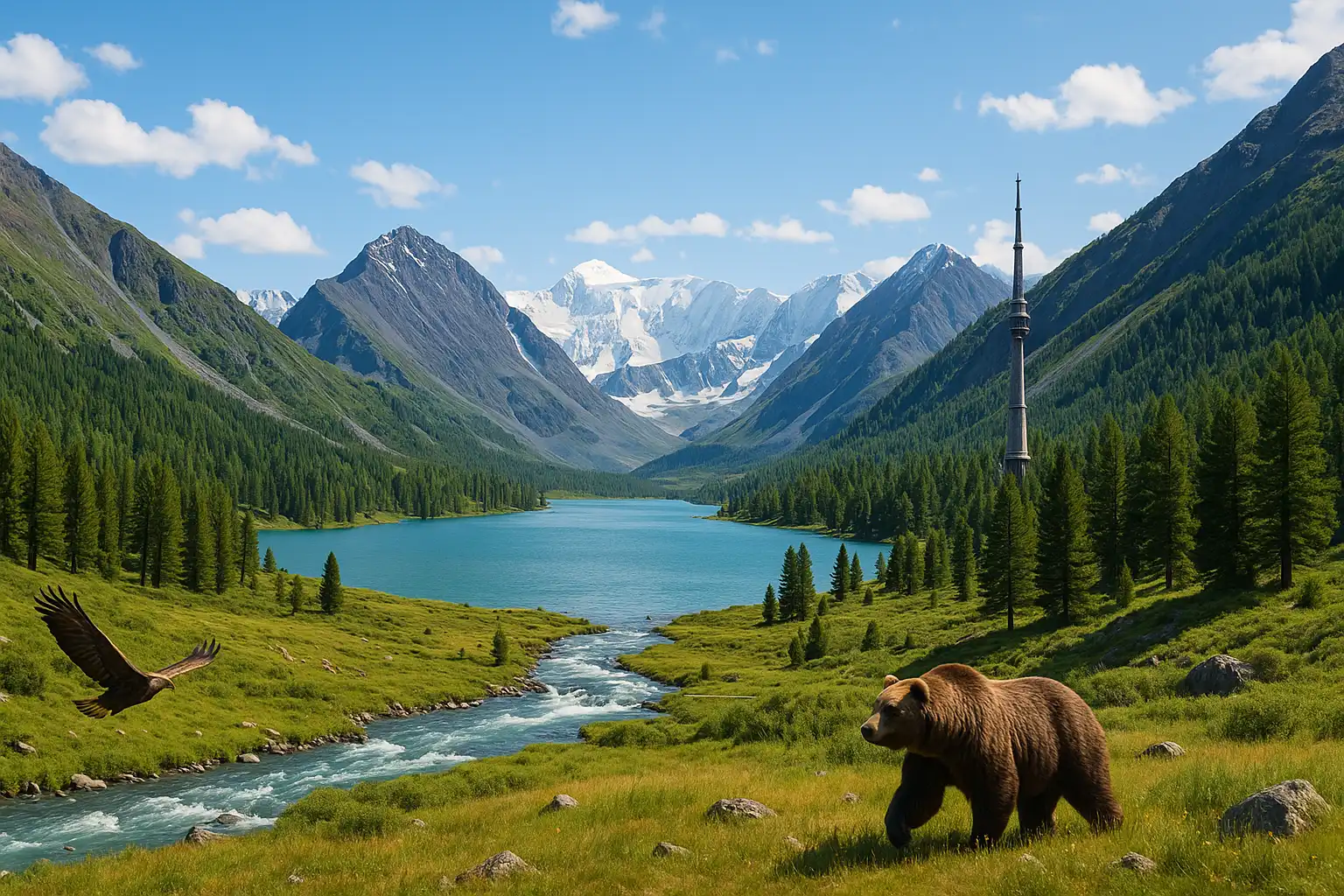
The Altai Mountains in southern Siberia are a place where legends, landscapes, and living traditions converge. Rising between Russia, Kazakhstan, Mongolia, and China, this dramatic range has long been seen as one of the most pristine corners of Eurasia. For travelers, it offers more than just striking peaks and clear rivers – it provides an atmosphere of timelessness, where human history and natural beauty coexist in harmony. The Altai has been called the “Golden Mountains” because of its shimmering slopes at sunrise and its rich heritage that glows just as brightly.
Visiting the Altai Mountains feels like stepping into a realm far removed from crowded tourist circuits. Here, mountain passes open onto sweeping valleys, and deep blue lakes reflect skies so clear they seem endless. The air is fresh, the silence profound, and the landscapes untouched by mass development. For those seeking authentic experiences, the Altai is a sanctuary: hikers find endless trails, spiritual travelers discover sacred sites, and culture enthusiasts encounter traditions that have been passed down for centuries.
The region is equally defined by its people. Indigenous Altai communities maintain Turkic languages, epic storytelling, and shamanic practices that have survived centuries of change. Orthodox monasteries stand alongside ancient petroglyphs, and nomadic herders still guide their horses across high pastures as their ancestors did. This cultural blend creates an atmosphere that is both ancient and modern, rooted yet dynamic.
For adventurous explorers, the Altai promises outdoor activities ranging from rafting the Katun River to trekking the glaciers of Belukha Mountain. For those who prefer slower rhythms, the pleasures of local cuisine, herbal teas, and village hospitality offer immersion into everyday life. The Altai is not a place to rush through – it invites travelers to pause, breathe, and connect.
As a travel destination, the Altai Mountains combine all the elements that make journeys unforgettable: natural grandeur, cultural depth, and the feeling of discovery. This guide will help you explore its history, landmarks, and hidden traditions while providing practical tips for planning a meaningful visit. Whether you come for adventure, cultural insight, or simple inspiration, the Altai offers an experience that lingers long after you leave.
A Brief History of the Altai Mountains
The Altai Mountains are more than a striking natural frontier; they are a living record of human history in Eurasia. Their valleys and caves have sheltered ancient peoples, their slopes have witnessed the rise of nomadic empires, and their landscapes have inspired myths that continue to shape cultural identity today.
Archaeological discoveries confirm that humans have lived in the Altai region for tens of thousands of years. One of the most significant sites is Denisova Cave, where remains of a previously unknown human group, the Denisovans, were found. These findings have changed the global understanding of human evolution, showing that this remote Siberian area played a central role in early human history. Petroglyphs carved into rocks across the Altai – depicting hunting scenes, animals, and spiritual symbols – provide further evidence of long-standing cultural expression.
From the first millennium BCE, the Altai became home to the Scythians, a nomadic people renowned for their horsemanship and artistry. Their burial mounds, or kurgans, reveal treasures of gold, intricately decorated weapons, and textiles preserved by permafrost. These finds demonstrate both the wealth and the far-reaching connections of Scythian culture, which stretched across the Eurasian steppe. Later, Turkic-speaking tribes settled in the Altai, leaving behind runic inscriptions and traditions that still echo in the region’s languages and folklore.
In the 13th century, the Mongol Empire incorporated the Altai into its vast dominion. The mountains served as both a refuge and a corridor, linking Central Asia with Siberia. Trade routes passed through these valleys, carrying goods, ideas, and cultural influences between East and West. With the decline of Mongol power, the Altai became a mosaic of nomadic groups, each adapting to the harsh yet fertile environment.
Russian expansion reached the Altai in the 17th and 18th centuries. Cossack explorers and settlers entered the region, followed by miners drawn to its rich deposits of copper and silver. Orthodox Christianity spread, yet indigenous Altai people preserved many of their traditions, often blending shamanic beliefs with new religious practices. The Russian Empire valued the Altai not only for its mineral resources but also for its strategic position on the empire’s frontier.
During the Soviet period, the Altai Mountains underwent rapid change. Industrial development expanded, with large-scale mining projects and collective farms reshaping both economy and society. At the same time, Soviet researchers studied the region’s archaeology and ethnography, bringing global attention to its cultural significance. Many indigenous communities experienced forced assimilation, though cultural revival began after the collapse of the USSR.
Today, the Altai Republic is part of the Russian Federation, while surrounding areas of the mountain range lie within Kazakhstan, Mongolia, and China. Recognized as a UNESCO World Heritage site, the Altai is valued for its unique biodiversity and cultural heritage. Local people honor traditions through festivals, crafts, and oral epics, while visitors encounter a landscape that has carried human stories from the dawn of history into the present.
The history of the Altai Mountains is therefore not a single narrative but a rich weave of civilizations, migrations, and beliefs. It is a place where ancient legacies meet modern life, where every valley and river carries memories of the past, and where the journey into history is as captivating as the journey through its landscapes.
Key Landmarks and Attractions
Exploring the Altai Mountains is like moving through an open-air museum of nature and culture. Every valley reveals another story, and every settlement offers its own atmosphere. Below are some of the most compelling landmarks and attractions that bring the spirit of Altai to life.
Denisova Cave
Denisova Cave is perhaps the most famous landmark in the Altai Mountains, not because of its size or beauty, but because of its role in rewriting human history. Tucked away in the Anui River valley, this limestone cave looks modest from the outside, yet its discoveries have made it one of the most important archaeological sites in the world. Inside, scientists found remains of a young girl whose DNA revealed an entirely new branch of humanity, later named the Denisovans. This discovery, announced in 2010, stunned researchers, as it proved that modern humans carry Denisovan genes to this day. For travelers, visiting Denisova Cave is a chance to stand at the crossroads of ancient human evolution.
Walking into the cave, you are met with cool air, uneven rock walls, and the quiet sense of deep time. It is easy to imagine prehistoric people gathering around fires here, carving tools, and seeking shelter from Siberia’s harsh winters. The cave has multiple chambers, some open to visitors, others still used for research. Local guides explain how excavations have revealed not only human remains but also tools, jewelry, and animal bones, painting a vivid picture of life tens of thousands of years ago.
The surrounding valley adds to the atmosphere. The Anui River flows gently nearby, and the surrounding pine forests are alive with birdsong. It is not difficult to imagine why ancient people chose this area as a home: water, shelter, and abundant resources were all within reach. Modern-day travelers often find the site surprisingly tranquil, even spiritual, as if the valley still holds the memory of those who once lived here.
Access to Denisova Cave is usually arranged from Biysk or Gorno-Altaisk. Tours often include both the cave itself and the small local museum, which houses reconstructions and displays of artifacts found on-site. Information panels are provided in Russian, and in some cases in English, but hiring a guide ensures that the discoveries are explained in detail and within cultural context.
Insider tip: Plan your visit for late spring or summer, when the roads are more reliable and the forest paths are accessible. Allow extra time to sit quietly in the valley after your tour – it is one of those rare places where history and nature blend so seamlessly that you can almost feel the presence of the past.
Lake Teletskoye
Lake Teletskoye, often called the “Pearl of Altai,” is one of the most stunning natural wonders in Siberia and a highlight of any journey through the region. Located in the Altai Republic and stretching over 78 kilometers in length, it is the largest lake in the area and one of the deepest in Russia, reaching more than 300 meters at its lowest point. Because of its sheer size, crystal-clear waters, and surrounding mountain scenery, Lake Teletskoye is frequently compared to Lake Baikal, though it has a distinct atmosphere of its own.
The name “Teletskoye” comes from the Telengit people, one of the indigenous groups who have lived along its shores for centuries. For them, the lake holds sacred meaning, and many local legends tell of its protective spirits and healing properties. Today, both locals and visitors see it as a place of peace, where the beauty of nature and the weight of tradition merge into a powerful experience.
Visiting Lake Teletskoye offers many possibilities. The most popular way to explore is by boat, as cruises and ferries connect the northern village of Artybash with smaller settlements and natural sites around the lake. On these journeys, travelers can admire dramatic cliffs, secluded beaches, and numerous waterfalls, the most famous being Korbu Falls. These cruises also provide glimpses of isolated communities where traditional wooden houses still line the shore. In summer, adventurous visitors swim in the refreshing but icy water, while others enjoy fishing, kayaking, or simply relaxing on the lakeside.
The scenery changes with the seasons. Spring brings rushing waterfalls fed by melting snow, summer offers long daylight hours and lush greenery, autumn transforms the surrounding forests into fiery shades of red and orange, and winter covers the lake with a solid sheet of ice, creating opportunities for skiing and snowmobiling. Each season brings its own mood, making Lake Teletskoye a destination worth returning to.
The gateway to the lake is Artybash, a small but lively village where guesthouses, campsites, and cafés provide hospitality for travelers. Local families offer homestays, allowing visitors to experience rural life and taste regional specialties such as Altai honey and herbal teas. From Artybash, hiking trails climb into the surrounding hills, giving breathtaking panoramic views of the lake below.
Insider tip: Stay at least two nights near Artybash to truly appreciate the rhythm of life by the lake. An early morning boat ride offers the most atmospheric views, as mist rises from the water and the mountains slowly reveal themselves in the sunlight. For those seeking solitude, multi-day cruises to the less-visited southern end of the lake provide a glimpse into a quieter, untouched Altai.
Belukha Mountain
elukha Mountain is not only the highest peak of Siberia, at 4,506 meters, but also one of the most spiritually charged places in all of Russia. Rising majestically within the Katun Range of the Altai Mountains, Belukha’s twin snow-capped summits dominate the horizon, glistening in sunlight and often wrapped in mysterious clouds. For centuries, this mountain has been a source of inspiration, reverence, and myth. It is considered sacred by many local peoples, who believe it to be a gateway to other worlds. In Tibetan Buddhist tradition, legends even connect Belukha with Shambhala, the mythical hidden kingdom of enlightenment.
For travelers, Belukha offers two intertwined journeys: one physical and one spiritual. The physical journey is demanding. Treks to Belukha involve multi-day hikes through valleys, alpine meadows, rivers, and glacial terrain. Routes often pass Lake Akkem, one of the most iconic viewpoints where Belukha’s snow-covered reflection shimmers in turquoise waters. From here, the ascent continues into increasingly rugged landscapes, with glaciers and moraine fields shaping the path. The trek requires preparation, stamina, and often the support of experienced guides. Those who undertake it are rewarded with landscapes of raw power and silence that few places on Earth can match.
Yet, even without climbing, Belukha can be admired from surrounding valleys and lakes. Many travelers choose to hike only part of the route, staying in base camps or exploring side trails. The aura of the mountain is palpable from a distance; its sheer size and isolation create an atmosphere that encourages reflection and awe. Writers, painters, and spiritual seekers have long been drawn here, believing the mountain radiates an energy unlike any other.
Belukha is part of the Katun Nature Reserve, which protects its unique environment. Wildlife in the area includes snow leopards, ibex, and rare birds of prey, though sightings are elusive. Treks usually take place between June and September, when the weather is most stable and mountain passes are open. Local guides, many of them descendants of Altai families, not only lead expeditions safely but also share cultural insights, legends, and traditions tied to the mountain.
Insider tip: If you are not ready for a full expedition, consider a trek to Lake Akkem or Lake Kucherlinskoye. Both offer magnificent views of Belukha without requiring technical climbing skills. For a different perspective, helicopter tours from Gorno-Altaisk provide aerial views of the summit and glaciers, giving a dramatic sense of scale. Whether seen up close or from afar, Belukha leaves an indelible impression – one of majesty, mystery, and profound beauty.
Karakol Valley Petroglyphs
The Karakol Valley, located deep in the Altai Republic, is one of the most fascinating places for travelers interested in ancient history and spiritual traditions. This quiet valley, surrounded by rolling hills and mountain ridges, is home to some of the richest collections of petroglyphs in Siberia. These rock carvings, created thousands of years ago by the valley’s earliest inhabitants, are more than just artwork on stone. They are windows into the lives, beliefs, and imaginations of the people who lived in harmony with Altai’s rugged landscapes long before written history.
The petroglyphs of Karakol depict a wide variety of scenes. Hunters are shown pursuing deer, ibex, and wild goats, reflecting the vital role of hunting in survival. Other images include solar symbols, shamans, and ritual dances, suggesting that the carvings also had spiritual and ceremonial functions. Some figures are mysterious and abstract, perhaps connected to myths or cosmological beliefs. Archaeologists date many of the engravings to the Bronze Age, while others may be even older, linking them to early Scythian and Turkic cultures.
Walking through the valley and coming across these images etched into rock is an extraordinary experience. The setting adds to their impact: wide meadows dotted with flowers, the sound of streams trickling through the grass, and the backdrop of Altai’s mountains. Unlike museums where artifacts are behind glass, the Karakol petroglyphs remain in their original environment, exposed to the same elements and landscapes their creators once knew. This sense of continuity makes them feel alive, as though the past still whispers from the stones.
For visitors, reaching the Karakol Valley requires some planning. It is not as easily accessible as other Altai sites, and local guides are essential for navigation and interpretation. Many guides are members of Altai families who have lived in the region for generations, and they share not only archaeological knowledge but also oral legends that connect the carvings with living traditions. Visiting with a guide helps travelers understand the deeper meaning behind the images and their place in Altai culture.
Insider tip: Arrive early in the morning or late in the afternoon. The low angle of sunlight casts shadows across the engravings, making them much easier to see and photograph. Bring good walking shoes and a camera with a zoom lens, as some carvings are faint. If possible, pair your visit with a stay in a nearby village, where you can experience local hospitality and learn how the community still views the valley as a sacred site.
Chemal Monastery
Chemal Monastery, also known as the Monastery of St. John the Evangelist, is one of the most atmospheric cultural and spiritual sites in the Altai Republic. Located near the village of Chemal, it sits on Patmos Island in the middle of the Katun River. This setting alone makes it remarkable: the monastery is connected to the mainland by a narrow suspension bridge that sways gently over the rushing waters below. Crossing the bridge is both thrilling and symbolic, as it feels like entering another world — a quieter, more reflective place where faith and nature meet in harmony.
The monastery was originally founded in the 19th century by Orthodox missionaries seeking to spread Christianity in the Altai. Its location was chosen not only for strategic reasons but also for its beauty and isolation, making it an ideal site for prayer and contemplation. During the Soviet era, the monastery was closed, as were many religious institutions across Russia, and its buildings fell into neglect. However, after the fall of the Soviet Union, the site was revived and restored, once again becoming a center of Orthodox life in the region.
Today, Chemal Monastery welcomes both pilgrims and travelers. The small wooden church on Patmos Island, surrounded by steep cliffs and the constant roar of the river, creates an atmosphere of peace and solemnity. Icons and candles inside the church reflect Orthodox traditions, while outside, the dramatic scenery enhances the sense of the sacred. The combination of religious devotion and natural majesty makes it one of the most photogenic and memorable stops in the Altai Mountains.
Visitors often spend time not only at the monastery itself but also exploring the surroundings. The Katun River here is especially beautiful, with turquoise waters carving through rocky gorges. Hiking trails in the area lead to viewpoints, local villages, and other chapels, allowing for a full day of exploration. Many travelers also enjoy visiting the “Goat’s Trail,” a narrow path carved into the cliffside above the river that offers sweeping views and a touch of adventure.
Insider tip: Visit the monastery in the evening, when the golden light of sunset reflects on the Katun River and the bells sometimes ring across the valley. Early mornings are also ideal for a quieter experience before most visitors arrive. Be sure to dress modestly out of respect for the religious setting, and if possible, talk to a local guide who can share the monastery’s history and legends in greater depth.
Katun River Rafting
The Katun River is one of the defining features of the Altai Mountains. Born from the melting glaciers of Belukha, it runs wild and untamed for more than 600 kilometers before eventually merging with the Biya to form the mighty Ob River. Along the way, it cuts through valleys, gorges, and taiga forests, creating a landscape that feels both dramatic and sacred. For the indigenous Altai people, the Katun is more than a river: it is a living spirit, a source of power and life, often referred to in legends and songs. For modern travelers, it is both a place of beauty and one of the best rafting destinations in Russia.
Rafting on the Katun is an adventure that combines adrenaline with cultural immersion. The river’s rapids range in difficulty, offering something for everyone. Beginners can enjoy gentle sections near Chemal, where the river widens and flows calmly between green slopes. Families and first-timers often choose one-day rafting trips here, which mix fun splashes with the safety of relatively calm water. Further upstream, however, the Katun reveals its wild side. Sections of the Middle and Upper Katun are known for powerful Class IV and V rapids, attracting seasoned rafters and kayakers who want to test their skills against the river’s force.
Multi-day rafting expeditions are especially rewarding. These journeys, lasting three to seven days, involve camping along the riverbanks, sharing meals by the fire, and sleeping under vast Siberian skies filled with stars. Guides, often local Altai experts, lead the groups not only through rapids but also into the cultural heart of the region, telling stories, explaining traditions, and sometimes introducing travelers to village life along the way. This blend of adventure, nature, and tradition makes rafting on the Katun an experience far beyond sport alone.
The scenery is unforgettable. Turquoise water churns between rocky cliffs, pine and birch forests frame the banks, and snow-capped mountains rise in the background. Golden eagles are often seen circling overhead, while quiet stretches of the river reveal a serenity that contrasts with the rushing rapids. Many rafters describe the Katun as offering two rivers in one: moments of intense thrill followed by periods of calm reflection.
Insider tip: The best time to go rafting is July and August, when the water is high, the weather warm, and conditions safe. Beginners should start near Chemal or in the Lower Katun, while experienced adventurers can aim for multi-day expeditions in the Upper Katun. Bring waterproof gear for electronics and clothes, as even experienced rafters will get wet. Nights by the river can be cold, so warm layers are essential. Most importantly, book with certified local companies that emphasize both safety and cultural insight — the Katun deserves respect as much as adventure.
Altai Republic National Museum
The Altai Republic National Museum, officially known as the Anokhin National Museum of the Republic of Altai, is the cultural heart of Gorno-Altaisk, the capital of the republic. For travelers exploring the Altai Mountains, it provides an essential stop: a place where the region’s long history, diverse peoples, and natural wonders are brought together under one roof. While the Altai is often celebrated for its landscapes, the museum reminds visitors that the region’s cultural heritage is equally profound.
The museum was founded in the early 20th century and later named after Andrey Anokhin, a renowned ethnographer, folklorist, and composer who dedicated much of his life to studying Altai culture. His legacy lives on in the museum’s collections, which include thousands of objects ranging from archaeological finds to traditional costumes, musical instruments, and artworks. Walking through its halls feels like taking a journey across centuries — from the earliest human presence in Denisova Cave to the traditions of present-day Altai communities.
One of the museum’s highlights is the exhibit dedicated to the famous “Siberian Ice Maiden,” also called the Princess of Ukok. This remarkably well-preserved mummy, discovered in a permafrost burial mound on the Ukok Plateau in the 1990s, is believed to date back more than 2,000 years. She was buried with intricate tattoos, fine clothing, and elaborate grave goods, offering a glimpse into the rituals and beliefs of ancient Scythian nomads. The discovery sparked worldwide interest and remains one of the most important archaeological finds in Siberia. Although the original mummy is now kept in Novosibirsk for preservation reasons, the museum houses detailed reconstructions, artifacts from the burial site, and multimedia exhibits explaining its significance.
Beyond archaeology, the museum also emphasizes the living culture of the Altai people. Traditional yurts, shamanic ritual items, and musical instruments such as the topshur (a two-stringed lute) are displayed with care. Visitors can learn about oral epics, local crafts, and seasonal festivals that still shape community life today. The museum also features a strong natural history section, highlighting Altai’s flora, fauna, and unique ecosystems — an ideal complement to outdoor adventures in the mountains.
The museum is modern and well-equipped, with exhibits labeled in Russian and often in English. Interactive displays, films, and temporary exhibitions make it accessible to both casual visitors and those with a deep interest in history. It is centrally located in Gorno-Altaisk, close to cafés and shops, making it easy to fit into a day of city exploration.
Insider tip: Plan to spend at least two hours here, especially if you want to see both the permanent collections and temporary exhibitions. Arrive early in the day for a quieter visit, as tour groups often arrive in the afternoon. After your visit, take a walk through the nearby central square of Gorno-Altaisk to see how modern life in the capital blends with the traditions you have just discovered inside the museum.ng.
Chuysky Trakt (Chuysky Highway)
The Chuysky Trakt, also known as the Chuya Highway, is one of the most legendary roads in Russia. Stretching nearly 1,000 kilometers, it connects the city of Novosibirsk to the Russian-Mongolian border, cutting straight through the heart of the Altai Mountains. For centuries, this route has been a lifeline, first as part of ancient trade paths linking Siberia to Central Asia, and today as one of the most scenic drives in the world. For travelers, the Chuysky Trakt is not simply a way to get from one place to another — it is an experience in itself, a journey where landscapes, cultures, and history unfold mile by mile.
The road was built in the early 20th century, but its origins go back much further. Traders, nomads, and explorers used these valleys long before asphalt was laid. In Soviet times, the highway became a strategic artery, used to transport goods and connect remote regions to central Russia. Today, while still a functional route, it is also a magnet for adventurers, road-trippers, and motorcyclists who come to experience its dramatic scenery.
Driving the Chuysky Trakt reveals a constantly changing panorama. At first, the road passes through rolling steppe and farmland, where small villages with wooden houses and onion-domed churches dot the landscape. Gradually, the terrain rises into mountain ridges, and the highway winds along turquoise rivers and steep cliffs. The Chike-Taman Pass is one of the most breathtaking points, offering sweeping views of rugged valleys. Another highlight is the confluence of the Katun and Chuya rivers, where emerald and milky-blue waters meet in a spectacular natural display. Along the way, travelers also encounter roadside markets selling honey, pine nuts, and handmade crafts — authentic stops that give a taste of local life.
Cultural heritage is equally present. Ancient Scythian burial mounds, petroglyphs carved into rocks, and small roadside chapels remind travelers that this route has carried people and stories for thousands of years. In some areas, you may still see herders guiding flocks across open pastures, a timeless sight that contrasts with the modern vehicles speeding by.
The Chuysky Trakt is well maintained, making it one of the easier ways to explore Altai without requiring off-road vehicles. However, the remoteness means travelers should prepare carefully: fuel stations are spaced apart, and mobile connectivity is patchy in the mountains. The best time to drive is between June and September, when passes are open and weather is favorable. Winter brings snow and ice, which transform the landscapes into a wonderland but also make driving more challenging.
Insider tip: Don’t rush the journey. Plan at least two to three days to fully enjoy the Chuysky Trakt, stopping at viewpoints, villages, and natural landmarks along the way. The Chike-Taman Pass and the Katun-Chuya confluence are must-see stops. Bring cash for roadside markets, as card payments are often not accepted. For photographers, sunrise and sunset provide the most dramatic light on the mountains and rivers.
Kosh-Agach Steppe
The Kosh-Agach Steppe, located in the southeastern corner of the Altai Republic near the Mongolian border, is one of the most unique and striking landscapes in all of Siberia. At first glance, its wide-open plains and barren slopes might appear desolate compared to Altai’s lush valleys and forested mountains. Yet this high-altitude plateau, lying at around 1,700–2,000 meters above sea level, reveals a raw beauty that leaves a lasting impression on travelers who venture here. It is a place of endless horizons, sharp winds, and skies so vast that they seem to swallow everything beneath them.
Unlike the greener areas of Altai, the Kosh-Agach Steppe is dry and semi-desert in character. Its soil is thin, vegetation sparse, and the climate harsh, with hot summers, icy winters, and little rainfall. These conditions create an almost lunar landscape, where colorful rock formations shift from deep reds to golden browns, contrasting dramatically with the blue of the sky. The steppe’s starkness has its own aesthetic, offering photographers and nature lovers a completely different perspective of Altai’s diversity.
Culturally, Kosh-Agach is just as fascinating as its geography. The area is home to ethnic Kazakh communities, many of whom still practice semi-nomadic traditions. Yurts dot the landscape, herds of horses and sheep roam across the plains, and Kazakh cuisine and hospitality are a central part of life here. Staying in a yurt camp is one of the most authentic experiences a traveler can have, allowing immersion into customs that have been preserved for centuries. Guests are often welcomed with tea, bread, and hearty meat dishes, and evenings are spent listening to stories, music, and sometimes traditional throat singing under starlit skies.
The steppe is also rich in archaeological heritage. Ancient burial mounds, stone steles, and petroglyphs can be found scattered across the plateau, evidence of the many peoples who have passed through or settled here. For locals, these sites remain sacred, linking them to their ancestors and the spirits of the land.
Reaching Kosh-Agach requires a long but rewarding drive along the Chuysky Trakt, which gradually shifts from forests and mountains into open steppe. Because of its remoteness, services are limited, and travelers should come prepared with supplies, fuel, and warm clothing — even summer nights can be surprisingly cold.
Insider tip: The Kosh-Agach Steppe is one of the best places in Altai for stargazing. With virtually no light pollution, the night sky glitters with countless stars, and the Milky Way is clearly visible. Bring a good camera and tripod if you enjoy astrophotography. For a deeper cultural experience, arrange a stay with a Kazakh family and learn about their traditions, from horsemanship to cooking.
Multa Lakes
The Multa Lakes, hidden deep in the Katun Range of the Altai Mountains, are among the most enchanting alpine destinations in Siberia. Remote, pristine, and framed by snow-capped peaks, they embody the wild beauty that draws travelers to Altai. Unlike more accessible sites such as Lake Teletskoye, the Multa Lakes require effort to reach, which is precisely what makes them so special. Those who venture here are rewarded with breathtaking views, tranquil silence, and the feeling of having stepped into a place untouched by modern life.
The lake system consists of three main bodies of water: the Lower, Middle, and Upper Multa Lakes. The Lower Multa Lake is the most accessible, reached by road from nearby villages and often used as a starting point for treks. Its clear waters reflect surrounding pine forests, and wooden guesthouses on its shores welcome visitors with warm hospitality. The Middle Multa Lake lies further into the valley and requires hiking or horseback riding to reach. It is larger and more dramatic, with steep ridges rising directly from the water’s edge. The Upper Multa Lake, located above 1,700 meters, is the most remote and spectacular of the trio, surrounded by glaciers and towering peaks. Its icy waters remain cold even in summer, and wildflowers carpet the meadows nearby.
Exploring the Multa Lakes is as much about the journey as the destination. Traditional trekking routes follow river valleys, cross alpine meadows, and pass through forests alive with bird calls. In summer, the air is scented with pine and flowers, while in autumn the slopes glow with golden larch trees. Local guides often lead visitors on horseback, following ancient trails used by nomadic herders. Camping near the lakes is a highlight for many, as nights here are filled with the sound of rushing streams and skies ablaze with stars.
Culturally, the area around Multa still carries strong traditions of the indigenous Altai people. Visitors may encounter yurts in the valleys or hear stories of sacred mountains and spirits that are said to inhabit the waters. Respect for nature is deeply rooted here, and travelers are encouraged to tread lightly, leaving no trace of their stay.
Access is usually through the village of Multa, located in the Ust-Koksinsky District, from which local transport or guides can be arranged. Roads are rough, and in rainy weather even 4×4 vehicles may struggle, so patience and flexibility are essential. The best time to visit is from July to early September, when trails are clear of snow and mountain passes are open.
Insider tip: Bring supplies for camping, as services are limited beyond the Lower Lake. A lightweight tent, warm sleeping bag, and waterproof clothing are essential. For the most rewarding experience, spend several days trekking through all three lakes — the gradual transition from forested valley to glacial cirque is one of the most beautiful journeys in Altai.
Shavlinskie Lakes
The Shavlinskie Lakes are among the most breathtaking alpine treasures of the Altai Mountains, offering a blend of rugged wilderness, turquoise waters, and unforgettable panoramas of snow-covered peaks. Situated in the North-Chuya Range, this group of glacial lakes has become a favorite destination for trekkers, photographers, and those who wish to experience the untouched side of Altai. Though remote and more difficult to access than many other sites, the lakes reward every step of the journey with scenes that feel almost unreal in their beauty.
The system includes Lower, Middle, and Upper Shavlinskie Lakes, each with its own character. The Lower Lake is the largest and most accessible, often serving as the base camp for multi-day treks. Here, the turquoise water reflects the surrounding mountains, creating a postcard-perfect view. The Middle and Upper Lakes lie further up the valley, reached by hiking through meadows, rocky trails, and streams. The Upper Lake, sitting near the glaciers, offers perhaps the most dramatic views, with jagged peaks such as Dream, Fairy Tale, and Beauty rising majestically above the water. These peaks, often snow-capped even in summer, give the lakes their fairy-tale atmosphere.
For many travelers, the trek to the Shavlinskie Lakes is as memorable as the destination itself. The route winds through taiga forests filled with larch and cedar, passes alpine meadows bright with wildflowers, and follows rushing rivers fed by glacial melt. Along the way, the sounds of nature dominate — the rustle of wind in the trees, the roar of distant waterfalls, the call of eagles circling overhead. At night, the silence is profound, broken only by the crackle of campfires. Stargazing here is a highlight, with the Milky Way arching brightly across the unpolluted sky.
The lakes also hold cultural significance. Local Altai legends speak of spirits inhabiting the mountains and waters, and many travelers describe a sense of calm and reverence while camping by the shore. To the indigenous peoples of Altai, such places are not only scenic but sacred, linking humans to the broader spiritual world.
Reaching the lakes requires preparation. The trek usually begins in the village of Chibit on the Chuysky Trakt, from where travelers either hike or ride on horseback into the mountains. Depending on the pace, it takes two to three days to reach the Lower Lake, with additional time needed for exploring the upper lakes. The best season is July to early September, when trails are snow-free and meadows are in bloom.
Insider tip: Plan at least four to five days for the Shavlinskie Lakes, including the trek in and out. Hiring a local guide with horses can ease the journey, especially if carrying heavy camping gear. For photographers, the most magical light is at sunrise, when the peaks of Dream, Fairy Tale, and Beauty are lit in pink and gold, their reflections dancing on the still water.r the trails.
Nature and Outdoor Activities
The Altai Mountains are often described as the “Russian Alps,” yet they are far wilder, less commercialized, and more diverse in both landscape and experience. Nature here is not simply a backdrop for sightseeing — it is the very essence of the journey. From alpine meadows filled with wildflowers to glaciers shimmering under the summer sun, from roaring rivers to silent valleys, Altai offers endless opportunities for outdoor exploration. What makes the region so compelling is the sense of discovery: every path, pass, and river bend seems to reveal something new and untouched.
Hiking and Trekking
Hiking is the most popular way to experience Altai, with trails suitable for all levels of fitness and ambition. Casual travelers can enjoy short walks near villages like Chemal or Artybash, where paths lead to waterfalls, river viewpoints, and forest clearings. More dedicated trekkers head toward destinations such as the Multa Lakes, the Shavlinskie Lakes, or Belukha Mountain. Multi-day treks often involve camping in wild meadows, crossing fast-flowing rivers, and climbing mountain passes where the view stretches across ranges as far as Mongolia. The trekking season runs from late June to September, when snow has melted from the passes and weather conditions are most favorable.
Horseback Riding
The horse has been central to Altai life for centuries, and horseback expeditions remain one of the most authentic ways to explore the region. Local guides, often from Altai or Kazakh families, lead groups along ancient nomadic routes. Riders cross rivers, ascend ridges, and move through valleys at a pace that feels natural to the landscape. Horseback journeys are ideal for reaching remote spots such as the Upper Multa or Shavlinskie Lakes, especially for those who may not want to carry heavy gear on foot. Even a one-day ride near Chemal or Kosh-Agach provides a taste of traditional nomadic travel.
Fishing and Boating
Altai’s rivers and lakes are rich with fish, especially grayling and trout. The Katun, Biya, and Chulyshman rivers are popular among fishing enthusiasts, while Lake Teletskoye offers both fishing and boating experiences. Local guides often organize fishing trips, combining sport with stories about the waters’ cultural significance. For a more relaxed experience, boat cruises on Lake Teletskoye reveal hidden waterfalls and secluded coves. Canoeing and kayaking are also available in calmer stretches of the Katun River, offering a gentler way to enjoy the scenery.
Rafting and Adventure Sports
For those seeking adrenaline, rafting on the Katun and Chuya rivers is a highlight. Rapids range from beginner-friendly to professional-level, making Altai one of Russia’s best rafting regions. The Chuya, in particular, is famous for its challenging whitewater, attracting athletes from across the country. Rock climbing, mountain biking, and even paragliding are also developing in the region, particularly around tourist hubs like Chemal and Gorno-Altaisk.
Winter Activities
Although most travelers visit in summer, Altai in winter is equally enchanting. Snow blankets valleys and forests, transforming the landscape into a silent wonderland. Ski resorts such as Manzherok near Lake Teletskoye offer downhill skiing and snowboarding, while cross-country skiing is popular in rural areas. Frozen rivers become natural skating rinks, and snowshoeing allows access to otherwise difficult terrain. Winter also brings a special cultural rhythm, with families gathering for festivals and traditional celebrations like Chaga-Bairam (Altai New Year).
Seasonal Activities and Foraging
One of the most charming aspects of life in Altai is the seasonal cycle of foraging. In late summer and autumn, locals head into the forests to gather mushrooms, berries, and herbs. Blueberries, lingonberries, and cloudberries are abundant, and travelers are often invited to join. Herbal teas made from local plants — maral root, Altai sage, or thyme — are highly valued for their health benefits and can be collected with guidance from local families. Foraging is not only an activity but also a cultural tradition, reflecting the close connection between people and the land.
Wildlife and Birdwatching
The Altai is home to diverse wildlife, including rare and elusive species. Snow leopards inhabit the highest ranges, though sightings are almost impossible. More commonly seen are ibex, elk, marmots, and foxes. Birdwatchers will find eagles, falcons, and owls, especially in open steppe and mountain areas. Nature reserves such as Katunsky and Altaisky protect these ecosystems, and guided eco-tours provide opportunities to learn about conservation efforts.
Camping and Stargazing
Camping in Altai is a profound experience. With little light pollution, the night skies here are among the clearest in Russia. The Milky Way stretches overhead in dazzling clarity, and shooting stars are frequent. Campfires on riverbanks or in mountain meadows become natural gathering points, where stories, songs, and silence share equal importance. For many visitors, nights under the Altai sky are the moments they remember most vividly long after leaving.
Insider tip: Always travel with proper gear and preparation. Weather in Altai is famously unpredictable, with sudden shifts from sunshine to thunderstorms or frost, even in summer. Local guides provide not only safety but also cultural depth, sharing legends, traditions, and knowledge of the land that turn an ordinary trek or ride into a meaningful experience.
Food and Dining in the Altai Mountains
The cuisine of the Altai Mountains reflects the region’s cultural diversity, history, and connection to nature. Rooted in the traditions of nomadic peoples, shaped by Russian and Siberian influences, and enriched by exchanges with Central Asia and the Caucasus, dining in Altai is as much about atmosphere and hospitality as it is about flavor. Travelers who venture here will find hearty meals that warm the body after long days outdoors, soothing teas brewed from local herbs, and a dining culture where simplicity meets authenticity.
Local Altai Cuisine
The indigenous Altai people have historically lived a semi-nomadic lifestyle, raising livestock in mountain valleys and relying heavily on dairy products, meat, and natural herbs. Traditional dishes are simple but nourishing, often prepared from lamb, beef, or horse meat. Dairy holds a central place: sour milk drinks, cheese, and butter are staples, reflecting the pastoral way of life. Kurut, a dried cheese formed into small balls, is popular for its long shelf life and salty taste, perfect for travel in the steppe. Another local favorite is ayran, a refreshing fermented milk drink enjoyed in both summer heat and alongside rich meals. Honey, harvested from mountain hives, is considered among the purest and healthiest in Russia and is often used to sweeten teas or spread on bread.
Russian Classics in the Mountains
Russian dishes are widely available across the Altai Republic, often served in small cafés, roadside stolovayas (canteens), or village homes. Travelers will encounter steaming bowls of borscht, filled with beets and sour cream, dumplings like pelmeni served with butter or vinegar, and shchi, a traditional cabbage soup. In many villages, dining still reflects the Soviet-era culture of hearty, affordable meals, with dishes designed to satisfy after a day of work or travel. The rustic setting — wooden tables, simple interiors, and a steady stream of locals — makes these meals feel authentic and grounded.
Caucasian and Central Asian Influences
Because of the Altai’s position along historical trade routes, food here carries influences from the Caucasus and Central Asia. Georgian khachapuri (cheese-filled bread) and khinkali (dumplings) are common in larger towns, while shashlik — skewered meat grilled over open coals — is a staple at festivals, markets, and roadside cafés. Kazakh communities in the Kosh-Agach steppe bring their own dishes, such as beshbarmak (boiled meat with noodles) and baursaks (fried dough pieces often served with tea and honey). These meals highlight how Altai bridges cultural borders, with flavors from multiple regions blending seamlessly on the plate.
Markets and Local Ingredients
Markets in towns such as Gorno-Altaisk or Biysk are excellent places to experience Altai food culture. Stalls overflow with fresh produce in summer, dried mushrooms, mountain herbs, nuts, and, most famously, jars of golden Altai honey. Herbal teas, crafted from local plants like thyme, maral root, and sage, are sold as remedies for health and vitality. Many travelers enjoy bringing these products home as souvenirs, not only for their taste but also for their connection to Altai’s natural environment.
Dining Atmosphere
Meals in Altai are about more than just eating; they are a social event. Whether in a village home, a yurt on the steppe, or a small café, hospitality is central. Guests are often offered bread, salt, and tea upon arrival, a tradition that emphasizes welcome and respect. Sitting down to a meal often means joining in stories, laughter, and sometimes music. For those who stay in guesthouses or homestays, dining with hosts provides insight into everyday life and traditions.
Insider tip: Don’t leave Altai without tasting traditional herbal tea with honey, ideally shared around a campfire after a day of trekking. For adventurous eaters, try local delicacies like horse meat sausages or kumis, a lightly alcoholic drink made from fermented mare’s milk. These flavors may be unusual, but they are deeply tied to Altai’s cultural identity and nomadic heritage.
Shopping in the Altai Mountains
Shopping in the Altai Mountains is less about glitzy malls or high-end boutiques and more about authenticity, tradition, and connection to local culture. The region’s markets, roadside stands, and craft shops provide travelers with a glimpse into everyday life while offering memorable souvenirs that reflect the spirit of Altai. Unlike in large Russian cities, where shopping often centers around global brands, here purchases carry a sense of place, rooted in history, folklore, and nature.
Souvenirs and Handicrafts
One of the most distinctive aspects of shopping in Altai is the abundance of handmade crafts. Felt products are especially popular — from slippers and hats to decorative items. Felt-making is an ancient skill passed down through generations, tied to the nomadic lifestyle where yurts and clothing relied on wool. Wooden carvings are another specialty, often depicting animals, mythological symbols, or simple household tools. Jewelry inspired by Scythian gold patterns or decorated with semi-precious stones such as jasper and turquoise is widely available, making unique gifts that carry echoes of Altai’s ancient past.
Markets and Roadside Stalls
Open-air markets are the best places to shop for food products and small souvenirs. In towns like Gorno-Altaisk or Biysk, local markets brim with fresh vegetables, berries, mushrooms, and herbs in summer and autumn. The most famous product here is Altai honey, prized across Russia for its purity and healing properties. Different varieties — from light floral to dark buckwheat honey — reflect the diverse flora of the region. Herbal teas, pine nuts, dried fruits, and medicinal balms made from maral root or Siberian ginseng are also popular. Along the Chuysky Trakt, roadside stalls sell jars of honey, bundles of herbs, and handmade trinkets, turning a long drive into a cultural encounter.
Soviet Memorabilia and Collectibles
For those interested in history, antique shops and flea markets in larger towns sometimes offer Soviet-era memorabilia. These can include badges, coins, books, or even everyday household items from the 20th century. While not as polished as curated antique markets in big cities, the charm here lies in the randomness and stories behind each item. Collectors often enjoy browsing for unique finds that reflect a different chapter of Altai’s past.
Modern Shops and Essentials
In Gorno-Altaisk, small shopping centers and supermarkets provide the basics for travelers — from clothing and electronics to food and camping gear. While not particularly remarkable for souvenirs, these shops are practical for stocking up before heading into more remote areas. Pharmacies, outdoor stores, and small boutiques also line the city’s streets, ensuring that visitors can find essentials even in this relatively isolated region.
Shopping as Cultural Experience
What makes shopping in Altai memorable is not just the products but the interaction with local people. Buying honey from a beekeeper who explains the flowers his bees feed on, or purchasing felt slippers from a woman who demonstrates how the wool is pressed and shaped, transforms a simple transaction into an exchange of culture. These moments often stay with travelers longer than the items themselves.
Insider tip: Always carry cash, as many markets and roadside stalls do not accept cards. Prices are generally modest, but bargaining can be part of the experience, especially in open-air markets. For the best honey and herbal products, ask locals where they buy theirs — personal recommendations often lead to hidden gems.
Day Trips from the Altai Mountains
While the Altai Mountains themselves could occupy a lifetime of exploration, the surrounding towns, valleys, and cultural sites add further depth to any journey. Day trips from the mountains allow travelers to balance raw wilderness with history, architecture, and local traditions. They also provide practical breaks from trekking and rafting, offering chances to experience rural life and small-town Siberian charm.
Barnaul – The Cultural Gateway
Barnaul, the administrative center of Altai Krai, makes for a rewarding day trip, particularly for those interested in the contrast between urban Siberian life and mountain villages. Founded in the 18th century as a mining hub, Barnaul developed into a regional cultural center with theaters, museums, and educational institutions. Today, it retains a mix of Soviet-era architecture and modern development. Highlights include the Altai State Museum of Local History and Barnaul’s riverside promenade along the Ob. Cafés and restaurants here introduce travelers to urban Siberian dining, while markets offer fresh produce and regional crafts.
Biysk – The Merchant Town
Known as the “Gate to Altai,” Biysk has a rich history as a trading settlement. Established by Peter the Great in the early 18th century as a fortress, it later became a bustling merchant town. Walking through Biysk, travelers encounter historical brick buildings, Orthodox churches, and bustling bazaars. The town is also closely tied to the Chuysky Trakt, making it a natural stop for those embarking on road trips deeper into Altai. Its local museums showcase trade history and the town’s role as a bridge between Siberia and Central Asia.
Shavlinskie and Multa Lakes Excursions
For those based in mountain villages like Chibit or Multa, day trips to alpine lakes are a highlight. While multi-day treks are often recommended, organized day tours by horseback or jeep provide quicker access to Lower Shavlinskoe or Lower Multa Lakes. These trips combine dramatic scenery with manageable itineraries for travelers short on time. Sitting by the turquoise waters surrounded by snowy peaks feels like stepping into a natural amphitheater.
Chuysky Trakt Road Journeys
Even if you don’t have time for a full expedition, a shorter drive along the Chuysky Trakt makes an excellent day trip. Within a few hours from Gorno-Altaisk, you can reach Chike-Taman Pass, one of the most scenic viewpoints, and the confluence of the Katun and Chuya rivers. Along the way, roadside markets invite visitors to taste honey, pine nuts, and dried herbs — simple pleasures that reflect the rhythm of life on this legendary highway.
Ukok Plateau (Guided Excursions)
Though technically more than a day trip, certain guided tours make it possible to experience a taste of the Ukok Plateau, a UNESCO World Heritage site famous for its pristine beauty and archaeological finds such as the “Ice Maiden.” With its high-altitude grasslands, rare wildlife, and sense of vast emptiness, Ukok is a journey into the spiritual core of Altai. Because access is restricted and permits are required, organized tours are the best option for travelers interested in visiting this remote plateau.
Village Life Experiences
One of the most rewarding day trips is simply spending time in a traditional Altai or Kazakh village. Homestay programs or organized cultural tours allow guests to participate in bread baking, horse care, handicraft making, or even small festivals. These experiences provide an intimate look into daily routines and the enduring traditions of mountain life.
Insider tip: When planning day trips, factor in road conditions and distances. Travel in Altai is often slower than expected due to winding roads and mountain passes. Hiring a local driver or joining an organized excursion ensures safety and allows you to focus on the scenery. If you have limited time, prioritize either cultural towns like Biysk or natural sites such as the Chuysky Trakt — both offer rewarding perspectives on the region.
Practical Information
Traveling in the Altai Mountains requires preparation, flexibility, and a good understanding of local conditions. The region is remote and sparsely populated, which makes it both rewarding and challenging for visitors. Below are key details that help ensure a safe and memorable journey.
Transport and Getting Around
The main entry points into the Altai region are Barnaul, Biysk, and Gorno-Altaisk. Gorno-Altaisk has a small but functional airport with direct flights from Moscow, Novosibirsk, and occasionally other Russian cities. Barnaul, with its larger airport and better rail connections, often serves as a starting point for those traveling by train.
From these hubs, visitors typically continue by bus, marshrutka (minibus), or private car. Marshrutkas are the most common form of public transport between towns and villages, though they can be cramped and infrequent. Buses connect larger settlements, but for exploring remote valleys, renting a car or arranging a driver is strongly recommended. The Chuysky Trakt is the main artery through the mountains and is in relatively good condition, but side roads often require 4×4 vehicles.
Climate and Best Time to Visit
The Altai climate is sharply continental, meaning hot summers and very cold winters. Summer temperatures in valleys average around 20–25°C, though mountain nights can drop close to freezing even in July. Winters are harsh, with temperatures plunging below -20°C, especially in January and February.
The best time to visit is June to early September, when mountain passes are open, trekking routes are accessible, and rafting conditions are ideal. June brings wildflower blooms, July and August offer stable weather, and September paints valleys in golden larch forests. Winter (December to March) is best for skiing, snowshoeing, and cultural festivals but requires stronger preparation.
Accommodation
Lodging in Altai ranges from rustic to comfortable. In villages and towns, visitors find guesthouses, small hotels, and family-run hostels. Many travelers prefer homestays, which provide not only a place to sleep but also home-cooked meals and cultural interaction. In remote areas, camping is often the only option, though some trekking routes have established base camps or yurts available for overnight stays.
Tourist centers like Artybash (near Lake Teletskoye), Chemal, and Gorno-Altaisk offer a wider selection of hotels and sanatoriums with spa services. Prices are affordable compared to European destinations, though services can be basic in remote areas.
Costs and Budgeting
Altai remains a relatively affordable region for travelers. Meals in local cafés or stolovayas (canteens) are inexpensive, public transport is budget-friendly, and accommodation costs less than in Russia’s major cities. However, guided tours, rafting, horseback expeditions, and trekking support can significantly increase expenses. Carrying some cash is essential, as card payments are not accepted in many villages or at roadside markets.
Safety and Health
The Altai Mountains are generally safe, but their remoteness means travelers should be cautious. Weather can change rapidly, rivers swell unexpectedly, and trails are often unmarked. Hiring local guides for long treks or rafting is strongly advised. Insects such as mosquitoes and ticks are common in summer, so protective clothing and repellent are necessary.
Medical facilities in small towns are basic, and emergency services in remote areas are limited. Travel insurance that covers outdoor activities is highly recommended. Carrying a personal first-aid kit is essential, especially for trekkers.
Connectivity
Internet and mobile coverage are reliable in larger towns but patchy or non-existent in mountain valleys. Be prepared for long stretches without service, which is part of the charm but requires planning. Many guesthouses in towns provide Wi-Fi, though speeds can be slow. For navigation, download offline maps before heading into remote areas.
Permits and Regulations
Some parts of Altai, particularly border zones near Mongolia, Kazakhstan, and China, require special permits for foreigners. These can take time to arrange, so it is best to check requirements before traveling. Tour companies usually handle permit applications as part of their services. National parks and nature reserves also have entrance fees, which help fund conservation.
Insider tip: Build flexibility into your itinerary. Roads can be closed due to landslides or weather, and public transport schedules are not always reliable. A slower pace, combined with patience, allows for a deeper experience of Altai and reduces stress. Always let someone know your route if venturing into the wilderness independently.
- Transport: The main entry points are Barnaul, Biysk, and Gorno-Altaisk. Flights connect from Moscow and Novosibirsk, while long-distance trains reach Barnaul. Buses and marshrutkas (minibuses) operate between towns, but renting a car offers flexibility for remote areas.
- Climate: Summers are warm and pleasant, with temperatures around 20–25°C. Winters are cold, often dropping below -20°C. The best visiting period is from June to September.
- Accommodation: Options range from guesthouses and homestays to mountain lodges and tent camps. In larger towns, small hotels offer modern comfort.
- Costs: Travel in Altai is generally affordable compared to Western destinations. Food, transport, and accommodation remain budget-friendly, though guided treks and rafting tours add costs.
- Safety: The region is safe for travelers, though remoteness requires preparation. Carry cash, as card payment may not work in small villages.
- Connectivity: Mobile coverage is limited in remote valleys. Internet access is available in towns but not guaranteed in the mountains.
Insider Tips & Local Experiences
Beyond its famous mountains, lakes, and archaeological sites, the Altai reveals its deepest character through everyday life, traditions, and seasonal customs. For travelers who want to go beyond sightseeing and feel the rhythm of the region, immersing in local experiences is invaluable. These encounters transform a trip into something personal and lasting.
Stay in a Yurt or Village Homestay
One of the most authentic ways to experience the Altai is by spending a night in a traditional yurt or in a family-run homestay. Yurts, still used by nomadic families in high-altitude pastures, provide simple but comfortable shelter. Inside, felt carpets, wooden chests, and stoves create warmth and atmosphere. Meals are shared with hosts, often including dairy products, lamb dishes, and fresh bread. This kind of stay reveals how closely local life is tied to the land. In villages, guesthouses offer not only accommodation but also conversation, storytelling, and a chance to observe daily routines.
Experience Shamanic Traditions
The Altai has long been a center of shamanism, and some communities continue to practice rituals passed down through generations. While not staged for tourism, there are respectful ways to learn about these traditions. Local guides sometimes arrange visits with practitioners who explain the role of spirits, sacred sites, and rituals in Altai culture. Observing or hearing about these practices provides a unique insight into how spiritual beliefs coexist with Orthodox Christianity and modern life.
Join Seasonal Festivals
Festivals are a vibrant window into Altai culture. Chaga-Bairam, the Altai New Year celebrated in late winter, is one of the most significant. It includes traditional music, throat singing, horse races, and communal feasts. Summer festivals often feature wrestling, archery, and performances of epic poetry. Visitors are welcomed warmly, and participation in these events allows you to experience not just entertainment but the collective spirit of community life.
Taste Local Herbal Teas and Honey
Altai is famous for its honey and medicinal herbs. Joining a tea ceremony or simply sipping herbal tea with locals is both relaxing and enlightening. Plants like thyme, maral root, and sage are gathered in mountain meadows and brewed for health benefits. Combined with honey from forest beehives, these drinks carry the flavor of Altai’s landscapes. Many guesthouses and markets offer tastings, but the most memorable experiences happen around a campfire after a day of trekking.
Try the Russian Banya
A visit to a banya (traditional Russian sauna) is a social and cultural highlight. In villages across Altai, banyas are still central to life. After heating up in the steam room, locals cool off in rivers or plunge into the snow in winter. Birch branches, used for light massages, are believed to improve circulation. Travelers who accept invitations to a family banya often describe it as one of their most memorable encounters, not only for the relaxation but also for the sense of belonging it fosters.
Participate in Foraging and Farming
If visiting in summer or early autumn, join locals in foraging for berries and mushrooms. Blueberries, lingonberries, and cloudberries fill the forests, while mushrooms are collected for drying or cooking. Some guesthouses also allow visitors to help with farming tasks like milking cows, making cheese, or harvesting hay. These small, everyday activities reveal how closely tied people are to the land and seasons.
Observe Altai Hospitality
Hospitality in the Altai is not a formality but a way of life. Travelers often find themselves invited into homes for tea, bread, and conversation. These encounters may seem simple, yet they embody the openness and warmth of mountain culture. Respect, humility, and curiosity are key — showing interest in traditions and gratitude for generosity builds genuine connections.
Insider tip: Bring small gifts when staying with families or visiting rural communities — sweets for children, tea, or practical items are appreciated. Learn a few phrases in Russian or Altai to show respect; even simple greetings create smiles. Remember that in Altai, slowing down and sharing moments with people is as valuable as ticking off attractions.
- Attend Altai New Year celebrations, known as Chaga-Bairam, usually held in late winter. This festival features music, dances, and traditional rituals.
- Stay in a yurt camp to connect with nomadic heritage. Sleeping under felt roofs and sharing meals with hosts reveals an intimate side of local life.
- Learn about shamanic traditions, still practiced by some communities. Guided experiences explain the role of nature and spirits in Altai belief systems.
- Join a herbal workshop where locals share knowledge of medicinal plants. Many remedies are based on centuries-old traditions.
- Spend time at a Russian banya (sauna) in a village setting. This social activity combines relaxation with local hospitality.
These experiences deepen cultural understanding and help travelers feel part of the region’s rhythm rather than just observers.
Conclusion
The Altai Mountains are not just a travel destination — they are a living tapestry of nature, history, and culture that has been shaped over millennia. From the glaciers of Belukha to the turquoise waters of Lake Teletskoye, from the ancient carvings in the Karakol Valley to the sacred atmosphere of Chemal Monastery, every corner of this region tells a story. It is a place where landscapes speak of eternity, and traditions reveal the resilience of people who have adapted to a harsh yet beautiful environment.
What sets the Altai apart from other mountain regions is its balance between untouched wilderness and deeply rooted human presence. The valleys, rivers, and passes are not just scenic backdrops but sacred spaces woven into mythology and daily life. To stand in Denisova Cave is to feel the echoes of humanity’s beginnings; to trek to the Shavlinskie Lakes is to touch landscapes that still feel primordial; to share tea with a local family in a yurt is to participate in traditions that have survived through centuries of change.
For adventurers, the Altai offers some of the best trekking, rafting, and horseback riding in Russia. Each activity is enhanced by the setting: hiking trails lead to glacial lakes hidden among peaks, rivers provide white-water challenges framed by forests and cliffs, and horseback journeys follow the very paths of ancient nomads. At the same time, those who prefer a slower pace will find equal joy in sipping herbal tea sweetened with mountain honey, watching sunsets over valleys, or exploring local markets filled with felt crafts and natural remedies.
The Altai also holds a spiritual quality that many travelers remark upon. Whether connected to shamanic traditions, Orthodox sanctuaries, or simply the silence of the mountains, there is a sense of depth here that encourages reflection. Perhaps it is the vastness of the steppe, the brilliance of the night sky, or the enduring presence of legends that makes Altai feel like more than a physical destination — it becomes a journey inward as well as outward.
Practical aspects also shape the travel experience. The region is remote, infrastructure limited, and weather unpredictable, but these challenges are part of its authenticity. Unlike more commercialized mountain ranges, Altai retains its raw character. Visitors who embrace flexibility and patience discover that this slower pace is not a hindrance but an invitation — to move in harmony with the land and its people.
In the end, what makes the Altai Mountains unique is not just their natural grandeur or historical importance but the way they combine both into a single experience. They are a reminder of the interconnectedness of human history and the natural world, of the ways in which cultures and landscapes shape one another. Travelers leave not only with photographs but also with stories, feelings, and insights that endure long after the journey has ended.
Summary: The Altai Mountains offer a rare combination of wild landscapes, ancient history, and vibrant traditions. They are at once an adventurer’s playground, a cultural crossroads, and a sanctuary for reflection. To visit Altai is to experience Russia at its most authentic and inspiring, a journey that lingers in memory and beckons travelers to return.


