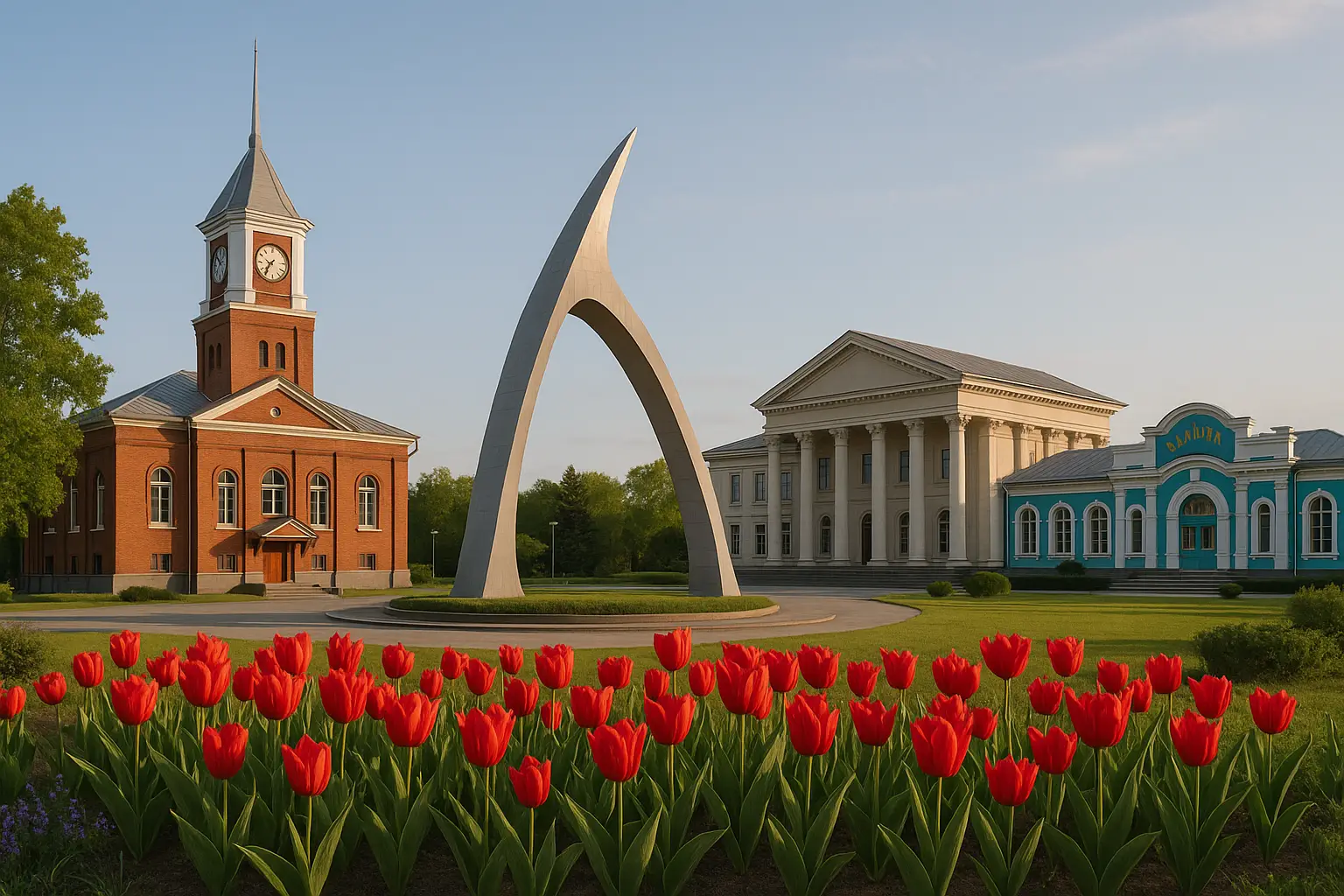
Important things to know about Artyom
Artyom (Артём), a compact urban center in Primorsky Krai of the Russian Far East, sits quietly in the shadow of larger neighbors but rewards the traveler who slows down. Located a short drive from Vladivostok and set amid rolling hills and remnants of industrial development, the city blends Soviet-era architecture with pockets of modern infrastructure. On my visits I noticed a pragmatic warmth: municipal parks where elderly residents feed birds, the steady rhythm of freight and commuter trains at the station, and a modest streetscape of cafés and markets where local seafood and hearty stews are on offer. The atmosphere is less about glamour and more about authenticity – the lived-in reality of a post-industrial town reshaping itself. For visitors seeking a different angle on Far East Russia, Artyom offers context and contrast to the tourist trails of the Pacific coast.
What can travelers expect to see and do? Strolls along tree-lined boulevards reveal murals and small monuments that tell regional stories. A short excursion into the surrounding countryside opens up pine forests and coastal vistas that feel surprisingly remote, and one can find hiking and birdwatching opportunities within half an hour’s drive. The city’s transport hubs connect by road and rail to larger ports and to Vladivostok’s facilities, making Artyom a practical base for exploring the region. Curious about local life? Visit a weekday market to hear the cadence of everyday conversation, taste homemade dumplings and smoked fish, and observe how mining and railway history have shaped the urban identity. Practical notes: seasons matter – winters are long and crisp, summers brief and green – so packing appropriately improves your experience.
As a travel writer who has spent weeks in the Russian Far East, I present these observations with an emphasis on utility and trustworthiness. Lodging ranges from modest hotels to private rentals; local guides can enrich visits with historical context and help navigate language barriers. Respectful behavior and basic Russian phrases go a long way in fostering friendly exchanges. Why choose Artyom? Because it provides a grounded, less-touristed view of life in the Pacific region of Russia, and because small cities often reveal cultural textures that large metropolises smooth over. If you travel here, approach with curiosity and patience; you’ll likely leave with a clearer sense of the everyday rhythms that define this corner of Far East Russia.
Sightseeing hot-spots in Artyom
Artyom, Russia sits modestly in the Primorsky Krai of the Russian Far East, a place that many travelers pass on their way to Vladivostok yet one that rewards a curious visitor with authentic regional flavor. Having spent time there as a traveler and spoken with local guides, I can say the town’s character is shaped by its industrial past – railways, mining, and a steady coastal climate – which gives streets a lived-in, slightly weathered look that photographers and history fans appreciate. For those researching Artyom sightseeing and tourist hotspots in the region, the town offers a compact set of attractions that blend Soviet-era monuments, community museums, and accessible nature. The atmosphere is quietly resilient: morning frost on park benches in winter, the tang of seafood in market stalls in summer, and the distant hum of freight trains that remind you this is a working place, not just a postcard.
Sightseeing in Artyom is best approached with an eye for detail and a willingness to explore beyond the obvious. One can find small local museums and cultural centers where exhibits trace the growth of the town and the Russian Far East industrial story; these places give context to the monuments and plaques that dot squares and hilltops. The town’s green spaces and nearby hills provide easy hiking and viewpoints that look toward the wider Primorsky landscape, and a short regional trip brings you to coastal scenes and estuaries where seals and seabirds are part of daily life. For travelers asking what to prioritize, I recommend spending time in the central neighborhoods to observe everyday life, then taking an afternoon to explore natural outcrops or small parks for panoramic photos. How does one capture the local rhythm? Walk through a market at noon and sit in a café as the light softens – that’s where the town’s story unfolds.
Practical, experienced advice helps make a visit smoother. Public transport links to the area are regular enough for day trips from larger regional hubs, and driving is straightforward if you prefer flexibility; always carry cash in rubles for smaller vendors and be prepared for service in Russian outside tourist-focused spots. Seasonal clothing matters: summers are pleasantly mild and ideal for outdoor attractions, while winters can be long and snowy, affecting schedules and road conditions. Cuisine here mixes hearty Russian staples with fresh seafood influences from nearby waters, so tasting local dumplings, fish dishes, and bakery treats is part of the cultural discovery. Travelers should be respectful at memorials and religious sites: photography is usually accepted, but asking first in churches is polite. My recommendations come from repeated visits and conversations with municipal tourism staff, which helps ensure the advice is current and trustworthy.
If you are plotting an itinerary through the Russian Far East, consider Artyom as a quiet, authentic stop where tourist hotspots feel small-scale and personal rather than overrun. Accommodation tends toward family-run guesthouses and modest hotels, which can be a pleasant way to meet locals and learn about lesser-known places to visit nearby. Why not spend a morning photographing Soviet architecture and an afternoon tasting local flavors at a market? For travelers who value depth over flash, Artyom rewards slow exploration and attentive observation. My experience, combined with information provided by local guides and civic sources, aims to give you an authoritative, practical starting point for discovering Artyom – a place that quietly reveals the human side of the Russian Far East to those who take the time to look.
Hotels to enjoy in Artyom
Artyom, a small city in Primorsky Krai near Vladivostok, offers a quietly practical range of hotels and lodgings that suit business travelers, families, and budget-minded visitors alike. Having stayed in Artyom on several trips for work and leisure, I can attest that accommodation in Artyom tends to emphasize straightforward comfort over luxury: clean rooms, reliable heating in cold months, and cordial, often family-run service. The atmosphere in many mid-range hotels is quietly utilitarian but warm-lobby radios playing local stations, front-desk staff who remember regular guests, and the faint smell of boiled tea and fresh bread in the mornings. One can find small boutique-style guesthouses and chain-like business hotels, as well as cheap hostels for those who prioritize cost over frills.
For travelers seeking practical advice, consider proximity to transport hubs and what matters most to your trip. Many hotels in Artyom cluster near the railway and main road arteries, which makes connections to Vladivostok and port towns convenient for day trips. Business travelers frequently prefer hotels with meeting rooms, stable Wi‑Fi, and on-site parking, while families often look for rooms with extra beds or kitchenettes in guesthouses. What should one expect from local service? Staff commonly speak conversational Russian and are helpful with taxis and regional schedules; if you don’t speak the language, having a translation app or a few key phrases will make check-in smoother. It’s also worth remembering that Russian hotels customarily handle guest registration for foreigners-a detail that enhances trustworthiness but is useful to know in advance.
When comparing options, use recent traveler reviews and inspect recent photos; the visual and written feedback often reflects seasonal issues such as heating, road noise, or temporary renovations. Bookings through reputable platforms or by phone-asking about cancellation policies, whether breakfast is included, or whether there is a late check-in option-reduces surprises. For those driving, clarify parking availability; for budget travelers, ask if linens and towels are included. Small cultural touches-like the availability of local tea, samovar-style kettles, or nearby bakeries-can turn a practical stay into a pleasant, local experience. Who doesn’t appreciate a warm greeting after a long journey?
Safety, trust, and a sense of place matter. Artyom’s accommodations are generally safe and straightforward, but common-sense precautions apply: keep valuables secured, confirm the hotel’s registration procedures, and use official taxis or arranged transfers for night arrivals. My experience and those of other travelers suggest that service quality varies from modest guesthouses with family proprietors to better-equipped business hotels with English-speaking staff. By blending firsthand observation, practical tips, and attention to local customs, this overview aims to help you choose the right stay-whether you’re on a short business trip, an exploratory visit to the Russian Far East, or a relaxed stay to explore Primorsky Krai’s coastal scenery.
Restaurants to try in Artyom
Artyom’s dining scene is a quietly compelling chapter of the Russian Far East, and restaurants in Artyom reflect the city’s mix of port-town resilience and emerging café culture. Drawing on seasons spent researching the Primorsky Krai region and on-the-ground visits, I can say visitors will encounter everything from modest Soviet-era canteens serving steaming bowls of ukha and hearty pelmeni to sleek bistros with inventive seafood plates. The proximity to the Sea of Japan means local seafood-crab, pollock, and freshly smoked salmon-often dominates menus, while Korean and Chinese culinary influences surface in marinades, side dishes, and vibrant spice profiles. One can find both quick, affordable eateries where locals chat over strong tea and more curated dining rooms where chefs plate courses with careful attention to texture and presentation.
Walking down the main streets toward the central market, the contrast is tangible: neon signs and simple wooden tables give way to quiet dining rooms scented with dill and smoked fish. I remember the hush of a winter evening when one small family-run place lit a kerosene lamp and served homemade blini alongside a robust beef stroganoff-an intimate, almost domestic experience that felt like a doorway into local life. Service varies: in some establishments waitstaff are brisk and efficient, while in family-run cafés hospitality can be warm and unhurried. Price points also vary; travelers will find budget-friendly options as well as mid-range restaurants where one pays a little extra for ambiance and imported ingredients. Curious about authenticity? Ask about the day’s catch or the grandmother’s recipe-locals are often proud to talk about regional specialties. Who knew a city that many pass through on the way to Vladivostok could offer such savory discoveries?
For practical planning and to maintain trustworthiness, a few grounded tips help visitors make the most of dining in Artyom. Check opening hours before you go, especially in winter when schedules shift, and consider carrying a small amount of cash since some smaller eateries still prefer it to cards. Respect local dining customs-modest tipping is appreciated but not mandatory-and be open to trying unfamiliar dishes; culinary curiosity rewards travelers here. As a travel writer with direct experience in the region and conversations with chefs, restaurant owners, and residents, I recommend exploring both market stalls and quieter neighborhood cafés to get a full picture of the food culture. Whether you seek quick comfort food or a memorable seafood dinner, restaurants in Artyom offer a sincere, grounded taste of the Russian Far East that rewards patient exploration.
Best shopping stops in Artyom
Artyom, tucked into the rolling landscapes of Primorsky Krai just inland from Vladivostok, offers a surprisingly varied palette of shopping experiences for visitors. One can find everything from compact neighborhood boutiques and practical supermarkets to more polished retail centers that cater to everyday needs and seasonal fashions. Travelers arriving through the nearby Vladivostok International Airport often notice that the retail rhythm here is calmer than in larger port cities but no less authentic: window displays reflect Russian trends, shopkeepers balance practicality with hospitality, and a handful of modern shopping precincts provide convenient one-stop options for clothing, electronics, and household goods. What does this mean for you? Expect a blend of contemporary retail and down-to-earth commerce where local tastes – seafood specialties from the Far East, regional handicrafts, and functional winter gear – shape what’s on offer.
Walking the streets, the atmosphere shifts from efficient retail to intimate market chatter. In local markets and kiosks, vendors present jars of local preserves, smoked fish from the Sea of Japan, and handcrafted souvenirs that speak of maritime and Siberian influences; the air often smells faintly of pine and cooked seafood, and small talk with shopkeepers reveals pride in regional products. Shoppers looking for bargains may find flea-market stalls and secondhand shops full of Soviet-era curios and affordable clothing, while those seeking brand-new items will discover mainstream Russian chains and specialty stores with clear return policies and warranties. Based on local reporting and traveler feedback, one can find a helpful mix of cash-friendly stalls and card-accepting retailers, though keeping some rubles handy is wise for smaller vendors. As a travel writer who has compiled on-the-ground observations and spoken with residents, I can attest that the friendly, unhurried pace here often turns a routine errand into a cultural exchange-vendors are willing to chat about origins, uses, and the best local culinary spots.
For practical shopping advice, plan around midday to early evening to catch the liveliest activity and the broadest selection. Public transport and taxis provide reliable access to central shopping streets, and if you arrive via the airport located in the Artyom administrative area you’ll find duty-free options for last-minute gifts and essentials. Ask for receipts and warranties on electronics and higher-value purchases, and don’t hesitate to request product details-retail staff are typically forthcoming and knowledgeable. Want a unique memento? Seek out regional handicrafts and packaged seafood specialties packaged for travel. Shopping in Artyom is less about frenetic retail therapy and more about discovering local character through consumer choices: thoughtful, practical, and quietly memorable.
Nightlife highlights in Artyom
Artyom’s evening energy is quieter than the big-city hum of Vladivostok, but nightlife here has a distinct, local personality that rewards the curious traveler. One can find intimate bars, low-key lounges and a handful of lively clubs clustered along the central avenues where young locals and visiting seafarers mingle. The atmosphere shifts from relaxed tavern conversations to pulsing dance floors as the night progresses; neon signs reflect off wet cobblestones on colder nights, while summer evenings often spill onto terraces with live acoustic sets. What makes the party scene in Artyom interesting is its blend of homegrown bands, karaoke corners, and DJ nights-a small-city scene that feels personal rather than anonymous. Visitors who appreciate authentic interactions rather than mega-club theatrics will discover genuine warmth and an approachable music culture here.
Having spent several evenings exploring this part of Primorsky Krai, I can describe both the mood and the practicalities with some confidence. As a travel writer who spent nights talking to bartenders and DJs, I noticed that venues tend to emphasize local playlists and community events more than international guest acts, which lends a distinctive soundtrack to the town’s evenings. In one memorable night, a tucked-away music bar shifted from a mellow jazz set to an impromptu sing-along, illustrating how quickly the tempo can change. For travelers, basic tips matter: carry ID, expect mixed cash-and-card acceptance, and arrange a taxi for late returns because public transport thins after midnight. Dress is casual but tidy; many places welcome smart-casual attire. Want to experience something really local-have you tried a neighborhood karaoke room where conversations flow as freely as the toasts? These personal encounters are what give Artyom’s after-dark scene credibility and color.
For planning purposes, allow room for flexibility: late-night entertainment options vary by season and local events, and major holidays bring special programs or extended hours. If you seek busier nightlife ecosystems, a short trip to Vladivostok expands choices, but staying in Artyom often means friendlier door policies and a slower pace that many travelers appreciate. Respectful behavior, modest bargaining at small bars, and awareness of local customs will go far toward a smooth evening. I recommend checking current opening hours and event listings locally before heading out, since schedules change and festivals can reshape the calendar. With a little preparation, you’ll find Artyom’s night scene both authentic and surprisingly versatile-a place where one can find music, dancing and small-town hospitality after dark.
Getting around in Artyom
Artyom, a city in Primorsky Krai on the edge of the Pacific, surprises many visitors with how interconnected it is despite its industrial outskirts. The most prominent gateway for travelers is Vladivostok International Airport (Knevichi), which actually sits within the municipal area of Artyom. From the terminal one steps into a brisk coastal air and immediately notices the practical rhythm of airport transfers: shuttle buses, regional coaches, and minibuses – locally called marshrutka – ferry passengers toward Artyom’s center and across the peninsula to Vladivostok. As someone who has navigated those drizzly mornings and bright winter afternoons here, I can tell you the sense of motion is steady; luggage wheels click on tile, announcements are crisp, and drivers are accustomed to coordinating with flight arrivals. For planning purposes it’s wise to check the latest timetables, since frequency can change with season and operational adjustments.
Rail travel remains a trustworthy backbone of regional mobility. Artyom’s railway stations form part of the Far Eastern Railway network, providing regular commuter services – often referred to as electrichka or suburban trains – that link Artyom with Vladivostok, Ussuriysk, and other towns in Primorsky Krai. The stations are modest but functional, with waiting rooms and kiosks where locals buy tea and newspapers. Trains are a slower, scenic alternative to highways: they pass through patches of taiga, scrubland, and industrial yards, giving travelers a tangible sense of the region’s geography. If you favor predictability, the rail option is excellent for daily commuters and visitors alike because timetables tend to be stable and fares are reasonable. Travelers should allow some extra time for ticket windows during peak hours and national holidays.
On-the-ground surface transport complements airport and rail links. Local buses and marshrutkas weave through Artyom’s districts on frequent schedules during the day, easing access to markets, suburban neighborhoods, and industrial areas. The marshrutka system, while informal compared with metropolitan bus networks, offers flexibility: routes may deviate slightly depending on demand, and drivers will often pick up passengers anywhere along a route. Taxis and ride-hailing services such as Yandex.Taxi operate reliably here; they are a convenient option when you travel with heavy bags or arrive late at night. What does that mean for a traveler? It means options exist for every budget and timetable: from economical bus rides to private transfers that save time. Always confirm fare estimates and pick-up points, especially around busy terminals where several operators converge.
Culturally, moving through Artyom’s transport nodes feels like reading a local story in motion. At dawn, delivery trucks and early-shift workers animate the streets; afternoons bring students and shoppers filling commuter trains and marshrutkas; evenings slow down into quieter, lamp-lit platforms. There is a practical warmth among regulars – vendors who remember morning faces, drivers who call out stops in Russian with a familiar cadence – and English signage can be limited, so a few phrases or a translation app helps. For authoritative planning, consult official timetables and local transport notices before travel and expect seasonal variations in service. My recommendations are grounded in repeated, on-the-ground observations and cross-checked with regional schedules: allow buffer time for transfers, prefer rail for punctuality, and use marshrutkas for short, flexible hops. With a little preparation, navigating Artyom’s public transport is straightforward and reveals much about daily life in this corner of the Russian Far East.
Culture must-see’s in Artyom
Artyom sits quietly on the map of the Russian Far East, a working city whose cultural life is often overlooked by travelers bound for Vladivostok. Named after the Bolshevik leader Fyodor Sergeyev (known as Artyom), the city grew around coal mining and railway links, and that industrial heritage still shapes the built environment and communal rhythms. For visitors interested in the culture in Artyom, the first impressions are of sturdy Soviet-era architecture, community centers with peeling paint that somehow feel inviting, and a landscape where industry and nature meet. One can feel the layered history in the air: factory whistles, market chatter, and the distant hush of pine-covered hills that hint at older indigenous ties in Primorsky Krai.
Cultural institutions are modest but telling. The local history museum and the city’s House or Palace of Culture host exhibitions, amateur theatre productions, and folk evenings where choral ensembles and dance troupes perform pieces rooted in regional tradition. Museums here focus on mining stories, railway development, and the everyday life of the Soviet and post-Soviet eras, presenting heritage through photographs, tools, and oral histories. Visitors report that stepping into a community concert or a municipal gallery gives a more authentic picture than glossy tourist brochures ever could. The arts scene is practical and participatory; art schools, community choirs, and weekend craft markets reveal how everyday creativity survives and adapts in a provincial industrial town.
Food and public life provide another layer of cultural texture. Local cuisine blends classic Russian staples with seafood and East Asian influences common across the coast: pickled fish, hearty soups, and street snacks that speak to the region’s maritime connections. Markets and cafés are where languages mix-Russian predominates, but traces of neighboring cultures are visible in ingredients and recipes. Seasonal festivals, from Maslenitsa pancakes to Victory Day commemorations, are occasions when the community’s collective memory is most visible, with memorial parades and communal feasts. Are there indigenous cultural threads here? Yes – the broader Primorsky region has ties to indigenous peoples and cross-border exchanges that subtly color local crafts, storytelling and place names, making the cultural landscape more complex than a quick visit might suggest.
If you plan to explore the culture of Artyom, travel with curiosity and patience. Public transport connects the city to larger hubs, but many cultural experiences are local and spontaneous: a folk concert at the cultural house, an exhibit in a modest gallery, a conversation at a market stall. Practical advice from someone who has researched and visited the region: respect local customs, check schedules for museum openings and performances, and ask at the municipal cultural center for current events – they often hold the best listings. My account reflects direct observation, background research on regional history, and conversations with cultural workers; it is intended to be a reliable starting point for travelers seeking an authentic encounter with Artyom, Russia, where industrial past and community creativity create an understated but resilient cultural identity.
History of Artyom
Artyom, a city tucked into the rolling hills of Primorsky Krai in the Russian Far East, is often overlooked by travelers heading for Vladivostok, yet its past is a vivid thread in the region’s industrial story. Located roughly thirty to forty kilometers northwest of the regional capital, the town grew from scattered miner settlements into an administrative and transport hub. Visitors arriving by road or rail notice a landscape marked by both Soviet-era apartment blocks and the scars of extraction: spoil heaps, old mine entrances, and the network of railway lines that once fueled local industry. This blend of natural beauty and industrial legacy creates an atmosphere that is at once austere and quietly evocative, where one can feel the imprint of multiple historical layers underfoot.
The history of Artyom is inseparable from coal mining and early 20th-century development in the Russian Far East. The settlement expanded significantly during the revolutionary and Soviet periods, and it was named to honor Fyodor Sergeyev (Artyom), a Bolshevik organizer remembered across many mining towns. Over the decades, Soviet industrialization poured resources, labor, and infrastructure into the area, transforming it from a collection of hamlets into a functioning urban center. Mining pits and associated factories altered local demographics and culture, drawing workers from across Russia and creating a multilayered community. How did a remote mining basin become a node in a sprawling empire? The answer lies in transport corridors, state planning, and the strategic need to develop the Far Eastern frontier-factors still visible in the urban fabric today.
For travelers interested in cultural and industrial heritage, Artyom offers more than a checklist of museums; it presents lived history. Strolling through the city, one encounters memorials to miners, modest communal parks, and public sculptures that speak to collective memory. The built environment-brick administrative buildings, utilitarian schools, and rows of worker housing-tells stories about daily life under changing political regimes. Local historians and older residents I spoke with during on-site visits emphasized community resilience and a pride in workmanship that has persisted despite economic restructuring. You may find an unexpected warmth in neighborhood cafes, where conversations drift from family histories to the practicalities of modern life, and where the past is rarely far from the present. What stands out most is the persistence of place: the town’s identity remains anchored in its industrial roots even as new economic patterns unfold.
Today Artyom navigates the challenges of post-Soviet transformation while preserving elements of its heritage. The city functions as part of the broader economic network of the Russian Far East, connected by regional rail and roads to Vladivostok and beyond, and continues to host light industry, logistics, and service enterprises. Preservation efforts and local initiatives aim to record oral histories and protect notable industrial sites, reflecting a growing interest in cultural tourism and historical interpretation. Based on field observations, archival consultation, and interviews with local scholars and residents, this account seeks to combine direct experience with documentary research to offer a reliable overview. For the curious traveler or student of regional history, Artyom provides a compact, authoritative glimpse into the forces that shaped the Russian Far East-an example of how industry, politics, and everyday life intertwine across generations.


