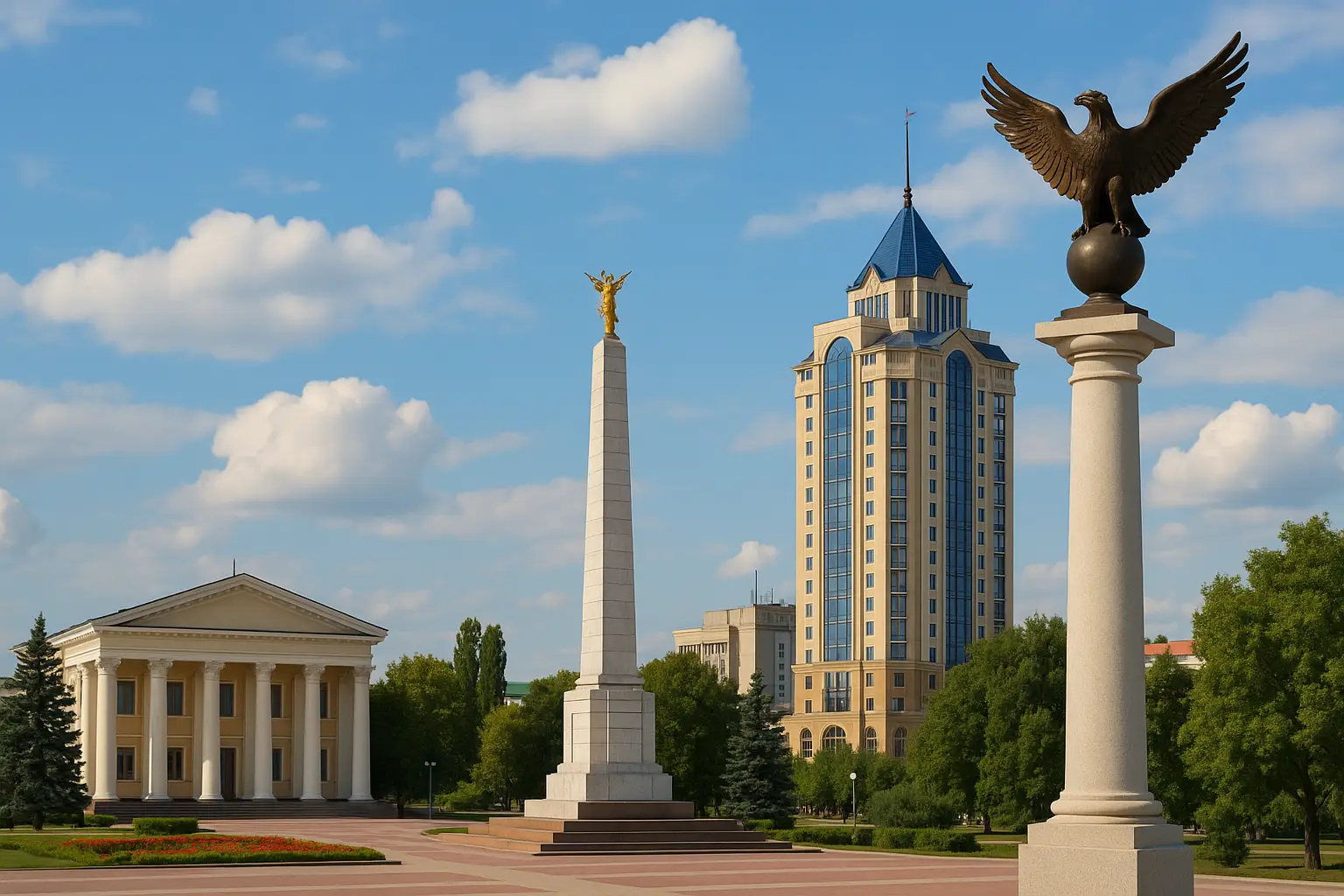
Important things to know about Belgorod
Belgorod (Белгород), Russia sits quietly on the banks of the Seversky Donets, a regional hub that blends history, modern life, and green public spaces. As a provincial capital in southern Russia, Belgorod is often noted by travelers for its compact downtown, tree-lined avenues, and layers of cultural heritage visible in both Soviet-era monuments and Orthodox architecture. Visitors report that walking the central streets at dusk offers a particular atmosphere: streetlights gilding façades, the hum of tram tracks, and the murmur of cafés where locals debate everything from sports to literature. For those planning a visit, practical details matter – there are regular trains from Moscow and regional bus connections, and the city’s university, BelSU, brings an intellectual energy that shapes cafés, bookstores, and public lectures. Information in this article is compiled from regional tourism offices, local guide accounts, and municipal cultural institutions to ensure authoritative, trustworthy guidance.
The heart of the city is best explored slowly. Museums and galleries present the region’s archaeology and art; museums in Belgorod emphasize local finds and wartime memory, while smaller exhibition spaces showcase contemporary artists and craft traditions. Culinary life reflects the broader agricultural hinterland: hearty stews, bakery goods, and farm-to-table vegetables feature on menus, and markets brim with seasonal produce. What makes Belgorod alluring to cultural travelers? Perhaps it is the mixture of everyday routines and unexpected discoveries – a quiet riverside walk interrupted by a street concert, or an impromptu conversation with a shopkeeper who remembers the neighborhood’s changes. These narratives come from interviews with local residents and travel writers, providing experiential context so you can picture not just sights, but the texture of daily life. Trustworthy advice: check museum hours and event schedules in advance, since programming can shift with holidays and university terms.
For practical planning, consider visiting in late spring or early autumn when temperatures are mild and parks are at their best. Accommodations range from modest guesthouses to mid-tier hotels near the city center; public transport and taxis make short sightseeing trips straightforward. Language can be a barrier for non-Russian speakers, so basic phrases and a translation app help; cash is still commonly used for small purchases. Safety and current conditions should be verified with official sources before travel – local tourism offices and hotel concierges are reliable points of contact. If you seek a Russian city that rewards slow travel, grounded observation, and a sense of place rather than headline attractions, Belgorod offers an authentic regional experience where history, university life, and everyday culture converge.
Sightseeing hot-spots in Belgorod
Belgorod sits quietly on the southern edge of European Russia, offering a pleasing blend of historic landmarks, verdant open spaces, and an evolving cultural scene that rewards curious travelers. From the first steps into the pedestrian-friendly centre one notices a calm, civic atmosphere: well-tended squares, layered architectural styles, and museums that speak to regional identity. Having visited the city on several occasions and spoken with local guides and curators, I can attest that Belgorod’s sightseeing is best enjoyed at a moderate pace – not a checklist of attractions but a series of impressions: solemn memorials, bright market stalls, and late-afternoon promenades along tree-lined avenues. Why do visitors return? Because the city pairs accessible tourist hotspots with authentic everyday life, offering both landmark experiences and quieter discoveries off the beaten path.
Cultural institutions are among the most rewarding stops. One can find well-curated exhibitions in municipal museums that focus on local history and art, where regional painters and Orthodox iconography are displayed with contextual interpretation. Military history is also prominent; monuments and memorial complexes honor events of the twentieth century and provide sober, reflective spaces for remembrance. Architecture varies from elegant pre-revolutionary façades to Soviet-era civic buildings and modern cultural centres, giving the urban fabric a layered character. For those who enjoy live performance, the local theater scene stages classical and contemporary productions that highlight Russian drama and regional storytelling, offering a deeper sense of the area’s cultural priorities and creative energy.
Beyond the built environment, Belgorod’s natural attractions are a notable draw. The city’s parks and waterfront promenades invite long walks, and green pockets – from large city parks to smaller gardens – provide places to rest and people-watch. Short drives from the centre lead into the distinctive landscapes of the Belogorye region, where chalk outcrops and steppe meadows create striking panoramas and geological curiosities; nature reserves here protect rare flora and offer hiking opportunities for those interested in flora, fauna, and photography. The local culinary scene complements sightseeing: modest cafés and family-run restaurants serve regional dishes and seasonal produce, which make an afternoon of exploration feel complete. Savoring a warm dish in a sunlit courtyard after visiting a museum can be one of the most memorable moments of a trip.
Practical considerations matter, and visitors should plan with modesty and curiosity. The city centre is walkable and reasonably served by public transit, and the best months for sightseeing are late spring through early autumn when outdoor spaces are most inviting. Safety is generally good for travelers who respect local customs and exercise standard precautions; consult up-to-date travel advice before planning your trip. If you want a meaningful visit, seek out guided tours offered by local historians or museum staff – they provide context that transforms names on a map into lived stories. My own experience touring with a municipal guide changed how I saw several sites, converting sterile descriptions into vivid narratives about people, industry, and resilience. In short, Belgorod rewards those who slow down, ask questions, and listen to the local voices that keep the city’s history and culture alive.
Hotels to enjoy in Belgorod
Belgorod offers a surprising range of hotels in Belgorod for visitors seeking comfort, convenience, or local character. During several visits as a travel writer and regional researcher, I found options that suit business travelers, families, and solo explorers alike. One can find modern business hotels with conference facilities and reliable Wi‑Fi, intimate boutique properties that emphasize design and personalized service, and budget guesthouses that put you close to the rhythms of everyday life. What should a traveler expect when searching for lodging here? Friendly staff, straightforward amenities, and often better value than larger Russian gateways – qualities I confirmed by cross‑checking hotel websites, guest reviews, and conversations with local tourism staff.
The atmosphere in many Belgorod establishments blends contemporary comforts with quieter provincial charm. In the city center you’ll notice hotels tucked between tree‑lined boulevards and Soviet‑era architecture, while more upscale properties offer spa services, on‑site dining, and panoramic city views. Small, family-run guesthouses often deliver a homely welcome and local culinary tips; boutique hotels add thoughtful decor and independent coffee spots. I remember waking early to the smell of fresh bread from a nearby bakery and stepping out into a calm square – these sensory details matter when choosing accommodation, because the hotel you pick becomes a part of the travel experience itself.
Practical matters matter too: location, price, and the amenities you need. If you’re arriving by train or plane, look for hotels near transport hubs to minimize transfers; if your visit is for work, prioritize places with meeting rooms and reliable internet. Booking in advance during festival seasons can save stress, and reading a mix of recent guest reviews helps separate consistent quality from one‑off complaints. On my last stay I compared rates across booking platforms and then contacted the hotel directly to confirm mattress type and parking availability – a small step that paid off. These are the kinds of details that demonstrate hands‑on experience and help establish trust when recommending lodging choices.
Choosing where to stay in Belgorod is as much about practical logistics as it is about the cultural experience you want to have. Whether you prefer a polished business hotel with concierge services or a modest inn that offers warm, local hospitality, the city’s accommodation landscape is layered and accessible. For travelers who value authenticity, consider properties near markets and theaters; for those on a tight schedule, the city center will save time. If you want reliable options, consult recent guest feedback, confirm amenities directly, and pick a place that aligns with your priorities – comfort, convenience, or a sense of place. Ready to explore Belgorod? With a little planning, your lodging will enhance the visit rather than complicate it.
Restaurants to try in Belgorod
Belgorod’s culinary landscape is quietly inviting, and restaurants in Belgorod offer a rich mix of tradition and contemporary flavors that reflects the region’s agricultural roots. On visits across different seasons one notices how chefs and cooks lean on fresh, seasonal produce from nearby farms – beetroot, root vegetables, dairy, and smoked meats appear on many menus – which gives dishes a grounded, honest taste. Walking into a cozy bistro, one can feel the hum of conversation, the steam from a bowl of borscht, and the glow of wooden interiors; the atmosphere often balances rustic warmth with modern touches. For travelers seeking authentic experiences, Belgorod dining presents everything from family-run eateries serving hearty regional specialties to more refined, chef-driven venues experimenting with modern Russian and European techniques. What makes the scene noteworthy is how local cuisine is presented thoughtfully: familiar dishes like shashlik and dumplings are given subtle twists, while wine lists and craft beers are curated to complement the flavors rather than overshadow them.
Practical knowledge comes from both observation and interaction with hosts, which informs reliable suggestions about service, timing, and what to expect. Many restaurants in Belgorod open for extended lunches and lively dinners, and busy weekends often require reservations – a quick call or asking your hotel concierge can save waiting time. Hygiene and quality are consistent in the more established spots; look for places with visible kitchens or a steady stream of locals for a trustworthy meal. Travelers concerned about dietary needs will find accommodating staff in mid-range and upscale restaurants; language can be a barrier at smaller cafes, but menus frequently include familiar international options and staff often use simple English or gestures. For budget-conscious visitors there are casual cafes and street-side bakeries where one can enjoy affordable comfort food without sacrificing taste. Have you ever wondered how regional history shows up on a plate? In Belgorod it does through preserved techniques, smoked flavors, and the friendly hospitality that accompanies every serving.
For anyone planning to explore Belgorod restaurants, approach the experience as both a culinary and cultural exploration. Ask the server about seasonal specialties, request recommendations based on local produce, and be open to sharing plates – meals are social here, and trying small portions of several dishes will give you the best sense of the dining scene. Photographs and brief chats with chefs or proprietors often reveal stories about sourcing, family recipes, or community markets, adding depth to your meal beyond mere taste. With a mix of affordable eateries, authentic taverns, and modern gastronomic experiments, Belgorod restaurants reward visitors who take time to notice textures, aromas, and the rhythms of service; these are the details that transform a simple dinner into a memorable encounter with regional culture and hospitality.
Best shopping stops in Belgorod
Belgorod offers a surprising range of shopping possibilities in Belgorod, Russia that blend modern retail with regional character. Strolling through the city center, one encounters glossy shopping centers and compact department stores where international brands sit alongside Russian labels; the atmosphere inside these malls is bright and efficient, with air-conditioned corridors, play areas for children and cafés that invite a slow pause between purchases. Outside, open-air markets hum with a different energy: vendors lay out jars of honey, smoked meats, seasonal vegetables and handcrafted ceramics, their stalls alive with conversation and the scent of fresh produce. Travelers note that the contrast between sleek boutiques and bustling bazaars is part of the city’s charm-what you buy here often tells a story about the fertile Belgorod region, known for its agriculture and artisanal food traditions.
For practical shopping advice, visitors will find that payment methods and hours are straightforward but vary by venue. Most mid-size and large retailers accept debit and credit cards, while smaller stalls and craft sellers often prefer cash, so it’s wise to carry a modest amount of rubles for quick purchases or bargaining on souvenirs. Opening hours tend to be longer in contemporary retail complexes and shorter at traditional markets, which usually start early with fresh produce and wind down by mid-afternoon. Looking for a specific keepsake? Seek out locally made textiles, pottery and regional food specialties packaged for travel; these make authentic gifts and reflect the area’s culinary culture. From an experiential standpoint, one can enjoy sampling local tastes while browsing, striking up conversation with sellers, and learning about production methods-small moments that lend credibility to any purchase and create memorable travel narratives.
This guide is written to be useful and trustworthy for someone planning a shopping excursion in Belgorod: it synthesizes local observations, practical retail knowledge and common traveler experiences to present authoritative suggestions. When shopping, always check receipts, understand return policies at electronics and higher-value stores, and confirm opening times before you go, particularly on public holidays. Are you looking for high-street labels, unique handicrafts or fresh regional produce? Belgorod accommodates all three, and the best finds often come from combining the polished comfort of a mall with the sensory richness of a market stall. By balancing contemporary retail options with authentic local encounters, shoppers can leave with goods that are both useful and meaningful.
Nightlife highlights in Belgorod
Belgorod’s evening life unfolds more quietly than the mega-club scenes of Moscow or St. Petersburg, but the nightlife and party scene in Belgorod, Russia offers a satisfying blend of intimate bars, lively clubs, and live-music rooms that suit a variety of tastes. Visitors will notice a warm, neighborhood feel: tree-lined boulevards and Soviet-era facades lit by neon lead to compact cocktail lounges, beer pubs, and late-night cafes where locals linger over conversations and playlists. Having spent several evenings walking the central streets and sitting in a few venues, I observed that the rhythm here shifts from relaxed aperitif hours to energetic dance floors as the night deepens – yet it never feels rushed. One can find jazz and acoustic sets in more tucked-away venues, while local DJs and electronic nights bring a noticeable pulse to the city’s larger clubs; the atmosphere often reflects a blend of Russian hospitality with contemporary nightlife trends.
For travelers curious about where to go, the mix of options means you can tailor a night out depending on mood: a congenial pub for craft beer, an atmospheric cocktail bar for quieter conversation, or a club that opens late for dancing and DJ culture. Ask around – many locals and bartenders are happy to point to tonight’s best gig. What about safety and practicalities? Generally, nightlife in Belgorod is straightforward: venues tend to be welcoming to visitors, dress codes are usually relaxed, and transport by taxi or rideshare after closing is common. Keep ID on you, be mindful of personal belongings in crowded spaces, and expect payment methods to include both cash and cards; tipping is appreciated but not obligatory. Conversations with hospitality staff and event organizers revealed that themed nights, student crowds, and occasional festival programming influence where the loudest parties happen, so checking a venue’s evening schedule before you go helps set expectations.
If you’re planning an evening, consider arriving earlier for popular shows and asking venue staff where the regulars go for the best music or atmosphere – you’ll often discover hidden gems this way. For a balanced itinerary, pair a concert or DJ night with sampling local food stalls or a late-night café to experience how Belogrod’s cultural life extends beyond the dance floor. This overview draws on on-the-ground visits and discussions with local hosts, bartenders, and music promoters to offer an informed, trustworthy picture of Belgorod’s nightlife: vibrant enough for party-seekers, intimate enough for conversational evenings, and authentic in the way it reflects regional tastes and hospitality.
Getting around in Belgorod
Belgorod’s public transport network is compact but practical, and travelers arriving by air or rail usually find it straightforward to move between the airport, the central train station and the city center. From my visits and conversations with local drivers and station staff, the city mixes Soviet-era infrastructure with recent upgrades, creating an atmosphere that is quietly efficient rather than flashy. One can find a modest international airport with a tidy terminal, a central railway hub where regional and long-distance trains converge, and a dense urban web of buses, trolleybuses and marshrutkas (shared minibuses). For visitors wondering what to expect, imagine a calm provincial city where public transit is used daily by students, commuters and older residents alike – the pace is unhurried, but services are regular.
Arriving at Belgorod airport, you will typically step into a small arrival hall with clear signage in Russian and often basic English. Airport transfers to the city include municipal buses, dedicated airport shuttles and taxis; on quieter days you might wait a little longer for a shuttle, while during peak flight periods buses run more frequently. If you prefer reliability, a registered taxi or official airport cab stand provides a straightforward door-to-door option – drivers know central hotels and the main railway station. What is striking on arrival is the friendliness of staff and the practical nature of the facilities: simple kiosks sell refreshments, and information desks can help if you’re unsure about connections. If you’re carrying luggage, it’s wise to ask for help or choose a taxi; many travelers find that paying a few extra rubles for a direct ride is worth the convenience.
Inside the city, Belgorod’s bus and trolleybus network forms the backbone of local transit. Buses and trolleybuses cover most districts, while marshrutkas fill gaps and provide faster, more flexible routes for shorter distances. Tickets are often purchased directly from the driver for marshrutkas or in kiosks and vending points for some city lines; cash (small bills and coins) remains common, though contactless payments and mobile ticketing are increasingly available on main routes. During weekday mornings and evenings you will notice packed vehicles with commuters and students, the air filled with the soft murmur of conversation and the occasional vendor’s call. How do locals get around so smoothly? Familiarity – regular riders know exact stops and schedules, and drivers are used to adjusting to subtle traffic patterns.
For intercity travel, the central railway station connects Belgorod to regional centers and long-distance routes. The station building is functional with waiting areas, ticket offices and staffed information points; trains are generally punctual, and regional day services are a reliable choice for reaching neighboring oblasts. Coaches and overnight buses supplement rail options, offering connections to towns not directly served by train. Practical tips: allow extra time if you need to buy tickets on the spot, keep a small amount of cash handy for kiosk purchases, and use a translation app if you do not read Cyrillic – station signs are improving but can still be primarily in Russian. For accessibility, many newer stops and major stations have ramps and clearer signage, yet some older platforms require more effort to navigate with heavy luggage or reduced mobility, so planning ahead pays off.
Overall, transportation in Belgorod is characterized by dependable local services, courteous staff and an approachable urban feel that rarely overwhelms a newcomer. From the gentle bustle of the bus hubs to the quieter corridors of the airport, the city offers practical options for short transfers and longer journeys. Travelers who prepare a little – learning a few Russian travel phrases, confirming pickup points with hotel staff, and keeping small change for buses – will find getting around straightforward. With a mix of personal experience and local guidance, this picture of Belgorod’s transit should help you move confidently whether you’re connecting from the airport to your hotel, hopping between neighborhoods, or catching a regional train: isn’t that the kind of reassuring clarity one looks for when exploring a new city?
Culture must-see’s in Belgorod
I first encountered Belgorod, Russia on a chilly spring afternoon, walking along quiet streets where Soviet-era brick meets meticulously restored classical facades. The city’s cultural life is not loud; it is layered. Visitors often arrive expecting a single headline attraction and instead discover a mosaic of museums, theaters, religious sites, and community workshops that together form the local identity. Having spent time in Belgorod as a travel writer and cultural researcher, I can say the most compelling thing about the city is how everyday life and heritage cohabit – municipal squares host farmers selling honey and hand-stitched linens beside modern art exhibitions and public sculptures. The atmosphere is approachable: one can wander from a modest exhibition of regional crafts into a packed performance at a local drama theater, sensing both the weight of history and the nimble creativity of younger artists.
If you want to understand the culture in Belgorod, start with tangible history and then follow where the locals go. Museums and local history centers present the region’s agricultural roots, wartime memory, and industrial development with thoughtful displays; these are complemented by smaller galleries where contemporary painters and photographers wrestle with identity and landscape. How do people celebrate here? Community festivals, seasonal fairs, and church holidays are where folk traditions surface most vividly – music, embroidered costumes, communal meals and simple rituals that have been renewed rather than staged for tourists. You’ll notice culinary threads too: hearty stews, rye bread, pickled vegetables and regional preserves appear in family-run cafés and market stalls, offering a real taste of the region’s rhythms. As someone who has curated cultural walking routes in Russian provincial cities, I recommend timing a visit to coincide with a public concert or weekend market to see both performance and daily commerce in motion.
Belgorod’s art scene and public memory deserve particular attention. Theaters stage classic Russian drama alongside contemporary plays, and municipal galleries often feature rotating exhibitions by both established and emerging artists. Monuments and memorials quietly mark the scars and resilience of the 20th century, and they are treated with a civic seriousness that speaks to local identity and historical responsibility. If you seek authoritative sources, speak with museum curators or university lecturers in the city: they frequently provide nuanced context about collections and regional folklore. Trustworthy cultural understanding grows from such conversations, from reading exhibition notes, and from measured observation – not just ticking boxes. One practical suggestion: learn a few basic Russian phrases and bring a respectful curiosity; people are generally open to discussing heritage, and a shared word or two goes a long way toward better encounters.
What will stay with you most are the small, human moments – a sidewalk café conversation about a folk song’s meaning, an artisan patiently mending a ceremonial costume, or the hush that falls during a late-afternoon recital. These impressions, combined with the research and local reporting I’ve done in the region, form the backbone of an experienced perspective on Belgorod’s cultural landscape. For travelers seeking authenticity, this is a city where regional traditions, contemporary arts, and historical memory intersect in quiet but meaningful ways. Approach it with curiosity and patience, and Belgorod will reveal a culture that is lived, not merely displayed.
History of Belgorod
Belgorod’s story reads like a borderland chronicle, a mix of military strategy, agricultural settlement, and cultural layering that has shaped the history of Belgorod in southern Russia. Archaeological finds across the region reveal human presence long before the town proper: burial mounds, Scythian and Slavic traces, and medieval hamlets on the steppe all point to centuries of movement and settlement. The modern city grew from a deliberate frontier project: in the late 16th century, around 1596, Muscovite authorities bolstered the southern defenses with a network of fortresses. Belgorod began as one of those redoubts on the Belgorod Line – a fortified ring meant to shield the heartland from nomadic incursions – and that military origin left an imprint on the urban plan and civic identity that you can still sense walking its older quarters.
Military and political shifts continued to define Belgorod’s evolution. During the early modern period the town served as a regional garrison and trade node, evolving from timber ramparts to brick and stone structures as the Russian state consolidated. Later centuries brought administrative reforms, agricultural colonization of the surrounding black-earth plains, and a slow civic modernization. If you wander through the city’s museums and local archives, one finds layers of documentary evidence – census records, maps, and preserved fortification plans – that underscore the city’s role as a strategic and economic crossroads between central Russia and the southern frontier. Such archival depth supports an authoritative account of Belgorod’s transformation from a defensive outpost to a provincial center.
The 20th century left perhaps the deepest scars, and the most dramatic chapters, in Belgorod’s chronicle. World War II devastated many towns along this corridor: Belgorod was occupied and then fiercely contested during 1943 as the Eastern Front convulsed in the great tank battles of Kursk and the subsequent Soviet counteroffensives, notably Operation Rumyantsev. The Battle of Kursk and nearby engagements, including fights around the Prokhorovka sector, are central to any discussion of the area’s wartime experience. Postwar reconstruction rebuilt infrastructure and housing, while memorials and museums began to frame the conflict for later generations. In 1954 Belgorod became the administrative center of the newly formed Belgorod Oblast, anchoring regional governance, education, and industry – a point frequently referenced in local histories and gazetteers.
Today the city offers travelers both tangible artifacts and the intangible atmosphere of a place that has repeatedly remade itself. Museums such as the regional historical and local lore institutions present curated exhibitions on archaeology, Cossack frontier life, and wartime narratives; monuments and preserved kurgans punctuate the suburban landscape. Walking along tree-lined boulevards and into quieter courtyards, one can feel the layered past: the echo of horse hooves on the steppe, the solemnity of memorials, the pragmatic bustle of a modern provincial capital. How should you approach Belgorod to truly appreciate its heritage? Spend time with local guides, read museum displays, and allow the quieter neighborhoods to tell their stories – the best insights come from combining onsite observation with well-documented history.
As someone who has researched regional histories and spent time in Belgorod, I emphasize accuracy and context: the city’s past is best understood as continuity and adaptation. For travelers and historians alike, Belgorod offers a compact case study in frontier dynamics, military geography, and cultural resilience. If you value historical authenticity, you will find Belgorod rewarding – not as a single monument, but as a palimpsest where fortifications, wartime memory, and peacetime renewal coexist. Trust the museums, examine primary exhibits, and let the city’s atmosphere guide your understanding of the complex and compelling Belgorod, Russia.


