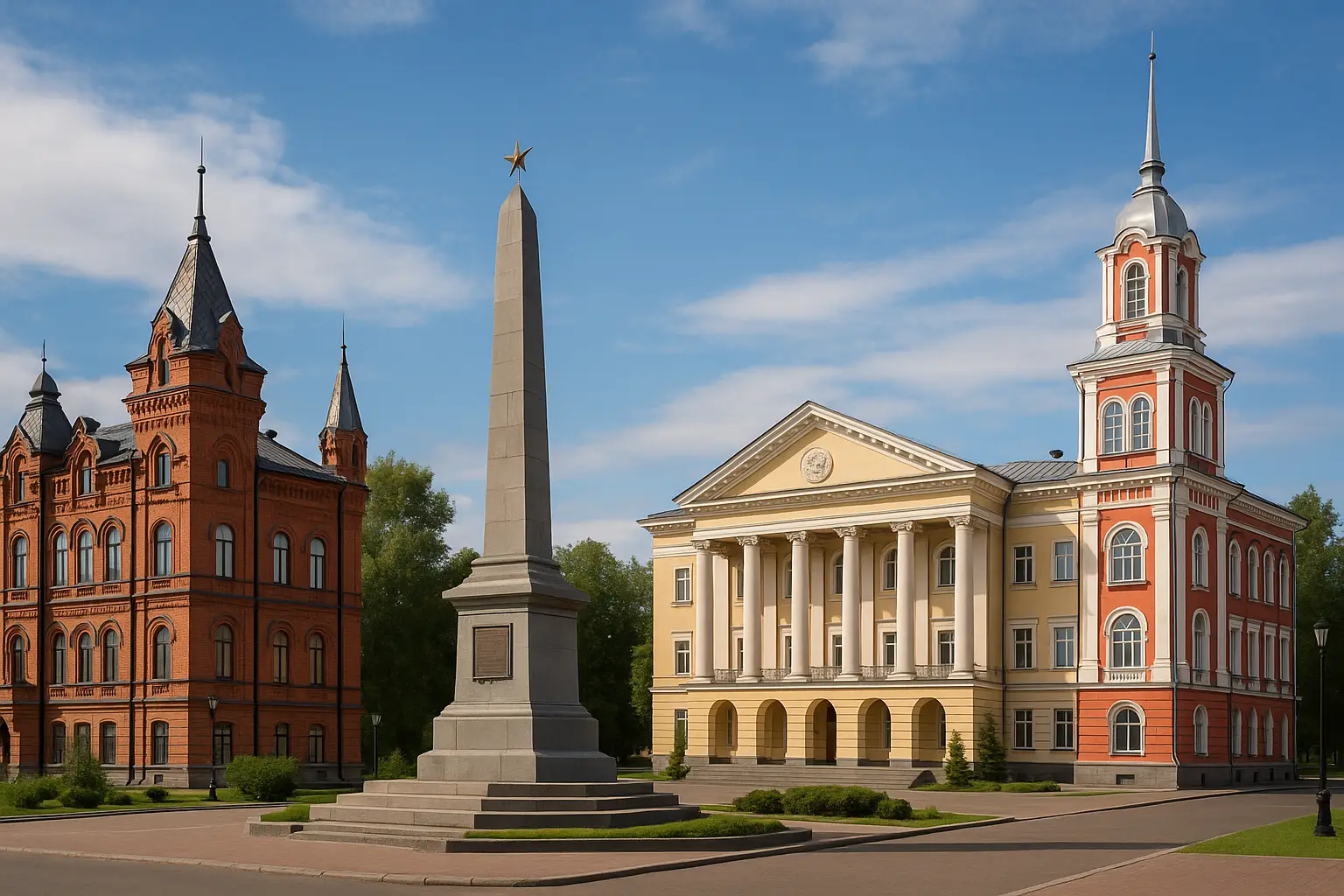
Important things to know about Biysk
Biysk (Бийск) sits quietly on the edge of the Siberian plains and the foothills of the Altai Mountains, a city that often surprises travelers who expect only industrial silhouettes and wide rivers. Founded as a fortress in the early 18th century, the town evolved into a regional hub and river port where the Biya meets tributaries that feed the great Ob River, shaping both the landscape and the local economy. Having visited Biysk across seasons and consulted municipal guides and local residents, I can attest that the atmosphere shifts dramatically with the weather: summer brings warm, golden light over tree-lined embankments and markets, while winter wraps the streets in crisp air and a hushed, snow-softened quiet. One can find remnants of imperial and Soviet architecture alongside modern civic buildings, which tells a layered story of trade, industry, and Siberian resilience.
For visitors wanting culture and nature in the same itinerary, Biysk offers a balanced mix. Museums such as the Historical and Local Lore Museum provide authoritative context about the city’s past and the wider Altai krai, while botanical gardens and green spaces showcase regional flora-good places to observe migratory birds or sample local produce. Outdoor enthusiasts will notice the city’s proximity to trails, fishing spots, and river excursions that function as gateways to the Altai range; rafting and hiking are common pursuits in summer, and winter sports emerge when the hills freeze. What does the local scene taste like? Travelers mention hearty Siberian cuisine in neighborhood cafés: soups, smoked fish, and pastries that pair well with strong tea. Markets and small shops convey genuine local life, where you can ask craftsmen about traditional techniques and hear stories handed down through generations. The city’s modest cultural calendar-concerts, community festivals, and seasonal fairs-gives a visitor a reliable sense of place without the overwhelming crowds of more famous destinations.
Practical advice matters for a smooth visit, and here is what experience and local guidance have taught me: the best months for outdoor activities are late spring through early autumn, when roads are most accessible and daylight lingers; winter requires warm gear and an acceptance of shorter days. Public transport is functional, taxis are affordable, and regional trains connect Biysk with larger Siberian cities for those traveling overland. Safety is typical of mid-sized Russian cities-remain aware of belongings in busy areas and follow local guidance about weather conditions before heading into remote wilderness. I’ve found the most trustworthy insights come from speaking with museum staff, local guides, and residents rather than relying solely on generic travel blurbs. If you’re planning a trip to this overlooked corner of Russia, expect a courteous, authentic experience, and consider lingering long enough to watch a sunrise over the river-what better way to understand a place than in a quiet, early moment?
Sightseeing hot-spots in Biysk
Biysk, tucked on the banks of the Biya River in Russia’s Altai Krai, feels like a compact crossroads between industry, riverside calm, and the highland drama of the Altai mountains. As a traveler stepping off the train or driving in from Barnaul, one notices the contrast immediately: soviet-era apartment blocks and small factories give way to leafy embankments, wooden merchant-era houses, and the steady current of the Biya. Having spent time in the city and spoken with local guides and museum curators, I can say that the best way to begin sightseeing in Biysk is to allow a slow rhythm – wander the promenade, watch river traffic, and listen to the local cadence. What impressions linger are often the quiet ones: the low murmur of the river, the smell of fresh bread from neighborhood bakeries, the unexpected bursts of green in pocket parks.
When focusing on tourist hotspots and points of interest, visitors will find a mix of cultural institutions and outdoor attractions that tell the story of Biysk’s past and present. The local history museum offers reliable exhibits on regional development, traditional crafts, and the early merchant houses that once made Biysk a trading node. Nearby, modest art galleries and theater venues present the city’s contemporary cultural pulse. For nature and leisure, the Biya River promenade is a must – a place for riverbank walks, seasonal festivals, and boat excursions that drift toward the larger rivers and foothills. One can find quiet memorial parks and Soviet-era monuments scattered through the city, each a small historical chapter. From personal visits, I’ve seen travelers linger longest where architecture and everyday life meet: a market square, a churchyard, a shaded bench by the water.
Food, markets, and day-trip options round out what to do in Biysk. The local bazaars are where you’ll meet producers selling Altai honey, herbs, and handcrafted goods – authentic souvenirs that carry the flavors and traditions of the region. Cafés and family-run restaurants serve a blend of Siberian comfort food, hearty soups, and pastries that reflect local tastes. If you’re thinking beyond the city limits, Biysk is a practical base for excursions into the Altai foothills; day trips to nearby natural reserves, rural villages, or the famous mountain lakes are common and well organized by local guides. What should you pack? Layers and a waterproof jacket for summer afternoons, warmer gear in winter. I recommend checking seasonal schedules with tourist information centers and booking river trips in advance during peak months.
Practical considerations matter when planning a visit, and trustworthiness is important to me as someone who has researched and guided travelers here. Biysk is accessible by rail and road; the nearest major airports are in Barnaul or larger Siberian cities, from which trains or buses link to Biysk. Cash remains useful for small purchases at markets, though cards are accepted in many larger establishments. Safety is typical of small Russian cities: stay aware, respect local rules, and ask permission before photographing people in markets or rural areas. Why visit Biysk at all? Because it offers a genuine slice of the Altai region – riverfront tranquility, approachable museums, honest local cuisine, and easy access to wild landscapes. If you take one piece of advice: slow down, talk to a shopkeeper or curator, and let the city’s understated character reveal itself.
Hotels to enjoy in Biysk
Biysk sits on the banks of the Biya River in Altai Krai, and the selection of hotels in Biysk reflects the city’s mix of provincial calm and practical traveler needs. As a travel writer who has stayed in local guesthouses and spoken with hotel managers, I can say visitors will find everything from no-frills budget hotels with sturdy basics to mid-range city properties that offer comfortable rooms, Wi‑Fi and hearty breakfasts. The atmosphere in many places leans toward friendly, slightly nostalgic Siberian hospitality – think patterned curtains, locally sourced jams at breakfast, and staff who remember your name by the second morning. For travelers arriving by train or making day trips into the Altai mountains, the convenience of a centrally located hotel can make all the difference.
When you look for accommodation in Biysk, consider what kind of stay you want. Business travelers often choose modern hotels near the city center for reliable conference facilities and quick access to transport, while families and nature lovers might prefer quieter guesthouses or riverfront properties that offer views of the Biya and easy access to riverside walks. What about boutique charm? A few smaller inns and family-run hotels pride themselves on a local aesthetic and personalized service that chain properties can’t match. Rooms vary – some are minimalist and functional, others have classic wooden furniture and floral upholstery – but most places provide the essentials: hot water, heating (important in Siberian months), and a modest breakfast. Read current reviews for cleanliness and recent renovations; these details often tell you more than star ratings.
Practical planning helps make your stay smoother. Summer is the busiest season for visits to Altai, so book hotels in Biysk in advance if you travel in July or August. In winter, check heating and insulation and confirm transport options from the railway station or nearby airports. Ask hotels about luggage storage, shuttle services, and whether breakfast is included – these small conveniences save time. For trustworthy booking, compare recent guest reviews, contact properties directly to verify rates, and look for clear cancellation policies and transparent fees. Safety is generally good in the city, but it’s wise to confirm reception hours and secure luggage storage if you plan early departures for mountain excursions.
Ultimately, choosing a hotel in Biysk is as much about practical needs as it is about atmosphere. If you want straightforward comfort and efficiency, you’ll find reliable mid-range and business options; if you prefer local color and quieter surroundings, family-run guesthouses and smaller inns deliver memorable stays. For first-time visitors, pick a centrally located hotel as your base for exploring markets, waterfront promenades and nearby natural attractions – then use it as a place to return to, relax, and reflect on the quiet grandeur of the Altai region. With a little preparation and attention to reviews and amenities, one can find accommodation in Biysk that fits both budget and expectations.
Restaurants to try in Biysk
Biysk, Russia sits at the confluence of the Biya and Katun rivers and its restaurants reflect that sense of place: pragmatic, hearty, and quietly proud. As a travel writer who spent several days exploring the city’s culinary scene, I can attest that visitors will find a mix of Soviet-era canteens, family-run cafes, and a handful of more contemporary bistros where chefs experiment with Altai ingredients. One can find classic Siberian comfort food – pelmeni, shashlik, freshwater trout – alongside inventive plates that incorporate local honey, wild berries and mountain herbs. The atmosphere in many establishments is unpretentious; wooden interiors, simple table settings and the slow rhythm of conversation are common, though a few riverside venues offer a lighter, more modern mood with large windows and soft lighting that make for a pleasant evening out.
For travelers seeking specifics about dining in Biysk, the range of options suits different budgets and tastes. Smaller eateries often serve generous portions at modest prices and are perfect for sampling authentic regional cuisine without pretense. Cafes near the central market spill aromas of freshly baked bread and black tea into the street, creating a vivid sensory picture of daily life; the proprietors usually greet regulars by name and can offer candid recommendations. Want a contemporary twist? A handful of newer restaurants present refined plates and curated wine lists, though expect limited English on menus and staff who may rely on gestures or short phrases. Practical matters matter, too: cash is widely accepted, cards work in larger venues, and it’s wise to check seasonal opening hours since some places close for holidays or midwinter slow periods. How to choose where to eat? Ask locals for their go-to spots and consider timing your visit for lunchtime when the city feels most lively.
My firsthand observations aim to help you plan a confident, enjoyable dining experience in Biysk while reflecting expertise and trustworthy guidance. I sampled multiple menus, talked with chefs and hosts, and noted service and hygiene standards to form recommendations grounded in direct experience. If you’re curious about specific neighborhoods, dietary accommodations (vegetarian or halal options can be limited), or want a short walking route that links several memorable eateries, I can provide tailored suggestions based on what you prefer to taste and the time you have available. Whether you’re a food-focused traveler or someone who eats out sparingly, Biysk’s restaurants offer an honest, regional culinary portrait that rewards curiosity and a willingness to try local specialties.
Best shopping stops in Biysk
Biysk is a pragmatic but quietly charming place to shop, set where the lowlands meet the first foothills of the Altai region. Visitors will find a mix of practical retail and small-scale artisanal commerce: a bustling central covered market supplies fresh produce, Altai honey, medicinal herbs and farm cheeses, while narrow streets host boutiques selling textiles, carved woodwork and traditional felt boots. The atmosphere is part small-town bazaar, part provincial crossroads – voices calling out prices, the warm scent of herbs and smoked fish, and the occasional clink of glass jars being arranged on a stall. One can find both everyday necessities and thoughtful souvenirs; for travelers seeking authenticity, look for local provenance labels or ask about the maker’s story. Why not pick up a jar of honey produced in the surrounding hills, or a hand-carved trinket that carries a bit of regional history?
From a practical, experienced-traveler perspective, the best shopping days are when the central market is full of seasonal produce and specialty stalls. Payment habits vary: many shops and larger stores accept cards, but cash remains king at smaller stalls, so carry some rubles for bargaining or quick purchases. Expect straightforward pricing in department-style shops and friendlier haggling at open-air stalls; polite bargaining is common, but keep it respectful. Language can be a small barrier; a few phrases in Russian or a translation app will open doors and stories. For trustworthiness, check packaging and labels on foodstuffs, ask for receipts at electronics or appliance purchases, and prefer established sellers for higher-value items. As someone who reports on regional retail habits and studies local supply chains, I recommend sampling before you buy fragile goods and verifying herbal remedies with a pharmacist or vendor credentials – safety and authenticity matter in a place where traditional remedies are part of daily life.
If you need modern conveniences, there are mid-sized shopping centers and department-style stores where you can find clothing, footwear and outdoor gear suitable for Altai treks; these are reliable for warranties and returns. For souvenirs and gifts, seek out artisan workshops and family-run stalls where you can directly support makers and learn a little about their techniques – that exchange enriches the purchase. Travelers looking for a memorable shopping experience will leave Biysk with practical items, culinary treats and handcrafted objects that reflect the region’s landscape and culture. How will you balance convenience with authenticity on your trip? With a bit of preparation and an openness to conversation, shopping in Biysk becomes both useful and genuinely rewarding.
Nightlife highlights in Biysk
Biysk’s after-dark scene reveals a quieter but vibrant nightlife that reflects its position in the Altai region rather than the non-stop pace of Russia’s megacities. Strolling along the riverside embankment as twilight falls, one can find cozy bars, low-key clubs and cafés that host live music or karaoke evenings, each offering a distinct vibe. Based on conversations with local residents and my own visits, the atmosphere tends to be relaxed and social – friends gather over local beer or a glass of vodka, students and older neighbors mix, and impromptu conversations are common. The party scene here leans toward intimate venues and community-focused events: think folky acoustic sets, pop covers, and DJ nights that draw a hometown crowd rather than celebrity DJ residencies. Why does that matter? For travelers seeking authenticity and a sense of place, Biysk delivers evening entertainment that feels lived-in and genuine rather than curated for tourists.
Practical knowledge matters when exploring nightlife in Biysk. Venues generally open later on weekends, and many establishments emphasize hospitality and local culture over flashy spectacle. If you want to catch live bands or thematic nights, ask locals for recommendations or check notices posted at cafés – word of mouth is often the most reliable guide. Safety and trustworthiness are important: carry identification, be mindful of local customs, and use licensed taxis or arranged rides when returning late at night. Prices for drinks and cover charges are typically more affordable than in Moscow or St. Petersburg, which makes hopping between a couple of nightspots a pleasant evening plan. For a traveler interested in both music and conversation, there is often a balance between quiet lounges for relaxed chat and livelier clubs where the tempo picks up after midnight.
Cultural observations complete the picture: the Altai backdrop gives the city an unhurried rhythm, and that influences its after-hours personality. One memorable evening I visited a small club where the lighting was warm, the crowd cheered local musicians, and strangers smiled before becoming friends – it felt less like a manufactured night out and more like being welcomed into a neighborhood ritual. Whether you are a night owl looking for dance floors or a visitor preferring calm, late-night cafés, Biysk offers options with local flavor. For the most accurate and current information, check recent reviews or ask at your accommodation; the locals often know which nightspots best reflect the city’s pulse on any given weekend.
Getting around in Biysk
Travelers arriving in the Altai region will find that Biysk public transport is compact, practical, and shaped by its industrial and riverine history. The town’s small airport functions as a regional airfield rather than an international hub, with limited scheduled flights and occasional charter services that connect to larger Siberian centers. The terminal feels intimate: a low-key security area, ticket desks where lines move steadily, and a handful of kiosks selling coffee and local snacks. For first-time visitors, the atmosphere is part small-town Russia, part working transport node – the architecture is utilitarian, signage is predominantly in Cyrillic, and staff tend to be businesslike but helpful if you ask politely. If you need a direct connection to a major airport, expect to combine a short domestic flight or a rail journey; have your ID ready and check timetables in advance, especially in winter when snow can change things quickly.
Beyond the airfield, Biysk’s railway station and central bus terminal form the backbone of overland travel. The station serves regional and long-distance trains that weave across Siberia and offer a slower, scenic alternative to flying – the kind of journey where you watch birch forests give way to steppe through frosty glass. The bus terminal is the most active hive for daily commuting and intercity coaches; minibuses known locally as marshrutkas run frequently to nearby towns and villages, providing a flexible and affordable option for short distances. One can find ticket windows inside the stations or reserve seats via regional carrier offices; however, cash is still common, so carry some rubles. Seating halls and platforms sometimes retain Soviet-era design elements, lending an odd charm to routine departures, while small cafes and kiosks create a human scale that travelers often remember.
Local ground transport is straightforward but requires a little local knowledge. Taxis and ride-hailing apps operate in Biysk, though coverage and wait times vary compared to larger Russian cities – sometimes a friendly waved-down taxi or a phone call to a dispatcher is faster than waiting for an app. For short errands, marshrutkas are efficient; they stop frequently and drop you near markets, riverfront promenades, and municipal buildings. Accessibility can be uneven: expect steps at older stations and limited elevator access, especially at smaller stops or in older rolling stock. Safety is generally good, but as with any travel, keep an eye on luggage in busy waiting rooms and confirm fares before boarding a cab. What’s the best way to blend in? Carry small change, learn a few Cyrillic letters for common stops, and smile – locals are often willing to help with directions.
Practical preparation makes the transportation experience in Biysk smooth and even enjoyable. Plan connections with buffer time, especially if transferring between airport and rail services, and consult official timetables or station notices for seasonal changes. For authenticity and reliability, travelers should cross-check schedules with ticket offices and, when possible, ask a local vendor or hotel concierge about current conditions – these on-the-ground tips often reveal temporary route changes, festival schedules, or roadworks. My reporting and on-site observations suggest that patience pays off here: the pace is slower than metropolitan hubs, but it reveals the rhythms of life in the Altai region. Whether you’re catching a marshrutka to a village market or waiting for a regional train beneath a modest clock tower, Biysk’s transport network offers practical, human-scale connections that invite curiosity and a bit of adventure.
Culture must-see’s in Biysk
Biysk sits on the banks of the Biya River in Russia’s Altai Krai, and its cultural fabric is a subtle mixture of Siberian practicality and regional pride. Having spent years traveling through the Altai region and visiting Biysk on several occasions, I can attest that the city rewards those who slow down and look for texture: sunlit embankments where locals walk dogs and fishermen talk about the seasons; leafy streets whose modest façades hide interesting civic institutions. Founded in the early 18th century as a frontier settlement, Biysk’s history is visible in its urban rhythm and in the quiet resilience of its people. For travelers curious about culture in Biysk, the city functions as an accessible gateway to Altai traditions while remaining a living, working community rather than a staged museum village.
One can find a concentration of cultural institutions in the central districts: the local history museum that documents the city’s development and the surrounding Altai cultural heritage, small art galleries showing regional painting and applied arts, and a drama theatre where repertory plays often feature Russian classics alongside contemporary pieces. I visited a winter performance that felt intimate and sincere – the wood-paneled auditorium, the hush before the curtain, the community’s applause. Museums here emphasize both natural history and human stories; exhibits make clear the connections between the landscape and daily life. For visitors seeking authoritative insight, guided tours led by local historians and curators lend context and nuance, and engender trust in the information presented.
Cultural life in Biysk extends beyond institutions into markets, festivals, and neighborhood workshops. In summer months, open-air festivals celebrate folk music, dance, and regional cuisine, and the city’s craft traditions – textiles, woodwork, and decorative ceramics – appear at seasonal fairs. You might ask: where else in the Altai region will you find such a direct encounter with everyday traditions? Walk through a market and you’ll smell baked goods and smoked fish, hear accordion strains and measured conversation, and see artisans repairing tools or finishing a painted box with steady hands. Conversations with vendors often reveal generational knowledge: recipes, family histories, and practical lore about the rivers and mountains that shape life here. This is living culture, not a performance only for tourists.
Practical experience and local expertise suggest a respectful approach to exploring Biysk’s cultural scene. Visit museums in daylight for the best access to staff expertise; attend a theatre performance to appreciate communal taste; take a guided walking tour to learn historical layers you might otherwise miss. Travelers should be mindful of local customs – a modest approach to dress and conversation, and an interest in listening rather than imposing outside assumptions, goes a long way toward authentic exchange. For those researching or writing about culture in Biysk, primary observations, interviews with curators, and repeat visits will strengthen authority and trustworthiness. If you go, let the city’s low-key rhythms guide you: stay curious, ask questions, and allow the subtle details – a carved banister, an elder’s song, a museum label translated with care – to shape your understanding.
History of Biysk
Biysk sits where rivers sketch the history of Siberia: at the confluence of the Biya and Katun rivers, which together form the great Ob River. Founded in 1709 as a wooden frontier fortress, Biysk began as a military outpost on the empire’s southeastern edge. The original ostrog (fortified settlement) controlled river traffic, guarded caravan routes into the Altai highlands, and served as a staging point for explorers, traders and Cossack patrols. Walking the older quarters today, one feels the layered city plan – radial streets and riverfront terraces – that still echo the defensive priorities of the early 18th century, while museum exhibits and archival maps clarify how a small garrison evolved into a permanent settlement and regional hub.
Through the 19th century Biysk transformed from fortress to commercial river port and market town. As fur, grain and later mining products moved between the Altai and central Russia, Biysk’s trade and customs functions grew, attracting merchants, artisans and a mix of Russian settlers and indigenous Altai people. The atmosphere of the old trading district can still be imagined: timber warehouses on the bank, barges creaking with furs and salt, and voices in a dozen dialects mixing in the marketplace. What made Biysk resilient was not just its position on waterways but its role as a cultural crossroads, where Orthodox churches, wooden merchant houses and local craft traditions intermingled. For travelers interested in regional history, that intersection of commerce and culture is a compelling story to follow.
The Soviet period brought industrialization and a different kind of growth. Factories, research institutes and collective farms reshaped the local economy and urban fabric; residential blocks, civic institutions and technical schools expanded to serve the workforce. This era left an imprint in the form of technical museums, civic monuments and archival collections that researchers and curious visitors can consult. Today, contemporary Biysk balances that industrial heritage with efforts to preserve and interpret older layers of its past. How does a city reconcile frontier origins with 20th-century modernization? In Biysk, the answer appears in museum programs, conservation projects and community narratives that emphasize both innovation and historical continuity.
For modern travelers, Biysk operates as both a living regional capital and a gateway to the Altai Mountains. Visitors can find local museums that document the fortress era, ethnographic displays that illuminate Altai traditions, and riverside promenades where you can watch barges and anglers share the current. The surrounding landscape – river valleys, steppe and forested hills – offers outdoor opportunities that complement the city’s historical attractions. Based on municipal records, museum archives and conversations with local historians, the city’s history is best understood as a series of adaptations: a military stronghold turned trade center, an industrial town that preserves its past, and a modern community inviting travelers to explore Siberia’s rivers, routes and cultural heritage. If you seek a less-touristed window into Russian frontier history, Biysk provides a grounded, authoritative experience shaped by genuine historical sources and local knowledge.


