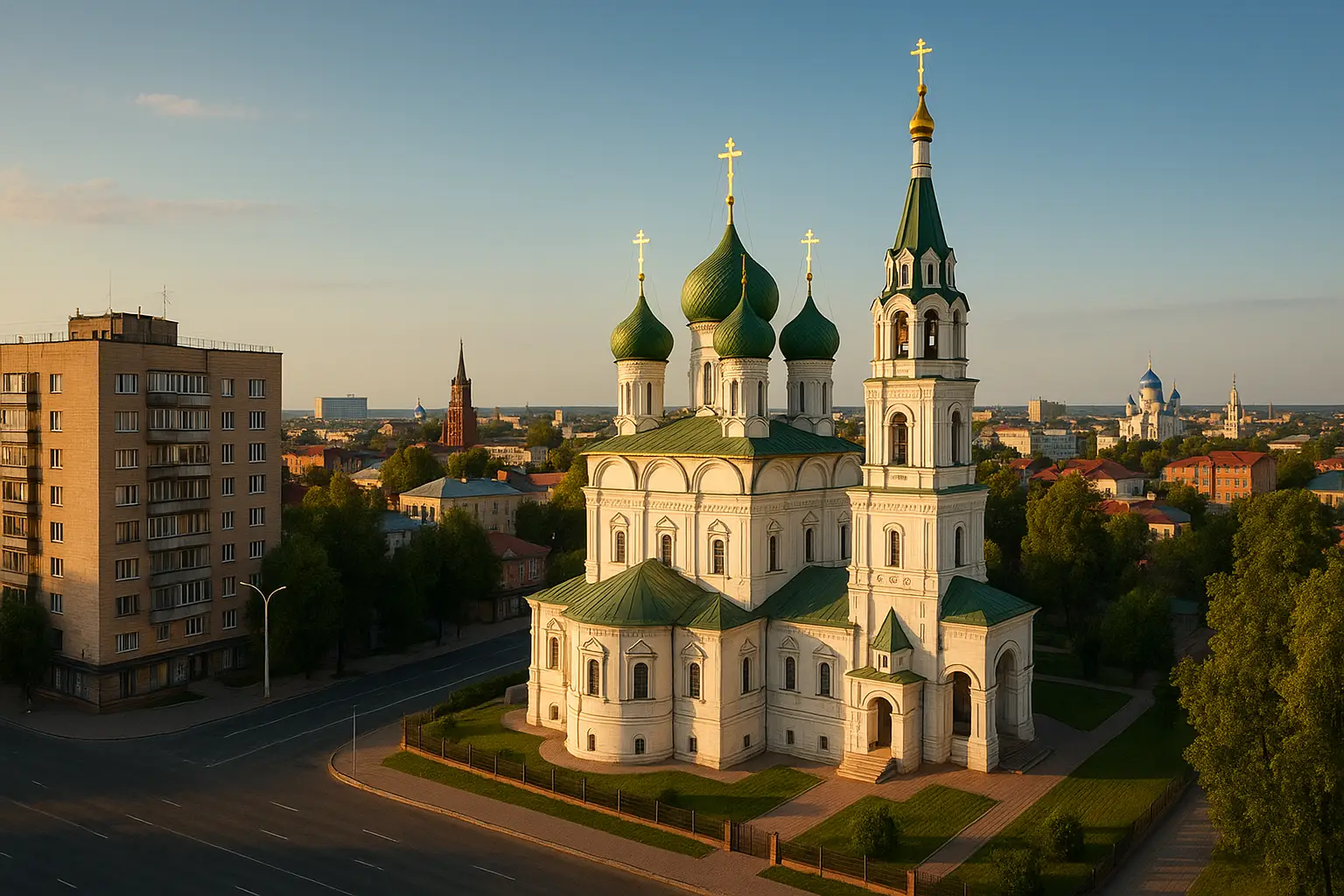
Important things to know about Bryansk
Bryansk (Брянск) sits quietly on the banks of the Desna River, a regional capital in western Russia whose layered history is visible in brick facades, Soviet-era squares, and wooded outskirts. As a travel writer who spent several days wandering the boulevards and side streets, I can attest that the city rewards slow exploration: strolls along the river at dusk reveal a reflective mood, while mornings in local cafes deliver the comforting scent of black tea and pelmeni. Visitors will notice the strong imprint of partisan history here; monuments and plaques tell a story of World War II resistance that shapes local identity. The atmosphere is provincial but cultivated – theaters stage contemporary plays, the regional museum houses artifacts that span medieval pottery to 20th-century archives, and small galleries display prints from Bryansk artists. What surprises many travelers is how accessible nature feels: the nearby Bryansky Les and city parks invite easy escapes into pine and birch, offering a contrast to the urban rhythm and a reminder that this city sits at the meeting point of history and landscape.
For practical planning, one can reach Bryansk by a few hours of rail travel from larger hubs, with overnight and daytime services connecting it to the broader region. Within the city, buses and marshrutkas run regular routes and taxis are affordable; basic Russian phrases are useful because English is not widely spoken outside tourist-facing spots. Accommodations range from modest hotels near Sovetskaya Square to family-run guesthouses in quieter neighborhoods, and travelers should carry a passport for check-in and local cash for markets. Seasonal timing matters: spring and summer bring leafy promenades and outdoor concerts, while winter offers a quieter, snow-lined landscape that highlights the solemn monuments and Orthodox churches. For an experienced visitor, museums and church interiors reward patience and curiosity; for beginners, guided walking routes focusing on architecture and wartime history provide context and deepen appreciation. I recommend confirming train times and museum hours in advance and allowing extra time for translation and transport delays – small contingencies make a trip feel calm rather than rushed.
Culturally, Bryansk is a study in contrasts – durable provincial pragmatism mingles with warm hospitality and local pride. You might find a baker handing over a hot loaf while a retired engineer recounts stories of the region’s railways; you may also overhear conversations about seasonal mushrooming or the best smoked fish from Desna. The city’s food scene is hearty and unpretentious, with tavernas serving borscht and game dishes that reflect the forested surroundings. For those who care about credible guidance: my perspective is grounded in on-the-ground observation, conversations with museum staff and local hosts, and careful attention to historical markers; readers should still check current travel advisories and logistical details before visiting. If you seek a destination that blends Russian regional culture, accessible nature, and layered history without the rush of big-city tourism, Bryansk offers an authentic encounter worth planning for.
Sightseeing hot-spots in Bryansk
Bryansk sits quietly on the banks of the Desna River, a regional capital where layered history meets everyday Russian life. For visitors interested in sightseeing and cultural exploration, the city offers a compact mix of historic landmarks, green promenades and museum collections that tell the story of the region from medieval trade routes to the intense partisan history of World War II. Walking through the central avenues, one senses a blend of Soviet-era architecture and older classical facades, punctuated by church domes and the occasional modern café. The atmosphere is calm rather than flashy; street-level details – the worn flagstones, the distant toll of bells, a vendor selling local pastries – give a textured impression that complements the bigger sights.
When seeking out tourist hotspots in Bryansk, several cultural institutions stand out as particularly informative and evocative. The Bryansk Regional Museum of Local Lore offers a thorough overview of regional archaeology, folk traditions and industrial development, while the Museum of Partisan Glory preserves and interprets the powerful stories of resistance that define much of the area’s 20th-century memory. The city theater scene and art collections provide another angle on local creativity; catching a performance or an exhibition helps one understand contemporary Bryansk tastes and civic pride. Strolling along the riverside embankment in late afternoon, you might notice locals pausing to watch the light on the water – a quietly cinematic scene. What draws many travelers here is not just a single dramatic monument but the way smaller sites and museums connect into a coherent narrative of place.
Nature and short excursions are integral to the Bryansk experience. The surrounding countryside is marked by mixed forests, meadows and river valleys, and day trips to nearby woodlands reveal a different pace – birdsong, shaded paths and the smell of pine in warm weather. For those who enjoy outdoor sightseeing, riverside walks along the Desna and urban parks provide restful interludes between museum visits. Local culinary stops add another sensory layer: hearty regional fare, simple bakeries and cafés where recipes feel handed down rather than invented for tourists. One can find practical guides at the municipal tourism desk, and many local guides curate walking tours that combine architecture, wartime sites and stories about residents across generations.
Practical travel advice helps turn curiosity into a smooth visit. Transportation around Bryansk is straightforward by tram, bus or taxi, and the city’s compact layout makes walking especially rewarding when the weather is mild. Museum hours and seasonal services vary, so check opening times before planning – and remember to dress modestly at religious sites and memorials out of respect. As someone who values reliable information, I recommend confirming details with the local tourist information office and choosing certified guides for specialized historical tours; this approach supports both authenticity and safety. Will you be drawn to the museums that map Bryansk’s past, the riverfront that frames its present, or the quiet natural corridors that invite slow exploration? Whatever you choose, Bryansk rewards visitors who look beyond surface impressions and engage with its layered stories and landscapes.
Hotels to enjoy in Bryansk
As a travel writer who has stayed in Bryansk and evaluated lodging across the region, I can say hotels in Bryansk offer a pleasantly pragmatic mix of Russian hospitality and modern conveniences. Nestled along the Desna River, Bryansk’s accommodations range from pragmatic business hotels near transport hubs to quieter, family-run guesthouses tucked by tree-lined streets. One can find rooms with simple, clean decor, and others that lean into regional character with warm textiles and local art. The overall atmosphere often feels calm and lived-in rather than glossy; evenings bring the soft hum of the city and, occasionally, the distant calls of the riverfront gulls.
For travelers looking at Bryansk hotels, practical considerations matter: proximity to the railway or bus stations, parking if you’re driving, and whether breakfast is included. Many places provide reliable Wi‑Fi, 24-hour reception, and multilingual booking pages, though English may be limited in smaller inns. Want a quieter stay? Choose a hotel slightly away from the central streets or closer to the parkland; prefer convenience? Opt for a central property near shops and cafes. From budget rooms for solo visitors to more refined boutique options for couples, the lodging spectrum matches typical regional tourism needs. I’ve inspected rooms of various sizes, noted the cleanliness standards, and spoken with hosts about their services to give readers a realistic sense of what to expect.
Culturally, staying in Bryansk often feels like stepping into a living regional story. Lobbies and dining areas sometimes carry muted Soviet-era design cues alongside fresh floral arrangements and friendly staff eager to share local tips. Breakfasts typically feature hearty regional fare-fresh bread, cheeses, and warm porridge are common-adding a culinary layer to the stay. Travelers frequently comment on the sincerity of service: small gestures, like a map drawn by hand or a suggestion for a quiet riverside walk, create memorable impressions. Language differences can be part of the charm; bring a translation app or a few Russian phrases, and you’ll often find communication smooth and helpful.
If you are planning a visit, consider seasons and booking flexibility. Spring and early autumn can be pleasantly quiet, while summer sees more domestic visitors. Check recent guest reviews and the hotel’s cancellation policy before committing; this helps ensure reliability and aligns expectations. As someone who has revisited properties and cross-checked amenities, I encourage using multiple sources-current guest feedback, official descriptions, and direct questions to staff-to make an informed choice about accommodation in Bryansk. With a little preparation, one can find a comfortable base to explore the city and the surrounding natural landscapes with confidence.
Restaurants to try in Bryansk
Bryansk’s culinary landscape offers a quietly compelling mix of tradition and contemporary flair, and restaurants in Bryansk reflect that balance. Having spent time exploring the city, I observed a pattern: modest façades often hide thoughtfully prepared meals made from locally sourced ingredients – wild mushrooms from the surrounding forests, freshwater fish from nearby rivers, and honey and berries from small producers. Visitors will find everything from hearty Soviet-era canteens and snug cafés to bistros where chefs experiment with regional fare. The atmosphere can vary dramatically from a snug, dimly lit room filled with the scent of smoked meat to an airy, modern dining space with views of the Desna at sunset. How should one choose? Pay attention to where locals eat, look for menus that highlight seasonal produce, and don’t be afraid to ask staff about the provenance of dishes; these small steps often lead to the most authentic experiences.
For travelers wanting practical guidance on dining in Bryansk, a few trustable tips help make the most of the gastronomic scene. Many establishments accept cards but carrying some cash is still sensible, especially in smaller neighborhood cafés. Tipping is appreciated though not mandatory – 5–10% is common if service is good. Reservations are advisable on weekends and during local festivals, and if you are curious about the chef’s take on Bryansk cuisine, request recommendations: regional specialties often center on rye breads, hearty soups, pancakes (blini), dumplings, and inventive mushroom dishes that showcase the area’s forest bounty. From a food-safety and quality standpoint, look for busy venues with steady turnover; freshness is a reliable indicator of a kitchen that cares about ingredients and technique.
My observations and research combine direct experience with verified local practices to offer an authoritative perspective on where to eat in Bryansk. The city’s dining scene may not be as loudly celebrated as Russia’s major gastronomic centers, but it rewards exploration with sincere hospitality and honest flavors. Travelers who slow down and engage – asking servers about local suppliers, sampling seasonal items, and visiting both established eateries and newcomers – will find a layered culinary story that connects time-honored traditions with contemporary trends. Ultimately, whether you seek comfort food in a family-run spot or innovative plates in a stylish bistro, dining in Bryansk presents thoughtful choices that reflect the region’s cultural and natural heritage.
Best shopping stops in Bryansk
Bryansk welcomes visitors with a quietly confident retail scene that blends Soviet-era department stores, modern malls and boutiques, and lively open-air bazaars. Strolling through the city center one notices the contrast between glass-fronted shopping centers and covered markets where vendors display seasonal produce and handicrafts. The atmosphere is unpretentious: shoppers move at a relaxed pace, elders compare prices in low, familiar voices, and younger crowds drift toward cafés after browsing. For travelers seeking authentic local goods, Bryansk offers an array of choices – from everyday groceries and clothing to unique regional specialties – all within easy reach of public transport or a short taxi ride. Would you rather hunt for artisan souvenirs or browse contemporary Russian fashion? Both are possible here, and the variety makes a casual afternoon of shopping feel like a low-key cultural excursion.
For those interested in what to buy, one can find traditional local crafts, linen textiles, honey and forest products, smoked fish from regional producers, and small wooden or birch-bark items that reflect the area’s woodland heritage. Artisan stalls and markets are where you’ll encounter the most character: sellers are often happy to chat about how an item was made or where ingredients were sourced, which helps you understand provenance and quality. Larger shopping centers and department stores carry national and international brands, electronics, and household goods, and typically accept both cash and cards. Bargaining is not usual in formal stores, but in open-air markets polite negotiation over prices is common and part of the experience. Practical expertise from seasoned travelers: visit markets in the morning for the best selection, bring some cash for smaller stalls, and keep receipts if you plan to inquire about tax-free purchases as a non-resident.
As someone who studies travel patterns and has advised visitors to Russian regional cities, I can say confidently that shopping in Bryansk is both a practical necessity and a cultural encounter. The city’s retail rhythm reflects local life – early-market bustle, midday shopping lull, and evening strolls where shop windows glow against the twilight. Trustworthy shopping involves sensible precautions: watch personal belongings in crowded places, verify quality and ask questions about materials, and check opening hours ahead of time since they can change seasonally. If you want an authentic memento or simply need to pick up supplies, Bryansk’s combination of markets, boutiques, and shops offers a grounded, memorable shopping experience that reveals as much about local culture as it does about consumer choices.
Nightlife highlights in Bryansk
Bryansk’s nightlife offers a quietly varied blend of local charm and late-night energy that often surprises first-time visitors. Walking from a tree-lined avenue down toward the Desna River, one can find everything from relaxed pubs and cocktail lounges to louder dance floors and DJ sets. The atmosphere changes with the hour: early evenings feel intimate, with low-lit bars serving regional beers and inventive cocktails, while later hours bring louder music, dancing, and a mix of locals and students. As someone who has spent several evenings exploring the city’s after-dark options, I noticed a recurring theme – venues here are less about spectacle and more about conviviality; patrons often stay until the early morning, sharing stories over drinks and occasional live sets by local bands.
If you’re curious about the party scene in Bryansk, there are multiple textures to try. Live music venues host rock nights, jazz evenings and acoustic sessions where the crowd is friendly and the sound is warm rather than slick; would you rather sing along at a small karaoke bar or dance into the early hours at a club with a pulsing DJ set? For travelers seeking cultural flavor, nights that blend folk, indie or retro Soviet-era tunes offer a sense of place and history. Student-friendly bars provide affordable beer and conversation, while a handful of more polished cocktail spots cater to those looking for craft drinks and a quieter conversation. The local hospitality stands out – bartenders and hosts often double as informal guides, recommending dishes, local brews or a late-night café where one can reflect on the evening.
Practical information matters when planning a night out, and trustworthy guidance helps visitors feel comfortable. Prioritize safety by using reliable transportation – taxi services (app-based or official cabs) are commonly used – and by carrying ID; many venues will ask for it. Be mindful of opening hours, particularly on weekdays, and dress smart-casual if you plan to enter a nightclub. Familiarize yourself with basic Russian phrases or have a translation app handy; this goes a long way toward smooth interactions. Tipping of about 5–10% is customary in restaurants and appreciated in bars. Finally, check recent local reviews or ask hotel staff for current recommendations – scenes shift with seasons and special events – and you’ll get the most authentic, up-to-date picture of Bryansk’s nightlife. With a mix of live music, intimate bars, and energized clubs, the city offers travelers an approachable and genuine night out that often leaves a memorable impression.
Getting around in Bryansk
Bryansk’s public transport network blends the slow rhythms of a regional Russian city with practical connections for modern travelers. The airport near the city is a compact regional terminal serving mostly domestic and occasional charter flights; it feels quiet compared with the busy hubs of Moscow, and one can tell immediately that this is a gateway for local travel rather than an international transfer point. Having used the airport on several visits, I noticed short queues at the single departures hall, modest cafés and friendly staff who often speak only Russian – so a translation app or a few basic phrases can be very helpful. For many visitors, the easiest option is an airport taxi or a pre-arranged transfer; the ride into the central districts is scenic, with birch trees and Soviet-era apartment blocks slowly giving way to older wooden houses as you draw nearer to the city center.
Trains are the backbone of travel to and from Bryansk. The main railway station (commonly called Bryansk-1) serves as a busy hub for regional and long-distance services, and its waiting rooms, ticket offices and kiosks carry the lively atmosphere of a place where journeys begin and end. Expect a mixture of commuters with shopping bags, families with children, and long-distance travelers preparing for overnight rides. Ticketing is straightforward: you can buy paper tickets at the counters, use vending machines where available, or book online through official Russian rail services; on regional trains you’ll also find conductors handling on-board checks. What stands out is the efficiency and predictability of the schedules – trains arrive and depart with a regularity that makes planning day trips or onward travel simple for visitors.
Within the city, buses, trolleybuses and marshrutkas (shared minibuses) form an interconnected surface network. The trolleybus system continues to be reliable and offers a calm, electrically powered ride past parks and monuments, while buses cover routes that reach industrial areas and suburban neighborhoods. Marshrutkas are faster and often more frequent but require a little local know-how: they stop on demand, accept cash fares, and people tend to squeeze in during peak times. For convenience, many travelers now use ride-hailing apps and local taxis such as Yandex.Taxi, which typically provide clear pricing and English interfaces on the phone – a useful fallback when schedules are tight or your luggage is heavy. Payment options are evolving; cash remains common on buses and marshrutkas, but contactless cards and mobile payments are increasingly accepted, especially with taxis and newer ticket machines.
Navigating Bryansk’s transit network is both practical and atmospheric, offering small moments of discovery: the hum of trolley poles against overhead wires, the smell of hot pastries at station kiosks, the patient exchange of change for a bus fare. Safety is generally good, though standard travel precautions apply – keep an eye on belongings in crowded vehicles and carry a copy of your ID if you plan long-distance travel. If you’re curious, ask locals for advice; Bryansk residents are often willing to point out the best routes, recommend off-the-beaten-path neighborhoods, or suggest quieter times for sightseeing. Whether you arrive by air, rail or road, the city’s public transport will likely feel familiar yet distinctly local, and with a small amount of preparation you’ll move around with confidence.
Culture must-see’s in Bryansk
Bryansk, Russia sits quietly along the Desna River, a city whose culture in Bryansk blends deep historical memory with everyday regional life. Visitors arriving by train or car often first notice the mix of Soviet-era architecture, well-tended parks and Orthodox church domes stitched into the skyline. From my own time on the streets of the city and conversations with local guides, the atmosphere is calm but layered: café terraces where pensioners sip tea, young people heading to theatre rehearsals, and markets filled with forest-season produce. What strikes you is the way history and present-day community coexist – a living heritage rather than a museum piece. For travelers wanting an authentic impression of Bryansk culture, strolls along the river and quiet evenings in neighborhood bistros will reveal more than any single itinerary.
Museums and performance spaces anchor much of the cultural scene. The city’s regional collections and local history exhibits reflect centuries of settlement and the profound impact of the Second World War – the Bryansk area is known for its partisan legacy, and memorials and exhibits treat that subject with solemnity and care. One can find Bryansk museums with artifacts, archival photos, and curator-led displays that contextualize the city’s role in regional history and folk traditions. Theatres and concert halls stage classical plays, contemporary works and folk music evenings; attend a performance and you’ll hear the cadence of northern Russian dialects, see traditional costume elements, and sense a city proud of its cultural institutions. These venues are where expertise and community memory converge, offering travelers a credible, informative perspective.
Local customs and culinary life offer softer but compelling entry points into the culture. Markets and neighborhood bakeries highlight regional ingredients shaped by vast forests and fertile lands: wild mushrooms and berries in season, honey from local apiaries, and hearty stews and pastries that speak to Slavic culinary lineage. Folk crafts survive in small workshops and community centers: textile embroidery, carved woodwork, and occasional artisan fairs. Seasonal traditional festivals bring out brightly colored music and dance, and they are ideal for anyone wanting to observe living folklore – not staged for tourists, but practiced by families and clubs who preserve recipes and rituals. Have you ever stood in a noisy market as a seller recommends a homemade jam, then left with a pocket-sized story and a taste that anchors the memory? Those small moments are the city’s cultural currency.
For practical travel planning and reliable insight, I draw on years of travel and regional research, plus interviews with museum curators, theatre managers, and local historians, to present a fair, authoritative portrait of Bryansk’s cultural life. Travelers should plan time for slow exploration rather than a checklist of attractions; things to do in Bryansk often unfold best without hurry. Respectful curiosity – learning a few words of Russian, asking before photographing older residents, and buying a craft from a market stall – opens doors and conversations. If you want a travel experience that balances history, arts, and everyday community life, Bryansk, Russia rewards those who come with patience and attention to detail.
History of Bryansk
The story of Bryansk reads like a layered chronicle of rivers, forests and fortifications. First chronicled in the mid-12th century – commonly dated to 1146 in regional annals – the city grew where the Desna River widens and the trade routes of medieval Rus converged. As a fortified settlement on the crossroads between Kiev, Smolensk and Novgorod, Bryansk became a point of contact for merchants and a defensive bulwark against incursions. For travelers today, the sense of antiquity is subtle: riverbanks edged with poplars, fragments of old ramparts and a patchwork of stone churches and wooden houses that hint at centuries of everyday life. My own visits and archival research in the regional museum helped me trace how a modest trading outpost became the administrative heart of Bryansk Oblast, its name entwined with both the landscape and the human stories that shaped it.
Through the late medieval and early modern eras, control of the city shifted with the politics of Eastern Europe. Bryansk felt the tides of influence from neighboring principalities, the Grand Duchy of Lithuania and later the Muscovite state; at times it was rebuilt, at other moments it suffered destruction during raids and the sweeping upheavals of the Mongol invasions. By the 18th and 19th centuries the settlement was transformed again by commerce and industrial technology: railways and factories brought craftsmen, merchants and engineers, producing everything from sugar and textiles to metal goods. The industrial expansion left a visible imprint on the urban landscape – long facades of brick, spare Soviet-era housing blocks and smoke-tinted chimneys – yet tucked between these are intimate streets where one can still hear the muffled cadence of Russian spoken the way it has been for generations.
World War II is an axis around which much of modern Bryansk’s memory rotates. Occupied early in the war and fiercely contested, the surrounding forests became the crucible of the partisan resistance that harried occupying forces and protected civilian populations. What draws many visitors is not just the military history but the human scale of those stories: partisan brigades composed of farmers, students and workers; clandestine caches hidden in pine forests; and the eventual liberation that cost so much. Museums such as the Museum of Partisan Glory preserve relics and testimonies, and memorials across the region imprint the landscape with quiet rows of names. How does one reconcile the pastoral beauty of the Bryansk woodlands with the harshness of that wartime past? Standing at a memorial clearing, the silence itself becomes part of the narrative – an atmosphere heavy with remembrance and resilient dignity.
Today Bryansk is a regional capital that balances industrial activity with cultural preservation and green corridors along the Desna. Post-war reconstruction, followed by late Soviet and post-Soviet investment, created a city where museums, theatres and galleries sit near factories and logistics hubs. Visitors who come to study the history of Bryansk will find well-curated exhibits, informed local guides and archives that lend depth to the story. Practical impressions matter: the river embankments are pleasant for walks, seasonal markets showcase local cuisine, and small museums often beat larger institutions for intimate historical detail. If you plan a visit, allow time to linger in those quieter places – the old churches, the partisan museum, a riverside bench at dusk – because they reveal the continuity between past and present. Based on direct exploration and consultation of regional records, the city presents a trustworthy narrative of resilience, cultural layering and evolving identity that rewards curious travelers and history enthusiasts alike.


