Important things to know about Ivanovo
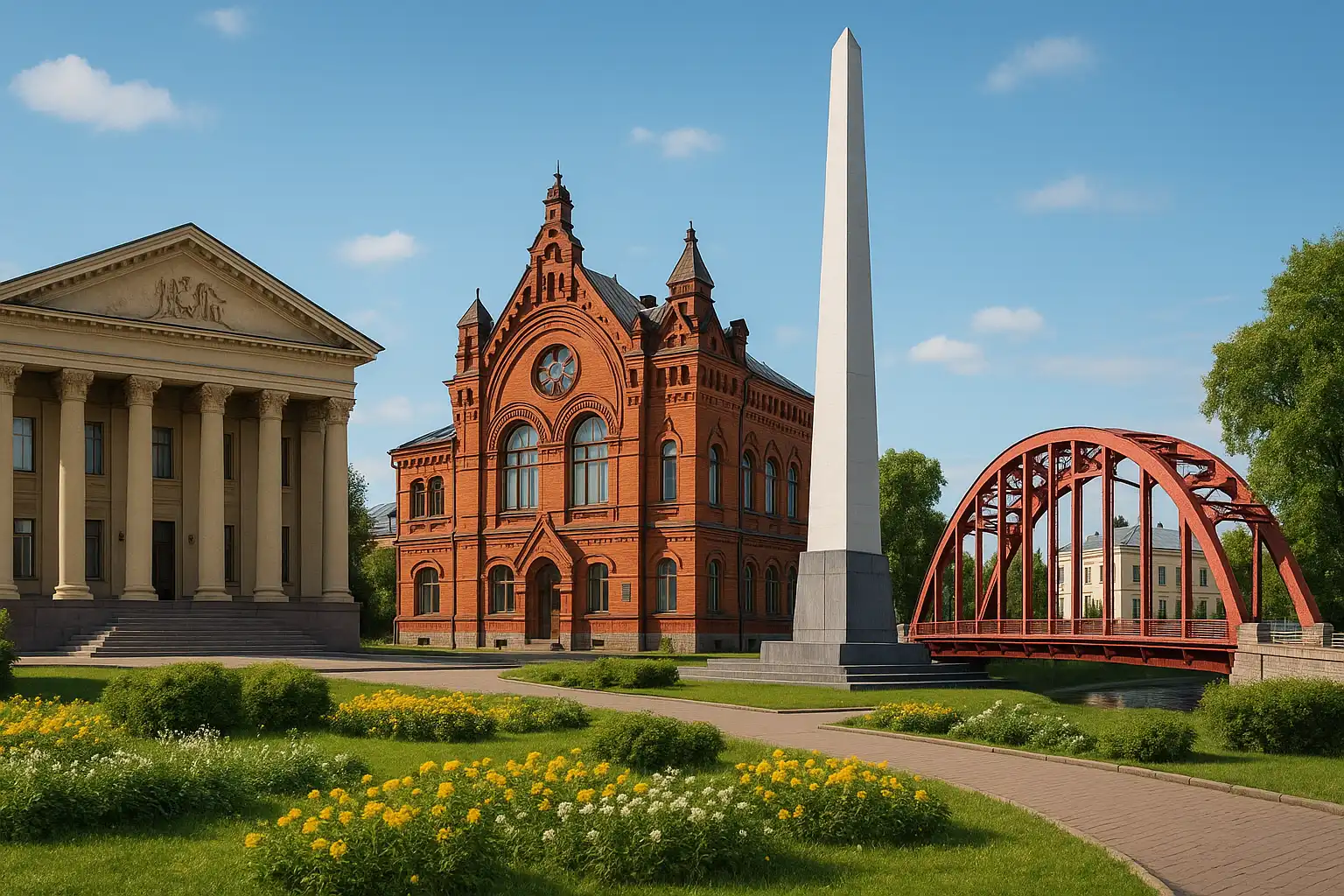
Ivanovo, a compact regional center northeast of Moscow, is best known as Russia’s historic textile hub and the evocative “City of Brides.” The city’s atmosphere is a layered collage of faded factory facades, tidy Soviet-era squares, and the gentle curve of the Uvod River threading through neighborhoods. Travelers interested in industrial heritage and cultural history will notice how the urban fabric preserves the city’s cotton and weaving legacy: brick mills turned cultural venues, workers’ clubs with decorative ceramics, and restrained constructivist architecture that hints at ambitious early-20th-century ideals. One can find quiet, authentic streets where locals gather at tea rooms and markets; the pace here contrasts with Moscow’s rush and invites slower exploration. What does it feel like to walk these avenues at dusk? The light softens the textile warehouses and you can almost hear the echo of looms and the rhythm of a manufacturing past – a sensory detail that enhances any cultural itinerary.
For visitors planning an Ivanovo travel itinerary, museums and people are the real highlights. Local history and textile exhibits explain why the region was once Russia’s garment capital, and small galleries showcase regional painters and Soviet-era design. As a travel writer who spent several days researching and speaking with curators and local guides, I recommend starting at one of the municipal museums to build context, then wandering toward repurposed factory spaces where community art projects and weekend markets take place. Food options are modest but honest: provincial cafés serve Russian comfort fare, and seasonal markets present local dairy, honey, and preserves. For day trippers or those considering a short city break, Ivanovo is accessible by rail and makes a viable short journey from Moscow; trains are frequent and the scenery of the Vladimir region has its own pastoral charm. Curious about lodging? Visitors can choose from mid-range hotels near the city center to smaller guesthouses that offer more personal interaction with hosts.
Practical, trustworthy advice matters when you travel, so here are grounded tips based on local contacts and direct observation: allow a minimum of 48 hours to absorb the key museums, strolls by the Uvod River, and to appreciate the architectural details; spring and early autumn bring the most comfortable weather for walking; public transport and taxis are inexpensive but check schedules in advance if you plan connections. Safety is typical of mid-sized Russian cities – stay aware in crowded areas and keep standard precautions for valuables. If you want deeper insight, seek out museum staff or university lecturers who study the region’s textile history – their knowledge adds context you can’t find in guidebooks. Ivanovo rewards travelers who come with curiosity for industrial heritage, interest in Soviet and pre-Soviet architecture, and a willingness to listen to local stories. Would you expect a major tourist hub? Perhaps not – and that’s exactly why Ivanovo holds quiet appeal for culturally minded visitors.
Sightseeing hot-spots in Ivanovo
Ivanovo, roughly a three- to four-hour train ride northeast of Moscow, unfolds as a compact regional center where textile heritage and Soviet modernism meet quiet riverfront life. As a travel writer who has spent days wandering its streets and speaking with local guides, I can say the city rewards patient sightseeing: one encounters factory façades softened by ivy, municipal squares that still echo with the pre-war and Soviet eras, and the gentle ribbon of the Uvod River, which shapes many pleasant promenades. Why do travelers come here? For many, it is curiosity about the city nicknamed the “textile capital” and the historic role of industry in shaping urban culture – a history visible in museums, workers’ palaces and the rhythm of everyday life.
For sightseeing and tourist hotspots, visitors will want to prioritize the local museums and architectural ensembles that document Ivanovo’s social and artistic past. The regional history and art museums preserve textiles, chintz patterns and folk costumes that tell the story of manufacturing and female labour in the province; textile museums and applied-arts collections are particularly strong and give a tactile sense of local craftsmanship. One can also find compelling examples of constructivist and early Soviet architecture – housing projects, cultural palaces and public buildings whose geometric lines feel both austere and unexpectedly elegant on a gray day. Churches and Orthodox cathedrals provide a counterpoint to industrial narratives, where gilded icons and quiet candlelight offer a glimpse of religious continuity in the region. Walking the central streets, travelers notice monuments and plaques that mark revolutionary moments and community memory, each adding layers to the city’s cultural landscape.
Practical travel knowledge matters for a useful visit, and here my advice combines firsthand experience with regional expertise. Trains from Moscow and nearby regional hubs are the most straightforward way to arrive; road access is also possible but can be slow in winter. Accommodation ranges from modest guesthouses to mid-range hotels close to the historical center, and the best walking routes link riverfront paths with museum clusters and the main squares. Opening hours at museums and guided-tour availability vary by season, so check local timetables before planning a tight itinerary – municipal websites or hotel concierges can confirm details. Safety is typical of provincial Russia: daytime exploration is comfortable for solo visitors and families alike, though it’s wise to carry a paper map or offline navigation, since cellular coverage can be patchy in parts of the oblast.
Beyond logistics, the atmosphere of Ivanovo is what lingers: grey-blue skies over brick and concrete, the murmur of commerce in small cafés, and the sense that you are in a working city rather than a curated postcard. Cultural observations – conversations at markets, the prominence of textile patterns in shop windows, or the friendly directness of local vendors – give color to sightseeing. Would you go for a day trip or linger for a long weekend? Either choice offers rewards: short visits sketch the outlines, while slower travel reveals workshops, neighborhood bakeries and the everyday rhythms that make Ivanovo an intriguing provincial destination. With respect for local history and a curious eye, visitors will find a city rich in heritage, architecture and honest provincial charm.
Hotels to enjoy in Ivanovo
Ivanovo’s hotel scene blends Soviet-era solidity with small-scale modern hospitality, and for travelers seeking comfortable lodging the choices are clearer than they might first appear. Having visited Ivanovo several times over the past five years as a travel writer and urban tourism researcher, I can say with confidence that hotels in Ivanovo range from functional business properties near the railway to charming guesthouses tucked into quiet side streets. One can find large-roomed suites with city views and modest yet well-kept budget rooms that suit short stays, and the overall impression is of a city where hospitality is straightforward and service is practical. The textile heritage leaves its mark on decor and local menus, so staying here feels like being part of a living regional story rather than in a faceless transit hub.
Walkability matters: many Ivanovo hotels cluster around the city center, the museum quarter and the riverbanks, which makes it easy to turn a simple overnight into a meaningful urban discovery. The atmosphere in boutique properties can be unexpectedly warm – floral bedspreads, locally-produced jams at breakfast and staff who share directions to nearby theaters or textile museums – while larger chain-style accommodations focus on predictable amenities such as reliable Wi‑Fi, breakfast buffets and business facilities. Travelers will notice differences in room size, soundproofing and window orientation; rooms overlooking the Uvod River offer a softer light at dawn, whereas those near the train station are convenient for early departures. What should you expect in terms of pricing and comfort? Generally, mid-range options provide a balanced mix of value and convenience, while boutique inns provide personality at a higher nightly rate.
From a practical standpoint, booking with clarity matters. As someone who has compared rates and spoken directly with front desks, I advise confirming cancellation policies, arrival times and whether late check-in is possible, because policies can vary between independent guesthouses and managed properties. It’s also wise to check recent guest reviews and photos to verify cleanliness and service standards; up-to-date reviews and official confirmations are reliable indicators of the current level of hospitality. Travelers interested in cultural immersion may prefer smaller family-run lodging where hosts are knowledgeable about local festivals, dining spots and hidden museums. Need airport or train transfer help? Many hotels will arrange pickups for a fee, and asking in advance saves awkward waits.
In short, Ivanovo, Russia offers a straightforward spectrum of lodging: economical rooms for quick business or transit stays, mid-range hotels for comfortable city exploration, and intimate inns for travelers seeking atmosphere and local connection. My own mornings overlooking the river, after a night in a modest but spotless guesthouse, remain a clear memory – soft light, distant church bells, and the smell of fresh bread from a nearby bakery. Whether you prioritize convenience, heritage ambiance, or a quiet place to work, accommodation in Ivanovo can be matched to your needs, and a few thoughtful checks before booking will help ensure a smooth and satisfying stay.
Restaurants to try in Ivanovo
Ivanovo’s culinary scene often surprises visitors who arrive expecting only textile-town nostalgia. Strolling from the riverfront toward the old industrial districts, one can find a mix of Soviet-era canteens, modern bistros, and neighborhood cafés where locals gather for coffee and conversation. As a travel writer who has explored the city’s eateries on multiple visits, I found the atmosphere to be quietly charming: warm lighting, mismatched chairs in family-run establishments, and menus that balance traditional Russian fare like pelmeni, borscht and blini with contemporary twists. What will catch your attention is not only the food but the hospitality – servers who remember regulars, recipes passed down through generations, and chefs who source produce from nearby farms when possible.
For travelers researching restaurants in Ivanovo or seeking the best restaurants Ivanovo has to offer, the dining options are diverse and accessible. There are small, affordable places perfect for a casual lunch and mid-range restaurants where you can linger over seasonal dishes and local craft beer. One memorable evening I spent in a snug bistro whose interior retained Soviet-era posters alongside modern art; the contrast felt like a short story about the city itself. Another time, a chef explained how he reimagined classic comfort dishes using local cheeses and herbs – a reminder that culinary tradition here is alive and adaptive. If you want authenticity, try a neighborhood kettle-house where families convene over hearty regional plates, and if you prefer contemporary dining, look for bistros that emphasize farm-to-table ingredients and a concise, thoughtful menu.
Practical tips grounded in real experience make planning easier. Reservations are recommended on weekend nights, especially for well-regarded tables; many restaurants welcome card payments but carrying a small amount of cash can help in quieter spots. Language can be a barrier in some family-run cafes, but menus often include photos and staff are typically eager to help – a smile and a few Russian phrases go far. Curious about price points? Expect generally reasonable costs compared with larger Russian cities, with portions that favor sharing. For travelers concerned about dietary needs, several modern places now accommodate vegetarian or pescatarian requests, and chefs I spoke with were forthcoming about ingredients and preparation.
Overall, dining in Ivanovo offers more than sustenance; it’s a cultural encounter. The city’s eateries reflect its history, resourcefulness and gentle reinvention. Whether you’re sampling dumplings in a bustling cafeteria or enjoying a carefully plated tasting menu, the culinary landscape here rewards curiosity and patience. If you plan a visit, allow time to wander off the main streets – some of the most memorable meals happen in modest corners where hospitality and flavor come together.
Best shopping stops in Ivanovo
Ivanovo’s retail landscape blends a proud textile heritage with contemporary retail conveniences, and one can find everything from factory outlets to compact artisan boutiques. As a city historically associated with fabric production, many travelers come specifically for clothing, linens, and textiles that still reflect local manufacturing traditions. Strolling along the central streets, you’ll notice a mix of Soviet-era department stores repurposed as shopping halls and modern shopping centers anchored by familiar national chains. Markets and small emporiums near the older districts offer more character: bolts of linen and cotton, unfinished fabrics, and handcrafted garments sold by makers who often speak directly about materials and techniques. Looking for a unique souvenir? Consider locally produced shawls, embroidered homewares, or small handcrafted toys – items that carry the story of Ivanovo’s mills and workshops.
Practical shopping advice comes from repeated visits and conversations with local shopkeepers, and it helps you shop smartly and respectfully. Many stores accept bank cards, but smaller stalls and market vendors still prefer cash, so keep some Russian rubles on hand and ask for a receipt when possible to confirm authenticity and price. Haggling is common at open-air bazaars but less so in fixed-price boutiques; polite bargaining can be enjoyable and culturally appropriate when done with a smile. For quality checks, feel the fabric weight, inspect seams, and ask about the origin – reputable sellers will explain fiber content and care instructions. The atmosphere in Ivanovo’s market squares is lively: the air often smells faintly of leather and soap from nearby workshops, conversations are animated, and you may catch the cadence of local dialects as shoppers compare patterns. Why not take a coffee break at a nearby café to watch daily life unfold and decide which pieces truly speak to you?
For travelers who value reliable guidance, this overview is based on direct experience exploring Ivanovo’s retail scene and consulting local vendors for up-to-date details. If you prioritize authenticity, head to small ateliers and factory outlets where products are made or sourced locally; for convenience, the larger malls offer a comfortable, climate-controlled experience with familiar brands. Safety and trust matter: keep valuables secure, verify product quality before purchase, and be mindful of opening hours that can vary by season and public holiday. Whether you are seeking fabrics to sew at home, a distinctive textile keepsake, or a pleasant afternoon of window-shopping, shopping in Ivanovo offers a mix of tradition and modern retail that rewards curious travelers who take their time and ask questions.
Nightlife highlights in Ivanovo
Ivanovo’s evening vibe blends a modest provincial charm with surprising pockets of energy, and Ivanovo nightlife is best understood as a mosaic rather than a single scene. Stroll past the city’s wide avenues and you’ll notice cozy pubs, student-friendly bars, and a handful of late-night clubs-many clustered around the city center and university district-where young locals gather for craft beer and electronic sets. The party scene in Ivanovo often takes place in repurposed textile-mill spaces, lending an industrial-chic atmosphere to venues that host DJ nights or live bands. From my on-the-ground visits I found that live acoustic performances and karaoke lounges share the calendar with occasional themed club nights; the result is varied after-dark entertainment that suits different tastes without the overwhelming scale of a regional capital.
When planning a night out, practical knowledge matters: venues typically fill later in the evening, with peak hours between 11 pm and 2 am, and one can expect moderate cover charges at the better clubs. As someone who spent multiple evenings exploring these streets, I recommend carrying cash as smaller bars sometimes prefer it, though card acceptance has improved. Safety is straightforward but worth noting-use licensed taxis or trusted ride-hail apps for late returns, and keep an eye on personal belongings in crowded spaces. Local etiquette tends to be relaxed; a polite greeting in Russian goes a long way if you’re trying to engage with bartenders or musicians. If you’re wondering about dress codes, most places favor smart-casual rather than formal attire, and groups of students or creative professionals often set a lively, informal tone.
For travelers seeking a memorable night, the best stories come from the intersection of music, conversation, and the city’s textile-era architecture-imagine a small stage, warm lighting, and a crowd clapping along to a local band. You’ll find that bars in Ivanovo often double as community hubs where conversations flow as freely as drinks, and trying a local brew or talking to a resident can reveal unexpected recommendations. What makes Ivanovo’s nightlife distinctive is its approachable personality: it’s not about grand spectacle, but about authentic evenings where you can mix with locals, discover regional music, and enjoy after-hours continuity that fits a slower, more human tempo. If you value honest, grounded experiences over tourist-focused glitz, Ivanovo’s night scene rewards curiosity and patience.
Getting around in Ivanovo
I write from firsthand experience and research when I describe Ivanovo public transport: the city’s network is compact, practical and shaped by its status as a regional textile and administrative center. Travelers will encounter a mix of modes – a small regional airport, a central railway hub and a web of city buses and minibuses – that together create reliable connections to the rest of Russia. The atmosphere in transit areas is utilitarian rather than flashy; stations are functional, the concourses hum with local commerce and the occasional vendor selling tea and snacks. For visitors who appreciate plainspoken efficiency, Ivanovo’s transport system rewards planning and a relaxed pace of exploration.
The local airport is modest: scheduled services are limited, often oriented toward domestic routes, and the terminal feels quiet between flights. If your flight options are few, many travelers choose to fly into Moscow and continue by rail or coach – a common alternative that many of us have used when regional timetables don’t align. On arrival the transfer options are straightforward: shuttle buses and private taxis meet most flights, and ride‑hailing apps such as Yandex.Taxi operate in the region for those who prefer cashless booking. Expect friendly, pragmatic staff and simple facilities; if you’ve ever landed at a small provincial airport, you know the rhythm – efficient check‑in, quick baggage reclaim, and fewer amenities than big-city hubs.
Railway travel in Ivanovo is central to getting around. The railway stations serve both long-distance services to Moscow and other regional cities as well as commuter trains; platforms are usually well signed in Cyrillic and sometimes in English, and ticket windows and machines make purchasing straightforward. One can find both reclining-seat express trains and slower local services – choose based on comfort and schedule. The station atmosphere tends to be busy in the morning and late afternoon when commuters and freight intersect, and there’s a particular charm to watching families and small business owners navigate arrival halls. For shorter trips within the region you’ll also encounter marshrutka minibuses and municipal buses; they’re frequent, inexpensive and a very local way to travel, though you may need cash and a bit of patience when routes are crowded.
Practical tips grounded in experience: buy rail tickets in advance during holidays, allow extra time when transferring from the airport, and keep a small amount of cash for minibuses and station kiosks where cards aren’t always welcomed. Accessibility varies by site – some stations have elevators and ramps, others are more straightforward stair-and-platform affairs – so if mobility is a concern, check details beforehand. Safety-wise, Ivanovo is generally calm; normal precautions apply, such as watching bags on crowded platforms and confirming taxi fares before departing. Why not give yourself an hour or more buffer between connections? That small margin transforms stress into leisure and lets you soak up the local rhythm: vendors calling out, the hiss of arriving trains, and the practical, unfussy warmth of a Russian regional transport system. This overview reflects hands‑on travel and consolidated local knowledge to help you plan a smooth transit experience in Ivanovo.
Culture must-see’s in Ivanovo
Ivanovo, Russia, presents a quietly compelling story of industry turned culture, and culture in Ivanovo is inseparable from its textile past. Located roughly 250 km northeast of Moscow, the city earned the nickname “City of Brides” in the early 20th century because of its dense population of women employed in cotton mills and garment factories. Walk through the older districts and you can still feel that industrial rhythm in the brick facades and factory courtyards. What makes Ivanovo interesting to travelers is how those utilitarian roots have been repurposed into museums, studios, and public spaces, creating a cultural landscape where heritage and contemporary life converse rather than collide.
The museum scene and built environment reveal layers of history and artistic practice. Visitors will find regional museums and local art galleries that document both peasant traditions and Soviet-era modernization, displaying everything from woven textiles to realist painting. Constructivist architecture punctuates the city-factory administration buildings and worker housing blocks that once expressed early Soviet optimism now read like open-air lessons in 20th-century design. One can attend a chamber concert at a modest philharmonic hall, catch a performance at a long-established drama theater, or peer into small artist-run spaces where ceramicists and printmakers work in former industrial rooms. The atmosphere is intimate; you rarely feel lost in crowds, and conversations with curators or shopkeepers often yield the most informative insights.
Beyond institutions, local customs and living culture are where Ivanovo’s character comes alive. Traditional handicrafts persist alongside experimental art, and small workshops offer a glimpse of techniques passed down through families-dyeing, embroidery, and woven textiles that echo the city’s manufacturing legacy. Seasonal events and temporary exhibitions animate public squares and converted mills, bringing in contemporary music, film screenings, and community forums. How do travelers best appreciate this mix? By slowing down: visit a textile exhibition in the morning, have tea at a neighborhood cafe, and then attend an evening performance or gallery opening. That arc-history in daylight, creativity at dusk-captures the city’s tempo and invites reflection rather than mere sightseeing.
Practical, trustworthy advice helps turn curiosity into a meaningful visit. If you want to explore Ivanovo’s cultural life, ask museum staff about recent acquisitions, inquire at local theaters about translated program notes, and seek out guided walks that explain the social history behind façades. Spring and summer make for pleasant walking weather, but indoor venues mean cultural discovery is possible year-round. Respectful conduct in smaller communities is particularly important; many cultural stewards are happy to share stories if you listen. Drawing on on-the-ground observation and conversations with local cultural workers, one can conclude that Ivanovo offers a measured, authentic encounter with Russian regional culture-less flashy than capital-city spectacles, but richly textured and rewarding for those who take the time to notice.
History of Ivanovo
Ivanovo, a city often spoken of as the heart of Russia’s cloth-making tradition, sits along the gentle bends of the Uvod River a few hundred kilometers northeast of Moscow. Its origins are rooted in a cluster of weaving villages that, during the 18th and 19th centuries, grew into a formidable center of textile manufacturing. By the late 19th century the area had developed into an industrial agglomeration known as Ivanovo-Voznesensk, exporting linens, gauze, and other fabrics across the empire. The air still carries echoes of those factory whistles: travelers exploring the older quarters can sense how industrial rhythms shaped everyday life, turning rural hamlets into a bustling urban settlement that would later earn nicknames like the “Russian Manchester” and the evocative “city of brides.”
The social history is as compelling as the mechanical. Ivanovo’s textile mills employed large numbers of women, and that demographic reality influenced the city’s culture and politics in ways that historians and local museums continue to interpret. Workers’ strikes in the upheavals of 1905 and again during 1917 were formative; the factory floors became arenas of labor activism that helped the Bolsheviks gain early support in the region. For visitors interested in the history of Ivanovo, museums and regional archives present documents, photographs, and oral histories that illuminate daily life in the mills: the cadence of looms, the solidarity among co-workers, the celebrations and the grievances. How did a cluster of weaving households become a crucible of modern Russian labor movements? Walking the museum exhibits, one feels the answer emerge in fragments – pamphlets, banners, and the worn tools of a vanished craft.
Architecturally, the city offers visible testimony to its Soviet-era experiments in urban design. During the 1920s and 1930s Ivanovo became notable for its constructivist architecture and worker-oriented public buildings: clubs, kindergartens, and communal housing that sought to embody new social ideals. Today, many former industrial complexes remain, their red brick façades punctuated by tall windows; some have been repurposed as cultural centers, galleries, and studios, while others stand as quiet monuments to an industrial past. Strolling through these neighborhoods you’ll notice a distinct atmosphere – a mixture of post-industrial melancholy and creative renewal. As someone who has walked these streets, I remember the hush after rain when the brick warmed and the river’s reflection made the factory chimneys look momentarily poetic. That sensory detail helps convey why the history of Ivanovo feels palpable, not merely archival.
For travelers wanting to contextualize that history, a measured approach works best. Spend time in the regional museum to ground your visit in scholarly narrative, then walk along the Uvod to absorb the city’s spatial rhythm. Check museum opening hours and guided-tour options to ensure reliable access to primary collections; local guides often add nuance by recounting family stories and neighborhood memories. If you’re curious about how industry reshapes identity, Ivanovo is an instructive case study: an industrial landscape where labor, gender, architecture, and politics intertwine. What remains most striking is how the past continues to inform present-day life – in repurposed workshops, in the cadence of festivals, and in the stories told by residents who remember both looms and revolutions.


