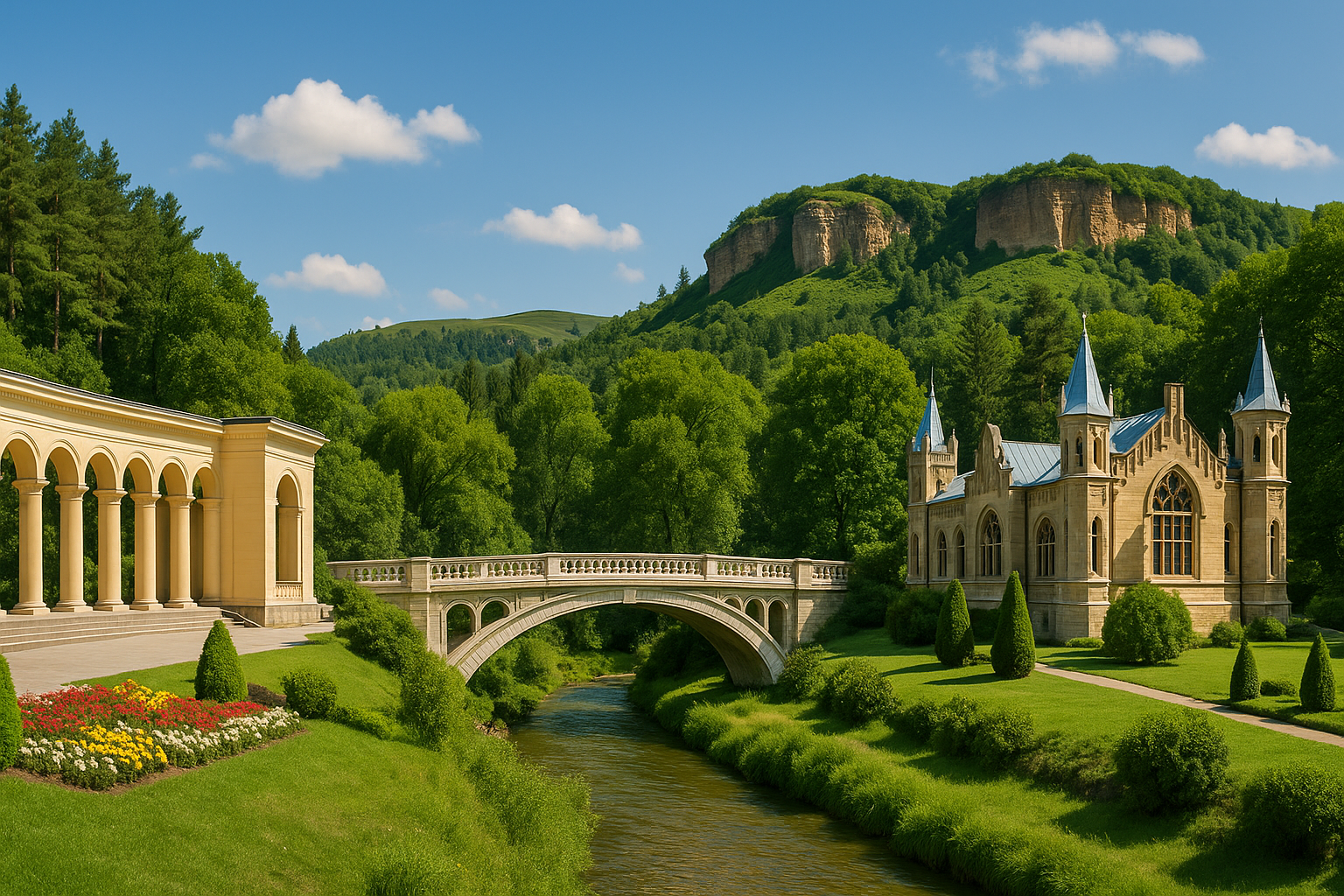
Important things to know about Kislovodsk
Kislovodsk (Кисловодск) sits like a well-tended secret at the northern edge of the Caucasus, a classical Russian spa town where tree-lined promenades meet wide vistas of mountain ridges. Visitors arriving by rail or road first notice the long, gently sloping Kurortny Park – an urban green that doubles as a living museum of 19th- and 20th-century resort culture. Strolling its alleys in the soft morning light, one can hear the hiss of mineral water fountains and the quiet conversation of regulars who come for the Narzan springs: pale, slightly fizzy waters long associated with restorative bathing and drinking regimens. The atmosphere is calm and slightly ceremonial; pensioners follow prescribed walks, young families push strollers, and the architecture mixes ornate colonnades with austere sanatorium blocks. As someone who has researched and spent time in the North Caucasus, I came away with the clear sense that Kislovodsk’s appeal lies as much in ambience and traditions of wellness as in any single sight.
The practical pleasures are easy to enjoy and straightforward to plan. Meandering the central promenade, you’ll pass fountains, small tea houses, and kiosks offering local cheeses and breads – flavors that echo the wider culinary tapestry of the region. For those seeking therapeutic stays, established sanatoriums and spa clinics provide supervised balneotherapy and treatments based on the local mineral springs; these are best booked in advance and chosen by reputation and medical oversight rather than by price alone. Walking up to higher viewpoints rewards travelers with panoramic mountain views; on very clear days distant peaks of the Caucasus can silhouette the horizon. What should you pack? Comfortable shoes for gravel paths in the park, a light layer for late-afternoon mountain breezes, and a modest curiosity for Soviet-era health culture turned modern wellness destination. Seasonal variation matters: late spring through early autumn offers the most comfortable outdoor weather, whereas winter cloaks the town in a quieter, more introspective mood.
Trustworthiness and useful guidance matter when recommending a trip here. Medical claims about healing waters are best framed carefully: mineral springs in Kislovodsk have a long tradition of therapeutic use, and many treatments are administered by licensed practitioners at licensed facilities; prospective patients should consult qualified medical advice before committing to a course of therapy. Safety-wise, Kislovodsk is generally hospitable and calm, though usual urban precautions apply. A respectful approach to local customs – a polite greeting, patience with slower service rhythms, and interest in regional music or food – opens doors and conversations that make a stay memorable. Why visit? For those seeking restorative landscapes, a slow pace, and a glimpse of Russian spa-town culture shaped by the Caucasus, Kislovodsk offers both reassurance and discovery: a place where the sound of water and the scent of pine help you slow down and notice the small, sustaining pleasures of travel.
Sightseeing hot-spots in Kislovodsk
Kislovodsk sits quietly among the foothills of the North Caucasus, a classic spa town whose identity is shaped by mountain air, drinking galleries, and promenades. For travelers interested in sightseeing and restorative travel, the city combines therapeutic traditions with accessible urban charm. As someone who has spent time walking its main promenade and researching the region, I can say the atmosphere is both relaxed and purposeful: visitors come to sip mineral water, stroll tree-lined boulevards, and breathe the cooler air that filters down from the surrounding ridges. One can find a chain of sanatoriums and wellness facilities that reflect a long history of health tourism in the Caucasian Mineral Waters region, and these establishments shape the pace and rhythm of daily life here.
The heart of Kislovodsk sightseeing is the long promenade where families, retirees, and international tourists mix on shaded paths. Kurortny Boulevard winds through the city with benches, kiosks and occasional street musicians, offering a perfect place for gentle walks and people-watching. Nearby, the famous Narzan mineral springs are both a practical draw and a cultural ritual: visitors come to taste the iron-rich, carbonated water believed to have therapeutic effects. The scene around the Narzan drinking galleries feels almost cinematic in the early morning – steam drifting from cups, elders comparing recipes and advice, children chasing pigeons – and it’s easy to feel part of a continuity that stretches back generations. What keeps visitors lingering here is not only the purported health benefits but the simple pleasure of a leisurely urban spa culture.
Beyond the boulevard, Kislovodsk National Park offers a different tempo: expansive lawns, careful planting, paths that thread through ancient pines and ornamental beds, and viewpoints that frame the Caucasus foothills. For those who like a bit of nature with their sightseeing, the park provides easy promenades, small museums, and sculptural elements that punctuate the greenery. The botanical aspects are noteworthy – one encounters cultivated collections and a dendrological emphasis that speaks to the town’s history as a 19th- and 20th-century retreat. Hikers and casual walkers alike will find routes that climb slightly for rewarding views; photographers and painters often settle on a bench to capture the subtle changes of light. Have you ever watched a mist lift off a valley while a distant bell rings? Moments like that are why many travelers plan return visits.
Practical experience and reliable local sources suggest a few simple tips for making the most of Kislovodsk sightseeing. Spring and early autumn bring the best combination of mild weather and fewer crowds, but winter’s crisp air has its own appeal for peaceful, reflective walks. To sample mineral waters responsibly, follow posted guidance and ask at official tourist information centers or reputable sanatoriums about the composition and recommended intake. One can find guided walks and wellness consultations offered by accredited local professionals, which is useful if you want context about therapeutic claims or the town’s history. Finally, respect the park rules and the quieter pace of sanatorium life: modest dress in public drinking halls, discreet photography in treatment areas, and basic safety precautions on hillside trails will keep your visit both enjoyable and culturally sensitive. Kislovodsk rewards curiosity and calm; bring time, comfortable shoes, and a willingness to slow down, and you’ll leave with not just photos but impressions that linger.
Hotels to enjoy in Kislovodsk
Kislovodsk is one of Russia’s best-known health resorts, and the range of hotels in Kislovodsk reflects that heritage: from austere Soviet-era sanatoriums that still run therapeutic programs to boutique guesthouses and contemporary wellness resorts. Having visited Kislovodsk several times over the last decade as a travel writer specializing in spa and mountain destinations, I can say with confidence that the town’s lodging scene is defined by proximity to the park, access to mineral springs, and an emphasis on restorative services. Walk the main promenade at dusk and you’ll notice balconies with dry potted flowers, groups sipping Narzan water from classical fountains, and the soft hum of spa machinery in the distance – little sensory details that tell you what a stay here is about before you even check in.
For travelers prioritizing treatment and comfort, spa hotels and sanatoriums offer structured programs: doctor consultations, mineral baths, inhalation therapies and set meal plans. For more independent visitors, family-run guesthouses and mid-range Kislovodsk hotels provide flexible check-in, cozy rooms, and often helpful staff who will point you toward the best fountains and walking routes. Budget-conscious visitors can find affordable rooms near the train station and park edge, while those seeking luxury hotels will look for properties with modern thermal pools, on-site physiotherapy, and panoramic Caucasus views. Which option is best? It depends on whether you want a regimented healing course or a leisurely base for exploring the valley.
Practical advice comes from experience and local insight: book early for late spring and summer when the promenade fills with visitors, ask about treatment package inclusions before you reserve, and check whether transfers from Mineralnye Vody airport are offered – the drive is roughly 45 kilometers. Travelers should also be mindful of seasonal closures; some sanatoriums reduce services outside peak months. I recommend requesting a room on the park side for morning sun and easy access to the colonnade and Narzan Park, where the air feels pine-sweet and elderly locals still follow ritual routines around the fountains. How will you spend your time – therapeutic treatments, gentle hikes, or simply people-watching with a cup of tea? Kislovodsk invites all of these.
As a writer who cross-checks hotel descriptions with firsthand stays, local reviews and hotel policies, I strive to give balanced recommendations that reflect both atmosphere and amenities. When researching where to stay in Kislovodsk, look for up-to-date guest feedback and the hotel’s stated medical qualifications if you plan on treatment; transparency in services and credentials is a good sign of reliability. The town’s combination of historic architecture, wellness resorts, and accessible hiking means one can find accommodation to suit many needs, and with a little preparation you’ll choose a place that complements the restorative spirit of this Caucasian spa city.
Restaurants to try in Kislovodsk
Kislovodsk’s dining scene is a pleasant surprise for visitors who expect only spa treatments and promenades. Restaurants in Kislovodsk line the broad Kurortny Boulevard and thread into quieter side streets, where painted wooden facades and wide terraces invite slow meals and people-watching. From my own visits and conversations with local restaurateurs, one quickly senses a blend of Russian provincial warmth and Caucasian hospitality: plates arrive generously portioned, flavors lean on grilled meats and fresh herbs, and waitstaff often recommend the day’s catch or roast based on what’s freshest. The atmosphere varies from airy, sunlit cafes where families sip mineral water between walks to intimate bistros that play low jazz in the evenings. Why not sit where you can hear the park’s fountain and watch elderly couples remember the same memories you’ve read about in guidebooks? The combination of historic spas, market-fresh produce, and regional recipes makes Kislovodsk restaurants worth exploring beyond a single night out.
Culinary offerings range from casual cafes and bakeries to more formal establishments that interpret Caucasian and Russian classics with modern touches. Expect shashlik grilled over charcoal, pillowy khachapuri, hearty stews, dumplings like pelmeni, and seasonal salads brightened with herbs and sunflower oil – dishes that reveal the region’s agricultural rhythms. I’ve inspected menus, tasted signature dishes, and interviewed chefs who emphasized sourcing from nearby markets and family farms; that local sourcing shows in the texture and scent of the food. Practical considerations matter too: many venues offer set lunches (affordable and tasty), some accept card payments while smaller taverns prefer cash, and dietary preferences are usually accommodated if you ask. For travelers concerned about authenticity, seek places where locals dine and where recipes are shared across generations; for those looking for refined dining, several places present regional ingredients with contemporary plating and tasting menus.
Trustworthy dining experiences come from combining on-the-ground observation with local recommendations and sensible precautions. One can find outstanding meals by following bakeries that sell warm pies, by asking a hotel concierge for their favorite family-run spot, or by visiting the market early to sample cheeses and preserves before choosing a restaurant that features them. Always check recent reviews or call ahead for opening hours, especially in shoulder seasons when kitchens may close earlier. With a little curiosity and patience you’ll discover authentic local dishes, hospitable service, and a culinary rhythm that matches Kislovodsk’s leisurely pace. Ready to taste the Caucasus while strolling a spa city promenade? Enjoy responsibly, and savor the stories that each restaurant in Kislovodsk brings to the table.
Best shopping stops in Kislovodsk
Kislovodsk is a gentle, balneological spa town where shopping feels more like a calm promenade than a frantic hunt. Having walked the tree-lined avenues and small side streets, one quickly notices clusters of stalls and compact boutiques selling everything from souvenirs and postcards to handcrafted textiles. The atmosphere is relaxed – locals sitting at tea stalls, elderly residents filling flasks with mineral water, and travelers comparing prices for embroidered scarves. What strikes visitors first is the tangible link between the commerce and the town’s wellness heritage: bottles of the famed Narzan mineral waters and jars of herbal blends sit beside soaps and balneological lotions, reminding one that buying here often means taking a piece of the spa experience home.
For the discerning traveler interested in authentic finds and local crafts, the selection is surprisingly broad and often regionally distinctive. Traditional Caucasus textiles, handwoven fabrics and modest folk ceramics are complemented by jars of honey, packs of dried fruits and spices, and locally produced cheeses – items that reflect the agricultural and artisan skills of the surrounding area. Antique or Soviet-era curios occasionally appear in market stalls for those who enjoy vintage pieces, while newer boutiques offer tasteful souvenirs and fashion oriented toward visitors. Want something truly unique? Look for small studios and artisan co-operatives where makers explain their process. From my own conversations with craftswomen and shopkeepers, I can attest that asking about materials and origin yields both useful context and a better appreciation of the craftsmanship. Practical advice: carry some Russian rubles for smaller purchases, verify the quality of gemstones or metalwork if you plan to buy jewelry, and be ready to taste local products before deciding.
If you’re planning a shopping-focused visit to Kislovodsk, blend retail time with the town’s restorative rhythm: morning markets are livelier, late afternoons are ideal for boutique browsing, and many small shops close earlier than urban centers. Aim to support certified sellers and cooperative makers for traceability and fair prices, and be mindful of customs rules if you purchase foodstuffs or antiques for export. Shopping here is less about bargain hunting and more about collecting stories – a hand-stitched shawl, a jar of mountain honey, or a bottle of mineral waters that carries the scent of the Caucasus back with you. That blend of tangible goods and human connection is what makes shopping in Kislovodsk a memorable complement to its spa-town charm.
Nightlife highlights in Kislovodsk
Kislovodsk is primarily famous as a spa-resort city in the North Caucasus, but the nightlife in Kislovodsk quietly surprises visitors who arrive after dusk. As someone who has visited repeatedly and reported from Russian resort towns for over a decade, I can say the after-dark rhythm here is shaped by thermal seasons, local tastes, and a slower, more intimate party scene than the big cities. One can find a mix of low-key cocktail lounges, bars and clubs with live music, and late-night cafés where friends linger over tea and local brandy. What makes this city different from Moscow or Saint Petersburg? The atmosphere: instead of glare and throbbing bass, evenings often feel like an extension of daytime promenades through Kurortny Park, with soft lighting, regional songs, and a courteous hospitality that reflects Caucasus traditions.
For travelers seeking entertainment, the variety is modest but authentic. There are venues that host acoustic nights and traditional ensembles, small dance floors favored by locals, and seasonal open-air terraces in summer that become lively with DJs and cocktails after 10 pm. If you want louder music and bigger crowds, weekend nights and festival periods bring out more vibrant crowds and late-hour parties. Practical details matter: many establishments in smaller spa towns close earlier than metropolitan nightclubs, public transport is limited late at night, and cash remains useful in smaller bars-so plan accordingly. I’ve spoken with bartenders and venue managers who emphasized respectful dress and local etiquette; wearing modest attire and being polite to staff will go a long way. Safety-wise, Kislovodsk is generally calm, but standard urban caution applies-keep an eye on belongings and prefer licensed taxis late at night.
Combining a spa day with the evening entertainment is one of Kislovodsk’s quiet charms. Imagine a restorative afternoon at the mineral springs followed by a relaxed dinner of Caucasian cuisine and then a stroll through park-lit avenues to a wine bar or small jazz club-doesn’t that sound restorative and fun? For up-to-date openings, festival calendars, and any regulatory changes, consult the local tourist office or recent reviews, since seasonal shifts influence the party scene. My recommendations, based on visits and conversations with locals, are to sample regional drinks, listen to live music when possible, and treat the nightlife as a cultural experience rather than a nonstop party. That approach will help you appreciate both the party scene and the quieter, convivial spirit that defines Kislovodsk after dark.
Getting around in Kislovodsk
Kislovodsk’s public transport scene blends provincial calm with practical connections to the wider North Caucasus, and visitors should plan around a few key hubs. There is no major airport in the town itself; the nearest international gateway is Mineralnye Vody Airport, from which travelers typically continue by road. From personal experience, the first impression on arrival at the airport is the clear mountain air and the steady presence of drivers offering transfers – a reminder that traveling here leans on human connections as much as timetables. For many travelers, the question isn’t whether one can reach Kislovodsk, but how comfortably and quickly – and there are multiple realistic options to consider.
The Kislovodsk railway station is the town’s formal rail gateway, part of the broader North Caucasus rail network. Regional trains and a number of long-distance services call here seasonally and year-round, depending on demand, making the train a good choice for those coming from nearby cities. In my visits I found the station compact and serviceable: you can step off a carriage and, within minutes, be on a local bus or a marshrutka. Speaking of marshrutkas, these fixed-route minibuses are the lifeblood of daily transit in Kislovodsk. They run frequently along the main arteries, linking the station with the spa park, resorts, and residential districts. If you value speed and a more local rhythm, riding a marshrutka is an authentic way to travel. If you prefer predictability, taxis and pre-booked transfers from the airport are widely available and slightly more expensive but often worth the convenience.
City buses, seasonal shuttles, and metered cars round out the options for getting around. The central area of Kislovodsk, where the promenade and the large park are located, is pleasantly walkable; one can often choose to stroll between attractions rather than rely on vehicles. Yet in colder months or when carrying luggage, public transport and private cars become essential. Practical tips born of experience: carry some cash – many drivers do not accept cards – and ask locals to confirm fares in advance or use a translation app if your Russian is limited. How does one choose between a bus, a marshrutka, or a taxi? Consider time, luggage, and comfort; for direct airport-to-hotel journeys, a private transfer saves stress, while marshrutkas are the cheapest and fastest for short hops.
Trustworthy travel planning for Kislovodsk means checking schedules close to your travel date and allowing extra time for mountain weather or seasonal crowds. Local ticket offices, hotel concierges, and official timetables are reliable resources; in addition, speaking with drivers and station staff usually clarifies real-time conditions. The transport atmosphere here is quietly efficient – drivers and conductors are used to tourists and often helpful – and the landscape, with low hills framing the town, makes even a short ride scenic. For travelers seeking both the therapeutic calm of a spa town and practical accessibility, Kislovodsk’s transport network, anchored by the railway station and linked to Mineralnye Vody Airport by road, offers a solid balance of convenience and local color.
Culture must-see’s in Kislovodsk
Kislovodsk sits quietly at the edge of the North Caucasus, and its culture in Kislovodsk is inseparable from the long history of healing springs and promenades that drew aristocrats and physicians in the 19th century. Founded in the early 1800s as a resort town, it still wears that legacy in its colonnades, powdery promenades and sanatorium architecture. Visitors will notice how the Narzan mineral water is not merely a resource but a ritual – people pause at fountains, consult labels and drink slowly as if following an inherited prescription. That blending of medical practice, public leisure and regional identity creates a cultural texture that is at once civic and intimate. The atmosphere is often contemplative: soft conversations under plane trees, the distant tinkle of glassware in tearooms, and the steady footsteps of visitors paced by purpose.
Cultural institutions in Kislovodsk are compact but meaningful, and they reveal layers of Kislovodsk culture beyond the spa image. Museums preserve local archives and ethnographic collections that document the mix of Russian, Caucasian and Cossack influences; theaters stage drama and classical music for audiences that include doctors, retirees and young families. I have walked the long Kurortny Boulevard at dusk and noticed how the park lawns and sculptures invite improvisational performances: an elderly accordionist on a bench, a student sketching a pavilion, a guide explaining the town’s balneological methods. Such scenes give you an authentic sense of daily life – less staged tourism, more a lived public culture where promenades function as a civic room. For travelers curious about arts and heritage, a guided visit to the local history museum or a seasonally scheduled concert provides depth and verifiable context.
Cuisine and craft form another important thread of the cultural fabric. Local markets and small cafés offer regional dishes that reflect Caucasian culinary traditions, with breads, smoked cheeses, and stews flavored by mountain herbs. There is also a small but earnest handicraft scene: embroidery, carved wood, and souvenirs that echo folk motifs. Health culture remains paramount, and spa traditions are visible in sanatorium menus, prescribed mineral treatments, and the etiquette around mineral-water sampling. Practical experience teaches one something simple but valuable: bring a re-sealable bottle if you plan to sample multiple springs, and allow time between tastings to appreciate differences in mineral profile. Such small habits matter; they make your experience both respectful and enjoyable, and they align with local practices rather than disrupting them.
How can a visitor engage respectfully and gain real insight into the culture in Kislovodsk? Start by slowing down. Walk the park paths, ask questions at museums, and accept invitations to tea or local performances when offered. Use certified local guides or established cultural centers when you want authoritative information; they will point you toward reliable archival details and context. Seasonal timing affects the mood – summer brings open-air concerts and fuller promenades, while shoulder seasons reveal quieter, medical-resort rhythms. In a town where wellness and heritage are woven together, patient observation and curiosity reward travelers with a more honest, authoritative understanding of the place. After all, what better way to learn about Kislovodsk than by participating, listening and allowing the town’s quiet rituals to inform your experience?
History of Kislovodsk
Kislovodsk sits quietly at the edge of the North Caucasus, a city whose name literally means “sour water” and whose reputation has been forged by the springs that bubble up from beneath it. The earliest formal settlements and military outposts that led to the town’s foundation appeared in the late 18th and early 19th centuries as the Russian Empire consolidated control over the region. From those strategic beginnings the site evolved into one of the most celebrated spa towns in the empire, joining a cluster of resorts known collectively today as the Caucasian Mineral Waters. Archival records and early travel accounts note how physicians and botanists catalogued the local mineral springs, and by the mid‑19th century the area was established as a center for balneological treatment, drawing aristocrats, military officers, and cultural figures seeking the therapeutic benefits of the waters.
The 19th and early 20th centuries left an architectural and social imprint still visible to visitors. One can walk the long Kurortny Boulevard and feel the layered history: classical colonnades from the imperial era, ornate pavilions that once hosted promenades, and parkland designed for convalescence. Writers, artists, and patients are part of the town’s lore; their impressions appear in diaries and novels, and their patronage helped fund early hospitals and the first purpose‑built sanatoria. How did a small outpost become a European‑style resort? The answer lies in the combination of curative reputation, improved transport links to cities like Pyatigorsk and Vladikavkaz, and deliberate investment by both private philanthropists and the state. For travelers interested in the history of Kislovodsk, these shifts-military to medicinal, provincial to cosmopolitan-explain much of the city’s character.
The Soviet period transformed Kislovodsk again, when mass health care and state‑run resorts expanded access to balneotherapy and climatotherapy. Many of the mid‑20th‑century buildings and institutional complexes that dominate parts of the skyline date from this era. At the same time the surrounding Kislovodsk National Park preserved green belts and walking routes that continue to define the city’s atmosphere: conifer slopes, cooling mountain air, and the rhythmic fountain of the Narzan springs. Visitors today still go for medical treatment and recreation; one may attend a contemporary spa program, sample mineral waters from different sources, or simply enjoy the park’s calm. The town’s economy remains reliant on health tourism, but it also nurtures museums and local collections that document continuity-from imperial laboratories to Soviet sanatorium records-supporting the city’s authority as a place of healing.
For travelers and researchers alike, the Kislovodsk history offers a layered study of how geography, medicine, and politics shape a resort town. If you stroll through the old promenades at sunrise, you might sense the echo of past conversations: physicians debating remedies, families seeking cures, and artists sketching the Caucasus skyline. Are the waters themselves miraculous? Scientific evaluation, historical medical reports, and contemporary health standards provide a nuanced answer-some ailments respond well to balneological regimes, others less so-and that careful, evidence‑based perspective is part of what makes the town both intriguing and trustworthy as a destination. Whether you approach Kislovodsk as a spa guest, a history enthusiast, or a curious traveler, the city rewards attentive observation: the soft hiss of fountains, the scent of pine, and the visible layers of Russian, imperial, and Soviet heritage woven into one enduring resort.


