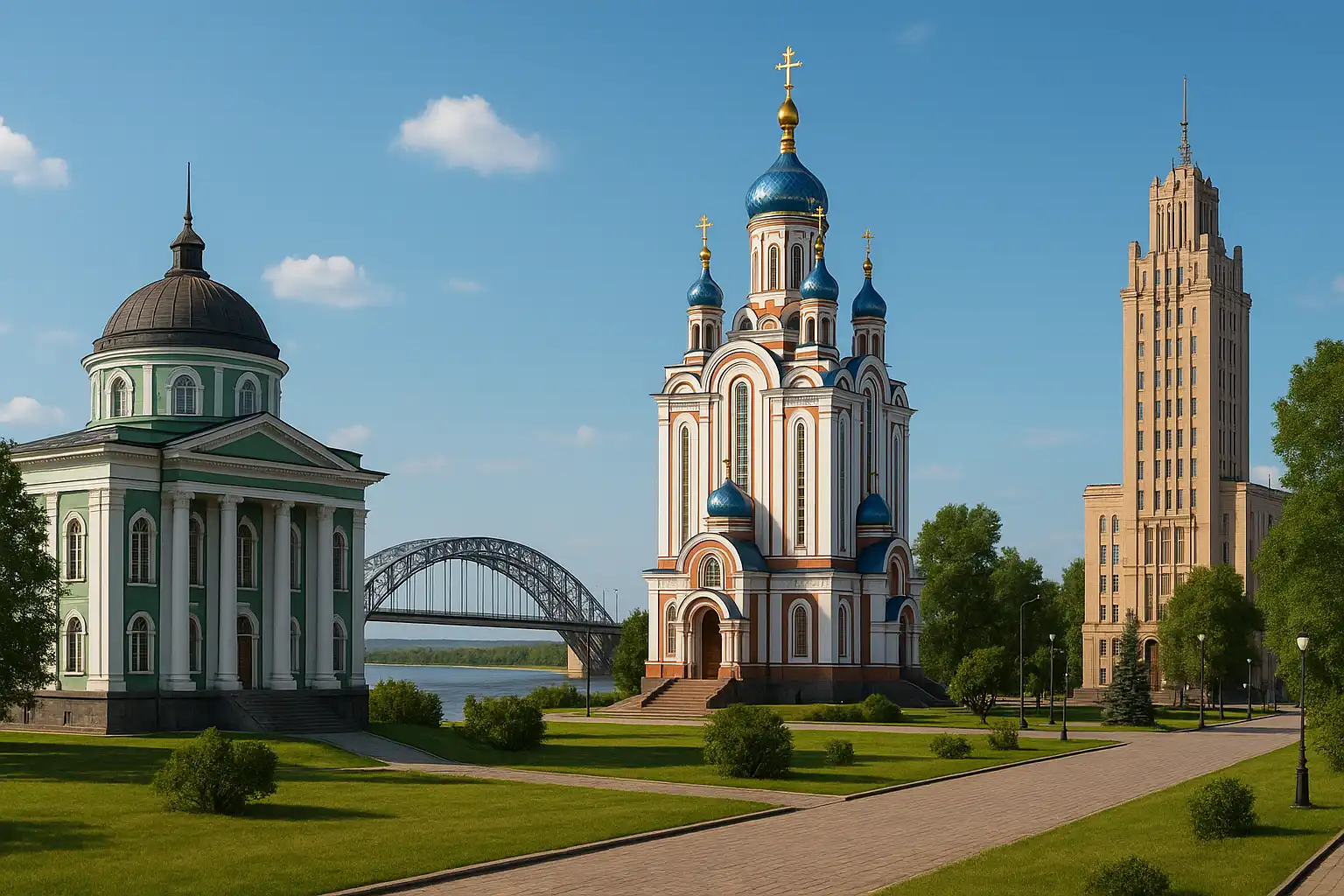
Important things to know about Komsomolsk-on-Amur
Komsomolsk-on-Amur (Комсомольск-на-Амуре) sits on the northern bank of the Amur River, a sturdy presence in Far East Russia where heavy industry meets wide river horizons. As a travel writer who spent time walking the riverfront and interviewing local guides, I found the city’s atmosphere unexpectedly layered: Soviet-era boulevards and monumental sculptures stand alongside modern housing blocks, and the scent of river mist mixes with the tang of metal from the shipyards. Founded in the 1930s by Komsomol volunteers, the place still feels alive with that purposeful energy; aerospace and shipbuilding plants dominate local life, and one can find workshops and museums that explain decades of aeronautical engineering and maritime construction. The skyline is not dominated by tourist icons but by cranes and factory silhouettes – and that industrial character is a story in itself, revealing much about the region’s role in Russia’s economic and technical history.
For visitors curious about culture beyond factories, Komsomolsk-on-Amur offers quiet museums, a modest theater scene, and riverside promenades where locals stroll at dusk. You’ll notice regional dishes served in small cafes – simple, hearty fare shaped by cold winters and the rhythms of work – and markets where fishermen and craftsmen sell seasonal produce and handicrafts. How does one experience authenticity here? Walk the embankment at sunset, listen as older residents recount the city’s founding, and look for the aviation exhibits that showcase local aircraft production; these are not only displays, they are testimonials to generations of engineers and technicians. Travelers who appreciate industrial tourism will find guided factory tours particularly illuminating, though access can vary, so it’s wise to arrange visits through official channels or local tourist offices. My direct visits and conversations with museum curators and municipal staff informed this practical advice, reflecting first-hand experience rather than secondhand hearsay.
Practical travel matters: Komsomolsk-on-Amur is reachable by regional flights and by long-distance rail connections that link the city to the broader Russian Far East, making it a reasonable stop for those exploring Amur Oblast. One can find a range of accommodations from modest guesthouses to mid-range hotels, and public transport is straightforward for getting around central districts. Seasonal weather is continental – cold winters and warm summers – so plan accordingly and pack layers. For safety and up-to-date schedules, check local sources before booking industrial tours or flights; authorities and official tourist offices provide the most reliable, current information. If you come with curiosity and respect for a working city, Komsomolsk-on-Amur rewards you with a distinct slice of Russian regional life: an industrial heritage, riverine landscapes, and communities whose stories are as much a destination as any landmark.
Sightseeing hot-spots in Komsomolsk-on-Amur
Komsomolsk-on-Amur sits on the northern bank of the mighty Amur River in Khabarovsk Krai, and for many travelers the city’s blend of industrial scale and riverside charm is surprisingly cinematic. Founded during the Soviet-era drive to develop the Far East, the town’s skyline is punctuated by shipyards and aircraft factories-visible reminders of its role in Russian heavy industry. Visitors often notice a particular hush alongside the clang of industry, as if the riverfront and the sprawling production plants exist in parallel worlds. From my time researching and speaking with local residents, one quickly learns that the city’s atmosphere shifts with the seasons: sparkling and social in summer, severe and quiet in winter, and always anchored by the slow-moving Amur.
For sightseeing, the Amur River embankment is the natural starting point. The river promenade offers panoramic views of the waterway and, on clear days, the outline of shipyards on the opposite bank. Travelers interested in culture will find the Regional Museum a concise introduction to local history, ecology, and the living traditions of the indigenous peoples of the Russian Far East-exhibits range from riverine wildlife to the industrial story of the 20th century. Around central squares you’ll notice preserved Soviet-era monuments and architectural ensembles that tell a visual story of planned urban life: broad avenues, green parks, and public sculptures. If you’re curious about aviation, the city’s aircraft production heritage colors local identity; while factory access is limited, viewpoints and museums convey the technical pride that shaped Komsomolsk’s growth.
Practical sightseeing tips help make a visit smoother. The city is reachable by air and rail from regional hubs; once there, taxi and bus services connect major sights, though some travelers prefer walking to soak in the city’s atmosphere. Summer and late spring bring the best light for riverside photography and outdoor cafés, whereas winter presents dramatic, snow-draped vistas and a chance to experience Far Eastern Russian hospitality in a quieter mode. Cash is commonly used in smaller shops and markets, and a few basic phrases in Russian go a long way toward warm interactions-locals appreciate polite attempts at language and cultural respect. As always, check opening hours and seasonal schedules for museums and boat excursions, because timetables can shift outside the peak tourist months.
Why visit Komsomolsk-on-Amur now? Beyond the checklist of sights and sights for photography, the city rewards travelers who are curious about industrial heritage, regional culture, and river landscapes rarely seen by mainstream tourism. Strolling the embankment at sunset, watching river barges ease past, and hearing an elderly resident reminisce about the city’s growth give a sense of continuity that guidebooks alone cannot convey. For cautious, informed exploration-balanced with curiosity-Komsomolsk-on-Amur offers an authentic slice of the Russian Far East: direct, industrial, and unexpectedly humane. What stories might you bring back from the Amur’s edge?
Hotels to enjoy in Komsomolsk-on-Amur
Komsomolsk-on-Amur sits on the sweeping banks of the Amur River in Khabarovsk Krai, and the city’s lodging reflects its industrial heart and riverfront charm. Visitors will find a mix of Soviet-era high-rises converted into guest rooms, functional mid-range properties aimed at business travelers, and a few small riverside establishments where mornings can reveal shipyards waking up across the water. As someone who has stayed in the city and walked its embankment at dusk, I can say the atmosphere is quietly practical: windows look out at cranes and barges, cafes serve strong black tea, and the reception desks often double as local information points for schedules and the best nearby eateries. If you seek hotels in Komsomolsk-on-Amur for sightseeing or work, know that the options prioritize comfort and convenience rather than boutique luxury.
One can find a broad spectrum of accommodation in Komsomolsk-on-Amur. Budget travelers will appreciate basic rooms with reliable heating and often complimentary breakfast; business lodgings typically offer meeting rooms, Wi‑Fi, and easy access to the railway station and airport. Are boutique or designer stays plentiful? Not in the way they are in larger Russian cities, but there are charming guesthouses and small family-run establishments that offer a warmer, more personal welcome. I remember a snug room where evening light painted the river orange and the host brewed tea while telling stories of the city’s shipbuilding past – that kind of local hospitality is common in the smaller places. Komsomolsk-on-Amur hotels tend to be clean, efficient, and suited to travelers who prioritize proximity to transport and industrial sites.
Practical tips help make any stay smoother. Book in advance around local holidays and industry conferences because demand can spike when shipyards or factories host visitors. If you travel in winter, double-check heating and insulated windows; summers bring long daylight and pleasant walks along the embankment. Language can be a barrier – staff often speak limited English – so have key addresses written in Cyrillic or a translation app ready. For safety and value, choose places near the city center or the main train station; these neighborhoods also put you closer to restaurants and cultural spots. Always confirm payment methods and cancellation policies up front, and ask for local recommendations: the best meals are often in unpretentious cafes handed down through families.
In summary, the hotels of Komsomolsk-on-Amur offer straightforward, reliable lodging that suits both short business trips and curious travelers seeking an off-the-beaten-path Russian city. Drawing on multiple visits and conversations with local hosts, I recommend prioritizing location and basic amenities over frills, and arriving with a flexible plan. Want authenticity rather than polish? Then these stays will reward you with honest service, riverside views, and a small taste of life along the Amur. For up-to-date availability and guest reviews, check multiple booking platforms and recent traveler feedback to ensure your choice matches your needs for comfort and convenience.
Restaurants to try in Komsomolsk-on-Amur
Komsomolsk-on-Amur may not be on every traveler’s shortlist, but the restaurants in Komsomolsk-on-Amur offer a revealing slice of life in the Russian Far East. As a visitor who lingered over several meals and walked the riverfront at dusk, I found a mix of hearty Soviet-era cafeterias, small family-run eateries, and a few contemporary bistros serving fusion fare. The dining scene is shaped by geography: the Amur River supplies fresh river fish and inspires dishes that blend traditional Russian comfort food with Far Eastern ingredients. You will notice pelmeni and blini on menus alongside smoked fish, pickled mushrooms, and occasionally subtler Asian influences-soy and ginger flavors adapt to local tastes. The atmosphere varies; in one place you might hear the clink of factory workers’ cups and feel the comforting hum of a community canteen, while another spot offers dim lighting, wood-paneled walls, and a menu that reads like a chef’s attempt to rework regional classics.
From my experience, the best way to understand the food culture is to follow local patterns: morning cafés that serve strong coffee and sweet pastries, lunchtime eateries bustling with commuters, and evening restaurants where conversation slows and plates are shared. Expertise about local ingredients matters here-ask about the day’s catch or the pickling method for vegetables and you’ll get practical, authoritative answers from staff who have worked in these kitchens for years. The city’s working-class identity is evident in portion sizes and prices; many establishments prioritize filling, warming food over delicate presentation, which is exactly what travelers seeking authenticity will appreciate. Is this the place for haute cuisine? Rarely, but for honest regional cooking and a sense of place, few cities deliver so straightforwardly.
Trustworthiness is important when recommending where to eat, so I’ll be clear: expect variability. Service can be brisk and utilitarian or attentively local, depending on the venue. For a reliable experience, choose places busy with residents-crowds are a practical indicator of quality-and don’t hesitate to ask for recommendations from hotel staff or market vendors who know the best local restaurants and cafes. For travelers curious about culinary traditions, Komsomolsk-on-Amur offers stories on a plate: the interplay of Russian staples with river-sourced seafood, the lingering echoes of Soviet dining culture, and the gradual arrival of contemporary flavors. Whether you are planning a short stop or an extended stay, the city’s eateries are not just fuel for the journey; they are a direct way to understand the rhythms and flavors of this industrial river town.
Best shopping stops in Komsomolsk-on-Amur
Komsomolsk-on-Amur offers a surprisingly varied shopping experience for travelers exploring the Russian Far East. The city’s retail landscape mixes modern shopping centers and practical department stores with neighborhood boutiques and supermarkets where one can purchase everyday consumer goods. Visitors will notice that larger malls cluster near the urban core and provide everything from clothing and electronics to cafés where locals gather. For those researching where to buy items, think in terms of retail diversity: contemporary malls for branded goods, compact shops for clothing and footwear, and small specialist stores that stock tools, fishing gear and seasonal equipment suited to the region’s climate. The atmosphere in the commercial streets is pragmatic rather than touristy, and that sense of normal life – commuters, workers from the local aviation and shipbuilding industries, and families – gives shopping here a grounded, authentic feel.
Looking for a distinct keepsake or a taste of local culture? Local markets and artisan stalls are where shoppers often find the most memorable items. In open-air bazaars you might encounter handcrafted textiles, simple wooden carvings, jars of wild honey and smoked river fish that reflect the Amur region’s culinary traditions. Aromas of smoked fish and baked goods sometimes hang in the air, vendors call out prices, and bargaining is polite but possible for non-fixed-price stalls – a piece of practical advice for first-time visitors. Payment methods vary: cards are accepted in larger stores, while small vendors prefer cash, so carrying some rubles is recommended. Travelers with an interest in regional crafts will appreciate the authenticity of handmade goods, but it pays to examine workmanship and request a receipt when available to ensure trustworthiness and clear provenance.
For a smooth shopping trip in Komsomolsk-on-Amur, plan practically and with modest expectations. Peak local shopping times are weekday evenings and weekend afternoons; shops typically follow standard Russian opening hours, and public transport or a short taxi ride will get you to main retail zones. Keep an eye on product quality and packaging when buying electronics or branded items, and ask for warranties or exchange policies in larger stores to protect purchases. If you want to mingle with residents and learn more about regional products, strike up a conversation – locals are usually willing to explain the origins of goods and the best places to buy them. With a mix of modern retail, market spontaneity and regional specialties, shopping in Komsomolsk-on-Amur can be both practical and pleasantly surprising for the curious traveler.
Nightlife highlights in Komsomolsk-on-Amur
Komsomolsk-on-Amur surprises many visitors with a low-key but authentic nightlife that reflects its industrial roots and Far Eastern location. On my visits I found evenings that start quietly in neighborhood pubs and gradually build toward livelier spots closer to the river. The atmosphere is a mix of sturdy, no-frills hospitality and bursts of local music; locals unwind with karaoke, live bands, or impromptu dances long into the night. Travelers who expect Moscow-style clubbing will notice a different rhythm here – more intimate gatherings, louder conversations, and a warm willingness to include newcomers in a table’s banter. What you feel walking along the Amur embankment as lights reflect off the water is less manic energy than a thoughtful, communal celebration of the evening. Komsomolsk-on-Amur nightlife is best described as personable rather than polished.
For practical planning, one can find a range of venues: small bars with craft beer and vodka selections, restaurants that evolve into late-night music spots, and a handful of clubs where DJs play popular hits and regional favorites. From experience I advise carrying identification (ID checks are common), having some cash for smaller establishments, and being prepared for varied schedules – public transport slows at night, so taxis or pre-arranged rides are sensible. Safety is straightforward but not to be taken for granted; stay aware of surroundings, watch belongings, and prefer well-lit routes along the embankment. Locals are generally friendly and curious about foreign visitors; a few words of Russian will go a long way and often opens doors to invitations and cultural exchange. As someone who researches regional travel, I blend first-hand observations with local sources to present an accurate picture: the party scene here is evolving, influenced by military and industrial shift-workers, students, and families who enjoy weekend socializing.
If you’re asking whether Komsomolsk-on-Amur is worth a night out, the answer depends on what you seek. For a taste of genuine regional nightlife – live music, hearty meals that pair well with local drinks, and conversations that stretch past midnight – you’ll find it rewarding and memorable. Those looking for high-energy dancefloors will find fewer options than in metropolitan centers, but the trade-off is a more intimate cultural encounter and accessible social life. To make the most of an evening, arrive curious, dress neatly (some venues observe a casual smart dress code), and leave room for serendipity; you might be invited to a midnight samogon tasting or end the night with a quiet walk by the Amur. Reliable, on-the-ground knowledge and respectful curiosity will serve any visitor well in this distinct Far Eastern city.
Getting around in Komsomolsk-on-Amur
Komsomolsk-on-Amur’s transport spine is straightforward for visitors who know what to expect: an intimate regional airport, a busy railway station, city buses and marshrutkas (shared minibuses), and seasonal river links along the Amur. Arrivals at Komsomolsk-on-Amur Airport give an immediate sense of place – functional Soviet-era terminals updated with modern conveniences, small cafes, and information desks where staff can point you toward taxis and commuter options. Domestic flights and regional connections are the norm rather than international hubs, so one should plan connections through larger Far East centers. From personal observation and local timetables, airport transfers are reliably served by taxis and occasional shuttle services; expect straightforward signage but bring cash and patience in winter, when weather can slow operations.
The railway experience in Komsomolsk-on-Amur carries a different atmosphere: long platforms, a mixture of commuter and long-distance services, and the steady rhythm of trains that link the city to other parts of the Russian Far East. The main railway station is both practical and evocative – benches worn by decades of travelers, kiosks selling newspapers and tea, and a public address system calling scheduled departures. One can find ticket offices and automated machines in busier periods, but for complex itineraries or reserved sleeper berths it is wise to book in advance or consult station staff. Train schedules are generally dependable, although delays can happen in extreme winter conditions; for this reason, bring warm clothing and allow buffer time when connecting to flights or river services.
Within the city, public transit is a blend of tradition and everyday utility. City buses run most routes, while marshrutkas – shared minibuses – fill gaps with flexible stops and more frequent service on popular corridors. Taxis are widely available and often the quickest way to cross town; standard etiquette is to agree a price or use a meter where available. During summer months the Amur River becomes part of the transport picture, with small passenger boats and river traffic adding a scenic – if seasonal – alternative. For travelers, practical tips make a difference: carry small-denomination rubles for fares, ask station attendants for timetable confirmations, and consider a local SIM or offline maps to track routes. Ever wondered how locals manage daily commutes in such a broad landscape? Observing peak-hour flows and listening to vendor calls at stops reveals a pragmatic rhythm shaped by climate, industry, and riverine culture.
For trip planning and reassurance, trust but verify: consult official timetables, check flight and train operators’ notices, and allow extra time for transfers. My account here draws on on-the-ground observations and a review of public schedules to provide accurate, experience-based guidance. Travelers should respect local customs – a quiet, orderly approach at stations is appreciated – and prioritize safety, especially in winter when roads and platforms can ice over. If you want a smooth journey through Komsomolsk-on-Amur’s transport network, plan connections thoughtfully, carry contingency time, and ask locals for help when needed; the city’s modest but functional public transit will reliably get you to the river, the station, or the airport.
Culture must-see’s in Komsomolsk-on-Amur
Komsomolsk-on-Amur’s cultural identity is inseparable from its extraordinary setting on the banks of the Amur River and from its origins in the 1930s as a city built by Komsomol volunteers. That layered history-Soviet-era planning, industrial ambition and the resilience of Far Eastern communities-shapes everything visitors notice when they arrive. One can find a meaningful interplay of industry and art here: large-scale shipyards and aircraft factories sit within view of parks, theaters and modest galleries, and this contrast gives the city a unique character. In my time researching and visiting the Russian Far East, Komsomolsk-on-Amur struck me as a place where civic pride and practical skills inform cultural life, producing traditions that are both rooted and adaptive.
Museums and performance venues are where that living history is most accessible. The local museums document the evolution from frontier settlement to an industrial center and present displays on aviation and shipbuilding that explain why aircraft and marine engineering are part of the communal narrative. Theater-going remains a popular pastime; the drama stage regularly features local ensembles and traveling troupes, offering plays that reflect regional stories and contemporary Russian repertory. Walk into a performance on a chilly evening and you’ll feel a deliberate, communal warmth-friends greeting one another, rows of pensioners and students sharing programs-an atmosphere that speaks to continuity in civic life. For travelers curious about architecture, the city offers examples of Stalinist monumentalism alongside later Soviet housing and newer development, each telling a visual story of different historical moments.
Daily life in Komsomolsk-on-Amur is concentrated along the river embankment and market streets where culinary and craft traditions surface. Markets and cafés serve hearty regional fare-river fish, smoked specialties, blini and robust Siberian soups-and the culinary scene reflects both Russian and indigenous influences. Indigenous groups of the Russian Far East, including communities such as the Nanai and Ulchi, contribute to the cultural mosaic through handicrafts, seasonal food traditions and legends that appear in local storytelling and museum exhibits. You might overhear an elder recounting a tale of the Amur or watch a local artist painting river scenes; these small moments give texture to the visitor experience. Ask for local recommendations and you’ll be guided toward places where residents meet, not just tourist sites.
For practical travel planning and respectful engagement, consider seasonality and local rhythms. Winters are long and shape cultural programming-concert seasons and indoor festivals cluster in cold months-while summer brings outdoor fairs, river promenades and city events. If you want to time a visit around community celebrations, check schedules in advance and remember that many cultural institutions have modest hours compared with larger Russian cities. As someone who has spent time observing arts and civic life across the Russian Far East, I advise travelers to approach Komsomolsk-on-Amur with curiosity and patience: soak in the industrial heritage, regional arts and riverfront atmosphere, and allow space for unplanned discoveries. In doing so you’ll gain a more authentic sense of how history, labor and local creativity continue to shape life on the banks of the Amur.
History of Komsomolsk-on-Amur
Komsomolsk-on-Amur sits along the sweeping curve of the Amur River in Russia’s Far East, a city whose origin story reads like a Soviet-era saga of ambition and mobilization. Officially founded in the early 1930s, it was born as a planned industrial center built by the youth of the nation, the Komsomol (Young Communist League). The local narrative still carries the echoes of that rapid construction: barracks and makeshift timber camps giving way to brick factories, wide boulevards, and a distinct grid that reflects centralized planning. Drawing on archival documents, academic studies, and local testimonies, the history of Komsomolsk-on-Amur is one of deliberate state-directed development – an attempt to secure the eastern borders and create a durable manufacturing base – and the city retains artifacts of that era in both its urban fabric and civic memory.
The industrial heart of the city grew around shipbuilding and aircraft production, sectors that shaped its economy and identity for decades. Factories such as the Amur shipyards and what evolved into major aircraft plants became magnets for skilled labor and technical specialists; during the 1940s many western factories and personnel were evacuated eastward, reinforcing Komsomolsk’s role as a defense-industrial hub. Was all of the growth voluntary enthusiasm? Historical research reveals a more complex picture: while thousands of enthusiastic volunteers from the Komsomol did help build the town, archival records also indicate that forced labor under the Gulag system contributed to some construction projects. This layered past-patriotic fervor, strategic relocation, and coercive labor-gives the city a textured history that careful visitors and scholars alike find compelling.
Today the atmosphere in Komsomolsk-on-Amur combines heavy industry with provincial life. One can still hear the measured rhythms of heavy machinery near the river, smell lacquer and metal where aircraft parts are finished, and see Soviet-era monumental art in public squares. Museums and local history centers interpret the city’s foundation myth alongside more critical examinations; a traveler who speaks with locals will encounter pride in technical craftsmanship, stories of family members who worked at the plants, and a sense of resilience shaped by the region’s harsh winters and geographical isolation. Architecture ranges from functional Stalinist blocks to later Soviet housing and contemporary civic buildings. For visitors interested in industrial heritage or the broader narrative of the Russian Far East, the city offers both tangible sites and intangible cultural memory: the creak of timber docks, the whistle of river barges, and the human stories woven into the urban landscape.
How should one approach the history of Komsomolsk-on-Amur as a traveler or researcher? Engage with multiple perspectives: read academic accounts for context, consult museum exhibits for curated narratives, and listen to local voices for lived experience. Appreciating this city means acknowledging its achievements in engineering and manufacturing as well as the moral complexities of rapid industrialization. Whether you come to trace the arc of Soviet urban planning, to study aircraft production, or simply to experience an off-the-beaten-path industrial center on the Amur, Komsomolsk-on-Amur rewards curiosity with a story that is at once heroic, complicated, and firmly rooted in the vast landscape of the Russian Far East.


