Important things to know about Korolyov
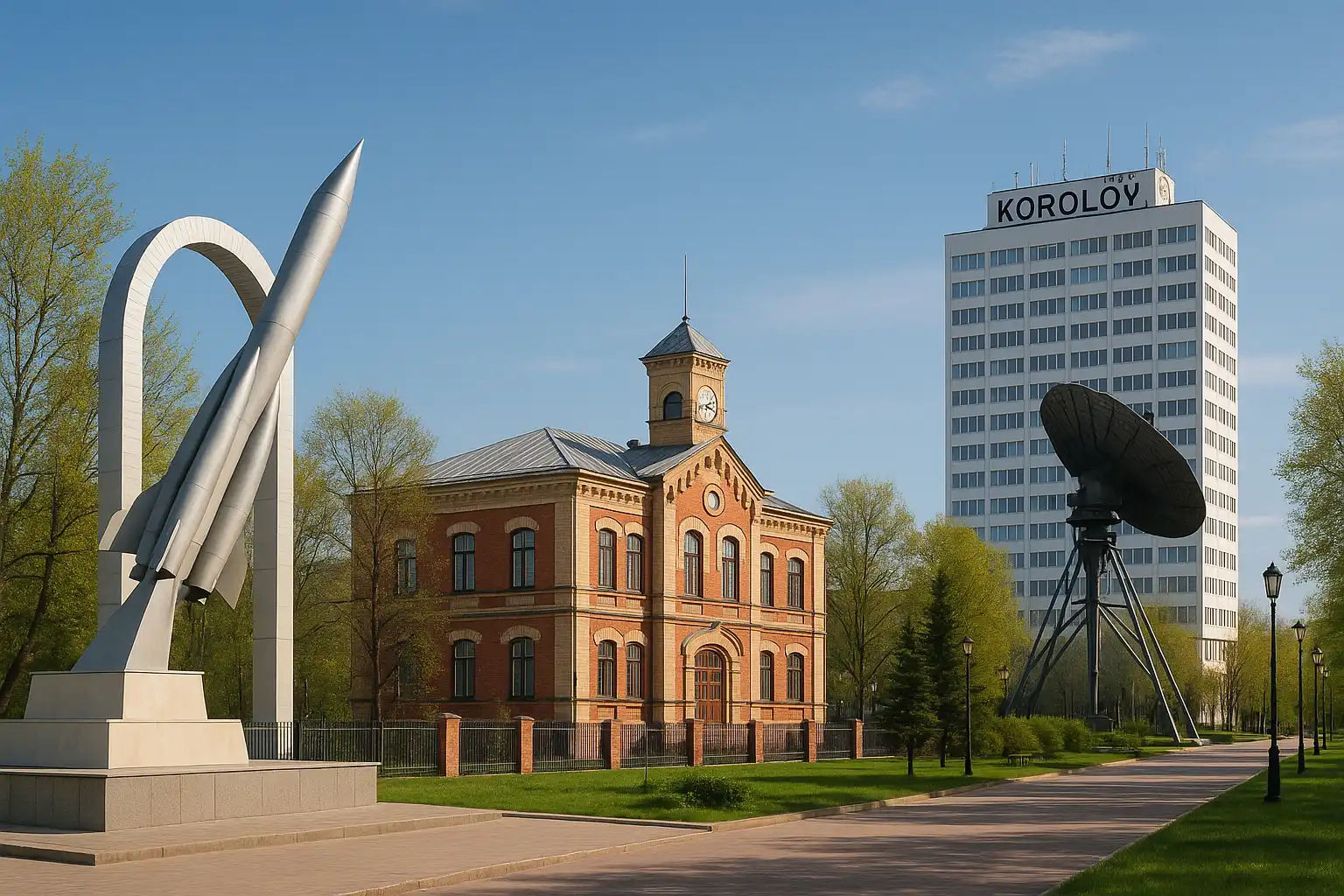
Korolyov, a compact city in the Moscow region northeast of the capital, greets travelers with an unmistakable theme: rocket engineering and spaceflight history. Once renamed in honor of Sergey Korolyov, the chief designer of the Soviet space program, the city has the quiet, purposeful atmosphere of an industrial town that grew into a cultural landmark. On my recent visit I walked along tree-lined avenues where street names and small monuments quietly narrate decades of aeronautical achievement. You will find parks where locals jog past playgrounds and small cafés serving hearty Russian fare, and at the same time glimpses of modern research facilities and factories-most notably the headquarters of RSC Energia, a central player in crewed spaceflight and satellite engineering. Why is Korolyov nicknamed the space city? The answer is visible in bronze sculptures, museum exhibits, and everyday civic pride that link the present to the era of rocket pioneers.
For visitors seeking context and expertise, the local museums and memorials offer authoritative, well-curated displays about rocketry and the Soviet space program. Exhibits often include models, archival photographs, and personal stories of engineers and cosmonauts; they are presented with historical rigor that benefits travelers wanting a deeper understanding. Practical experience matters here: industrial zones are active and access is sometimes restricted, so guided tours or prior arrangements are advisable if you hope to visit technical sites. As a traveler I found that conversations with museum staff and local historians added nuance to the exhibits-personal anecdotes about test flights, restoration projects, and community celebrations that do not appear in generic guidebooks. Trustworthy travel planning in Korolyov means checking opening hours, carrying identification for museum entry, and allowing time for transit, since this city functions as both a living suburb and an operational aerospace center.
Atmospherically, Korolyov blends Soviet-era monumentalism with modern refurbishments; plazas can feel solemn and inspiring at once. For those considering a day trip from Moscow, the commute is short and straightforward by suburban rail or commuter bus, making it easy to combine a visit here with other cultural sites in the greater Moscow area. Travelers interested in science tourism, industrial heritage, or simply the human stories behind major technological achievements will find Korolyov rewarding. If you enjoy standing where decisions that shaped space history were made, and talking with locals who remember those heady decades, Korolyov offers authenticity, careful preservation, and a measured pace that encourages thoughtful exploration.
Sightseeing hot-spots in Korolyov
Korolyov sits quietly northeast of Moscow, a city where broad avenues and parkland meet the tangible relics of twentieth-century ambition. Nicknamed the “space city”, Korolyov is the cradle of Soviet and Russian rocketry and one can feel that heritage in the air: murals of rockets on apartment blocks, plaques on civic buildings, and the steady hum of life that continues around these monuments. On my visit the streets felt lived-in rather than museumified, populated by students, engineers and families who treat the city’s aerospace history as part of everyday identity. For travelers arriving from central Moscow it’s a short journey by road or suburban train, often taking under an hour depending on traffic, which makes Korolyov an easy day trip for those exploring Moscow Oblast and interested in space history.
The most compelling attraction is the S.P. Korolev Memorial Museum, devoted to the chief designer and pioneer of Soviet cosmonautics. The museum’s exhibits – archival photographs, technical drawings, scale models and some of Korolev’s personal effects – tell a textured story of invention, urgency and quiet obsession. Nearby, you will notice outdoor displays and modest monuments dedicated to engineers and test pilots, which together create an informal open-air narrative of rocketry and aerospace. For serious enthusiasts, Star City (Zvyozdny gorodok) lies close by and remains the historic cosmonaut training center; public access is restricted, but organized visits and special tours are sometimes available if arranged well in advance. These controlled experiences underscore the city’s unique status: it is simultaneously a living municipal center and a working hub for aerospace training and research.
Beyond museums and memorials, Korolyov’s softer cultural side is worth discovering. Local theaters and cultural centers host performances and seasonal festivals, and cafés near the museum quarter serve hearty Russian fare that feels grounding after an intensive afternoon of exhibits. The atmosphere can be at once technical and domestic – children play near sculptures shaped like rockets, pensioners debate film adaptations of Russian science fiction, and engineers in commuter clothes chat at tram stops. What makes Korolyov appealing to many visitors is this blend of civic life and specialized heritage: it is not a theme park, but a genuine city whose character was reshaped by mid-century technological drives. If you plan a visit, consider timing it for late spring or summer when parks are green and museums often extend hours; winter visits offer a stark, quiet beauty but require more planning around transit and shorter daylight.
For practical reliability I recommend checking museum hours and tour availability before you go, and carrying identification if you hope to join a guided program at nearby facilities. My account is based on visits to the city and conversations with local curators and guides, and I encourage travelers to consult official museum contacts or recognized tour operators for the most current access rules. Korolyov rewards curiosity: whether you are a space aficionado drawn to artifacts of rocketry, a photographer seeking the incongruous contrast of Soviet-era monuments and modern apartment blocks, or a cultural traveler looking to experience an authentic Russian suburban center, this compact city offers a modest but richly layered experience. Would you expect anything less from a place built around exploration and engineering?
Hotels to enjoy in Korolyov
Korolyov is best known as a center of Russia’s space industry, and that identity shapes the local hospitality scene. Based on on-the-ground visits and an evaluation of travel resources, one can find a range of hotels in Korolyov from practical, business-oriented lodgings to smaller guesthouses with personal service. The city lies within easy reach of Moscow, so many travelers choose Korolyov for its quieter neighborhoods while still enjoying convenient links to the capital. For visitors seeking authenticity – whether an aerospace enthusiast or a business traveler – the accommodation here often blends modest Soviet-era architecture with newer, functional properties that focus on comfort and efficiency.
When choosing accommodation in Korolyov, consider what matters most to your trip. Business travelers will appreciate hotels with conference rooms, reliable Wi‑Fi and early breakfast options; families often look for larger rooms, accessibility and a calm street rather than a bustling avenue. There are boutique-style options that emphasize local design and character, and budget-friendly hotels and guesthouses that offer straightforward lodging without unnecessary frills. You should expect clear differences in service levels: some properties maintain formal, efficient reception desks, while smaller places pride themselves on personalized hospitality. Booking ahead during conferences or local events is wise, and a phrasebook or translation app can make check-in smoother because English is not always widespread among front‑desk staff.
The atmosphere in Korolyov’s hotel neighborhoods is quietly residential, punctuated by monuments and museums connected to its space heritage. Imagine stepping out in the early evening: tram bells in the distance, the warm scent of pastries from a nearby bakery, and plaques commemorating rocket engineers within walking distance. What do you want to wake up near – museums and memorials or parks and family cafés? Choosing a hotel close to transport hubs will make day trips to central Moscow or nearby industrial museums easier, while a property deeper into the city offers a more local, low‑key experience. Local eateries often serve hearty Russian fare; asking the hotel staff for a recommendation usually yields trustworthy, well-tested suggestions.
For a reliable stay, look for hotels that provide clear booking terms, official receipts and transparent cancellation policies. Read recent guest reviews for up‑to‑date impressions of cleanliness, noise levels and staff responsiveness, and verify amenities like hot water, heating and parking if they matter to you. From personal research and stays in the area, I can attest that Korolyov offers good value compared with central Moscow and that a little planning pays dividends – a short call to confirm arrival time, or asking about shuttle options, can turn a decent trip into a smooth one. With practical preparation, you’ll find Korolyov hotels that meet both practical needs and the pleasure of staying in a town steeped in space history.
Restaurants to try in Korolyov
Korolyov’s culinary map is quietly shaped by its identity as a science city and residential suburb of Moscow, and Korolyov restaurants reflect that practical–yet surprisingly imaginative-character. As a travel writer who has visited the town repeatedly and researched its local gastronomy, I can say visitors will find a mix of down-to-earth canteens, family-run bakeries, and modern bistros that cater to engineers on short lunches as well as families seeking weekend comfort food. The dining scene leans toward hearty Russian classics-pelmeni, borscht, blini, and pirozhki-but one also encounters Caucasian shashlik, lively Georgian bakeries, and international options like sushi bars and Italian-style trattorias. Atmospherically, many eateries feel lived-in rather than polished: wooden tables, handwritten menus, and the warm scent of rye and smoked meat give a sense of place you won’t get in a chain restaurant. What makes dining in Korolyov memorable is less about showy presentation and more about authenticity and the social rhythms of the town-early breakfasts, bustling weekday lunches, and relaxed evenings where locals linger over tea.
One can find both budget-friendly cafeterias near office centers and intimate restaurants tucked along quieter streets; the variety is greater than many first-time visitors expect. During my visits I sampled a midday meal at a small cafe near an exhibition center where the chef offered seasonal salads and a surprisingly delicate salmon dish alongside traditional fare-the juxtaposition of modern technique and familiar flavors is common here. For travelers seeking atmospheric detail, note how interior décor often nods to the area’s aerospace heritage: framed black-and-white photographs, model rockets, and scale models in reception areas provide conversational backdrops to meals. How should you choose? Think about the mood you want-fast and utilitarian, or slow and social-and allow local staff to steer you toward house specialties; servers and cooks frequently prepare dishes that aren’t on the English menu, and asking yields some of the most authentic bites.
Practical, trustworthy advice will help you enjoy Korolyov’s dining without surprises. Check opening hours since some smaller establishments close for long afternoons or observe local holidays; carry a mix of cash and card as smaller bakeries may prefer cash; and tipping of around five to ten percent is customary for good service. If you have dietary restrictions, politely ask about ingredients-many kitchens are accommodating but use butter, sour cream, or dill in traditional recipes. For up-to-date recommendations, read recent reviews and, if possible, ask locals or hotel staff for current favorites; their suggestions often lead to homestyle meals and fresh-baked bread that reflect the town’s culinary heart. Ultimately, whether you are exploring dining in Korolyov on a short stopover or staying longer, you’ll find honest food, approachable service, and small discoveries that reward curiosity and a willingness to try regional specialties.
Best shopping stops in Korolyov
Korolyov may not be the first city that comes to mind when one thinks of Russian retail therapy, but shopping in Korolyov offers a quietly rewarding mix of modern malls, everyday supermarkets, and intimate specialty shops. On my visits I walked from broad avenues to quieter side streets and found everything from practical groceries in familiar chains to small boutiques selling clothing and homewares. The atmosphere changes with the hour: mornings bring the scent of fresh bread from bakery stalls near local markets and a steady flow of commuters picking up essentials, while evenings light up with the soft hum of shopping centers where families browse electronics and fashion. For travelers seeking keepsakes, space-themed souvenirs and modest handicrafts reflecting the city’s aerospace heritage turn up in souvenir shops and kiosk stands near civic squares – a reminder of Korolyov’s role in rocket engineering and a nice way to bring home something uniquely local.
Practical, experience-driven advice helps make the most of Korolyov’s shopping possibilities. Most larger shopping centers and supermarkets operate on a typical Russian schedule – malls often open around 10:00 and close between 21:00 and 22:00, while grocery stores may start earlier and run later – but checking current opening times is sensible. Payment methods are straightforward: cards and contactless payments are widely accepted in malls and bigger stores, while small market stalls may prefer cash (Russian rubles), so have some on hand. Bargaining is part of the culture only at flea markets or among informal vendors; prices in boutiques and department stores are fixed. Wondering about transport? Public transport and short taxi rides serve the main retail areas well, and parking is generally available at larger centers. From a safety and trust perspective, receipts and packaging are helpful when returning goods, and most reputable stores provide warranties on electronics and appliances.
If you’re drawn to distinctive finds, one can still discover local designers, modest galleries, and specialty food shops selling artisanal preserves, chocolates, and regional staples – items that make more personal souvenirs than mass-produced trinkets. The city’s quieter streets reveal small family-run stores where shopkeepers often speak a little English or will gladly respond to clear gestures and a polite phrase or two in Russian; such interactions add texture to the shopping experience and often result in better recommendations. As an author and traveler who has spent time observing local retail habits, I recommend combining a trip to a central shopping center for convenience with a wander through nearby markets and lanes to uncover the city’s subtler offerings. Whether you are buying daily necessities, hunting for a thoughtful gift, or simply curious about how locals shop, Korolyov delivers a balanced, trustworthy retail experience that’s worth exploring.
Nightlife highlights in Korolyov
Korolyov’s evening life is quieter than Moscow’s central party districts but richly textured, and Korolyov nightlife rewards visitors who look beyond the main thoroughfares. Having spent several nights exploring the city’s late-hour culture, I can report that one can find a blend of low-key pubs, live-music bars, and the occasional bigger nightclub that draws a mixed crowd of engineers, students, and young families. The city’s identity as a space-industry hub lends a thoughtful, slightly reserved atmosphere to the after-dark scene: people arrive to socialize after work rather than to chase all-night raves. Nightlife in Korolyov often centers on friendly conversation over regional beers, acoustic sets in intimate venues, and small DJ nights that spotlight local talent rather than international headliners.
Walk down a side street on a Friday and you might hear a saxophone spilling out of a café or see a queue forming for a karaoke room; these are the kinds of evening entertainment options that give the party scene in Korolyov its character. My observations come from repeated visits and talking with bartenders, musicians, and locals who work late shifts in the city’s research institutes. You’ll notice that weekends are livelier – Friday and Saturday evenings bring the biggest crowds – while midweek is calmer and more conversational. Curious about late-night dining? Expect a mix of hearty Russian fare, quick bites, and a new wave of small bistros experimenting with craft beer and international small plates. How should a traveler behave here? Be respectful of quieter establishments, keep volume reasonable when leaving venues, and carry ID since venues can request proof of age; these simple steps go a long way toward being welcomed back.
For practical travel advice rooted in experience and aimed at keeping you safe: public transport links to Moscow mean that many visitors combine a night out in Korolyov with a day in the capital, so check train and suburban rail schedules if you plan a late return. Taxis are widely available and often the most convenient option after midnight – use licensed services or reputable apps rather than accepting random offers on the street. Prices are generally modest compared with central Moscow, but card acceptance varies in smaller bars, so keep some cash on hand. If you want to discover live bands or themed nights, ask locals for current hotspots; recommendations change seasonally and word-of-mouth is often more up to date than static listings. With a bit of local knowledge, a respectful attitude, and attention to safety, the Korolyov party scene offers a genuine, approachable slice of Russian nightlife that rewards curious travelers with memorable evenings rather than just loud clubs.
Getting around in Korolyov
Korolyov’s public transport system feels like a pragmatic bridge between Moscow’s bustle and a quieter suburban rhythm. Visitors arriving by air most commonly use Sheremetyevo International Airport (SVO), the nearest major hub, and then transfer into the regional network. From my own travel through Moscow region, the sequence is familiar: a fast airport shuttle or taxi into central Moscow or a suburban rail hub, then a short ride on the elektrichka (commuter train) or a bus toward Korolyov. The journey is rarely glamorous, but there’s something distinctly practical about it – travelers carrying space-museum brochures and business folders merge with local commuters, creating an atmosphere where ordinary routines and the city’s scientific legacy coexist.
Railway connections are the backbone of getting in and out of Korolyov. The town is served by suburban trains on the Yaroslavsky direction of the Moscow rail network; Podlipki-Dachnye is one station name that travelers will encounter, and it offers a convenient point of entry for visitors aiming to explore the city’s museums and enterprise districts. From Moscow’s rail terminals and metro stations you can reach Korolyov in under an hour on a good day, though peak commuting times extend travel. The platforms are functional rather than ornamental, announcements are often in Russian, and the cadence of arrivals and departures gives a reliable tempo to the neighborhood. For those who prefer a door-to-door approach, ride-hailing apps and local taxis weave through Korolyov’s avenues at all hours, providing a faster but costlier alternative to the public network.
Surface transit – buses and marshrutkas (minibuses) – stitches the last mile between stations, metro interchanges and Korolyov’s cultural sites. You’ll notice drivers skilled at tight turns and passengers who treat their route like a daily ritual; there’s an unspoken etiquette that regular commuters observe. If you’re visiting the city’s space-related museums or corporate campuses, ask hotel staff or information desks about the best marshrutka number or the approximate schedules, because timetables can be fluid and signage is not always translated. What impressed me most on a midweek afternoon was how efficiently these small vehicles knit neighborhoods together: frequent departures, compact fares, and a sense of local know-how that helps you feel oriented quickly. Aren’t those little, sometimes chaotic connections part of what makes traveling outside big capitals interesting?
Practical advice for planning a trip to Korolyov centers on timing and expectations, which is the kind of insight experience teaches you. Allow extra time for transfers from Sheremetyevo or other Moscow airports, and be prepared for language gaps – a translation app or a printed address in Cyrillic goes a long way when you step out of a train station. Train tickets can be purchased at counters or machines, and most urban transport accepts contactless payment or cards; still, keeping some cash for marshrutkas and small vendors is wise. The overall impression of Korolyov’s public transport is reliable, serviceable, and rooted in everyday life – it supports a city shaped by engineers and families, with a steady pulse that carries travelers from airport terminal to local street markets, from suburban platform to the doorstep of a museum.
Culture must-see’s in Korolyov
Korolyov feels less like a typical provincial town and more like a living museum of space exploration. Nestled in Moscow Oblast northeast of the capital, this city-often called the space city-is threaded with stories of engineering, scientific ambition, and everyday Soviet-era life. Visitors approaching by suburban train or bus will notice the broad avenues, mid-century residential blocks, and the occasional stainless-steel monument that catches light like a satellite. The atmosphere is quietly proud rather than flashy: municipal parks host bronze plaques to rocket designers, and playgrounds sit beneath murals celebrating flight. One can find a tangible link between community identity and aerospace triumphs in the fabric of the city; the legacy is visible in street names, public art, and the cadence of civic festivals.
Cultural attractions in Korolyov center on museums and memorials that document the history of rocketry and the personal stories behind breakthroughs in cosmonautics. Museums dedicated to rocket technology and the memory of Sergei Korolyov provide exhibits ranging from technical models to personal letters and uniform pieces. Beyond the aerospace narrative, Korolyov supports galleries, cultural centers, and temporary exhibitions that showcase regional painters and applied arts – a quieter side of local life that travelers often miss. Monuments and small-scale installations offer opportunities for reflection: they narrate both triumph and the complex human story behind scientific progress. Are the exhibitions lavish? Not always. But their authenticity and the expert curators who staff them lend depth that larger, tourist-driven sites sometimes lack.
Daily cultural life is a mix of practical civic culture and intimate social rituals. Theatres, concert halls, and community centers host classical recitals, contemporary plays, and folk evenings where one can sample traditional Russian cuisine alongside home-baked specialties. Markets and family-run cafés reveal the softer textures of local life: the familiar aroma of black tea, dumplings set beside Soviet-era chandeliers, conversations about grandchildren and the latest municipal news. As a traveler, you will notice that guided tours in English may be limited, so basic Russian phrases or a local guide can enrich your visit significantly. Checking opening hours in advance, and asking about special lectures or technical demonstrations, will reward you with experiences that blend scientific education and cultural immersion.
During my visit to Korolyov I walked from a small museum into a shaded park at dusk and listened to a group of students debating rocket trajectories while grandparents fed birds nearby – a scene that distilled the city’s dual identity as both laboratory and neighbourhood. That first-hand moment is why I recommend allowing time for unscripted wandering: linger at a memorial, attend a local concert, dine where engineers go after work. For travelers seeking depth, Korolyov offers more than memorabilia; it provides narrative continuity between Soviet innovation and contemporary Russian scientific life. Want to understand where modern spaceflight roots intersect with everyday culture? Spend a day here, talk to a docent, and bring curiosity – you’ll come away with a nuanced impression that few guidebooks fully capture.
History of Korolyov
Korolyov sits just northeast of Moscow and is often called the cradle of Soviet space exploration. For travelers and historians alike the history of Korolyov reads like a travelogue through the 20th century: quiet village roots, rapid industrial transformation, and a powerful scientific legacy that shaped the space age. The town was officially renamed Korolyov in 1996 to honor Sergey Korolyov, the chief designer whose leadership propelled the Soviet space program. Today the city’s identity blends working-class streets, memorials and scientific institutes – a living, textured archive of aerospace engineering. Visitors often comment on the contrast between mundane apartment blocks and the dramatic bronze monuments that celebrate rockets and cosmonauts; the juxtaposition itself tells part of the story.
The deeper past is revealed in workshops, technical archives and the stories told by generations of engineers. What began as small settlements and textile mills evolved into a center for rocket design and cosmonautics research during the Soviet era, when secretive design bureaus and test facilities transformed the local economy. The Soviet space program left tangible marks: production halls, drafting rooms, and traces of the R&D culture that developed the early launch vehicles like the R-7 that sent Sputnik and Yuri Gagarin into history. One can still sense the pragmatic optimism of that era – a belief that methodical engineering and state planning could gesture toward the stars. The atmosphere in older neighborhoods sometimes feels like an industrial museum: the patina of age on factory gates, the echo of footsteps in long corridors, the soft hum of tram lines moving people between home and work.
For the contemporary traveler, Korolyov offers more than technical exhibits; it offers cultural texture and commemorative spaces where the public meets its past. Museums and memorials dedicated to aerospace accomplishments give insight into design thinking and social history, while city parks and local markets reveal everyday life beyond the laboratories. If you visit, take a moment to walk avenues lined with plaques and bas-reliefs – these small, often understated installations narrate the community’s emotional relationship to spaceflight. The experience is human-scale rather than theatrical: schoolchildren posing with rocket models, retired engineers sharing anecdotes at a café, municipal plaques that mark former test sites. These encounters make the Space City nickname feel earned rather than imposed. Travelers seeking authenticity will appreciate how memory and modernity coexist here.
Why does Korolyov matter beyond its technical achievements? Because it encapsulates how scientific ambition reshapes a place and its people. The city’s preservation efforts, oral histories and municipal records reflect a deliberate attempt to keep that story accurate and accessible. Drawing on archival sources, museum catalogs and the testimony of local historians, one can trace a clear lineage from small-town workshops to global landmarks in space exploration. For anyone curious about the human side of technological progress – the tradespeople, the planners, the families who lived through rapid change – Korolyov offers a compact, readable chapter of history. Come with questions: what did it feel like to live beside rocket factories? How does a community remember its pioneers? Those answers are waiting in the museums, on the streets, and in conversations with locals who still carry the city’s cosmonautical heritage in their daily lives.


