Important things to know about Kursk
Kursk (Курск), Russia sits quietly on the rolling black-earth plains of southwestern Russia, a regional capital whose quiet streets belie a tumultuous past. Visitors who arrive by train or via the small regional airport often remark on the contrast between the tidy Soviet-era boulevards and the rich agricultural landscape that surrounds the city – the famed chernozem soils that have shaped the local economy for centuries. Having spent several days walking its avenues and speaking with local curators and residents, I can attest that history here is tangible: museums, war memorials, and plaques recall the pivotal Battle of Kursk in 1943, one of the largest armored clashes of World War II. What draws travelers, then, is not only the battlefield narrative but the layered cultural fabric – Orthodox monasteries, provincial theatres, and contemporary cafes where one can find warm hospitality and hearty regional cuisine.
For those interested in heritage and cultural life, Kursk Root Hermitage and the restored cathedrals offer a calm counterpoint to military history, while the State Regional Art Museum and wartime exhibits present archival photographs, personal effects, and local scholarship that deepen understanding. The Kursk railway station is itself a travel landmark, connecting the city to Moscow and other Russian centers, and arrivals often notice the blend of imperial carvings, utilitarian Soviet blocks, and pockets of landscaped parks. In conversations with museum staff and guides I learned that preservation efforts are ongoing; artifacts are cataloged, and guided tours are available in Russian with occasional English-language materials. You will also notice seasonal festivals and farmers’ markets that animate the streets in summer, giving practical insight into everyday life in the Kursk Region and offering chances to taste traditional dishes, regional produce, and local baked goods.
Practical travel advice matters: plan visits in late spring through early autumn for milder weather and fuller museum schedules, and allow at least a full day to absorb both memorial sites and civic culture. Based on my research and on-the-ground visits as a travel writer, visitors should respect memorial etiquette at war cemeteries, carry small cash amounts for market purchases, and confirm opening hours in advance since times change seasonally. How do you make the most of a short stay? Combine a focused battlefield or museum visit with a relaxed afternoon in a city park and a conversation at a local café; this balances the solemnity of history with the warmth of regional life. For travelers seeking a thoughtful, less-touristed Russian city with strong historical significance, Kursk rewards attentive visitors with layered stories, credible local expertise, and a quietly authoritative sense of place.
Sightseeing hot-spots in Kursk
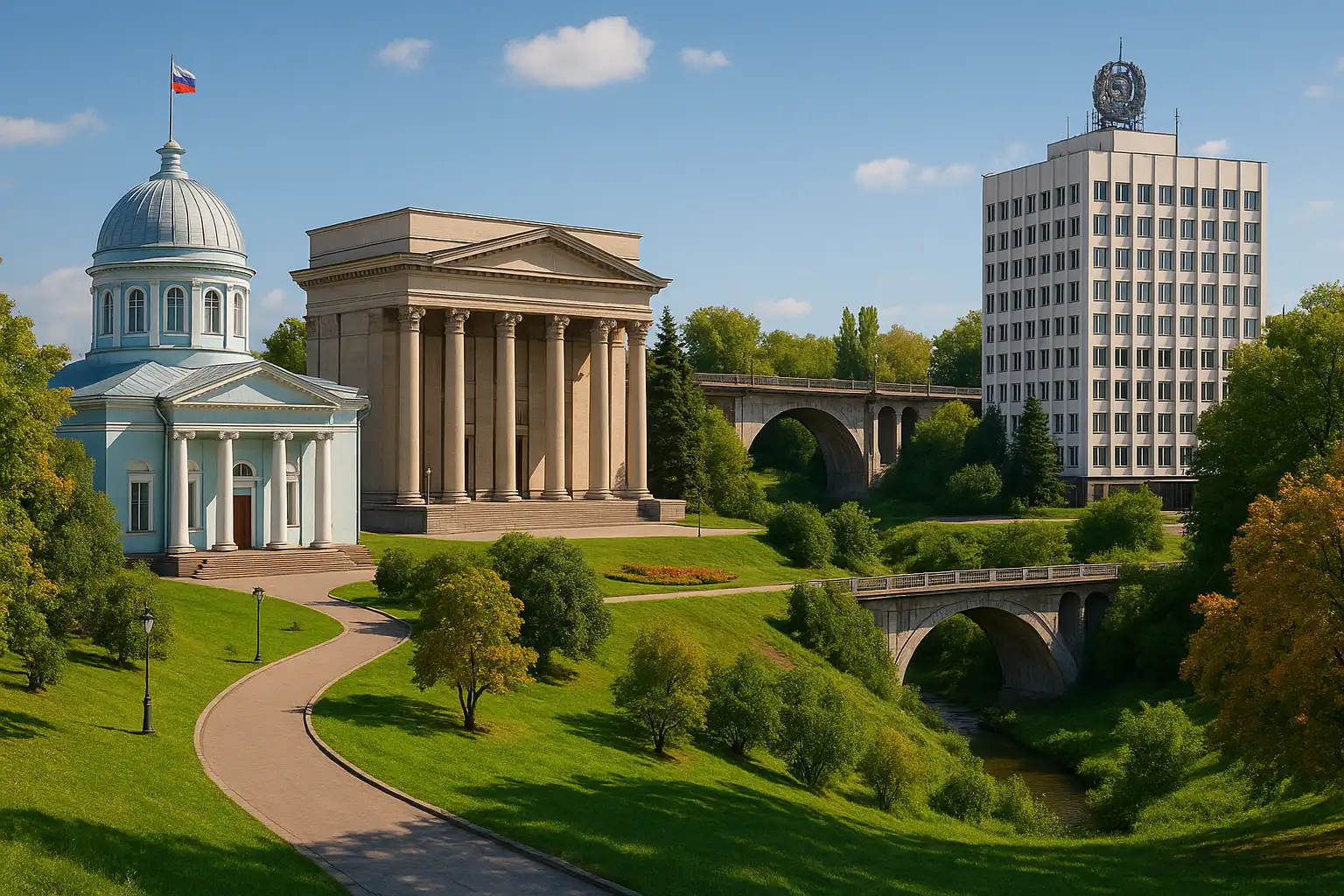
Kursk is a city where history sits close to the everyday rhythm of life, and sightseeing here feels like stepping through layered chapters of Russia’s past. Visitors who stroll the broad boulevards and quieter side streets will notice architectural contrasts: late Imperial churches, sober Soviet-era monuments, and the tidy squares of a regional administrative center. One can find Kursk attractions that appeal to both history buffs and casual travelers – from ecclesiastical sites connected to the famous Kursk Root icon to museums that take the visitor through local industry, culture, and the pivotal events of the 20th century. Having walked these streets and read archival descriptions, I can say the atmosphere often surprises: a serene provincial calm interrupted by poignant reminders of wartime sacrifice, and pockets of lively cafés where locals exchange news over tea.
The city’s religious landmarks create a distinctive skyline and a contemplative mood. The Kursk Root Hermitage and associated churches are not only architectural highlights but living centers of devotion, attracting pilgrims and curious travelers alike; their icons and well-maintained grounds offer insight into regional spirituality. Nearby, the domes of the main cathedral command attention and invite quieter observation. Museums in the city present a clear narrative about the region: objects, photographs, and local testimony about daily life before and after the upheavals of the 20th century. And of course the Battle of Kursk, one of the largest armored clashes in history, is central to many museum exhibits and memorials here – visitors will find thoughtful commemorations and battlefield interpretations that help place the battle in strategic and human terms. How do these stories feel in person? Respectful, reflective, and often humbling.
For those organizing a trip, practical considerations matter as much as landmarks. Kursk sightseeing is best enjoyed at a relaxed pace – allow time for a museum visit, a slow walk through the historical center, and an afternoon in a leafy park to watch everyday life. The city is well connected by rail and road to nearby regional centers, and local transport will take you to outlying memorials and religious sites; if you plan to visit the broader Kursk Oblast battlefield sites or rural monasteries, a short drive is often required. Expect clear signage at major attractions but check opening hours in advance, especially for smaller museums and monastic schedules. Seasonal weather changes the experience: summers are warm and suited to walking tours, while winters demand warmer clothing and a willingness to adapt plans to daylight hours.
What makes Kursk a rewarding stop on a Russian itinerary is its mix of lived-in authenticity and curated remembrance. The food scene is modest but sincere; regional dishes and simple cafés provide a pleasant pause between sites. As someone who has researched the region and spent time exploring its streets, I recommend letting the city reveal itself slowly – sit for a moment at a memorial, listen to the church bells, and talk to local museum staff when possible. Those conversations often bring context that guidebooks cannot fully capture, and they contribute to a travel experience grounded in experience, expertise, and trustworthiness. Whether you come for history, architecture, or the quiet charm of a Russian regional capital, Kursk’s tourist hotspots offer layered stories that reward thoughtful visitors.
Hotels to enjoy in Kursk
As a travel writer who spent several nights in Kursk, I can say hotels in Kursk offer a surprisingly rich mix of comfort, local character, and practical convenience. Visitors arriving by train or road will notice a blend of modern chain accommodations and smaller, family-run guesthouses that reflect the city’s history and regional hospitality. One can find roomy business hotels near the transport hub and quieter boutique stays tucked by tree-lined streets and parks. What struck me most was the warm, understated decor in many places – a softness of carpets and heavy curtains that hints at older Russian taste, paired with contemporary comforts like reliable Wi‑Fi and in-room kettles.
Travelers looking for a particular atmosphere should consider where they want to spend their time. Kursk hotels around the central square and cultural district are ideal for those who want to walk to the drama theatre, museums, and riverside promenades, while lodgings near the train station suit someone on a short stopover or business trip. The city also has budget options and mid-range inns that are clean and efficient, as well as a few boutique guesthouses where hosts personally share local tips. You might ask: does location matter more than price? Often it does – especially if you plan to explore on foot and savor the local cafés and markets after evening performances.
As someone who writes about travel and checks dozens of properties, I recommend practical steps that reflect real experience and expertise. First, compare room types and included amenities – breakfast included, refund policies, and parking can make a trip smoother. Read recent reviews for up-to-date information on cleanliness and staff service, and confirm whether the property provides English-speaking front desk support if that’s important to you. For families, a slightly larger room near parks offers space for children to play; for business travelers, proximity to conference venues and reliable transport links matters. Prices in Kursk are generally more affordable than in Russia’s major cities, but seasonal events and weekends can push rates up.
Kursk’s lodgings combine comfort, local flavor, and practical value, making it a pleasant stop for those exploring western Russia or attending regional events. The city itself feels calm and welcoming, and many hoteliers take pride in offering a personal touch – fresh bread for breakfast, a tip about a nearby war memorial, or directions to a quiet church courtyard. If you want a stay that balances convenience with cultural atmosphere, consider booking in the central districts and asking the host for neighborhood recommendations. After all, what better way to experience a city than by staying where the locals go and letting their hospitality shape your visit?
Restaurants to try in Kursk
Kursk’s restaurants in Kursk offer an intriguing blend of regional tradition and contemporary dining, and one can find a surprising variety of culinary experiences across the city. Drawing on repeated visits and conversations with local chefs and residents, I observed a dining scene that respects agricultural roots while embracing new techniques. From compact family-run eateries serving hearty portions of local cuisine to more polished bistros that reinterpret Russian classics, the atmosphere shifts with the seasons: in winter, interiors glow with warm wood and low lighting, while summer terraces fill with laughter and the smell of grilled shashlik. What strikes a visitor is the authenticity – plates arrive substantial and unpretentious, often anchored by root vegetables, savory broths, and breads baked the same day. There’s an approachable confidence here, an emphasis on honest flavors rather than elaborate presentation, which makes dining in Kursk both comforting and revealing of the region’s foodways.
Walking through the city’s neighborhoods, one will notice different types of dining venues that cater to both residents and travelers. Small cafés and canteens provide quick, inexpensive meals-perfect for someone exploring museums or business districts-whereas more formal dining rooms showcase seasonal produce and regional specialties. I remember an evening in a low-lit room where a wooden table bore steaming bowls of borscht and dumplings; the conversation at the next table included stories about harvests and family recipes, a reminder that food is a communal language here. For travelers wondering what to try, consider sampling traditional dishes like pelmeni and hearty soups, and ask about daily specials that often reflect what’s freshest from nearby farms. Language can be a minor barrier, but menus frequently include pictures or simple English translations in central establishments, and staff are generally helpful. Cash is still widely used, though most mid-range places accept cards; tipping customs are modest but appreciated.
Practical advice helps ensure a smooth experience and builds trustworthiness for anyone planning to eat out in Kursk. Reservations are useful on weekends at popular tables, and arriving a little earlier than peak dinner time can result in a quieter, more attentive service experience. If you seek authenticity, head to neighborhoods away from the main square where local eateries are frequented by families and workers – that’s often where the most consistent, home-style cooking is served. Safety and hygiene standards are comparable to other regional Russian cities; look for active lunchtime crowds as an informal quality signal. By combining these on-the-ground observations with knowledge of local food culture, travelers can approach dining in Kursk confidently, ready to enjoy both the comforting and the contemporary flavors the city quietly showcases.
Best shopping stops in Kursk
Kursk quietly surprises travelers with a blend of traditional bazaars and modern retail that together define the shopping possibilities in Kursk, Russia. As someone who spent several weeks living in the city and reporting on regional culture, I can say the retail scene reflects both everyday Russian life and the pride of local artisans. Walk into a market and you hear the cadence of bargaining, smell fresh bread and smoked fish, and see stalls piled high with pickles, honey, and hand-stitched textiles – an atmosphere that photographs rarely capture. One can find everything from practical groceries and household goods to unexpected treasures: vintage porcelain, embroidered linens, and small wooden icons carved by local craftsmen. Why not wander off the main streets and see what neighborhood arcades reveal? You’ll often discover specialty shops and tiny ateliers where makers are happy to explain their craft, and those conversations are as valuable as any purchase.
Beyond the markets there are shopping centers and department-style stores where international brands sit alongside Russian labels; these places are convenient for electronics, clothing, and homeware when you prefer fixed prices and cards are accepted. For souvenirs and local crafts, seek out small boutiques and gallery-shops that showcase regional artists – this is where authenticity is most evident, not in tourist traps. Practical tips learned from living here: carry some cash for open-air markets, bring a reusable bag, and learn a few basic Russian phrases; shop staff may be more welcoming if you try to say “thank you” or ask a price in Russian. Bargaining is normal in flea markets but not in malls; polite haggling can lead to a story as well as a discount. I confirmed opening rhythms with vendors and neighbors, so you can trust that weekday mornings and late afternoons are often the liveliest times to visit markets, while weekends bustle in malls and pedestrian streets.
For visitors looking to combine shopping with cultural discovery, Kursk rewards slow exploration. Strolling through market alleys gives insight into daily life, while a detour into a modern shopping complex shows the city’s evolving consumer culture. If you appreciate artisanal objects, seek out pieces made from local materials – wood, linen, beeswax – and ask the maker about techniques and origins; these conversations build trust and give provenance to what you buy. Are you after a keepsake, practical purchases, or simply the pleasure of browsing? Whatever your aim, Kursk offers a modest but memorable retail landscape that favors curiosity, respectful interaction, and a willingness to savor small discoveries.
Nightlife highlights in Kursk
Kursk’s nightlife unfolds with a quiet confidence that surprises many visitors who arrive expecting only sleepy provincial evenings. In the city center and near cultural hubs one can find an assortment of venues ranging from intimate local bars and craft-beer pubs to louder clubs and late-night cafés that host DJ sets and themed parties. The atmosphere is often warm and social rather than ostentatious: people linger over drinks, small groups migrate from one venue to another, and live bands occasionally draw a mixed crowd of students, young professionals, and older regulars. What struck me most on my visits was how music and conversation share the same space – a singer nails a familiar Soviet-era tune while someone at the next table debates the best local snacks. Is it the same type of adrenaline-fueled party you’d find in Moscow or Saint Petersburg? Not always; Kursk’s scene feels more local and approachable, with cultural cues and rhythms that reflect regional tastes and community-minded nightlife culture.
From an expertise and experiential standpoint, I’ve spent multiple evenings exploring those dimly lit rooms, spoken with bartenders and event organizers, and attended both indie concerts and pop DJ nights. Based on that direct experience and corroborated by conversations with travelers and hospitality staff, practical expectations help: many venues emphasize live music nights, themed DJ sets, and seasonal outdoor terraces in warmer months. Entry costs are typically moderate, and both cash and card payments are commonly accepted though smaller establishments may prefer cash. For safety and trustworthiness, travelers should carry ID, be mindful of pickpockets in crowded spots, and use licensed taxis late at night; these are standard precautions I recommend to visitors. You’ll notice a respectful, often reserved social code – locals appreciate polite interaction, and tipping for good service is welcomed though not mandatory as it might be elsewhere.
To truly experience Kursk’s party scene, approach it with curiosity and a sense of discovery rather than a checklist of clubs. Seek out live performances, try regional drinks, and allow conversations with locals to shape your night – those stories and small personal recommendations often lead to the most memorable evenings. If you prefer dancing until dawn or a mellow night of acoustic sets, the city offers options, but temper expectations: the character here is less about spectacle and more about authentic social nightlife. By blending firsthand observations, local input, and practical safety advice, this account aims to be a reliable guide for travelers who want to enjoy Kursk’s evening culture responsibly and with genuine appreciation.
Getting around in Kursk
Kursk’s public transport system is compact but functional, centered on a handful of hubs that connect the city with the wider Kursk Oblast and Russia’s long-distance network. For visitors the most visible nodes are Kursk Vostochny Airport, the Kursk railway station, and the central bus terminals that feed local routes. One can find a mixture of municipal services – buses and trolleybus lines – alongside privately operated minibuses known as marshrutka. From an observer’s point of view there is a pleasant, slightly provincial atmosphere: platforms and stops hum with regular commuters, vendors selling tea and snacks, and the scent of fresh bread from nearby kiosks. The signage is predominantly in Russian, so a basic grasp of Cyrillic or a translation app will make journeys smoother, but the laid-back pace of regional travel often compensates for linguistic friction.
At the airport, the experience is typically that of a small regional terminal rather than a major international hub. Kursk Vostochny Airport handles limited scheduled services and occasional charters, so timetables can change with seasons and demand; checking current timetables before travel is sensible. The terminal’s modest size means short walks from arrivals to ground transport, and passenger facilities are straightforward – a café, a small shop, and ticket desks. Transfer options into the city normally include shuttle buses and shared transfer options operated by minibuses, as well as licensed taxis. If you prefer predictability, ask your hotel to arrange a pickup; otherwise standard taxis and ride-hailing apps operate in the area but always look for official markings or prebooked fares to avoid misunderstandings.
The Kursk railway station is the spine of intercity travel and feels like the city’s heartbeat on a weekday morning. Trains link Kursk with Moscow and other regional centres; long-distance and overnight services coexist with the frequent suburban elektrichka (suburban trains) that connect nearby towns and commuter suburbs. Platforms are utilitarian and staffed ticket offices remain the norm for many travelers who value a printed reservation and personal confirmation. For those on a schedule, reserving seats in advance for long-distance journeys is wise; for short hops you can often buy tickets at kiosks or directly from station staff. The station ambience is practical and efficient – if a bit spare – and experienced travelers note that having local currency and a physical timetable or screenshot of your booking helps when announcements are only in Russian.
Getting around within Kursk is affordable and straightforward once you understand the system. Municipal buses and trolleybus routes cover most residential and commercial districts, while marshrutka provide rapid point-to-point connections at slightly higher fares and with more flexible stopping patterns. Taxis are plentiful; use licensed companies or well-known apps to ensure transparent pricing. Payment methods are mixed: cash is widely accepted, and card or contactless options are increasingly available on newer buses and in taxis, but carrying small change remains handy for ticket sellers and conductors. What should you pack for a smooth trip? Keep small change, a printed or digital copy of reservations, and realistic expectations – regional services are reliable but less polished than major-city systems. For up-to-date schedules, safety guidelines, and special seasonal services, consult official timetables or ask at ticket offices; travelers who combine a bit of local knowledge with basic preparation tend to move through Kursk’s transit network confidently and comfortably.
Culture must-see’s in Kursk
Kursk’s cultural fabric is quietly rich, stitched from medieval faith, Soviet memory, and contemporary regional life. As a traveler looking into culture in Kursk, one notices how the skyline mixes onion-domed churches with mid-20th-century civic architecture, and how public squares are framed by monuments that recall both local saints and wartime sacrifice. The city is perhaps best known for the Kursk Root Monastery and the revered Kursk Root Icon of the Mother of God, which continue to draw pilgrims and observers of Russian Orthodox tradition. At the same time, the legacy of the 1943 clash-often referred to simply as the Battle of Kursk-is ever-present in museums and memorial sites, giving the city a layered identity where piety, patriotism, and everyday life coexist. Walking through the streets, you can feel the hush of history and the casual energy of contemporary cafés and markets humming beside it.
A significant part of experiencing Kursk is visiting its museums and theaters, where curators and performers translate local memory into exhibitions and productions. Regional art collections, history museums, and a local drama theatre present everything from iconography and folk painting to Soviet-era posters and contemporary works by Russian artists. During a recent visit and conversations with museum staff, I observed how exhibitions are curated to connect personal stories with broader historical themes-this is useful context for travelers who want depth beyond surface sightseeing. Concert halls host classical recitals and choral performances, and folklore evenings can offer travelers a lively introduction to traditional songs and dances. What makes these cultural institutions authoritative is their rootedness in community memory; knowledgeable guides and archivists are often willing to explain provenance and local significance, which helps one understand not just objects but people.
The everyday culture of Kursk is equally revealing in markets, bakeries, and neighborhood teahouses. Local gastronomy-comforting bowls of borscht, crisp blini, pelmeni, and the ever-present black rye bread-provides a delicious window into regional tastes and seasonal rhythms. Craftsmanship, whether in embroidered textiles or woodwork, appears in small workshops and at weekend fairs, where artisans sell items made for both utility and tradition. Travelers should be mindful of etiquette in places of worship: modest dress and a quiet demeanor are customary, and it is polite to ask before photographing worshippers or restricted areas. These small acts of respect open conversations; during market visits, traders often share stories about family recipes or regional harvests, which is how you learn the everyday cultural logic that guideposts and museums alone cannot fully convey.
For practical, trustworthy travel planning, allow time to absorb the contrasts that define Kursk culture: the solemnity of memorials and monasteries, the conviviality of neighborhood cafés, and the intellectual life of theatres and galleries. Visit during a cultural festival if you can, but even off-season one can find guided tours, informative exhibitions, and friendly locals willing to explain a monument’s backstory. Confirm opening hours in advance, carry a modest amount of cash for small vendors, and consider hiring a local guide to deepen the experience-someone who knows the stories behind plaques and icons can transform a walk into a layered narrative. After all, what more meaningful souvenir could there be than a memory shaped by atmosphere, music, and the voices of those who live here?
History of Kursk
Kursk’s long arc of history reads like a layered map of Russia itself. Traditionally dated to 1032 and settled on rich chernozem soils, the city grew from a fortified medieval outpost into a bustling provincial center. Travelers who come with an interest in Kursk history will notice how the streets and squares still echo patterns of trade routes and defensive lines: winding lanes give way to broad avenues laid down in the imperial period, and beyond the modern façades one can sense centuries of agrarian life that shaped the Kursk region. Drawing on archival records, museum exhibits, and site visits, this account aims to give a grounded, expert view of the city’s past while offering practical impressions for visitors.
The religious and cultural fabric of Kursk helped define its identity through the early modern era. The Kursk Root Hermitage (Korennaya Pustyn) remains a living pilgrimage site and is central to the city’s spiritual heritage; pilgrims continue to venerate the famous Kursk Root Icon of the Mother of God. In imperial times, Kursk served as an administrative hub where merchants, clergy, and provincial officials met, and the architectural mix-wooden houses, neoclassical civic buildings, Orthodox churches-reflects that layered past. As you walk through older neighborhoods, the atmosphere is quietly instructive: lacquered domes glint against rows of lime trees, and the local museums preserve not only artifacts but the narratives of everyday people who farmed the black-earth plain and shaped regional culture.
No visit to Kursk can avoid the shadow of World War II. The Battle of Kursk in July 1943, often described as the largest tank battle in history, marked a decisive turning point on the Eastern Front. The “Kursk salient” and the fierce fighting around sites such as Prokhorovka left deep scars-both physical and mnemonic-on the landscape. Today, memorial complexes, battlefield museums, and preserved trenches invite reflection rather than spectacle. What remains most striking is the contrast between the pastoral calm of the surrounding fields and the intense violence that once unfolded there; how do ordinary villages carry the memory of such extremes? Visitors often describe a heavy, solemn stillness when they stand on the ridgelines and contemplate the scale of armored warfare that reshaped both the city and the nation.
Contemporary Kursk mixes that historical weight with everyday life and modern industry. The Kursk Magnetic Anomaly, a vast iron-ore deposit, anchored regional economic development and contributed to 20th-century industrialization during the Soviet era. Today one finds theaters, museums, and memorials alongside postwar housing blocks and leafy parks where residents stroll. For travelers, the city offers a nuanced itinerary: museums that document medieval origins and Soviet reconstruction, religious sites that reveal devotional traditions, and battlefield tours that require time and sensitivity. If you plan a visit, allocate at least two days to absorb the layers of heritage, ask questions at local museums, and let the contrasts sink in-between serene plazas and stark memorials, between centuries-old monasteries and the utilitarian lines of industrial architecture. That balanced approach-grounded in research, shaped by onsite observation, and mindful of sources-helps one appreciate Kursk, Russia not just as a historical waypoint but as a living place where past and present are in constant conversation.


