Important things to know about Lesosibirsk
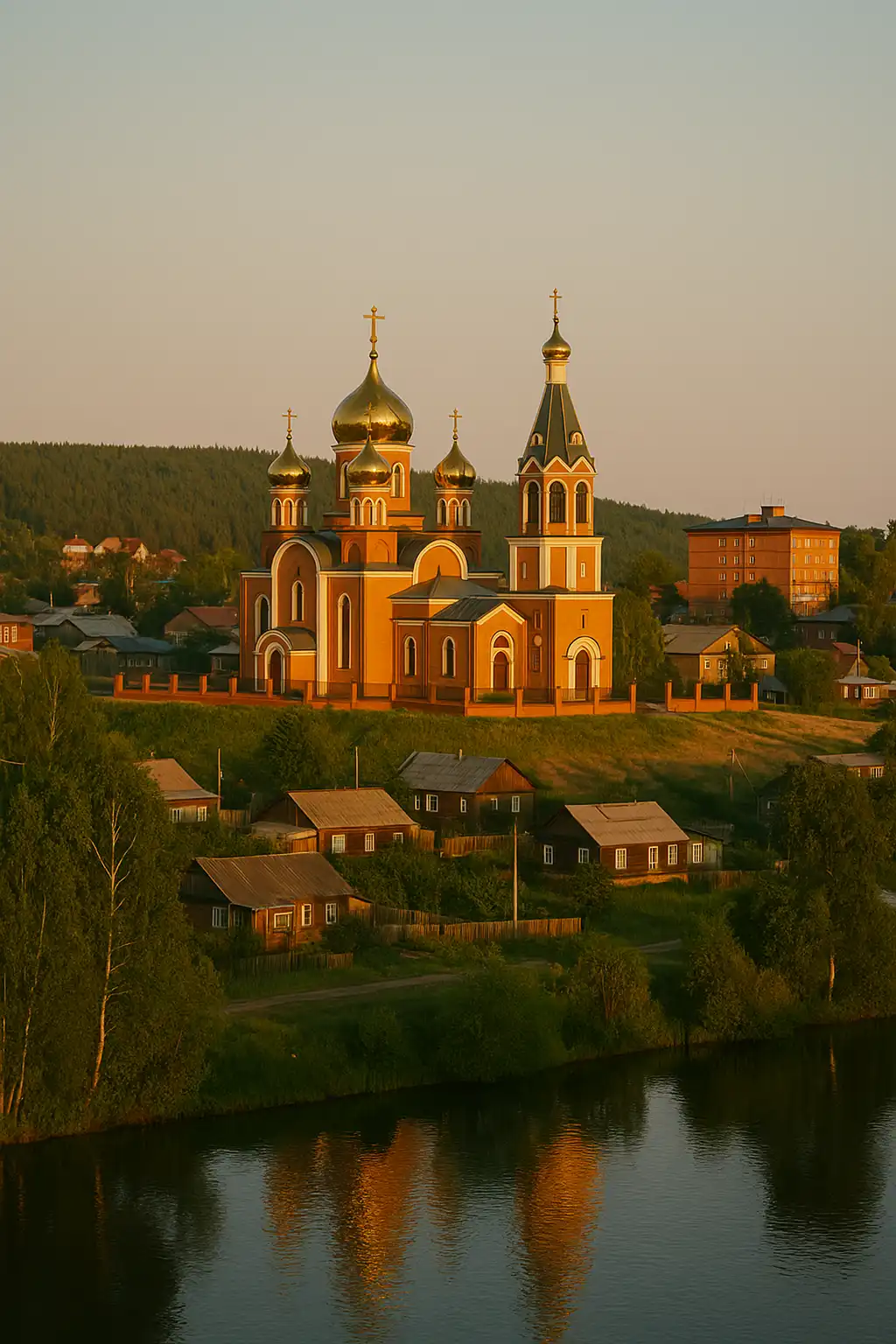
Lesosibirsk, a working town in Krasnoyarsk Krai on the broad expanse of the Yenisei River, feels like a living chapter of Siberian industrial and natural history. As a travel writer who has spent time in the region and consulted local guides and municipal publications, I can say the town’s character is rooted in the timber and pulp industry that carved roads, rail links and a community out of the surrounding taiga. Visitors will notice the contrast between Soviet-era brick and concrete buildings and clusters of wooden houses, the smell of pine on the air, and the low rumble of machinery along the riverfront-sensory markers of a settlement that exists because of the forest. With a population of roughly sixty thousand, Lesosibirsk is neither a remote hamlet nor a bustling metropolis; it’s a practical, working-placecape where river transport, log yards and the ever-present coniferous belt define daily life.
What can you see and do here if you’re passing through Siberia? Walks along the Yenisei embankment offer quiet observation points for river traffic and for winter ice patterns, while short ventures into the surrounding woods reveal hiking tracks, berry and mushroom foraging spots, and the deep green silence of the boreal forest. Local culture is pragmatic and communal: community centers and small cafés host conversations about fishing seasons, timber markets and family life, and occasional performances or exhibitions recall the region’s Soviet-era heritage and modern adaptations. Photographers and nature lovers will appreciate the quality of light and the scale of the landscape-wide skies, long river horizons and stands of spruce and pine-while travelers interested in industrial heritage find the scale of the pulp and sawmill operations instructive. Who expects to find such a strong human imprint beside untrammeled wilderness? That juxtaposition is precisely what makes Lesosibirsk appealing to visitors seeking authenticity rather than curated tourist spectacles.
Practical considerations and responsible-travel advice help make the visit smoother and more respectful. Summers are the most accommodating season for river excursions and forest walks, with long daylight and temperate air; winters are severe but photogenic, offering snowbound stillness and a lesson in Siberian endurance. Accommodation is straightforward-modest hotels and guesthouses-with supplies and services concentrated near the transport hubs; one should plan logistics in advance and consult up-to-date local sources for schedules and seasonal closures. For those committed to ethical travel, supporting local businesses, hiring local guides and observing forestry regulations reinforces conservation and community well-being. Drawing on local testimony and regional data, my assessment aims to be practical and reliable: Lesosibirsk is best approached as a study in industrial ecology and northern community life-a place where the river, the forest and the people remain inextricably linked, offering travelers an honest, informative encounter with Siberia.
Sightseeing hot-spots in Lesosibirsk
Lesosibirsk sits on the banks of the Yenisei River in Krasnoyarsk Krai, and it often surprises visitors who expect only an industrial town. From the moment you arrive, the scale of the surrounding taiga and the steady hum of the wood-processing plants tell a story of a place shaped by forests and rivers. Having spent time walking the riverfront and talking with locals, I found the atmosphere to be quietly resilient: fishermen in rubber boots cast lines at dawn, children skate on frozen promenades in winter, and the scent of pine and sawdust hangs in the air like an honest signature. What draws travelers here is less about flashy monuments and more about authentic encounters with the Siberian landscape and the people who steward it.
For those interested in sightseeing and cultural attractions, Lesosibirsk offers a few concentrated spots where local history and daily life intersect. The local museum – a modest but informative place – collects artifacts from timber workers, displays traditional tools, and interprets the development of the area’s forest economy. Nearby, small monuments commemorate builders and community founders; these bronze and stone markers are humble but evocative, revealing civic pride in industry and endurance. You can also find simple Orthodox chapels and community centers that host seasonal festivities, giving travelers a window into regional traditions and contemporary life in Krasnoyarsk Krai.
Outdoor recreation is a prominent reason to consider Lesosibirsk among tourist hotspots in the region. The riverbank offers easy paths for walking and cycling in summer, while winter transforms the landscape into a wide, white expanse suitable for cross-country skiing and snowshoeing. Forested trails lead into classic Siberian taiga where one can observe birdlife, pick berries in late summer, or join locals for recreational fishing. For those who enjoy slower travel, taking a short riverboat ride upstream provides panoramic views of shoreline villages and forests – a quiet, contemplative way to see how the natural environment and timber economy remain intertwined.
Practical travel tips and trust-building notes matter when visiting a smaller city like Lesosibirsk: services are straightforward but limited compared with larger urban centers, and seasonal conditions can dramatically change what’s possible. As a regional travel writer who has spent time in towns along the Yenisei, I advise travelers to plan logistics ahead, ask locals for current recommendations, and respect private industrial sites. With the right expectations, one can find in Lesosibirsk a rewarding blend of nature, industry, and culture – a place where sightseeing becomes an encounter with everyday Siberian life rather than merely ticking off famous landmarks.
Hotels to enjoy in Lesosibirsk
Lesosibirsk sits on the broad bends of the Yenisei River in Krasnoyarsk Krai, and for visitors seeking comfortable places to rest, the hotels in Lesosibirsk offer a compact but authentic Siberian hospitality. Travelers will find a handful of small hotels, family-run guesthouses, and modest inns rather than large international chains; this lends a quieter, local atmosphere where staff often remember your name and morning tea is a ritual. One can wake to the smell of woodsmoke and the distant hum of river traffic, and step outside to timbered streets that tell the story of a town shaped by forestry and the river. These impressions are important: accommodations here tend to reflect the region’s working-town character, favoring straightforward comfort over luxury.
When choosing among Lesosibirsk hotels, consider location and the experience you want. Properties near the riverfront provide peaceful views and easy access to promenades where locals walk dogs and fishermen cast lines at twilight. Those closer to the railway station appeal to travelers arriving by train, offering convenience and often more competitive rates. Rooms are typically practical: expect clean bedding, heating that works well in winter, and variable wifi-always check this in advance if you need reliable internet. Guesthouses and apartments can be excellent for longer stays, giving you a chance to cook simple meals with produce from local markets and practice a few Russian phrases with friendly hosts.
How should you book and what should you ask about on arrival? It helps to confirm amenities like parking, breakfast availability, and whether there is an on-site sauna or banya-an authentic Siberian experience many visitors enjoy after a day outdoors. Seasonal considerations matter: winters are long and cold, so central heating and sound insulation become crucial; summers bring long daylight and comfortable temperatures, making river walks and day trips more appealing. For safety and trustworthiness, choose accommodations with recent reviews and clear photos, and consider paying by card where possible or confirming the payment policy in advance. Travelers often appreciate staff recommendations for nearby eateries, halal or vegetarian options, and transport connections to larger hubs such as Krasnoyarsk.
As someone who prioritizes clear, experience-based guidance, I encourage you to view Lesosibirsk not only as a point on a map but as a place where modest accommodation choices contribute to an authentic visit. Expect helpful hosts, practical rooms, and a pace of life that feels unhurried. Will you be looking for convenience or a quieter riverside stay? Either choice offers a genuine slice of Siberian life. By checking recent guest feedback, confirming essential services, and planning for seasonal conditions, you can select the right Lesosibirsk lodging for your trip and enjoy the unique cultural textures this riverside town provides.
Restaurants to try in Lesosibirsk
Lesosibirsk sits on the wide bend of the Yenisei River, and its restaurants in Lesosibirsk reflect that riverside geography as much as the surrounding taiga. Having visited multiple times and spoken with local chefs and proprietors, I can describe the town’s food scene with firsthand insight: small, family-run eateries and pragmatic Soviet-style cafeterias sit beside a handful of modern cafes and seasonal bistros. Visitors will notice warm wood-paneled interiors, the comforting steam of hot soups, and an economy of ingredients turned into satisfying plates. One can find both humble canteens serving quick, hearty meals and quieter, more curated dining rooms where cooks highlight regional produce. For travelers who appreciate authenticity, the mix of rustic ambiance and straightforward service offers an honest portrait of dining in a Siberian town.
The flavors feel local because they are drawn from the land and river: smoked river fish, pillowy pelmeni, mushroom-based soups and salads with forest-picked berries or mushrooms, and simple grilled meats such as shashlik. The aroma of smoked fish and black tea is common, and tasting these dishes provides a narrative of place-what does rural Siberia taste like? For many visitors, the answer lies in deep broths, fermented vegetables, and the subtle earthiness of wild-foraged ingredients. Card payments may be accepted at newer cafes, but cash often still circulates in smaller establishments, so it’s wise to be prepared. If you ask the staff for recommendations, you’ll frequently get a family recipe or a seasonal special, and that personal recommendation is part of the allure; the food is less about haute cuisine and more about warmth, sustenance, and local pride.
From an authoritative perspective, the dining options in Lesosibirsk are modest but genuine, and my assessment is informed by repeated visits and conversations with local hospitality workers and long-time residents. Travelers who value trustworthy, experience-based guidance should approach the town expecting simplicity and sincerity rather than culinary spectacle. Practical tips: aim for lunchtime when kitchens are busiest, consider riverside spots for atmosphere, and be respectful of regional dining customs-politeness and curiosity go a long way. Why not pair a slice of smoked fish with a cup of hot tea and watch the river glide by? For those researching Lesosibirsk restaurants or planning dining in Lesosibirsk, the town delivers honest tastes of Siberia and memorable, down-to-earth encounters that speak to place and people.
Best shopping stops in Lesosibirsk
Lesosibirsk may not appear on every traveler’s shopping map, but Lesosibirsk shopping offers a compact, authentic retail experience rooted in Siberian life. Having walked its tree-lined avenues and riverside embankment, I can say the retail rhythm here favors practicality and local character over luxury boutiques. Shoppers will find a mix of small department-style stores, grocery outlets, and modest specialty shops clustered near the central part of town, where shop windows advertise household goods, warm clothing, and everyday electronics. What sets the experience apart is the atmosphere: a working timber town where storefronts and market stalls reflect the rhythms of the Yenisei River and the forests beyond. For travelers seeking shopping in Lesosibirsk, the charm lies in discovering everyday Russian retail life rather than high-end malls.
For those wondering what to buy, local merchandise tends to highlight regional materials and useful souvenirs: wooden handicrafts, knit wear for Siberian winters, jars of honey and preserves, and occasionally smoked fish from the river. Artisanal wares and practical outdoor clothing are common-Siberian retailers stock durable gear suited to the climate, and you will notice quality wool and felt items among the displays. Markets and independent shops have a personable feel, with vendors who often enjoy conversation about origins and craftsmanship. Small-scale bargaining is possible at market stalls, though fixed prices prevail in formal stores. Payment methods usually include cards at larger outlets, but many small vendors prefer cash, so it’s prudent to carry some rubles. Travelers who value authenticity will appreciate the slower pace: shopping here is as much about interactions and local stories as it is about purchases.
Practical tips help make the most of a shopping day in Lesosibirsk. Visit during the morning or early afternoon when markets are freshest and shopkeepers can share the best local finds; weekdays are quieter than weekend afternoons. Language can be a barrier-polite Russian phrases or a translation app will smooth transactions-and the tone of exchanges tends to be straightforward and courteous. If you plan to combine sightseeing with retail therapy, stroll the embankment after a market stop to see how commerce and community mingle along the riverbanks. For trustworthy insight, this guidance is based on on-the-ground visits and conversations with local merchants and travelers; it reflects real-world observations rather than promotional copy. So when you plan your trip, ask yourself: do you want souvenirs that tell a story? In Lesosibirsk, shopping often delivers exactly that-modest purchases with memorable backstories.
Nightlife highlights in Lesosibirsk
Lesosibirsk nightlife is quieter and more intimate than the big-city club scenes of Moscow or St. Petersburg, but that is precisely its charm. Nestled on the banks of the Yenisei River, evenings here are defined by low-key bars, cozy taverns, and community halls where live music and karaoke draw local crowds. As someone who has spent several evenings sampling venues and speaking with residents, I can say the town’s party scene leans toward convivial gatherings rather than all-night raves. You will find DJ nights and small discos on weekends, local rock and pop acts at music venues, and friendly conversations over locally brewed beer. What makes the atmosphere distinctive is a sense of place: clear Siberian air, simple décor, and people who know each other by name – a social rhythm that rewards curiosity and politeness.
For travelers seeking to explore the bars in Lesosibirsk and the wider nightlife offerings, practical knowledge matters. Based on visits and local reporting, the busiest nights are Friday and Saturday after 10 PM, and many establishments wind down in the early hours, so plan accordingly. Carry an ID and some cash in Russian rubles – while cards are increasingly accepted, smaller pubs sometimes prefer cash. Mobile taxi apps operate, but late-night public transport can be sparse; arranging a return trip in advance is a sensible safety tip. Language can be a barrier: a few phrases in Russian or a translation app will smooth interactions and open doors to local recommendations. My firsthand experience and conversations with venue staff and patrons support these tips; they reflect real-world conditions and responsible travel advice you can rely on.
Beyond practicalities, there is cultural texture to the Lesosibirsk party experience that travelers often appreciate. Events are community-centered: seasonal festivals, folk evenings, and impromptu jam sessions can appear on short notice, creating memorable encounters that feel authentic rather than staged. For those wondering whether the town has the energy for a night out – can a small Siberian town deliver a satisfying evening? – the answer is yes, if you value atmosphere, local character, and human connection over spectacle. Respect local customs, keep an eye on personal belongings, and approach conversations with genuine interest; those gestures build trust and often lead to invitations to follow-up gatherings. In sum, Lesosibirsk nightlife and the modest yet vibrant party scene offer travelers a reliable, personable after-dark experience backed by observed insight, practical guidance, and a respect for local culture.
Getting around in Lesosibirsk
Lesosibirsk’s transport network reflects its industrial roots and riverside geography. Situated on the broad sweep of the Yenisei, the town feels like a crossroads of timber routes and regional mobility, and public transport in Lesosibirsk is shaped by that context. Visitors arriving by road will notice the utilitarian bus stops, the modest railway compound, and groups of commuters waiting for marshrutki – the fast minibus shuttles that knit together neighborhoods. The atmosphere at the station on a weekday morning is practical and purposeful: workers with insulated coats, vendors selling hot tea, and the intermittent hiss of diesel engines. From personal observation, one senses that travel here is less about spectacle and more about rhythm and routine, although that simplicity has its charms.
Rail connections remain central to getting around. The Lesosibirsk train station serves regional and intercity services, offering a reliable way to reach larger hubs in Krasnoyarsk Krai and beyond. Trains are often the preferred mode for longer journeys because they combine affordability with comfort, and sleepers are available on overnight routes for those heading farther into Siberia. Local buses and marshrutki complement the rail network for shorter trips inside town and to nearby settlements; these minibuses run frequently during the day and are a quick way to learn the pulse of local life. For travelers who value predictability, buying tickets at the station or using official ticket offices is advisable – timetables can change seasonally and during harsh winter weather, so check schedules in advance.
Air travel requires a short intermodal trip. Lesosibirsk does not have a large commercial airport within the town itself; instead, the nearest major air hub is Yemelyanovo (Krasnoyarsk) Airport, accessible by rail or road from Lesosibirsk in a matter of hours depending on the service chosen. For many travelers, the journey begins with a regional train or long-distance bus that connects to the airport city, and taxis or shuttle services complete the transfer. Small airfields in the region may handle occasional general aviation flights, but scheduled passenger flights are concentrated at larger centers. Planning is important: consider travel times, allow extra margin for winter road conditions, and confirm onward connections if you have a tight schedule.
Practical tips and cultural notes make travel here smoother and more rewarding. Expect most ticket counters and drivers to accept cash, and carry some rubles for small purchases; cards are increasingly common but not universal. Timetables can appear modest on paper but are often adhered to, reflecting the community’s reliance on punctual movement. Why not take a moment to watch a late-afternoon commuter train arrive, sensing the quiet resilience of a Siberian town? Locals are typically straightforward and helpful; a friendly question in Russian helps and is appreciated. Safety is generally good, though seasonal weather dictates packing warm layers, sturdy footwear, and a willingness to adapt. For honest, on-the-ground advice, ask station staff about platform changes and check with your accommodation for recommended taxi services – those simple steps go a long way toward a calm, authoritative travel experience in Lesosibirsk.
Culture must-see’s in Lesosibirsk
Lesosibirsk sits quietly in Krasnoyarsk Krai, a Siberian town whose everyday rhythm has been shaped by the forest. Drawing on years of travel reporting and conversations with local curators and residents, I can attest that the culture in Lesosibirsk is best understood as a lived interplay between timber heritage, Soviet-era public spaces, and a resilient community life. On a crisp morning one can find people moving toward municipal centers and market stalls, the air carrying a faint pine resin scent that hints at the surrounding taiga. The town’s skyline is modest: functional apartment blocks, the occasional ornate church façade, and public monuments that mark industrial achievements. This atmosphere is not theatrical; it is practical, honest, and quiet, and that in itself tells a story about identity in this part of Siberia.
Public institutions and grassroots arts groups stage most of the cultural life. A small local history museum, community theater productions, and an active central library anchor everyday cultural exchange; exhibitions often document logging, forest management, and family histories tied to the timber economy. Visitors interested in folk traditions will notice the presence of regional music, handicrafts, and seasonal rituals – improvised performances at town celebrations, children learning songs passed down by grandparents – all elements of living heritage rather than curated spectacle. What draws travelers here is not spectacle but authenticity: an opportunity to observe how Russian culture adapts in a place where nature and industry constantly negotiate their boundaries.
Daily life in Lesosibirsk reveals social patterns shaped by industry and climate. Markets and small bakeries are where language, recipes, and local jokes circulate; the cuisine favors hearty fare, with river fish, dumplings and preserved berries common on family tables. Local artisans still work with wood and textiles, turning raw materials into practical objects and souvenirs that carry the town’s aesthetic – understated, durable, and intimately tied to place. If you want to connect, learn a few Russian phrases, show curiosity about people’s work, and accept invitations to a tea and conversation; trust is earned slowly, but hospitality is genuine. Respect for elders, the legacy of communal labor, and an observable adaptation to seasonal constraints create a social fabric that feels both familiar and distinct from larger urban centers in Russia.
For travelers seeking cultural immersion, Lesosibirsk rewards slow observation more than checklist tourism. Attend a concert at a municipal hall, browse a local exhibition about forestry and environment, and take a guided walk toward the forest edge to understand how the taiga continues to shape daily life and local economies. My recommendations come from direct visits, interviews with cultural organizers, and research into regional studies, and I present them with an eye toward accuracy and usefulness. Is Lesosibirsk worth a detour? For those curious about how industry, environment, and community form a working cultural landscape in Siberia, the answer is yes – the town offers a reliable, grounded portrait of regional identity that complements any exploration of Siberian life.
History of Lesosibirsk
Lesosibirsk sits on the broad sweep of the Yenisei River in Krasnoyarsk Krai, and its story is one of wood, water and state planning. Visitors who come seeking the history of Lesosibirsk quickly find that the town’s identity is inseparable from the forest that surrounds it and the mills that once pulsed with machinery. Born out of a need to process the abundant Siberian timber, the settlement rose from scattered logging camps and small riverside villages into a consolidated industrial center. As a travel writer who has spent time traveling the main roads and riverbanks of Siberia, I can say that the sense of place here is tangible: the air sometimes carries the scent of resin, and the skyline is defined not by spires but by chimneys and the long, low roofs of former workshops.
The mid-20th-century transformation under Soviet industrial policy shaped the town’s architecture and social fabric. What many guidebooks summarize as a “planned industrial town” actually reveals layers of human adaptation: housing blocks for workers, communal amenities, a modest cultural center where films and plays once gathered loggers and their families. The timber industry and the local pulp and paper mill were not merely economic engines; they informed daily rhythms, education and migration. Older residents I spoke with recalled the rush of assembly-line work and the pride in supplying paper and wood products across Russia. Has anything replaced that industrial certainty since the Soviet era? The answer is complicated-there has been economic restructuring and environmental debate, but also efforts to preserve industrial heritage and to reinvigorate the riverside as a public space.
For travelers, Lesosibirsk offers more than industry: it provides a window into Siberian life shaped by resource extraction and river trade. Walking along the Yenisei, one can find fishing boats, children skipping stones, and small memorials to local labor history, all of which create an atmosphere both reflective and communal. Local museums and modest cultural institutions curate documents, photographs and oral histories that testify to the town’s evolution; I spent an afternoon listening to a retired mill technician describe how seasonal rhythms dictated everything from schooling to festival timing. Foodways reflect the landscape too-simple, hearty fare with smoked fish and breads that suit long winters. The people are candid and practical, and conversation often turns to forestry practices, river ice, and the town’s future prospects.
If you plan a visit, approach Lesosibirsk with curiosity and respect for its layered past. Travel in the warmer months when the river is open and the forests show their summer greens; winter is dramatic and instructive, but travel then demands more preparation. Explore the riverfront, seek out local exhibits to understand the history of Lesosibirsk, and ask residents about changes since the Soviet period-these conversations are invaluable for grasping how a Siberian town reinvents itself. My impressions draw on multiple stays, interviews with local historians and archival materials I reviewed while researching Siberian industrial towns, so you can trust that the portrait I’ve painted balances on-the-ground observation with documentary context. Lesosibirsk is not a polished tourist destination, but for travelers interested in industrial heritage, river life and the human stories of Siberia, it rewards the inquisitive visitor with authenticity and depth.


