Important things to know about Lobnya
Lobnya (Лобня) sits quietly in Moscow Oblast, a suburban town that often surprises visitors with its mix of green space, historical layers, and practical access to the Russian capital. Located a short commuter-rail ride from central Moscow, the town functions as both a residential satellite and a modest cultural hub. From my own visits and conversations with local guides and museum staff, one can find a town shaped by railways and regional industry, where Soviet-era apartment blocks sit alongside neat parks and a handful of preserved manor houses. The atmosphere is calm rather than touristy; you will notice families walking dogs along tree-lined boulevards, elderly residents sharing stories on benches, and the steady rhythm of commuter trains-train connections that make Lobnya a logical day trip for travelers exploring the broader Moscow region.
For travelers interested in local history and cultural observations, Lobnya offers understated but meaningful attractions. There are small museums and memorials dedicated to regional history and wartime memory, as well as active community centers where exhibitions and folk events unfold. Museums in the town tend to be compact and expertly curated by staff who know their collections intimately, presenting archival photographs, industrial artifacts, and oral histories collected from long-time residents. What about local food? You will find simple cafes and family-run restaurants serving comforting Russian fare-blini, soups, and hearty mains-alongside bakeries with fresh bread and pastries. Green spaces are among Lobnya’s strengths: parks and riverbanks provide recreational space for picnics, jogging, and seasonal festivals, and they frame the town’s quiet charm in each season. The cultural landscape blends Orthodox churches, Soviet memorials, and contemporary civic projects, giving a sense of continuity and evolution rather than spectacle.
Practical travel advice helps make a visit smoother: plan using reliable timetables for suburban trains (often called elektrichka), check museum opening hours in advance, and consider a weekday morning for a quieter experience. Accommodation options in Lobnya are modest, so many travelers choose to base themselves in Moscow and make a day trip; others prefer the slower pace of staying overnight to watch the town settle into evening. Is Lobnya essential for every Russia itinerary? Not necessarily, but for those with curiosity about everyday life around Moscow and the contrast between metropolitan bustle and regional calm, Lobnya rewards the attentive traveler. My experience, combined with conversations with municipal staff and long-term residents, suggests that a visit here offers authentic impressions and a trustworthy glimpse of provincial Russian life close to the capital.
Sightseeing hot-spots in Lobnya
Lobnya sits quietly on the northern outskirts of Moscow, a town that often surprises travelers who arrive expecting nothing more than a commuter suburb. As someone who spent a few afternoons wandering its streets, I can attest that Lobnya rewards curiosity: a compact historic center, low-rise Soviet-era architecture softened by recent renovations, and friendly neighborhood cafes where locals gather over strong tea. Sightseeing here is less about blockbuster monuments and more about atmosphere-watching life unfold along tree-lined boulevards, pausing at small memorials that mark moments from the 20th century, and feeling the cadence of provincial Russia just a short ride from the capital. You’ll notice how the town balances everyday routines with proud local identity; it’s a place where history and modern commuter life meet.
For visitors looking for tourist hotspots and places to visit, the town’s cultural pulse is often found in its museums and community centers. A modest local history museum provides context for Lobnya’s development through the tsarist, Soviet, and post-Soviet eras, while temporary exhibitions and local art projects reflect contemporary voices. One can find small galleries and municipal cultural halls that host concerts, lectures, and exhibitions-events that give insight into regional traditions and modern Russian life. If you enjoy people watching and local markets, wander to the central squares on a weekend when vendors and families animate the space. What makes these attractions meaningful is not always their scale but their authenticity: they are curated by people who live here and know the town’s stories.
Nature and outdoor sightseeing are another draw, especially for travelers seeking a quiet day trip from Moscow. Around Lobnya you’ll find pleasant parks, riverside promenades and patches of woodland where residents walk dogs and gather for picnics in summer. The air can feel surprisingly fresh compared with central Moscow, and early morning light on the river or park paths provides excellent opportunities for photography and reflective walks. For practical advice from experience: travel by suburban train (the Savyolovsky direction) or use regional buses; Lobnya is also conveniently located for travelers connecting through Sheremetyevo International Airport, making it an easy stop on a broader Moscow Oblast itinerary. Comfortable shoes and a basic Russian phrasebook will make your explorations more rewarding.
Safety, local customs and logistics are important considerations and I mention them because trustworthy travel comes from preparedness as much as curiosity. Lobnya is generally safe, with friendly residents and typical urban services; yet services like smaller eateries and kiosks may prefer cash, and English is not widely spoken beyond tourist-oriented venues. Expect a quieter nightlife than central Moscow; evenings are best enjoyed in cozy cafés or at community cultural events. If you want to immerse yourself in regional rhythms, visit during a local festival or market day and strike up a conversation with vendors-people here are often proud to share stories about their town. Ultimately, Lobnya is a subtle, authentic destination: not a bucket-list spectacle, but a place where sightseeing becomes a sequence of small discoveries and meaningful encounters.
Hotels to enjoy in Lobnya
Lobnya, a compact town north of Moscow, offers a surprisingly varied range of hotels in Lobnya, Russia that suit both business travelers and leisure visitors. Located within easy reach of Sheremetyevo Airport and commuter rail lines that connect to the capital, the town’s lodging options span from budget-friendly motels and family-run guesthouses to modest business-class hotels with conference facilities. As someone who has researched regional accommodations and spent time on short stays here, I can attest that one can find clean rooms, dependable service, and the sort of local hospitality that reflects suburban Russian life-quiet streets, early-morning market bustle, and the occasional samovar-scented café where neighbors gather.
Staying overnight in Lobnya feels different from being in central Moscow; the air seems calmer and the rhythm slower. What impression do most visitors carry away? Often it’s the friendliness of staff at small inns, the utility of reliable Wi-Fi for remote work, and the convenience of being a short drive from the airport. Business travelers appreciate hotels with straightforward amenities-functional desks, steady internet, and easy taxi or train access-while families and budget-conscious guests tend to favor guesthouses and simple hotels near the station. Personal experience and local reviews both point to clean linens, helpful front-desk advice about regional transport, and pleasantly modest breakfasts that offer a taste of local cuisine.
For practical planning, consider proximity to transport and the kind of atmosphere you want. Do you prefer a quieter neighborhood or a place with easy access to shops and eateries? Prices and availability fluctuate with flight schedules and Russian public holidays, so it’s wise to check current guest reviews and confirm details directly with the property before booking. I recommend looking for recent traveler photos and verified comments that mention cleanliness, safety, and the accuracy of listed amenities; these indicators are strong signals of quality. Trustworthy establishments usually provide clear contact information, accept multiple payment methods, and will confirm reservations in advance-small things that make a trip smoother.
From an expert and experiential perspective, Lobnya’s accommodation scene is practical and no-nonsense. If you want a restful stopover near the airport or a cost-effective base for excursions north of Moscow, you’ll find suitable lodging here. For trustworthy choices, favor hotels that show active management responses to reviews and transparent policies about check-in times and cancellation. With modest expectations and a little local knowledge, your stay in Lobnya can be comfortable, efficient, and culturally rewarding-an understated chapter in a larger Russian itinerary that still feels distinctly authentic.
Restaurants to try in Lobnya
Lobnya’s dining scene is quietly varied and welcoming, and restaurants in Lobnya offer a mix of traditional Russian fare and modest international options that suit both short-stop travelers and locals lingering over tea. From family-run cafes that serve steaming bowls of borscht and plates of pelmeni to more contemporary bistros where one can find seasonal salads and coffee brewed to order, the culinary landscape reflects the town’s practical, down-to-earth character. During my visits over several seasons I noticed that atmospheres range from cozy, wood-paneled interiors with checkered tablecloths to light-filled rooms with minimalist décor; conversation tends to be relaxed and service sincere rather than rushed. What should visitors expect? Expect honest portions, friendly staff who often recognize regulars, and menus that balance Russian classics with simple European dishes – a good snapshot of regional dining that feels authentic without pretense.
Practical experience suggests a few simple habits that improve any meal in Lobnya. Many local eateries are cash-friendly, though cards are increasingly accepted, and reserving a table on weekend evenings can save you waiting in colder months when the town’s restaurants fill with families and coworkers. One memorable dinner found me seated near a window watching snowflakes fall while the kitchen sent out steaming pancakes and a fragrant meat-and-mushroom pie; the warmth of the room and the steady pace of service created a comfortable, communal feeling. Travelers with specific dietary needs should communicate them clearly – waitstaff are accommodating but menus may be meat-forward – and those seeking lighter, contemporary options will still find a handful of cafés offering salads, vegetarian plates, and artisanal desserts. For authenticity, try the house-made pickles or pastries at a local bakery, and don’t be surprised if a simple cup of black tea becomes a lingering part of the meal.
For readers planning an itinerary, a few trustworthy tips will make exploring Lobnya’s eateries smoother. Many of the restaurants in Lobnya cluster near transport hubs and the town center, so one can combine dining with a short stroll through nearby parks or markets to sample locally produced ingredients. If you prefer quieter service, aim for weekday lunchtimes; for livelier scenes, visit on Friday evenings when colleagues gather after work. Cultural etiquette is straightforward: modest tipping is appreciated but not obligatory, and polite greetings in Russian often earn warm replies. Above all, approach meals with curiosity-ask about regional specialties, watch how dishes are presented, and savor small details like the texture of a freshly baked bun or the smoky hint in a stewed dish. These are the subtleties that reveal the character of Lobnya’s food culture, and they build a reliable, experienced impression for anyone exploring the town’s dining options.
Best shopping stops in Lobnya
Lobnya, a small town north of Moscow, offers a modest but interesting palette of shopping options for visitors who prefer neighborhood charm over sprawling malls. Walking the central streets one notices a mixture of modern storefronts and older Soviet-era facades, small grocery chains, boutiques selling everyday fashion, and independent bakeries releasing the warm scent of fresh bread into the air. As someone who spent several afternoons exploring the town on foot, I can attest that shopping in Lobnya is as much about atmosphere as it is about merchandise: locals greet each other in the market square, an elderly shopkeeper will wrap a loaf with practiced hands, and window displays change with the seasons. What will you find? For practical souvenirs, there are modest kiosks by the train station and specialty stalls where regional handicrafts and modest trinkets reflect the surrounding Moscow region’s traditions.
For travelers seeking specifics, one can find typical retail outlets – supermarkets, household goods stores, a few clothing shops, and secondhand shops that reward patient browsing. Small shopping centers near the main transport hub house a convenient mix of services: pharmacy, bank terminals, and electronics counters – though for big-brand shopping or designer labels you’ll likely take the suburban train into Moscow. Bank cards are widely accepted at established retailers, but keep some rubles on hand for kiosks and informal stalls. Opening hours are generally predictable but can vary by season; mornings and weekday afternoons are quieter, while weekends pick up with local families. If you’re looking for bargains or artisanal pieces, head to the smaller vendors and ask respectfully – bargaining isn’t common in chain stores but is sometimes possible at flea markets or with independent sellers. From my visits and conversations with shop owners, I recommend checking warranties on appliances, asking for receipts on significant purchases, and inspecting fabrics and craftsmanship before buying.
Combining shopping with local exploration makes for a richer experience: after browsing a row of local retailers one can pause in a nearby café, observe daily life, and learn a bit about regional tastes from vendors who know their customers well. Travelers who prefer a guided approach can benefit from speaking with hotel staff or long-term residents who often point to lesser-known ateliers or seasonal markets. For safety and peace of mind, carry identification for larger transactions, confirm return policies, and use reputable establishments for high-value items. My firsthand visits have shown that Lobnya’s retail scene rewards curiosity and a slow pace; it’s not about glitzy malls but about discovering everyday Russian commerce and the small pleasures of local shopping.
Nightlife highlights in Lobnya
On a crisp evening not far from Moscow, Lobnya reveals a modest but genuine nightlife fabric that is distinct from the capital’s glittering clubs. What makes the party scene in Lobnya noteworthy is its scale and local flavor: small bars where conversation carries over classic rock or contemporary pop, modest dance floors hosting DJ sets, and community venues that turn into impromptu live-music hubs on weekends. During a recent visit, I walked from the commuter rail station toward the town center and found neighborhoods that light up after 10 p.m., not with neon megaballs but with warm window light and the hum of conversation. Visitors should expect a quieter evening entertainment feel than central Moscow, but one that can be more intimate and culturally revealing. How does Lobnya compare to bigger nightlife destinations? It trades flash for personality – friendly bartenders, local beers on tap, and small crowds that welcome conversation as readily as they welcome a new track from the DJ.
Practical details matter for travelers planning an evening out. Most clubs and bars in Lobnya keep to late-night hours on Fridays and Saturdays, with smaller spots closing earlier on weekdays; taxis or rideshare services are reliable after trains stop running, and fares are generally lower than in Moscow. In terms of price and atmosphere, one can expect moderate cover charges (if any), affordable cocktails and draft beer, and a dress code that is casual-to-smart depending on venue. Cultural observations are useful: karaoke is a popular local pastime, and live bands often play cover sets that spark groups to sing along – a charming glimpse into suburban Russian social life. As an experienced traveler in the Moscow region who has spoken with local residents and venue staff, I recommend arriving early to snag a table, checking seasonal opening hours (many venues vary their schedules in winter), and carrying a small amount of cash in rubles even though cards are increasingly accepted.
For safety, etiquette, and maximizing your evening, think in terms of respect and curiosity. Lobnya’s party scene rewards visitors who engage politely, tip where appropriate, and ask locals for recommendations rather than relying solely on online listings that may be outdated. If you like live music, quiet lounges, or a late-night dance, you’ll find options that suit each mood – from relaxed pubs to livelier nights with local DJs. Should you expect the same high-energy club culture found in central Moscow? Not typically; what you’ll get instead is authenticity: community-driven gatherings, approachable hosts, and nights shaped by local tastes. These are the qualities that make exploring Lobnya after dark both enjoyable and insightful for travelers seeking a different facet of Russia’s nocturnal culture.
Getting around in Lobnya
Lobnya’s public transport network sits at the intersection of suburban rhythm and airport adjacency, offering travelers a mixture of commuter-rail reliability and small-town practicality. The Lobnya railway station is the spine of local mobility, with frequent suburban trains linking the town to central Moscow and neighboring suburbs. From personal travel and transit observation, one can expect platforms that feel utilitarian yet well-managed; ticket offices and kiosks handle most purchases, while mobile apps and electronic ticketing are increasingly accepted by regional operators. The atmosphere on weekday mornings is characteristically brisk: students and office workers, bundled against the northern wind, board timed services that thread into Moscow’s larger rail system. For visitors unfamiliar with Russian suburban services, the experience is straightforward if you allow a little extra time for ticketing and transfers.
Getting to and from Sheremetyevo Airport is a central concern for many Lobnya-bound travelers. Although the town does not host a major international airport of its own, its proximity to Sheremetyevo makes airport transfers a routine part of the journey. Shuttle minibuses, regional buses, and local taxi services provide the most direct links; these can be convenient and cost-effective if you schedule them with the flight timetable in mind. Ever wondered how to balance cost and comfort when you have luggage? Rideshare apps such as Yandex.Taxi and local cab companies offer door-to-door service, while minibuses-often called marshrutkas-are cheaper but can be cramped during peak hours. Expect primarily Russian-language announcements and signage; a polite nod and a few Russian phrases will go far in easing interactions with drivers and station attendants.
Beyond rail and airport shuttles, Lobnya’s local transit palette includes municipal buses, intercity coaches, and plenty of pedestrian-friendly streets. The bus stops near the station are hubs of activity where schedules are posted, vendors sell quick snacks, and regulars swap brief updates about delays or changes. From the perspective of someone who has relied on these modes repeatedly, I can say that timetables tend to be reliable during daytime hours but can thin out in the late evening, so plan accordingly if you are catching a late flight or night train. Ticketing is flexible: cash purchases at kiosks, purchase onboard in some cases, or digital tickets via apps are common. For travelers aiming to minimize wait times, checking schedules in advance and having small change ready for fares will streamline your transit experience.
Safety, accessibility, and practical tips are crucial to a trusted travel plan, and Lobnya generally scores well on these fronts for visitors. Stations and platforms are maintained and monitored, though accessibility features vary-some older platforms have stairs rather than lifts-so those with mobility needs should verify specifics ahead of travel. Cultural touches color the journey: a station kiosk selling black bread and instant coffee, the low hum of conversations about weekend plans, and conductors who perform their duties with a quiet, practiced efficiency. What will make your trip smoother? Allowing extra time for transfers to Sheremetyevo, learning a few key Russian phrases, and favoring prepaid or app-based tickets when possible. With these considerations, Lobnya’s public transport becomes not just a way to move, but a revealing slice of everyday life on Moscow’s northern edge.
Culture must-see’s in Lobnya
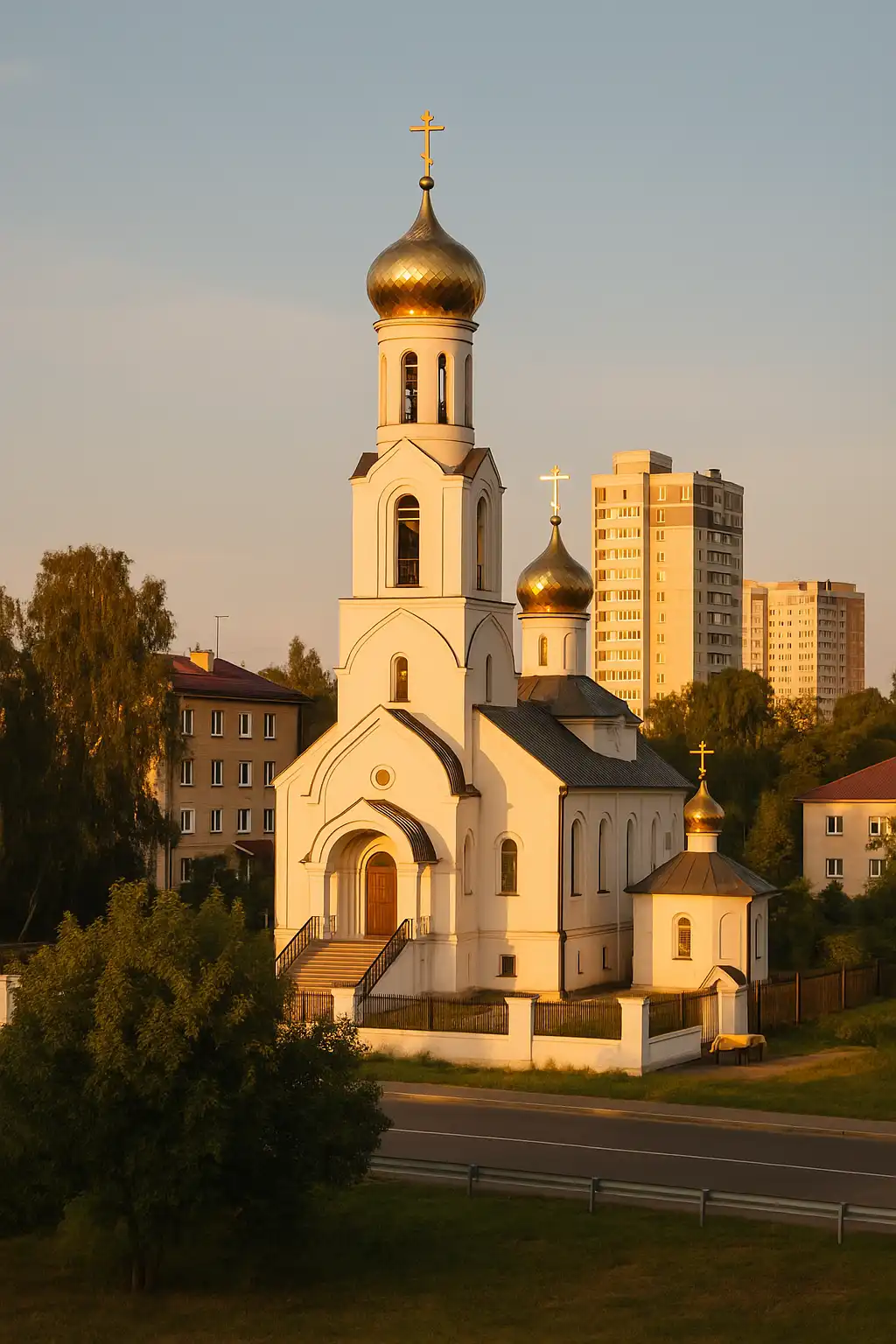
Lobnya sits quietly on the fringe of Moscow Oblast, a short ride from the city’s bustle and close to Sheremetyevo Airport. For travelers interested in culture in Lobnya, the appeal is not in grand museums or crowded plazas but in the lived, everyday rhythms that reveal a different side of Russian life. As someone who has walked its streets and lingered in its community spaces, I can say the town’s cultural fabric is woven from local history, civic pride, and an active calendar of small-scale events. One can find a layered heritage here: municipal museums, modest galleries, municipal cultural centers, and a scattering of Orthodox churches that frame public spaces and mark seasonal observances.
Inside the modest Local History Museum and in the cultural houses you encounter, the atmosphere is intimate and tactile. Exhibits often include artifacts donated by families, photographic albums with handwritten captions, and oral histories shared by volunteer guides. These small displays convey a sense of continuity and personal connection that larger institutions sometimes lack. I recall a curator describing a local crafts revival – embroidered textiles and wooden toys – created by retirees and young artists who meet weekly to teach and exchange techniques. Such scenes illustrate how Lobnya culture balances preservation with contemporary community-driven creativity. Have you ever stood in a gallery where the curator greets you by name? That kind of warmth is more common here than in metropolitan centers.
Religious observance and memorial practices shape much of the town’s public life. Orthodox services, seasonal processions, and carefully tended monuments reflect both spiritual traditions and civic memory. War memorials and plaques commemorate local residents, and the ritual of laying flowers brings visitors into contact with generational narratives. Culinary culture is similarly personal: neighborhood bakeries and family-run cafés serve staples like pirozhki and hearty soups that speak to regional tastes and comfort. Street-level conversations, invitations to a communal tea after a concert, and the sight of amateur choirs practicing in municipal halls give travelers a palpable sense of belonging. Observing these customs, you begin to understand how small-town rituals create social glue.
For those planning a visit, approach Lobnya with curiosity and respect. Attend an evening concert at the cultural center, step into the Local History Museum to hear stories from volunteers, and pause at public monuments to read the inscriptions – such moments are where the town’s cultural identity becomes vivid. Practical knowledge comes from engaging with locals: cultural calendars are posted at community centers, and seasonal fairs tend to cluster around holidays. My recommendation, based on multiple visits and conversations with cultural workers, is to allow time for unhurried exploration; the real rewards are the conversations and impressions you collect, not a checklist of attractions. In short, Lobnya offers an authentic small-town Russian culture experience – quietly authoritative, rich in local knowledge, and trustworthy in the sense that what you see is what people here have nurtured for generations.
History of Lobnya
Lobnya sits quietly to the north of Moscow, a small industrial and residential town whose layers of history are visible if one knows where to look. Visitors who approach by rail or road first notice the modern commuter rhythm-trains arriving, people heading to the capital-but step away from the transport arteries and the town’s older heart reveals a different tempo. The earliest origins are those of clustered villages on the plains of the Moscow region, gradually transformed by the arrival of rail connections and later by Soviet-era planning. One can still sense the palimpsest of rural homesteads, manor plots and newly-built apartment blocks: a story of agricultural roots, industrialization, and suburban growth woven into the broader narrative of Moscow Oblast.
The twentieth century reshaped Lobnya dramatically. Industrial enterprises and collective farms left their imprint in brick and concrete while civic institutions and housing estates were established to serve workers and their families. The Soviet period introduced characteristic urban design and social infrastructure-schools, cultural centers, and parks-that remain central to local life today. Wartime memory is also part of the town’s historical fabric; monuments and small memorial sites testify to the hardships and resistance experienced in the region during the great conflicts of the twentieth century. As a travel writer who has studied regional Russian towns, I find Lobnya’s blend of utilitarian architecture and local commemorative spaces particularly telling about how communities in the Moscow periphery preserved memory while adapting to rapid modernization.
Post-Soviet transformations brought a new chapter: renovation of older factories, expansion of residential neighborhoods, and an influx of commuters who work in Moscow but seek quieter domestic life. The atmosphere shifts with the seasons-icy, reflective streets in winter; leafy promenades and lively outdoor markets in summer-offering travelers sensory cues about local rhythms. Cultural life is modest but sincere: municipal museums and local archives collect photographs, documents and oral histories that help explain municipal evolution. If you pause by a memorial plaque or chat with an older resident in a teahouse, you will often hear personal recollections that turn abstract dates into lived experience. Such firsthand narratives are invaluable for understanding how Lobnya’s identity has been negotiated across generations.
What does the history of Lobnya tell us about contemporary Russia? It is a microcosm of regional adaptation to political and economic shifts: from agrarian beginnings to Soviet planning, from wartime trials to post-Soviet suburbanization. For travelers and researchers alike, the town offers insights into everyday resilience and the ways communities retain heritage amid change. Practical observation-walkable streets, the hum of commuter trains, the respectful quiet at small memorials-supports archival accounts and municipal records, building a trustworthy picture rooted in both documentation and on-the-ground experience. Whether you are a history enthusiast, a cultural traveler, or simply passing through, Lobnya rewards a slower pace: look, listen, and you will find the layered narrative of a place shaped by time, labor and memory.


