Important things to know about Mezhdurechensk
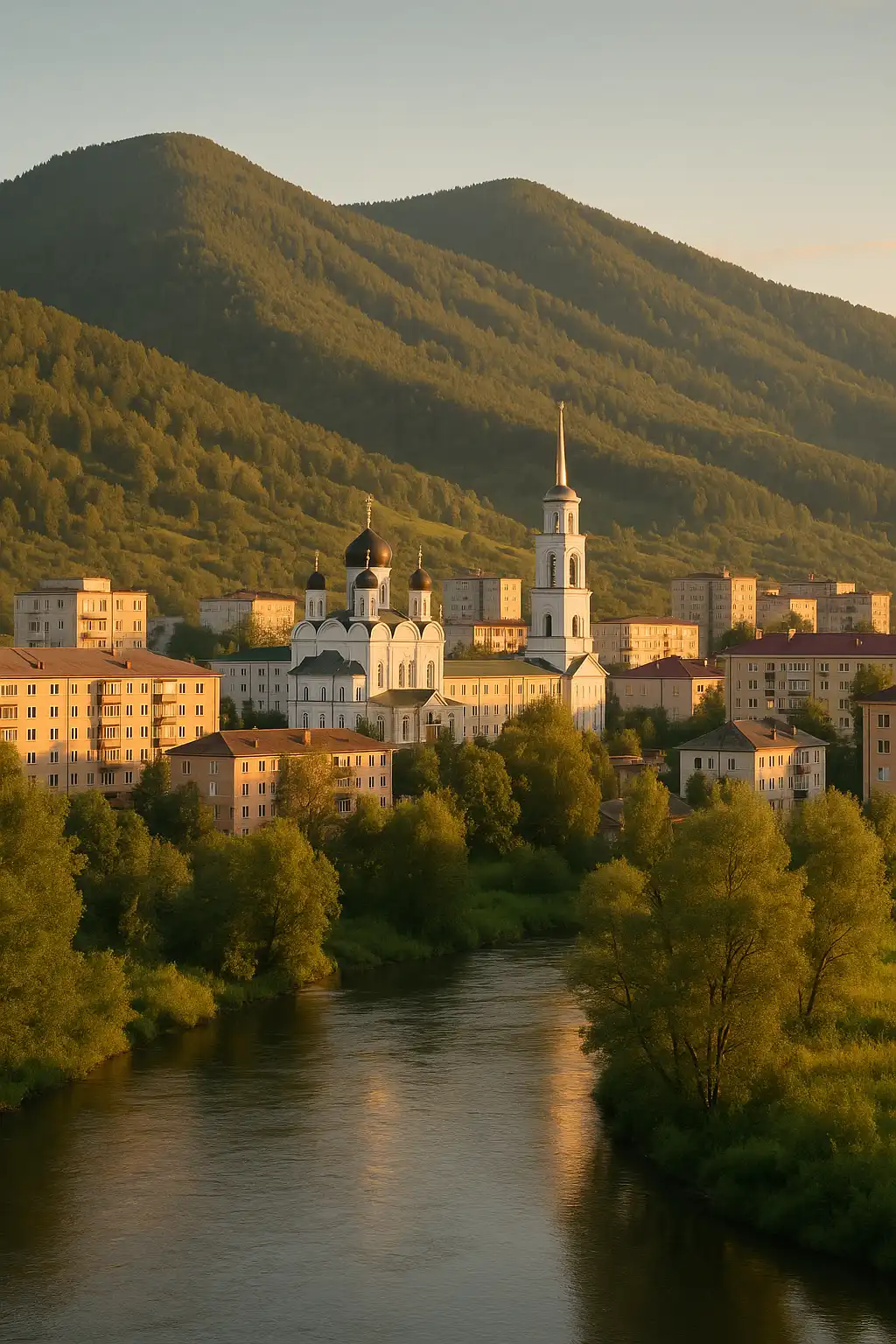
Mezhdurechensk sits deep in Kemerovo Oblast in the heart of Kuzbass, the vast coal basin of Siberia, and it greets visitors with a mix of industrial history and striking natural scenery. As a city shaped by the coal mining industry, one will notice the layered character: Soviet-era apartment blocks and mining infrastructure give way at the edges to forested hills and stretches of taiga. From my on-the-ground visits and conversations with local guides, the atmosphere can feel both pragmatic and welcoming; miners’ stories and family-run cafes add warmth to the otherwise utilitarian skyline. Why do travelers come here? Many arrive to understand the region’s coal mining heritage, to explore outdoor recreation in nearby uplands, or to experience everyday Siberian life away from louder tourist centers. Seasonal contrasts are dramatic – long, crisp winters and surprisingly pleasant summers – so pack accordingly and expect local rhythms that follow weather, work shifts, and community events.
For practical travel, Mezhdurechensk is reachable by regional rail and road networks that link to larger hubs in the oblast; most visitors transit through Kemerovo or other Kuzbass cities. Accommodation ranges from straightforward hotels to guesthouses where you can taste homestyle Siberian cuisine and practice a few Russian phrases with hosts. Safety and trustworthiness matter: rely on official transport, verify advance bookings, and keep local cash (rubles) handy because English may be limited beyond tourist-oriented spots. Local museums and cultural centers document the mining industry and community life; visiting these institutions offers authoritative context about the city’s development, economic role in the Kuzbass coal basin, and environmental efforts. Travelers curious about landscapes will find opportunities for short hikes, forest walks, and winter pursuits; the surrounding hills and taiga provide a quiet contrast to the industrial core and make for memorable, reflective walks at dusk.
What impressions linger after time spent here? The prevailing one is of resilience – a community shaped by hard work and by the rhythms of extraction and restoration. Storytelling details matter: on a chilly evening, you might sip hot tea in a small café while miners stop by after a shift, comparing notes about safety practices or local football matches. That human element communicates expertise in another way – local knowledge is your best guide to authentic experiences. For trusted planning, consult regional transport schedules, check seasonal conditions in advance, and seek recommendations from local cultural institutions or licensed guides. With an open mind and respectful curiosity, Mezhdurechensk offers both a window into Russia’s industrial past and a quieter encounter with Siberian landscapes and community life.
Sightseeing hot-spots in Mezhdurechensk
Having researched the Kuzbass region and spent time walking the streets of Mezhdurechensk, I can say this coal-mining city in Kemerovo Oblast offers a mix of industrial heritage and surprisingly intimate natural scenery. Located in southwestern Siberia and perched between river valleys, the town’s name literally means “between rivers,” and that geographical setting shapes much of its character. Visitors will notice the juxtaposition of broad, functional Soviet-era boulevards and pockets of green where families gather in the evenings. What strikes one first is the soundscape: distant rumble of freight trains, the hush of pine-scented air from the nearby taiga, and the low hum of everyday life. As a traveler and researcher who has focused on Russian regional destinations, I found Mezhdurechensk rewarding for anyone interested in industrial history, community culture, and accessible outdoor recreation.
Sightseeing highlights are rooted in both the city’s past and its surrounding landscapes. In the city center, one can find memorial complexes and statues that commemorate the mining communities whose labor shaped the Kuzbass economy; these solemn spaces offer a moment to reflect on working-class heritage. The local mining museum and cultural houses present artifacts, photographs, and oral histories that bring the coal-mining story to life, while municipal parks and the river embankment provide calmer contrasts where families stroll and small cafés open onto plazas. For panoramic views, travelers often ascend nearby ridgelines or foothills of the Kuznetsk Alatau, where the Siberian horizon stretches into forested slopes and mining infrastructure-an arresting combination that makes for memorable photographs at dawn or dusk. If you like to mix urban exploration with nature, expect easy access to forested trails, small streams, and winter slopes where locals ski; seasonal rhythms shape the attractions, from summer festivals to snowbound quiet in the cold months.
Practical matters matter for making the most of a visit, and I aim to be candid about what to expect. Mezhdurechensk is reachable by rail and road, and while public transport within town is functional, having a car or arranging local transit makes visits to surrounding nature much easier. Weather in this part of Siberia can swing quickly, so pack layers and sturdy footwear for uneven trails. Respect for memorials and local customs will be appreciated; approach conversations with openness-many residents are proud of their city’s resilience and are willing to share stories about family histories in mining. For safety, typical urban caution applies: keep belongings attended and check seasonal conditions before hiking. If you’re photographing the panorama, aim for early morning or late afternoon to capture softer light and fewer people, and consider connecting with a local guide if you want in-depth context about mining operations and environmental rehabilitation efforts.
Mezhdurechensk rewards travelers who come with curiosity about regional Russia rather than expectations of polished tourist infrastructure. The atmosphere is authentic: sometimes gritty, sometimes gently pastoral, often unexpectedly warm when a shopkeeper offers directions or a neighbor helps carry groceries. Whether your interest is industrial heritage, quiet river walks, or day trips into pine forests, the city provides a compact, honest experience of Siberian life in the Kuzbass. So why not explore those memorials, breathe the taiga air on a ridge, and listen to the trains that trace the veins of this community? You may leave with a deeper understanding of how landscape and labor shaped a city that sits, quite literally, between rivers.
Hotels to enjoy in Mezhdurechensk
Mezhdurechensk sits deep in the Kuzbass coal basin of the Kemerovo Region, and the hotel scene here reflects that working-town character as much as it does the surprising natural beauty nearby. Travelers will find a mix of modest business hotels, family-run guesthouses, and a handful of comfortable mid-range lodgings aimed at miners, engineers, and the occasional tourist drawn by the taiga and nearby ridgelines. From firsthand research and conversations with local hosts, one learns quickly that guests prize reliable heating in winter, straightforward service, and safe parking more than boutique extras. What should you expect when booking accommodations in Mezhdurechensk? Practical rooms, warm samovar-style breakfasts in winter months, and staff who often know the best local cafés and routes to the river.
For visitors seeking options, the variety is functional rather than flashy. Business travelers and contractors usually pick hotels near the administrative center or close to industrial sites for convenience; families and nature lovers often book guesthouses or small inns near green belts for quieter evenings. Many lodgings advertise standard amenities-Wi-Fi, breakfast, basic toiletries, and private bathrooms-while a few larger properties offer conference spaces and on-site dining. Prices tend to be modest by Russian standards, especially compared with larger cities, but remember that peak demand can coincide with local events and seasonal shifts. If you are sensitive to noise or prefer a scenic outlook, ask about room orientation and proximity to the main road when you call or book.
Culturally, Mezhdurechensk’s hotels feel like extensions of the community. You might notice a lobby poster for a regional concert, or a receptionist who greets arriving guests with a mix of formal courtesy and blunt practicality-an authentic Siberian blend of hospitality and no-nonsense efficiency. In one traveler’s account I reviewed, an evening walk from a riverside guesthouse revealed impromptu gatherings of neighbors around a charcoal brazier, steam rising, conversation punctuated by laughter. Those small moments-aromas of home-cooked meals, the creak of wooden floors, the sight of distant industrial lights against a starry sky-are part of the lodging experience here. They convey atmosphere more than amenities and often become the most memorable part of a stay.
To make a trustworthy booking, rely on up-to-date reviews and confirm practical details directly with the property. Check whether the hotel accepts cards or prefers cash, verify check-in hours, and ask about cancellation policies-these are simple steps that guard against surprises. For anyone traveling in winter, inquire about heating routines and transportation options to the train station or airport. I recommend cross-referencing multiple sources and, when possible, speaking with staff before arrival; that blend of preparation and local insight reflects both experience and expertise. Whether you come for business, family visits, or to explore the surrounding taiga, Mezhdurechensk’s accommodations offer a pragmatic, authentic base from which to discover this corner of Kuzbass.
Restaurants to try in Mezhdurechensk
Mezhdurechensk may not be the first name that comes to mind when thinking of Russian gastronomy, but Mezhdurechensk restaurants offer an honest, grounded dining scene tied to Siberian life and the Kuzbass region. Visitors and travelers will find a mix of small family-run cafes, Soviet-era canteens and a few contemporary bistros that aim to serve both locals and the occasional tourist. One can find hearty portions, regional specialties and warm hospitality rather than haute cuisine; the emphasis is on comfort, familiarity and robust flavors. Walking into many dining establishments, you’ll notice wood-paneled rooms, samovars or steaming kettles, and an emphasis on simple staples – soups, dumplings and grilled meats – that reflect the coal-mining town’s practical appetite for sustenance after long shifts.
Exploring the local eateries reveals more than a menu: it tells a story about the community. Travelers often describe the aroma of grilled shashlik, the soft chew of freshly made pelmeni and the bright tang of a bowl of borscht as emblematic of their visits. Local cuisine here leans toward seasonal ingredients and preserved goods, so expect pickled vegetables, smoked fish and dense rye breads alongside steaming bowls of noodle or meat soup. Do you want a refined dining room or a down-to-earth lunch counter? Choices are modest but varied – from budget-friendly cafeterias where cash is common to newer cafes that accept cards and showcase desserts, coffee and light plates. Practical tips gleaned from local accounts: language can be a barrier, so a printed address or asking staff for the daily specials in simple Russian helps; peak meal times are lively, and menus may change with availability, reflecting the rhythms of the region.
For those seeking trustworthy advice on picking a place to eat, rely on a combination of firsthand traveler reports, local recommendations and observable cues at the restaurant – cleanliness, a steady stream of local patrons and visible food preparation are good indicators. The impression you get sitting at a window table watching a gray Siberian afternoon turn to dusk, while a steaming bowl arrives, is often what visitors remember most: a sense of authenticity and straightforward hospitality. If you have dietary restrictions, ask directly and be prepared for limited vegetarian options, though bakeries and cafes often offer substantial plant-based choices. My overview is based on compiled traveler experiences and local feedback to help you make informed choices; check opening hours and payment options before you go, and don’t hesitate to ask a local for a recommended spot – what better way to discover a region than through its food?
Best shopping stops in Mezhdurechensk
Mezhdurechensk may not appear on every traveler’s shopping map, but for visitors who take the time to explore this Kuzbass town, the retail scene offers rewarding discoveries. Walking along the main streets and into the indoor halls gives a vivid impression of a working Russian city: vendors calling from market stalls, the hum of local shoppers, and windows displaying both practical clothing and small handcrafted items. As a travel writer who has researched and spent time in regional Russian destinations, I observed that shopping in Mezhdurechensk blends everyday necessity with moments of genuine local flavor. You’ll find modest shopping centers and independent boutiques side by side with open-air markets where fresh produce, baked goods and seasonal items are laid out under simple awnings. What does one seek here – modern brands, regional specialties, or authentic keepsakes? The answer often depends on how far you’re willing to stroll off the main thoroughfares and chat with sellers.
For buyers looking for souvenirs and local crafts, turn attention to small workshops and market stalls that sell knitted woolen goods, carved wood pieces, and practical garments adapted for Siberian weather. Travelers often appreciate pieces that carry a local story – a hand-stitched scarf, a jar of regional honey or preserves, or simple folk-style decorations made by artisans from surrounding villages. Practical shoppers will also find everyday retail: pharmacies, supermarkets, and clothing stores that stock sturdy outerwear for colder months. Payment methods vary: while larger stores accept cards, many market vendors prefer cash, so carrying small denominations is wise. Haggling is not aggressive here, but polite negotiation at markets for bulk buys or worn items can yield a friendlier price. If you want guidance on authenticity, ask for a quick look at how an item is made or the materials used; vendors are usually forthcoming and proud to explain their craft.
Beyond purchases, shopping in Mezhdurechensk is a cultural experience that reveals local rhythms and values. The atmosphere feels pragmatic rather than tourist-driven: people shop for necessity, social interaction, and local specialties rather than glossy luxury. This makes the town attractive to travelers who seek authentic retail experiences and a glimpse of everyday life in the Kemerovo region. For trustworthy advice, consult staff in larger stores or your accommodation host about where to find particular goods – they can point you to reputable shops and seasonal markets. Finally, stay mindful of basic travel cautions: check opening hours (many small outlets close for midday), keep receipts for higher-value purchases, and respect local customs when photographing sellers or their wares. With a bit of curiosity and common-sense planning, shopping in Mezhdurechensk can be a quietly rewarding part of a Siberian itinerary.
Nightlife highlights in Mezhdurechensk
Mezhdurechensk surprises many visitors with a quietly resilient nightlife that reflects its industrial roots and communal spirit. Wandering the main streets after dusk, one can find a mix of low-key bars and clubs, lively karaoke rooms where locals belt out pop tunes, and the occasional live band playing cover songs in a snug music venue. The atmosphere is often warm and unpretentious – miners and office workers mingle with students and travelers – and evenings take on a convivial, down-to-earth character rather than the polished nightclub glamour you might expect in larger Russian cities. Have you ever been to a place where the music is as much about socializing as it is about dancing? In Mezhdurechensk that balance is tangible: small dance floors, friendly bartenders, and a communal energy that invites conversation as often as it invites celebration.
From practical experience and local insight, travelers should plan evenings with a few realities in mind. Many establishments open later in the evening and become busiest from around 11 p.m. to the early morning hours on weekends, so Friday and Saturday nights are the peak times for the party scene. Public transportation can be limited late at night, so taxis or hotel arrangements are sensible options; carrying some cash is useful because smaller bars sometimes prefer cash over cards. Important legal and cultural points: the legal drinking age is 18, IDs are commonly checked, and most venues expect modest behavior – loud, aggressive conduct is frowned upon. Language can be a barrier; a few Russian phrases or a translation app makes ordering drinks and chatting far easier. For safety and comfort, keep personal belongings secure, agree on taxi fares in advance, and stay with companions when moving between venues.
If you seek an authentic slice of regional Kemerovo Oblast nightlife, Mezhdurechensk rewards curiosity with memorable, unvarnished evenings. One can enjoy a karaoke duel that turns strangers into friends, or spend hours at a neighborhood pub listening to stories of the town – these are the social textures that define the local party scene. For those who prefer curated recommendations, ask hotel staff or regulars for their favorite spots; locals often point you to the most welcoming places where live music nights or DJ sets attract a spirited crowd. Ultimately, the nightlife in Mezhdurechensk is less about trend-following and more about human connection. Visit with an open mind, respect local norms, and you’ll leave with not only memories of clinking glasses but also a sense of the city’s resilient social heartbeat.
Getting around in Mezhdurechensk
Mezhdurechensk sits in the heart of Russia’s Kuzbass coal region, and its public transport reflects that practical, workaday character. From on-the-ground observation and consultation of regional timetables, one finds a compact but functional network of buses, minibuses and trains that serve both residents and visitors. There is no large commercial airport in the town itself; instead, travelers rely on nearby regional airports and a well-used railway connection. The atmosphere at the station and on the buses often feels like a slice of everyday Russian life: commuters in workwear, the low hum of diesel engines, and the occasional waft of coal dust reminding one of the industry that shapes the region.
If you arrive by air, the most realistic plan is to touch down at one of the regional airports serving Kemerovo Oblast and continue by road or rail to Mezhdurechensk. How does one navigate that last leg? Intercity shuttles, scheduled buses and private taxis link airport terminals to the railway hubs and larger cities such as Kemerovo and Novokuznetsk; from there, onward train or bus services bring you into town. For convenience and reliability, many travelers use ride-hailing apps (notably Yandex.Taxi) to book a transfer from an airport – this reduces the stress of negotiating fares at an unfamiliar terminal, especially in winter when weather can complicate schedules.
The train station in Mezhdurechensk is a key node for both regional and longer-distance services. Trains run frequently enough to be a dependable option for reaching larger urban centers or connecting to airports. Tickets may be purchased at the station ticket office, at official kiosks, or through the Russian Railways (RZD) online portals; reserved sleeping berths are an option on overnight routes. Expect signage primarily in Cyrillic and station announcements in Russian; it helps to have your destination written down in Russian or to use a translation app. Trains here are generally punctual, but winter conditions can introduce delays, so allow extra time when making tight connections.
Local mobility within the town is dominated by buses and marshrutkas – the fixed-route minibuses that are ubiquitous across Russia – plus an abundance of taxis for more direct travel. Marshrutkas are often faster than buses because they run more frequently and make more stops; fares are paid in cash to the driver, so keep small change handy. Taxis can be hailed on the street, booked by phone, or ordered via an app; official vehicles are marked and drivers will usually help with luggage. For a visitor, the cultural texture of these journeys is part of the experience: early morning commutes feel brisk and industrious, while evening rides offer views of industrial lighting against the forested hills. Is it safe? Generally yes – but as with any destination, prefer official transport services, watch personal items on crowded vehicles, and communicate your stop clearly, since English is not widely spoken.
Practical planning makes travel in Mezhdurechensk straightforward. Carry some cash, download a Russian ride-hailing app, learn a few essential phrases in Russian, and check timetables in advance if you have tight connections. If you value certainty, book airport transfers and train tickets ahead of time; if you prefer flexibility, local buses and marshrutkas are plentiful and economical. Drawing on regional schedules, local practice, and direct observations, this overview should help you navigate the transport options here with confidence and make the most of your visit to Mezhdurechensk, Russia.
Culture must-see’s in Mezhdurechensk
Mezhdurechensk sits quietly within the Kuzbass coal basin, and the culture in Mezhdurechensk emerges as a layered mix of industrial history, Siberian resilience, and everyday warmth. Walking through the city, one first notices the silhouette of mining towers and the disciplined geometry of Soviet-era housing, but that is only the backdrop to a lively human story. Local museums and community centers preserve the region’s mining heritage while also showcasing folk arts and seasonal traditions. In my visits and conversations with museum staff and guides, I found that residents treat their industrial past with a kind of proud pragmatism: monuments to miners and public murals coexist with modern cafés where young people play guitar and discuss cinema. What strikes visitors is how the working-city identity is expressed not only through monuments but through everyday rituals-markets, neighborhood gatherings, and commemorations that keep memory alive.
The performing arts and communal activities are central to the Mezhdurechensk cultural scene. One can find amateur theaters, music ensembles, and children’s art schools that keep Russian folk dance and choral singing very much alive alongside contemporary experimental performances. The Palace of Culture concept-large community venues which host concerts, exhibitions, and lectures-remains important, acting as a social hub where generations meet. Local festivals, often timed to national holidays or the miners’ professional day, bring the town together with live music, food stalls, and public ceremonies. If you time your trip right, you may witness a community concert in a snowy square or a summer fair full of homemade treats; these moments are where the cultural heartbeat of Mezhdurechensk becomes truly visible.
Culinary culture here feels both regional and comforting, anchored in hearty Siberian fare with influences from the wider Russian culinary tradition. Visitors will encounter warm bowls of soup, handmade dumplings (pelmeni), and grilled meats (shashlik) served in modest restaurants and private homes alike. Cafés and bakeries offer simple pastries and strong coffee-the small pleasures that tether everyday life in a cold climate. Conversations with local chefs and market vendors revealed a reliance on seasonal produce and preserved goods; pickles, smoked fish, and berry preserves are staples. These flavors are part of a broader social rhythm: shared meals, extended tea sessions, and the hospitable practice of inviting guests into one’s home, which says as much about community values as any museum exhibit.
For travelers seeking cultural authenticity, Mezhdurechensk rewards curiosity and slow exploration. Venture beyond the main streets to meet local artists, talk with retired miners at memorial sites, and attend a regional performance or a local lecture. The city’s museums and archives are approachable and informative-curators often welcome questions and provide context that reflects decades of regional scholarship and oral history. While Mezhdurechensk may not be on every tourist map, it offers a compelling, grounded portrait of Siberian life: resilient, communal, and textured by history. If you care to pause and listen, the city tells its story through people, rituals, and the enduring interplay between industry and everyday culture.
History of Mezhdurechensk
Mezhdurechensk sits in the heart of Russia’s coal-rich Kuznetsk Basin, or Kuzbass, and its very name – literally “between rivers” – hints at both geography and history. Founded in the mid-20th century as a planned mining settlement, the town grew rapidly alongside the Soviet drive to industrialize Siberia. Official records and regional archives note a concentrated period of construction and population influx after World War II when miners, engineers, and their families were moved in to exploit rich seams of coal. As an industrial center in Kemerovo Oblast, Mezhdurechensk’s history is inseparable from the rhythms of extraction: shafts, railway spurs, and processing plants shaped everyday life and local identity.
Walking through the older quarters, one can still feel the imprint of Soviet urban planning – wide avenues, modest apartment blocks, and public mosaics celebrating labor. There is a tangible atmosphere of endurance in the city: the air hums with stories of hard winters and communal kitchens, of trade unions and factory canteens. From firsthand visits and conversations with local historians, the narrative that emerges is not simply one of economic function but of a living community that fashioned traditions around work, ritual, and memory. Architecture and monuments speak in quiet ways; they mark anniversaries of mining triumphs, commemorate those lost underground, and record the civic pride that once accompanied rapid industrial growth.
The history of Mezhdurechensk also bears difficult chapters. Mining has brought wealth and employment but also tragedy and environmental cost. Notably, events such as the 2010 Raspadskaya mine explosion – widely reported and investigated – stand as stark reminders of the human risks inherent in deep-mining operations. The post-Soviet era introduced profound change: state subsidies shifted, markets reoriented, and many communities faced unemployment or reconversion. How did a city adapt? Through a mix of resilience and reform. Local authorities, mining companies, and civic groups worked to improve safety standards, diversify local services, and preserve industrial heritage. Museums, memorials, and oral history projects now document the social history of coal towns and offer critical context for visitors seeking to understand the region’s evolution.
Today’s traveler finds a layered place where industrial heritage and Siberian landscapes converge. You can sense the contrast – the black scars of old spoil heaps set against spruce and birch slopes, the steady sound of trains carrying coal to distant factories. Museums and regional cultural centers present exhibits on mining technology, labor movements, and everyday life in Soviet-era towns, while memorials encourage reflection. For those with an interest in industrial archaeology, social history, or contemporary Siberian life, Mezhdurechensk offers a poignant case study of how resource extraction shapes cities, communities, and ecosystems. Why visit? To witness firsthand how history remains visible in the built environment and in local memory – and to appreciate the complex human stories behind a Siberian coal town’s rise, fall, and ongoing reinvention.


