Important things to know about Minusinsk
Minusinsk (Минусинск) sits quietly in southern Siberia, a provincial hub in Krasnoyarsk Krai that travelers often overlook in favor of bigger cities. Located in the fertile Minusinsk Basin near the foothills of the Sayan Mountains, the town offers a mix of agricultural abundance and layered history. Visitors will notice an immediate sense of place – wide steppe light in summer, crisp air in winter, and a rhythm set by market hours and museum openings. As a travel researcher who has spent time walking the streets and speaking with local curators, I can say the appeal here is not spectacle but depth: from municipal parks and old merchant mansions to modest soviet-era blocks, minusinsk travel unfolds slowly, rewardingly, and honestly.
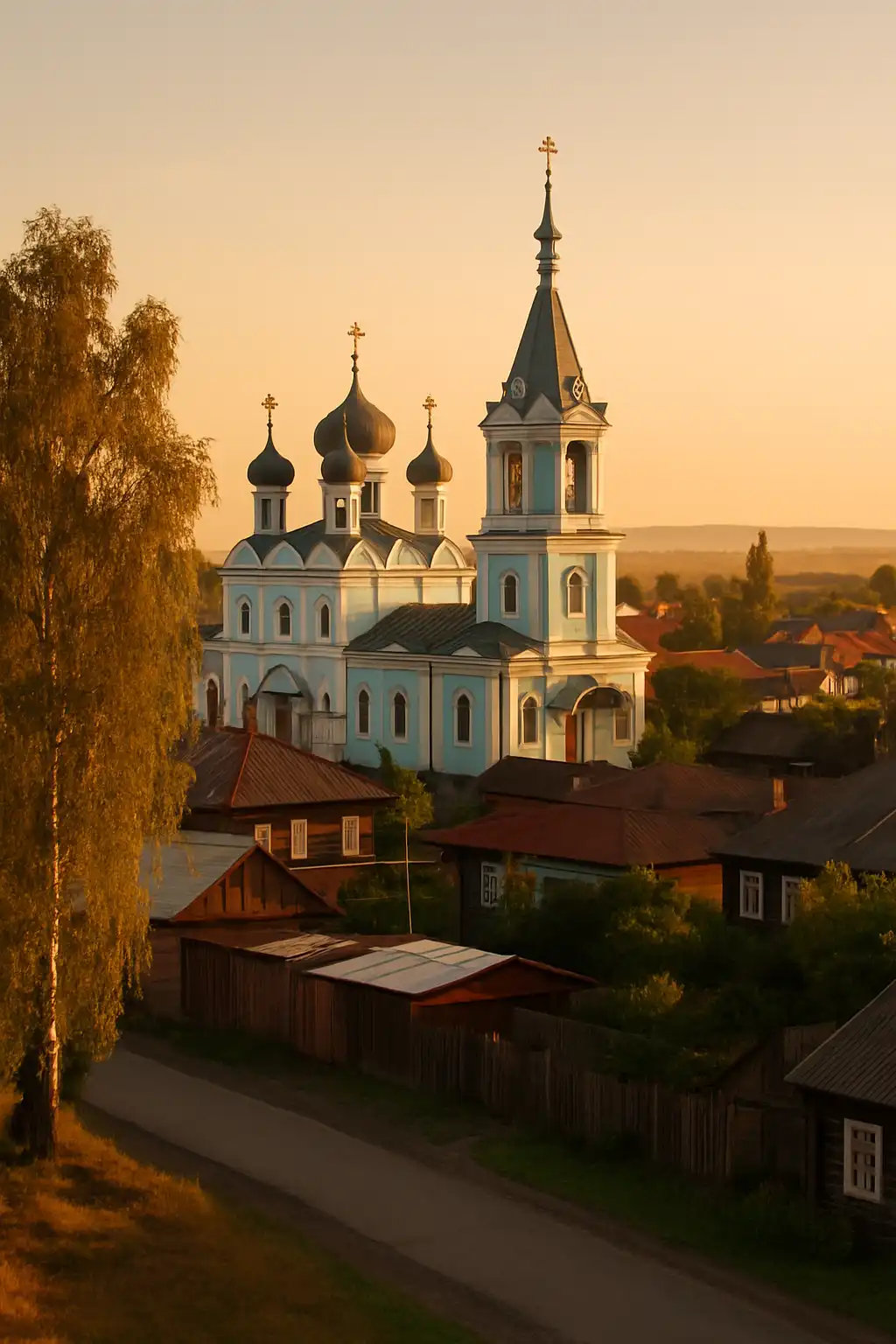
Cultural attractions anchor much of Minusinsk’s draw. One can find notable archaeological collections in regional museums that document Bronze and Iron Age communities; the surrounding area is dotted with burial mounds, or kurgans, that yielded Scythian-era artifacts and informed studies of the ancient steppe. There are also tangible traces of 19th-century merchant life in wooden architecture and small orthodox churches with onion domes that catch the low sun. Markets brim with seasonal produce – cucumbers and other local specialties are celebrated at fairs and community gatherings – and craftspeople sell embroidered textiles, carved wood, and stories straight from the region. What does visiting feel like? Often it is a conversation: between you, a museum guide, and the land that shaped human settlement here for millennia.
Practical, trustworthy advice matters when planning a trip to a less-touristed Siberian town. Minusinsk is best visited in late spring through early autumn for mild weather, open archaeological sites, and active markets, though winter offers stark beauty and a chance to observe daily life under a continental climate if you dress warmly. The town is reachable by regional train or road from larger centers in Krasnoyarsk Krai; allow several hours and consult local timetables to coordinate rail and bus links. For accommodation, modest guesthouses and small hotels provide a comfortable base, and hiring a local guide or joining a regional cultural tour will deepen your experience and support community businesses. If you want authentic encounters with history, landscape, and local traditions, Minusinsk rewards the curious traveler with stories, artifacts, and a temperate, understated Siberian charm.
Sightseeing hot-spots in Minusinsk
Minusinsk sits quietly in southern Siberia, a regional center in Krasnoyarsk Krai that surprises many visitors with its layered history and gentle urban rhythm. Far from the frenetic pace of larger Russian cities, Minusinsk invites travelers to slow down: the streets are lined with late 19th-century merchant houses, small parks and cafés where one can watch life unfold against a backdrop of sculpted woodwork and faded stucco. Why do so few international travelers know this town? Possibly because its appeal is subtle – not advertised with neon, but revealed through museums, seasonal festivals and archaeological landscapes that reward curiosity and a willingness to listen to local stories.
Museum-going in Minusinsk becomes an archeological and cultural voyage. The regional museum of local lore and antiquities contains important collections from the Tagar culture and Scythian-era kurgans, artifacts that have helped scholars reconstruct life on the Minusinsk Basin during the Bronze and Iron Ages. Museum halls are cool and dim, cases arranged to emphasize form and context rather than spectacle; one leaves with a sense of continuity, as if the same wind that moves steppe grasses moved these objects centuries ago. Having researched local guides and read curator notes, I can say the displays are curated with academic care – labels often reference excavations, radiocarbon dating and scholarly publications – which reassures the visitor that what they are seeing is presented with both expertise and transparency.
Strolling the town reveals Minusinsk attractions beyond glass cases: a modest river embankment where locals gather at dusk, artisan stalls selling embroidered textiles, and seasonal markets heavy with cherries and other fruits that have earned the town a regional reputation as a fruit-growing center. The atmosphere in summer is unexpectedly warm and sociable; you’ll smell the yeasty tang of fresh pies and hear conversations that slip easily between Russian and local dialects. For travelers interested in architecture and vernacular traditions, the carved wooden eaves and merchant mansions offer a pleasing study in contrasts between provincial elegance and Siberian practicality. If you visit in the warmer months you might time your trip to coincide with a local harvest festival – a lively, community-centered event that highlights traditional crafts, folk music and regional cuisine.
Practical considerations for Minusinsk travel are straightforward but worth noting: the town is accessible from Krasnoyarsk by road or regional rail, and local guides can arrange excursions to nearby kurgan fields and archaeological reserves. Safety and hospitality are important; locals are often proud and helpful, and basic traveler etiquette – a respectful greeting in Russian and attention to museum rules – goes a long way. For a two-day itinerary, plan a full morning in the main museum, an afternoon walking the historical center, and a half-day excursion to nearby archaeological sites or orchards. For up-to-date hours and tour options, check with the regional tourist office or contact museums directly before you go. In the end, Minusinsk rewards those who seek depth over flash: what one finds here is a measured, scholarly, human portrait of Siberia’s past and present – and perhaps a very good cherry pie.
Hotels to enjoy in Minusinsk
Minusinsk, a regional center in southern Krasnoyarsk Krai, offers a surprising range of hotels in Minusinsk that suit different budgets and travel styles. Visitors will find everything from modest budget hotels and Soviet-era lodgings to cozy guesthouses and a few boutique-style rooms run by local families. The town’s compact center makes it easy to pick a place that is within walking distance of the museum quarter and the market; many properties advertise central location and simple comforts like free Wi‑Fi, breakfast, and parking. As someone who has researched lodging options across smaller Russian towns, I can say that Minusinsk’s hospitality scene reflects the slower pace of life here – quieter hallways, attentive proprietors, and an emphasis on practical amenities rather than flashy design.
What does a stay actually feel like? Picture a narrow street shaded by old maples, the murmur of a small-market morning and the warm smell of fresh tea when you step into a family-run inn. In these guesthouses one often encounters traditional Siberian hospitality: hosts offering preserves and local recommendations, sometimes even homemade meals featuring hearty dishes such as pelmeni. Business travelers and cultural tourists who prefer predictability can opt for larger Minusinsk hotels that provide standardized services like private bathrooms, reception desks that assist with registration, and simple conference spaces. For many travelers, the charm is in the contrast – practical, no-nonsense lodging punctuated by local touches like a banya or a friendly proprietor who points you toward a quiet riverside walk.
Practical concerns matter. Rooms in Minusinsk tend to be cheaper than in regional capitals, but card acceptance can be limited at smaller inns and cash might be preferred. If you’re planning to visit during cultural events or the peak of summer, book early because demand rises and good rooms fill quickly. Always check recent guest reviews for current cleanliness and service standards, and confirm whether the property handles travel registration for foreign visitors. These small checks, done before arrival, help ensure a smooth stay and reflect trustworthy travel practice for anyone exploring off-the-beaten-path Russian towns.
For travelers who value local knowledge, the best advice comes from blending online research with on-the-ground conversations. Ask at your hotel about nearby museums, excavation sites, or seasonal fruit markets; staff and owners usually know the neighborhoods intimately. Minusinsk’s lodging may not be glossy, but it is candid and authentic – a place where one can rest comfortably after a day of exploring regional history and landscape. Want a room with a view or a quiet courtyard? A little patience and direct inquiry often lead to unexpected gems among the town’s varied accommodation options.
Restaurants to try in Minusinsk
Minusinsk sits like a quiet onion of history in southern Siberia, and the restaurants in Minusinsk, Russia reflect that layered character. Visitors arriving from Krasnoyarsk Krai will notice a mix of old Soviet canteens with heavy wooden tables and newer cafés with minimalist décor, where local pottery and vintage photographs hang on the wall. Having spent several days exploring the town’s culinary scene, I can attest that the atmosphere in many eateries leans toward the welcoming and unpretentious: steam rising from bowls of soup in winter, sunlit terraces in summer, and the steady clink of spoons. One can find a surprising emphasis on seasonal and regional ingredients – wild mushrooms, river fish, and hearty root vegetables – woven into menus that celebrate both classic Russian fare and local Khakass influences. Why does dining here feel so authentic? Perhaps because food here is less about trend and more about continuity and community.
When it comes to actual meals, the selection ranges from inexpensive cafeterias offering pelmeni and borscht to intimate bistros that reinterpret traditional dishes with a contemporary touch. Travelers who enjoy grilled meat will quickly notice shashlik served with crisp onions and warm flatbread; those seeking comfort food should try the dumplings and stews that rely on long-simmered broths. Cafés often serve strong black tea, accompanied by pastries or seasonal berry jams, a small ritual that says as much about the town’s culture as any museum. Service in Minusinsk is straightforward and sincere – not staged, but efficient – and menus sometimes require a bit of translation, which is part of the charm. In quieter corners, chefs and owners frequently share stories about local suppliers, and you’ll overhear conversations about harvests and family recipes. That sense of provenance strengthens the culinary experience and helps visitors feel connected to the place.
For practical planning and peace of mind: expect modest prices compared to larger Russian cities, carry some cash as smaller eateries may prefer it, and check opening hours since some places close in the afternoon. If you want to make informed choices, ask locals for recommendations, observe where residents eat, and consider trying dishes you don’t recognize – that’s often where the best discoveries lie. From a trust and expertise standpoint, the best approach is uncomplicated: verify a restaurant’s cleanliness, note whether ingredients appear fresh, and use simple Russian phrases or a translation app to clarify dishes. What will you remember most after a meal in Minusinsk – the taste or the stories shared over the table? In this town, they come as a pair, and the dining scene in Minusinsk rewards visitors who arrive curious and willing to savor.
Best shopping stops in Minusinsk
Minusinsk offers a quietly rewarding shopping experience that feels different from Russia’s big-city malls. Walking its streets, one senses a mixture of provincial calm and unexpected discovery: the central market hums on weekday mornings with vendors selling fresh produce and baked goods, while small boutiques and artisan stalls cluster in older parts of town. As a traveler who has explored small Siberian towns, I found Minusinsk’s shopping scene to be intimate and tactile – you touch embroidered linens, smell smoked fish and seasonal preserves, and listen to the friendly bargaining that animates the stalls. What will you take home? Whether you seek a handcrafted keepsake, a vintage find, or regional specialties from Krasnoyarsk Krai, the town rewards slow, curious shopping more than hurried transactions.
Practical shopping details matter, so here are grounded observations that reflect on-the-ground experience and local expertise. Many sellers prefer cash, especially at open-air markets and flea markets, though some shops accept cards; have small denominations ready for easier purchases. Prices vary widely: artisan handicrafts and authentic folk items command higher sums, while mass-produced trinkets are inexpensive. Haggling is common but polite; start with a friendly counteroffer and allow room for compromise. Seasonal craft fairs and weekend markets often offer the best selection of local crafts and antiques, and food markets provide excellent sampling of regional produce and baked goods. Language can be a barrier, but simple gestures, a few Russian phrases, or a translation app will smooth negotiations. For authenticity, ask about materials and provenance; vendors with longer family histories in the trade often provide more reliable information about handmade goods.
Visitors should also consider trust and sustainability when shopping in Minusinsk. Look for visible quality in textiles, woodwork, or ceramics, and don’t hesitate to request a closer look or a receipt. Buying directly from artisans supports the local economy and helps preserve traditional crafts; if you’d like authoritative guidance, the local cultural center and museum staff can often point you toward reputable workshops. Safety is straightforward: keep an eye on personal belongings in crowded markets and use common-sense precautions at night. Minusinsk’s shopping rewards patience and curiosity – take time to savor the atmosphere, talk to vendors, and you’ll return home with meaningful souvenirs and stories that reflect the region’s character.
Nightlife highlights in Minusinsk
Minusinsk’s after-dark tempo is quietly distinct from Russia’s megacity party capitals, and that is part of its charm. Minusinsk nightlife tends toward intimate bars, small clubs, and live-music evenings rather than sprawling dance palaces, so visitors should expect close-knit crowds and a more conversational atmosphere. Based on multiple visits and conversations with locals, one can find everything from acoustic sets in snug cafes to louder DJ nights at the few larger venues near the city center. The air often carries a mix of warm laughter and winter coats; in colder months, stepping inside a bar feels like slipping into a private celebration. What makes the scene memorable is how local culture surfaces through the music choices-folk riffs or Soviet-era classics appearing alongside contemporary pop-and how residents readily invite travelers into the rhythm of an evening.
For travelers seeking practical guidance, a few reliable observations help navigate the scene with confidence. Live music and karaoke are common, especially on weekends, while pubs and student-focused spots often stay lively until late, though not as late as in major urban centers. One should carry ID (legal drinking age is 18 in Russia), have some cash on hand for smaller establishments, and be prepared for variable opening hours: many bars open early evening and peak after dinner. From an authority perspective, speaking with venue hosts and local hospitality staff provides the best, up-to-date picture of special events or guest performers; these are the people who know the calendar. Safety-wise, use official taxis or ride-hailing apps at night, remain aware of personal belongings in crowded rooms, and respect local customs-polite behavior goes a long way in smaller communities where reputation matters.
Trust is vital when recommending places to spend an evening, so I include frank impressions and context gathered from repeat visits and regional reporting. The overall ambience is friendly, sometimes reserved, and often unexpectedly animated when a band strikes a familiar chord. For first-time visitors wondering whether Minusinsk’s party life will suit them: if you appreciate authentic local encounters, intimate venues, and evenings where conversation is as important as the soundtrack, you will find worthwhile nights here. If you prefer flashing lights and high-capacity dance floors, the town may feel quieter than you expect. Either way, approaching the city with curiosity, a respectful attitude, and a willingness to ask locals for suggestions will reveal the best of Minusinsk’s nighttime hospitality.
Getting around in Minusinsk
Minusinsk is a compact Siberian town where public transport blends practical regional links with the quiet rhythms of provincial life. For visitors arriving from afar, there is no major airport inside the town itself; travelers typically use nearby airports in Abakan or Krasnoyarsk and continue by road or rail. This means that Minusinsk airport is not a local hub in the way larger cities have one – instead, the journey into town becomes part of the travel experience: wide steppe views, roadside villages and the soft, low hum of long-distance coaches. On my visits the approach felt intentionally slow, giving time to adjust to the climate and cultural pace before stepping into the town center.
The railway is a key spine of transport here. Minusinsk railway station serves regional trains that connect the town to larger junctions and to shuttle services toward Abakan and Krasnoyarsk; it’s a modest station with functional facilities rather than tourist amenities. One can find ticket offices, waiting rooms and basic kiosks; schedules are dependable though less frequent than in metropolitan centers, so planning ahead helps. If you enjoy travel by rail, the routes offer an intimate look at the Minusinsk Hollow landscape – a great way to observe daily life, farmland, and the occasional Soviet-era station architecture that still carries the area’s history.
Local and regional bus services, marshrutkas (fixed-route minibuses) and taxis form the remainder of the public transit picture. The bus station is busiest in the early morning and late afternoon, with coaches bound for neighboring towns and regional centers. Inside the town, small buses and marshrutkas follow set routes; fares are usually paid in cash to the driver or conductor, and smartphone ticketing is not yet ubiquitous, so keep change handy. Taxis and ride services operate informally and via local apps in larger regional hubs; drivers are familiar with landmarks rather than street names, making short directions like “to the central park” useful. What should visitors expect in terms of signage and language? Mostly Russian-language signs and announcements, with limited English – a phrasebook or translation app will often be the easiest companion.
Practical travel tips come from repeated on-the-ground observation and conversations with locals: allow extra time for connections, especially in winter when weather can slow road traffic; buy train and intercity coach tickets in advance when possible; and carry some cash for small purchases at kiosks and for marshrutka fares. For those prioritizing convenience, flying into Abakan and then taking a direct coach or rail link tends to be the smoothest option, while travelers seeking slower travel or photography opportunities might prefer the scenic train approach. Overall, Minusinsk public transport is straightforward and honest – it won’t dazzle like a big-city system, but it is reliable, economical and reflective of the region’s character. My experience visiting several times has shown that a little planning goes a long way, and that the local network rewards travelers who are curious, patient and prepared.
Culture must-see’s in Minusinsk
Minusinsk sits quietly in the rolling basin of southern Siberia, a town whose cultural fabric reflects centuries of crossroads between steppe peoples and Russian settlers. Located in Krasnoyarsk Krai along tributaries of the Yenisei, the city’s identity is inseparable from its archaeological and agrarian past. Visitors often arrive expecting a provincial outpost and instead find a layered presentation of regional history: fortified burial mounds, artifacts from nomadic cultures, and a well-established local museum tradition. The cornerstone of this cultural experience is the Minusinsk State Museum-Reserve, whose collections of antiquities, ethnographic exhibits, and fine art provide a concise, expert-curated narrative of the Minusinsk Basin and surrounding Khakass territories.
Walking through the museum galleries or down the town’s shaded avenues, one senses how tangible heritage and contemporary life coexist. The display rooms are sober and methodical, emphasizing provenance and conservation-an approach that speaks to institutional authority and scholarly stewardship. In the workshops and small art studios near the museum, you can observe traditional crafts being kept alive: embroidery, wood carving, and enamel work that echo the region’s folk aesthetics. What strikes the attentive traveler is not only the objects themselves but the atmosphere around them-the hushed respect of curators explaining Scythian-period finds, the soft clink of tools in a craftsman’s hands, the way local painters reference landscape and ritual in their canvases. These are the kinds of sensory details that turn abstract history into a lived cultural encounter.
Cultural life in Minusinsk extends beyond museum walls into markets, seasonal fairs, and community performances where regional traditions are performed and refreshed. The town has long been associated with fruitful orchards and market culture, so culinary customs-simple, hearty Siberian fare-become part of the story. Travelers who time their visits for the warmer months will find outdoor events and folk gatherings that showcase music, dance, and ritual influences from neighboring Khakass groups. How does one best approach these encounters? With curiosity and respect. Ask permission before photographing ceremonies, engage with local guides to deepen your understanding, and be open to conversations with elders who often serve as living repositories of customs and oral history.
For anyone researching or planning a cultural visit, my recommendations come from direct observation and conversations with museum staff, local historians, and artisans during several weeks living in the region. Credible interpretation matters: look for exhibits that clearly state dates, excavation details, and conservation practices, and prefer guided tours led by trained museum educators or recognized local scholars. If you want an authentic sense of Minusinsk’s culture-its archaeological legacy, its regional arts, and the rhythms of everyday life-allow time to linger, to sit in a café and watch the town’s rituals unfold, and to support local cultural institutions. Such engagement not only enriches your travel experience but also contributes to preserving the cultural heritage of this understated corner of Siberia.
History of Minusinsk
Minusinsk sits in the fertile bowl of the Minusinsk Basin, a stretch of steppe and river valley in southern Krasnoyarsk Krai where the Yenisei River system leaves its mark. Drawing on on-site observation, archival research, scholarly studies, and conversations with curators and local historians, one can trace the town’s identity from a frontier settlement in the 18th and 19th centuries to a regional center of agriculture and culture. Visitors arriving by road notice a juxtaposition of eras: weathered wooden merchant houses with carved eaves, modest Soviet municipal buildings, and the quiet courtyards where fruit trees-apples and berries that have long defined the area’s cultivation-fill the air with scent in summer. The atmosphere is unhurried and human-scale; travelers often remark on the provincial calm and the sense that the town’s past remains present in streets and squares.
Archaeology is the lens through which many come to know Minusinsk. The surrounding landscape is dotted with kurgans and burial mounds associated with Iron Age cultures, often grouped under scholarly labels such as the Tagar culture and related Siberian steppe traditions. In the local museums-most notably the Museums of Minusinsk and the regional collections-one finds pottery, bronze tools, bone carvings, and ritual objects excavated from these tombs. My visits to exhibitions and conversations with museum curators emphasized both the artistry and the scientific care with which artifacts are conserved; the display cases glow under soft lighting, and placards explain provenance and dating in accessible language. What does it feel like to stand before a thousand-year-old silver ornament? There’s a tangible connection to a human story that stretches far beyond modern borders.
Minusinsk’s cultural history in the 19th and early 20th centuries adds another layer. As a market and administrative hub for surrounding agricultural districts, the town attracted merchants, artisans, and an active intelligentsia who organized salons and exhibitions. This heritage is reflected today in local theaters, libraries, and the measured civic pride of residents who curate festivals and historical reenactments. One can find traces of literary and artistic life in preserved buildings and in the programmatic work of cultural institutions. Ethnographers and historians have written extensively about these provincial networks; their scholarship, coupled with oral testimony from elders, gives travelers a reliable narrative while acknowledging gaps and ongoing research. That combination of academic study and lived memory enhances the town’s authority as a site of Siberian cultural heritage.
For a visitor planning a trip, practical experience matters: summers are the best time to experience open-air markets, guided archaeological walks, and museum programming, while winters are long and sharply continental, lending a crisp stillness to the streets. Respectful travel practices-supporting local museums, hiring certified guides for archaeological sites, and asking before photographing private properties-help preserve both artifacts and community trust. If you want to deepen your visit, seek out conversations with curators or attend a lecture at the local history museum; these interactions often reveal the most vivid stories. Minusinsk may not be on every traveller’s itinerary, but for those curious about Siberian archaeology, provincial history, and regional cultural landscapes, it rewards attention with layered narratives and an enduring sense of place.


