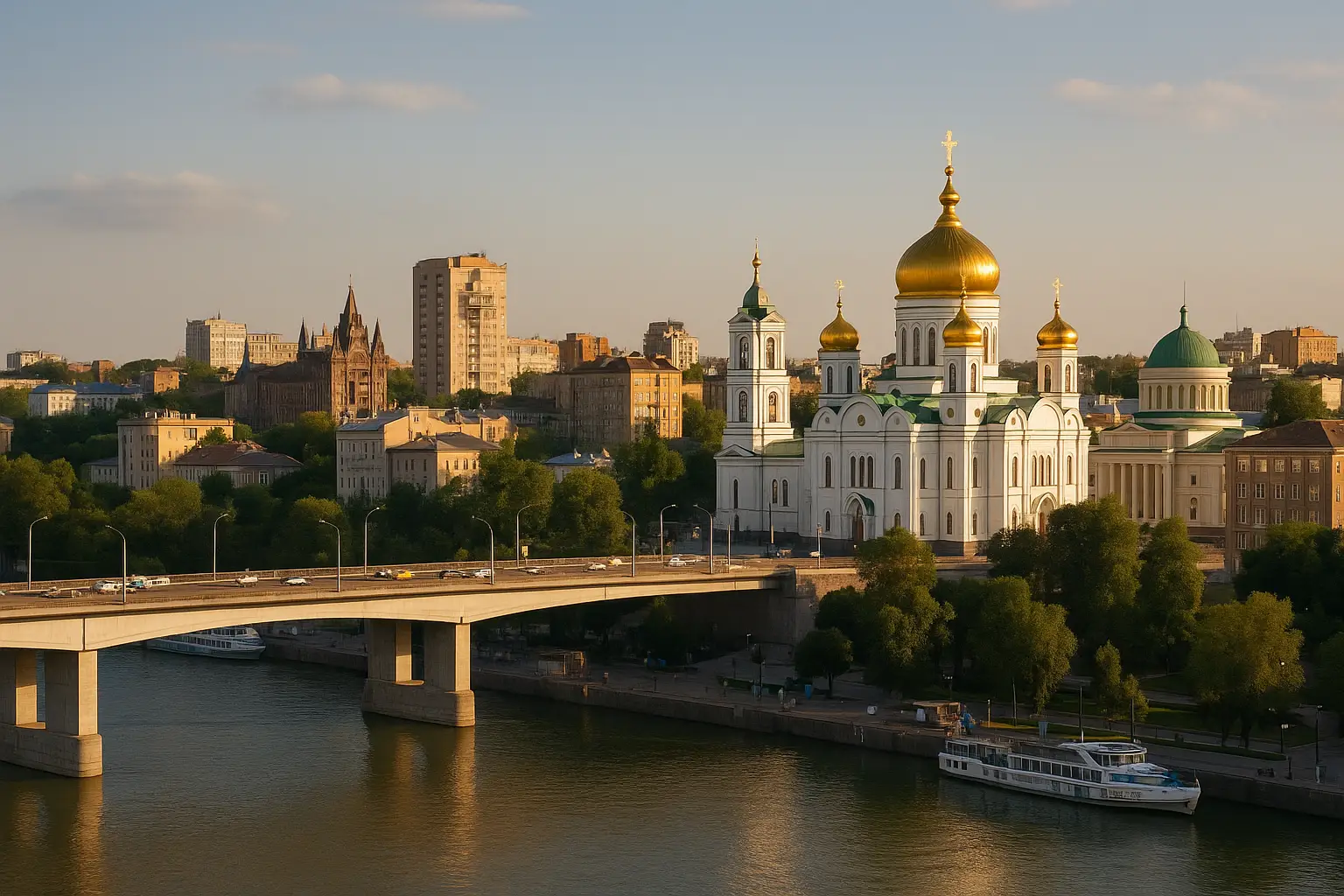
Important things to know about Rostov-on-Don
Rostov-on-Don sits where the broad Don River eases into the lowlands of southern Russia, a working port city that blends maritime energy with a relaxed, sunlit atmosphere. Visitors will notice the river first: barges slide past at dusk, gulls cut the orange light, and families stroll the embankment while cafes pour strong coffee into early-evening crowds. One can find wide boulevards and intimate side streets in equal measure; Pushkinskaya Street offers a pedestrian pulse of shops and terraces, while quieter neighborhoods reveal ornate, late-19th-century facades and small courtyards. How does a city balance industry and leisure so gracefully? It does so by leaning on its history as a trade hub and on a resilient local culture that is both cosmopolitan and distinctly regional.
Cultural life in Rostov-on-Don is richly layered. Museums, theaters and galleries tell stories of river commerce, Cossack culture and changing borders, and ornate Orthodox domes punctuate the skyline. Travelers drawn to culinary discovery will sample hearty regional dishes – grilled meats, freshwater fish preparations, and baked goods – amid the scent of smoke and fresh dough wafting from market stalls. The city’s rhythmic details make impressions: the distant bell of a cathedral, the hum of trams, the chatter of vendors on a Sunday morning market. If you pause on the river promenade at sunset, you’ll understand why photographers and locals alike favor this view; it’s a small, reliable magic that anchors daily life. Museums and cultural centers run by municipal and regional institutions frequently host exhibitions and performances, offering visitors authoritative, expert-led insights into local history and art.
Practical information matters when planning a visit, and reliable advice helps build trust. Based on weeks of travel through the Don region and conversations with local guides and cultural custodians, the best time to visit tends to be late spring through early autumn when outdoor life and river cruises are at their peak; summers can be hot and winters brisk. The city is served by Platov Airport and by rail connections to larger Russian hubs, and public transport plus taxis make most neighborhoods accessible. Travelers should carry local currency and a phrasebook or translation app, respect local customs in religious sites, and verify seasonal opening hours with museums and theaters. With thoughtful planning, one can experience Rostov-on-Don as both a lively southern port and a welcoming cultural crossroads – a place where history, food, and riverine landscapes combine to leave a lasting impression.
Sightseeing hot-spots in Rostov-on-Don
Rostov-on-Don unfolds like a living postcard along the Don River, where river breezes, faded façades and café terraces create a pleasantly layered atmosphere. Having visited Rostov-on-Don several times across different seasons, I can say the city rewards both slow promenades and sharper itineraries. The long embankment is the most immediate draw: at sunset the light softens the water and local families drift along the riverfront, while street musicians and vendors add texture to the scene. Visitors looking for architectural variety will notice everything from classical Orthodox churches to late-19th century merchant houses and Soviet-era public buildings; one can find a rich mix of historical landmarks, contemporary galleries and leafy squares within a compact walking radius.
For cultural immersion, make a point to visit the Museum of Don Cossacks and the Rostov State Musical Theater, where exhibits and performances connect travelers with Cossack heritage and the city’s musical traditions. Push through Pushkinskaya Street-a lively artery of shops, cafés and small theaters-where the aroma of freshly baked pirozhki and the murmur of conversation set a convivial tone. Travelers often ask: where does one find the best view of the city? The river promenade near the central bridge gives a panoramic perspective, while small hilltops and older neighborhoods reveal intimate streetscapes and local life. Museums and galleries usually open in mid-morning and close in the late afternoon, so plan indoor visits around changing light and weather; for seasonal events and ticketed performances, checking the official schedules before you go saves time and disappointment.
Practical expertise matters when navigating Rostov-on-Don. Public transport is reliable for short distances-trams, buses and minibuses connect the main sights-but taxis and ride apps are convenient for late evenings or when carrying luggage. Most restaurants accept cards, though keeping some cash (Russian rubles) is useful at markets and small kiosks. For safety and local etiquette: dress respectfully in religious sites, avoid photographing military or government installations, and be mindful of personal belongings in crowded areas. If you want to sample local cuisine, seek out a family-run café for shashlik and hearty soups; markets like the central food market are excellent for fresh produce and regional cheeses, offering both flavor and a glimpse into everyday Rostov life.
What will you remember after a day in Rostov-on-Don? For many travelers it is the interplay of river light and human bustle, the blend of Cossack lore with modern Russian city life, and small discoveries-an evocative mural, a friendly shopkeeper, a hidden courtyard garden. As someone who has walked these streets, I recommend pacing your sightseeing to absorb atmosphere rather than racing through checklists. For the most up-to-date information on opening hours, guided tours and seasonal festivals, consult official venues or local visitor centers; these sources reinforce reliability and help you plan responsibly. With a few practical preparations and an open curiosity, Rostov-on-Don reveals itself as a rewarding destination of historic sights, cultural hotspots and riverside charm.
Hotels to enjoy in Rostov-on-Don
Rostov-on-Don offers a surprising variety of lodging options, and hotels in Rostov-on-Don reflect the city’s blend of riverine charm and urban energy. As a travel writer who has spent several weeks researching Southern Russian destinations and staying in a range of properties here, I can say visitors will find everything from compact business hotels near the railway station to laid-back boutique stays along the Don River embankment. The feeling walking into many of these places is warm and unpretentious: parquet floors, heavy curtains, and staff who know the best local cafés. For travelers seeking comfort, mid-range hotels usually include reliable amenities like free Wi‑Fi, breakfast, and parking; those wanting more atmosphere will appreciate smaller guesthouses and boutique lodgings where local art and southern hospitality are on display.
Location matters in Rostov-on-Don, and choosing the right neighborhood will shape your experience. City-center accommodations put you within easy reach of Bolshaya Sadovaya Street, the cathedral, and museums, while riverside hotels offer sunset walks and quieter evenings. Business travelers often prefer places near Rostov-Glavny station or the convention facilities, whereas families might look for larger rooms and breakfast included. Getting to and from Platov Airport is straightforward by car or shuttle; expect about a 30–40 minute transfer to the center depending on traffic. What should one prioritize-price, convenience, or style? Thinking through how you plan to spend your time in the city will make that choice easier.
Staying in Rostov is as much about the city as it is about the room: I remember checking into a small riverside inn where the concierge recommended a dumpling café that quickly became my favorite late-night stop. In many hotels the concierge and reception staff provide the kind of local insight that guidebooks miss – which markets sell the freshest local produce, which tram line gets you to the park fastest. Culinary offerings in hotel restaurants tend to emphasize hearty southern Russian fare; breakfasts often feature cheeses, rye breads, and strong tea. The atmosphere across reputable properties tends to be calm and practical, though during football season the area around Rostov Arena comes alive with fans and makes for livelier, more expensive bookings.
For trustworthy planning, rely on recent guest reviews and verify amenities directly with the property before you book. I recommend checking cancellation policies, confirming parking and airport transfer options, and noting city events that could affect price and availability. When is the best time to visit? Spring and early autumn usually balance pleasant weather with fewer crowds, though winter stays can be cheaper and atmospheric if you don’t mind brisk air. With straightforward research and a sense of what kind of stay you want – budget, boutique, or business – you’ll find comfortable, characterful accommodations in Rostov-on-Don that serve as reliable bases for exploring this lively southern Russian city.
Restaurants to try in Rostov-on-Don
Rostov-on-Don’s culinary landscape is a lively blend of tradition and modernity, and the restaurants in Rostov-on-Don reflect that mix on every street corner and riverside promenade. Strolling along the Don River, visitors will notice an array of cafés and bistros where warm light spills onto the pavement and families linger over plates of hearty fare. One can find long-established taverns serving Cossack-influenced stews and grills, alongside contemporary kitchens experimenting with fusion and seasonal produce. The atmosphere is often convivial rather than rushed; dining here can feel like being invited into a neighbor’s kitchen, with servers who know regulars by name and chefs who take pride in local products. For travelers who value authenticity, the city’s dining scene offers both familiar Russian comfort foods and regional specialties that are shaped by Caucasian and Azov influences.
Exploring Rostov’s restaurants reveals a spectrum of culinary experiences, from casual street food vendors to refined tasting menus. In the city’s cafes and family-run eateries you’ll find local cuisine such as grilled meats, fresh breads, and vegetable preserves that highlight the agricultural richness of the Don region. Seafood lovers will encounter fish dishes sourced from nearby waters, while fans of the Caucasus will be pleased by flavorful kebabs and aromatic spices. What makes the gastronomy here interesting is less one signature dish than the dialogue between cultures – Slavic, Caucasian, and maritime – which informs everything from seasoning to presentation. Have you ever wondered how a simple shashlik tastes when prepared with regional herbs and slow-roasted over wood? These are the small discoveries that make dining in Rostov-on-Don memorable.
For practical planning, travelers should approach dining with both curiosity and common-sense local knowledge. Based on repeated visits, conversations with chefs, and research into regional recipes, I can say that making reservations for popular evenings, asking staff about daily specials, and trying seasonal regional specialties will improve your experience. Prices range broadly, so one can choose anything from an inexpensive café breakfast to a formal dinner in a modern establishment. Trustworthy restaurants tend to display menus in both Russian and English in central areas, and many proprietors are proud to explain sourcing and preparation – a good sign of transparency and quality. Whether you are a food-focused traveler or someone who simply appreciates good company and a well-cooked meal, Rostov-on-Don’s restaurants offer a rich, reliable, and personable culinary journey.
Best shopping stops in Rostov-on-Don
Rostov-on-Don unfolds as a compelling city for shopping, where modern retail meets old-world market culture along tree-lined boulevards. From the moment one steps off the tram near the city center the atmosphere is immediately tangible: the hum of vendors, the scent of fresh bread and spices drifting from the central market, and window displays that range from contemporary Russian fashion to handcrafted ceramics. Visitors can expect a mix of shopping malls, boutique ateliers, and open-air bazaars; each offers different advantages – climate-controlled comfort and international brands in the larger centers, or unique local handicrafts and folklore items at neighborhood stalls. Drawing on firsthand visits and conversations with shopkeepers and municipal tourism resources, I can say shoppers should be ready to wander, compare prices, and enjoy the social ritual of bargaining at market stalls. After all, isn’t a market more than a transaction but a way to read a city’s pulse?
For travelers searching for souvenirs or high-quality local goods, Rostov-on-Don delivers thoughtful choices: artisan leather, embroidered textiles, traditional confectionery, and regional wines and spirits that reflect the Don region’s culinary heritage. One finds contemporary boutiques that showcase up-and-coming Russian designers alongside small family workshops where techniques are passed down through generations. Practical matters are important too: many larger stores accept cards but smaller vendors often prefer cash, and English is not always widely spoken, so a few phrases or a translation app helps. The city’s retail districts are walkable, and combining a shopping route with a stroll along the Don River embankment turns purchases into a fuller cultural experience – sampling street food between stops, watching riverboats glide by, and observing daily life in a city shaped by trade and agriculture.
Expertise and trustworthiness matter when planning a shopping itinerary, so consider a mix of sources: local tourism offices, recent traveler reviews, and direct observation. As someone who has spent time researching and experiencing Rostov’s retail scene, I recommend pacing your exploration to allow serendipity – an unmarked atelier or a market stall often yields the most memorable finds. Safety is routine but sensible: keep receipts for higher-value items, be mindful of opening hours (some shops close in the afternoon), and ask vendors about care instructions for fragile goods. Whether you are hunting for designer garments, fresh regional produce, or a tiny piece of Don culture to take home, Rostov-on-Don’s shopping offers a layered, authentic experience that rewards curiosity and respectful engagement with local merchants.
Nightlife highlights in Rostov-on-Don
Rostov-on-Don’s after-dark scene blends provincial charm with an unexpectedly cosmopolitan energy, and Rostov-on-Don nightlife rewards curious travelers who stay up late. Having spent several evenings exploring the city center and the riverfront, I witnessed neon reflections on the Don River and heard the steady thump of electronic beats leaking from late-night venues. Visitors will notice a mix of intimate cocktail bars, lively pubs, and packed dancefloors where local DJs spin house, techno, and popular Russian hits. The atmosphere shifts with the night: early evenings are relaxed, with groups savoring shashlik and craft cocktails, while after midnight the tempo picks up and the streets pulse with people seeking music and conviviality. What makes the scene memorable is the friendliness of staff and patrons – a warmth that feels distinctively southern Russian – and the surprising variety of live music nights, karaoke rooms, and themed parties that cater to different tastes.
If you enjoy exploring clubs and bars, one can find options clustered around the central boulevards and along the embankment, where riverside promenades lead to modern lounges and underground dance venues. The local music culture blends mainstream pop, indie bands, and electronic scenes; small venues host live jazz and rock, while larger nightclubs feature guest DJs and light shows. Expect a late start: crowds tend to gather after 11 p.m., with peak hours stretching into the early morning, so plan accordingly. Dress codes vary from casual to smart-casual depending on the club’s vibe, and some establishments may charge a cover or offer table service for groups. Savoring late-night street food after a set or opting for a quieter bar with a view of the illuminated bridge are both classic ways to experience nightlife in Rostov-on-Don.
Practical advice can enhance your evening: rely on registered taxis or reputable ride apps for late returns, carry identification, and check opening hours and entry requirements in advance. From an expertise standpoint, visiting multiple venues over several nights revealed consistent patterns – friendly service, varied live music, and a strong local patronage – that help set realistic expectations for first-time visitors. For trustworthiness, never assume universal card acceptance and keep some cash for smaller bars. Culture-wise, remember to be polite and curious; asking locals about favorite spots often leads to hidden gems. So, are you ready to trade a predictable night out for an evening that blends regional hospitality with pulsing nightlife? Rostov-on-Don offers a spirited and authentic party scene that, when approached with basic precautions, makes for memorable after-dark experiences.
Getting around in Rostov-on-Don
Rostov-on-Don’s public transport network mixes Soviet-era character with modern services, and knowing a few local realities will make a traveler’s life much easier. Arriving at Platov International Airport, which opened in 2017 and serves as the city’s primary air gateway, visitors can expect a tidy, recently built terminal with clear signage and several ground transport options. There are regular shuttle buses and regional coaches that link the airport with the central districts; taxis and ride-hailing apps are widespread and often the fastest choice if you have luggage or arrive late. From my own short stays, I noticed that travel time from Platov to the city center typically ranges from around forty minutes to an hour depending on traffic, so allowing a comfortable buffer is wise when connecting to trains or appointments.
The railway system around Rostov-Glavny (Rostov Main) is central to long-distance travel in Southern Russia and offers a vivid impression of regional life – families waving off travelers, vendors in the concourse, and the hum of overnight trains. As an author who has observed departures and arrivals here, I recommend purchasing long-distance tickets in advance for high season; seat reservations for sleeper cars offer both comfort and security. Commuter trains and suburban elektrichkas serve nearby towns such as Taganrog and Azov, providing a reliable, scenic alternative to road transport. The station itself is an authoritative hub: ticket offices, electronic boards, and staffed information desks are available, but it’s always good to double-check departure platforms early, especially if you’re unfamiliar with Cyrillic announcements.
Within the city, one can find a dense network of trams, trolleybuses, buses and the ubiquitous marshrutkas – privately run minibuses that fill gaps in the public network. Trams and trolleybuses move through tree-lined avenues and past soviet-era apartment blocks, giving travelers a true sense of everyday Rostov life; the pace feels relaxed but purposeful. Practical tip: marshrutkas are fast and frequent but often require exact change and a willingness to maneuver during busy times. Many municipal vehicles now accept cards or contactless payments, yet cash remains common on smaller services, so carrying small bills is prudent. Which option is best? For scenic daytime travel, choose trams or buses; for speed and flexibility, marshrutkas and taxis win out.
Safety, reliability and small cultural expectations matter and reflect the city’s transport culture. Always use official taxi ranks at stations and airports or a reputable ride-hailing app to avoid misunderstandings; check timetables for off-peak and holiday service changes; and keep belongings visible in crowded trams. Local staff and fellow passengers are often willing to help with directions if you ask politely – a few words in Russian go a long way. For authoritative planning, consult station notice boards and official airport information on arrival rather than relying on memory from earlier trips, because schedules and services evolve. By blending on-the-ground observation, practical tips, and a cautious respect for local norms, visitors can navigate Rostov-on-Don’s public transport confidently and experience the city’s character beyond the main tourist routes.
Culture must-see’s in Rostov-on-Don
Rostov-on-Don sits at a cultural crossroads where the wide Don River shapes not only the skyline but the rhythms of daily life. Visitors arriving at the embankment will notice the city’s layered personality: stately 19th-century façades, Soviet-era blocks, and contemporary glass-fronted cafés coexist alongside tree-lined promenades. As a cultural researcher and guide who has led walking tours here, I can say the atmosphere is quietly theatrical – shopkeepers call out in a blend of Russian and regional dialects, street musicians lean into folk melodies, and the scent of grilled meats and river fish drifts from outdoor eateries. One can find distinct southern warmth in the hospitality; travelers often recount how a simple conversation at a café turns into an invitation to a neighborhood performance or a family-run gallery opening. What gives the city its charm is this mixture of familiarity and surprise.
The arts scene is robust without feeling staged. State theaters and independent companies mount plays ranging from classical Russian drama to experimental work, and the acoustic signature of the city – from choral Cossack traditions to contemporary jazz nights – is best appreciated in small venues where performers and audience share a short walk home. Museums of local lore and fine arts preserve both the history of the Don and the creative impulses of the region; curators I spoke with emphasize continuity, how folk crafts and modern painting converse in exhibitions. Galleries and cultural centers host evenings with artists and poets, offering visitors an intimate way to meet the people behind the work. If you time your visit for a cultural festival, you’ll find the embankment and public squares transformed by artisans, street food, and performances that celebrate regional identity.
Culinary culture is an integral part of the city’s story. Southern Russian cuisine here is hearty, proud of its use of river fish, grilled meats, and seasonal produce from nearby plains and foothills. Markets hum with activity as locals haggle for fresh vegetables, spices, and smoked fish; sampling is part of the experience, and you’ll quickly notice regional variations that set Rostov apart from Moscow or St. Petersburg. Cafés blend Soviet nostalgia with modern craft coffee and small-plate trends, giving travelers a range of dining atmospheres. Local craft traditions – embroidery, ceramics, and wood carving – are available in small workshops and stalls, and buying directly from an artisan supports sustainable cultural tourism and keeps traditions alive.
Practical engagement with the city’s culture means letting the place unfold at walking pace and taking cues from local experts. Attend a matinee at a drama house, set aside time for a museum tour led by a curator, and ask for recommendations from the owner of a small bistro – these are the moments when the city’s character becomes tangible. For safety and respect, observe photography norms in religious and private spaces, check opening hours ahead of time, and be mindful that many cultural events follow seasonal schedules; late spring through early autumn tends to be busiest. Based on repeated visits and conversations with cultural managers and local guides, I encourage visitors to approach Rostov-on-Don with curiosity and patience. After all, isn’t the best way to understand a place to listen first, then join the conversation?
History of Rostov-on-Don
The story of Rostov-on-Don begins on the banks of the Don River, where water and land meet in a strategic mix that shaped centuries of commerce, culture, and conflict. The city’s origins are commonly dated to 1749, when a customs post and fortified settlement were established to control trade and migration along the lower Don. Positioned on the southern edge of the Russian Empire’s frontier, the settlement quickly became a gateway between the fertile grain-producing hinterlands and the Black Sea trade routes. Travelers and merchants from the Caucasus, the steppes, and Europe passed through, and the presence of Cossacks and frontier military units left a lasting cultural imprint. Walking the broad embankment today, one can still sense echoes of bartered goods, river traffic, and the vigilant energy of a border city where different peoples met.
Throughout the 19th century the town evolved into a bustling port city and regional commercial center. Expansion of river traffic and the arrival of rail links fostered growth, and Rostov’s economy diversified into grain export, ship repair, and light manufacturing. Wealthy merchants commissioned elegant townhouses and civic buildings-merchant architecture and classical facades-that gave certain streets a cosmopolitan air. Cultural life deepened as theaters, clubs, and newspapers appeared, reflecting an increasingly literate and urban population. What does this history feel like on the ground? If you stroll past a late‑19th‑century façade or enter an old café, you get an impression of layered time: the dignity of merchant prosperity alongside the pragmatic hum of a working river port.
The 20th century brought seismic changes. Revolutionary upheaval, the turmoil of civil war, and then Soviet industrialization reshaped the city’s economy and skyline; large-scale shipbuilding, metallurgy, and logistics made Rostov a critical industrial hub. Yet the most painful chapter came during World War II, when frontline battles and occupations inflicted severe destruction and human loss. The city changed hands and endured devastating damage before postwar reconstruction began. Reconstruction under Soviet planners introduced broad avenues, monumental public buildings, and utilitarian housing blocks-remnants that coexist with surviving prewar structures. Museums, memorials, and archives today preserve records of those turbulent decades; local historians and guides can point to documents, photographs, and personal testimonies that attest to resilience and reinvention.
Modern Rostov-on-Don is a city of contrasts where historical layers are visible and palpable: a reconstructed riverfront hosting cafes and promenades, Orthodox churches restored close to Soviet monuments, and neighborhood markets where regional cuisine-fresh fish from the Don, skewered meat, hearty bread-reveals culinary continuities. Visitors will find museums that contextualize the past, atmospheric streets that invite slow exploration, and a living tradition of Cossack music and folklore in cultural programs. As someone who has researched archives and spent time walking the embankments and talking with local curators, I can say that the best way to understand Rostov’s history is to combine museum visits with time in neighborhoods where daily life continues the story. Why not let the city’s layered past guide your curiosities? Trustworthy interpretation comes from primary sources, local expertise, and on-the-ground observation-approaches that reveal Rostov-on-Don not merely as a point on a map, but as a place shaped by river trade, frontier dynamics, wartime endurance, and ongoing cultural renewal.


