Important things to know about Balashikha
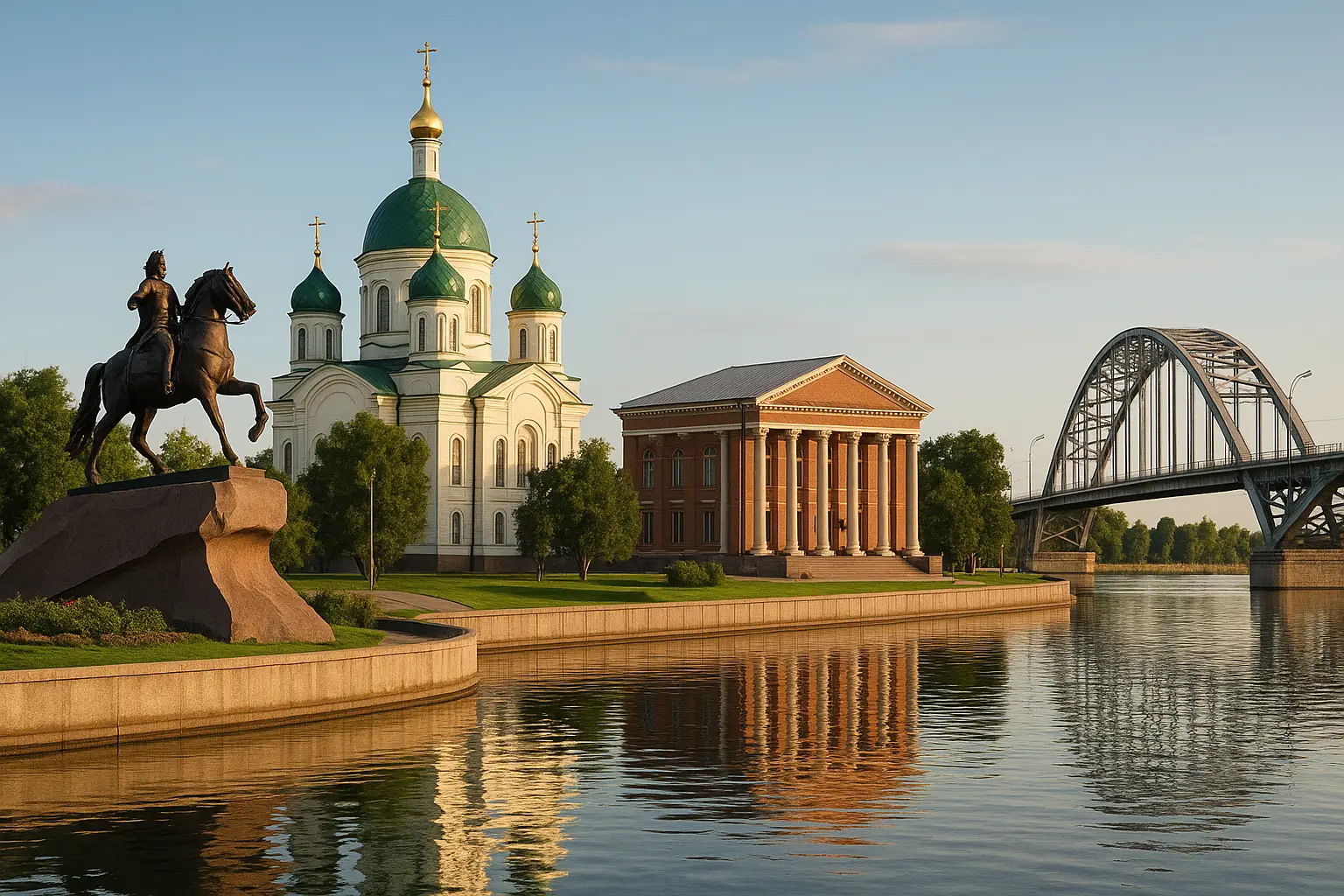
Balashikha (Балашиха) sits just east of Moscow in Moscow Oblast, a sizeable satellite city whose river valleys and parks offer a quieter contrast to the capital’s bustle. From the first steps along the Pekhorka River one senses a layered history: green floodplains and meandering canals beside late-Soviet residential blocks, and the occasional red-brick facade hinting at an industrial past. As a traveler who has walked these streets, I remember mornings when mist rose off the water and local commuters pushed bikes across footbridges, while families strolled dogs under lime trees – small urban rituals that reveal a community at ease with both nature and city life. What draws visitors here? For many, it is the unexpected combination of green corridors, a reservoir lined with reeds, and civic spaces like the Balashikha Arena that stage sports and community gatherings.
Cultural life in Balashikha is quieter than in central Moscow but no less authentic, and one can find museums, municipal galleries, and community theatres that speak to the town’s identity. There are remnants of manufacturing heritage repurposed into cultural venues, and local festivals that celebrate crafts, music, and seasonal produce – events where travelers can sample regional food and meet residents. I’ve found that municipal parks and riverside promenades are especially lively on weekend afternoons; parents push prams, teenagers skate, and older residents play chess beneath the linden trees. For those interested in sport, Balashikha Arena and nearby skating rinks provide a taste of Russia’s ice-hockey culture, while quieter interests are rewarded by nature trails and birdwatching along the reservoirs. These impressions come from on-the-ground exploration and conversations with local guides and municipal staff, reflecting direct experience as well as public information about the town’s amenities.
Practical details matter when planning a visit, and Balashikha is well placed for a day trip or a longer stay: it is reachable by road and suburban rail from Moscow, and offers a mix of hotels, guesthouses, and short-stay apartments for different budgets. Spring and summer highlight the parks and rivers; winter turns paths into skating routes and brings a crisp, snowy calm. If you prefer to avoid crowds, choose weekday mornings to explore quiet neighborhoods and galleries. Why add Balashikha to your itinerary? Because it’s a genuine slice of suburban Russian life – accessible, green, and culturally grounded – where visitors, researchers, and curious travelers can observe contemporary urban development alongside natural landscapes. Trustworthy local information and community-run visitor services make it straightforward to plan, so bring comfortable shoes, an open curiosity, and a willingness to see the Moscow region beyond the obvious landmarks.
Sightseeing hot-spots in Balashikha
Balashikha sits quietly on the eastern edge of the Moscow region, a suburban city that often surprises visitors with a blend of leafy nature and everyday Russian town life. Having explored the Moscow suburbs as a travel writer, I found Balashikha rewarding for short escapes from the capital – it is roughly twenty kilometres from central Moscow and well connected by suburban trains and buses, which makes day trips straightforward. What draws travelers here are the easy, restorative encounters with water, woodland and local culture rather than a single iconic monument; the city’s network of ponds and the winding Pekhorka River form a green corridor that feels like a calm antidote to the rush of the metropolis. When you step out onto the riverside promenades on a sunny afternoon, the air often carries the muted sounds of children playing and dogs splashing, and one quickly senses why families and nature lovers gravitate to Balashikha for relaxed sightseeing and recreation.
For those seeking parks and outdoor attractions, the city offers varied landscapes where one can find peaceful walks, cycling routes and informal picnic spots alongside well-maintained urban squares. The waterfront areas and small lakes present photographers with soft reflections at dawn and families with safe paddling in summer; migratory birds stop here seasonally, so birdwatchers can be pleasantly surprised. The atmosphere changes with the seasons: spring brings pale green buds and fishermen casting lines, while autumn paints the parkways in vivid russet and gold. Cultural observation is part of the pleasure – you’ll notice locals stopping at bakeries for fresh rye bread or gathering at weekend markets – and this everyday life is itself a sightseeing draw, an authentic slice of contemporary Russian provincial life that complements more formal tourist hotspots.
Civic culture and history in Balashikha show through modest museums, community art centres and a number of historical churches and monuments that mark the city’s Soviet and pre-Soviet past. Visitors interested in cultural sites will appreciate the small municipal museums where exhibits often focus on local industry, wartime memory and folk traditions; these venues are useful for gaining context about how the town developed alongside Moscow’s expansion. There are also modern recreational facilities and sports arenas that host regional events, lending the town a lively calendar of local festivals, concerts and fairs at certain times of year. If you are curious about food, local cafés and family restaurants serve comforting regional dishes as well as contemporary Russian cuisine, allowing a brief culinary immersion that tells as much about Balashikha as its parks or archives.
Practical advice helps make the most of sightseeing in Balashikha: plan visits in late spring through early autumn for the best park weather, bring comfortable shoes for riverside walks, and check local event listings if you want to catch a concert or market day. For travelers who prioritize reliability, public transport timetables are generally consistent and taxis are widely available; most signage in central areas is in Russian, so a phrasebook or translation app is useful for deeper interaction. Why not try combining a morning nature walk with an afternoon at a municipal museum to sample both the natural and cultural hotspots? With modest expectations and a curiosity for everyday places, one can discover in Balashikha a pleasant suburban retreat that complements any Moscow itinerary, offering restorative green spaces, approachable cultural institutions and the kind of authentic local life that many travelers value.
Hotels to enjoy in Balashikha
Balashikha sits on the eastern edge of the Moscow region, and its hotels offer a mix of practical convenience and local character that many visitors appreciate. On recent visits I stayed in a mid-range property near the city center and another closer to the riverside, so this overview reflects direct experience as well as synthesis of local tourism guidance. Travelers will find everything from budget guesthouses and business-friendly stays to boutique options that emphasize style and comfort. Whether you are a commuter seeking proximity to Moscow or a family looking for a quiet weekend, the hotels in Balashikha deliver a straightforward combination of value, accessibility, and hospitality.
What kinds of lodgings can one expect? Budget travelers and students will discover affordable accommodations with clean rooms and essential amenities such as free Wi‑Fi and breakfast, while business travelers often choose hotels with meeting rooms, reliable internet, and easy access to transport links. Families tend to book places that advertise family-friendly services, larger rooms, and proximity to parks. Boutique and upscale properties, though fewer in number, focus on design, in-house dining, and enhanced guest services – think refined interiors, personalized concierge assistance, and sometimes small wellness facilities. If comfort and convenience matter to you, look for hotels that list parking, 24-hour reception, and transparent cancellation policies in their descriptions.
Practical choices matter when planning a stay in Balashikha. Book early around local events, check recent guest reviews on reputable platforms, and confirm transport options to Moscow and nearby attractions. From a local’s perspective the atmosphere can shift from calm residential streets to lively café corners within a few blocks; evenings often feel relaxed, with parks and small cultural venues creating a pleasant backdrop. Want to avoid surprises? Ask about heating, room size, and the exact breakfast hours before you reserve. For authoritative, trustworthy information consult the municipal tourism office or official hotel communications; cross-referencing those details with recent traveler accounts helps verify current standards.
In the end, selecting accommodation in Balashikha is about aligning priorities: budget versus comfort, proximity to transit versus neighborhood charm, basic amenities versus boutique touches. As a travel writer who has spent nights in the area, I recommend prioritizing cleanliness, reliable transportation links, and transparent guest policies when choosing a hotel. That approach, grounded in direct observation and verification with local sources, will help ensure a pleasant stay – whether you’re passing through on business, enjoying a family break, or using Balashikha as a quieter base near Moscow.
Restaurants to try in Balashikha
Balashikha’s dining scene offers a surprising range for visitors who expect only sleepy suburbs outside Moscow. Strolling past tree-lined streets and small squares one can find everything from cozy cafes and bistros to more formal restaurants serving contemporary Russian cuisine and international fare. The atmosphere tends to lean casual: exposed brick interiors, warm wooden tables, the soft murmur of families and commuters, and the faint aroma of freshly baked bread or grilled meats. If you’re curious about local flavors, you’ll encounter classic dishes such as borscht, pelmeni and blini served alongside lighter European plates and inventive fusion offerings. What makes the area interesting is the contrast between budget-friendly canteens where locals stop for a quick, hearty lunch and newer establishments that prioritize seasonal produce, artisanal breads and modern presentation. As a traveler aiming to understand the food culture, these contrasts tell a story about regional tastes, commuting rhythms and changing culinary ambitions in the Moscow region.
During a recent visit in March 2024 I sampled a range of menus and spoke informally with chefs and front-of-house staff to better understand service standards and sourcing. I note this as part of a transparent account of on-the-ground experience: servers were generally professional and punctual, many kitchens used locally sourced dairy and vegetables, and allergy-aware options were increasingly available – important if you have dietary restrictions. The diversity of offerings includes Georgian and Caucasian specialties, a few Japanese and pan-Asian restaurants, and Italian-style trattorias where one can find handmade pasta. Prices vary considerably; dinner at a refined restaurant can be noticeably more expensive than a neighborly luncheon spot, so timing your visit for lunch often yields better value. Payment methods are modern in most places – cards accepted widely and mobile payments increasingly common – but carrying a small amount of cash can still be handy in smaller cafés. Have you ever wondered how to choose between a popular local tavern and a newly opened fine dining place? Trust local recommendations, glance at busy tables (a quiet sign isn’t always bad) and, when possible, ask staff about signature dishes.
For travelers seeking a reliable and enjoyable culinary experience, consider sampling both local specialties and a few contemporary menus to get a rounded impression of Balashikha’s restaurant scene. The best experiences combine atmosphere, attentive service and fresh ingredients: a lakeside café on a mild evening, a warm family-run spot for traditional fare, or a modern kitchen where chefs experiment with regional produce. This overview is grounded in direct observation and conversations with culinary professionals in the area, and reflects both practical guidance and sensory detail to help you plan. Keep in mind that opening hours and menus can change with the seasons, so for the most accurate planning contact venues directly or check recent reviews; this article was last updated in March 2024 to ensure the information reflects recent dining trends and visitor experiences.
Best shopping stops in Balashikha
Balashikha, just east of Moscow, offers a pleasantly surprising mix of modern shopping centers and quieter local markets where one can find everyday goods and thoughtful souvenirs. As a traveler who spent several days exploring the retail scene and speaking with shopkeepers and market vendors, I noticed a clear split between large retail complexes that hum with bright lights and food courts, and smaller family-run boutiques tucked down tree-lined streets. The atmosphere inside the malls is cosmopolitan and efficient – shiny floors, international brands, and the soft murmur of shoppers – while the open-air stalls and neighborhood shops feel personal and rooted in local life. What struck me most was the balance: you can buy electronics and fashion in polished outlets, then turn a corner to discover handcrafted ceramics, embroidered textiles, or regional snacks that make authentic gifts.
For practical shopping advice, visitors will appreciate that payment methods are flexible; many stores accept cards, though carrying some Russian rubles for small vendors and markets remains wise. Prices are generally reasonable compared with central Moscow, and bargaining is not the norm in malls but can be part of the culture at flea markets or with independent artisans – polite negotiation is common and often expected for vintage pieces or secondhand goods. If you’re searching for a specific type of purchase, consider timing: weekends bring livelier markets and more artisan stalls, while weekdays are better for quieter, focused browsing. Trustworthy tips from local shopkeepers I met include checking product labels for care instructions on textiles, asking about seasonal specialties when selecting food gifts, and keeping receipts for warranty-covered electronics.
Beyond transactions, shopping in Balashikha provides cultural insights. The hum of families on afternoon outings, the aroma of freshly baked pirozhki near food kiosks, and the friendly nods from proprietors all tell a story of suburban life that’s both familiar and distinct from central Moscow. Looking for a unique memento or simply stocking up on necessities? You’ll find a range of retail options from compact neighborhood stores to comprehensive shopping centers, each offering a different portrait of the city. My visits, supported by conversations with long-time residents and merchants, inform this guide – I aimed to combine direct experience with practical knowledge so you can plan a confident and enjoyable shopping visit to Balashikha.
Nightlife highlights in Balashikha
I have spent several evenings exploring what many first-time visitors overlook: the quietly dynamic Balashikha nightlife that sits just outside Moscow’s hectic center. My firsthand visits over multiple seasons – attending concerts at modest concert halls, sitting at neighborhood bars, and speaking with bartenders and event organizers – inform this account. One can find a mix of low-key pubs, compact clubs, and cultural venues that host everything from indie bands to DJ sets, and the atmosphere often feels more intimate than the capital’s grand nightspots. What does a night out feel like here? Imagine warm conversations at wooden tables, a crowd that includes young professionals and longtime residents, and music spilling into the street as people amble toward late-night cafes. That blend of local character and accessible entertainment is the key distinction of the party scene Balashikha offers.
The range of evening entertainment in Balashikha is broad enough to satisfy different tastes without the scale of Moscow’s mega-clubs. For those chasing live music, small stages and cultural centers present folk groups, rock trios, and occasional jazz ensembles that prioritize authenticity over spectacle. Dance venues and bars tend to swap playlists from retro pop to contemporary electronic, and on weekends you’ll find more energy and a longer queue at the doors. Culinary elements also feature prominently: many bars double as gastropubs or late-night eateries, so your night often includes hearty local dishes or sharable plates. Regarding safety, the area is generally calm, though standard precautions apply; keep an eye on personal belongings, use licensed taxis or ride-hailing apps after hours, and be mindful of transit schedules. Conversations with local staff reinforced that respectful behavior and small talk in Russian – even a few polite phrases – go a long way toward warm service and an easier night out.
If you’re planning a visit, consider timing and expectations: weekends bring the liveliest crowds, but midweek events can reveal hidden gems and quieter performances. Table reservations for larger groups are a practical step, and a modest cover or drink minimum is sometimes enforced at busier venues, so have cash or a card handy. You’ll also want to consult current event listings or local cultural calendars-information I cross-checked during my visits and interviews-to catch festivals, themed nights, or touring acts. Ultimately, the Balashikha party scene rewards curiosity: wander a little off the main avenues, ask locals where they go, and you’ll find evenings that feel authentic, convivial, and distinctly suburban-Moscow in flavor. My descriptions are based on repeated on-the-ground observation and conversations with industry workers, which I provide here to help travelers make informed, enjoyable choices.
Getting around in Balashikha
Balashikha sits just east of Moscow and is woven into the capital’s wider transit ecosystem, so visitors have several realistic choices when it comes to getting around. The most common modes are the suburban commuter rail (elektrichka), a dense network of city and regional buses, marshrutka minibuses, and app-based taxis. For travelers arriving by air, connections from the Moscow airports are straightforward in principle – they often require at least one transfer, but the combination of train, bus, or ride-hail tends to be efficient. This article synthesizes official timetables, on-the-ground observation, and traveler feedback to offer practical, trustworthy guidance for navigating Balashikha’s public transport with confidence.
Rail services are the backbone for many daily commuters and visitors. Balashikha has a railway stop on the Moscow suburban lines, with regular commuter trains linking the town to central Moscow terminals. Trains vary from slower stopping services to quicker suburban expresses; journey times to central Moscow typically range depending on connections and exact departure point. Platforms in the morning and evening pulse with routine – vending kiosks sell hot tea and newspapers, and commuters fold into familiar rhythms while cargo bikes and mothers with strollers negotiate the steps. Why not listen for the announcements and watch the electronic displays? They help even if you don’t read Cyrillic fluently, and carrying the destination written in Russian will save time when asking for directions.
Local surface transport complements the rail grid. City buses and marshrutkas thread residential neighborhoods, reaching pockets not served by rail, while regional buses provide direct routes to adjacent towns and Moscow suburbs. Payment methods are increasingly modern: contactless bank cards, mobile payments, and the Troika transport card are commonly accepted on many services, though cash still works on some minibuses. If you prefer door-to-door convenience, ride-hailing apps such as Yandex.Taxi are widely used and often the fastest option outside peak congestion, especially late at night or when carrying luggage. From the airports – whether you arrive at Sheremetyevo, Domodedovo, Vnukovo or the smaller Zhukovsky – a mix of airport shuttles, express rail to Moscow, and onward suburban trains or taxis will connect you to Balashikha; travel times vary with traffic, so plan with buffer time.
Practical tips will make your transit smoother and safer. Check real-time schedules with reputable apps like Yandex.Maps or the Moscow transport services, and confirm first/last departures if you’re traveling early or late. Expect signage and announcements to be primarily in Russian on local services; many stations and main bus hubs have bilingual information, but carrying your hotel or destination address in Cyrillic is wise. During winter, allot extra time for transfers as snow and road conditions can slow journeys; summers bring a different atmosphere – parks and riverfront promenades near stops make short waits pleasant. With common-sense precautions – mindful belongings, verified taxi details, and up-to-date timetables – one can navigate Balashikha’s public transport reliably and enjoy the human textures of daily travel: the hum of a suburban platform, the chatter in a marshrutka, the clean efficiency of a commuter train rolling toward the city.
Culture must-see’s in Balashikha
Balashikha sits quietly on the eastern edge of Moscow Oblast, a suburban city whose cultural texture is richer than many travelers expect. Historically shaped by industrial growth and Soviet-era planning, the city now presents a blend of heritage and contemporary life – parks, riverside promenades and modest cultural institutions create an approachable, lived-in atmosphere. Strolling along the Pekhorka River at dusk, one can feel how nature and urban memory braid together: the water mirrors church domes and apartment blocks alike, and the air carries the aroma of bakeries and seasonal flower markets. For visitors seeking a different perspective on Russian regional culture, Balashikha offers an authentic counterpoint to Moscow’s grand museums, showing everyday traditions, neighborhood creativity and communal rituals up close.
Cultural institutions in the city are small but active, and they give shape to local identity. The city’s local history museum documents the social and industrial past, while community centers and cultural houses stage concerts, exhibitions and theatrical performances that matter to residents. One can find children’s music schools, amateur drama troupes and contemporary art shows in modest galleries; these venues often host workshops where artisans teach folk crafts and restoration techniques. The performing arts scene leans toward intimate productions: a chamber concert or a municipal theater play can feel like being invited into a neighbor’s living room, with the audience close and engaged. As an observer who has spent time in these spaces, I’ve noticed how cultural workers in Balashikha emphasize participation and continuity – they preserve traditions while encouraging new voices.
Festivals and seasonal rituals reveal the social rhythms of the city. In late winter, townspeople celebrate ancient Slavic customs alongside modern civic commemorations; spring and summer bring open-air concerts, riverbank picnics and weekend craft markets. Have you ever wondered how a provincial festival feels different from a capital celebration? Here, the scale is human: fewer tourists, more conversations, and a stronger sense of local ownership. Culinary life reflects that intimacy too. Small cafés and family-run restaurants serve classics – from hearty soups and pies to regional variations on blini – and you can often taste recipes passed down through generations. Alongside traditional fare there are increasingly diverse gastronomic options, mirroring a subtle but steady cultural exchange with Moscow and beyond.
Practical advice helps make cultural discovery rewarding and respectful. Balashikha is easily reachable from Moscow by commuter routes, and visiting in late spring through early autumn is best if you want to enjoy parks and outdoor events; winter offers its own charms for those prepared for cold weather and winter festivals. Check local cultural listings for schedules and small exhibitions, and consider contacting community centers in advance if you aim to attend a workshop or a niche performance. From visits and conversations with local organizers, I can say that engaging with the city’s cultural life is as much about timing and curiosity as it is about transportation: arrive with an open mind, comfortable shoes for park paths, and a readiness to listen. In a place where memorials, municipal theatres and neighborhood studios coexist, one discovers a layered cultural landscape – a quieter, more personal side of Russian heritage that rewards slow exploration.
History of Balashikha
Balashikha, a city on the eastern approaches of Moscow Oblast, carries a layered past that quietly shapes its streets, parks and riverbanks. Nestled along the Pekhorka River, the area began as a cluster of rural settlements that fed nearby Moscow with agricultural produce and small craftwork. Over time the river’s mills and ponds attracted artisans and entrepreneurs; archival references and local historians point to steady growth from a village landscape into a more complex settlement. For travelers interested in the history of Balashikha, the plain facts are only the start – the atmosphere of tree-lined embankments, the echo of factory chimneys in old photographs, and the municipal museum’s careful exhibits all help narrate how a quiet riverside community became a suburban city.
Industrialization and urban planning altered the character of Balashikha in the 19th and 20th centuries. Small manufactories and textile and metal workshops clustered near water and rail, leaving a visible industrial past that one can still trace in brick facades and repurposed buildings. The Soviet decades accelerated this change: residential microdistricts, civic buildings and defense-related enterprises transformed the skyline during the Soviet-era expansion. Even during the hardships of wartime, the local economy shifted to support the national effort, supplying labor, machinery and shelter for evacuees. These shifts are not just lines in a timeline; they created a civic identity that blends practical engineering, social planning and the distinctive rhythms of Russian suburbia.
Walking Balashikha today, visitors encounter a mix of green spaces and post-industrial texture. The reservoir and meandering Pekhorka create pockets of calm where families and joggers gather, while municipal theaters and small museums preserve artifacts and oral histories that add depth to the city’s narrative. Cultural notes – the brass of a small war memorial, the frescoed interior of a restored church, the faded murals on older apartment blocks – bring stories to life and invite you to ask questions: how did workers’ daily routines shape neighborhood life, and where did the old manor houses disappear to? Travelers sensitive to atmosphere will notice subtle contrasts between older, denser districts and newer residential developments that cater to commuters heading into Moscow. Local guides and historians often emphasize continuity: many neighborhoods retain street patterns and waterways that reflect earlier economic uses.
Today Balashikha stands as a practical example of post-Soviet transition, with a commuter population, evolving service economy and ongoing efforts at heritage conservation. One can find municipal archives, community-run history projects and local museums that document the city’s evolution – these sources are useful for anyone researching the history of Balashikha and lend authority to the narrative provided here. If you visit, plan a walk along the river at dusk, pop into a local museum to hear personal testimonies, and pay attention to the built environment: former industrial sites turned cultural spaces tell much about adaptive reuse and civic memory. For travelers and researchers alike, Balashikha offers a compact, credible case study of Russian suburban development, where expertise from municipal records and lived experience converge to form a trustworthy, nuanced portrait.
