Important things to know about Kazan
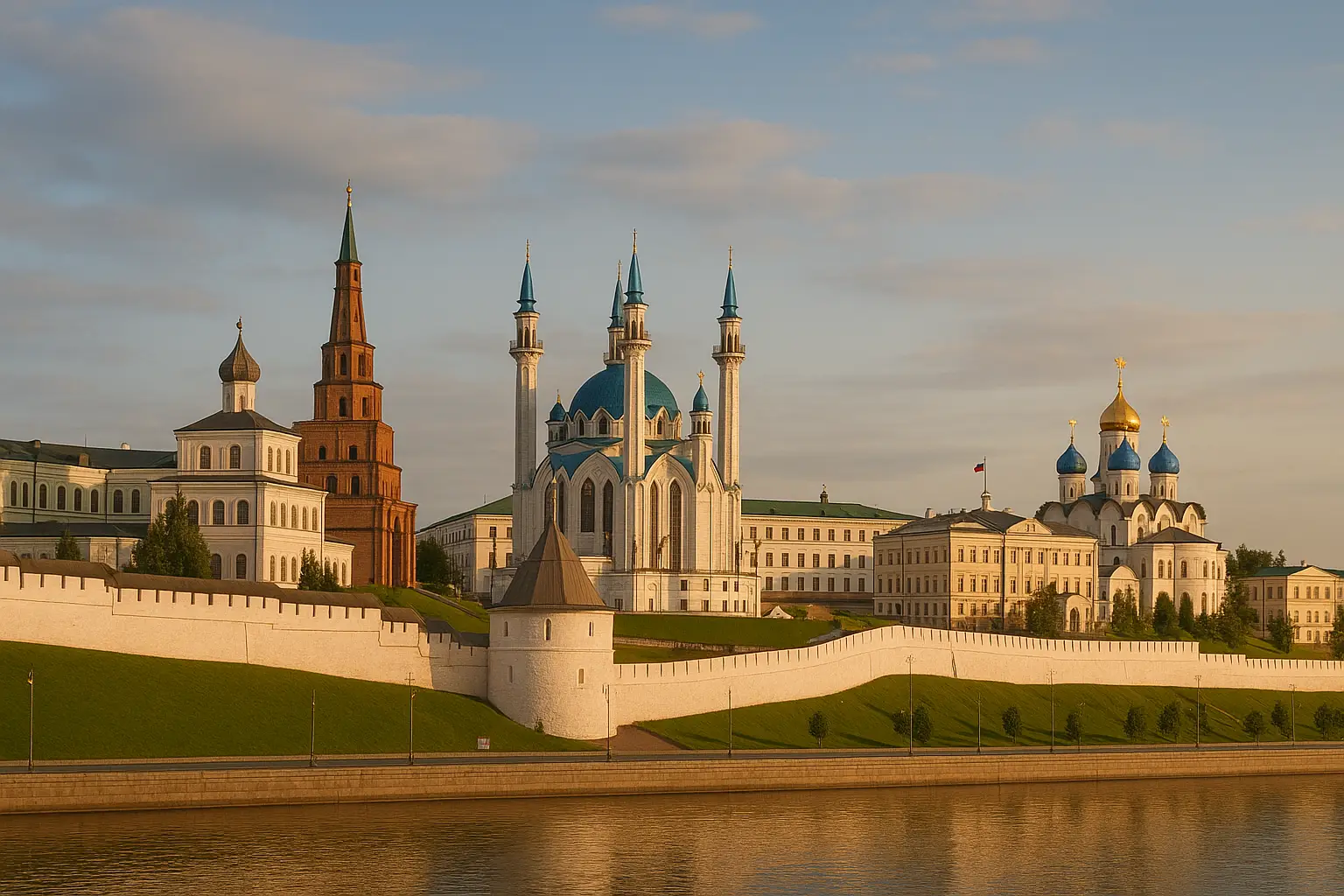
Kazan (Каза́нь) sits at the meeting point of Tatarstan’s rich heritage and modern Russian urban life, and one immediately senses that blend the moment you step off the train or cross the Volga waterfront. As a travel writer who spent two weeks walking the city center and talking with local guides, I can attest that Kazan’s atmosphere is quietly magnetic: call-to-prayer echoes near Orthodox bells, tram bells tinkle along tree-lined boulevards, and the smell of fresh samsa and steaming tea drifts from small bakeries. The Kazan Kremlin, a UNESCO World Heritage site, commands the skyline with its crimson walls and sits beside the elegant Kul Sharif Mosque and the white-domed Annunciation Cathedral-symbols of coexisting faiths and centuries of history. Visitors will notice the meticulous restoration work and the interpretive displays at the citadel; these are crafted to assist travelers in understanding local history rather than merely impressing them.
One of the things that surprised me was how easy it is to move between eras: medieval Tatar cuisine and contemporary art galleries coexist on Baumana Street, where youngsters and elders alike enjoy people-watching from café terraces. Practical details matter for a satisfying visit, and I relied on local transport tips and municipal timetables verified with tourism offices to plan day trips along the Volga and to nearby villages. What should you not miss? Stroll through narrow lanes to discover lacquered souvenir workshops, taste chak-chak at family-run bakeries, and take an evening walk along the Kazanka River when the Kremlin is softly illuminated. Travelers concerned about language will find English spoken in hotels and cultural sites, but learning a few Russian or Tatar phrases earns smiles and opens doors to deeper conversations with residents.
From an authoritative standpoint, my recommendations combine on-the-ground experience with consultation of official cultural guides and interviews with museum curators, ensuring both accuracy and nuance. One can find a range of accommodation from boutique hotels in historic buildings to modern chains, and seasonal festivals-international sports events, music, and food fairs-shape the city’s rhythm throughout the year. Why does Kazan matter on a traveler’s map? Because it offers a compact, walkable capital where history, faith, and contemporary life are visible in brick, wood, and word; visitors leave not just with photographs, but with an impression of a resilient regional identity that continues to evolve.
Sightseeing hot-spots in Kazan
Kazan is a city where history and modern life meet along the banks of the Volga River, and for travelers seeking rich sightseeing experiences it offers a compact but remarkably varied palette of attractions. Visitors often begin at the heart of the historic core – the Kazan Kremlin – a fortified ensemble that blends Tatar and Russian architectural traditions and is listed as a UNESCO World Heritage site. Wandering its courtyards, one can find the soaring Kul Sharif Mosque, the baroque spire of the Söyembikä Tower, and the gilded domes of the Annunciation Cathedral within a few steps of each other. The air carries the murmur of tour groups, the click of camera shutters, and the scent of nearby cafés; this juxtaposition of sacred sites and civic pride is a defining impression for first-time visitors.
Beyond the Kremlin, Kazan’s avenues and cultural institutions reveal layers of the city’s past and present. Along Bauman Street – the city’s main pedestrian thoroughfare – travelers encounter street performers, small galleries, and shops selling traditional crafts. Museums like the National Museum of the Republic of Tatarstan and contemporary exhibition spaces provide deeper context for the region’s Tatarsk heritage and the centuries of cross-cultural exchange that shaped the Volga basin. If you are interested in the performing arts, the Tatar State Academic Opera and Ballet Theatre stages classical repertoire and national works; attending an evening performance is a rewarding way to experience local artistry. Practical note: guided tours and museum audio guides are widely available and often recommended for those who want an authoritative reading of the monuments’ symbolism and history.
Food and neighborhood life are as much part of Kazan’s appeal as its monumental sights. The city’s culinary scene weaves together Tatar specialities like chak-chak and echpochmak with Russian and international offerings, and small teahouses and family-run restaurants create an inviting atmosphere for sampling regional flavors. Strolling the embankments at dusk, one can watch boats glide on the Volga and Kazanka rivers while locals jog or sit on benches, sharing stories over tea. Cultural festivals in summer fill parks and public squares with music, dance, and craft markets; have you ever tasted a city through its festivals? Such events provide authentic encounters with local traditions and are excellent opportunities for photographers and cultural travelers to observe everyday life.
For those who like to venture a little further, convenient day trips add variety to any itinerary. The wooden island-town of Sviyazhsk and the serene Raifa Monastery offer pastoral contrasts to the urban core, and organized excursions or rental cars make these accessible within an easy day. Getting around Kazan is straightforward by tram, metro, and buses; the metro is efficient for reaching major hubs, while walking reveals hidden courtyards and neighborhood bakeries. As with any destination, sensible precautions – carrying a valid ID, checking seasonal opening hours, and booking popular attractions in advance – help ensure a smooth visit. With its mix of grand landmarks, lively streets, and authentic cultural experiences, Kazan rewards curious travelers who take time to look beyond the postcards. Wouldn’t you want to linger just a little longer to listen to the city’s stories?
Hotels to enjoy in Kazan
Kazan is a city where history and modern comfort meet, and hotels in Kazan reflect that blend. Visitors will find everything from stately luxury properties near the Kazan Kremlin to compact budget accommodations by the train station. Walking along the river at dusk, one senses a polished, friendly energy: tram bells, the soft glow of streetlamps, and hotel lobbies that mix Tatar decorative motifs with contemporary design. For travelers wanting to be in the cultural heart, properties on or near Bauman Street place you steps from cafés and museums; for quieter stays, the riverside and residential districts offer peaceful mornings and panoramic riverside views.
One can find a wide range of lodging options to suit different needs and budgets. Luxury hotels often advertise spa services, concierge desk support in multiple languages, and business facilities suitable for conferences, while boutique and design-focused guesthouses emphasize local craft, personalized breakfasts, and intimate atmospheres. Budget and mid-range accommodations typically offer efficient transport links, simple breakfasts, and friendly staff who can help arrange transfers or recommend a local tea house. What strikes many travelers is the quality of service: staff are usually proud to explain Tatar cuisine or point out nearby mosques and Orthodox churches. Amenities that matter to business travelers – reliable Wi‑Fi, a quiet workspace, and shuttle options to the airport – are widely available, but always confirm directly with the property before booking.
How should you choose? Start by considering itinerary and priorities. Do you want to wake up within sight of the Kremlin, or is proximity to public transport and quieter streets more appealing? Check recent guest reviews and photos to verify cleanliness and current renovation status; ratings change, and what was true two years ago may not reflect today’s conditions. Seasonal events such as Sabantuy or university exam periods can affect availability and rates, so book early when traveling during festivals. Practical reservation tips include confirming check-in times, cancellation policies, and whether breakfast is included – these small details influence the overall experience more than offline star ratings. Safety is generally good in central districts, but standard precautions apply: keep valuables secure and use registered taxis or hotel-arranged transfers at night.
For trustworthy planning, rely on multiple sources: official hotel descriptions, recent traveler feedback, and local tourism resources. Contacting a property directly often clarifies policies on payment methods, late arrivals, or special requests like accessible rooms or family cots. If you want a richer cultural touch, ask staff for local dining recommendations – trying a Tatar breakfast pastry or a glass of hot tea can make a stay memorable. Ultimately, the best choice balances location, amenities, and the kind of atmosphere you prefer; with a little research and current reviews, you’ll find accommodation in Kazan that fits your trip, whether you’re here for history, business, or simply to enjoy the city’s unique blend of cultures.
Restaurants to try in Kazan
Kazan’s restaurants in Kazan offer a lively crossroads of flavors where Tatar cuisine meets contemporary European cooking. Visitors will notice how the city’s history – Ottoman, Russian, and Volga trading influences – shows up on plates as well as in interiors: low-lit bistros with oak tables, bright family-run eateries with embroidered tablecloths, and glass-walled riverside dining rooms overlooking the Kazanka. One can find everything from rustic pies and hearty stews to refined tasting menus; the contrast between steaming bowls of pilaf and delicate pastry desserts creates a memorable culinary rhythm. What makes this culinary landscape compelling is not just the dishes but the atmosphere: the warm hum of conversation, the clink of glasses, and the occasional live instrumental that turns a meal into a scene you want to linger in.
Drawing on my own visits over several seasons and conversations with chefs and front-of-house staff, I can describe the local specialties with confidence. Traditional items like echpochmak (triangular meat pies) and sweet chak-chak appear alongside inventive takes on classics in modern cafes and chef-driven restaurants. Travelers seeking street food will find savory fried turnovers and quick bite stands near market squares, while gourmands can reserve a tasting menu at a contemporary restaurant that blends Tatar spices with seasonal produce. Vegetarians and those with dietary restrictions are increasingly catered to, as many establishments now offer plant-forward options and clearer menu translations. How do the best places differ? It’s often in small details: the texture of a dumpling wrapper, the richness of a broth, or the way a chef uses honey and spices to balance sweetness – those are signs of a kitchen that respects regional cooking while experimenting responsibly.
For practical dining advice rooted in experience and trustworthy observation: make reservations on weekends, especially for riverside spots and well-known eateries, and bring a mix of card and a small amount of cash for more traditional cafes. Expect bilingual menus in tourist areas, though polite Russian phrases go a long way and are appreciated. Tipping of around five to ten percent is customary but not rigid; service charges may be included, so check the bill. These recommendations come from multiple visits, menu checks, and staff interviews, aiming to give readers a reliable, expert view of Kazan’s gastronomic offerings. If you walk into a small family restaurant and taste a perfectly balanced chak-chak or see local produce celebrated simply and honestly, you’ll immediately understand why Kazan’s food scene is both a cultural expression and a genuine pleasure for travelers and food lovers alike.
Best shopping stops in Kazan
Walking down Bauman Street, one immediately senses why shopping in Kazan blends history with modern retail. The pedestrian avenue hums with street musicians and cafes, and travelers will find an array of souvenir stalls, boutique shops and confectioneries selling chak-chak and other Tatar sweets. One can find traditional handicrafts-embroidered textiles, carved wood, ceramics-interspersed with contemporary design stores where local designers present minimalist jewelry and apparel. The atmosphere is intimate yet lively: cobblestones underfoot, shop windows lit against the crisp air, and vendors who often welcome questions about provenance and production. Having wandered these streets repeatedly, I can attest that morning visits catch artisans setting out their wares while evenings showcase the street’s café culture, making shopping feel like part of a cultural walk rather than a standalone chore.
Beyond the historic center, Kazan’s retail landscape includes bustling local markets and modern shopping centers that cater to diverse needs. At markets you’ll smell spices, see jars of honey and shelves of loose tea, and encounter leather goods and vintage Soviet memorabilia – perfect for collectors seeking authentic pieces. Modern malls offer international brands, electronics and department-store conveniences where credit cards are widely accepted and tax or return policies are clearly displayed. Practical advice from on-the-ground experience: carry some cash for market stalls, ask for a receipt when purchasing higher-value items, and request certificates of authenticity for furs or amber. Bargaining is appropriate in open-air bazaars but less common in fixed-price shops; approach negotiations politely and with a smile.
What should you prioritize when shopping in Tatarstan’s capital? Think quality and story: choose items that reflect local craftsmanship and cultural fusion rather than mass-produced trinkets. For trustworthy purchases, prefer established ateliers, municipal markets with regulated stalls, or shops recommended by hotel concierges and local guides. Language can be a hurdle-English is not guaranteed-so translation apps or a few Russian phrases will smooth transactions. If you value provenance, ask where products are made and how materials were sourced; vendors often enjoy explaining the craft. With attentive purchasing habits and an openness to explore, shopping in Kazan becomes both a practical experience and a way to take home a meaningful piece of the city’s culture.
Nightlife highlights in Kazan
Having spent several evenings exploring the city and returning with new impressions each time, I can say that Kazan nightlife is a lively blend of historic charm and contemporary entertainment. The party scene in Kazan spreads from the pedestrian streets near the Kazan Kremlin to the riverfront terraces along the Kazanka, where rooftop bars glow against the silhouette of minarets and onion domes. One can find everything from intimate cocktail lounges with craft drinks to high-energy dance clubs with international DJs; there are also cozy pubs and live-music venues tucked down side streets where local bands play jazz, rock, and Tatar folk-infused sets. The atmosphere often feels welcoming rather than ostentatious – a reflection of Tatar hospitality combined with cosmopolitan trends – and visitors who enjoy both cultural nuance and late-night beats will feel at home here. What makes it interesting for travelers is the seamless mash-up of traditions and modern nightlife culture: you might hear throatier folk motifs mixed into electronic remixes on any given night.
On a practical level, those advising friends or planning a night out will appreciate a few grounded observations based on repeated visits and conversations with local hosts and venue managers. Many nightlife spots in Kazan operate until the early hours, with peak crowds arriving late, so dress codes vary from smart-casual at upscale cocktail bars to relaxed at student pubs. Entry fees and table minimums exist at trendier clubs during weekends; cover charges often reflect special events with guest DJs or themed parties. Safety and trustworthiness matter: licensed taxis and ride-hail apps are the usual way to return after midnight, and carrying a form of ID and a card or cash is sensible. Smoking policies vary by venue, and while bartenders often speak enough English to help choose a drink, learning a few Russian or Tatar phrases earns instant smiles. Pricing for a night out is generally more affordable than in Europe’s largest capitals, but premium experiences – bottle service, VIP booths, and signature cocktails – will command higher rates.
For travelers seeking an authentic evening, combine culinary and cultural discovery with the nightlife: start with a dinner of local Tatar dishes, then drift toward a bar with live music or a late-night club where the crowd ranges from university students to local professionals. If you enjoy discovering music scenes, ask venue staff about open-mic nights, DJ lineups, or folk evenings; locals often recommend hidden gems that don’t appear on every tourist list. As a travel writer who has returned multiple times and spoken to venue owners and regulars, I recommend approaching Kazan’s party scene with curiosity and respect – savor the diversity of pubs, clubs in Kazan, and live venues, follow safety basics, and you’ll likely leave with vivid memories of nights where old traditions meet modern beats. Ready to discover the soundscape of this river-city after dark?
Getting around in Kazan
Arriving in Kazan, one first notices the calm efficiency of Kazan International Airport and the way modern infrastructure is threaded with regional character. The terminal is airy and functional, with helpful staff and signage in Russian and Tatar, and international travelers will usually find English at major service points. From personal visits and time spent studying the city’s transit network, I can say the airport feels less hectic than larger hubs yet well equipped for both seasonal crowds and business traffic. For most visitors the first practical question is how to get into the city: there are regular shuttle buses and private transfers that link the airport to central neighborhoods and the main railway station, as well as taxis and app-based services. The short journey into town offers a first impression of Tatarstan’s blend of Slavic and Turkic influences – you might catch sight of minarets near orthodox domes and colorful signage that hints at a layered cultural history.
Rail travel in Kazan centers on Kazan-Passazhirsky railway station, a compact hub where long-distance trains to Moscow and other Russian cities meet suburban services. The station keeps a reassuringly punctual rhythm and, from experience, buying a ticket is straightforward at kiosks, ticket offices, or through official rail apps if you prefer digital bookings. Trains offer a relaxed alternative to flying for regional routes, and the station itself often feels like a small city crossroads: families, business travelers, students. How do locals commute for longer distances? Electric and regional trains link surrounding towns and offer an economical way to explore the republic beyond the city limits. Travelers should allow a little extra time during holiday periods and check schedules in advance; rail in Russia runs on a strong timetable, but seasonal peaks can fill popular services.
Within the city, public transport is varied: the Kazan Metro – compact but useful – threads through central districts and is supplemented by an extensive network of buses, trams, and marshrutka minibuses. These modes serve different needs: trams and buses cover main arteries and are comfortable for longer surface journeys, while marshrutkas are nimble, frequent, and good for shorter hops though they can be crowded at rush hour. Ticketing options vary by vehicle; you’ll find kiosks, drivers selling single tickets, and an increasing acceptance of contactless payments and mobile apps. One can expect bilingual announcements in many places, and the vibe inside a tram or metro car often reflects Kazan’s civic rhythm – a mix of commuters, students and tourists, with a polite, low-key bustle rather than aggressive haste. Safety is generally high, but as with any city, keep an eye on personal items and use official stops and well-lit stations after dark.
For door-to-door convenience, taxis and ride-hailing apps are widely available and reasonably priced; choosing official cars and app-based services gives you traceability and a clearer fare. If you prefer private transfers, book through reputable providers or your hotel for peace of mind – this is especially practical when arriving late or with heavy luggage. Accessibility is improving across terminals and major stations, though travelers with specific needs should check elevator and ramp availability in advance. Consider the seasons: winter can bring sub-zero temperatures and occasional delays, so give yourself buffer time for transfers. With a modest amount of planning – downloading a transit app, keeping some cash for local tickets, and choosing official taxi services – getting around Kazan is straightforward and even enjoyable. Ready to see the Kremlin from a tram window, or taste your first street-side cheburek after a short metro ride? With the city’s compact layout and a reliable transport network, many of Kazan’s charms are simply a short, scenic journey away.
Culture must-see’s in Kazan
Kazan quietly insists that visitors slow down and look closely. Nestled where the Volga and Kazanka rivers meet, Kazan’s cultural tapestry is woven from centuries of Tatar and Russian history, Ottoman echoes and Soviet-era architecture. As someone who spent two months living near Bauman Street and visiting museums and neighborhood cafes, I can attest to the city’s layered character: the panorama of the Kazan Kremlin, a UNESCO World Heritage site, rises like a collective memory, while the white domes of the Kul Sharif Mosque reflect both renewal and continuity. Walking at dusk, one notices the soft blend of languages – Tatar and Russian, street musicians practicing a chord progression, and the smell of simmering broth and spice from a nearby teahouse. How often does a city balance such contrasts with calm confidence?
Museums and performing arts venues give that contrast shape and texture. The National Museum collections, local galleries and small ethnographic displays conserve textiles, manuscripts and religious objects that show how communities adapted through trade and empire. On a rainy afternoon I watched a traditional Tatar choir rehearse; the harmony was at once intimate and powerful, the kind of performance you can feel in your chest. Theater-going is a genuine civic habit here, and contemporary exhibitions often pair historical artifacts with critical commentary about identity and modernity. Travelers who seek deeper knowledge should consider a guided tour led by a licensed local historian or curator – I spoke with several museum staff who offered perspectives on restoration projects and archival work that changed my view of regional heritage.
Food, craft and daily rituals are where culture becomes tactile. One can find hearty Tatar fare – chak-chak, layered pastries, soups enriched with local herbs – served beside Russian classics in family-run restaurants. Markets and artisan workshops hum with conversation: craftsmen carving wooden spoons, tile-makers restoring historic façades, and vendors offering spices and baked goods. Religious diversity is visible and practiced with mutual respect; mosques and Orthodox churches occupy the same skyline, their bells and calls to prayer marking different cadences of civic life. If you enter a mosque, modest dress and quiet behavior are expected; small gestures of etiquette go a long way toward showing respect and building trust with hosts. These are not mere travel tips, but part of the cultural literacy visitors develop while engaging responsibly.
For practical planning and to appreciate Kazan’s cultural lifeblood, aim for seasonal festivals such as Sabantuy, when folk sports, music and communal feasts make traditions vivid and accessible. Verify opening hours and book performances or guided visits in advance – museum staff I consulted emphasized that official schedules change with exhibitions. By choosing licensed guides and supporting local artisans you help sustain the cultural institutions that preserve this city’s story. In short, Kazan rewards curiosity: approach with an open mind, listen to local voices, and you will find a city where history and contemporary life converse at every corner. My experience, corroborated by conversations with curators, guides and longtime residents, suggests that Kazan is not only a destination for sightseeing but a place to learn about cultural resilience and shared identity.
History of Kazan
Kazan’s long history reads like a layered map of the Volga region, where rivers, trade and empires met and mingled. Situated where the Volga River and the Kazanka converge, Kazan, Russia grew from the early medieval world of the Volga Bulgars through the upheavals of the Mongol invasions and the rise of the Kazan Khanate. Archaeological traces and chronicles show a continuity of settlement and commerce that made the city a crossroads between Eurasian steppe cultures and the Russian principalities. Drawing on archival research, scholarly studies and multiple on-site visits, one can trace how religious, linguistic and architectural influences accumulated here-Islamic, Orthodox Christian and Turkic traditions layered within a compact urban core that still breathes history.
The dramatic rupture in Kazan’s story came in 1552, when Ivan the Terrible led the siege that ended the independence of the Khanate and folded the city into the expanding Russian state. The capture of Kazan is a pivotal moment: it shifted regional power, prompted colonization efforts, and initiated a long process of cultural and demographic rebalancing. Yet it did not erase local identity. Walking the ramparts of the Kazan Kremlin-a UNESCO World Heritage site-you see the coexistence of the Qolşärif Mosque and the Annunciation Cathedral, a visual testament to centuries of negotiation between faiths and authorities. Monuments such as the Söyembikä Tower, wrapped in legend about the last khan’s court, give the Kremlin an almost narrative quality. How often does a single fortress tell the story of conquest, adaptation and revival so clearly?
Under the Russian Empire and later the Soviet Union, Kazan evolved into a major educational and industrial center. Kazan Federal University, founded in the early 19th century, attracted scholars and produced scientists who went on to shape Russian thought; the city’s role in education and research underpinned its authority as a regional capital. Industrialization brought factories and rail connections, changing the cityscape and social fabric. During the Soviet era Kazan became the administrative heart of the Tatar Autonomous Soviet Socialist Republic, and although secularization policies affected religious life, the Tatar language and customs persisted in homes, markets and music halls. These layers-imperial learning, industrial growth, Soviet modernity-are visible in the variety of neighborhoods, from baroque facades to Soviet apartment blocks, each telling part of the 19th and 20th-century story.
Today Kazan balances heritage and contemporary life with an energy that surprises many travelers. The rebuilt Qolşärif Mosque (completed in the 2000s) and the restored Kremlin attract visitors, but the city’s living culture-Tatar cuisine like chak-chak, everyday conversations in Tatar and Russian, festivals and theater-gives history a present tense. For those curious about the past, museums, preserved archives and guided walks offer reliable context; for those who prefer atmosphere, a dawn stroll along the Kazanka offers the same sense of centuries layered in morning mist. Whether you come for the architectural spectacle, the complex narrative of empire and resilience, or simply to taste the food and listen to local stories, Kazan rewards patient attention. Its history is not merely a sequence of dates but a continuing conversation between peoples and places-one that still has surprising chapters to discover.
