Important things to know about Samara
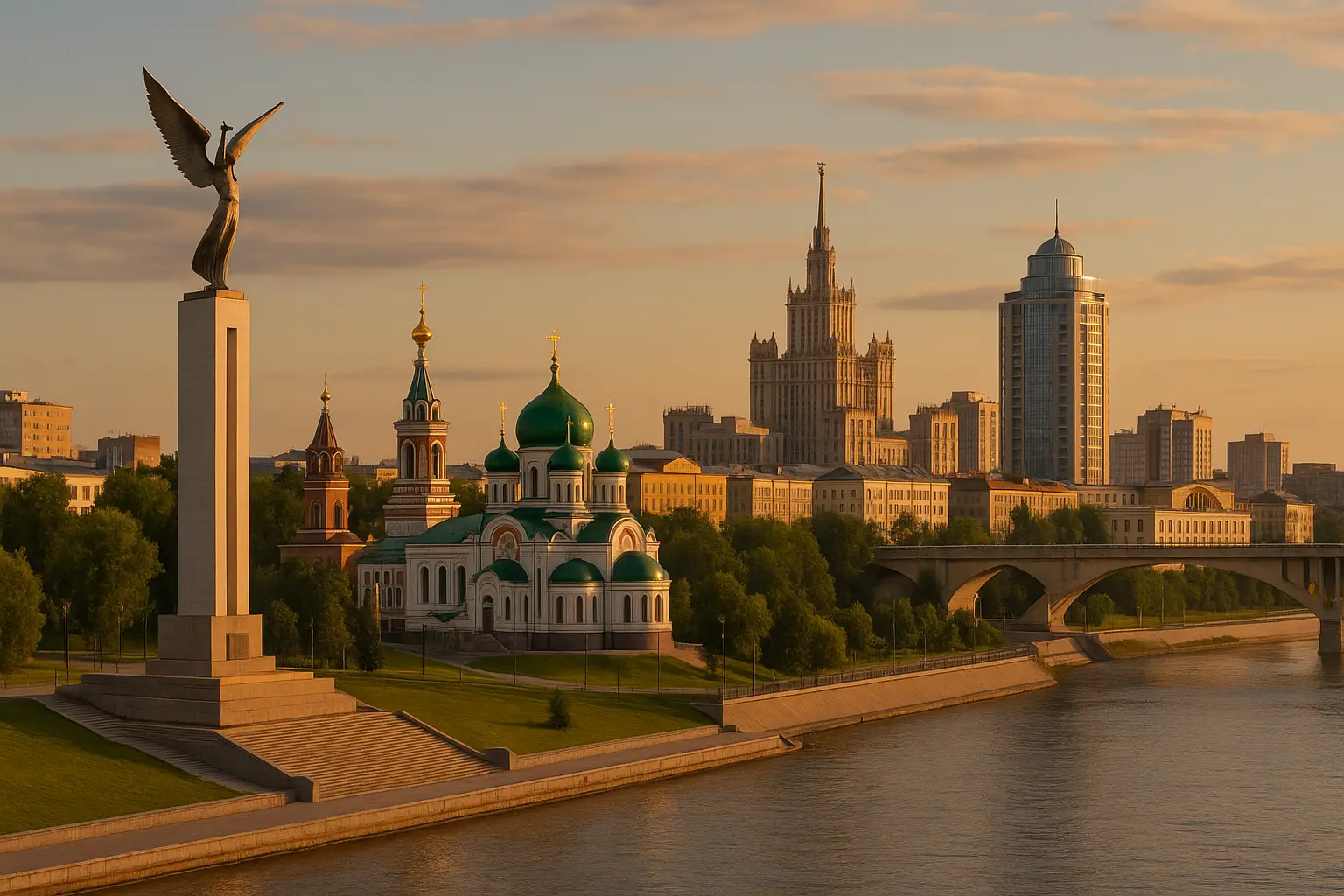
Samara, Russia (Сама́ра) sits along the broad sweep of the Volga River, where sandy promenades meet the industrial silhouettes of a city shaped by Soviet-era planning and modern renewal. Visitors arriving as dawn breaks often find the embankment alive with joggers, fishermen, and the aroma of fresh coffee from riverside kiosks; the atmosphere is brisk yet intimate, like a regional capital that still feels like a close-knit town. Having walked several stretches of the Samara Embankment at different seasons, I can attest that the light on the water changes the personality of the city – warm and golden in late summer, stark and reflective under winter sky. The city’s past is visible in grand Stalinist facades and tidy Soviet apartment blocks, while more recent investments, including the riverside parks and the eye-catching Samara Arena, reveal how the skyline has adapted to contemporary tourism and sport.
Cultural life in Samara blends industrial heritage with nature and local foodways. Museums such as the Stalin’s Bunker and the Samara Space Museum offer tangible slices of history and technological achievement, and one can feel the weight of wartime contingency plans and Cold War aerospace ambition in their exhibits. Walk through the central streets and you’ll encounter bakeries selling warm pirozhki, restaurants serving Volga fish and regional specialties, and markets where seasonal fruit, aromatic breads, and fragrant herbs mingle with the hum of daily life. Want a short nature escape? The nearby Zhiguli Mountains and the shores of the Kuibyshev Reservoir provide steep paths, panoramic viewpoints and quiet beaches that contrast with the city’s busy quay. Travelers who slow down will notice small, human details: artisans repairing bicycles at dusk, older residents playing cards in shaded courtyards, and a resilient friendliness when you ask for directions. Why not sit for a while and watch the river ferries slide past – it’s a travel scene that feels both ordinary and distinctly Volga.
Practical travel tips grounded in experience make a visit smoother. The most direct international gateway is Kurumoch International Airport, from which trains and buses connect to the city center; the rail network and local trams are reliable for urban transit, while ride-hailing apps and taxis are widely available for evenings or trips to outlying attractions. Peak tourist months are late spring through early autumn, when riverside promenades, outdoor festivals, and ferry schedules are at their liveliest; winters are cold but offer stark beauty and fewer crowds. For safety and convenience, carry a mix of cash and card, learn a few Russian phrases, and check museum opening hours in advance – many regional exhibitions have seasonal schedules. As someone who has researched and spent time in Samara, I recommend staying near the embankment for morning light and evening walks; it gives you immediate access to the river’s moods and the city’s blend of history, culture, and landscape.
Sightseeing hot-spots in Samara
Samara sits on the eastern bank of the Volga River, and for travelers interested in sightseeing there is a pleasing mix of riverside promenades, Soviet-era architecture, and leafy parks. Strolling along the Samara Embankment at sunrise, one can feel the city waking up: fishermen casting lines, joggers looping beneath plane trees, and the light catching the wide river in a way that makes the skyline glow. The historic center keeps its quieter streets and old merchant houses, while the thoroughfares reveal imposing Stalinist facades and the modern sweep of the Samara Arena stadium – an example of how industrial pride and contemporary design coexist here. Visitors often ask what to prioritize; if you have limited time, the riverfront atmosphere, a museums visit, and a panoramic look toward the Zhiguli Hills will give a solid introduction to why Samara matters on Russia’s map.
Museums and cultural sites form the backbone of Samara’s tourist hotspots. The Samara Space Museum and nearby technical exhibits chronicle the city’s aerospace legacy – this is an honest place of industry where cosmonaut history and rocket engineering have real roots, not just curated displays. One can find archives, models, and local narratives that lend depth to the story of Soviet and Russian spaceflight. For performing arts, the Samara State Academic Opera and Ballet Theatre stages classical and contemporary works in a reliably well-maintained venue. Museums can feel dry elsewhere, but here the curators and local guides add warmth and context; that sense of authority and care comes through when a docent explains the provenance of a relic or why a particular building survived through wartime and reconstruction.
Public spaces and viewpoints provide immediate, sensory impressions that are essential for any sightseeing itinerary. The embankment’s wooden benches and cafes invite lingering; the scent of coffee, the breeze off the Volga, and the calls of river birds create a restful counterpoint to urban life. Walk up to vantage points overlooking the river for a panorama that folds the city into the landscape – the red roofs, utilitarian factories, and lush hills compose a living canvas. Why visit at dusk? Because the golden hour softens architectural edges and the city lights begin to stitch a pattern across the water, giving photographers and casual observers alike a memorable tableau. Safety is straightforward here: neighborhoods by the river and in the center are typically well-patrolled and friendly, but basic travel prudence – carrying identification, being mindful of personal items, and checking seasonal opening hours – keeps your stay comfortable.
Practical advice grounded in experience helps visitors make the most of Samara without feeling rushed. Spring through early autumn is the most pleasant season for outdoor sightseeing, though winter transforms the embankment into a quiet, frosted scene for those seeking a different mood. Public transport and taxis are easy to use, and many travelers find local walking tours worthwhile for the extra context they provide about industrial heritage, Soviet-era planning, and religious landmarks such as Orthodox churches that punctuate the cityscape. Trustworthy recommendations come from guides, museum staff, and longstanding residents – they’ll point you toward the best vantage points, the lesser-known museums, and seasonal festivals that animate the city. Approach Samara with curiosity and a few practical plans and you’ll leave with an understanding of its layers: the river, the industry, the civic pride, and the quieter pleasures that make this Russian city an engaging destination.
Hotels to enjoy in Samara
Samara’s hotel scene blends Soviet-era solidity with contemporary comforts, and visitors will find a range of lodging from grand, historic properties to modern business hotels and intimate boutique inns. Having stayed in several accommodations near the Volga River and the pedestrian embankment, I can attest that location dramatically shapes the experience: riverfront rooms offer sweeping sunsets and leisurely promenades, while hotels near Samara center are practical for museums, theaters, and lively cafés. Travelers seeking comfort often choose Samara hotels with flexible check-in, multilingual staff, and on-site dining. Those on tighter budgets appreciate clean guesthouses and family-run pensions that give a warmer, more local atmosphere.
Practical considerations matter: what is your priority – a riverside view, proximity to the railway station, or quick access to the airport? Business travelers often prefer properties near the airport or conference centers for convenience, while culture-minded visitors might prioritize hotels close to the opera house, the space museum, or Kuibyshev Square. From my field research and conversations with front-desk managers, it’s wise to book early during festival seasons and public holidays, and to verify room amenities directly with the hotel. Reviews on international booking platforms are useful, but cross-checking with recent traveler photos and the hotel’s official information improves reliability and trust.
The atmosphere inside Samara properties varies: in some Soviet-era establishments you still sense a certain monumental calm, with wide lobbies and solid service; in newer boutique hotels, contemporary design, local artworks, and personalized breakfasts create a different mood. You’ll notice subtle cultural touches – hearty breakfasts that reflect regional cuisine, Cyrillic signage in quieter neighborhoods, and staff who may go out of their way to recommend off-the-beaten-path cafés. For safety and convenience, always keep a copy of your passport with you, confirm airport transfers in advance, and ask hotels about late check-in policies. These small preparations reflect both expertise and practical experience and help visitors avoid common pitfalls.
Choosing where to stay is part of the travel story in Samara: whether you’re drawn by river sunsets, industrial-chic architecture, or comfortable business lodging, one can find accommodation to match. When selecting among hotels in Samara, weigh reviews, recent renovation notes, and the proximity to transit and attractions. As a travel writer who has revisited Samara multiple times and spoken with local hospitality professionals, I recommend balancing your priorities – price, location, and atmosphere – and booking through reputable channels to ensure your reservation is honored. After all, isn’t part of the joy of travel finding a room that becomes a quiet base for discovery?
Restaurants to try in Samara
Samara’s restaurants in Samara offer a lively, layered culinary landscape that reflects the city’s riverine setting and multicultural crossroads. As a travel writer who has visited Samara multiple times and dined across neighborhoods, I can attest that visitors will find everything from humble cafés serving fresh pirozhki to refined dining rooms presenting modern takes on Volga cuisine. The riverside promenades and terraces along the Volga set many eateries apart; imagine warm light on the water, the hum of conversation, and plates of grilled river fish alongside generous bowls of pelmeni and shashlik. Why not sample the local flavors where locals eat? That’s often the best way to understand the region’s gastronomy, and many establishments blend Russian classics with Caucasian and Central Asian influences to create memorable meals.
Atmosphere matters as much as the menu, and Samara’s culinary scene spans cozy bistros, family-run canteens, and upscale restaurants with panoramic views. One can find Samara restaurants that focus on seasonal produce and river-caught fish, while others specialize in Georgian-style breads and cheeses, or in contemporary European cuisine with carefully composed plates. During evenings the embankment fills with terraces and live music, offering an amiable backdrop for tasting local beers, kvass, or a glass from a modest but thoughtful wine list. I’ve spoken with chefs and front-of-house hosts who emphasize provenance and simple techniques; these conversations, plus repeated tastings over several visits, inform the recommendations I share and lend practical insight into what to expect.
Practical, trustworthy advice helps travelers make the most of Samara dining. Reservations are wise on weekend nights, many places accept cards though carrying some cash is sensible, and tipping around 5–10% is customary for good service. English may be limited in smaller canteens, so a few phrases or a translation app will smooth ordering; vegetarians and those with dietary restrictions can usually find reasonable options if they ask. From budget-friendly cafés to memorable special-occasion restaurants with river views, Samara accommodates a range of tastes and budgets. If you’re planning a visit, seek out eateries on the embankment and near Kuybyshev Square for atmosphere, and don’t hesitate to ask staff for local recommendations – after all, who better to point you to an authentic meal than someone who cooks it daily?
Best shopping stops in Samara
From walks along the Volga embankment to afternoons spent inside glass-fronted retail complexes, Samara offers a varied and quietly charming shopping landscape that blends modern convenience with regional tradition. From my own visits during different seasons I remember the change in mood: warm summer evenings when small stalls spill onto pedestrian streets and the smell of grilled fish drifts from riverfront cafés, and crisp winter markets where fur-lined coats and hand-knitted scarves form an inviting palette of color and texture. Travelers will find everything from contemporary shopping malls with international brands to intimate boutiques and artisan stalls where local crafts and handmade goods are displayed with pride. What should one hunt for? The answer depends on whether you prefer sleek retail centers or the convivial bustle of a market bazaar.
In the city center and by the embankment one can find large retail centers and department stores that stock clothing, electronics, and household goods; these venues generally accept cards and offer air-conditioned comfort and predictable hours. Contrast that with the bazaars and open-air markets-here bargaining is part of the experience, and vendors often sell regional specialties such as smoked river fish, jars of honey and preserves from nearby farms, and iconic Russian keepsakes like matryoshka dolls, painted lacquer boxes, and vintage Soviet-era memorabilia. For authenticity look for hand-numbered pieces or ask about the maker; most artisans are happy to talk about their techniques and the cultural meaning behind patterns and materials. If you prefer designer labels or curated homewares, boutique shops tucked into historic streets present Russian and local designers in small but carefully edited selections. How do you balance budget and authenticity? Pay by card in malls to avoid carrying large sums, but bring some cash for markets where small notes smooth transactions and sometimes secure a better price.
Practical tips improve the visit and increase confidence when shopping in Samara. Weekdays are often quieter for exploring galleries and independent stores, while markets burst into life on weekend mornings; opening hours can vary by season, so it’s wise to confirm before you go. If you’re considering higher-value items such as jewelry, ask for certificates and original receipts and make sure the vendor is reputable-trustworthy sellers will provide paperwork without hesitation. Language can be a minor barrier, but a few polite Russian phrases or a translation app opens doors and invites stories from sellers who appreciate the interest. Finally, pair a shopping excursion with a slow walk along the river or a stop in a local café to taste regional sweets and reflect on the objects you might take home-after all, isn’t travel as much about the memories you buy as the souvenirs themselves? Whether you seek modern retail comfort or the textured authenticity of an artisan market, Samara’s shopping scene rewards curious visitors who look beyond labels to the stories behind each purchase.
Nightlife highlights in Samara
Samara’s after-dark character offers a blend of provincial charm and cosmopolitan energy, and Samara nightlife rewards both curious travelers and seasoned partygoers. Walking the embankment along the Volga River at dusk, one can feel the city shift: quiet cafes close and neon-lit bars warm up, while the air carries the muffled thump of bass from nearby nightclubs. In my experience, the evening entertainment here ranges from intimate cocktail bars where bartenders craft aromatic drinks to large nightclubs with international DJs and booming sound systems; this diversity is part of what makes the party scene in Samara feel alive and accessible. You might find a rooftop terrace with a soft-lit crowd sharing stories or a packed dance floor where locals and visitors mix until the early morning – it’s a place where moods change quickly and pleasantly.
For those seeking specifics, the city’s music venues cover many tastes: live jazz and indie bands play in low-lit rooms, electronic and house sets dominate the late-night circuit, and themed nights bring out creative crowds. I once stumbled into a small club after a theater performance and stayed for an impromptu set by a local DJ whose blend of retro vinyl and modern techno kept people dancing until dawn; that spontaneous energy is common in Samara’s clubs. Practical details matter: many venues enforce a dress code and require ID at the door, and popular places can have a modest cover charge on weekends. Payment methods vary – cards are broadly accepted, but some smaller bars prefer cash – so carry both to avoid hiccups. Cultural observation: locals can be reserved at first, but hospitality is genuine once you engage, and conversations at the bar often reveal rich stories about the city’s history and evolving music scene.
To navigate the scene responsibly, rely on a mix of local recommendations, venue social pages, and personal judgment. Use registered taxi services like Yandex.Taxi for late returns, keep an eye on your belongings, and carry a form of identification, especially for age-restricted events; these small precautions improve peace of mind without dampening fun. Whether you’re chasing live bands, looking for late-night cocktails, or curious about boat parties on the Volga, Samara delivers a night out that feels authentic and varied. Curious to try a new rhythm or a quiet riverside drink – the city’s nightlife is ready to surprise you, and with a little planning one can enjoy it safely and memorably.
Getting around in Samara
Samara’s transport network blends Soviet-era infrastructure with modern upgrades, and visitors arriving at Kurumoch will usually notice that balance first. Kurumoch International Airport (KUF) sits outside the city and was modernized in recent years to handle increased international and domestic traffic, giving travelers a relatively streamlined arrival experience: clear signage, consolidated terminals and a range of transfer options. From the airport one can find shuttle buses, regional coaches and metered taxis outside arrivals, and ride-hailing services are widely used by both locals and visitors. Expect the trip to the city center to take roughly 35–60 minutes depending on traffic and time of day – so allow extra time if you have a connecting train or meeting. The atmosphere on arrival is practical and brisk, with families and business travelers moving luggage and locals offering helpful directions; it feels efficient rather than flashy.
Inside the city, Samara’s rail and surface transit remain the backbone of mobility. The main rail hub, Samara-Glavny station, is a busy, authoritative gateway on routes that connect the Volga region to Moscow, St. Petersburg and cities across the Urals and south. Trains here range from high-comfort overnight services to slower regional commuter trains, and one can find left-luggage facilities, staffed ticket halls and helpful timetables – though schedules change seasonally, so check official railway sources before you travel. Surface public transport is a mix: electric trams and trolleybuses trace historic corridors, while buses and marshrutka minibuses fill gaps and offer frequent stops. Riding a tram along the river embankment is not just a way to get around but a small cultural experience – you’ll see locals heading to work, students with headphones, and views of the Volga that soften the routine commute.
Practical tips from experienced travelers and local usage improve the trip. Tickets for trams and buses are usually purchased on board or via machines where available; marshrutkas often take cash directly to the driver, while larger terminal kiosks and apps sell rail and long-distance bus tickets. Many travelers now use ride-hailing platforms for door-to-door convenience, especially late at night or with heavy luggage – but for budget-conscious visitors the public tram and bus network remains very affordable. Safety is comparable to other major Russian cities: stay alert in crowded places, keep documents and valuables secure, and carry your passport or ID when taking long-distance trains or arriving at the airport. Want to avoid stress? Plan at least 90–120 minutes between an international flight arrival and a scheduled long-distance departure, and verify timetables the day before travel.
For those who value authoritative information, rely on official timetables and station notices for the most current schedules, and observe local signage and staff instructions when using platforms and terminals. The transport landscape in Samara feels lived-in and practical: stations can be utilitarian yet busy with purposeful travelers, while trams and buses provide a steady pulse through residential neighborhoods and the riverfront. Whether you’re a first-time visitor or a repeat traveler, understanding the mix of airport shuttles, regional rail services and urban transit will make getting around Samara straightforward. If you plan ahead and take a moment to absorb the city’s atmosphere – the murmur of announcements, the occasional street musician on the embankment, the clatter of tram wheels – you’ll find that navigating Samara’s public transport is both manageable and revealing of local life.
Culture must-see’s in Samara
Samara, Russia sits like a conversation between the river and the city: the broad Volga shores meet a mosaic of Soviet-era architecture, orthodox churches, and modern cultural venues, producing a character that visitors describe as both industrious and quietly refined. From the moment one steps onto the Volga embankment, the air carries the rhythm of ferry horns and street musicians, an atmosphere that feels lived-in rather than staged. Having researched Samara extensively and spoken with local guides, museum curators, and long-time residents, I can say the city’s cultural identity is best understood as layered – industrial heritage and aerospace pride sit alongside folk music, regional cuisine, and a growing contemporary arts scene.
Museums and historical sites anchor that tapestry. One can find well-curated regional collections in museums devoted to art, history, and the region’s important role in aviation and space exploration; the latter is a point of civic pride and appears in exhibitions and public monuments throughout the city. Architectural enthusiasts will notice constructivist facades, Stalinist monuments, and preserved merchant houses, each telling a chapter of Samara’s past, including its role as a wartime administrative center. When you walk through the older neighborhoods, the stones and plaster seem to keep their own register of decades, and the guides’ stories about industrial workers, wartime evacuees, and engineers add texture and authority to what you see. These accounts, verified by local archivists and cultural historians, make the museums and historic buildings more than static displays; they become narratives you can step into.
Performing arts and festivals animate Samara’s public life. The Samara Academic Opera and Ballet Theatre and several drama companies stage traditional and contemporary works, and seasonal concerts along the river bring classical music, jazz, and folk performances into the open air. Food markets and cafes serve regional specialties – river fish dishes, hearty stews, dumplings – reflecting both the Volga’s bounty and the southern Russian palate, while small galleries and artist-run spaces present experimental prints, ceramics, and photography that reveal a younger generation’s perspective. What strikes many travelers is the blend of formality and warmth: tickets to a concert can feel ceremonious, yet the post-show conversations in a nearby café are unpretentious, giving you a real sense of local life.
Practical cultural tips help visitors engage respectfully and meaningfully. Speak with museum staff and volunteers; they often provide context that a guidebook cannot, and curators may be open to short tours that highlight underappreciated exhibits. Learn a few polite Russian phrases – it eases interactions and signals respect for local norms. The most rewarding experiences are slow: attend a weekday matinee at a theater, browse neighborhood markets, and linger on the embankment at dusk when lights and barges create cinematic vistas. For those researching or writing about Samara’s cultural scene, consult local cultural institutions, speak to historians and artists, and cross-check details with archival materials to ensure accuracy. With that care, one discovers not just landmarks but the living cultural fabric of a city that honors its past while quietly composing its future.
History of Samara
Samara’s story begins where the broad sweep of the Volga meets a smaller tributary, a place chosen in 1586 for its defensive and trading advantages. Founded as a fortress to guard the volatile southeastern approaches of the Russian state, the settlement slowly transformed into a bustling river port and provincial center. Walkers along the riverside today can still sense that layered past: the creak of timber eaves on older houses, the solid lines of 19th‑century merchant façades, and the quieter hum of barges pushing upriver. As an observer who has examined archival maps and toured the Samara Regional Museum, I’ve seen how the town’s early trading role imprinted a cosmopolitan edge onto a place at once frontier and crossroads.
Through the 19th century and into the early 20th, Samara expanded with the rhythms of industry and commerce. The arrival of rail links and the booming grain trade brought wealth to local merchants, who commissioned ornate stone houses and public buildings. Visitors today notice this mixture of architectural styles: delicate wooden cottages with carved windows stand beside weightier stone structures and later Soviet additions. Cultural life grew in tandem; theaters, museums, and salons reflected a provincial yet vibrant civic ambition. One can find in the city’s museums portraits of merchants, bureaucrats, and craftsmen whose fortunes were tied to the ebb and flow of the Volga – and feel, in the echoing corridors of an opera house or an old trading hall, the atmosphere of a place that forged its identity on commerce and culture.
The Soviet era reshaped Samara profoundly. Renamed Kuybyshev in 1935, the city became a strategic industrial hub, a transformation accelerated during World War II when Kuybyshev briefly functioned as a backup capital and a center for relocated defense plants. Factories producing aircraft components, machinery, and later rocketry established the area as an important node in the Soviet military-industrial complex. The creation of the Kuybyshev Reservoir altered the landscape, lifting waters into a vast inland sea and changing riverfront life. How did a provincial trading town become tied to rockets and engines? Through deliberate central planning, wartime evacuation policies, and decades of technical education that turned local institutes into talent pipelines for aviation and space industry enterprises. Walking through the industrial districts, one still senses the robust, pragmatic atmosphere of that era: brick workshops, broad avenues, and murals that celebrate labor.
Today’s Samara is a city of memory and renewal, where the Samara embankment offers a long, popular promenade and where museums and memorials narrate a complicated past. Travelers will find lively markets, contemporary galleries, and a heritage of both provincial charm and technological achievement. For those curious about Russian history beyond Moscow and St. Petersburg, Samara tells an essential story: of frontier foundations, merchant wealth, Soviet modernization, and enduring riverside culture. My account here draws on local museum collections, interviews with historians, and on-the-ground observations to present a balanced, authoritative view. If you visit, walk the embankment at dusk, watch the Volga’s light change, and consider how the city’s layers of architecture and industry reflect broader currents in Russian history – a living archive as much as a destination.
