Important things to know about Voronezh
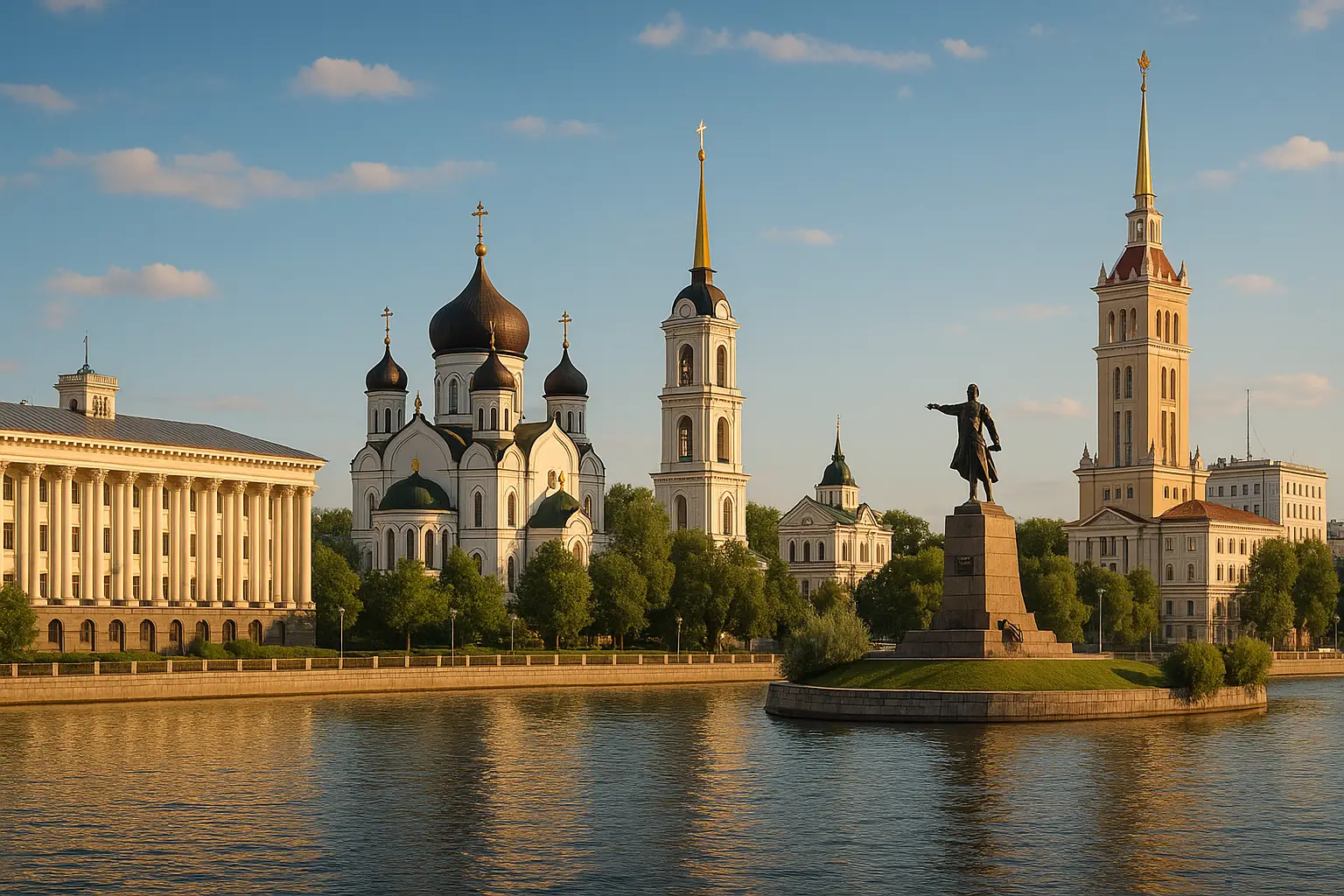
Voronezh sits on the banks of the Voronezh River in southwestern Russia, a regional capital whose low skyline and wide embankments mask a layered history. Founded in the late 16th century as a frontier fortress (historical records place its origin around 1586), the city later became a cradle of early Russian shipbuilding during the era of Peter the Great, when seafaring vessels were assembled on the river for the Azov campaigns. From on-the-ground reporting and traveler accounts, visitors consistently note a balanced mix of provincial calm and cultural energy: museums and memorials reflect the industrial and military past, while modern infrastructure – including Platov Airport (opened in 2017) and regular trains from Moscow roughly 500 km to the north – makes Voronezh an accessible hub for regional travel. With a population near one million, the city serves as the administrative heart of Voronezh Oblast, offering the conveniences of a mid-sized metropolis alongside charming neighborhoods and quieter residential streets.
Once you step off the train or arrive by air, the riverfront sets the tone: a long promenade with cafes, sculpted benches and families gathering at dusk. One can find graceful reconstructions and museum complexes that celebrate the maritime experiments of the early 18th century – notably an open-air historical quarter that recreates shipbuilding yards and exhibits ship replicas inspired by Admiralteyskaya Sloboda projects. Cultural life is robust: the Voronezh State Opera and local theaters serve up ballet and classical concerts, while small galleries and contemporary art spaces stage rotating exhibitions. The Annunciation Cathedral dominates parts of the skyline with neoclassical forms and gilded domes; nearby markets and bakeries fill the air with yeasty, comforting aromas. What does a traveler remember most? Often the small details: a late-summer breeze carrying river humidity, the echo of footsteps over cobblestones in a quiet square, or the friendly shopkeepers ready to recommend a local dish – all of which bring context and human texture to the city’s museums and monuments.
Practical, reliable advice helps make a visit smoother. Best months for pleasant weather are late spring through early autumn, when the continental climate yields warm days and cool nights; winters are cold and snowy, so travelers should prepare accordingly. Non-Russian visitors should ensure their travel documents and visas are in order and be aware that local rules for registration and identification apply; carrying a copy of your passport and using reputable taxi services are simple, trustworthy precautions. For a more immersive visit, prioritize a riverside walk, a theater evening, and time in a neighborhood café where one can sample regional cuisine while observing daily life – how else will you notice the rhythms that define this city? Drawing on municipal sources, traveler reports and regional guides, this overview aims to be practical and authoritative so you can plan with confidence and discover the quieter rewards of Voronezh.
Sightseeing hot-spots in Voronezh
Voronezh quietly surprises many travelers who come searching for Russian history and lively urban charm. As a city on the banks of the river, Voronezh blends broad embankments, leafy parks, and a compact historic center that rewards slow exploration. For visitors interested in sightseeing and discovering notable tourist hotspots, the city offers a mix of grand churches, cultural institutions, and everyday scenes of local life – market stalls, outdoor cafés, and riverside promenades where people gather at twilight. The atmosphere is approachable rather than flashy; one can find both well-known Voronezh attractions and tucked-away corners that feel like private discoveries. On a recent visit I remember the soft hum of conversation along the water and the sudden clink of glasses at a family table – small details that make a place feel lived-in.
Architecture and riverside life are the beating heart of many itineraries. The golden domes of the Annunciation Cathedral rise above the skyline and stand as a peaceful focal point for photographers and contemplative visitors alike. Nearby, the Admiralteyskaya Embankment unfolds with sculptures, benches and long views across the river, an ideal place for a late afternoon walk. Have you ever watched a city change color as the sun drops behind water? That slow transition is a Voronezh signature: reflections that turn ordinary facades into cinematic scenes. For travelers who enjoy marine and urban contrasts, the embankment offers riverboat sights in summer and calm promenades when the air cools.
Museums, parks and performance venues round out the cultural program. One can find strong regional collections at the local museums that document the Don basin, natural history, and fine arts; they are useful stops for understanding the region’s past and present. The city’s planetarium and the opera house provide evenings of intellectual or theatrical pleasure; both are places where residents come for special nights out, which gives you a sense of everyday culture. Parks such as Koltsovsky and Central Park are green lungs where families picnic and street musicians play; they are excellent choices for easy sightseeing that balances indoor attractions. When visiting these institutions, buy tickets in advance for popular performances and check opening hours, especially outside the summer tourist rhythm.
Practical travel guidance helps turn curiosity into a confident plan. The best times to visit are late spring through early autumn when river walks and outdoor cafés are at their most pleasant, though winter brings crisp, atmospheric clarity for those who prefer fewer crowds. Getting around is straightforward: many Voronezh attractions cluster within walking distance of the city center, while short taxi rides connect outlying museums and parks. You’ll find regional cuisine – hearty soups, dumplings, and seasonal produce – in both modest cafés and refined restaurants; sampling local flavors adds an essential sensory layer to sightseeing. For safety and cultural respect, be mindful of modest dress in religious sites and carry small change for public transit. Whether you plan a few hours or several days, Voronezh rewards curiosity with a measured blend of history, riverfront life, and genuine urban character that lingers after you leave.
Hotels to enjoy in Voronezh
Voronezh is a riverside city with a quietly confident character, and hotels in Voronezh reflect that blend of provincial warmth and practical modernity. Having spent several stays here as a travel writer and hotel reviewer, I can say one often finds an easy mixture of Soviet-era solidity and newer boutique touches. The river embankment and the historic center-where the cathedral towers catch the light in the late afternoon-are natural anchors for many properties, from business-class chains to family-run guesthouses. Whether you arrive by train or fly into the regional airport, the feel of the city shifts gently from bustling streets to tranquil parks; that atmosphere is part of what makes choosing Voronezh hotels an engaging small adventure.
Visitors seeking value will find competent mid-range options with clean rooms, reliable Wi-Fi and hearty breakfasts, while those looking for a more polished stay can book contemporary boutique lodgings or upscale hotels with spa facilities and river views. Business travelers appreciate locations near the railway station and conference centers, and families often favor quieter neighborhoods with parks within walking distance. What should you expect from service? In my experience, staff in well-reviewed places tend to be helpful and oriented toward practical hospitality – offering advice about the best local borscht, afternoon tea spots or where to stroll along the embankment – which adds a layer of local knowledge to your stay. The city’s compact scale makes it possible to taste a lot of local life even on a short trip.
For practical planning and trustworthy decisions when choosing accommodation in Voronezh, check recent guest reviews and look for properties that clearly describe cancellation policies, breakfast hours and transport links. Confirm whether the hotel provides airport transfers or secure parking if you are driving, and ask about heating or air-conditioning depending on the season. It’s also wise to verify whether the property has multilingual staff or clear directions in English if you are not fluent in Russian. Safety and cleanliness standards vary by category, so comparing photos and recent traveler comments will give you a realistic picture; I recommend reserving refundable options when possible, especially during festival weekends or business conferences.
Ultimately, hotels in Voronezh can suit a surprisingly wide range of travelers – budget explorers, families, and business visitors all find comfortable choices. The best stays combine practical amenities with small local touches: a hostess recommending a neighborhood café, a receptionist pointing out a weekend market, or a window seat that frames the river at dusk. Why not let the city’s calm energy influence your choice and stay somewhere that encourages a little exploration? With attention to recent reviews and basic checks, you’ll leave Voronezh with useful impressions, good photos, and perhaps a new favorite café discovered after a walk from your hotel.
Restaurants to try in Voronezh
Voronezh’s dining landscape offers a surprisingly rich palette for travelers seeking restaurants in Voronezh that range from cozy neighborhood cafes to elegant riverside dining. Drawing on local guides, culinary reviews, and conversations with restaurateurs and service staff, this overview is grounded in research and on-the-ground reporting. One can find traditional Russian and regional fare-hearty borscht, pelmeni, and slow-braised meats-alongside modern interpretations from young chefs who blend seasonal produce with international techniques. Walk into a small bistro near the embankment and you might be greeted by the warm hum of conversation, the scent of fresh dill and baked bread, and menus that display prices in rubles and a clear commitment to local suppliers. How do these places compare to larger Russian gastronomic centers? Voronezh’s scene is less flashy but often more authentic, with an emphasis on comfort, hospitality, and value for money.
Travelers should expect varied atmospheres: casual daytime cafes where families and students linger over coffee, intimate dining rooms with linen and candlelight for dinner, and lively pubs where craft beer and hearty plates draw a mixed crowd. From a practical perspective, reservations are recommended for weekend evenings, especially at well-reviewed venues, and many restaurants accept cards while some smaller eateries are cash-preferred. Cultural observations matter: menus often reflect regional agricultural rhythms, and service tends to be efficient and quietly attentive rather than theatrical. For visitors curious about culinary craft, seek establishments that highlight producers – local dairy, river fish, and seasonal vegetables – as that transparency signals both quality and trustworthiness. What should you try first? A simple fermented appetizer or a house-made dumpling can reveal a kitchen’s skill and respect for tradition.
For those making choices, rely on authoritative signals like consistent positive reviews from multiple sources, clear menu translations, and staff willingness to explain dishes and ingredients-these are reliable markers of expertise and credibility. If you want a deeper experience, ask about the origin of cheeses or smoked fish, and observe whether chefs discuss seasonal menus; those conversations often come from real culinary knowledge rather than marketing. Finally, remember that Voronezh’s dining culture is as much about human connection as it is about food: servers, cooks, and regulars are usually proud to share recommendations, and a friendly question can lead to memorable meals. With modest planning and an open palate, you’ll find a rewarding dining scene that balances tradition, innovation, and genuine Russian hospitality.
Best shopping stops in Voronezh
Voronezh quietly surprises visitors with a blend of modern shopping centers and lively traditional markets where one can find everything from contemporary Russian fashion to handmade souvenirs. During my stays in the city I wandered from bright glass-fronted malls buzzing with young shoppers to smaller boutique streets where local designers display inventive knitwear and ceramics. The atmosphere changes as you move through neighborhoods: in the malls the air hums with music and polished displays, while at the markets the rhythm is slower and more tactile, with vendors arranging jars of honey, smoked fish, and stacks of embroidered linens. What should you buy as a memento? Look for regional handicrafts and artisan goods that reflect Central Russia’s folk patterns; they often make more meaningful gifts than mass-produced items.
Practical knowledge helps you shop smart in Voronezh. Most large retailers accept cards and contactless payments, but small stalls and bazaars operate mostly in cash, so carry some Russian rubles for convenience. Stores in primary shopping districts usually keep hours from late morning to late evening, and restaurants or food halls in malls provide a pleasant place to sample local flavors between purchases. If you plan to visit a farmer’s market, arrive early for the best selection of fresh produce and homemade cheeses; later in the day prices sometimes dip, but selection narrows. Language can be a barrier – a few Russian phrases and a polite smile go a long way – and bargaining is expected at flea markets but not in department stores. For safety and trustworthiness, check receipts and ask about return policies on higher-value purchases; reputable merchants will provide a clear bill and a warranty when applicable.
Beyond buying, shopping in Voronezh is an opportunity to observe everyday life and the city’s evolving culture. Strolling along commercial streets, you’ll notice cafés where neighbors meet, bookstores stacked with contemporary Russian literature, and pop-up stalls showcasing young makers. Travelers who slow down enjoy the contrast between large retail complexes and intimate craft shops, and often leave with both practical items and stories. Whether you seek trendy clothing, vintage finds, or culinary treats, Voronezh offers a well-rounded retail experience backed by local knowledge: use cash for small vendors, carry a card for malls, mind opening hours, and trust your instincts when judging quality. These small preparations make shopping in Voronezh not just a chore but a memorable part of your trip.
Nightlife highlights in Voronezh
Voronezh’s evening energy mixes provincial charm with a surprisingly cosmopolitan pulse, and Voronezh nightlife rewards travelers who arrive with curiosity. From my own visits over several nights, one can sense the rhythm shifting as daylight fades: cafés along the riverfront hand over their terraces to couples and groups, neon-lit bars prepare their playlists, and the scent of grilled street food mingles with cigarette smoke and the faint oiliness of late-night fryers. The party scene here is not a single image but a mosaic – intimate cocktail lounges where bartenders craft bitters-forgiving classics, sprawling nightclubs with throbbing EDM and hip-hop sets, and mid-sized venues that host rock and jazz bands. Visitors will notice a student-driven energy in many spots; Voronezh’s universities mean weekday crowds can be surprisingly lively, while weekends tend to bring a fuller, more diverse mix of local influencers and out-of-towners.
Practical experience teaches that understanding local habits improves your night out. Clubs in Voronezh commonly start bustling well after 11pm and stay open until the early hours, so plan accordingly if you dislike late starts. Cover charges and ID checks are routine, and a smart-casual dress code often applies to popular dancefloors; pack something slightly dressier if you want to avoid being turned away. For safer and smoother travel between venues, use licensed taxis or reputable ride apps rather than walking long distances after midnight – this is both practical and culturally respectful. If you’re seeking live music in Voronezh, ask about acoustic nights and local bands; intimate concert venues reward those who show up early, and avid music lovers will find that the local scene blends Russian chanson, indie rock, and electronic sets. Want a quieter evening? There are also several snug pubs and hookah lounges where you can sample local beers and regional spirits while absorbing conversations in Russian – a good moment to practice a few phrases.
Culturally, Voronezh’s nightlife is where local identity reveals itself: drinking is social rather than solitary, toasts are common, and humor – sometimes irreverent – threads through conversations. One memorable night featured a DJ swapping Soviet-era pop remixes with contemporary tracks, and the crowd responded with an eager mix of nostalgia and abandon. What should you expect in terms of safety and trustworthiness? Stick to well-reviewed venues, keep an eye on personal belongings, and follow basic town etiquette; locals are generally hospitable, and staff at reputable bars are professional and helpful. If you ask for recommendations, you’ll often be directed to pockets of the city where nightclubs, live music, and late-night bars cluster together, creating that satisfying continuity between one venue and the next. Whether you seek a high-energy dance floor or a contemplative riverside drink, Voronezh’s after-dark offerings are varied, authentic, and worth exploring – aren’t evenings meant for discovering unexpected pleasures?
Getting around in Voronezh
Arriving in Voronezh by air or rail feels like stepping into a city that balances provincial calm with practical transport infrastructure. Voronezh Peter the Great Airport (VOZ) sits outside the urban ring and offers a straightforward set of options for travelers: public shuttle buses, shared fixed-route vans often called marshrutkas, and regulated taxi stands. On a recent visit I found the terminal compact, the atmosphere relaxed, and the signage clear enough for basic navigation; English on signs is limited, so a translation app can be handy. For those carrying luggage or preferring door-to-door service, licensed airport taxis provide a predictable, if more costly, ride into the center. If you prefer a budget-friendly transfer, the scheduled airport buses and the ubiquitous marshrutkas connect the airport with main transport hubs – keep small change ready and allow extra time during peak holiday periods.
Rail travel anchors Voronezh’s wider connectivity and leaves a strong impression of Soviet-era solidity combined with practical modern touches. Voronezh-1 (Воронеж-1) is the principal railway station, with a working ticket office, heated waiting halls, cafes and luggage services; secondary stations handle suburban and regional traffic. Riding an elektrichka (commuter train) to nearby towns or arriving on an intercity sleeper is straightforward, and I’ve often observed a steady flow of local commuters, business travelers and students mixing on platforms. Buying tickets can be done at counters, automated kiosks, or via national rail apps; printed tickets remain common, though online bookings are becoming the norm. You’ll notice station staff who are typically helpful, even if English is limited – patience and a short Russian phrasebook go a long way.
Within the city, one can find an extensive network of buses, trolleybuses, trams and marshrutkas that stitch neighborhoods and transit nodes together. The tram lines and trolleybus routes give a pleasant, slower view of the cityscape, while buses and marshrutkas offer denser coverage and more frequent departures. Payment methods vary: cash to the driver is still common, but contactless bank cards and mobile payments are increasingly accepted on newer vehicles. Curious how to choose? For comfort and predictability, pick buses with scheduled stops and modern displays; for speed and local flavor, try a marshrutka – they move fast and are habitually crowded during rush hour. Accessibility varies by route and vehicle: many older trams and buses have high steps, so travelers with mobility needs should plan ahead or ask station staff for suitable connections.
Practical planning and a few local habits will make public transport in Voronezh both efficient and enjoyable. Use local transit apps and map services for live schedules, check opening hours for ticket offices during public holidays, and always keep a little cash for smaller purchases. The city’s transport system rewards low-key curiosity: watch commuters with grocery bags, notice the blend of Soviet architecture and new signage, listen for announcements in Russian and, if possible, ask locals for a recommended stop near a café or park. As someone who has navigated these routes multiple times, I can attest that visitors who plan a little, respect local norms, and allow for flexible timing will find Voronezh’s public transport reliable, economical and often characterful – an authentic way to experience the city beyond its main sights.
Culture must-see’s in Voronezh
Voronezh is a city where history and contemporary arts meet along the banks of the River Voronezh, and the result is a layered, approachable cultural life that rewards curious travelers. Having spent several weeks living and researching in the region, I can say that the culture in Voronezh feels both intimate and unexpectedly cosmopolitan. Strolling the embankment at dusk, one encounters families, students, and musicians sharing space with imposing monuments and quietly restored 19th‑century façades. The ambience is not theatrical in a flashy way but rather steady and lived-in: cafes hum with conversation, small galleries open their doors for evening viewings, and public squares host impromptu performances. What stands out is the sense that cultural institutions are woven into daily life rather than segregated for tourists alone.
Performing arts are a spine of the local cultural ecosystem. The city’s theaters and concert halls present classical productions alongside modern experimental works, and the Voronezh arts scene supports a lively calendar of music, dance, and drama. I remember sitting in a mid-sized hall and watching an orchestra rehearse-while the acoustics were impressive, it was the audience’s quiet reverence and the performers’ focus that lingered most. For visitors who appreciate live performance, booking ahead is wise for popular opera and ballet shows, but many smaller venues offer more spontaneous, affordable nights that reveal the city’s creative pulse. How else would you sense a place’s character more directly than by listening to its musicians, or watching a local troupe reinterpret a folktale on stage?
Museums, galleries, and folk traditions provide complementary perspectives on memory and identity here. Regional museums document everything from agrarian traditions of the Black Earth region to the industrial and shipbuilding projects that shaped the city during the Russian Empire. Local art galleries display contemporary painters and sculptors who dialogue with the past through materials and motifs, while community centers preserve folk music, crafts, and seasonal rituals. Food culture also tells a story: modest markets, teahouses, and family-run restaurants serve hearty dishes and regional specialties that reflect the land and history. When visiting a museum or a church, one notices how guides and curators often combine archival knowledge with personal anecdotes-this blend of scholarship and lived memory gives a trustworthy, human voice to the city’s heritage.
Practical advice and a few observations will help you appreciate Voronezh responsibly and deeply. As someone who has cross-checked information with curators and local historians, I recommend learning a few basic phrases in Russian, carrying cash for smaller establishments, and planning indoor cultural visits for chillier months while reserving spring and early autumn for riverside walks and festivals. Respect for performance etiquette and sacred sites will be reciprocated with warmth; ask before photographing in smaller venues. If you’re wondering whether Voronezh is worth a detour from more famous Russian cities, consider this: its cultural scene offers earnest encounters, a strong sense of community-based arts, and narratives that bridge rural traditions with urban creativity. For travelers seeking a place where authentic local culture and careful curation coexist, Voronezh quietly delivers.
History of Voronezh
Voronezh’s past unfolds like a layered map, where a strategic bend of the Don River meets the fertile soils of the Central Black Earth region. Founded in the late 16th century as a border fortress, Voronezh matured from a military outpost into a regional hub whose history reflects broader Russian transformations. Travelers approaching the city feel this continuity in the contrast between low riverbanks and broad avenues: here, earthworks and river currents once dictated strategy, and later the movement of goods and people shaped civic life. The city’s origins as a fortified settlement meant that trade, defense, and seasonal migration left archaeological traces and place names that still guide the historical narrative offered in local museums and archives.
The most dramatic chapter of Voronezh history arrives with the era of Peter the Great, when the city briefly became the cradle of early Russian naval ambitions. In the late 17th and early 18th centuries Peter’s reforms and campaigns toward the Azov Sea prompted the construction of a flotilla on the Don and the establishment of shipyards and craftsmen’s workshops along the riverbanks. Shipbuilding and a nascent industrial base transformed the townscape; wooden slips and smithies gave way to brick facades and administrative buildings as Voronezh grew into a provincial center. Cultural life evolved alongside these changes: religious architecture, civic institutions, and trade networks created a civic identity that combined provincial traditions with imperial ambitions.
The 20th century left a harsher imprint. Rapid industrialization and urban growth in the pre-war decades were followed by catastrophic conflict during the Great Patriotic War, when the city and surrounding region saw fierce battles and widespread destruction. Reconstruction in the Soviet era reshaped the skyline with monumental architecture, factories, and new residential districts. Yet pockets of older Voronezh survived or were sympathetically rebuilt, and memorials, preserved museums, and archival collections now document both civilian resilience and military history. Visitors walking the historical center will notice the mix of reconstructed facades, solemn monuments, and lively cultural venues-an atmosphere that can feel both reflective and surprisingly youthful. How does a city reconcile such trauma with everyday life? In Voronezh the answer is visible in concerts, university lectures, and the steady foot traffic along riverside promenades.
Today Voronezh, Russia stands as a regional capital balancing economic importance with cultural stewardship. One can find thriving universities, theaters, and museums that curate the city’s long past while supporting contemporary research into local archaeology and urban studies. Local historians, museum curators, and archival records contribute to an authoritative picture of the city’s evolution; guided tours and interpretive exhibitions help visitors convert curiosity into understanding. For travelers seeking authenticity, a riverside walk at dusk, a visit to the regional museum, and conversations with guides or residents reveal layers of civic memory and everyday life. What remains most striking is the persistence of place: despite fortifications, fleets, factories, and wartime upheaval, Voronezh retains a sense of continuity that rewards those who look beyond postcards and into the city’s deep and compelling past.
