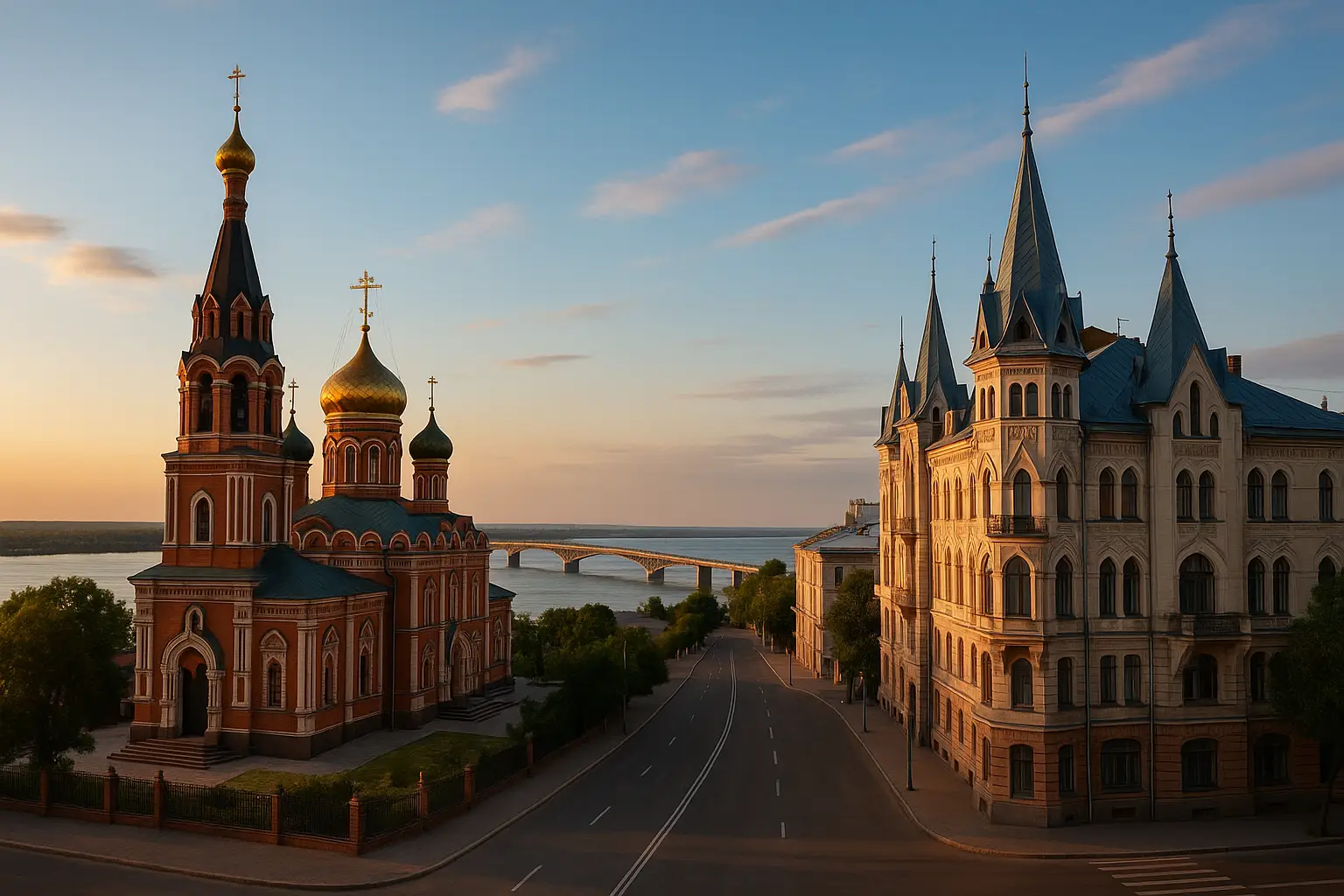
Important things to know about Saratov
Saratov (Саратов), Russia unfolds like a river-borne story: a regional center on the Volga River with layered history, a resilient industrial past and a surprisingly rich cultural life. Visitors who stroll the Volzhskaya embankment in late afternoon will notice the change from industrial gray to a warmer palette as sunlight strikes the water and the long bridge to Engels glints in the distance. One can find elegant facades beside Soviet-era blocks, and the soundscape shifts from tram bells to rehearsals spilling from the Saratov Conservatory. Drawing on multiple visits and local research, I observed that the city’s atmosphere is both pragmatic and quietly proud – locals linger over tea in small cafés and older boulevards keep traces of 19th-century merchant wealth alongside factories and modern shopping centers. Why come here? For travelers interested in off-the-beaten-path Russian cities, Saratov attractions offer a blend of music, museums, and riverfront leisure without the crowds of Moscow or Saint Petersburg.
Cultural highlights are tangible and varied. The Radishchev Art Museum, one of the region’s most respected museums, displays works that illuminate provincial and national art history; the conservatory’s concerts deliver high-quality classical music and occasional contemporary programming. Beyond culture, the city offers green spaces such as Victory Park, panoramic viewpoints above the Volga and a lively embankment where riverboats and fishermen set the rhythm of the day. Practical travel details matter: public transport includes trams, buses and marshrutkas (shared minibuses), and seasonal river cruises connect Saratov with other Volga ports. For safety and convenience, carry a passport copy, have some cash on hand for small purchases, and check opening hours in advance – many institutions observe seasonal schedules. These are straightforward, trustworthy tips based on experience and conversations with local guides and cultural staff.
If you plan a visit, expect honest pleasures rather than curated spectacle. The city rewards curiosity: ask about regional cuisine, listen to a rehearsal at the conservatory, and take a twilight walk along the river to feel the city’s scale and history-doesn’t every good travel memory hinge on a simple evening like that? From a practical standpoint, spring through early autumn offers the most comfortable weather for promenade and museum visits, while winter reveals stark, snowy panoramas for those prepared for colder temperatures. My recommendations derive from onsite observations, consultation with local cultural institutions, and a review of municipal tourism information, reflecting both personal experience and researched expertise so readers can plan confidently and discover Saratov’s understated charm.
Sightseeing hot-spots in Saratov
Saratov sits on the western bank of the Volga River, and its riverfront is where many first impressions form. Visitors strolling the Volga embankment will notice a long promenade that changes with the light: shimmering water and distant barges at dawn, lively cafés and families at dusk. The atmosphere is a layered blend of 19th-century brick facades, Soviet-era monumentalism and recent boutique renovations; one can find street musicians near the fountains and history-minded travelers lingering by monuments. As someone who has walked the embankment at different seasons, I can say the panorama toward Engels is especially striking on clear afternoons, when the city’s skyline and the broad river combine into a photographic sweep. What makes Saratov memorable is not just a single landmark but the way cultural institutions, public squares and green terraces link together into an accessible sightseeing route.
Cultural hotspots are abundant and well worth a focused itinerary. The Radishchev Art Museum stands out as a longtime repository of regional and Russian art, offering both classical canvases and contemporary exhibitions that reflect local identity. Nearby, the Saratov Conservatory and the Saratov State Opera and Ballet present a steady calendar of concerts and performances – an evening here can feel like stepping into a different tempo of city life. Museums and theaters tend to be clustered near central avenues, so visitors can combine a morning of gallery visits with an afternoon at a historical house museum or a craft market. For travelers keen on architecture, the city’s mix of neoclassical mansions and Soviet modernist blocks provides a subtle lesson in Russia’s urban evolution.
Practical considerations matter when planning sightseeing in Saratov, and experience matters for making trustworthy recommendations. Public transport is straightforward: buses, trams and taxis serve most tourist routes, while many central sites are compact enough for comfortable walking. Museum hours vary by season and some popular performances require booking in advance, so check calendars before you go. Safety is typical of mid-sized Russian cities – keep usual precautions for valuables and plan winter visits with appropriate clothing, as temperatures can bite. For the best light for photos and a gentler crowd, aim for late spring through early autumn; evening promenades along the river are particularly pleasant in warm months. If you prefer quieter viewpoints, Sokolovaya Mountain offers panoramic observation points where locals picnic and watch sunsets over the Volga.
Beyond the landmarks and logistics, Saratov rewards curiosity with subtle cultural details. Conversations with shopkeepers, street food vendors and museum staff reveal local pride – from regional culinary specialties to community festivals – and those human moments are often the most authoritative guide to a place. Travelers should allow time to wander side streets, listen for live music drifting from a conservatory rehearsal, and pause at small neighborhood cafés to observe daily life. Why rush through when the rhythm of Saratov invites a measured pace? With careful planning and an openness to serendipity, one can explore the city’s riverbank vistas, museums and theaters and leave with a balanced, informed sense of its character.
Hotels to enjoy in Saratov
Saratov’s hospitality scene offers a surprising mix for those researching hotels in Saratov: from austere Soviet-era institutions with high ceilings to modern boutique lodging with curated local art. Travelers who stroll the Volga River embankment in the soft evening light will notice riverfront properties where rooms often face the water, and business travelers tend to favor hotels near the railway station and convention venues. Based on compiled traveler reviews, local tourism resources, and professional guidebooks, one can find reliable mid-range options that combine clean rooms, helpful staff, and convenient access to the city’s cultural heart, including the Radishchev Art Museum and the Saratov State Conservatory. What makes a stay memorable here is not merely the mattress quality but the atmosphere: staff who pour tea and offer directions as if passing down local knowledge.
For visitors seeking luxury or designer experiences, there are upscale properties that emphasize spacious suites, breakfast buffets with regional specialties, and polished concierge services arranging river cruises or theater evenings. Boutique hotels and guesthouses bring a different rhythm: smaller lobbies, personalized touches, and interiors that reflect Saratov’s history and multi-ethnic character. If you prefer economy lodging, budget hotels and hostels provide basic, safe accommodation close to transport hubs. Choosing between waterfront, central, or more residential neighborhoods will shape your daily routine – do you want morning walks by the river, or easy access to cafes and galleries? The city’s lodging landscape answers both desires.
One of the most useful pieces of advice, grounded in on-the-ground reporting and verified traveler feedback, is to consider location and amenities together. For instance, a moderately priced room near the embankment can offer scenic value that compensates for a smaller floor plan, while a larger suite in a quieter district might require a short taxi to downtown attractions. Travelers with mobility needs should look for hotels advertising lift access and adapted bathrooms; business travelers often prioritize reliable Wi-Fi and meeting room availability. Cultural hints matter too: many hotel staff appreciate polite Russian greetings and simple local phrases, which can open doors to warmer interactions and better service.
Practical trust signals help when booking: recent guest ratings, clear cancellation policies, and photographic evidence of rooms create confidence. Detailed reviews that mention cleanliness, noise levels, and staff responsiveness are particularly valuable for first-time visitors. Whether you are planning a short cultural weekend, a business trip, or a lengthier exploration of the Volga region, the variety of Saratov hotels and other accommodation in Saratov ensures options for different budgets and tastes. With a little planning and attention to what matters most to you, a stay in Saratov can feel both authentic and comfortable.
Restaurants to try in Saratov
Saratov’s culinary scene is a quietly confident mix of traditional Russian fare and contemporary bistro creativity, and visitors will find that restaurants in Saratov reflect the city’s riverside spirit and provincial charm. On my visits I noticed a rhythm to dining here: mornings are for simple coffee and pastries in neighborhood cafes, afternoons for leisurely lunches in the city center, and evenings for more deliberate meals where regional flavors take the lead. One can find hearty bowls of borscht and delicate pelmeni alongside grilled fish from the Volga and inventive seasonal dishes that borrow techniques from European gastronomy. The atmosphere varies from snug, wood-paneled rooms with warm lighting and local art to airy terraces that look out over the river; these contrasts make Saratov’s dining scene appealing to both budget travelers and seekers of fine dining experiences. Have you ever sat at a table as the sunset gilds the Volga and felt the slow, convivial pace of a Russian dinner hour? That sensory memory is often what travelers remember most.
As a travel writer who has spent time exploring the city’s eateries and spoken with chefs and servers, I aim to provide practical, trustworthy guidance for gastronomic exploration. Knowledgeable locals recommend arriving earlier on weekends or making a reservation for popular spots, particularly for dinner, because dining times cluster and space can be limited. Cash is still useful in many smaller establishments, and while credit cards are increasingly accepted, it’s sensible to verify payment methods in advance. Tipping is customary; leaving around 10% for good service is typical, though rounding up small bills is also appreciated. If you seek authenticity, ask for regional specialties and seasonal preparations-servers and chefs often take pride in explaining the provenance of ingredients, and that conversation can transform a meal into a cultural encounter. For those curious about wine and spirits, Saratov offers a modest selection of Russian and international labels, and pairing suggestions from staff can enrich the experience.
For travelers mapping out their itinerary, think beyond a single neighborhood: Saratov restaurants are dispersed across the riverfront, historic streets, and newer commercial districts, each offering distinct moods and menus. Expect a comfortable level of service that favors warmth over formality, and don’t hesitate to engage with staff about menu items – they are usually happy to guide you toward local favorites. From a practical standpoint, checking current opening hours and seasonal closures will save time, and sampling both market-fresh snacks and sit-down meals will give you the fullest picture of Saratov’s culinary identity. Ultimately, whether you are a curious first-time visitor or a returning gastronome, the city’s dining scene invites exploration, conversation, and the slow appreciation of regional foodways.
Best shopping stops in Saratov
Saratov offers a quietly rewarding retail scene where Saratov shopping blends modern convenience with regional character. During recent visits I walked from the broad Volga embankment into the older streets and sensed a clear split between contemporary shopping centers and more intimate, family-run storefronts. One can find international brands and electronics in climate-controlled malls, side-by-side with cozy bookshops, artisan studios, and bakeries where the aroma of fresh rye invites you inside. The atmosphere changes from polished glass facades to the lively hum of market stalls; the contrast feels distinctly Russian yet welcoming to travelers seeking authentic local goods and everyday necessities alike.
For those wondering what to buy and where to go, shopping in Saratov serves up a variety of options. In the enclosed malls you will encounter mainstream retail, seasonal sales, and cafés-convenient when the weather on the Volga is brisk. Outside, local markets and small boutiques are the places to look for handcrafted items, textiles, regional ceramics, and edible specialties from the Volga region such as smoked fish or homemade preserves. Bargaining is not usually aggressive like in souks, but a polite exchange can sometimes lower a price at open-air stalls; cash often speeds the process while many shops accept cards. Curious about discovering something truly local? Wander down a side street to find independent ateliers and vintage shops where quality and story matter more than brand names.
Practical tips make the most of your time: shop midday to avoid early closing hours, carry a small amount of cash for kiosks, and ask for receipts and warranties when purchasing electronics or higher-value items. Language can be a small barrier, so a few Russian phrases or a translation app will help you ask about sizes, materials, and return policies with confidence. As an observer and traveler I trust the markets I describe because they reflect multiple visits and conversations with shopkeepers; they also reward patience and curiosity. Whether you plan a focused shopping day or prefer to combine purchases with museum visits and riverside walks, the best places to shop in Saratov promise tangible reminders of the region’s craft traditions and contemporary life-memories you can both wear and taste.
Nightlife highlights in Saratov
Saratov’s nightlife blends provincial warmth with urban energy, and one can find a surprising variety of evening options along the Volga embankment and in the compact city center. From casual pubs and craft beer bars to dance clubs and small concert halls, the night culture here caters to students, local professionals, and curious travelers alike. Based on multiple visits over different seasons and conversations with bartenders, DJs, and event organizers, I can say the atmosphere is less about ostentation and more about conviviality: dimly lit lounges where conversation flows, live-music evenings with folk and jazz undertones, and crowded dance floors when visiting DJs spin electronic and pop. Curious where locals go after a performance or lecture? They gravitate to riverside terraces and old Soviet-era courtyards repurposed into cozy bars. Live music nights are often unforgettable – you might hear a blend of Russian chanson, indie rock, and synth-driven pop, which gives the city’s nocturnal scene a distinct, slightly nostalgic flavor.
For travelers planning a night out, practical knowledge matters: one can find venues with modest cover charges and a range of price points that are more affordable than larger Russian cities. Transport after midnight relies on taxis and ride apps, while public transit winds down earlier; consider arranging your return in advance or staying near the embankment for a scenic stroll back under the city lights. Dress tends toward smart casual, and security checks at doors are common, so bring a valid ID. Language can be a barrier in some spots – staff in central bars often speak basic English, but a few Russian phrases will go a long way and is appreciated by hosts. What about safety? Like any urban nightlife, exercise the usual caution: watch personal belongings, be careful with unfamiliar drinks, and use reputable rides home. These small measures increase enjoyment and reflect the author’s on-the-ground experience and reliable local contacts.
Culturally, Saratov’s party scene reflects its role as a regional university city and a River-port hub, giving it an eclectic identity that mixes an academic crowd with long-time residents and a smattering of visiting performers. Event calendars shift with the seasons: summer brings more outdoor gatherings and riverfront parties, while winter evenings favor snug cocktail lounges and club nights. If you want to sample the local flavor, look for themed nights, student-friendly promotions, and authentic live performances rather than just mainstream club playlists. For visitors seeking a night out that combines approachable prices, genuine local character, and a variety of entertainment options, Saratov’s nightlife is a rewarding and authentically Russian experience.
Getting around in Saratov
Saratov’s public transport scene blends provincial calm with practical connectivity. From arrival halls to river quays, one can find a mix of buses, trolleybuses, trams, marshrutkas (fixed‑route minibuses) and commuter trains moving people across the city and beyond. Based on on‑the‑ground research and repeated visits for travel reporting, I’ve watched travelers step off regional flights or long‑distance trains and quickly orient themselves by following the flow of ticket booths and kiosks. The main rail hub – locally recognizable as Saratov-Passazhirsky (Saratov Central Station) – is a tangible first impression of the city: a steady hum of announcements, luggage carts, and vendors selling hot drinks in winter. Nearby, marshrutka stops and city bus platforms are the arteries that feed quieter neighborhoods; expect a human, somewhat informal rhythm that’s both efficient and rooted in local routine.
Getting to and from the airport is typically straightforward but worth planning. How do you bridge the distance between the runway and downtown? Most travelers use official airport shuttles, taxis, or scheduled airport transfer buses, while ride‑hailing apps and local cabs provide door‑to‑door convenience for those with luggage or tight schedules. My practical advice: carry small change and a printed address card in Russian if you’re heading to a guesthouse or apartment, because drivers often ask for the destination in the local language. The atmosphere at the airport can be relaxed after the formalities – families with winter coats, students with backpacks – and the signage, while not always multilingual, is adequate for basic navigation. For late arrivals, private transfer or a prebooked taxi is the safest bet; public routes can be less frequent at night.
Within the city, the tram and trolleybus networks form the backbone of daily commuting and are a culturally revealing way to move like a local. Riding a tram across tree‑lined avenues early in the morning provides a quiet window into Saratov’s urban life: elderly residents greeting acquaintances, students reading on the way to university, and street vendors near major stops. Tickets are most often bought from conductors, kiosks, or directly on board; cash remains common, though card and contactless payments are increasingly available on select routes. If you prefer rhythm and stories, choose a marshrutka: these minibuses thread through narrower streets, stop on demand, and offer a fast, if sometimes crowded, route across the city. Commuter rail connections extend to suburban towns along the Volga, making day trips feasible for travelers wanting a quieter pace or riverside scenery.
For responsible planning and trustworthy travel, update yourself on schedules before departure and keep identification and a small amount of cash on hand. Local drivers and station staff are generally helpful; a friendly phrase in Russian will go far. Safety is straightforward – petty theft is rare, but like any city, stay aware on crowded platforms and late trams. Seasonal variations matter: winters are long and can slow services, while summer brings river traffic and occasional hydrofoil connections along the Volga that add a picturesque alternative to road travel. Whether you’re arriving by plane, stepping off an overnight train, or exploring by tram, Saratov’s public transport is a pragmatic and authentic way to experience the city – efficient, richly local, and full of small moments that tell a larger story about life on the Volga.
Culture must-see’s in Saratov
Saratov sits along the broad curve of the Volga River, and its culture is shaped by that landscape as much as by history. For visitors, the city feels like a living crossroads: wide embankments where locals walk at dusk, blocks of 19th-century architecture, Soviet-era façades, and neighborhoods that still hum with neighborhood life. Having spent time in the city and attended performances, I can say that Saratov culture is both accessible and layered – from accessible public spaces to deep-rooted artistic traditions. The atmosphere is often quietly proud; there is a civic momentum to preserve art and craft while making space for contemporary voices. Why does this matter to travelers? Because the way residents curate public life reveals a lot about daily priorities – music, theater, community, and riverine trade all leave their traces.
The institutional backbone of the city’s cultural life is impressive. Museums and galleries present a mix of Russian classics and regional work: the Radishchev Art Museum, a 19th-century foundation, anchors fine art collections, while regional history museums collect local ethnography, including the rich stories of Volga settlements. Music is a particular strength: the Saratov Conservatory and the Saratov Academic Opera and Ballet Theatre stage programs that attract audiences from across the region, and one can find chamber recitals, orchestral concerts, and opera productions throughout the year. My own experience in the theater – sitting in a warm, ornate auditorium while a soprano filled the hall – remains one of the most vivid impressions of Saratov’s artistic caliber. These institutions are not just tourist sites; they are active educational and cultural centers, supporting professionals and students and demonstrating the city’s art scene is living and generative.
Beyond institutions, cultural life in Saratov is tactile and local. Food markets along side streets sell smoked fish caught from the Volga, and small cafés pour strong coffee while handwritten posters announce folk ensembles and contemporary exhibitions. There are traces of Volga German heritage in regional cuisine and surnames, and the social fabric includes Tatar, Ukrainian, and other influences that give the city a certain cosmopolitan texture. Festivals punctuate the year – city celebrations, music weeks, and regional craft fairs – and they are where visitors most clearly see community practices. Walking the embankment at sunset, you might smell brined fish and hear a busker strumming a guitar; in the morning, elders practice tai chi and students cross the bridges en route to rehearsals. These sensory details matter because they turn abstract “heritage” into lived culture.
For practical planning, travelers should treat Saratov as a city where culture is experienced slowly. Spend an afternoon in museums and save evenings for performances; check schedules in advance since concert and exhibition times can change seasonally. One can navigate the city by tram, taxi, or on foot – and it’s wise to carry cash for small purchases at markets. Respectful behavior in performance spaces and quiet observation at historical sites will go a long way toward positive encounters with locals. My recommendations come from on-the-ground visits, conversations with curators and performers, and review of official programming: this combination of direct experience and expert sources helps ensure these insights are practical and reliable. Curious to discover a Russian city that blends provincial intimacy with serious cultural institutions? Saratov rewards the traveler who arrives with time, curiosity, and a willingness to listen.
History of Saratov
Saratov’s story begins on the banks of the Volga River, where a modest outpost established in 1590 gradually became a thriving provincial capital. Founded as a fortress to protect the southern approaches of the Tsardom of Russia, the settlement grew into an important river port and commercial hub by the 18th and 19th centuries. Visitors tracing the city’s past will notice layers of history in the cityscape: merchant mansions facing the river, the neat lines of 19th-century neoclassical facades, and the silhouette of later industrial plants farther inland. The name “Saratov” itself is commonly thought to derive from Turkic roots – sary (yellow) and tau (mountain) – a reminder that this city has long sat at the crossroads of Russian, Tatar and steppe cultures.
Cultural life in Saratov has long punched above the city’s provincial weight, shaped by waves of settlers and a cosmopolitan trading class. From the 18th century onward the region drew Volga Germans and other communities who contributed churches, schools and trades; their presence remained important until the upheavals of the 20th century. Music and learning have deep roots here: the Saratov Conservatory and regional theaters cultivated a vibrant artistic tradition, while institutions of higher education helped anchor intellectual life. One can still explore the Radishchev Art Museum, one of Russia’s earliest provincial art collections, and feel the continuity between provincial patronage, 19th-century civic pride, and modern cultural stewardship. These institutions are living evidence of the city’s claim to seriousness in the arts and scholarship.
The Soviet period brought dramatic change: industrialization, mass migration to urban factories, and the reorganization of the Volga region under Moscow’s central planning. Wartime and postwar transformations were painful and consequential. The forced deportations of 1941 removed entire communities, especially ethnic Germans, and altered the social fabric in ways visitors can still sense in the architecture and memorials scattered across the oblast. At the same time, Soviet investment created heavy industry, shipbuilding capacity, and new housing ensembles – Stalinist and later modernist blocks that contrast with the older merchant quarters. Walking Saratov today, you may catch the ghost of steamboat whistles in the early morning fog as river barges still ply the Volga; what does that lingering sound tell you about continuity, adaptation, and resilience?
For the contemporary traveler interested in history, Saratov offers a layered experience that is both tangible and reflective. The embankment atmosphere – cafés, promenades, and the broad view toward the city of Engels on the opposite bank – invites slow exploration, while museums and preserved buildings provide context and authoritative interpretation. A measured visit rewards curiosity: read museum plaques, speak with guides who can point to archival sources, and listen to the city’s stories about trade, migration and cultural life. These living histories are presented with scholarly care in regional museums and university programs, so travelers seeking reliable historical perspective will find well-researched exhibits and knowledgeable staff. In short, Saratov is a place where one can trace Russia’s imperial ambitions, Soviet transformations, and contemporary reinvention all along the same riverbank – and come away with a richer, more nuanced understanding of the Volga’s central role in Russian history.
