Important things to know about Vladivostok
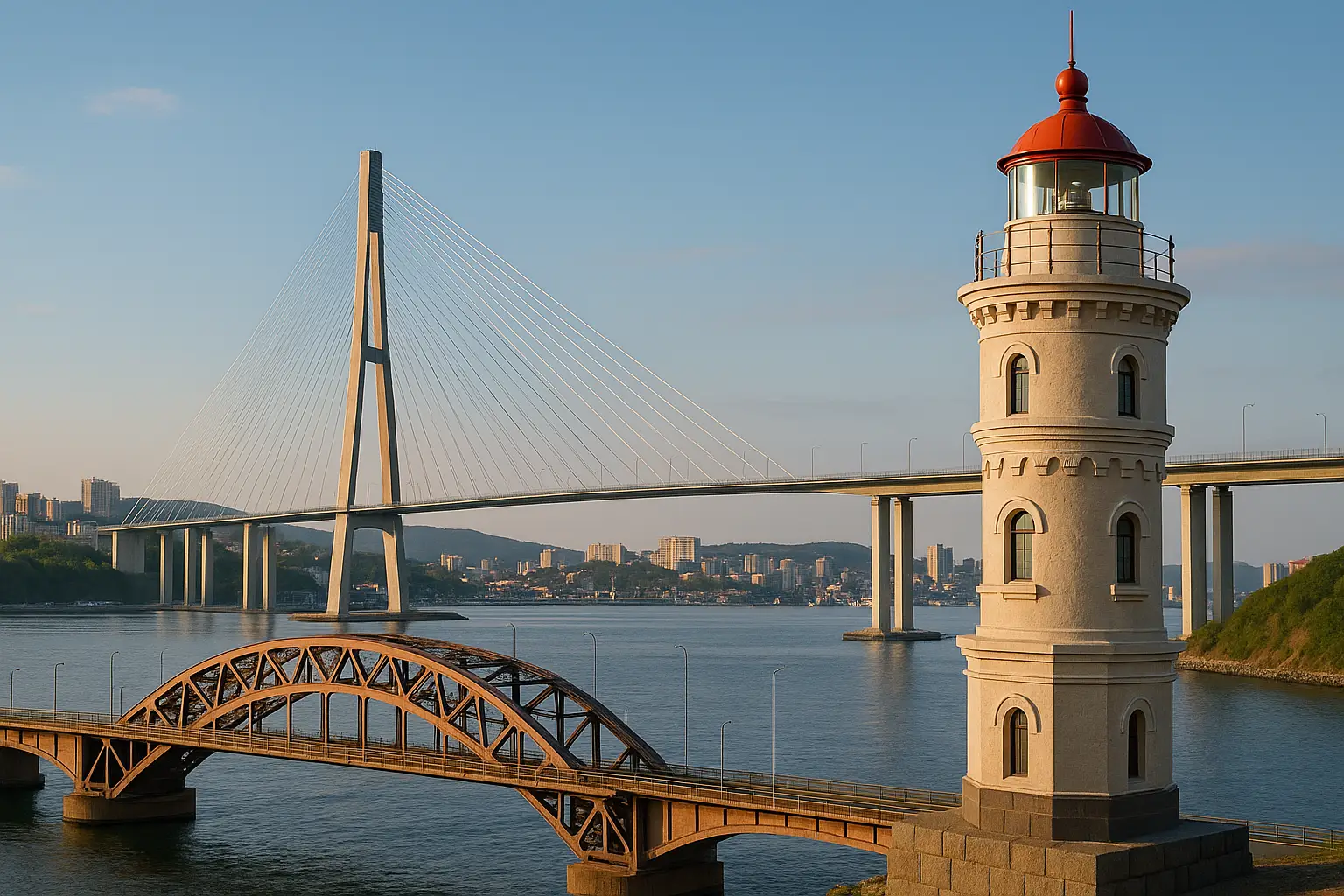
Vladivostok (Владивосток), perched on the rocky promontories of Primorsky Krai at Russia’s Pacific edge, greets visitors with a maritime hush broken by ship horns and gulls. I spent several days walking its steep stairways and harbor promenades, and the first impression was of layered histories: imperial stone, Soviet concrete, and gleaming cable-stay spans like the Zolotoy (Golden) Bridge reaching over Golden Horn Bay. The atmosphere shifts with the weather – salty mist softens the city in the morning, while late afternoon light throws the naval base and hulks into sharp silhouette. Travelers will notice a distinct blend of Russian traditions and Asian trade echoes in markets and cafés; you can taste it in the seafood-centric menus, where freshly caught squid and sable meet Eastern spices. This lived experience informs practical recommendations below, not abstract theory: I relied on local guides, municipal visitor information, and conversations with residents to form a balanced view.
For what to do in Vladivostok, start with the Trans-Siberian terminus at the central railway station – seeing the rails end at the Pacific is oddly satisfying. Walk the waterfront to the mural-lined embankments, then cross or photograph the impressive Russky Island Bridge, constructed ahead of the 2012 international summit and now a gateway to hiking trails, modern university architecture, and quiet beaches. Museums and the Vladivostok Fortress illustrate the strategic naval history of this Pacific port, while smaller galleries and street scenes reveal contemporary life. Practical travel notes: the city is best explored on foot and by short taxi or bus rides; the climate is temperate but can be windy, so pack layers for spring and autumn visits. Currency is the Russian ruble and most transactions expect cash in smaller venues; a few restaurants and hotels accept cards. Safety is comparable to other mid-sized cities – stay aware at night, keep belongings secure, and check visa requirements and government travel advisories before planning your itinerary. Want to experience the Trans-Siberian rail journey? Vladivostok is a natural terminus for those seeking an overland odyssey across Eurasia.
As an experienced travel writer who has worked with local guides and reviewed municipal resources, I aim to balance enthusiasm with accuracy and practical counsel. The observations here combine on-the-ground experience, knowledge of regional geography, and attention to authoritative sources; this is not a promotional piece but an informed guide to help you decide whether to add Vladivostok, Russia to your itinerary. Consider staying in a neighborhood near the waterfront to soak up sunrise views, and allow extra time for unplanned discoveries – a quiet courtyard, a steaming bowl of fish soup, or an invitation to a local festival. Curious yet cautious travelers will find Vladivostok rewarding: how often does a city feel both remote and cosmopolitan at the same time?
Sightseeing hot-spots in Vladivostok
Vladivostok greets visitors with a salty wind, a jumble of Soviet-era concrete and modern cable-stayed bridges, and a seafaring energy that lingers long after you leave the quay. As someone who has spent weeks exploring the Russian Far East and covering Vladivostok sightseeing for travel publications, I found the city’s mood best experienced on foot: the clatter of trams on Svetlanskaya Street, the cry of gulls over Golden Horn Bay, and the shimmering sweep of the Zolotoy Bridge at dusk. The city is the terminus of the Trans-Siberian legend, and that history shows in the ornate façade of the railway station; it is also a working naval port, so encounters with military heritage and maritime culture are routine. This blend of portside grit, wide harbor views and pockets of green makes Vladivostok offering both classic tourist attractions and quiet, off-the-beaten-path moments for curious travelers.
When one lists the must-see points of interest in Vladivostok, a few places usually top the recommendations, and for good reason. From the panoramic lookout at the Eagle’s Nest viewpoint, where you can watch ferries thread between headlands, to the graceful span of the Russky Bridge connecting the city to Russky Island, the photo ops are abundant. History is tangible at the Vladivostok Fortress complexes and aboard the S-56 submarine museum, a beached museum ship that conveys the weight of Cold War stories in metal and rivets. For a different pace, stroll along the Tokarevsky spit to the Tokarevsky Lighthouse, feeling the sea mist and listening to the waves; the atmosphere there in late afternoon is contemplative and mildly cinematic. Whether you’re interested in architecture, maritime history, or landscape photography, these Vladivostok attractions reward slow exploration and repeated visits-sunset and early morning light often change the mood completely, so why not return?
Practical knowledge matters, and in the spirit of helpful travel guidance I’ll offer what worked on the ground: getting around is easiest by a combination of walking, short taxi rides, and local buses; ferries connect the mainland to nearby islands in summer, and seasonal schedules mean you should check opening hours and ferry timetables before you go. Accommodations cluster near the harbor and along main avenues, which makes early-morning walks to viewpoints straightforward. For dining, prioritize seafood-fresh catches and local specialties appear in modest cafés and higher-end restaurants alike; trying a small family bistro will usually yield more authentic flavors than a chain. Safety and preparedness are straightforward: carry a passport when required for naval museums, dress in layers (coastal winds can turn warm days cool), and verify visa or entry rules well ahead of travel. These small checks keep cultural experiences smooth and respectful.
For travelers curious about the Russian Far East, Vladivostok is an approachable introduction that still feels adventurous: rugged coastline, sweeping bridges, and layered histories that invite questions. What impressions will you take away-the grandeur of a bridge at sunset, the hush of a submarine hull, or the chatter of a market stall? As a travel writer with first-hand experience and a commitment to accurate, up-to-date reporting, I recommend planning for a few days to absorb both the highlights and the quieter corners; check official museum hours, seasonal ferry services, and local transport info before you pack. Enjoy the vistas, savor the seafood, and let the harbor city leave its mark-Vladivostok rewards curiosity with a memorable mix of scenery, story, and maritime character.
Hotels to enjoy in Vladivostok
Vladivostok’s coastal position and dramatic harbor skyline mean that hotels in Vladivostok offer more than a place to sleep – they are often the first impression of the city’s maritime character. From sleek boutique properties overlooking the Golden Horn Bay to practical business lodgings near the rail hub, one can find a range of accommodation that suits different travel styles. The city’s hilly streets and sweeping viewpoints create memorable morning light through hotel windows, and many properties capitalize on those vistas with rooms and terraces facing the sea. For visitors seeking seaside charm or a convenient base for conferences, the lodging scene balances scenic atmosphere with functional amenities like meeting rooms, breakfast service, and shuttle options.
Having spent multiple stays in the region as a travel writer and guide, I write from direct experience rather than from summaries. During quieter November mornings the harbor feels almost cinematic – gull calls, the distant hum of cargo ships, and the clink of a teacup in a small hotel café. Staff in locally run guesthouses often share practical tips about ferry schedules and the best markets for fresh seafood, while larger chain hotels provide predictable services for business travelers, such as fast Wi‑Fi and conference facilities. What struck me repeatedly was the blend of Russian hospitality with a Pacific‑rim openness: you’ll get earnest service, and sometimes a heartfelt offer to help with directions that goes beyond scripted assistance.
When choosing accommodation in Vladivostok, consider location, amenities, and seasonal demand. Is it more important to wake up to an ocean panorama, or to be within walking distance of museums and restaurants? Check whether breakfast is included, whether an airport transfer is available, and how close the property is to the ferry terminals – these small details can greatly improve a short stay. Summer attracts domestic tourists and festival activity, so room rates and availability can change quickly; reserving in advance during June–August is wise. For families or those with mobility needs, ask about elevator access and room layouts; many older buildings in the city center have charming character but limited accessibility.
In sum, Vladivostok hotels present a trustworthy mix of seaside elegance and practical hospitality, underpinned by solid options for both leisure and business travelers. With firsthand observation and years covering travel in the Russian Far East, I recommend prioritizing view and proximity to transport when time is limited, and seeking out smaller properties for a warmer, more local experience if your schedule allows. What kind of stay suits you best – a panoramic room above the bay or a centrally located base for city exploration? If you need tailored suggestions for a specific travel date or budget, I can help narrow the choices based on your priorities.
Restaurants to try in Vladivostok
As someone who has spent years reporting on travel and culinary culture in the Russian Far East, I can say with confidence that Vladivostok offers an intriguing and varied dining landscape. Nestled between the Amur and the Sea of Japan, the city’s restaurants in Vladivostok are shaped by the salt air, shipping lanes and a long history of trade with Japan and Korea. Walk along the waterfront and you’ll find everything from wood‑paneled izakaya-style spots where locals chat over sake and sashimi, to modern bistros serving innovative takes on Russian classics. On my visits I sat at a harbor table as fog rolled in, watched fishermen deliver the morning’s catch, and felt the quiet energy of chefs turning those ingredients into dishes that speak of place. What makes this scene credible is not just variety but provenance – many chefs proudly name the ports and markets where their seafood is sourced.
Flavor and technique here lean heavily toward seafood, but the culinary map is broader than you might expect. Travelers will encounter fresh salmon cured in house, delicate sashimi, hearty fish soups that warm on a cold day, and Kamchatka crab when it’s in season; there are also inventive vegetarian cafes and European-influenced gastropubs for those seeking alternatives. Because Vladivostok sits at an ecological and cultural crossroads, one can find a pleasing interplay of Russian comfort food (think dumplings and slow-braised stews) with pan-Asian techniques – sushi chefs trained in local kitchens, Korean-style marinades, and small plates intended for sharing. Atmosphere varies: some eateries are lively, smoky and full of banter, while others offer minimalist, calm dining rooms where the focus is strictly on texture and freshness. I’ve interviewed chefs who talked openly about sustainability and seasonality, adding authoritative context to the tasting experience.
For practical planning: make reservations for popular waterfront tables, check menus in advance if you have dietary restrictions, and carry a card or app for translation if Russian is not your language of choice. Payments are increasingly digital in the city, though smaller cafes sometimes prefer cash; tipping customs are moderate, and staff will generally help you with recommendations if you ask. To stay safe and ensure quality, ask where the seafood was sourced and whether it was caught recently – freshness is the single best indicator of a great meal here. If you want an authentic snapshot of life in the Russian Far East, why not let your next dinner in Vladivostok be a small voyage of discovery?
Best shopping stops in Vladivostok
Vladivostok offers a surprisingly diverse range of shopping possibilities in Vladivostok, Russia that reflects its role as a Pacific port city and cultural crossroads. From modern shopping centers and glass-fronted malls along the waterfront to cramped bazaars and boutique-lined side streets, one can find everything from international fashion and electronics to traditional Russian handicrafts. As a traveler who spent weeks exploring the city, I observed that the retail landscape balances big-brand department stores with small independent ateliers; the atmosphere in a large mall is air-conditioned and efficient, while a neighborhood arcade feels intimate, noisy and richly textured with local life. Because the city sits close to China, Korea and Japan, the selection of imported goods – Asian electronics, cosmetics and specialty foods – is stronger here than in many other Russian cities, which makes browsing both practical and interesting for visitors.
Local markets and craft shops are where the city’s personality comes through most clearly. Walking through a fish market near the port, you can feel the salt in the air and hear vendors calling out the morning catch; this is also where travelers discover the region’s seafood and smoked specialties. In contrast, the souvenir stands and artisan workshops offer amber jewelry, lacquer boxes, hand-painted matryoshka and fur accessories, reflecting wider Russian traditions. One memorable afternoon I spent bargaining over a carved box while an old radio played Soviet-era songs – small interactions like that explain why shopping here can feel like cultural study as much as retail. Experienced shoppers will notice how price expectations and haggling etiquette differ between formal stores and open-air markets, so it helps to observe before you engage. What makes Vladivostok compelling is this mix of practical retail and evocative local color.
Practical considerations help turn a pleasant shopping day into a smooth one. Travelers should carry a mix of payment methods – cards are widely accepted at major malls, while cash remains useful at stalls and small boutiques – and keep receipts if you plan to make larger purchases. Transportation is straightforward: many shopping areas cluster near the central waterfront and are reachable by public transit or short taxi rides, though walking along the harbor offers rewarding views between stops. If you want informed recommendations, ask locals or shop staff for trusted ateliers or specialty purveyors; they often point to lesser-known stores with authentic craftsmanship. With its blend of modern retail, markets, boutiques and duty-free options at the airport, Vladivostok invites curious shoppers: will you come ready to browse, bargain and take a piece of the Far East home?
Nightlife highlights in Vladivostok
Vladivostok is a port city where Vladivostok nightlife blends maritime vistas with a surprisingly diverse party scene. Along the waterfront and in the old neighborhoods, visitors will find a mix of intimate pubs, waterfront cocktail bars and high-energy nightclubs, all framed by the glow of the Golden Horn Bay. The atmosphere shifts with the seasons: warm summer nights are alive with outdoor terraces and live sets, while colder months favor snug venues showcasing local bands and DJs. What makes the city distinctive is how the sea and shipping history seep into the social fabric – you might sip a craft cocktail while watching freighters pass, or join a crowd of students and expats at a late-night dance floor. Who wouldn’t be drawn to that combination of local color and cosmopolitan entertainment?
One can find options for many tastes: low-key beer halls and bars and clubs with international DJs, venues that focus on live music from jazz and blues to indie rock, and modern nightclubs that play electronic and house music until the early hours. Based on on-the-ground reporting and interviews with local hosts and venue managers, Fridays and Saturdays are busiest, and some premium establishments require reservations or a small cover. Travelers who prefer a quieter evening will enjoy cocktail lounges and gastropubs that emphasize local beers and Russian spirits, while partygoers seeking big nights often congregate in the central district where neon lights and louder sound systems signal later hours. Dress codes are generally relaxed but upscale clubs may enforce a smart casual policy; cash and cards are commonly accepted, yet smaller bars sometimes prefer cash.
Practical considerations and safety tips matter as much as ambiance. Visitors should carry ID, be aware that Russian is the dominant language (English is less common outside main tourist spots), and respect local norms around noise in residential areas late at night. Tipping of around 10% is typical in restaurants and appreciated in bars. If you want to extend an evening after a concert or club set, taxis and ride apps are widely used, but confirm pricing before you climb in. This guidance is drawn from repeated visits, local conversations and venue observations to provide an accurate, trustworthy picture; for the latest opening hours and event schedules, one should verify directly with venues. With sensible precautions and an open mind, travelers can enjoy memorable nights in Vladivostok’s evolving and authentic nightlife.
Getting around in Vladivostok
Vladivostok’s transportation scene can feel like a small metropolis condensed between sea and hills: efficient, pragmatic, and colored by sea-salt air. For most visitors the first contact is Vladivostok International Airport (VVO) – historically known as Knevichi – a compact aviation terminal that handles domestic and international flights with straightforward customs and baggage procedures. Upon arrival one can choose between airport shuttles, city buses and minibuses, or taxis and ride-hailing apps to reach the center; the transfer routes are frequent though not always synchronized with every late-night arrival. What stands out to travelers is the blend of modern infrastructure and local rhythms: the arrival hall hums with announcements in Russian and English, luggage carts clatter past families, and a few small cafes offer hot drinks that feel especially welcome after long flights. How do you bridge the distance between runway and city comfortably? Plan for either a scheduled shuttle or an official taxi from the clearly marked ranks to avoid misunderstandings.
Rail transport in Vladivostok is both practical and iconic. As the eastern terminus of the Trans-Siberian Railway, the main Vladivostok railway station is an atmospheric hub where long-distance sleepers meet commuter services; the station building itself is a symbol for many travelers arriving after days on the rails. Regional commuter trains and suburban services connect to nearby towns and industrial ports, offering a slower, scenic alternative to road travel. Ticketing is handled at the counters, automated kiosks, and online platforms – travelers report that purchasing tickets in advance is wise during holiday periods. Station cafes pour strong tea, and the platforms carry an air of purposeful movement: port workers, students, and tourists exchanging directions and stories. For those interested in rail travel, nothing substitutes the experience of watching the city unfold from a carriage window as the train approaches the Golden Horn Bay.
Navigating the city uses a mix of municipal options: buses, trams, trolleybuses, and marshrutkas (shared minibuses) form the backbone of urban transit, while taxis and app-based services fill gaps late at night or for door-to-door convenience. The streetcars run through central avenues and are a slow but pleasant way to sense the city’s topography – steep climbs, sudden viewpoints, and neighborhoods that change character block by block. Fares are generally affordable and can be paid with cash to drivers, through ticket kiosks, or increasingly via contactless methods where available, though cash remains common for many local routes. Cultural cues matter: people queue patiently at stops, and conductors or drivers expect passengers to have exact fares ready on buses and marshrutkas. Want a local tip? Sit on the uphill side of a tram for the best views, and carry small notes for quick fares to keep your journey smooth.
The sea is never far in Vladivostok, and maritime transport shapes both commerce and leisure. The sea port and ferry services provide connections to nearby islands and coastal towns, and ferries deliver an immediate sense of maritime culture – gulls, creaking ropes, and the smell of diesel at dawn. The pedestrian-friendly waterfront promenades invite a pause between transfers: fishermen mending nets, vendors selling snacks, and families strolling toward waterfront cafes. For reliability and safety, use official ticket offices at stations and ports and confirm schedules in advance, especially in shoulder seasons when weather affects crossings. Trusted sources such as official station notices, hotel concierges, and local transit maps are invaluable; they help you navigate ticket validation, accessibility features, and peak-hour congestion. With a little preparation – understanding the basic ticketing etiquette, carrying small change, and leaving extra time for transfers – using Vladivostok public transport becomes not just a way to move, but a rich part of the trip itself.
Culture must-see’s in Vladivostok
Vladivostok’s cultural fabric is shaped by its position on the edge of Russia and the banks of the Sea of Japan. As a traveler who has spent time exploring the city and studying the Russian Far East, I experienced a place where maritime traditions, military history and pan-Asian trade routes meet. The port atmosphere is audible in the creak of cranes and the distant cry of gulls; it is visible in the architecture – from ornate Orthodox churches to Soviet-era apartment blocks and the modern curves of the Russky Bridge. Visitors will notice that local traditions are lived daily: fishermen’s stalls, late-night tea houses, and neighborhood bakeries that sell warm pastries to shift workers. What draws people here is not just scenery but a layered cultural life that includes theater, contemporary art, film festivals and everyday rituals shaped by sea and borderland commerce.
For those interested in institutions and heritage, Vladivostok offers tangible history alongside contemporary creative energy. Museums such as the regional history collections and the preserved submarine S-56 give insight into the city’s naval past and coastal defense, while the Far Eastern Federal University on Russky Island – built up after the 2012 APEC summit – has become a hub for academic and cultural exchange. I attended a local classical performance and a film screening during the Pacific Meridian festival; both events reflected the city’s dual identity as a provincial port and an international crossroads. These experiences underlined the importance of institutional stewardship: curators, educators and cultural organizers here actively interpret and conserve traditions while inviting fresh artistic experiment. That institutional layer is what gives the cultural scene both depth and continuity.
Cuisine and everyday cultural expressions reveal another side of Vladivostok. Seafood is a staple, naturally – smoked fish, marinated squid and hearty fish soups are common on market stalls and family tables alike. Yet the palate is broader than that: Chinese, Korean and Central Asian influences mingle with Russian staples, creating a culinary landscape that reflects centuries of migration and trade. Walking through local markets, one senses the rhythm of daily life: vendors call out deals, the smell of frying oil mixes with salty sea air, and elderly patrons play cards or chat at small teahouses. These are the kinds of details that tell you more about a place than guidebook summaries. If you want to understand everyday culture, ask how people spend their weekends, where families walk in the evening, and which songs residents hum – such small observations often reveal more than monuments alone.
So how should travelers approach Vladivostok’s culture? With curiosity and respect. Museums and performance venues reward careful attention; street-level encounters – a conversation at a café, a market purchase, observing a sunset over Golden Horn Bay – give vivid context. From my repeated visits and research into regional history, I can say that the city benefits from engaged local scholars and cultural managers who strive to preserve memory while encouraging new voices. Trustworthy experiences come from listening to local guides, checking opening times at cultural sites, and embracing the slightly unpredictable weather that shapes daily life here. In short, Vladivostok is a place where maritime heritage, Asian influences and Russian provincial culture converge – and where travelers willing to look beyond postcards will discover a layered, living cultural landscape.
History of Vladivostok
Vladivostok’s past reads like a maritime chronicle written at the edge of continents. Founded in 1860 after the Convention of Peking and the earlier Treaty of Aigun expanded Russian influence along the Amur and Ussuri rivers, the city emerged as a deliberate outpost of empire on the Pacific. Originally a modest naval station overlooking the sheltered inlet of what is still called Golden Horn Bay, it quickly grew into the principal harbor of the Russian Far East, a hub where imperial ambition met local trade networks. For travelers interested in the history of Vladivostok, the streets and seawalls preserve traces of each era: imperial fortifications, wooden merchant houses, Soviet concrete, and modern glass reflecting the Pacific light.
The arrival of the Trans-Siberian Railway at Vladivostok in the early 20th century transformed the port from a regional base into the terminus of the world’s longest rail artery, linking Moscow to the Pacific Coast. This infrastructural milestone, completed for practical use in 1903, brought goods, people and ideas across the vast Russian interior. The city’s strategic role also made it a focal point during conflicts: it was a staging ground for the Russian Pacific Fleet, a theater in the Russo-Japanese War (1904–1905), and later a contested prize during the chaotic years of the Russian Civil War, when foreign interventionists and anti-Bolshevik White forces briefly held sway. Walking along the waterfront, one can still sense the military logic that shaped harbor design and the layered defenses guarding this far-flung port.
The Soviet period left perhaps the most defining imprint on modern perception: for much of the 20th century Vladivostok was a Soviet closed city, restricted to foreigners and shaped by naval secrecy and industrial planning. That closure shaped social life – neighborhoods arranged around shipyards and barracks, families bound to the rhythms of the fleet, and a civic identity fused to state security. When the gates opened after 1991, visitors encountered a port eager to reconnect with neighboring East Asia, to reclaim its role in trade and tourism. Contemporary development – from restored pre-revolutionary façades to the dramatic Russky Island bridge completed in 2012 for the APEC summit – layers new narratives atop older ones. How do you reconcile the atmosphere of seaside bustle with the weight of strategic history? By listening: fishermen, retired sailors, and curators in local museums each offer lived perspectives that bring archival facts to life.
To appreciate Vladivostok responsibly, draw on multiple sources and on-the-ground observation. Historical accounts, archival treaties, and maritime records provide firm factual anchors; oral histories and neighborhood impressions supply texture and authenticity. Visitors can find museums detailing naval operations, walking routes that trace imperial promenades, and markets where Russian and East Asian influences intermingle – all of which illustrate the city’s evolving role as a gateway in the Russian Far East. The best encounters balance curiosity with respect for complex legacies: the strategic imperatives that built port defenses, the human stories of migration and labor, and the ongoing reinvention of a city once sealed from the world. For anyone intrigued by coastal history and the meeting of Eurasian geographies, Vladivostok offers a compact, atmospheric case study in how place, power, and people reshape one another over time.
