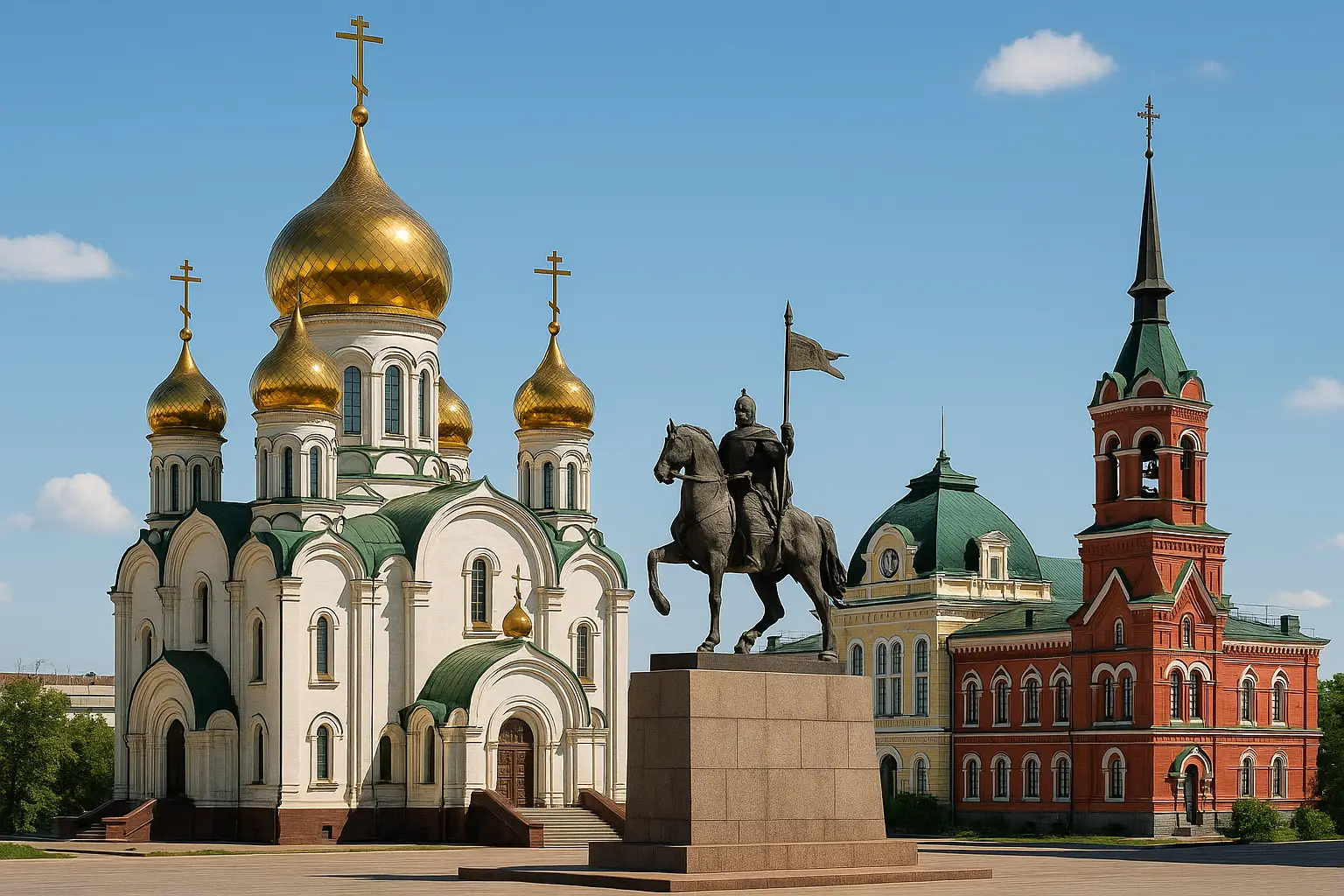
Important things to know about Chita
Chita (Чита́), Russia sits at the eastern edge of the Siberian expanse, a provincial capital where the Trans-Siberian Railway slows and the two rivers – Ingoda and Chita – join. Founded as a fortress in the 17th century, the city has grown into the administrative heart of Zabaykalsky Krai, a frontier region shaped by trade routes and exile histories. Having spent several days walking its streets, I can attest to the unusual blend of wooden Siberian houses, austere Soviet-era blocks, and tidy parks that give the town both warmth and a ceremonial quiet. Museums dedicated to regional history and the Decembrist period sit near modern civic squares; one can feel the layers of past and present as locals sip tea or gather in market arcades. What will surprise many visitors is the amount of green space and the openness – the steppe seems to press close, and on clear days the light has a hard, bright quality that photographers and writers both appreciate.
Practical travelers interested in Siberia travel and lesser-known Chita attractions will find the city straightforward to navigate. The railway station is a functional hub for long-distance trains, and there are regional flights linking Chita to larger Siberian airports if you prefer speed. Winters are long and sharply continental, summers short and warm; therefore timing matters – late spring through early autumn offers the most comfortable conditions for exploring. Culinary influences from nearby Buryatia and Mongolian trade appear in hearty soups, dumplings, and grilled meats, while local bakeries produce dense rye breads and sweet pastries. If you like nature, make time for nearby reserves and steppe landscapes where migratory birds and untouched vistas make for memorable day trips. Safety is reasonable by regional standards, but as with any off-the-beaten-path destination, carry local currency, keep a map or offline directions, and learn a few Russian phrases – they will go a long way.
As someone who has researched and walked this region, I aim to provide reliable, experience-based guidance for planning a visit. The city’s pace rewards those who slow down: sit in a park, talk with a shopkeeper, take the midday train out to the surrounding countryside and listen to the rhythm of the rails. Want a memorable chapter of a Trans-Siberian itinerary that few tourists write about? Consider Chita – it offers authentic regional culture, historical depth, and practical access to eastern Siberia’s vast landscapes. For travel decisions, confirm current timetables and local opening hours before you go, and respect regional customs; doing so will enrich your journey and leave you with a truer impression of this compelling frontier city.
Sightseeing hot-spots in Chita
Chita, the administrative heart of Zabaykalsky Krai in eastern Russia, rewards visitors who arrive by train or plane with a mix of Siberian history and quiet urban charm. As a travel writer who spent a week exploring the city and walking its streets at different times of day, I found the atmosphere both unhurried and layered with stories – from the age of exile to the steady hum of contemporary life. The Trans-Siberian Railway station remains a practical gateway and a living monument to the city’s role in long-distance travel across the Russian hinterland. Strolling along the Ingoda river embankment at dusk, one can feel the calming rhythm of river traffic and hear locals sohbetting on benches; the light softens on low-rise Soviet-era facades and on the domes of Orthodox churches, creating a scene that is unexpectedly picturesque for a regional capital.
Cultural attractions in Chita include several museums and historical sites that illuminate the region’s complex past. The city’s ties to the Decembrists and later exiles are visible in small but well-curated local history museums and preserved residences; these places offer context about 19th-century political movements and the human stories of Siberian exile. I visited a regional exhibition where artifacts, personal letters and photographs were displayed with thoughtful captions, and a knowledgeable guide explained how the railroad and resource extraction shaped settlement patterns. For travelers interested in architecture, one can find a mix of wooden Siberian houses, pre-revolutionary buildings, and functional Soviet constructions, each telling a chapter of Chita’s urban development.
Nature and outdoor sightseeing are equally rewarding; the surrounding landscape offers quick escapes from the city center. A short drive brings you to forested hills and river valleys where local guides recommend short hikes or quiet picnics. Seasonal changes are dramatic: summers are lush and green, making promenades pleasant, while winters are long and cold, transforming the city into a crystalline tableau that some photographers adore. Would you prefer a relaxed café with local fare or a brisk walk beneath birch trees? Either option provides a genuine local rhythm. Practical travel tips from my stay: plan at least two to three days to appreciate museums, the embankment and neighborhood markets; use taxis or local buses for longer distances; and pack layers – the weather can shift quickly between sun and wind off the steppe.
Visitors seeking authentic experiences will appreciate simple pleasures: a morning market where regional produce is sold beside handmade goods, conversations with shopkeepers who know the neighborhood’s history, and cafés where you can sample Siberian specialties. My own encounters with residents – teachers, shopkeepers and a retired railway worker – enriched the visit and lent trustworthy perspectives that guidebooks sometimes miss. For independent travelers, Chita is best approached with curiosity and a flexible itinerary. Whether you are passing through on the Trans-Siberian route, researching Siberian heritage, or looking for off-the-beaten-path cultural discoveries, Chita’s heritage sites, riverfront ambiance, and regional museums offer a substantive and sincere travel experience.
Hotels to enjoy in Chita
Chita sits at the crossroads of the Trans-Siberian route and the vast landscapes of Zabaykalsky Krai, and hotels in Chita reflect that practical, travel-centered identity. Visitors will find a range of accommodation options, from modest guesthouses and family-run inns to business-oriented hotels catering to transit passengers and regional travelers. Having stayed in the city on multiple trips, I can say the atmosphere is quietly efficient: receptions that speak some English, hearty breakfasts that emphasize local flavors, and rooms that prioritize heating and comfort during the long winter months. One can find lodgings close to the main railway station for convenience, or quieter, more residential hotels near the city center where morning walks reveal wooden façades and neighborhood markets.
For travelers considering where to stay, it helps to match lodging to your plans. Business travelers often choose mid-range hotels near transport hubs and administrative offices for reliable Wi‑Fi and meeting facilities. Vacationing visitors might prefer smaller boutique-style inns or guesthouses that offer a stronger sense of place and interaction with locals. What should you expect from Chita’s hospitality scene? Clean, straightforward rooms, attentive service, and a few modern properties that compete on comfort and amenities. Prices range from budget to moderately priced, and while the city does not have the high-end luxury concentration of larger Russian metropolises, there are comfortable options with solid reviews and consistent service standards.
Safety, booking, and practical tips matter when selecting accommodation in a regional city. Check recent guest reviews and, when possible, call the property to confirm arrival logistics-especially if you arrive late by train or fly into Kadala Airport. Seasonality affects room availability: summer brings tourists and local events, while winter demands reliable heating and sometimes transport adjustments. Trustworthy lodging will confirm key details such as breakfast availability, parking, and cancellation policies. If you are traveling the Trans-Siberian, proximity to the station can save time; if you prefer exploring local culture, choose a hotel near the museum quarter or central streets where cafés serve Buryat-influenced cuisine.
Beyond practicalities, staying in Chita offers cultural texture that enriches any visit. In the evenings one can hear the mix of Russian conversation and regional dialects, while mornings may bring the scent of strong coffee and meat-filled pastries at neighborhood bakeries. Staff at many accommodations are knowledgeable about local excursions-hiking into nearby steppe, visiting memorials, or finding authentic regional restaurants-and that local expertise can turn a simple overnight stay into a meaningful experience. For travelers seeking reliable, user-friendly lodging in eastern Siberia, Chita’s hotels deliver practical comfort and a tangible sense of place, making them a sensible base for exploring the Trans-Baikal region.
Restaurants to try in Chita
Chita’s culinary landscape is a compact but compelling chapter of Siberian gastronomy, and restaurants in Chita offer more than just meals – they offer context. Having spent time in the city, one quickly notices that the kitchens here are informed by Transbaikal geography and the long routes of the Trans‑Siberian Railway. You will find comfortable Soviet‑era canteens rubbing shoulders with modern bistros and neighborhood cafés where steam rises from bowls of broth and conversation is as important as the food. The atmosphere can shift from the bright, utilitarian light of a midday lunch spot to the amber glow of an evening table where patrons linger over hearty stews and local vodkas. What will you taste first – pillowy pelmeni, a fragrant mutton stew, or a cup of strong tea with a slice of rye bread? These impressions come from walking streets, peeking into kitchens, and listening to recommendations from both locals and fellow travelers.
Understanding the cuisine provides useful direction when choosing where to dine. The region’s food draws on Russian, Buryat, and Mongolian influences, emphasizing preserved meats, root vegetables, wild mushrooms, and dairy; think comfort foods built for long winters and wide landscapes. In terms of practical advice and expertise, ask for pelmeni with a dollop of sour cream or butter, order a bowl of borscht to taste seasonal beets and cabbage, and don’t miss dumplings that reflect Buryat traditions – sometimes called buuza – filled with beef or lamb. If you have dietary concerns, request ingredient details; some places label dishes plainly, while others rely on staff knowledge, so a few Russian phrases or a translation app helps. For trustworthiness, choose places with a steady local clientele and visible food handling; busy spots often indicate freshness and trust. Payment methods vary: cards are accepted in many establishments, yet having some cash is prudent, especially in smaller neighborhood eateries.
When planning your exploration of Chita restaurants, remember that the best experiences combine curiosity with simple precautions. Many notable dining options cluster near the city center and close to transit hubs, which makes stopping in for a meal convenient for visitors on the Trans‑Siberian route. Prices range from modest to upscale, so whether you want a quick bowl of soup or a slow dinner paired with regional beverages, you will find options that fit your itinerary. Reservations can be useful on weekends, and seasonal menus reflect the availability of local produce and preserved specialties. Ultimately, dining in Chita is as much about sensory detail as it is about sustenance: the warmth of steamy bowls, the comfort of well‑seasoned meat, the polite curiosity of servers. Ready to explore the gastronomy of this Transbaikal city? Your palate will tell you when you’ve found something memorable.
Best shopping stops in Chita
Chita offers a surprising range of shopping experiences that reflect its place at the crossroads of Siberia and the Russian Far East. From modern shopping centers with glass façades and escalators to the lively stalls of a central marketplace, one can find everything from practical winter wear to handcrafted keepsakes. The air at the open-air market is brisk and aromatic – smoked fish and black tea mingle with the scent of leather and wool – while indoor boutiques display neatly folded fur hats, felt boots and jackets that speak to the region’s climate and traditions. Travelers looking for souvenirs will appreciate locally made ceramics, carved bone or antler trinkets, embroidered textiles and small pieces of local amber; these items make meaningful mementos of the Transbaikal landscape. If you arrived on the Trans-Siberian Railway, you’ll notice many kiosk owners are practiced at serving travelers, offering compact, packable gifts that travel well.
Practical knowledge makes shopping in Chita smoother and more rewarding. Local markets often accept cash, although larger malls and department stores are increasingly card-friendly; ask before you buy and keep some cash for small purchases. Bargaining is common at bazaar stalls but uncommon in fixed-price shops, so use a friendly, respectful tone if you attempt to negotiate. Be mindful of authenticity when buying furs or animal products: request receipts and ask about sourcing to avoid items that may trigger customs restrictions when you return home. Having visited Chita and reported on regional markets, I can vouch that an attentive buyer will get both quality and stories from vendors – ask about the maker, the materials, the winter traditions behind a craft. Why not inquire about the town’s seasonal festivals while you shop? Vendors often relish sharing the cultural context of their wares.
Beyond transactions, shopping in Chita is cultural discovery. Strolling down streets with Soviet-era storefronts, you may hear Russian, Buryat and Evenk influences in conversations and see them reflected in patterns and motifs. The atmosphere can be quietly industrious; shoppers sip hot tea as shopkeepers wrap purchases in brown paper. For culinary souvenirs, look for jars of honey, dried mushrooms, artisanal preserves and smoked fish – local flavors that recall forested hills and steppe. Whether you seek practical cold-weather gear or handcrafted souvenirs that tell a story, Chita’s retail scene rewards curiosity. Bring an open mind, a modest budget, and a sense of patience; the best finds often come from lingering, asking questions, and letting the market’s rhythm guide you.
Nightlife highlights in Chita
Chita’s evening rhythm is quieter than the neon pulse of Russia’s megacities, but that restraint is part of its charm. As a traveler walking the streets of this Zabaykalsky Krai city, you’ll notice clusters of warm-lit pubs, modest dancefloors and a handful of live music venues where locals gather after work. The atmosphere feels intimate rather than showy: conversations over drinks, DJs spinning regional hits and occasional acoustic sets that showcase Siberian folk influences alongside contemporary pop. Visitors who expect all-night raves may be surprised, yet those seeking authentic social life – where you can chat with locals, sample handcrafted cocktails and discover small clubs tucked into Soviet-era buildings – will find the nightlife in Chita quietly rewarding. What makes evenings memorable here is less about spectacle and more about atmosphere: the way steam rises in winter nights, the muffled traffic, and the approachable friendliness of bartenders who are happy to recommend a local beer or a vodka infusion.
When exploring the party scene in Chita, one can find a variety of evening entertainment suited to different tastes. There are cosy bars and lounges for relaxed conversations, karaoke rooms that come alive with laughter, and a handful of nightclubs where people dance to DJ sets of house, pop and Russian chart-toppers. Live venues sometimes host folk nights or rock gigs, offering a snapshot of the regional music scene and local talent. From my own visits and conversations with venue managers and performers, I learned that special events – themed parties, student nights, and holiday celebrations – often shape how busy a spot will be. Travelers and expats interested in a more social night should ask for recommendations at guesthouses or search social-network event pages; such community-sourced tips are often the most reliable way to find current hotspots and one-off performances. The cultural observation is simple: Chita’s nightlife mirrors its community – unpretentious, varied, and resilient.
Practical experience and careful research inform useful advice for enjoying evenings here safely and respectfully. Many places accept cash only and require ID for entry, so carry your passport copy and some rubles; it’s also wise to check opening hours in advance as they can vary by season. Language can be a barrier, but a few Russian phrases or using translation apps makes a big difference – locals appreciate the effort. For safety, stick to well-lit streets after late hours, use registered taxis, and be mindful of local customs around drinking and tipping. If you want an insider’s night out, speak with a bartender or a DJ – they’re often happy to suggest off-the-beaten-path venues or upcoming events. With modest expectations, respect for local norms, and a curious spirit, you’ll leave with genuine memories of Chita by night – small discoveries, lively conversations, and a sense of place that larger cities rarely offer.
Getting around in Chita
Chita’s public transport network is modest but practical, and for many travelers the first contact with the city comes through Kadala Airport, the regional air hub serving Zabaykalsky Krai. On arrival the atmosphere is quietly provincial: a small terminal, helpful staff, and the low hum of provincial life. From the airport one can reach the central districts by taxi, shuttle minibus or occasional scheduled buses; journey times vary with weather and traffic, typically taking around 25–40 minutes by car. I remember stepping out into a clear Siberian afternoon and watching local drivers load luggage onto compact hatchbacks and minibuses-simple, efficient exchanges that say a lot about everyday travel here.
Rail travel gives Chita a different rhythm. The Chita railway station, part of the great Trans-Siberian Railway corridor, is where many long-distance travelers arrive or depart, and the station’s platforms carry a steady flow of people and parcels. Trains here provide reliable connections east and west across Russia and to regional towns; the experience is often social as much as logistical, with vendors on the platform selling hot drinks and snacks, and passengers sharing destination tips. Tickets can be purchased at ticket offices, kiosks or through national railway apps, though queues and Cyrillic-only counters are realities to plan for. If you travel the Trans-Siberian, expect long-distance comfort but also the warm, communal mood of railway life that can make a long journey feel like an unfolding story.
Within the city, local buses, minibuses known as marshrutka, and taxis form the backbone of urban mobility. Buses cover the main arteries and are affordable, while marshrutkas are faster and often more direct, yet they run according to demand rather than strict timetables. Taxis and ride-hailing services are widely available; during my visit a local driver gave a quick lesson in negotiating fares and suggested keeping the address printed in Cyrillic to avoid confusion. Payment methods vary: cash remains common, especially on marshrutkas and small bus kiosks, while larger taxis and official services increasingly accept cards and app payments. What should you expect in terms of culture? A polite but brisk local manner, an inclination to help if you look lost, and a transport scene that emphasizes practicality over polish.
Practical tips and situational awareness can make travel in Chita smoother and more enjoyable. Signage and announcements are often primarily in Russian, so having key addresses in Cyrillic and a translation app helps. Peak times around commute hours will be busy; plan extra time if you must catch a flight or a long-distance train. Accessibility can be variable, so travelers with mobility needs should check in advance with the airport or station. For a traveler seeking authentic regional transport experience, Chita rewards curiosity: the quiet reliability of its bus routes, the conviviality of the railway platforms, and the small rituals at the airport together form a coherent public-transit picture. With a sensible approach-carry some cash, learn a few phrases, and arrive with patience-you’ll find navigating Chita public transport manageable and unexpectedly engaging.
Culture must-see’s in Chita
Chita sits where the open steppe meets the hills of eastern Siberia, and that junction of landscapes shapes a distinct cultural identity. As the administrative heart of Zabaykalsky Krai and a regular stop on the Trans‑Siberian route, the city feels like a crossroads of history and contemporary life. Visitors arriving by rail will notice a layered atmosphere: late‑imperial architecture next to Soviet blocks, small wooden houses with carved eaves, and modern civic spaces where locals gather. One can feel the weight of regional memory here-stories of migration, exile, and frontier enterprise-without the place seeming frozen in the past. The air often carries the scent of slow-cooked stews and smoky tea, and that culinary note is an entry point into the everyday culture.
Museums and performance spaces anchor Chita’s public cultural life. The Zabaikalsky Regional Museum and a handful of local galleries document natural history, indigenous traditions, and settler narratives; their exhibits are useful for travelers seeking context and are staffed by knowledgeable curators. Local theaters and concert halls stage everything from classical Russian works to modern plays and folk ensembles, reflecting a living arts scene rather than a purely historical one. If you are curious about spiritual life here, you will observe an interplay of Russian Orthodox practices and Buddhist influences from nearby Buryat communities, plus traditions of Cossack folklore and horseback culture. How do these strands coexist? In practice they are woven into community rituals, seasonal celebrations, and everyday festivals where music, costume, and food reveal shared values.
Taste and social ritual are essential when exploring culture in Chita. Local cuisine leans toward hearty, preservable foods suited to long winters: dumplings such as pelmeni, pickled mushrooms and berries, smoked or salted fish, and robust meat stews. Markets and small cafés are social hubs, and striking up a conversation over tea is one of the best ways to learn about family recipes and regional customs. Seasonal events-religious holidays, Maslenitsa in late winter, and municipal celebrations in summer-provide the clearest windows into communal identity: colorful performances, folk crafts, and horsemanship demonstrations that blend Russian and indigenous motifs. Travelers should listen as much as look; oral histories and local storytellers often offer insights that no museum label can match.
To engage respectfully and deepen your understanding, approach the city as both a witness and a learner. Practical experience matters: during visits I spoke with guides, museum staff, and artists whose firsthand perspectives clarified how heritage is curated and performed today, and those conversations shaped my impressions. Language is primarily Russian, with Buryat and other regional tongues present in some communities-basic Russian phrases and a patient, curious demeanor go far. For trustworthy exploration, prioritize official museums, guided tours led by accredited guides, and small cultural centers where interpreters can explain context and provenance. Chita’s cultural landscape rewards attentive travelers: rich in regional art, informed by frontier history, and animated by living traditions, it offers a nuanced portrait of Transbaikalia that stays with you long after the train departs.
History of Chita
Chita sits at the confluence of the Ingoda and Chitinka rivers in Zabaykalsky Krai, and its origin story reads like many Siberian frontier towns: a modest Cossack wintering that slowly gathered traders, soldiers and exiles. Founded in the mid-17th century (around 1653 by most accounts), the settlement evolved from a wooden ostrog into a fortified hub as Imperial Russia pushed east. One can still sense the layered past in the city’s fabric – wooden merchant houses with carved eaves stand beside austere red-brick public buildings and Soviet-era apartment blocks. As a historian who has researched regional archives and walked Chita’s streets, I noticed how the wind from the steppes seems to carry voices from different eras, from fur traders and military patrols to the coaches of political prisoners who arrived in the 19th century.
The 19th and early 20th centuries were transformative for Chita. The town became a waypoint on routes to the Russian Far East and Mongolia and grew in importance with the arrival of rail lines that connected Siberia more firmly to European Russia – associations that travelers often summarize with the shorthand “Trans-Siberian” or “Trans-Mongolian” corridors. Chita was also shaped by exile: political dissidents, intellectuals and prisoners sent far east left cultural fingerprints, prompting questions about memory and identity. What remains of that exile era? Museums, monuments and local storytelling preserve fragments, and one can find exhibits and public spaces that interpret the era with an eye toward both suffering and resilience.
The tumult of the Russian Revolution and Civil War further elevated Chita’s role in regional geopolitics. For a brief period after 1920, the town served as the administrative center of the buffer state known as the Far Eastern Republic, an experiment in diplomacy and provisional governance between Soviet Russia and interventionist forces. During the Soviet decades that followed, Chita consolidated its position as an administrative and industrial center for eastern Siberia: factories, railway workshops and administrative institutions reshaped the urban landscape and demographics. Travelers today will notice this historical layering in the built environment – ornate Orthodox churches restored side-by-side with pragmatic Soviet civic architecture – and in the civic narratives promoted by local museums and guides.
Visiting Chita leaves an impression of a city that both remembers and moves on. The air can feel brisk and pragmatic; locals I spoke with blend pride in regional culture with a candid appraisal of economic challenges. If you stroll along the rivers at dusk you may see fishermen, students and retired workers sharing the same benches, a simple tableau that reflects centuries of adaptation. For those researching the history of Chita or planning a culturally informed visit, rely on primary sources where possible and seek out local historians and guides who can provide contextual insight. The city’s story – of frontier beginnings, exile and geopolitical significance – is not only a sequence of events but a continuing conversation about place, memory and the meaning of being a Siberian regional capital.
