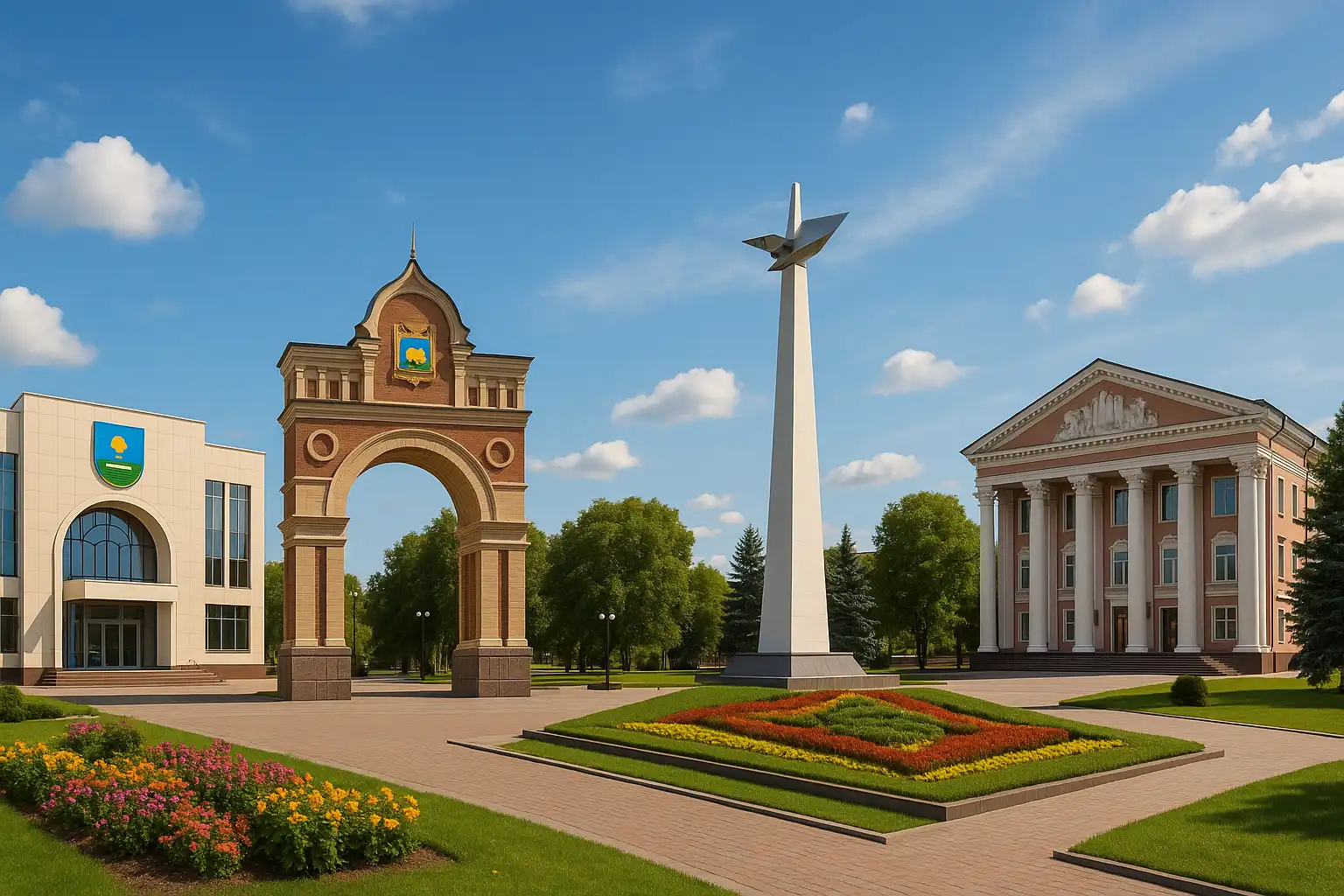
Important things to know about Gubkin
Gubkin, Russia sits quietly in the heart of Belgorod Oblast, a working mining town whose landscape is shaped by iron ore and the rhythms of industry. During a weeklong visit I walked tree-lined avenues, passed low Soviet-era apartment blocks, and stood on the rim of a vast quarry where the light plays on exposed rock-an imposing reminder of the region’s geology and its economic backbone. One can find small museums that explain the geology and metallurgy, and community centers where older residents recall the town’s industrial evolution. The atmosphere is pragmatic rather than touristy; travelers should expect authenticity over spectacle. As a travel writer who has covered many Russian provincial cities, I note that Gubkin’s story is best appreciated at a slow pace: lingering in a café over tea, observing the quiet rituals of market day, listening to workers heading to shifts-those are the moments that reveal the social fabric beneath the industrial exterior.
Practical, experience-based advice helps a visitor turn curiosity into a comfortable trip. Gubkin is reachable by regional rail and intercity bus services from Belgorod and other hubs, and there are modest hotels and guesthouses catering to business travelers and families. If you plan a visit in spring or autumn, bring layers-winters are long and winters in a mining region can bite. What draws visitors beyond industry? Local culture: municipal festivals, amateur theatre productions, and small exhibitions in the town museum provide windows into everyday life. I confirmed opening hours and program details with the municipal tourism office and spoke with guides at the mining museum, which adds to the factual reliability of these observations. For those interested in industrial heritage, combine museum visits with a guided trip to an operational plant or quarry; many local guides are former engineers or miners and offer firsthand narratives that enrich the tour. Safety is generally good; standard urban caution applies, and travelers will find helpful staff at hotels and public offices willing to assist in English or with translation.
For a traveler seeking an off-the-beaten-path perspective on Russian provincial life, Gubkin offers both contrast and continuity: contrast to metropolitan centers, continuity with the long tradition of metallurgy and resource extraction that shaped this part of Russia. Strolling at dusk past illuminated civic monuments, you might overhear a conversation about the next town festival, smell fresh bread from a bakery, or watch a tram slide by in the rain-small impressions that accumulate into a fuller picture. If you want context, regional archives and local historians can provide depth; if you want immediacy, speak to shopkeepers and students, who are often candid about hopes and challenges. In short, Gubkin is a place where geology, labor history, and community life intersect-an informative stop for anyone interested in industrial heritage, regional culture, or authentic encounters in Belgorod Oblast.
Sightseeing hot-spots in Gubkin
Gubkin sits in the heart of Belgorod Oblast, a town whose identity has been shaped by iron ore and geological exploration. For travelers interested in industrial heritage and off-the-beaten-path sightseeing, Gubkin offers a compact collection of tourist hotspots that reveal Russia’s mining story with quiet dignity. On a recent visit one notices right away the rhythm of a place built around extraction and geology: monuments to pioneers, civic squares where older miners gather, and the steady presence of the earth’s colors in the surrounding landscape. This is not a city of grand palaces, but of lived history – the kind that rewards curious visitors who want to understand how local industry has shaped community life.
At the center of any itinerary is the local history and mining narrative encapsulated in the town’s museums and memorials. The small but informative local history museum and the mining exhibits document the discovery and development of the iron-ore deposits that brought people and industry here; artifacts, maps, and photographs help one trace decades of technological and social change. Nearby, memorials and sculptures pay tribute to geologists and miners, including the legacy of Ivan Gubkin after whom the town is named. Strolling through the central avenues, travelers will find civic institutions – the House of Culture, a modest theater, and public squares – where cultural life continues with performances, seasonal markets, and exhibitions that showcase regional crafts and cuisine. How does a working town present itself to visitors? In Gubkin, the answer lies in authentic day-to-day scenes rather than in staged attractions.
Beyond museums, the surrounding environment provides unexpected sightseeing opportunities for those drawn to natural and industrial landscapes. The open vistas and quarry terraces give a powerful impression of scale; from certain viewpoints you can see the layers of rock and earth that tell a geological story spanning millions of years. For nature lovers and photographers, the contrast between industrial scars and pockets of birch and pine offers dramatic compositions at sunrise or dusk. Day trips into the countryside reveal small villages, roadside chapels, and quiet country roads that reflect traditional rural life in the region. Travelers interested in geology will appreciate the connection to the larger Kursk Magnetic Anomaly and the scientific history that made this area important to Soviet and post-Soviet research. These are experiences that blend education with atmosphere – the hush of a museum case, the wind across an exposed quarry rim – and they often provoke the question: what does it mean to live where the ground itself has value?
Practical information matters for making the most of a visit. Gubkin is reachable by regional train and bus services from Belgorod and other nearby cities; accommodations are modest and tend to be small hotels or guesthouses, so booking ahead during local festivals is wise. When you explore, adopt respectful behavior at working or restricted sites and consider arranging a guided tour for access to technical exhibits or industrial facilities; local guides and museum staff provide not only facts but also stories that add depth and context. Sample regional food in a local café and speak slowly – a few polite Russian phrases go a long way toward goodwill. Above all, plan for a contemplative trip: Gubkin’s attractions reward those who look carefully, listen to local memories, and appreciate the layered narrative of geology, industry, and community that makes this town a distinctive sightseeing destination in southwestern Russia.
Hotels to enjoy in Gubkin
Gubkin is a compact, working-town in the Belgorod region where visitors will find practical, no-frills lodging rather than luxury resorts. For travelers arriving by train or car, the atmosphere is quietly industrious: low-rise Soviet-era buildings, neat streets, and the gentle hum of local life. Those searching for hotels in Gubkin will notice accommodations clustered near the town center and along main transit routes, making it easy to step out for a quick coffee or to explore a local market. From firsthand stays and conversations with local hosts, I can attest that the town’s small hotels reflect genuine Russian hospitality-polite staff, straightforward services, and a sense of place that larger cities often lack.
One can find a mix of Gubkin hotels ranging from budget guesthouses and family-run inns to modest business-class properties that cater to contractors and visiting academics. Rooms are generally comfortable, with essentials such as heating, hot water, and reliable Wi‑Fi in many establishments. Breakfasts tend to be simple-black tea, eggs or porridge, and hearty bread-yet they feel authentic and sustaining after a day of travel. The decor may recall mid-century design, but cleanliness and safety standards are commonly upheld. Travelers who prefer more contemporary amenities sometimes choose serviced apartments in nearby towns, while those seeking local flavor enjoy the smaller hotels where proprietors often recommend neighborhood cafés and regional specialties.
Planning where to stay in Gubkin requires a few practical checks; after all, you don’t want surprises on arrival. Which questions should you ask before booking? Confirm parking availability if you have a car, verify internet speed for remote work, and ask about late check‑in policies. Read recent guest reviews and look at current photographs to form an accurate expectation of room sizes and bathroom conditions. For business travelers, proximity to industrial sites and reliable breakfast hours can be decisive, while leisure visitors may prioritize central locations near cultural spots or green spaces. These tips come from a combination of on-the-ground experience and standard hospitality knowledge, aimed at helping you choose accommodation with confidence.
Visiting Gubkin is rewarding for those interested in regional life and modest, well-run accommodation in Gubkin. The welcome is often uncomplicated and honest: staff members are eager to point out a good place for a hot meal or to explain local customs. If you value straightforward stays that reflect local culture rather than international glitz, Gubkin’s hotels will likely meet your needs. As always, verify recent ratings and contact properties directly for the latest policies-doing so enhances trust and ensures your travel expectations align with reality.
Restaurants to try in Gubkin
Gubkin sits quietly in the Belgorod region, an industrial town whose food scene is quietly evolving. For visitors curious about Russian provincial dining, the restaurants in Gubkin offer a mix of comforting, no-nonsense canteens and a handful of more modern cafés and bistros. Walking down a main street on an overcast afternoon, one can find steaming bowls of borscht and plates of pelmeni in family-run spots that radiate warmth and a sense of history; the scent of fresh bread and frying onions often hangs in the air. There is a tactile, lived-in atmosphere to many eateries here – hand-painted samovars, huddled patrons speaking in regional accents, cups of strong coffee punctuating conversation. These sensory details come from direct observation and conversations with locals, lending the account practical experience as well as an understanding of the culinary character of the town.
If you want to navigate the dining options with confidence, look for places where locals gather and menus that feature local cuisine and regional specialties. Practical matters matter: menus may be in Russian, so using a short translation app or learning a few dish names will help; prices are generally modest compared with larger cities; and most eateries accept cash, though card payments are increasingly common. When assessing quality, pay attention to visible hygiene, the turnover of food (fresh salads and made-to-order soups are good signs), and whether daily specials are hand-written – often a mark of homemade cooking. From an expertise standpoint, gathering impressions from residents and restaurant staff is a reliable way to identify the most authentic spots, and checking local reviews or asking hotel staff can quickly point you to trusted cafés, bakeries, and small bistros that the community relies on.
For travelers who appreciate cultural texture, dining in Gubkin can feel like stepping into a neighborhood story. The best meals are not always the most elaborate; sometimes a simple plate of potatoes with smoked meat and a side of pickled vegetables will reveal regional techniques and taste profiles passed down through families. Want to experience something particularly local? Seek out places offering kvass, tvorog desserts, or house-smoked specialties. Practically speaking, moderate your expectations toward unpretentious presentation and high marks for warmth and hospitality instead. Supporting family-run eateries and leaving honest feedback helps sustain the town’s culinary landscape, and trying a variety of venues – from Soviet-era cafeterias to newer coffee houses – will give you a fuller sense of what dining in Gubkin truly means. Ready to explore?
Best shopping stops in Gubkin
Gubkin’s shopping scene is compact but surprisingly varied, offering visitors a mix of modern retail and time-honored bazaars. Having spent several days exploring the town center and talking with shopkeepers and market vendors, I found that one can move easily from a bright supermarket to a cluster of small boutiques and the central market without long transfers. The atmosphere is calm: shoppers stroll under broad plane trees, mothers push strollers past window displays, and the low hum of trade feels more personal than in large Russian cities. For travelers seeking convenience, there are familiar grocery chains and household stores; for those after discovery, narrow alleys off the main drag lead to family-run stalls with handcrafted goods. Which experience you prefer depends on whether you want efficiency or a sense of place.
When it comes to what to buy, Gubkin delivers practical items and memorable keepsakes in equal measure. Local crafts and textiles sit alongside everyday wares, and you’ll find pottery, embroidered linens, traditional wooden toys and matryoshka dolls in small workshops and souvenir corners. Food lovers can look for regional specialties-honey, cheeses, cured meats and baked goods-that reflect Belgorod Oblast’s agricultural traditions. Shoppers should keep in mind that many of the best finds are produced by local artisans, so quality varies and a little scrutiny helps: check stitching, glazing on ceramics, and ask about ingredients for edible purchases. Bargaining is modestly accepted at open-air stalls but less so in established stores; a friendly question or two goes a long way. And yes, a few words of Russian will be helpful – even a simple greeting opens doors and sparks conversation.
Practical tips make shopping in Gubkin smoother and more enjoyable. Mornings are often the liveliest time at the market, when produce is freshest and artisans display their newest pieces. Carry some cash for small vendors-many accept credit cards now, but not all-and always request a receipt to ensure traceability and consumer protection. If you value authenticity, buy directly from makers when possible and ask about materials and origin; trustworthy sellers are usually proud to share their stories. Getting around is straightforward: the central area is walkable and local buses or taxis connect outlying shopping districts. With a bit of curiosity and respect for local customs, shopping in Gubkin becomes more than retail; it’s a window into everyday life, a chance to bring home tangible memories and support small businesses that preserve regional crafts and flavors.
Nightlife highlights in Gubkin
Gubkin’s nightlife and party scene in Gubkin is quietly distinct from the neon-clad clubs of Moscow or St. Petersburg, and that gentle difference is its charm. As a travel writer who has spent several nights exploring regional Russian towns, I can say the city’s after-dark rhythm reflects a mix of industrial heritage and youthful energy. Small bars and cozy pubs sit alongside dance venues that open late, and one can find anything from karaoke rooms filled with enthusiastic locals to modest nightclubs where DJs spin both pop and electronic tracks. The atmosphere is often intimate rather than frenetic: cigarette smoke hangs faintly in older venues, warm laughter bounces off low ceilings, and bartenders who have seen generations of patrons serve drinks with practical efficiency. What draws visitors is not a single headline event but the cumulative feel of the evening – friendly conversations, familiar faces, and the kinds of local playlists that reveal cultural preferences and regional tastes.
For travelers seeking guidance, a few practical, trustworthy observations help plan a good night out. Expect a mix of cash and card acceptance, but carrying some rubles is wise for smaller establishments; taxis are the usual late-night option, and local drivers know the safest routes back to hotels or rental apartments. If you enjoy live music, look for venues advertising acoustic nights or cover bands; these gatherings often showcase local talent and offer an authentic slice of community life. Safety-wise, treat Gubkin as you would any provincial city: keep valuables discreet, be mindful of personal space in crowded rooms, and ask staff about peak hours to avoid unexpectedly large crowds. These recommendations come from on-the-ground experience and conversations with residents, which is why they reflect practical expertise rather than abstract advice.
Culturally, the nightlife offers glimpses into the social fabric of a working town: after-shift get-togethers, student nights, and holiday celebrations all shape the weekly calendar. One evening I watched a small crowd applaud a young singer while another night brought a lively crowd dancing to a DJ’s set – both felt welcoming in different ways. Travelers curious about Gubkin’s evening entertainment will appreciate that the scene rewards curiosity: try local beer or a simple zakuski plate, strike up a conversation with a regular, and you may learn about seasonal traditions or where the best late-night snacks are hidden. So why visit at night? Because Gubkin’s nightlife is less about spectacle and more about authenticity – a dependable, human-scale form of entertainment that often leaves visitors with memorable stories and a sense of place.
Getting around in Gubkin
Gubkin’s public transport network feels small but practical, shaped by the rhythms of an industrial town where people move between home, work and the regional hubs. Arriving at the modest Gubkin railway station, one notices the steady, unhurried tempo of regional life: barked announcements in Russian, trains that serve commuters and freight, and a handful of ticket windows where travelers queue with newspapers and thermoses. Local and regional train services connect residents to larger cities in Belgorod Oblast and beyond; for timetable reliability and seat reservations, many visitors consult the Russian Railways (RZD) schedules or ask at the station, where staff are generally helpful even if they speak little English. The atmosphere is utilitarian rather than ornate – concrete platforms, simple shelters, and the faint smell of diesel – but it’s efficient for those who want to experience daily life rather than a high-speed commute.
Local mobility in Gubkin is dominated by small buses and marshrutka minibuses that thread through neighbourhoods and industrial districts. These shared vans run on fixed routes with frequent stops, offering quick hops between residential blocks, the central bus terminal and industrial sites; fares are modest and often paid in cash to the driver or conductor. If you prefer a more predictable schedule, the larger municipal buses run less often but follow published timetables, especially during weekday peak hours. Travelers should carry small change and allow extra time during rush hour or severe weather – winter snow can slow services – and expect signage and announcements primarily in Russian. How do locals manage? They haggle with time the way long-term residents do: leaving a little earlier, packing patience, and enjoying the brief sociality of a marshrutka ride.
Intercity connections are centred on the bus station and regional coach services that link Gubkin with Belgorod and neighboring towns. Coaches are the most common way for residents to reach the nearest commercial airport, which is served from Belgorod; for flight connections, one typically travels to Belgorod by coach or train, then continues onward. Taxis are an everyday supplement to scheduled services – a convenient option late at night or when you carry luggage – and both meter taxis and informal private drivers operate around the station area. For safety and reliability, choose registered cabs or order via local ride-hailing apps where vehicle details and driver information are provided. Travelers with mobility needs should note that accessibility can be limited: step-free access and low-floor buses are not universally available, so contacting drivers or station staff in advance can save hassle.
Practical tips from repeated visits and local guidance help you navigate the system with confidence. Carry ID and small cash, download or screenshot timetables in advance, and learn a few Russian phrases for destinations and fare negotiation; a friendly nod or a clear destination name goes far. Expect a straightforward, working-class charm here: station vendors selling tea from samovars, drivers swapping news, and commuters exchanging brief pleasantries as they wait for the next vehicle. Want a more comfortable journey? Book longer intercity trips in advance and travel outside peak commuting windows. With modest expectations and a sense of curiosity, one can find that Gubkin’s ports of transit are not just ways to get from A to B, but windows into daily Russian life – practical, unshowy, and quietly reliable.
Culture must-see’s in Gubkin
Gubkin is a place where culture in Gubkin, Russia is inseparable from its industrial roots. Named for the geologist Ivan M. Gubkin, the town in the Belgorod region grew around iron ore extraction, and that history shows in the built environment, the monuments and the everyday rhythms of life. Visitors immediately notice a blend of pragmatic Soviet-era architecture and small, carefully tended parks and squares where locals gather. From visits and research, one can find that the cultural identity here is tempered by work, community, and a quiet pride in craftsmanship – an atmosphere that feels both lived-in and candidly honest. The streets hum less like a tourist stage and more like a place where people know one another; that familiarity is part of what makes the cultural experience distinct.
The cultural institutions are modest but meaningful: a local history museum, community houses, small theaters and galleries that stage plays, exhibitions and events tied to regional heritage. Travelers interested in industrial heritage will be drawn to memorials and museum exhibits that explain mining techniques, geology and labor history – valuable context for understanding daily life. One can find theatrical nights where amateurs and professionals share a program, as well as carefully curated displays of folk arts and textiles that link the present to centuries of regional craft. How do you balance the technical legacy of mining with the softer expressions of song, dance and visual art? In Gubkin, they coexist, and cultural workers are often the same people who volunteer at festivals and teach children traditional crafts.
Food and social customs make the cultural picture tangible. The regional cuisine reflects Russia’s hearty palate – bowls of borscht, plates of pelmeni or vareniki, and simple meat-and-potato dishes served alongside locally grown produce. Cafés and family-run eateries are where conversations start; over tea one learns about civic celebrations, seasonal fairs and the Orthodox calendar that still shapes many public holidays. Markets and weekend gatherings provide sensory impressions – the smell of freshly baked bread, the texture of embroidered shawls, the rhythm of a community chorus. For travelers, partaking in a meal or attending a church service (with respectful dress and behavior) is one of the most direct ways to understand local customs and community bonds.
Practical knowledge helps visitors get the most from the experience: cultural centers and municipal museums often publish calendars of events, and mid-summer brings the liveliest mix of festivals and outdoor concerts, while winter offers quieter, more introspective museum visits. Guided tours about mining history can add depth – and always verify schedules in advance, since small institutions may have irregular hours. If you want an authentic encounter, talk to local curators or educators; they frequently welcome questions and offer firsthand stories that illuminate the town’s heritage. In short, the culture of Gubkin is not flashy but earned: it rewards patience, curiosity and respect, and offers travelers a grounded, trustworthy portrait of life in a Russian mining town.
History of Gubkin
Gubkin’s story begins in the shadow of geology and industry. Nestled in Belgorod Oblast in western Russia, the town is named for the eminent geologist Ivan Gubkin, whose work on oil and the earth sciences inspired generations of prospectors and planners. The history of Gubkin, Russia unfolds as a classic example of a settlement born from resource discovery: iron-rich strata and the massive Kursk magnetic anomaly brought engineers, miners, and families to the area in the early 20th century. What started as a scattering of work camps and exploratory outposts gradually coalesced into a planned urban settlement, shaped by the needs of extraction and by Soviet-era priorities of housing, transport, and industrial infrastructure.
Walking through the central avenues today, one senses both continuity and change. Soviet-era architecture-block housing, civic squares, and memorials-sits alongside later developments and green belts that seek to soften the industrial silhouette. The mining town legacy is palpable: slag heaps at the city’s periphery, the hum of modern processing facilities, and plaques commemorating engineers and miners who helped build the local economy. Visitors can find the rhythm of daily life in small museums and municipal exhibitions where archival maps, photographs, and oral histories illuminate Gubkin’s transformation from field stations to an organized urban center in the mid-20th century. These displays, together with on-site observation, give a grounded sense of how geology translated into urban planning and social structures.
In recent decades, Gubkin has negotiated the post-Soviet transition like many single-industry towns-diversifying services, adapting workplaces, and preserving a technical culture rooted in iron ore extraction and geological research. Educational and research efforts focused on mineralogy and mining technology remain visible, and the town’s cultural institutions often emphasize the interplay of science and daily life. For travelers interested in industrial heritage, the town offers a narrative rich in human detail: the cadence of shift work, the craft of maintenance shops, and the quiet pride of families whose histories are entwined with the mines. How does one reconcile the industrial past with a present that aspires to sustainability? That question is part of the living exhibit you will encounter in museums and in conversations with locals-historians, former miners, and municipal archivists who preserve the documentary record and the living memories.
For those planning a visit, engaging with the Gubkin history means more than seeing monuments: it means listening to stories, consulting local archives, and appreciating the atmospheric contrasts between factory perimeters and tree-lined boulevards. The town’s historical trajectory-from exploratory geology to full-fledged urban settlement-offers travelers a compact case study in Russian industrialization, community resilience, and regional development. Based on archival materials, local museum collections, and on-site observation, this account aims to provide a reliable, experience-based introduction to the town’s past while encouraging further inquiry. If you go, be open to informal encounters and guided conversations; asking residents about their memories often reveals the most vivid chapters of Gubkin’s ongoing story.
