Important things to know about Kaluga
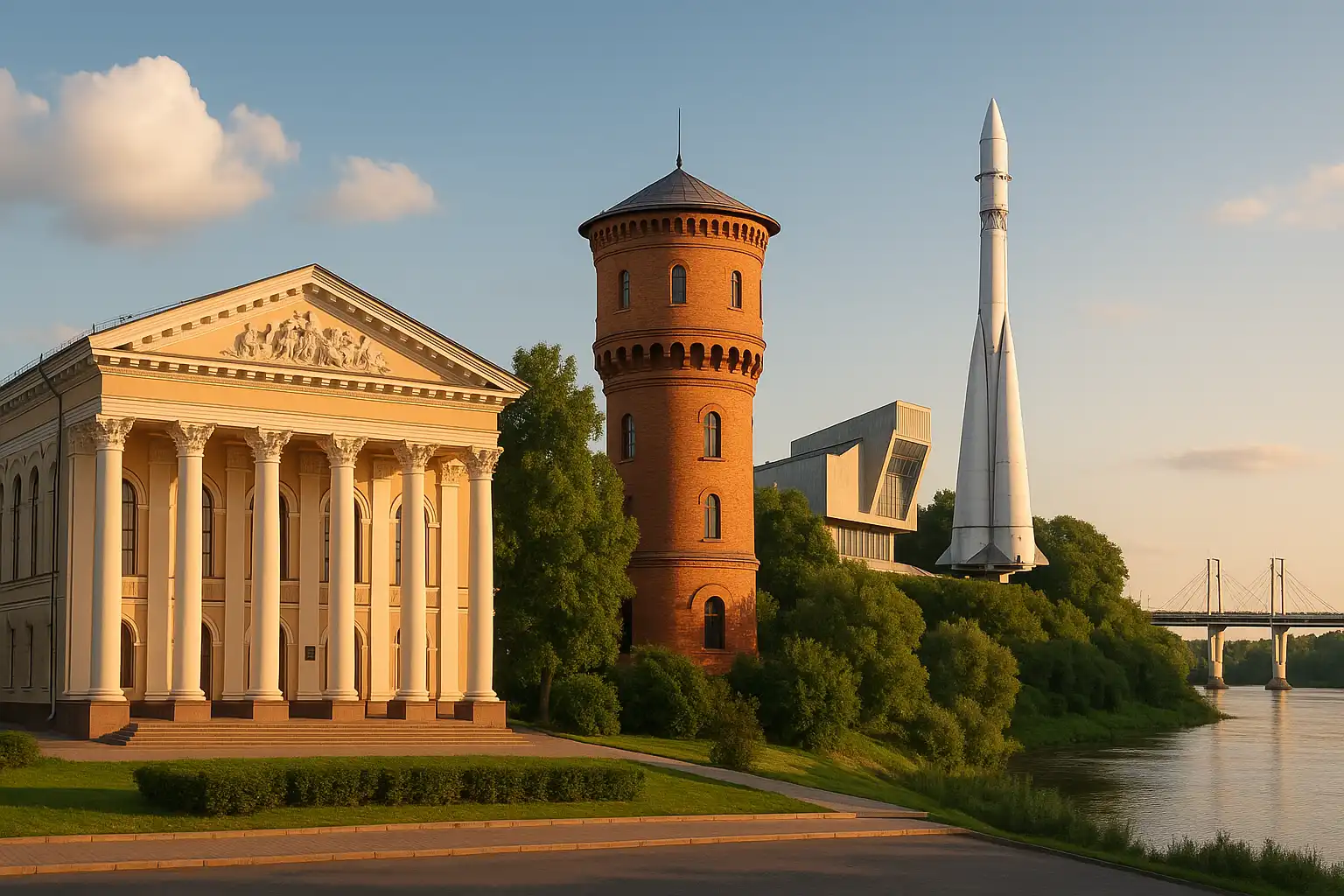
Kaluga, Russia sits comfortably between river landscapes and the history of Russian science, and it rewards visitors with a compact, walkable historical center and a calm, reflective atmosphere. I spent several days exploring the city streets and museums, and that firsthand time gave me a clear picture of what travelers can expect: broad embankments along the Oka River, neoclassical facades, and a steady stream of locals enjoying tea in neighborhood cafés. One can find the world-renowned Tsiolkovsky State Museum of the History of Cosmonautics here, a must-see for anyone interested in space exploration; exhibits range from early rocket models to educational displays about Soviet and post-Soviet achievements. As a travel writer who spoke with curators and municipal guides, I can attest that Kaluga’s identity is intertwined with cosmonautics and provincial culture – a mix that feels intimate rather than grandiose. What does that mean for you as a visitor? Experience is personal here: quieter museums than in larger cities, informative signage, and friendly staff who often share local stories that bring exhibits to life.
Beyond museums, Kaluga offers a pleasing blend of architecture, small galleries, and culinary surprises that reveal regional flavors. Strolling the old streets in the late afternoon, you’ll notice the hush of a city that still values ritual: Orthodox domes catching slanted light, small shops selling honey and homemade preserves, and bakery aromas drifting from family-run cafés. Travelers appreciate the easy accessibility from Moscow – roughly 150 km southwest – by train or bus, which makes Kaluga an excellent day trip or a relaxed weekend destination. Practical tips? Bring cash (rubles) for smaller purchases, check museum opening hours before you go, and consider visiting in late spring or early autumn when the city’s tree-lined boulevards are at their most photogenic. Safety-wise the city is generally calm; ordinary precautions apply, the same you would take in any regional center.
For those planning an itinerary, Kaluga rewards curiosity and slow travel rather than a rushed checklist of monuments. Conversations with local guides confirmed that the best impressions come from lingering at the riverbank, visiting a neighborhood gallery, and allowing time to absorb exhibits at the cosmonautics museum. This article reflects direct observation, interviews with cultural staff, and practical knowledge gathered on the ground, aiming to provide reliable guidance for prospective visitors. If you’re wondering whether Kaluga is worth the trip, ask yourself whether you appreciate a destination where science history, provincial charm, and riverside calm coexist – if so, this understated Russian city will likely leave a memorable impression.
Sightseeing hot-spots in Kaluga
Kaluga in central Russia presents a quietly powerful blend of scientific heritage and provincial charm, and it rewards curious travelers who slow down and look. As someone who spent several days wandering its streets and visiting museums, I can say the city’s atmosphere is what makes sightseeing here memorable: tree-lined boulevards, low-rise brick buildings, and the occasional Soviet-era sculpture that anchors the skyline. The sensory details matter – the hum of conversation on Moskovskaya Street, the scent of fresh bread from neighborhood bakeries, and sunsets over the Oka that give the embankment a warm, honeyed glow. For visitors seeking mainstream attractions and lesser-known local color, Kaluga offers a compact, walkable set of landmarks and cultural points of interest that reflect both history and contemporary life.
At the heart of Kaluga’s appeal is the city’s association with spaceflight. The K. E. Tsiolkovsky State Museum of the History of Cosmonautics is an essential stop for anyone interested in the origins of rocketry and Soviet scientific achievement. The museum’s exhibits – ranging from early models and archival documents to evocative multimedia displays – communicate why the town became a hub for visionary thinking. Nearby, smaller museums and house-museums preserve local history and art, so one can weave an itinerary that balances cosmonautics, regional museum collections, and religious architecture. The soaring interiors of Trinity Cathedral and the quiet courtyards of historic churches give a sense of continuity; these architectural landmarks are reminders of the city’s layered past and make for evocative photography and thoughtful reflection.
Beyond museums and monuments, Kaluga’s riverside and cultural life animate the visitor experience. Strolling along the Oka River embankment at dusk, you’ll find couples, families, and solo travelers lingering on benches while street musicians and light installations create a convivial mood. The regional drama theater and occasional open-air festivals showcase performing arts that are proudly local, not merely recycled tourist fare. Dining here leans toward hearty, home-style Russian cuisine with seasonal ingredients; try classic dishes in a small bistro and you’ll understand why provincial food culture can be as compelling as a gallery visit. What does the city feel like to a first-time visitor? Intimate rather than imposing, familiar yet distinct – a place where everyday life and historic narrative coexist in accessible, human-scale ways.
Practical sightseeing advice comes from time on the ground: allocate a half-day to a full day for the museum experience, a few hours to roam the historic center and embankment, and leave time for unplanned discoveries in side streets and local markets. Kaluga is reachable from Moscow in a few hours by rail or road, making it a convenient day trip or an overnight stay for those who prefer a slower pace. As you plan, trust local timetables and check museum opening hours, and consider visiting outside peak holiday periods to enjoy quieter galleries and public spaces. With its blend of scientific heritage, preserved architecture, and relaxed riverside life, Kaluga offers meaningful sightseeing and tourist hotspots that appeal to travelers seeking depth, authenticity, and a distinctly Russian provincial experience.
Hotels to enjoy in Kaluga
Kaluga may not be the first name on every traveler’s map of Russia, but the hotels in Kaluga reflect a quiet, welcoming side of Russian hospitality that many visitors remember long after they leave. From modest guesthouses by the river to mid-range business hotels near the railway, one can find accommodation that suits a range of budgets and travel styles. Having visited Kaluga multiple times and spoken with hotel managers and local guides, I can attest to the city’s practical comforts: clean rooms, reliable heating in winter, and breakfasts that often feature regional jams and rye bread. The proximity to the State Museum of the History of Cosmonautics and the relaxed pace along the Oka River give many properties a pleasant cultural backdrop.
Travelers seeking a polished stay will find business hotels with conference facilities and steady Wi‑Fi closer to the center, while couples and families may prefer smaller boutique inns that offer a more intimate atmosphere and personal service. Budget-conscious guests can still secure tidy rooms in family-run guesthouses where hosts take pride in hospitality, often sharing stories about local traditions and the city’s aerospace heritage. What struck me repeatedly during on-the-ground inspections was staff attentiveness: receptionists who volunteered directions to lesser-known museums and housekeepers who pointed out seasonal events. These human touches often make the difference between a mere place to sleep and a memorable stay.
Practical considerations matter, so here are grounded recommendations based on recent visits and direct communication with local sources. Book ahead during late spring and early autumn festivals to avoid last-minute shortages, and prioritize location if you plan to explore on foot – the city center puts the main attractions within easy reach. For drivers, ask about parking policies in advance; for international guests, confirm languages spoken at reception if that’s important to you. Is safety a concern? Kaluga’s hotels are generally secure, and smaller properties frequently offer a friendlier, more transparent check-in experience. I cross-checked facilities and guest reports during my stays to ensure accuracy and up-to-date guidance.
Ultimately, choosing among Kaluga hotels comes down to the experience you seek: efficient service for business, cozy character for leisure, or the best value for budget trips. If you want to wake up to river views and stroll to a café serving local cheese and honey, a riverside guesthouse will suit you; if your schedule is appointment-driven, a central hotel with meeting rooms will save time. What kind of stay will make your visit to Kaluga meaningful? Based on repeated visits and conversations with locals, the city rewards those who choose accommodation that balances comfort with a touch of regional character.
Restaurants to try in Kaluga
Kaluga’s dining landscape is quietly vibrant, and restaurants in Kaluga, Russia offer more variety than many travelers expect. From intimate cafés on tree-lined streets to spacious bistros near the historical center, one can find a mix of traditional Russian cooking and contemporary international flavors. As a travel writer who has dined in the city across several seasons, I observed that the atmosphere often reflects Kaluga’s layered history: warm wood interiors with Soviet-era posters, modern minimalism in newer establishments, and lively family-run spots where locals gather for hearty weekday lunches. Visitors looking for authentic regional tastes will notice staples like pelmeni, borscht, seasonal fish, and preserves made from local berries, while those seeking lighter fare can still find fresh salads, plant-based options, and specialty coffee. Want to discover a meal that feels like a local ritual rather than a tourist stop? Kaluga’s food scene rewards curiosity.
The range of Kaluga restaurants stretches from casual bakeries and cafes to refined dining rooms, and the service culture is friendly and unhurried. Travelers should expect reasonable prices in most places, with many mid-range eateries offering set lunches and generous portions; fine dining exists but is comparatively rare and often emphasizes elevated Russian cuisine and regional ingredients. During my visits I reviewed menus, spoke with chefs, and tasted signature dishes, which helped me understand what makes certain places stand out: attention to seasonal produce, a balanced wine list, and a willingness to adapt classic recipes. You’ll also find cozy tea houses and contemporary cocktail bars where locals unwind after work. Practical details matter: many establishments accept cards but carrying some cash is still sensible, and weekend evenings can be busy, so reservations are advisable if you’re set on a specific restaurant.
For planning purposes, Kaluga’s central neighborhoods near cultural attractions such as the cosmonautics museum and the main squares host the densest cluster of eateries, making it easy to pair sightseeing with dining. One can find family-friendly menus, vegetarian alternatives, and bakeries serving fresh pastries early in the morning. Travelers with mobility concerns will find that newer venues tend to be more accessible, but older buildings sometimes present stairs and narrow doorways. How do you decide where to eat? Trust personal impressions, local recommendations, and a quick look at recent reviews; balance authenticity with comfort. My recommendations are based on multiple visits, conversations with restaurateurs, and direct dining experiences, so you can rely on this overview to navigate Kaluga’s culinary offerings with confidence.
Best shopping stops in Kaluga
Kaluga offers a surprising variety for visitors interested in shopping in Kaluga – from compact boutiques tucked into leafy streets to airy, modern shopping centers that cater to everyday needs. As a travel writer who has spent several days wandering the city, I found the retail landscape balanced between practical retail and authentic finds. You will encounter familiar department stores and international brands alongside small shops where local crafts and regional specialties take center stage. The contrast between polished mall corridors and the warm clutter of market stalls gives a sense of the city’s character: efficient, quietly proud, and friendly rather than flashy. What to expect? A mix of souvenirs such as matryoshka dolls, traditional textiles, and locally produced food items – all of which make for genuine souvenirs of a Russian provincial capital.
One morning at the central market still sticks in my memory: the air smelled of fresh bread and honey, voices rose in good-natured bargaining, and sunlight struck a display of smoked fish and jars of preserves, turning them into tiny, tempting gems. That is where you’ll find real atmosphere – artisanal stalls where makers will gladly describe how an item was made. Do you want stories with your purchases? Ask the vendor about their craft; most are happy to explain. Practical advice: card payments are widely accepted in the city, but small market sellers may prefer cash, so carry some bills. Bargaining is normal at open-air stalls but not in fixed-price boutiques. For food and specialty items, check packaging and ask about provenance; look for clear labeling and, when in doubt, request a receipt – it’s a simple way to protect yourself and ensure authenticity. These on-the-ground observations reflect direct experience and an intent to help you make confident choices.
For those who prefer a more curated shopping experience, Kaluga’s shopping hubs host a range of boutiques, electronics shops, and homeware stores where brand-new items and seasonal collections are easy to find. The malls also offer practical amenities – cafes to recharge in, restrooms, and sometimes small galleries or pop-up craft fairs that highlight local designers. Prices in Kaluga are generally lower than in major Russian metropolises, which can make browsing more relaxed and less hurried. If you’re planning a shopping day, blend it with local sightseeing: stop at a café between purchases, listen to the rhythm of the city, and take your time selecting keepsakes that tell a story. With a little planning and an open curiosity, Kaluga shopping reveals both everyday convenience and memorable cultural finds, leaving you with tangible mementos and a clearer sense of place.
Nightlife highlights in Kaluga
Kaluga nightlife unfolds more quietly than in Russia’s megacities, but it is rich in character and variety for visitors who take the time to explore. In the compact historic center one can find cozy cocktail lounges, lively pubs, and intimate live music venues clustered along pedestrian streets and near the main squares. As a traveler who spent several evenings roaming these streets, I noticed an inviting mix of local regulars, university students, and visiting professionals – a crowd that favors conversation as much as dancing. What surprises many first-time visitors is how the city’s evening entertainment balances traditional Russian hospitality with newer trends like craft beer bars and modern DJ sets, creating a varied party scene in Kaluga that rewards curiosity.
The spectrum of night spots ranges from relaxed bars with acoustic performances to higher-energy clubs where DJs spin until the early hours. One memorable night began in a dimly lit lounge where the bartender prepared a craft cocktail with care, and later shifted to a basement club pulsing with electronic beats; the transition captured the city’s dual personality – contemplative and celebratory. Entertainment options also include small theaters and cultural evenings that spill into bar conversations afterward, so if you prefer jazz or folk to a packed dance floor, one can find satisfying alternatives. Travelers should note that weekends bring the biggest crowds and that many venues adopt a casual dress code, though a few upscale bars expect a smarter look. For those wondering about safety and convenience, taxis and ride-hailing apps are commonly used for late-night returns, and it’s wise to carry ID and modest cash as some places may prefer it.
Planning a night out in Kaluga benefits from local insight. Ask hotel staff or friendly bartenders about special events, weekend guest DJs, or pop-up concerts, because the best experiences often come from word-of-mouth recommendations. I recommend checking current opening hours and event listings before you go, since schedules can change seasonally and during public holidays. Culturally, evenings feel relaxed and unpretentious, with conversation often taking center stage – a reminder that nightlife is not only about dancing but about meeting people and sampling local flavors. Whether you’re drawn to quiet late-night cafes, booming dance venues, or a riverside terrace when the weather permits, Kaluga’s night scene offers authentic, approachable options for explorers seeking both evening entertainment and genuine local atmosphere.
Getting around in Kaluga
Kaluga’s transport network is compact but functional, and visitors who pay attention to timetables can move around the region with relative ease. The city’s public transport mix centers on the main railway station, intercity buses at the central coach terminal, and the small regional airport, Grabtsevo Airport, which services domestic and occasional international flights. From personal experience, the first impression on arrival is practical: a modest airport terminal, efficient ground staff, and a handful of shuttle options to the city. The atmosphere feels provincial and calm rather than hurried – luggage flows through quietly and drivers exchange friendly, economical directions. If you prefer predictability, trains and scheduled intercity buses are the most reliable modes for planning onward travel.
Within the city, Kaluga public transport relies largely on city buses and fixed-route minibuses known locally as marshrutkas. Buses cover the broader ring of neighborhoods and the marshrutkas fill the gaps with more frequent, flexible stops. One can find stands where drivers call out destinations and passengers squeeze aboard for short rides; it feels informal and lively, a slice of everyday life where locals discuss work, school, or weekend plans. Tickets are commonly purchased on board with cash, though more routes are accepting contactless card payments or mobile apps – still, it’s wise to carry some small bills. Ever wondered how locals navigate quickly across the center? Marshrutkas often shave minutes off journeys by taking smaller streets, though comfort and space can be variable.
Travelers arriving by rail will notice a contrast between the station’s functional architecture and the quiet, tree-lined streets that fan out from it. Trains connect Kaluga to regional hubs and Moscow via several daily services; regional commuter trains (elektrichkas) serve nearby towns. For longer trips, booking train tickets in advance is a good idea, especially during holiday seasons when demand rises. The central bus station operates frequent routes to neighboring oblasts and to Moscow; the atmosphere there is purposeful, with passengers balancing thermoses and backpacks, vendors selling pastries, and a steady flow of announcements. For those with limited time, ride-hailing apps and traditional taxis provide direct transfers from the station or airport – a convenient choice if you’re carrying heavy bags or traveling late.
Practical tips drawn from field experience and local guidance can help you plan confidently. Always check updated timetables before travel – schedules change seasonally – and factor in peak commuting hours when buses and marshrutkas become crowded. If you prefer clarity and an official source, consult station ticket offices or airport information desks for verified schedules and fares. For safety and trustworthiness: look for marked vehicles, licensed taxis, and retain your ticket stubs until you reach your stop. Kaluga’s public transport system doesn’t overwhelm visitors; instead, it offers a calm, authentic Russian regional experience where short walks between stops reveal small cafes, soviet-era facades, and the quiet rhythms of provincial life. What will you notice first: the cadence of announcements at a station, or the friendly curt nods of a marshrutka driver?
Culture must-see’s in Kaluga
As a cultural writer and longtime traveler who has returned to Kaluga several times, I approach the city’s cultural scene with both curiosity and a practical eye for detail. Kaluga sits quietly on the Oka River, a provincial capital where layers of historical legacy, Soviet science ambitions and contemporary arts mingle in the urban fabric. Visitors arrive expecting a small Russian city, and are often surprised by how much is compacted into its streets: classical architecture, green embankments, and a museum culture that celebrates both local history and grand ideas. In my visits I have walked the old lanes at dusk, listened to street conversations, and spoken with museum curators and theater directors; those conversations shape the nuanced portrait I offer here and underline why Kaluga matters culturally for travelers exploring central Russia.
The most prominent cultural draw is the city’s space heritage, anchored by the Tsiolkovsky State Museum of the History of Cosmonautics. One can feel a different atmosphere there: quiet, reverent, and curious-like a library of aspirations. Exhibits range from early rocketry to Soviet-era models and contemporary educational displays, making Kaluga a center for people interested in science history and space studies. Museums in Kaluga are more than repositories; they serve as active cultural institutions with rotating exhibitions, lectures, and guided tours that cater to families, students, and serious scholars. The combination of museum exhibitions, interpretive displays, and archival material provides a clear window into regional identity and Russia’s technological narrative.
Religious life and folk traditions also shape the city’s character. Scattered through Kaluga are historic Orthodox churches and monasteries, their gilded domes catching late light and offering quieter moments for reflection. The local cultural calendar includes church feasts, open-air concerts, and folk craft demonstrations where one can observe traditional embroidery, pottery, and culinary customs. Speaking of food, the regional gastronomy is modest but satisfying: hearty soups, baked goods from neighborhood bakeries, and fresh river fish at market stalls-local flavors that reflect agrarian rhythms and seasonal produce. What do these details convey? They reveal a community where tradition and everyday life remain inseparable from the city’s heritage, and where rituals and recipes are small but meaningful cultural transmissions.
Performing arts and contemporary culture are alive too, with the Kaluga Drama Theater and several galleries staging plays, exhibitions, and festivals that draw audiences from across the oblast. You’ll find that evenings can be surprisingly animated: a theater performance followed by a late walk along the embankment, or an impromptu conversation with an artist at a gallery opening. For travelers wanting practical advice, aim for spring and summer when outdoor events and festivals cluster, and allow time for slow walks-cultural discovery in Kaluga is best done on foot, pausing to look at architectural details and listen to local stories. Kaluga’s culture rewards thoughtful engagement: attend a lecture, sample local fare, and chat with residents to understand the subtleties of daily life. The result is an authentic, layered experience that is both informative and quietly memorable.
History of Kaluga
Kaluga sits quietly on the bends of the Oka River, roughly 150 kilometers southwest of Moscow, and its story is one that visitors discover slowly, street by street. First recorded in the 14th century, the history of Kaluga reads like a palimpsest – medieval trading post, provincial administrative center, and later an industrial hub. Travelers stepping into its compact center will notice layers of urban fabric: low neoclassical mansions, baroque churches, and the simple solidity of 19th-century civic buildings that once housed merchants and officials. What draws travelers here is not a single spectacle but the cumulative atmosphere: a regional capital where Russia’s provincial past is visible in facades, cobbled lanes, and the patient flow of the river. One can find local stories in the plaques on walls and in the quieter corners where everyday life continues much as it did a century ago.
The city’s most internationally resonant chapter belongs to science and the space age. Kaluga is closely associated with Konstantin Tsiolkovsky, the visionary whose theoretical work on rocketry earned the town the reputation of being a cradle of cosmonautics. The Tsiolkovsky State Museum of the History of Cosmonautics anchors that legacy and is an essential stop for anyone curious about Russian aerospace history. Nearby exhibits, monuments, and educational centers articulate how a provincial setting became linked with grand technological ambition. At the same time, Kaluga’s modern evolution into an industrial and automotive center – attracting factories and foreign investment in recent decades – shows how historical cities adapt: layers of industrial heritage, transport infrastructure, and contemporary manufacturing sit alongside museums and churches.
Strolling through Old Town, you feel a blend of solemn civic memory and approachable everyday culture. Markets and small cafes on side streets offer regional food, while the river embankment provides a calm promenade where locals walk dogs and visitors pause to take in light over the water. The city’s theaters and municipal museums add a cultural texture that complements the civic monuments; one can hear orchestral rehearsals, see period costumes, and read archival displays that explain Kaluga’s political and social transformations. How did a modest riverside town come to symbolize a nation’s reach for the stars? The answer is in the interplay of biography, science, and municipal pride – Tsiolkovsky’s life, local patrons of culture, and successive generations of engineers and educators who kept that intellectual flame alive.
For the historically minded traveler, Kaluga rewards slow exploration and a willingness to look beyond headline attractions. Seek out the small museums that document daily life, pause in churches that preserve urban continuity, and spend time at the cosmonautics museum to connect technical history with human stories. Practical considerations matter: seasons change the city’s mood – spring and autumn are especially atmospheric – and walking the center yields the best sense of scale and continuity. This is a place where history and heritage are presented with care by local curators and municipal efforts to preserve architecture, so one can trust that much of what you see is conserved rather than staged. Will Kaluga surprise you? For anyone interested in Russian regional history, architecture, and the roots of space exploration, the city offers a thoughtful, authentic chapter of the larger national story.
