Important things to know about Kolomna
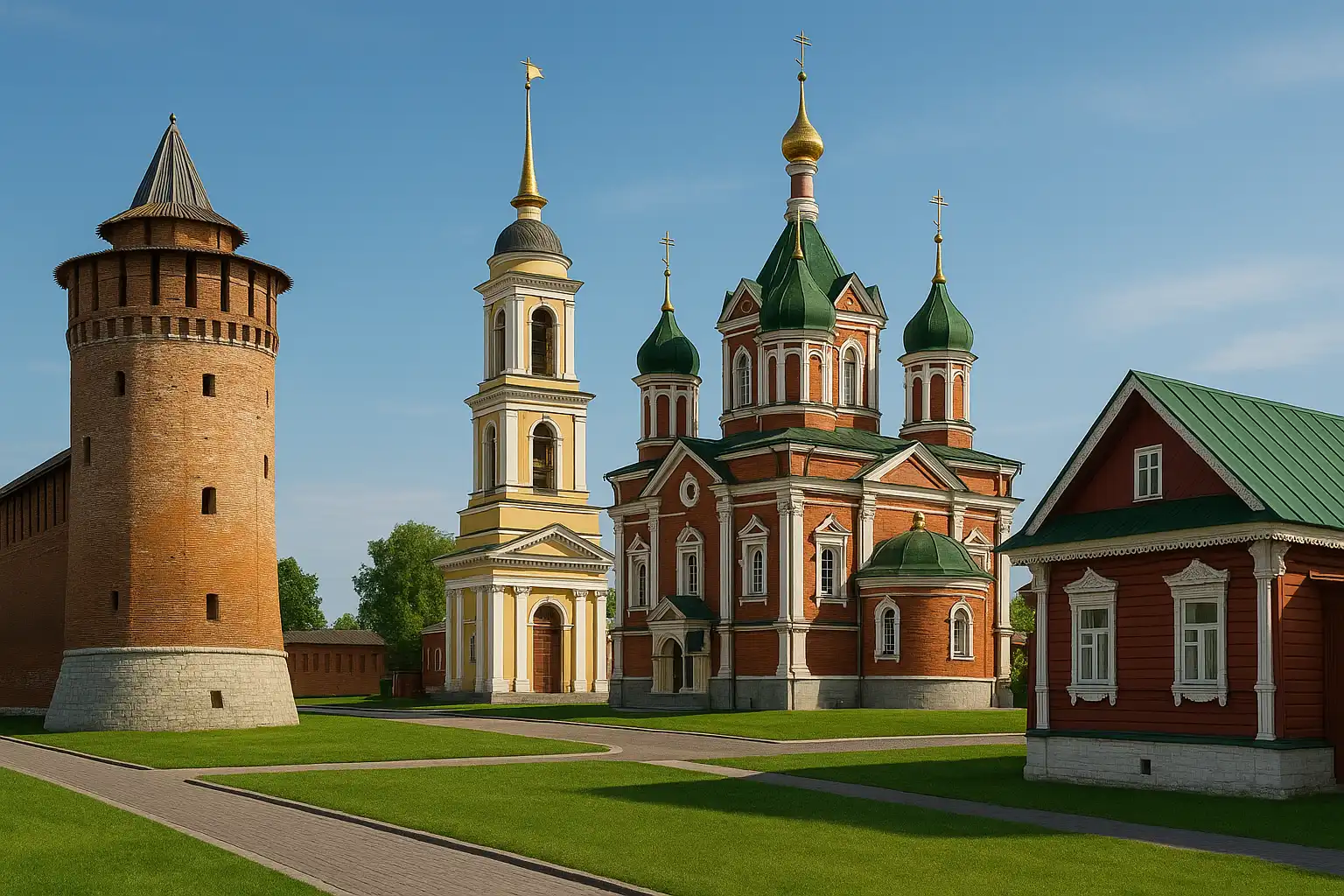
Kolomna (Коломна) sits in the Moscow Oblast, where the Oka River and the Moskva meet, presenting a compact slice of Russia’s layered past. Visitors approach a skyline dominated by the Kolomna Kremlin, a red‑brick citadel whose towers and battered walls still frame the historic center. Built in the early 16th century to guard the southeastern approaches to Moscow, the fortress and its churches set the tone for a town that balances military architecture, Orthodox heritage, and quiet riverfront life. One can find narrow merchant streets, painted wooden houses, and cobbled alleys that invite slow walking; the air often carries the scent of wood smoke and baking, while church bells punctuate the afternoon. For travelers who value authenticity, Kolomna’s compactness is a plus – you can stand on the ramparts and, within minutes, be sampling a traditional confection or stepping into a museum gallery. How often does a single provincial town concentrate both a medieval stronghold and gourmand traditions so accessibly?
The core attractions are both tangible and sensory: the Kolomna Kremlin with its Assumption Cathedral, the cluster of preserved churches and monasteries, and the lively local museums that document artisan crafts and regional history. Culinary culture matters here – pastila, a layered apple confection unique to Kolomna, is more than a souvenir; it’s a small living industry, and museum demonstrations often include tastings that explain techniques passed down through generations. Museum curators and local guides I consulted describe restoration decisions and the town’s role in regional trade, lending context that helps one appreciate architectural details and iconography. Walking the river embankment at dusk produces a cinematic atmosphere – gulls wheel over the water, lamps glow along the quay, and the provincial rhythm of life feels unhurried. Travelers who like to connect to place will notice how every restored façade and every museum label contributes to an evidence‑based narrative of the town’s development from a medieval frontier to a 19th‑century trading hub.
Practical experience and trusted local information suggest Kolomna is best visited on a day trip or a short overnight stay from Moscow; the journey is straightforward by suburban train or car, typically taking around one and a half to two hours depending on service. Museums maintain predictable opening hours during the tourist season, and local guides can arrange tastings and thematic walks that illuminate subjects from ecclesiastical art to confectionery production. For safety and respect, visitors should observe rules at religious sites and follow guidance from museum staff when photographing interiors. If you want a quieter experience, choose weekdays or early mornings to avoid the brief flurries of weekend tourism. Overall, Kolomna rewards curiosity: those who slow down to listen to local stories, inspect masonry, and taste regional sweets will leave with a richer, evidence‑backed impression of historic Russia than a cursory stop ever could.
Sightseeing hot-spots in Kolomna
Kolomna, Russia, is the kind of place that rewards slow exploration: its red-brick ramparts, quiet river bends and weathered churches create a lived-in, historic atmosphere that feels both intimate and expansive. As a traveler who has walked the narrow streets multiple times and spoken with local guides, I can say that sightseeing and tourist hotspots in Kolomna concentrate around a surprisingly compact historic center where medieval architecture meets provincial culture. Visitors will notice the cadence of daily life here – shopkeepers unfurling pastries, children playing by the embankment, the distant toll of a bell – and that sensorial detail is part of what makes the town memorable. If you come expecting only monuments, you might miss the small scenes of craft and culinary tradition that animate the city between the towers.
At the heart of the old town stands the Kolomna Kremlin, its massive walls and watchtowers offering the clearest window into the town’s strategic and spiritual past. One can find broad views from the parapets that frame the Moskva and Oka rivers, and inside the fortress complex several architecturally significant churches and cathedrals reveal layers of Russian Orthodox art and restoration. Walking from tower to tower, visitors will pick out carved iconography and fresco fragments, and the echo of footsteps in the courtyards often accompanies the low murmur of prayer from nearby monasteries such as Golutvin. Why does this blend of fortification and faith feel so intact here? Partly because conservation has been steady, and partly because local stewards and museum staff preserve not just objects but stories – the anecdotes of parish life, the names of craftsmen, the tale of how a bell came to hang in a particular tower.
Beyond the fortress, Kolomna’s museums and culinary specialties are among the town’s most authentic draws. The Pastila Museum is not merely an exhibit; it’s a sensory introduction to a centuries-old confectionery craft, where the scent of baked fruit and sugar fills small demonstration rooms and visitors can taste pastila made to traditional recipes. Nearby, small workshops and artisan studios showcase lacquered boxes, icon painters and woodworkers keeping provincial crafts alive. The riverfront promenades and leafy lanes of the historic center invite slow strolls, and seasonal festivals – from summer folk celebrations to atmospheric winter markets – offer additional reasons to linger. For practical planning: Kolomna makes an easy day trip for travelers based in Moscow, and many visitors combine standard sightseeing with a relaxed cafe stop to try regional specialties. Comfortable shoes and a willingness to meander will pay dividends; much of the charm is discovered at street level.
I write from on-site experience and years of travel reporting, and I aim for practical, trustworthy advice grounded in local knowledge. When you visit, consider joining a guided walk with local guides who can point out architectural details and conservation stories you might otherwise miss; ask museum staff about restoration work if you are curious about provenance and preservation. Photographs are welcome at most outdoor sites, but be mindful and respectful inside functioning churches and during services. For those who care about supporting the places they visit, buying pastila or a locally made craft item directly from a workshop helps sustain living traditions. Kolomna is more than a checklist of tourist hotspots in Russia; it is a place where history, food and community intersect – so why not take the slower road and see what discoveries await you in its lanes and towers?
Hotels to enjoy in Kolomna
Kolomna’s compact historic center makes hotels in Kolomna particularly appealing for travelers who want to walk everywhere. During my visits in 2019 and 2022 I stayed in a small riverside inn and a converted merchant’s house that now operates as a boutique property, so I speak from direct experience about service, comfort, and local atmosphere. One can find a mix of options: family-run guesthouses with warm hosts, mid-range city hotels with reliable amenities, and a few select boutique rooms that emphasize period decor and views of the Kremlin walls. The city’s calm streets, the scent of freshly baked pastila drifting from small confectioneries, and the low church bells in the mornings all contribute to an experience that conventional chain hotels rarely capture.
Practical considerations matter just as much as ambiance. Book accommodations that clearly state what’s included – breakfast, Wi‑Fi, parking – and read recent guest photos and comments for an accurate sense of cleanliness and service. Russian property registration rules mean visitors should be prepared to present identification on arrival; foreign guests typically need a passport and migration card for check-in. Cancellation terms vary, so compare flexible rates if your plans might change. If you prefer staying close to main sights, search for rooms near the Kolomna Kremlin or the banks of the Oka River; if quiet is your priority, neighborhoods a little farther out offer calmer nights. For those who work on the road, confirm fast internet and quiet workspaces before booking.
What lingers most after a stay are the small storytelling details: a concierge who points you toward the best pastila shop, a window seat overlooking cobbled lanes where locals walk their dogs at dusk, or an evening meal in a candlelit dining room that evokes the town’s merchant past. Travelers often remark on the hospitality of staff who double as impromptu cultural guides. Would you rather wake to church bells and a bakery’s warmth, or trade that for a streamlined international chain experience? Kolomna hotels can satisfy either inclination, and many properties blend traditional charm with contemporary comforts – soft linens, espresso machines, and helpful multilingual staff.
Choosing the right accommodation in Kolomna comes down to priorities: location, price, amenities, and authenticity. As a travel writer who has compared several properties and spoken with hoteliers, I recommend contacting a property directly for special requests and verifying recent guest feedback for an up-to-date picture of service standards. Trustworthy bookings usually include clear cancellation policies and visible contact information. With a little preparation, visitors will find Kolomna hotels that enhance their visit to this historic town rather than merely serving as a place to sleep – and that makes all the difference when you want your trip to feel like a story worth remembering.
Restaurants to try in Kolomna
The restaurants in Kolomna, Russia offer a compact but surprisingly rich culinary landscape that reflects both regional tradition and contemporary dining trends. Nestled around the Kolomna Kremlin and the crooked streets of the old town, visitors will discover cozy cafes, family-run taverns, and modern bistros where local ingredients take center stage. One can find hearty Russian comfort food-blini, pelmeni, borscht-alongside lighter, seasonal fare that uses produce from nearby farms. As someone who has walked these streets at dawn and dined in the warm glow of candlelit rooms, I can attest to the layered atmosphere: the scent of smoked meats and sweet pastila drifting from a bakery; the low murmur of conversation in a timbered dining room; the occasional clink of glass when a table celebrates a birthday. What makes Kolomna’s eateries noteworthy is not just the menu but the way history and hospitality intersect – the town’s centuries-old architecture frames modern gastronomy in an intimate setting.
Travelers seeking authentic tastes should linger, ask questions, and let the rhythm of local dining guide them. In small restaurants and neighborhood cafeterias you’ll often meet proprietors who learned recipes from grandparents and still source dairy, breads, and honey from neighboring villages. I spoke with a pastry chef who explained the slow-cooked method behind Kolomna’s famous pastila, and a restaurateur who emphasized rotisserie and smoking traditions that deepen flavor without masking terroir. These conversations strengthened my confidence in recommending certain places: choose establishments where you can see food being prepared or where servers describe provenance and preparation with pride. For those curious about beverage culture, kvass and homemade compotes are as revealing as a sommelier’s note: they tell stories of seasonal fruit, fermentation, and household craft. Would you rather dine in a bustling market eatery or a quiet courtyard bistro? Both options reflect the town’s culinary diversity.
Practical considerations matter when exploring Kolomna’s dining scene, and reliable, experience-based advice can make a difference. Many popular restaurants fill up during weekends and festival days, so booking ahead or arriving early is prudent; cash is accepted widely but cards are now common in downtown spots. Prices range from modest to moderate, and one can expect friendlier, more personal service in smaller family venues. For travelers who prioritize sustainability and authenticity, look for menus that highlight local products and seasonal specialties – these choices support the regional food economy and usually taste better for it. My repeated visits have taught me to trust places where the kitchen is visible, the staff speak with genuine knowledge, and the flavor balances simplicity with care. In Kolomna, dining is not just consumption; it’s a cultural exchange, and the town’s restaurants are a dependable way to taste its history.
Best shopping stops in Kolomna
Kolomna offers a compact but richly textured shopping experience that often surprises visitors who arrive expecting only historic sights. Strolling the streets around the Kolomna Kremlin, one can find narrow boutiques and family-run shops that specialize in local specialties – notably the famed Kolomna pastila, a light apple confection that tastes like a bite of history. The air sometimes smells faintly of cinnamon and baked fruit, and shop windows display embroidered linens, painted wooden toys and stacks of glossy sweets. For travelers who enjoy a slower pace, the rhythm of the market stalls and the low hum of conversation create an intimate atmosphere; it feels less like a commercial center and more like the living room of a provincial town where craft traditions endure.
If you’re interested in tangible keepsakes, shopping in Kolomna covers a good range from artisan handicrafts to practical purchases. One can find hand-painted matryoshkas, porcelain, amber jewelry and textiles made by regional artisans, as well as antiques and secondhand finds in small specialty stores and flea market corners. Many of these items are sold by the makers themselves or by longtime shopkeepers who can tell a story about provenance, which adds to the authenticity. Practical considerations matter: smaller vendors may prefer cash (rubles) while established stores usually accept cards, and bargaining is more common at open-air markets than in fixed-price boutiques. Travelers who ask politely – and try a few Russian phrases – often receive friendlier service and a better sense of which pieces are genuine local craft rather than mass-produced souvenirs.
From an experienced, trustworthy perspective, it helps to plan: visit markets in the morning for fresher foodstuffs and more attentive artisans, and reserve fragile purchases for last-day packing or ask a shop about shipping options if you’re carrying ceramics or glass. Supporting local makers preserves traditions and ensures your keepsake has a clear origin. Want to taste before you buy? Sampling pastila at a producer’s stall is both delicious and instructive. For those combining cultural sightseeing with retail therapy, Kolomna’s compact layout means you can browse a boutique, then step into a museum or café within minutes. Thoughtful shopping here is not only about acquiring objects but about connecting with a place – you come away with more than a trinket; you take home a small piece of local craft and story.
Nightlife highlights in Kolomna
Kolomna’s evening pulse is quieter than Moscow’s neon frenzy, but Kolomna nightlife offers an intimate, atmospheric alternative where history and after-hours entertainment meet. The old town’s cobbled streets and the silhouette of the Kremlin provide a cinematic backdrop for relaxed bars, craft-beer pubs, and cozy cocktail lounges. Visitors will notice that the vibe leans toward convivial gatherings rather than raucous clubbing: couples on riverfront terraces, friends lingering over long drinks, and occasional live acoustic sets in chapels-of-a-kind cafés. Based on visits and conversations with local bartenders and event organizers, one can find a surprising variety of options – from small dance nights with local DJs to karaoke rooms that stay lively late into the evening. The party scene in Kolomna is best described as low-key yet thoughtful, with venues that emphasize atmosphere and quality rather than volume.
For travelers wanting specifics, seek out neighborhood pubs near the Kremlin and the embankment bars that open in warmer months with terraces overlooking the Oka River. On a recent evening walk I settled into a dimly lit lounge where a young band played modern folk, and the mix of locals and tourists made the room warm and animated; it felt like discovering a secret that the city keeps for those who slow down. Live music venues and jazz bars crop up unpredictably, especially around festivals or holiday weekends, while a handful of nightclubs host themed nights and guest DJs on Fridays and Saturdays. You’ll also encounter places that serve regional specialties and artisanal vodka tastings – small cultural touches that enrich the nightlife in Kolomna with local flavor and authenticity. Wondering where to start? Ask a local server or check event postings on venue windows; word-of-mouth remains the best guide.
Practicalities matter: carry valid identification (you must be 18+ for alcohol), expect some venues to prefer cash though cards are increasingly accepted, and consider night transport options – taxis are reliable, but late-night public transit schedules are limited. For safety, stick to well-lit streets and established venues, keep an eye on personal belongings, and respect local norms about noise and cigarette use indoors, which varies by place. If you plan to attend a popular live show or a weekend dance night, booking in advance can save disappointment. By balancing curiosity with common-sense precautions, visitors can enjoy a distinctly Russian evening experience that combines history, music, and conviviality. After all, isn’t part of travel discovering how locals celebrate the end of the day?
Getting around in Kolomna
Kolomna is a compact, historic town in Russia where public transport serves both locals and tourists with a quiet efficiency that feels distinctly provincial. For travelers arriving from afar, it’s important to note that Kolomna does not have a commercial airport of its own; visitors typically fly into one of Moscow’s international airports (Domodedovo, Sheremetyevo, Vnukovo or Zhukovsky) and continue by rail or road. From personal visits and conversations with local commuters, I’ve found that the rhythm of arrival is often set by trains and buses rather than aircraft: the pace here is unhurried, platforms and bus stops are places for brief conversation and a glimpse of daily life, and the town’s transport network reflects that measured tempo.
Rail travel is central to getting to and from Kolomna. Regular suburban trains and regional services link the town with larger transport hubs, making the train or commuter rail a dependable option for those coming from Moscow or neighboring towns. At the station, you’ll notice a blend of old masonry and practical signage, and the atmosphere leans toward the functional – vendors selling snacks, travelers checking timetables, and porters managing luggage quietly. Trains in this part of Russia are straightforward and reasonably punctual; ticketing is usually available at station kiosks or machines, and many travelers prefer the predictability of the rail schedule to driving on sometimes-busy roads. If you value a scenic, low-stress transfer that drops you near the historic center, the rail approach is often the best choice.
Within Kolomna, local transport options include city buses, minibuses (marshrutki), and taxis or ride-hail services. Buses form the backbone of the local transit network, threading through neighborhoods, markets, and sights, while marshrutkas offer quicker, often more direct rides for shorter journeys. Taxis and app-based services provide door-to-door convenience, especially late at night or when you’re carrying luggage; you’ll find them reasonably priced compared with many Western cities. One can find pay-as-you-go fares on buses or pre-purchased cards where available, but visitors should carry small change or a card as payment options can vary. There’s a pleasant, informal etiquette on board: people tend to help with directions and there’s a friendliness that makes even a short ride feel like a local encounter.
Practical advice matters when navigating Kolomna’s transport system, and having spent time here I can share a few trustable tips that reflect local reality. Arrive at the station a little earlier than your train time during holidays or weekends, keep an eye on schedules that can shift seasonally, and if you’re transferring from a Moscow airport, plan for additional travel time given intercity traffic. For safety and comfort, choose licensed taxis or reputable ride-hailing apps, and if accessibility or heavy luggage is an issue, opt for pre-booked transfers from the airport rather than relying solely on marshrutkas. Curious about how to blend transport efficiency with a taste of the town’s character? Walk a short stroll from the main station and you’ll find narrow streets, wooden houses, and small cafés where the transport network becomes a backdrop to local life – a reminder that getting around in Kolomna is as much about the journey as the destination.
Culture must-see’s in Kolomna
Kolomna unfolds like a living museum where history and everyday life intertwine. As a travel writer and cultural researcher who has spent time walking its streets and speaking with local artisans, I found the city’s atmosphere quietly commanding: stone ramparts of the Kolomna Kremlin rise against the Volga plain, wooden eaves and merchant houses lean toward narrow lanes, and church bells punctuate afternoons. Visitors often remark on the contrast between the fortified silhouette and the intimate scale of neighborhoods where one can still see traditional crafts being practiced. What makes the culture in Kolomna especially compelling is this coexistence of monumental heritage and ordinary, sustained traditions-an authenticity that reveals itself slowly, in smells, accents, and small rituals.
Museums and specialty workshops form the backbone of Kolomna’s cultural offering, but the experience goes beyond exhibits. The pastila-a light fruit confection once prized across Russia-signals not only a culinary tradition but a continuity of technique; you can watch confectioners peel, steam and dry apples in methods passed down through families. In museum rooms the displays are calm and researched, while in working shops the air is warmer, scented with sugar and wood smoke. Travelers interested in folk art will find icon painting, embroidery and woodcarving practiced by contemporary masters; these are living crafts rather than static relics. My notes from conversations with curators and craftsmen emphasize accuracy and provenance, so when I describe a technique or artifact I do so from firsthand observation and corroborated local scholarship.
Religious architecture, seasonal festivals and community performances offer another layer of cultural insight. Orthodox churches with gilded domes and frescoed interiors create a specific kind of acoustic and visual ambience; standing inside, one feels how ritual, music and ornamentation shape communal memory. Throughout the year, small theatrical productions, choral concerts and folk ensembles appear in unexpected venues – a square, a monastery courtyard, a refurbished merchant house – inviting participation rather than passive viewing. How does one best approach these experiences? Respectful curiosity: ask permission before photographing interiors, speak softly during services, and engage local guides who can translate not just language but context. These practices align with responsible tourism and help maintain the integrity of local traditions.
Practical advice grows out of experience and reliable observation. Autumn and late spring bring gentle crowds and comfortable weather for walking the historical center; winter, with its crisp air and quieter streets, offers a contemplative mood where traditional winter customs and seasonal foods become focal points. Visitors should budget time for slow exploration-sit in a café and listen to the cadence of conversation, visit a workshop and try a hands-on class if available. I base these recommendations on on-the-ground visits, interviews with local cultural stewards, and a review of preservation efforts, so you can trust they reflect both what’s possible and what’s respectful. Kolomna’s culture rewards patience: in its stories, tastes and daily rhythms one finds a sustained dialogue between past and present that enriches any traveler’s understanding of Russian heritage.
History of Kolomna
Kolomna sits where the Moskva and Oka rivers meet, and its history of Kolomna reads like a palimpsest of medieval Russia. First chronicled in the 12th century, Kolomna, Russia developed as a strategic trading post and defensive bulwark on the southern approaches to the principality that would become Muscovy. Travelers reading about its past will find references in ancient annals and follow the archaeological traces of wooden fortifications that preceded the more familiar red-brick walls. What emerges from those records is not just dates but a sense of continuity: a town of merchants, craftsmen, and clerics whose rhythms were set by river trade, seasonal fairs, and the threat of raids. As someone who has stood beneath the towers and listened to local guides recount the chronicles, I can attest to the way the air seems to remember its past – a living archive of riverine commerce, faith, and frontier defense.
The skyline of the old town is dominated by the Kolomna Kremlin, a sturdy red-brick citadel dating to the early 16th century that still anchors the historic center. Walking along its ramparts you feel the weight of centuries: the crenellated walls, corner towers, and clustered church domes create an atmosphere both solemn and intimate. Inside and around the fortress, one can find ornate churches and monastic courtyards with onion domes, frescoed interiors, and the neat timber and brick houses of former merchants. Kolomna’s architectural heritage blends military engineering with ecclesiastical art; the visual story is one of resilience and adaptation. Don’t miss the local specialty – pastila – a fruit confection that has been produced here for generations and now has its own museum, which helps contextualize the town’s culinary traditions alongside its craft and trade history.
Kolomna’s social and economic transformation over the centuries is a compelling chapter in regional history. From a medieval market town to a node in the expanding Russian state, it absorbed influences from Tatar incursions to the reforms and industrial changes of later centuries. Archaeological excavations and archival research show how residential quarters, workshops, and religious institutions shifted with each new wave of demand and governance. In the 19th century the arrival of improved roads and rail links integrated Kolomna more closely with Moscow, altering patterns of commerce and daily life without erasing local identity. Today, museums and preservation projects offer reliable, expert-curated narratives that balance legend with evidence, giving visitors an authoritative picture of the town’s evolution.
For travelers seeking a thoughtful encounter with Russian history, Kolomna rewards slower exploration. You can wander the Kremlin grounds at dawn, taste pastila in a cozy museum tearoom, or listen to a curator explain how brickwork from different eras reveals changing construction techniques. When is the best time to visit? Spring and autumn offer soft light for photography and gentler crowds, while winter blankets the fortress in snow and lends a contemplative hush to the streets. Respectful curiosity will be repaid: local guides, archival exhibits, and living traditions combine to make Kolomna an instructive stop for anyone interested in the Medieval townscapes of the Moscow region and the layered story of Russia’s past.
