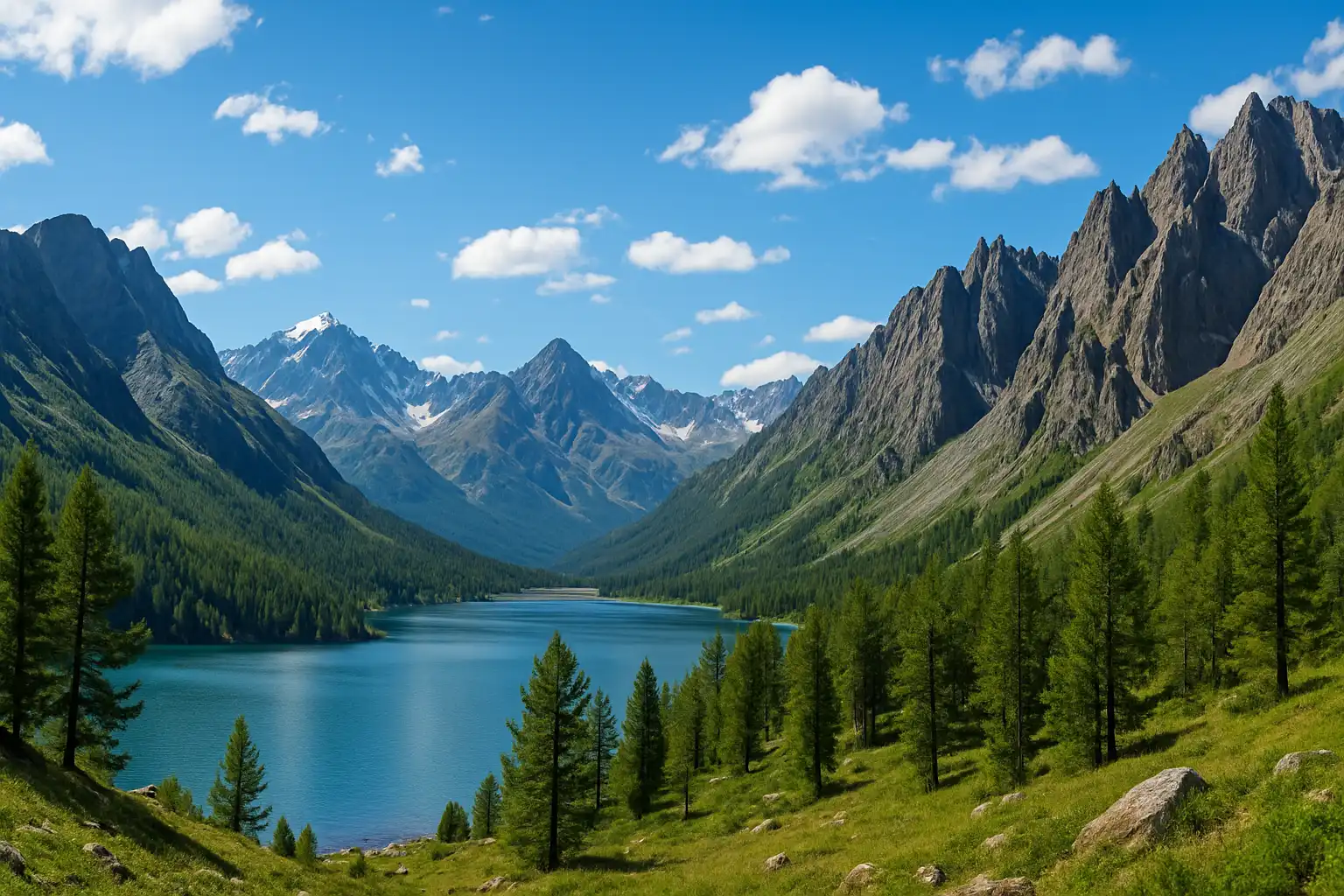
Important things to know about Sayan Mountains
The Sayan Mountains, straddling the border between Russia and Mongolia, represent one of the most striking natural regions of Siberia. Divided into the Western Sayan and Eastern Sayan ranges, they cover thousands of kilometers of rugged terrain, from snow-covered alpine ridges to deep valleys filled with dense taiga forests. Travelers are drawn to this remote region for its breathtaking scenery, cultural diversity, and sense of untouched wilderness. Unlike Russia’s more accessible destinations, the Sayans remain relatively undiscovered, making them ideal for those who want to experience authentic Siberia away from mass tourism.
Beyond their natural splendor, the Sayan Mountains are deeply tied to the traditions of indigenous peoples such as the Tuvans, Khakas, and Buryats. Ancient shamanic practices, nomadic herding lifestyles, and Buddhist influences coexist here, offering cultural depth alongside outdoor adventure. Whether hiking through the sharp granite peaks of the Ergaki range, relaxing in the mineral springs of Arshan, or witnessing throat singing in Tuva, visitors will find experiences that combine nature and heritage in powerful ways.
This travel guide explores the Sayan Mountains in detail—covering history, attractions, outdoor activities, food, shopping, day trips, and practical tips—helping travelers plan an enriching journey through one of Russia’s most awe-inspiring mountain regions.
A Brief History of the Sayan Mountains
The Sayan Mountains, split into the Western and Eastern ranges, have a history that intertwines geological forces, indigenous cultures, and the broader story of Siberia. Their rugged peaks and deep valleys have shaped human settlement, trade, and cultural traditions for thousands of years.
Archaeological evidence shows that the Sayans were inhabited since the Stone Age. Early communities relied on hunting, fishing, and foraging, gradually developing into nomadic herding societies. Rock engravings, burial mounds, and stone steles found in Khakassia and Tuva testify to a long continuum of human presence. Many of these ancient artifacts depict animals, solar symbols, and shamanic rituals, underscoring the spiritual link between people and the natural world.
For indigenous groups such as the Evenks, Tuvans, Khakas, and Buryats, the mountains were more than just a place of survival—they were sacred landscapes. Shamanism flourished here, rooted in the belief that every river, tree, and peak held a spirit. Rituals to honor mountain gods or appease forest spirits continue in some communities today, reflecting continuity with ancient traditions.
By the Middle Ages, the Sayans were part of broader trade networks that connected Siberia to Mongolia and Central Asia. Nomadic tribes moved through mountain passes, trading livestock, salt, furs, and iron. The Mongol Empire also extended its influence into the region, leaving a lasting cultural imprint.
The arrival of Russian explorers and Cossacks in the 17th century marked the beginning of the Sayans’ integration into the Russian state. Fortified settlements grew around strategic valleys, and Russian peasants began farming in the lower foothills. Over time, the Tsardom and later the Russian Empire imposed administrative control, though the high mountain areas remained primarily in the hands of native populations.
The Soviet period profoundly transformed the Sayan region. Industrialization projects harnessed its rivers and forests, most famously with the construction of the Sayano-Shushenskaya Dam on the Yenisei River. Mining towns, collective farms, and logging operations spread through valleys once dominated by nomadic camps. At the same time, indigenous cultures were pressured by assimilation policies, though many customs persisted quietly. Lenin’s exile in the Shushenskoye village near the Western Sayan also gave the mountains a symbolic place in Soviet revolutionary history.
In the decades following the Soviet Union’s collapse, the Sayans experienced a cultural revival. Indigenous languages, crafts, and rituals gained renewed recognition, and eco-tourism emerged as an alternative to heavy industry. Today, the Sayan Mountains stand as both a natural stronghold and a cultural crossroads, where ancient traditions coexist with modern life. Their history reflects resilience, adaptation, and the enduring significance of the highlands in the Siberian imagination.
Key Landmarks and Attractions
The Sayan Mountains cover a vast and varied landscape, stretching from the Yenisei River in the west to Lake Baikal in the east. Within this expanse are natural wonders, cultural monuments, and historical sites that highlight the diversity of the region. Travelers exploring the Western and Eastern Sayans will find landmarks that combine raw beauty, human achievement, and deep tradition. Here are some of the most remarkable attractions to discover.
Sayano-Shushenskaya Dam
The Sayano-Shushenskaya Dam is not only the largest hydroelectric power station in Russia but also one of the most striking human-made landmarks in Siberia. Located on the Yenisei River near the town of Sayanogorsk in the Republic of Khakassia, it dominates the landscape where the river cuts through the Western Sayan Mountains. Its massive concrete arch, standing 245 meters high and stretching over a kilometer across, is a reminder of the Soviet Union’s ambitious industrial projects of the 20th century.
Construction began in 1963 and continued for nearly two decades, with the first turbines becoming operational in the late 1970s. The dam was designed to harness the immense power of the Yenisei, one of the world’s largest rivers, to supply electricity to Siberia’s rapidly expanding industries. The reservoir it created, known as the Sayano-Shushenskoye Reservoir, flooded vast areas of the Yenisei valley, creating a dramatic artificial lake surrounded by cliffs and forested slopes.
The dam also played a crucial role in Soviet regional planning, supporting aluminum smelters, mining operations, and other heavy industries in Siberia. However, it is also a site marked by tragedy. In 2009, a catastrophic accident occurred when one of the turbines failed, causing flooding in the engine room and leading to the loss of 75 lives. Since then, extensive repairs and modernization projects have reinforced the dam, making it once again a symbol of endurance and resilience.
For travelers, the Sayano-Shushenskaya Dam is more than an industrial landmark—it is a place of awe. The sheer scale of the construction, set against the dramatic backdrop of the Western Sayan cliffs, creates a powerful contrast between human engineering and natural force. The visitor center offers exhibitions about the dam’s history, engineering achievements, and energy production, providing context to the experience.
Why visit: To witness one of the world’s largest hydroelectric dams and understand its importance to Siberia’s economy and identity.
Atmosphere: Immense, imposing, and humbling, with the constant roar of water reminding visitors of the power being harnessed.
Insider tip: Take a boat trip on the Yenisei for the most breathtaking views of the dam and its reservoir—especially at sunrise or sunset, when the surrounding mountains glow with color.
Ergaki Nature Park (Western Sayan)
Ergaki Nature Park, often called the “Siberian Alps,” is one of the crown jewels of the Western Sayan Mountains and a true paradise for nature lovers. Covering more than 340,000 hectares of protected land in Krasnoyarsk Krai, it offers some of the most dramatic mountain scenery in Russia. Towering granite peaks rise like sharp spires from vast alpine meadows, while glacial lakes shimmer in shades of deep blue and turquoise. For many, Ergaki embodies the untouched wilderness of Siberia, yet it is accessible enough to attract hikers, climbers, and outdoor enthusiasts from across the country.
The park is rich in legends and cultural meaning. Local tales describe the mountains as a land of mysterious spirits, where rock formations take on mythical shapes. The most famous is the Bird’s Beak Peak, a jagged ridge said to resemble the beak of a great eagle. Another legendary site is the Hanging Rock, a massive boulder that appears to be delicately balanced on the edge of a cliff. These natural monuments have long inspired stories among indigenous peoples, blending mythology with the awe the landscape inspires.
For modern travelers, Ergaki offers a wide variety of experiences. Hiking trails range from easy walks through wildflower meadows to demanding multi-day treks across high passes. Popular routes include the trail to Lake Raduzhnoye (Rainbow Lake), known for its striking clarity, and circuits that lead past waterfalls, mountain tarns, and panoramic viewpoints. Wildlife is abundant, with chances to spot marmots, deer, and occasionally bears. Birdwatchers are particularly drawn to the area’s high-altitude avian species.
Camping is a beloved activity in Ergaki, with designated zones that allow travelers to spend the night surrounded by silence and starlight. For those seeking comfort, eco-lodges and tourist bases on the park’s edges provide cabins, meals, and guided excursions. Winter transforms Ergaki into a snowbound wonderland, drawing freeriders, cross-country skiers, and snowshoe hikers. The combination of deep powder, forested slopes, and rugged peaks makes it a unique destination for off-piste adventures.
Why visit: To immerse yourself in one of Russia’s most beautiful natural reserves, with landscapes that rival the Alps yet remain wild and unspoiled.
Atmosphere: Majestic, mystical, and invigorating—a place where silence is broken only by wind in the trees or the sound of rushing streams.
Insider tip: The best time for trekking is mid-July to late August, when trails are free of snow and wildflowers are in bloom. For a truly memorable experience, join a guided trek with local mountaineers who can share both the safest routes and the folklore tied to the peaks.
Shushenskoye Museum Village
Shushenskoye Museum Village is one of the most atmospheric cultural landmarks in the Western Sayan region. Located near the Yenisei River in southern Krasnoyarsk Krai, this open-air museum preserves the wooden architecture, traditions, and daily life of a 19th-century Siberian settlement. Walking through its streets feels like stepping back in time: log houses with carved window frames, barns and workshops, and wide dirt lanes recreate the atmosphere of rural Siberia as it was more than a century ago.
The village holds a special place in Russian history because it was here, between 1897 and 1900, that Vladimir Lenin lived in exile. Assigned to live in Siberia under police supervision, Lenin spent three years in Shushenskoye, working on revolutionary writings, hunting in the forests, and even starting a family life with his wife Nadezhda Krupskaya. His modest wooden house has been carefully preserved and now forms part of the museum’s central exhibits. For many visitors, this connection with Russia’s revolutionary past makes Shushenskoye both a cultural and historical landmark.
Beyond its association with Lenin, the museum captures the rhythms of rural life in pre-revolutionary Siberia. Visitors can enter traditional houses furnished with authentic tools, clothing, and household items. Blacksmith shops, spinning rooms, and peasant kitchens reveal the self-sufficient lifestyle of families who relied on farming, handicrafts, and seasonal work to survive. The museum’s layout reflects the organization of a real Siberian village, with residential homes, barns, gardens, and communal spaces.
Shushenskoye is also known for its vibrant festivals. The Sayan Ring International Ethnic Music Festival, held each summer, transforms the quiet village into a stage for world music, folk traditions, and cultural exchange. Performers from Russia, Central Asia, and beyond gather here, while local artisans sell crafts and foods. This event highlights Shushenskoye’s role as both a historical site and a living cultural hub.
Why visit: To explore a unique combination of open-air museum, revolutionary history, and traditional Siberian culture.
Atmosphere: Quiet and authentic, with a sense of stepping into another era, yet enlivened by seasonal festivals and local traditions.
Insider tip: Plan your visit in July during the Sayan Ring Festival to experience not only the preserved wooden houses but also the music, food, and crafts that bring the village to life. If traveling at other times, take a guided tour for deeper insights into the daily life of Siberian peasants and the revolutionary figures who once lived among them.
Arshan and the Eastern Sayan Mineral Springs
Arshan, a small spa settlement nestled in the foothills of the Eastern Sayan Mountains in the Republic of Buryatia, is one of the region’s most enchanting destinations. Surrounded by pine forests, mountain streams, and snow-dusted peaks, Arshan has long been known for its mineral springs, which attract visitors seeking both relaxation and healing. The name “Arshan” itself comes from the Buryat word for “healing water,” reflecting the spiritual and physical importance of the springs to local people.
The mineral springs in Arshan are varied, with both cold and carbonated waters flowing naturally from underground sources. Locals and travelers alike drink the water directly from fountains scattered throughout the settlement, each spring believed to offer different health benefits. Some are said to aid digestion, others to strengthen the cardiovascular system, and many to provide general revitalization. Small sanatoriums and guesthouses offer spa treatments, mineral baths, and wellness programs, continuing the tradition of therapeutic tourism that has existed here since the early 20th century.
Beyond its healing waters, Arshan is also a gateway to the dramatic landscapes of the Eastern Sayan. Just outside the settlement lies the Kyngarga River Gorge, a scenic valley with waterfalls, cliffs, and hiking trails. The most popular excursion leads to the Kyngarga Waterfall, where glacial waters tumble down rock faces into a misty pool. More ambitious treks can take travelers into the Tunka Valley, a broad expanse between the Sayan Mountains and Lake Baikal, often compared to the Swiss Alps for its beauty.
Arshan’s cultural atmosphere is equally captivating. The village has a strong Buddhist presence, reflecting Buryatia’s deep spiritual ties to Tibetan Buddhism. The Bodhidharma Datsan, a small but striking Buddhist monastery, sits just outside the village. Monks conduct daily rituals, and visitors are welcome to walk the grounds, spin prayer wheels, and take in the serene atmosphere. This blending of natural healing springs and spiritual tradition gives Arshan a unique identity within the Eastern Sayan region.
In the warmer months, Arshan becomes a lively mountain retreat, attracting hikers, families, and wellness seekers. In winter, the pace slows, but the snow-covered forests and frozen streams create a magical setting for those who enjoy solitude and crisp mountain air. Year-round, the settlement maintains a welcoming, small-town feel, with local cafés serving hearty Buryat dishes such as buuzy (steamed dumplings) and refreshing herbal teas.
Why visit: To combine the healing power of mineral springs with hiking, cultural discovery, and the serenity of mountain landscapes.
Atmosphere: Peaceful and rejuvenating, with a blend of natural wellness, spiritual calm, and rustic Siberian hospitality.
Insider tip: Bring an empty bottle to fill with mineral water directly from the springs—it’s free and part of the local experience. For hikers, start early in the morning to reach Kyngarga Waterfall before the paths grow busy with day-trippers.
Tuva’s Center of Asia Monument in Kyzyl
Kyzyl, the capital of the Tuva Republic, lies at the heart of southern Siberia where the Yenisei River begins its long journey northward. For many travelers, this remote city is synonymous with the Center of Asia Monument, a symbolic landmark that declares Kyzyl as the geographical midpoint of the Asian continent. Built in 1968 and redesigned in the early 2000s, the monument stands on the riverbank and has become one of Tuva’s most photographed sites. Its design incorporates Central Asian motifs, with a tall stela surrounded by sculptures representing the many peoples of Asia, symbolizing unity and cultural diversity.
The monument is not just a marker on a map—it represents Tuva’s place at the crossroads of civilizations. Historically, this region has been a melting pot of influences, from Turkic and Mongolic tribes to Russian settlers and Buddhist missionaries. Standing at the Center of Asia, visitors sense both the vastness of the continent and the deep cultural layers that converge in this corner of Siberia.
Kyzyl itself enhances the experience of visiting the monument. The city is home to vibrant Tuvan culture, expressed through music, crafts, and spiritual traditions. The most famous of these is throat singing (Khoomei), an art form where singers produce multiple tones simultaneously, creating haunting harmonics that seem to echo the steppe and mountains. Concerts and workshops are often available, allowing travelers to experience this UNESCO-recognized tradition firsthand.
Nearby, the National Museum of Tuva provides context to the monument by displaying archaeological finds from Scythian burial mounds, shamanic artifacts, and ethnographic collections. The exhibits trace the cultural journey of the Tuvan people, offering insight into how nomadic traditions, Buddhism, and shamanism coexist in the region.
For those seeking a deeper cultural connection, Kyzyl offers opportunities to attend shamanic rituals, which remain an integral part of Tuvan identity. Shamans use drums, chants, and fire rituals to communicate with the spirit world, ceremonies that are still performed for healing and guidance. Visitors may also see Buddhist temples and stupas around the city, underscoring the unique spiritual blend of Tuva.
The Yenisei River, flowing just beside the monument, completes the setting. Watching the water move steadily northward, framed by mountains in the distance, reinforces the feeling of being at the symbolic heart of a continent.
Why visit: To stand at the geographical center of Asia and experience Tuva’s living cultural traditions.
Atmosphere: Remote, symbolic, and deeply spiritual—where geography, culture, and tradition converge.
Insider tip: Time your visit to coincide with a local cultural festival, such as Naadym in August, when wrestling, horse racing, and throat singing competitions animate Kyzyl and make the Center of Asia Monument a lively gathering place.
Minusinsk Museum of Local Lore
The Minusinsk Museum of Local Lore, located in the small town of Minusinsk in Krasnoyarsk Krai, is one of the most respected and oldest regional museums in Siberia. Founded in 1877 by local ethnographer Nikolai Martyanov, it began as a modest collection of artifacts but has grown into a treasure trove that showcases the history, culture, and natural heritage of the Sayan Mountains and surrounding steppe lands. Today, the museum holds over 300,000 items and is regarded as a key center for the study of Siberia’s ancient and modern past.
The highlight of the collection is its archaeological exhibits, which include rare artifacts from the Bronze Age, Scythian burial mounds, and Turkic stone steles. These finds reveal how nomadic tribes shaped the region for millennia, leaving behind weapons, tools, ornaments, and intricate carvings. Visitors can also admire petroglyphs and runic inscriptions, some dating back thousands of years, which offer glimpses into the beliefs and daily lives of Siberia’s earliest inhabitants.
Equally fascinating are the ethnographic displays. These halls are dedicated to the Khakas, Tuvan, and Russian communities that have lived in the Minusinsk Basin for centuries. Traditional costumes, household items, musical instruments, and ritual objects are presented in carefully reconstructed interiors, giving a vivid picture of everyday life in both nomadic yurts and peasant log houses. The museum also pays close attention to shamanic practices, displaying ritual drums, costumes, and amulets that connect visitors to the spiritual traditions of the region.
The natural history section is another highlight, with exhibits showcasing the biodiversity of the Sayan Mountains. Taxidermy displays of Siberian fauna, from elk and bears to smaller steppe animals, help illustrate the ecosystems that travelers may encounter in the wild. Geological collections include samples of minerals and rocks from the mountain ranges, underlining the Sayans’ importance as a source of natural resources.
Beyond its permanent exhibits, the Minusinsk Museum plays an active role in the cultural life of the region. It organizes lectures, festivals, and temporary exhibitions that connect local residents with their heritage. For researchers, it remains an invaluable center for the study of archaeology and ethnography, attracting specialists from across Russia and abroad.
Why visit: To explore one of Siberia’s richest museum collections and understand the deep history and cultural mosaic of the Sayan region.
Atmosphere: Educational and immersive, blending scholarly rigor with the charm of a provincial museum.
Insider tip: Pay special attention to the Scythian gold artifacts, which highlight the artistry of the ancient nomads. If you have time, take a guided tour—local curators often add personal insights and stories that bring the exhibits to life.
Krasnoyarsk Stolby Nature Reserve
Krasnoyarsk Stolby Nature Reserve, known simply as Stolby (“pillars”), is one of the most famous natural attractions connected to the northern fringes of the Sayan Mountains. Located just outside the city of Krasnoyarsk, this reserve has been a cherished retreat for locals since the 19th century, when residents began hiking into the forested hills to enjoy the unusual granite rock formations that rise dramatically from the taiga. Today, Stolby is a UNESCO biosphere reserve and one of the most accessible ways for travelers to experience Siberia’s wilderness without venturing too far into remote terrain.
The defining feature of Stolby is its towering granite pillars, some reaching up to 100 meters in height. These natural formations, shaped by millions of years of erosion, stand like sentinels above the forest. Many have distinctive shapes that inspired nicknames such as “Grandfather,” “Feathers,” and “Lion’s Gate.” Each formation carries a story, and for generations, locals have climbed them—sometimes without equipment—as a form of recreation and tradition. This unique practice, known as “stolbism”, is part sport, part philosophy, and deeply ingrained in the identity of Krasnoyarsk residents.
For visitors, Stolby offers more than just spectacular rocks. The reserve spans nearly 50,000 hectares of mixed forest, home to diverse wildlife including Siberian roe deer, sable, and a variety of bird species. Well-marked hiking trails lead through the taiga to the main rock groups, with routes suitable for casual walkers as well as experienced trekkers. In summer, the forest floor is dotted with wildflowers and mushrooms, while autumn transforms the landscape into a blaze of red and gold. Winter, though cold, creates a magical scene of snow-draped pines and frosted cliffs, perfect for snowshoeing and photography.
The atmosphere of Stolby is both lively and tranquil. On weekends, the reserve is filled with local families, students, and climbers enjoying the outdoors. Despite the crowds, the sheer size of the park means it is always possible to find a quiet spot to sit among the rocks, listen to the wind, and take in the sweeping views of Krasnoyarsk and the Yenisei River valley.
In addition to natural beauty, Stolby has a strong cultural role. For many in Krasnoyarsk, visiting the reserve is a tradition passed down through generations. It has inspired local art, literature, and music, making it not just a natural site but a cultural symbol of Siberian resilience and love for the outdoors.
Why visit: To see one of Russia’s most iconic natural reserves, where unique granite formations rise from the taiga and hiking blends with local tradition.
Atmosphere: Energetic yet peaceful, with the lively spirit of weekend hikers alongside the timeless stillness of the forest.
Insider tip: Go early in the morning or on weekdays to enjoy the reserve with fewer crowds. If you’re adventurous, try a guided climbing session to experience the local tradition of “stolbism” safely and authentically.
Lake Khövsgöl Connection (Mongolia, near Eastern Sayan)
Although located just across the Russian border in northern Mongolia, Lake Khövsgöl is often considered a natural extension of the Eastern Sayan experience. Known as the “Blue Pearl of Mongolia,” this vast alpine lake stretches over 130 kilometers in length and plunges to depths of more than 260 meters, making it one of the largest and deepest freshwater lakes in Asia. Its waters are so pure that they are often compared to those of nearby Lake Baikal, and the surrounding landscape of forested mountains, grassy meadows, and nomadic encampments makes it one of the most picturesque spots in the region.
For travelers exploring the Eastern Sayan, Lake Khövsgöl represents both a geographical and cultural bridge. Many visitors arriving in Buryatia or Irkutsk extend their journey southward, crossing into Mongolia to experience the pristine wilderness and nomadic heritage that the lake embodies. The route through the Tunka Valley and into Mongolia is particularly scenic, with mountain passes offering sweeping views before descending into the Khövsgöl basin.
The lake has long been central to Mongolian life. For centuries, it was a key area for reindeer herders and nomadic tribes, who relied on its rich pastures and clean waters. Today, traditional lifestyles still thrive along its shores. Visitors often encounter yurts (known locally as gers) where families tend livestock, brew salty milk tea, and welcome guests with characteristic Mongolian hospitality.
Outdoor activities abound around Khövsgöl. In summer, the lake is ideal for kayaking, fishing, and hiking. Horseback riding, often led by local herders, remains the most authentic way to explore the meadows and ridges that frame the shoreline. Treks lead to remote viewpoints where the vast blue waters stretch to the horizon, framed by the Eastern Sayan peaks in the distance. In winter, the frozen lake becomes a surreal landscape of ice and snow, hosting festivals where horse racing, wrestling, and ice skating merge into a celebration of nomadic culture.
Culturally, Khövsgöl is a place of spiritual importance. Many Mongols regard the lake as sacred, and rituals honoring the spirits of water and land are still practiced. For travelers, participating respectfully in these traditions provides a window into a worldview where nature is inseparable from spirituality.
Why visit: To experience one of Asia’s most beautiful lakes while connecting the landscapes of the Eastern Sayan with Mongolia’s nomadic culture.
Atmosphere: Vast, serene, and spiritual—an environment where natural beauty and human tradition exist in harmony.
Insider tip: Plan for a multi-day stay in a lakeside ger camp. The experience of waking up to the sight of the lake at sunrise, with horses grazing in the meadows and mountains reflected in the still water, is unforgettable.
Petroglyphs of Khakassia
The foothills of the Western Sayan Mountains in the Republic of Khakassia are among the richest regions in Siberia for ancient rock art. The petroglyphs of Khakassia, carved into cliffs and boulders thousands of years ago, represent one of the most vivid windows into the spiritual life and daily activities of early nomadic peoples who roamed these lands. For travelers interested in archaeology, anthropology, or simply the timeless connection between humans and nature, these rock carvings are a fascinating landmark of the Sayan region.
Most of the petroglyphs date from the Neolithic, Bronze, and Early Iron Ages, spanning a period of over 4,000 years. They depict animals such as deer, elk, horses, and ibex, often shown in motion or in hunting scenes. Solar symbols, geometric patterns, and stylized human figures also appear, many of which are thought to have had ritual or shamanic significance. These carvings were not merely decoration; they were believed to be a means of communicating with spirits, ensuring successful hunts, and maintaining harmony with nature.
The most famous concentration of petroglyphs can be found in areas such as the Oglakhty Range, Boyarskaya Cave, and the valleys of the Yenisei and White Iyus rivers. Some sites also feature large stone steles and burial mounds, connecting the art to funerary and ceremonial practices. Archaeologists believe that the positioning of many carvings was deliberate, facing the sun or aligned with seasonal changes, which suggests a sophisticated understanding of astronomy among these early cultures.
Visiting these petroglyphs today offers a sense of stepping into prehistory. Many are located in remote valleys or along hiking paths, surrounded by the sweeping landscapes of the Western Sayan foothills. The carvings have survived millennia of weathering, yet they remain strikingly clear in certain places, allowing travelers to trace the outlines of an animal or symbol carved by hands long vanished.
The cultural continuity is also striking. Indigenous Khakas traditions still echo the beliefs embedded in these carvings. Shamanic practices, respect for nature, and seasonal rituals share roots with the symbolic language inscribed on the rocks. For locals, these sites are not just archaeological remains—they are part of a living cultural landscape that ties past to present.
Why visit: To witness some of Siberia’s oldest and most significant rock art, which connects the natural beauty of the Sayans with human history stretching back thousands of years.
Atmosphere: Remote, contemplative, and timeless—standing before the carvings evokes a sense of dialogue with the ancient past.
Insider tip: Travel with a local guide or archaeologist. Many of the petroglyphs are hidden in valleys or require careful interpretation to appreciate fully. Visiting with someone knowledgeable brings the carvings to life, transforming them from abstract patterns into meaningful symbols of human history.
Ust-Abakan and Local Villages
Ust-Abakan, a modest town in the Republic of Khakassia, sits in the fertile Minusinsk Basin at the foot of the Western Sayan Mountains. While not as famous as natural reserves or monumental landmarks, Ust-Abakan and the surrounding villages provide an authentic glimpse into everyday Siberian life. For travelers who want to experience the human side of the Sayans—beyond museums and national parks—this region offers a chance to connect with local traditions, hospitality, and culture in a slower, more intimate way.
The town itself developed in the 20th century as a local hub for agriculture, mining, and transport. Its streets are lined with Soviet-era apartment blocks, small shops, and schools, giving it a distinctly provincial atmosphere. Yet just outside the center, wooden houses with brightly painted shutters and vegetable gardens evoke the Siberian rural tradition. Life here moves at a quieter pace, shaped by the rhythms of farming, seasonal markets, and family gatherings.
The surrounding villages are where the cultural richness of Khakassia comes to life. Many settlements preserve elements of traditional Khakas culture, from wooden yurts and carved household items to folk festivals and music. It is not unusual for visitors to be welcomed into a family home, where they might be offered homemade bread, honey, or herbal tea gathered from the taiga. This kind of hospitality reflects the deep-rooted customs of the region, where sharing food and warmth with strangers has always been vital in a harsh climate.
Ust-Abakan also serves as a gateway to local markets, where farmers sell fresh produce, dairy, honey, and cured meats. These markets are excellent places to find regional specialties that rarely make it to larger cities—wild berries, taiga herbs, and smoked fish from local rivers. For souvenirs, travelers can often find handmade felt goods, woven baskets, or wooden carvings that carry patterns rooted in Khakas symbolism.
While Ust-Abakan lacks the grandeur of Ergaki or the historical depth of Minusinsk, its charm lies in authenticity. Visiting the town and nearby villages helps travelers understand how people live in the Sayan foothills today—balancing old traditions with modern realities. It is also an opportunity to see how the landscapes of the Sayans influence daily life, from farming practices to seasonal celebrations.
Why visit: To experience the rhythm of rural life in Khakassia and connect with the everyday culture of the Sayan foothills.
Atmosphere: Simple, welcoming, and down-to-earth, with a strong sense of community and connection to the land.
Insider tip: Stay overnight in a village guesthouse or with a local family. The chance to share homemade meals, hear folk songs, and join in seasonal activities—whether berry-picking in summer or ice fishing in winter—offers a rare, personal perspective on Siberian life.
Nature and Outdoor Activities
The Sayan Mountains, divided into the Western and Eastern ranges, are among the most spectacular wilderness regions in Russia. Their landscapes range from snow-covered alpine ridges and glacial valleys to dense taiga forests and wide steppe basins, offering an extraordinary variety of outdoor experiences. For travelers seeking adventure, tranquility, or immersion in unspoiled nature, the Sayans provide endless opportunities year-round. From trekking across granite peaks to rafting down roaring rivers, and from berry picking in summer to skiing in deep winter snow, this region is a natural playground where the rhythm of the seasons shapes both activities and atmosphere.
Hiking and Trekking
Hiking is one of the most popular ways to experience the Sayans. The Ergaki Nature Park in the Western Sayan has become a premier trekking destination, often referred to as the “Siberian Alps.” Trails lead to crystalline lakes such as Lake Raduzhnoye, granite spires like Bird’s Beak, and panoramic viewpoints overlooking vast valleys. Treks vary from short day hikes suitable for beginners to multi-day expeditions that require camping gear and careful planning.
In the Eastern Sayan, the Arshan area and the Tunka Valley provide excellent hiking routes, combining mineral springs, waterfalls, and Buddhist sites with dramatic mountain backdrops. Trails through the Kyngarga Gorge or up to alpine plateaus allow travelers to experience both cultural and natural highlights in one journey.
Mountaineering and Climbing
For more adventurous travelers, the jagged granite cliffs of Ergaki and the Stolby Reserve near Krasnoyarsk attract climbers from across Russia. “Stolbism,” the local tradition of free climbing without equipment, is a cultural phenomenon, though visitors are advised to use proper gear and guides for safety. The Eastern Sayan also offers technical climbs on lesser-known peaks, where solitude and pristine conditions reward experienced mountaineers.
Rafting and Kayaking
The Sayans are blessed with powerful rivers fed by mountain glaciers and springs. The Yenisei, one of the world’s greatest rivers, flows through the Western Sayan, and its tributaries create excellent rafting and kayaking opportunities. The Oka, Maly Abakan, and Bely Iyus rivers offer rapids that range from gentle family routes to thrilling white-water challenges. Multi-day rafting expeditions combine adrenaline with moments of serenity as boats drift through gorges, past forested cliffs, and into open valleys.
Skiing and Winter Sports
Winter transforms the Sayans into a snowbound wonderland. Ski resorts such as Gladenkaya near Minusinsk and smaller bases near Abakan and Irkutsk provide slopes for alpine skiing and snowboarding. Cross-country skiing is also a beloved activity, with trails winding through snow-covered forests. Freeride enthusiasts often head into backcountry zones in Ergaki and the Eastern Sayan, where deep powder and untouched slopes create world-class conditions. Snowshoeing and dog-sledding tours add to the variety of winter experiences.
Fishing and Hunting
The rivers and lakes of the Sayans teem with fish, making the region a paradise for anglers. Species such as grayling, taimen, and perch are common, and fishing trips often combine camping and hiking in remote areas. Hunting, while strictly regulated, remains a cultural tradition, with local guides offering insight into practices that have sustained communities for centuries. Even for those not interested in hunting, learning about this heritage provides valuable context to the relationship between humans and the wilderness.
Wildlife Watching
The Sayans are home to rich biodiversity. In the taiga, visitors may encounter elk, roe deer, foxes, and sable. Higher up, marmots, snow grouse, and rare raptors inhabit alpine meadows and cliffs. Bears are present in the forests, though encounters are rare with proper precautions. Birdwatchers find the region rewarding, especially during migration seasons when diverse species pass through the valleys and wetlands.
Seasonal Activities
Each season in the Sayans brings its own charm and traditions.
- Summer: Berry picking (blueberries, lingonberries, and cloudberries) and mushroom foraging are popular local pastimes. Travelers can join locals in gathering the forest’s bounty, often turning it into jams, pies, or herbal teas.
- Autumn: The forests blaze with color, and hiking becomes especially picturesque. Hunting and fishing reach their peak.
- Winter: Skiing, snowmobiling, and dog sledding dominate, with cozy evenings in wooden cabins by the fire.
- Spring: Rivers swell with meltwater, creating ideal conditions for rafting, while alpine meadows come alive with the first wildflowers.
Camping and Eco-Tourism
Camping is widespread, from organized tourist bases with cabins to wild campsites in valleys and lakeshores. Many eco-tourism projects in the Sayans emphasize sustainability, encouraging travelers to minimize their impact on the fragile mountain environment. Staying in yurts, wooden huts, or homestays allows visitors to connect more closely with local traditions and hospitality.
Spiritual and Wellness Experiences in Nature
Beyond physical adventure, the Sayans are also a place for spiritual retreat. Shamanic ceremonies in Tuva, Buddhist pilgrimages in Buryatia, and wellness stays in Arshan’s mineral spas all draw on the mountains’ reputation as a land of healing and transformation. Many travelers combine outdoor activities with these cultural experiences, creating a holistic journey of body and spirit.
Why explore: Because the Sayans offer one of the broadest ranges of outdoor experiences in Russia—from adrenaline sports to meditative walks, from cultural foraging traditions to modern eco-tourism.
Atmosphere: Expansive, wild, and deeply restorative, where every season reshapes the possibilities of adventure.
Insider tip: If you’re planning multi-day hikes or rafting expeditions, consider hiring local guides. They not only ensure safety in challenging terrain but also share legends, traditions, and knowledge that bring the landscapes to life.
Food and Dining in the Sayan Region
The cuisine of the Sayan Mountains reflects a fusion of Russian, Siberian, and Central Asian influences.
- Traditional Dishes: Expect hearty soups like borscht and solyanka, dumplings such as pelmeni, and meat-based dishes suitable for the cold climate.
- Tuva and Buryatia Influences: Local specialties include mutton-based dishes, buuzy (steamed dumplings), and dairy products from nomadic herding traditions.
- Soviet-style Stolovayas: These self-service canteens remain popular in towns and cities, offering affordable and nostalgic meals.
- Caucasian Cuisine: Georgian and Armenian restaurants, often run by migrants, bring flavors such as khachapuri and shashlik.
- Markets and Cafés: Local markets sell smoked fish, honey, and herbal teas from the mountains. Small cafés in towns often serve homemade pastries alongside Russian tea.
Shopping in the Sayan Region
Shopping in the Sayan Mountains is less about large-scale commercial centers and more about authentic, everyday experiences. Unlike Moscow or St. Petersburg, where glossy malls dominate the retail landscape, the Sayans offer a blend of local markets, small-town shops, and unique cultural souvenirs. For travelers, shopping here becomes an extension of the journey itself—an opportunity to understand the rhythms of Siberian life, connect with local craftspeople, and take home items that carry the spirit of the region.
Local Markets
Markets in towns like Abakan, Minusinsk, and Kyzyl remain vibrant centers of community life. Stalls overflow with seasonal produce—wild berries, mushrooms, honey, and herbal teas from the taiga. Farmers bring dairy products, smoked meats, and freshly baked bread, while artisans display handmade crafts. These markets are not just commercial spaces but also social gatherings where locals exchange news, recipes, and traditions. For visitors, wandering through the aisles provides a sensory immersion into Siberian daily life.
Souvenirs and Handicrafts
The Sayan region is rich in indigenous traditions, and many of these are expressed through crafts. Popular souvenirs include:
- Felt products such as slippers, hats, and rugs, crafted by Tuvan and Buryat artisans using age-old techniques.
- Wooden carvings depicting animals, traditional patterns, or household items, often made from birch or cedar.
- Textiles and embroidery from Khakassia, featuring symbolic patterns tied to mythology and nature.
- Shamanic amulets and jewelry, often sold in Tuva, incorporating stones, beads, and feathers. These are not mass-produced trinkets but items deeply tied to spiritual practices.
Buying such items directly from local markets or workshops supports small communities and ensures authenticity.
Soviet Memorabilia
For history enthusiasts, flea markets and antique stalls in towns across the Sayan region often feature Soviet-era memorabilia. From enamel pins and coins to propaganda posters and military badges, these items reflect a time when the Sayans played a role in Siberia’s industrialization and collectivization projects. While some travelers collect them as historical curiosities, others appreciate their nostalgic design.
Everyday Shops and Town Centers
In small towns such as Ust-Abakan or Sayanogorsk, everyday shopping is part of the charm. Small grocery stores, bakeries, and household shops line the streets, offering a look at how Siberians live day to day. Travelers may find themselves picking up essentials like rye bread, dried fish, or sunflower seeds—simple items that give a taste of the region’s daily culture. Even chain supermarkets, modest by global standards, provide insights into what products are staples of local diets.
Natural Products and Wellness Goods
The Sayans are famous for their abundance of natural resources, and many local products reflect this connection to the land. Herbal teas made from mountain plants such as thyme and St. John’s wort are popular purchases, often sold at markets or roadside stands. Locally produced honey, particularly from wildflower and taiga forests, is another prized item. In spa towns like Arshan, bottled mineral water and herbal balms are sold as wellness souvenirs, reflecting the region’s reputation as a place of healing.
Art and Music
In Tuva and Buryatia, travelers can purchase CDs of throat singing (Khoomei), a unique form of overtone singing that captures the essence of the landscape. Hand-painted artwork, often depicting nomadic life, shamanic rituals, or mountain vistas, is also available. These artistic expressions provide meaningful mementos that go beyond typical souvenirs.
Why shop here: Shopping in the Sayan region isn’t about luxury—it’s about authenticity. Each item carries a story, whether it’s a handmade felt slipper, a jar of wild honey, or a shamanic charm.
Atmosphere: Down-to-earth and intimate, with markets buzzing with energy and village shops reflecting the quiet pace of rural life.
Insider tip: Bargaining is not common in everyday shops, but at markets it can sometimes be done politely. Always ask about the origin of handmade items—authentic crafts are more valuable than factory-made souvenirs.
Day Trips from the Sayan Region
The Sayan Mountains stretch across a vast territory, touching multiple regions of Siberia and even extending into Mongolia. While the area itself offers enough to fill weeks of exploration, several nearby destinations make excellent day trips—or short excursions lasting one to two days—for travelers based in towns such as Abakan, Minusinsk, Kyzyl, or Arshan. These trips highlight the diversity of landscapes and cultures that surround the Sayans, from vibrant Siberian cities to remote archaeological sites and sacred natural landmarks.
Krasnoyarsk and the Yenisei River
The city of Krasnoyarsk, located on the Yenisei River at the northern edge of the Sayans, makes an excellent excursion for those seeking urban culture after days in the wilderness. Founded in the 17th century, it has grown into one of Siberia’s largest cities, with theaters, art galleries, and a thriving café culture. The highlight is the Stolby Nature Reserve, famous for its granite pillars rising from the taiga, which locals hike and climb as part of a cherished tradition.
Insider tip: Combine a morning city walk along the Yenisei embankment with an afternoon hike in Stolby for a perfect mix of urban and natural experiences.
Lake Baikal (Eastern Sayan Connection)
Though not technically a short day trip from every corner of the Sayans, parts of Lake Baikal are accessible from the Eastern Sayan within a day’s travel. The Tunka Valley leads naturally into the Baikal basin, making it possible for visitors in Arshan to reach the lake’s southern shore. Baikal is one of the world’s deepest and oldest lakes, often called the “Sacred Sea” by locals. A day spent here offers breathtaking scenery, boat rides, or simply time on the pebbled beaches listening to the lapping waves.
Insider tip: If traveling from Arshan, plan an early start—the drive is long but manageable, and the reward of seeing Baikal framed by mountains is unforgettable.
Tuva Republic and Kyzyl
From the Western Sayan, a trip into the Tuva Republic opens the door to one of Siberia’s most distinctive cultural landscapes. The capital, Kyzyl, is home to the Center of Asia Monument, Buddhist temples, and shamanic traditions. A day in Kyzyl can include attending a throat singing performance, visiting the National Museum of Tuva with its Scythian gold treasures, and enjoying Tuvan cuisine in a local café.
Insider tip: Check local schedules—cultural performances and festivals often enrich a short visit and leave lasting impressions.
Khakassia’s Archaeological Monuments
The Republic of Khakassia, at the foothills of the Western Sayan, is sometimes described as an open-air museum of archaeology. Day trips from Abakan or Minusinsk can include visits to burial mounds, stone steles, and petroglyphs scattered across the steppe. Sites such as the Oglakhty Range and Boyarskaya Cave showcase rock art dating back thousands of years, while reconstructed burial chambers explain the life and beliefs of ancient nomads.
Insider tip: Hire a local guide—many of the most remarkable petroglyphs are hidden in valleys and require knowledge to find.
Shushenskoye Museum Village
Already a highlight in its own right, the Shushenskoye open-air museum can be comfortably visited on a day trip from Abakan or Minusinsk. This preserved village reflects 19th-century Siberian rural life and is also famous as the place where Lenin lived in exile. Wooden houses, peasant workshops, and cultural festivals make it a rewarding destination for those interested in history and tradition.
Insider tip: Time your trip during the annual Sayan Ring Festival to combine history with vibrant music and dance.
Sayano-Shushenskaya Dam and Reservoir
One of Russia’s most monumental hydroelectric projects, the Sayano-Shushenskaya Dam on the Yenisei River can be reached from Abakan or Sayanogorsk in a day. The scale of the dam is impressive, and the surrounding cliffs of the Western Sayan provide a dramatic backdrop. Boat tours on the reservoir highlight both engineering achievement and natural beauty.
Insider tip: Visit at sunset for spectacular light reflecting off the water and the dam’s concrete face.
Mongolia and Lake Khövsgöl
For adventurous travelers near the Eastern Sayan, a trip into northern Mongolia is possible, with Lake Khövsgöl as the main highlight. Though technically more than a single day’s journey for most, some cross-border itineraries are arranged as extended day trips or overnight excursions. This alpine lake, often compared to Baikal, is surrounded by nomadic camps and pristine wilderness.
Insider tip: Arrange the trip through a local operator familiar with border crossings, as logistics can be challenging without support.
Local Villages and Rural Life
Smaller day trips can include visits to villages such as Ust-Abakan or settlements in the Minusinsk Basin. Here, the charm lies not in monumental sights but in the everyday rhythm of life: wooden houses, bustling markets, and local hospitality. A day spent in a rural village offers a chance to sample homemade food, join berry picking in summer, or enjoy the warmth of a Russian banya.
Insider tip: Consider a homestay experience even for one night—it allows for deeper interaction with locals and traditions.
Practical Information
Traveling through the Sayan Mountains requires planning, flexibility, and a sense of adventure. The region’s vastness and relative remoteness mean that infrastructure is not always as developed as in Russia’s major cities, but this is part of the charm. With preparation, visitors can navigate the Sayans comfortably and safely, while enjoying the unique landscapes and cultural depth that make the area unforgettable.
Transport and Accessibility
The Sayans are spread across several regions—Krasnoyarsk Krai, the Republic of Khakassia, the Tuva Republic, and the Republic of Buryatia—so access depends on which part you plan to explore.
- Air Travel: The main gateways are Krasnoyarsk International Airport, Abakan Airport in Khakassia, and Irkutsk Airport near the Eastern Sayan. Kyzyl in Tuva has a small airport with limited connections. From these hubs, onward travel is by road or train.
- Trains: The Trans-Siberian Railway passes near the Eastern Sayan, with Irkutsk and Ulan-Ude serving as major stops. From there, buses or cars provide access to mountain valleys such as the Tunka region and Arshan. In the Western Sayan, regional trains connect towns like Minusinsk and Abakan to Krasnoyarsk and Novosibirsk.
- Buses and Marshrutkas: Shared minibuses (marshrutkas) and regional buses connect towns and villages. These are affordable and widely used, though schedules can be irregular.
- By Car: Renting a car is ideal for exploring remote areas, particularly in Khakassia and Tuva where public transport is limited. Roads vary from modern highways to rugged tracks; a 4×4 vehicle is recommended for mountain routes and off-the-beaten-path trips.
- Boat Travel: On the Yenisei River, boat services and private tours offer scenic alternatives for reaching remote settlements, particularly near the Sayano-Shushenskaya Reservoir.
Climate and Weather
The Sayans have a continental climate, with sharp contrasts between seasons.
- Winter (November–March): Long, harsh, and snowy, with temperatures dropping below –30°C in valleys and even colder in high-altitude areas. Clear skies and deep snow make it ideal for winter sports.
- Spring (April–May): Short and unpredictable, with rapid snowmelt swelling rivers. Temperatures rise quickly, but conditions can be muddy.
- Summer (June–August): The most popular season for trekking and outdoor activities. Days are warm, averaging 20–25°C, while nights can be cool. Rain showers are common, and mosquitoes may be bothersome in low-lying areas.
- Autumn (September–October): Crisp air, golden forests, and fewer crowds make this a favorite for photography and cultural festivals. Frost often arrives by late September in higher elevations.
Best Time to Visit
- Hiking and Trekking: Mid-June to late August, when trails are free of snow and meadows are in bloom.
- Winter Sports: December to March, when snow conditions are best for skiing, snowboarding, and freeriding.
- Cultural Experiences: Festivals such as Naadym in Tuva (August) and the Sayan Ring Festival in Shushenskoye (July) are highlights that add cultural depth to a trip.
Accommodation
Options vary depending on the region:
- Cities and Towns: Abakan, Krasnoyarsk, and Irkutsk have a range of hotels from Soviet-era blocks to modern business hotels. Smaller towns like Minusinsk and Kyzyl offer modest but comfortable guesthouses.
- Tourist Bases and Eco-Lodges: Near Ergaki and Arshan, tourist centers and eco-lodges provide cabins or dormitory-style accommodations with meals and guides.
- Homestays: In Tuva, Khakassia, and Buryatia, homestays allow visitors to experience local hospitality, share homemade food, and learn traditions directly from families.
- Camping: Designated sites in Ergaki and Stolby Nature Reserve, as well as wild camping in remote valleys, attract adventurers. Travelers should follow “leave no trace” principles to protect the fragile environment.
Costs
Travel in the Sayan region is generally affordable compared to Russia’s major cities.
- Accommodation: Budget guesthouses start at low rates, while mid-range hotels in towns remain reasonable. Eco-lodges in remote areas are slightly more expensive due to logistics.
- Food: Meals in local cafés or stolovayas (canteens) are inexpensive, with hearty portions of soups, dumplings, and meat dishes. Markets also offer affordable fresh produce.
- Activities: Guided treks, rafting, or cultural tours vary in price but remain accessible. Independent travel is cheaper, though requires more planning.
Safety
The Sayans are generally safe for travelers, but wilderness conditions demand caution.
- Wildlife: Bears inhabit forests; proper precautions include carrying bear spray, storing food securely, and hiking in groups.
- Weather: Sudden changes can occur in mountain areas—always carry warm clothing, rain protection, and navigation tools.
- Transport: Roads can be rough; drivers should prepare for long distances without fuel stations or services.
- Health: Carry a basic medical kit. In remote areas, medical facilities may be far away. Travel insurance with coverage for outdoor activities is recommended.
Connectivity
- Mobile Coverage: Reliable in towns and cities but limited or absent in mountain valleys. Russian providers such as MTS, Beeline, and Megafon dominate.
- Internet: Towns and larger villages have stable connections, but rural areas may only have slow mobile data or no access at all. Some eco-lodges and sanatoriums offer Wi-Fi, though often limited.
- Language: Russian is the primary language, though in Tuva, Buryatia, and Khakassia, local languages are widely spoken. English is rare outside major cities; learning a few Russian phrases greatly enhances communication.
Why this matters: Practical preparation ensures that travelers enjoy the Sayans with confidence, navigating its vast distances and variable conditions while embracing its cultural and natural riches.
Insider tip: Carry cash in rubles—ATMs are scarce outside cities, and many villages rely on cash payments at markets, cafés, and homestays.
Insider Tips & Local Experiences
Traveling through the Sayan Mountains is not only about landscapes and landmarks—it is also about immersing yourself in the rhythm of local life. The Sayans are a cultural crossroads where Russian, Tuvan, Khakas, and Buryat traditions converge, each offering travelers ways to feel connected to everyday life. From joining a village banya to sitting at a throat singing performance, the most memorable moments often come from these authentic encounters.
Participate in Shamanic Traditions
The Sayans are one of the last regions in Russia where shamanism remains alive as a practiced belief system. In Tuva, shamans perform ceremonies for healing, protection, and connection with the spirit world. Some guides organize visits to shamans who are open to meeting travelers. Watching a ritual—with drums, chants, and smoke rising from the fire—offers insight into how deeply spiritual traditions remain rooted in local life.
Tip: Approach with respect. For locals, these are not performances but sacred practices.
Experience Tuvan Throat Singing (Khoomei)
The unique art of Khoomei, or throat singing, is perhaps Tuva’s most famous cultural export. Singers produce multiple tones at once, creating harmonics that seem to echo the mountains and steppe. Performances are often held in Kyzyl, and during festivals, they can be heard in open-air settings. Workshops are sometimes offered for travelers curious to try.
Tip: Buy CDs or recordings directly from local musicians—this supports artists and preserves an authentic memory.
Join Seasonal Traditions
Life in the Sayans has always been tied to the seasons, and joining local traditions helps visitors feel like part of the community.
- Summer: Mushroom and berry picking is a beloved pastime. Locals wander into the forests to gather blueberries, lingonberries, and chanterelles, often turning them into jams or preserves.
- Winter: Visiting a Russian banya (steam bath) is almost a ritual in itself. In small wooden bathhouses, locals warm themselves in steam rooms, beat the skin lightly with birch twigs (venik), and then cool off outdoors or in icy rivers.
- Spring: In Buryatia and Tuva, rituals to welcome the thaw include offerings of milk and tea to spirits of the land and water.
- Autumn: Harvest festivals and fairs highlight agricultural life, with markets full of honey, fresh vegetables, and dried herbs.
Discover Local Cuisine at Home
While restaurants exist in towns, some of the most authentic experiences come from sharing a meal in a village home. Families often serve buuzy (steamed dumplings), homemade bread, honey, and tea brewed with mountain herbs. In Tuva, dairy products from nomadic herders—such as dried curd (aarzhy) or fermented milk drinks—are everyday staples rarely found elsewhere.
Tip: Accept food when offered. Hospitality is central to Siberian and nomadic cultures, and sharing a table creates bonds beyond language.
Attend Festivals and Cultural Events
The Sayan region hosts several lively festivals that bring together music, sport, and tradition.
- Naadym Festival in Tuva (August): Featuring horse racing, wrestling, and throat singing, this is a highlight of the cultural calendar.
- Sayan Ring Festival in Shushenskoye (July): An international ethnic music festival blending Siberian folk traditions with global sounds.
- Maslenitsa (late winter): Celebrated in towns and villages, with pancakes, bonfires, and performances marking the farewell to winter.
Attending these festivals connects travelers with local joy and seasonal rituals.
Explore the Spiritual Blend of Buddhism and Shamanism
In Buryatia, Buddhism has coexisted with shamanism for centuries. Visiting a datsan (Buddhist monastery) in Arshan or Tunka Valley provides a peaceful contrast to the intensity of shamanic rituals. Monks chant prayers, spin prayer wheels, and welcome visitors to join respectfully. The balance of these two traditions reflects the unique spiritual fabric of the Eastern Sayan.
Wander Local Markets and Small Shops
Markets in Abakan, Kyzyl, and smaller towns offer more than food—they are social spaces where people exchange news and stories. Visitors can buy herbal teas, cedar nuts, felt crafts, and handmade souvenirs. Even simple errands like buying bread or sunflower seeds in a small shop become moments of cultural immersion.
Embrace Everyday Life
Sometimes the most memorable experiences are the simplest: watching children play in village yards, joining locals for a walk along the Yenisei River at sunset, or sharing a train compartment with Siberian families who bring out food and stories. The Sayans are not just a destination—they are a way of life, built around resilience, community, and respect for nature.
Why this matters: These insider experiences allow travelers to see the Sayans not only as dramatic landscapes but also as a living cultural region where traditions are part of daily life.
Insider tip: Take time to slow down. Instead of rushing from one landmark to another, spend a day in a village or return to the same market twice—you’ll often be surprised at the connections and small discoveries that emerge.
- Participate in a shamanic ceremony with local guides in Tuva to understand indigenous spirituality.
- Try throat singing workshops in Kyzyl or Buryatia for an unforgettable cultural experience.
- Visit during Maslenitsa (Russian Pancake Week) to enjoy festive traditions and bonfires in mountain villages.
- Experience a Russian banya (steam bath) in a wooden hut after a day of hiking.
- Attend summer ethno-festivals, where music, crafts, and nomadic traditions come together.
- Join locals for mushroom and berry picking, a beloved seasonal tradition.
- Explore off-the-beaten-path lakes and valleys with local drivers who know hidden routes.
- Learn simple Russian or Tuvan phrases—it creates warm interactions with residents.
Conclusion
The Sayan Mountains, stretching across southern Siberia and touching Mongolia, are more than just a geographical landmark—they are a meeting point of cultures, histories, and landscapes that together create one of Russia’s most remarkable travel regions. Divided into the Western and Eastern ranges, they offer a mosaic of experiences that balance the grandeur of nature with the richness of human tradition.
What makes the Sayans extraordinary is their diversity. On one hand, the Western Sayan captivates with dramatic peaks like those in Ergaki Nature Park, vast reservoirs created by feats of Soviet engineering such as the Sayano-Shushenskaya Dam, and preserved rural life in the open-air museum of Shushenskoye. On the other, the Eastern Sayan enchants with mineral springs in Arshan, Buddhist temples in Buryatia, and cross-border links to Mongolia’s pristine Lake Khövsgöl. Between them lies Tuva, a republic where the heartbeat of shamanic rituals and the ethereal harmonics of throat singing create an atmosphere found nowhere else on Earth.
The natural landscapes of the Sayans are equally compelling. Summer treks reveal wildflower meadows, granite cliffs, and glacial lakes, while autumn sets the taiga ablaze with fiery colors. Winter transforms the mountains into a snowy wonderland ideal for skiing, freeriding, and dog sledding, while spring brings rushing rivers perfect for rafting. Wildlife, from marmots to eagles, thrives in this unspoiled environment, reminding travelers that these mountains remain one of Siberia’s last great wilderness frontiers.
Yet it is not only nature that leaves a lasting impression. The Sayans are a cultural crossroads where Russian, Mongolic, and Turkic influences merge. In villages, hospitality is expressed through shared meals, warm tea brewed with mountain herbs, and traditions that have survived despite the pressures of history. Festivals such as Naadym in Tuva or the Sayan Ring in Shushenskoye bring the region alive with music, wrestling, horse racing, and dance, while local markets and homestays offer windows into daily life.
For travelers, the Sayans demand time and openness. They are not the easiest destination to reach—roads are long, infrastructure is modest, and distances vast—but this very remoteness is what makes them unique. Those who venture here are rewarded with experiences that feel raw, authentic, and deeply personal. Whether sitting by a fire in a village home, standing in awe at ancient petroglyphs, or listening to the wind whistle through mountain passes, visitors discover a Siberia far removed from stereotypes and closer to its true essence.
In the end, the Sayan Mountains are not only about what you see, but about what you feel: the quiet strength of the taiga, the resilience of communities, and the spiritual connection between people and land. They invite both adventure and reflection, challenging travelers to move beyond the ordinary and embrace the extraordinary.
Summary: The Sayan Mountains are a place where wilderness and culture meet in harmony. With their soaring peaks, ancient traditions, and authentic Siberian hospitality, they offer an experience that is both inspiring and unforgettable—a journey into one of the last great untouched landscapes of Russia.
