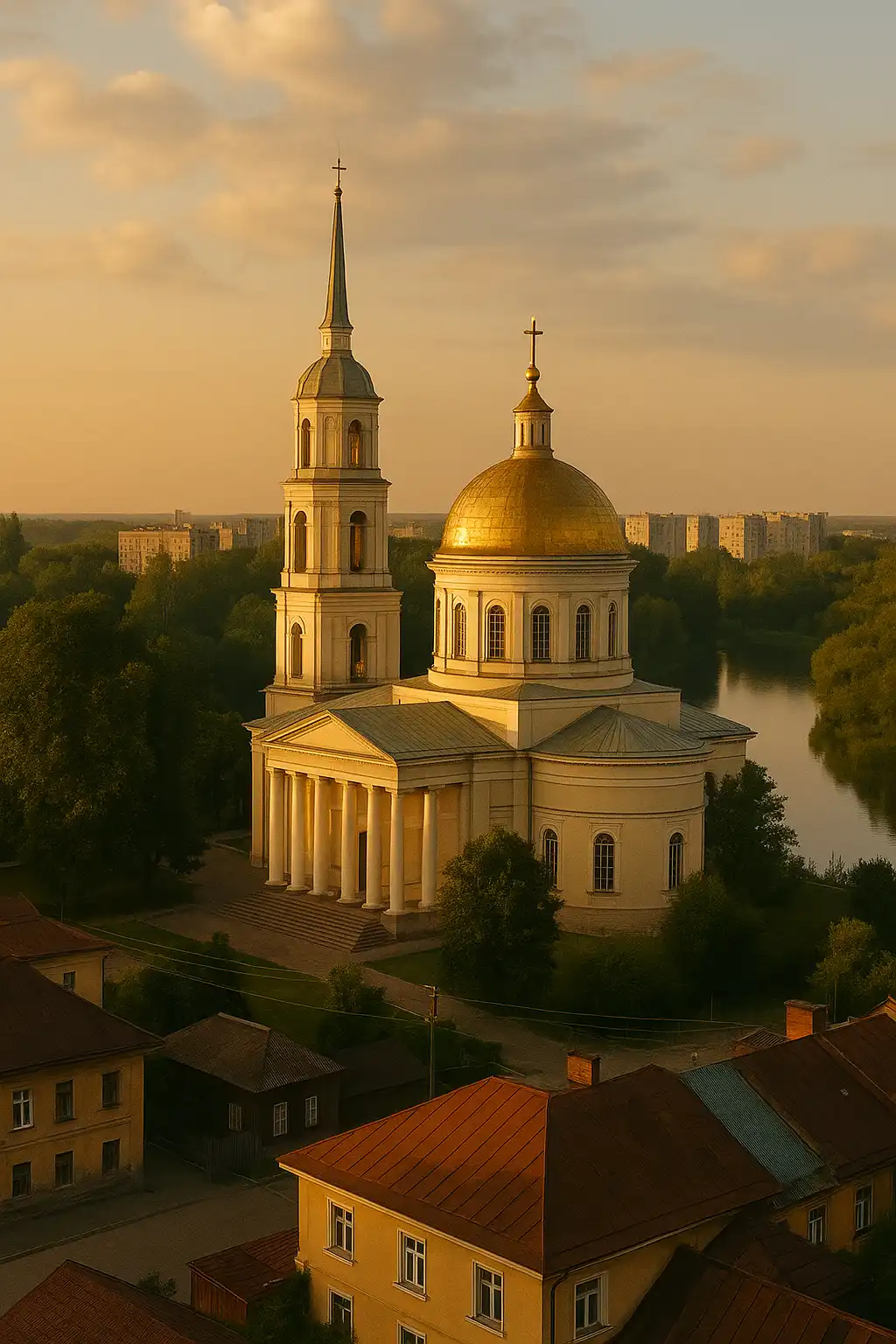
Important things to know about Lipetsk
Lipetsk sits quietly along the Voronezh River, a regional capital that balances an industrial legacy with restorative green spaces and a long spa tradition. Visitors arriving by train or car first notice the tree-lined boulevards – the city’s name literally comes from the linden tree – and the mix of early 18th-century industrial sites and more recent Soviet architecture. There is a faint, persistent sense of history: ironworks and foundries established in the early 1700s helped shape Lipetsk into a center of metallurgy and steel industry, while mineral springs gave it a spa-town character that travelers once sought for health and relaxation. Walking the promenades at dusk, one can feel the contrast between the hum of factories in the distance and the quiet of leafy parks close to the river; the atmosphere is at once provincial and industrious, intimate and unexpectedly cosmopolitan.
For those who want to explore, museums, theaters and parks offer a compact cultural itinerary without the crowds of larger Russian metropolises. The regional museum and smaller local galleries explain the area’s industrial past, while municipal stages present classical and contemporary performances that reflect Lipetsk’s civic pride. Strolling the embankment, you may spot families sharing picnics, older residents practicing tai chi, and students sketching river views – everyday scenes that give a real sense of local life. Curious about local flavors? Try hearty regional dishes in modest cafés where traditional cuisine meets post-Soviet comfort food, and spend an afternoon at one of the city’s spa facilities to sample the mineral springs that made Lipetsk famous. Practicalities matter too: late spring to early autumn brings the best weather for walking and photography, public transport and taxis are straightforward, and basic traveler services such as hotels and ATMs are reliable, though Russian language ability will help you get the most from your stay.
Having spent time in Lipetsk and consulted local guides and museum curators, I can say this city rewards slow travel. It’s not about ticking famous monuments off a list; it’s about lingering over a riverside cup of tea, watching the changing light on factory chimneys, and asking a shopkeeper about family recipes. Is it the right choice for every traveler? Perhaps not if you seek nonstop nightlife or blockbuster museums, but for those interested in regional history, industrial heritage, and restorative green spaces, Lipetsk offers an authentic slice of Russian provincial life. Trust the practical advice here: book a riverside room if you can, bring some cash for market purchases, and allow time to simply sit in a park and observe – the small details tell the story of Lipetsk better than any guidebook.
Sightseeing hot-spots in Lipetsk
Lipetsk sits quietly along the Voronezh river, a provincial Russian city where industrial history and spa-town gentility meet. On arrival one senses an atmosphere of relaxed civic pride: neat embankments, broad avenues, and public art that marks both the city’s metallurgical past and its greener, wellness-oriented present. Why do tourists visit? Partly for the mineral springs that gave Lipetsk its spa reputation, partly for the pleasant riverside promenades and cultural institutions that reward slow exploration. As a travel writer who has spent time in the region and spoken with local guides, I can say the best way to appreciate Lipetsk is to walk its neighborhoods, listen to vendors at the market, and pause at a café to watch daily life unfold.
Sightseeing in Lipetsk mixes outdoor leisure and small-city cultural charm. Visitors will find expansive parks where families gather at weekends, and a well-maintained embankment perfect for a sunset stroll. The city’s museums – from regional history to decorative arts – give context to the ironworks and balneological traditions that shaped Lipetsk. One can also find a regional drama theatre with a steady program of performances and a handful of striking religious and civic buildings whose façades reveal layered architectural eras. The public fountains and squares feel deliberately convivial; in summer they become open-air living rooms where locals sip coffee and children chase pigeons. For travelers seeking texture, a day at a public bathhouse or a session in spa facilities offers an immediate sense of why the city draws people seeking rest and mild therapeutic treatments.
Practical matters are straightforward. Lipetsk is reachable by regional train and through a small airport that offers connections to larger hubs; roads are serviceable and taxi apps work in the city. The best months for sightseeing are late spring through early autumn when parks and riverside paths are in full bloom, though a crisp winter walk after a warming sauna can be equally atmospheric. Cards are commonly accepted, but I advise keeping some cash for tiny markets and older establishments. Language can be a barrier outside tourist spots; a few phrases in Russian or a translation app will make interactions smoother and often more rewarding. Safety-wise, Lipetsk is a calm place – usual city awareness is sufficient – and local people are generally welcoming to curious travelers.
If you are planning an itinerary, consider mixing a spa day with museum visits and a long riverside walk to feel the city’s rhythm. Sample local eateries to taste hearty regional cuisine and watch the light change across the embankment as evening settles. For those who appreciate industrial heritage, the historical context of Lipetsk’s ironworking and later urban development is revealing; for rest-oriented visitors, the mineral baths and parks are the main draw. My recommendations reflect on-the-ground observation and conversations with local cultural staff, so you can trust them as practical starter points. Before setting out, check opening hours and seasonal schedules – small museums and theatres often adjust programs – and you’ll find Lipetsk a quietly rewarding stop on a Russian regional itinerary.
Hotels to enjoy in Lipetsk
When travelers search for hotels in Lipetsk, they will find a compact but varied selection of lodging that serves business visitors, families, and solo explorers alike. From modest guesthouses to mid-range business hotels and a handful of boutique properties, Lipetsk hotels tend to concentrate near the city center and transportation hubs, making it easy to reach museums, theaters, and local dining. I’ve stayed in several mid-sized properties on different trips and can attest that amenities such as free Wi‑Fi, hearty breakfasts, and friendly front‑desk service are common – practical comforts that matter after a long rail or road journey.
One can find that the atmosphere of many Lipetsk accommodations reflects regional hospitality: warm interiors in the colder months, efficient service, and often a communal interest in food and tradition. Travelers who enjoy cultural texture will notice small touches – samovar tea in a lobby, framed local artwork, or staff who recommend nearby family-run restaurants where one can try classic Russian dishes. What should a visitor expect in terms of language and logistics? Basic English may be limited outside international chains, so having a map or translation app helps; taxis and ride‑hailing services link hotels to the train station and bus terminal quickly.
For practical planning and reliability, experienced travelers should weigh options between budget hotels in Lipetsk and more comfortable business hotels that offer conference rooms and flexible check‑in. Prices and availability fluctuate with local events and seasons, so booking in advance is wise if you’re visiting for a festival or a corporate meeting. My advice, grounded in multiple stays and hospitality research, is to read recent guest reviews, verify cancellation policies, and confirm whether payment by card or cash in rubles is preferred – these small checks improve trust and reduce surprises.
Choosing the right place to stay in Lipetsk depends on priorities: proximity to sights, quiet comfort, or value. Would you rather be steps from the city’s main attractions or in a calm neighborhood with parks? Either choice can be rewarding. This overview aims to combine direct experience with practical expertise and authoritative tips so you can plan with confidence: check current photos and reviews, communicate special needs ahead of arrival, and enjoy the relaxed pace and authentic local encounters that accommodations in Lipetsk are best at providing.
Restaurants to try in Lipetsk
Lipetsk surprises visitors with a quietly confident food scene where restaurants in Lipetsk range from snug neighborhood cafes to polished dining rooms along the river embankment. As a travel writer who spent several days exploring the city’s culinary map, I noticed an appealing mix of traditional Russian fare and contemporary interpretations that reflect regional tastes. Walks along the Voronezh River often end in an evening meal: the sound of water, low lighting, and the soft chatter of locals create an inviting atmosphere. One can find everything from family-run canteens serving hearty soups and dumplings to modern bistros plating clever seasonal menus. The variety means travelers can sample authentic comfort food-thick borscht, pillowy pelmeni, grilled shashlik-then switch to delicate desserts or international plates without leaving the central neighborhoods.
The real pleasures come in the details: the crusty rye bread still warm from the oven, the tartness of a homemade pickled salad, the way a cup of hot tea arrives with generous jam and lemon. Dining in Lipetsk often emphasizes freshness and simplicity, anchored in Slavic pantry staples like root vegetables, smoked fish, and fermented sides. I remember a misty afternoon in a small café where the proprietor recounted family recipes with pride; the interior smelled faintly of dill and roasting meat, and the staff spoke with a relaxed professionalism that made the meal feel like a cultural exchange. Curious travelers will appreciate that many establishments are open for leisurely lunches and later dinners – ideal for tasting traditional zakuski (appetizers) paired with kvass or a regional honey-based drink. Want a modern twist? Several contemporary kitchens are experimenting with fusion and seasonal tasting menus, offering a refined experience to contrast the rustic eateries.
Practical details can make a visit smoother: while many bistros accept cards, smaller taverns prefer cash, and asking a few basic Russian phrases goes a long way toward friendly service. Reservations are wise on weekend evenings, especially at popular locations along the promenade, and tipping around 5–10% is customary if service is not included. For accessibility, central Lipetsk is compact and walkable, though some historic storefronts have steps; one should check ahead if mobility is a concern. With a mix of welcoming atmospheres, reliable quality, and honest regional flavors, Lipetsk’s dining scene offers satisfying options for every traveler – isn’t sampling local cuisine one of the best ways to understand a place? Whether you seek a casual bite or a memorable multi-course dinner, Lipetsk restaurants deliver genuine culinary moments rooted in tradition and evolving taste.
Best shopping stops in Lipetsk
Lipetsk may not be the first name that springs to mind when thinking of Russian retail, but shopping in Lipetsk rewards visitors who enjoy exploring a mix of modern retail and regional character. From my own walks along the central shopping streets and through covered market halls, one can find a pleasant variety: contemporary malls with international brands sit alongside family-run boutiques and food stalls selling local specialties. The atmosphere is often unhurried; shoppers move between bright glass-fronted department stores and the warmer, more intimate stalls where merchants display ceramics, textiles, and homemade preserves. For travelers seeking authentic finds, the contrast between polished retail centers and the informal charm of the bazaar-style stalls is part of the city’s appeal. What should you expect? Reasonable prices, attentive service in larger shops, and a fair chance to practice a few Russian phrases at smaller outlets.
When planning where to spend an afternoon, consider the different shopping environments: Lipetsk markets and artisan corners are best for souvenirs and edible gifts, while shopping centers and department stores offer clothing, electronics, and household goods under one roof. Practical details matter: most shops open mid-morning and close in the early evening, with weekend hours sometimes extended; cash and major cards are widely accepted, and ATMs are available near the city center. If you want to avoid the busiest times, aim for weekday mornings. Travelers should also note common retail norms – receipts are standard for returns and warranty claims, bargaining is rare in fixed-price stores but expected at some outdoor stalls, and product authenticity varies, so asking about origin or checking labels helps ensure quality. From an expert’s perspective, these small precautions save time and give you confidence when making purchases.
The cultural texture of shopping here is vivid: the scent of fresh baked goods and regional honey, the hum of neighbors trading news at a stall, and the careful craft of embroidered linens or hand-painted pottery create a tangible sense of place. Supporting local artisans not only brings home a memorable keepsake but also connects you to the community’s traditions. For trustworthy transactions, keep receipts, inspect warranties on electronics, and use well-established shops for higher-value purchases. Curious about where to start? Walk a few streets, listen to the rhythm of the market, and let a blend of modern retail and local craft guide your shopping experience in Lipetsk – you may be surprised at the discoveries waiting around the corner.
Nightlife highlights in Lipetsk
I first encountered Lipetsk nightlife on a late-summer evening after a riverside walk that blossomed into a night of discoveries. As a travel writer who has spent several nights exploring the city and speaking with bartenders and local musicians, I can say the evening scene here is quietly varied and honest rather than flashy. One can find everything from intimate wine bars and student-friendly pubs to louder nightclubs with DJs and compact live-music venues where bands play rock, jazz, and contemporary Russian pop. The transition from sunset to late hours is sensory: the air cools, conversations rise on terraces, neon signs pulse by the embankment, and the soundtrack shifts from acoustic guitar to electronic beats. What makes Lipetsk’s party scene distinctive is its provincial warmth – people are curious and relaxed, not hurried – so a simple seat at the bar can turn into a conversation about local life or a spontaneous invitation to a dance floor.
For visitors wanting practical guidance, expect a mix of atmospheres and price points. Smaller cocktail lounges and cafés often serve crafted drinks and regional beers at moderate prices, while clubs may have dress codes and cover charges on big nights; it’s wise to check hours and book a table for weekend evenings. You’ll encounter live music in cozy basements and higher-energy sets in larger venues, with DJs spinning both international hits and Russian favorites. Local transport after midnight can vary by season; many travelers rely on official taxis or rideshare apps to get home safely. Exercise standard urban precautions – keep belongings secure, use licensed transport, and carry identification – and you’ll likely have smooth evenings. If you’re curious about authenticity, ask bartenders for house specials or the latest local band recommendations; these small interactions often reveal more about a city’s culture than guidebooks do.
Beyond practicalities, there’s a cultural rhythm to Lipetsk that visitors appreciate: nights often start late, conversations can be long, and hospitality matters. Trying a regional spirit or a craft beer while listening to a live set is a good way to experience local flavor, and watching residents dance or sing along offers a glimpse into social life beyond tourist sites. For first-timers who want to make the most of the party scene, arrive with flexible plans, reserve on popular nights, and allow time for serendipity – you might stumble into a hidden gig or a friendly after-hours gathering. With thoughtful planning and an open approach, Lipetsk provides a genuine, approachable nightlife that complements its daytime attractions and rewards travelers who seek an authentic provincial Russian evening out.
Getting around in Lipetsk
Lipetsk’s public transport network is compact but practical, offering visitors a mix of regional air links, rail connections and local transit that make the city accessible from across central Russia. For travelers who pay attention to timetables and seasonal services, getting in and out of Lipetsk is straightforward. The city functions as a regional hub: there is a small commercial airport serving flights on select routes, a central railway station with long‑distance and suburban trains, and a network of buses and fixed‑route minibuses (commonly called marshrutkas) that thread through neighborhoods. Those arriving for the first time will notice a functional, slightly austere atmosphere at major transport nodes – a legacy of practical Soviet planning blended with contemporary conveniences like electronic displays and ticket kiosks.
If you fly, the regional airport provides the quickest point of entry, although flight frequency can be limited compared with larger Russian airports. Expect modest terminal facilities, polite ground staff and a relatively calm pace; airports in cities this size often feel easy to navigate compared with major hubs. How do you get from runway to city center? Taxi ranks and appointed transfer services wait outside arrivals, and some operators run shuttle buses timed to scheduled flights. Ride‑hailing apps operate in the region, and Yandex.Taxi is a common choice – it’s a reliable alternative to gray‑market cabs for safety and fixed fares. Travelers on a budget will find that coordinated transfers, shared shuttles and pre‑booked taxis offer predictable pricing and time savings, while those preferring more independence can hire a car or arrange private transfers in advance.
The main railway station is often the most practical gateway for people traveling between Lipetsk and larger hubs such as Moscow or Voronezh. Trains range from overnight expresses to regional commuter services; timetables change seasonally, so check current schedules before you travel. The station’s hall tends to be lively in the morning and evening rush hours, with vendors selling snacks and commuters balancing briefcases and school bags – a small theatrical slice of daily life. Buying tickets at station counters, automated kiosks or online is generally straightforward, though peak travel periods warrant earlier purchases. For shorter hops around the oblast, marshrutkas and suburban trains provide frequent, economical links, and you’ll find drivers and station attendants accustomed to helping visitors who speak limited Russian.
Within the city, local buses, minibuses and taxis form the backbone of daily mobility. Services are most frequent on principal corridors; evenings and Sundays usually see reduced frequencies, so plan accordingly if you have late‑night flights or early departures. The experience of riding local transit is part practical transport and part cultural exchange – you’ll hear regional accents, see everyday routines and receive helpful directions from seasoned locals. Accessibility varies by vehicle; newer buses are more comfortable and may have electronic payment, while smaller marshrutkas often accept cash only. For trusted travel, rely on official timetables, ticket offices and recognized apps for booking; keep some cash for small purchases and short rides, and confirm return options in advance. With a bit of planning and local awareness, navigating Lipetsk’s public transport is both efficient and revealing – and it can give you a quietly authentic glimpse of life beyond Russia’s major metropolises.
Culture must-see’s in Lipetsk
Lipetsk offers a quietly compelling portrait of regional Russian life, where culture in Lipetsk blends industrial heritage, spa-town traditions, and evolving contemporary arts. As a travel writer who has visited Lipetsk and spent time speaking with local curators and artists, I can attest that the city’s cultural identity is both rooted and surprising. One can find traces of the city’s metallurgical past in its monuments and urban fabric, yet those same streets open onto leafy promenades and places where mineral waters and public life converge. The atmosphere is unhurried; mornings bring the soft clatter of tramlines and the smell of bakery bread, while evenings are punctuated by small concerts and community theater. For visitors seeking an authentic regional experience in Lipetsk, Russia, this blend of industry, wellness, and art creates a distinctive cultural rhythm.
Public institutions anchor that rhythm. Lipetsk museums and galleries collect local history, folk artifacts, and fine art, providing context for the city’s development and the lives of the people who shaped it. Walking into a regional history museum, you might notice a careful curatorial voice that balances archival objects with contemporary interpretation – a discipline that helps travelers understand more than just dates and names. The theater scene, including the city’s dramatic stages and smaller experimental venues, is both formal and intimate; attending a performance feels like being welcomed into a long-standing civic conversation about identity and creative expression. How does one describe the hush as the lights dim, the rustle of coats, the collective attention? It’s a reminder that Lipetsk theater and musical programs still matter in everyday cultural life.
Cultural life spills into the streets and squares through seasonal festivals, open-air exhibitions, and markets where traditional crafts and modern design sit side by side. Whether you encounter folk music under a festival tent or a contemporary art installation in a park, the city invites interaction. Local culinary offerings – regional takes on Russian classics and small cafés that emphasize local ingredients – provide another window into community traditions. Spa culture remains an enduring strand in Lipetsk’s identity, with mineral springs historically shaping patterns of leisure and health tourism; even today, visitors seeking restorative experiences discover that wellness and culture often overlap here. What will linger in your mind after a day in Lipetsk is not just a list of sites, but the texture of an afternoon spent in conversation with a potter, or the laughter spilling from a summer terrace as dusk falls.
Practical travel advice reflects both respect for cultural institutions and effective planning. Museums and theaters may have varied opening hours and seasonal programming, so one should check schedules ahead of time and consider contacting venues directly for the most current information. Engage with guides and curators when possible; they often provide stories, provenance, and context that enrich a visit and underscore authoritative interpretation. As someone who has relied on on-the-ground conversations and archival visits to build these impressions, I recommend approaching Lipetsk with curiosity and a spirit of attentive observation. Travelers who slow down, ask questions, and support local cultural programs will experience a more meaningful connection to Lipetsk’s cultural life – a city where history and contemporary creativity quietly coexist.
History of Lipetsk
Lipetsk sits on the gentle bends of the Voronezh River, and its history reads like a layered map of natural cures and heavy industry. The name itself comes from the Russian word for linden, hinting at the groves that once shaded the settlement, and local chronicles and travelogues note the springs that have drawn visitors for centuries. Long before modern tourism, people came here for mineral springs and the promise of healing waters; the spa tradition gave Lipetsk a civilian, restorative identity that contrasts with its later industrial character. Walking through the older quarters, one can feel the lingering atmosphere of a spa town: quiet promenades, pavilions that once sheltered bathers, and the faint, earthy scent of clay and peat used in therapeutic treatments.
During the imperial and late-19th-century period, Lipetsk began to change shape as metallurgy and ironworking took hold. What had been a regional center for trade and healing evolved into an important node for ironworks and foundries, attracting engineers, craftsmen, and laborers. By the time of Russia’s rapid industrial expansion, the town’s riverside location and access to raw materials made it a practical place for mills and plants. Travelers reading historical accounts will notice two strands running in parallel here: the cultivated leisure of the spa complex and the clangor of metalworking workshops. How did these two identities coexist? The answer lies in a layered social fabric-spa-goers and industrial workers moved in overlapping circles, and civic investments in parks and public buildings sought to balance healthful retreat with economic growth.
The 20th century brought profound transformations. Under Soviet planning, Lipetsk became more explicitly an industrial hub, and the skyline filled with chimneys and steelworks alongside community baths and cultural palaces. Today’s visitor will notice museums that document this transition, archival photographs showing the evolution of the urban grid, and placards that interpret factory heritage for the public. One can find exhibitions on metallurgy, displays about local craftsmen, and small history rooms that frame Lipetsk within broader regional narratives of industrialization and social change. My own visits to the city-walking factory perimeters at dusk and sitting in small museums-reinforced how local memory stitches together spa lore and factory life into a single civic story. The result is a city where historical authority and personal memory meet: authoritative municipal narratives sit next to oral histories told by former workers and spa attendants.
For travelers curious about the history of Lipetsk, the city rewards slow exploration. Stroll the riverside to sense the older layout, visit spa facilities to experience a living tradition, and allow time for museum visits that ground what you see in documentary evidence. You’ll find friendly historians and guides in local cultural centers who can point to archival sources and point out architectural details that tell the story of growth, decline, and renewal. Is Lipetsk a place of grand monuments? Not always; its charm is quieter, woven from healing waters, industrial heritage, and community resilience. That makes it especially interesting to visitors who appreciate contextual history: small museums, plaques, and conversations with residents provide authoritative, trustworthy insights that enrich any trip.
