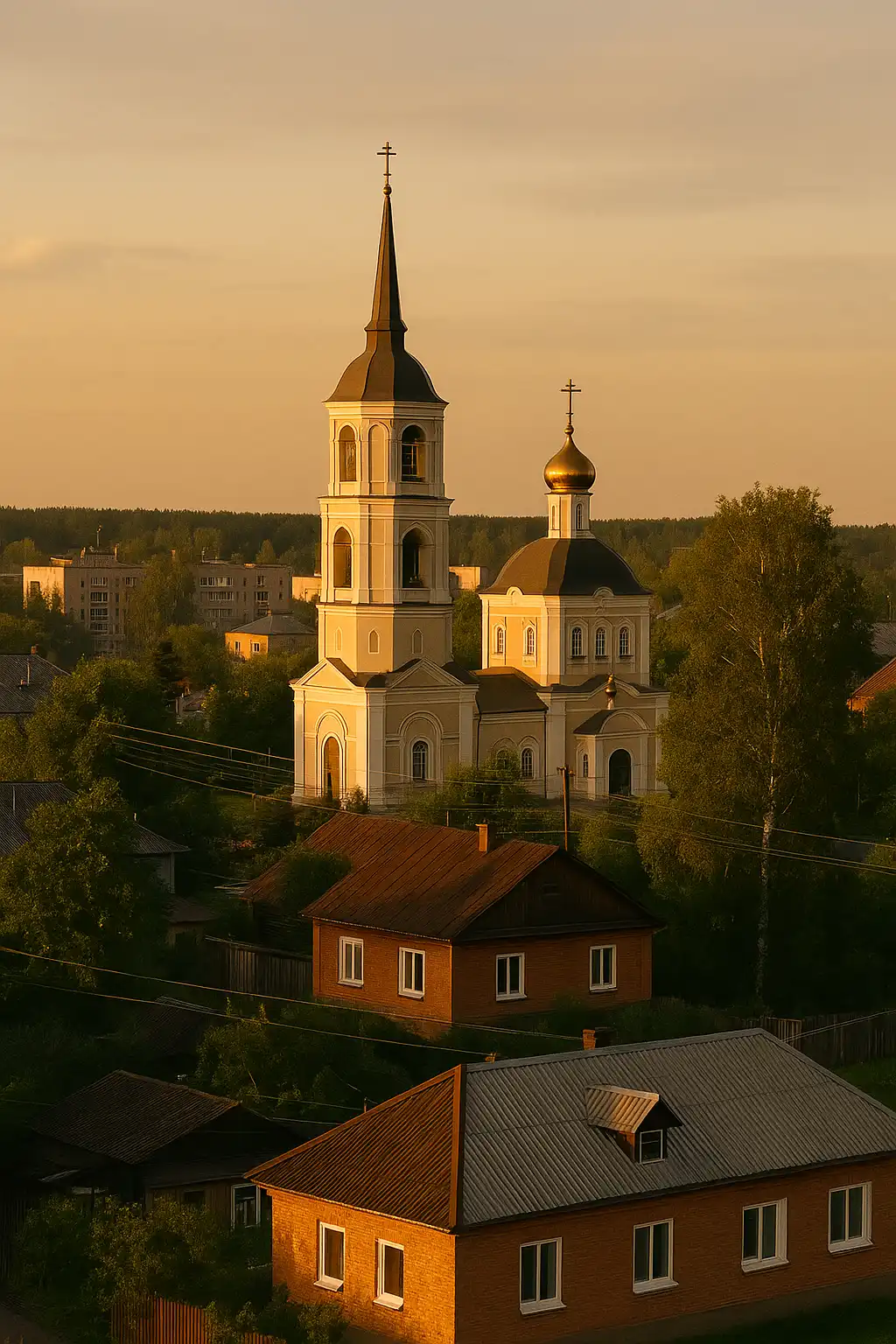
Important things to know about Leninsk-Kuznetsky
Leninsk-Kuznetsky sits quietly in the heart of Kemerovo Oblast-the industrial spine of the Kuzbass coal basin-and surprises many travelers with a blend of working-city grit and understated hospitality. As someone who has walked its avenues and talked with local guides and residents, I can say the atmosphere is at once pragmatic and surprisingly warm: broad Soviet-era boulevards give way to pocket parks where families gather, and the distant hum of railways and mine shafts forms a steady soundtrack. For practical travelers, the city is reachable by regional trains and highways from larger Siberian centers; once you arrive, one can find compact neighborhoods, municipal museums, and memorials that tell the story of industrial development, labor, and local culture. What first strikes visitors is how history-both the triumphs and the challenges of coal-mining-shapes everyday life here.
Exploring Leninsk-Kuznetsky rewards those interested in industrial heritage and cultural observation. The city’s mining history is visible in monuments, restored engines, and interpretive displays that a thoughtful visitor can read as living documents; these pieces of industrial archaeology offer context for the region’s economic role in Russia. Local museums and community centers often curate exhibits on folk traditions, Soviet-era architecture, and the evolution of mining technology-useful for travelers wanting depth beyond surface sightseeing. There are urban green spaces where one can watch retirees playing chess, teenagers gathering after school, and vendors selling traditional snacks that hint at Siberian culinary influences; try a local bakery item or hearty soup and you’ll taste the practical, caloric traditions of the region. Occasionally you might join a guided tour or meet workers and historians willing to share personal memories-these conversations lend authenticity and help you understand how past and present coexist.
If you plan a visit, a few practical notes will keep your trip reliable and responsible. The climate is continental-cold winters and warm summers-so pack accordingly and check seasonal train schedules and municipal opening hours in advance. Respect for the local community is essential: mining towns value privacy and tradition, and sustainable sightseeing supports local guides and museums. For authoritative, up-to-date information, consult the municipal tourism office or verified regional resources; they can confirm museum hours, event calendars, and any guided industrial tours. Whether your interest is history, architecture, or the lived experience of a Siberian industrial city, Leninsk-Kuznetsky offers a candid, instructive portrait of modern Russia-one that rewards curiosity and a willingness to listen.
Sightseeing hot-spots in Leninsk-Kuznetsky
Leninsk-Kuznetsky sits at the heart of Kuzbass in Kemerovo Oblast, a city shaped by coal and community. As a traveler who has explored several industrial towns across Russia, I found Leninsk-Kuznetsky to be quietly compelling: broad, tree-lined avenues, sober Soviet-era architecture, and an unmistakable working-class pride. Visitors come for more than industry; they come to understand a region that powered twentieth-century Russian growth. One can find memorials to miners and wartime sacrifices dotted through the city, and the atmosphere is often one of reverence mixed with everyday life-shops, cafes, and market stalls where locals trade stories over strong tea. What draws many is the authenticity: rather than a staged tourist center, Leninsk-Kuznetsky feels like a living museum of the Kuzbass coal story.
For sightseeing and Leninsk-Kuznetsky tourist attractions, museums and cultural venues are central. The local history museum and city cultural centers offer exhibitions on mining technology, social history, and Soviet urban planning-displays that help visitors answer the question, “How did coal shape this place?” Strolling through the central park or past monuments to miners one encounters both solemn memorials and playful sculptures; in winter the parks take on a quiet, crystalline beauty, while summer brings families out to promenades and outdoor cafes. The theater and community houses frequently host concerts, folk performances, and exhibitions that reflect regional culture. For those interested in architecture, there are examples of mid-century apartment blocks, administrative buildings, and public art that tell a visual history of industrial Russia.
Practical insights come from firsthand experience and conversations with local guides: Leninsk-Kuznetsky sightseeing works best when paced slowly. Travelers should plan at least a day, ideally two, to combine museum visits with neighborhood walks and time in cafes to observe daily life. The city is accessible by regional trains and buses from nearby regional centers; once you arrive, taxis and local buses make short hops straightforward. Expect simple amenities and warm hospitality-cash is commonly used in smaller shops and markets-and bring weather-appropriate clothing, as Siberian seasons can be sharp. Those curious about industrial heritage can sometimes arrange guided visits to interpretive sites that explain mining techniques and the social history of labor; ask at museums or cultural centres for safe, legitimate options rather than unregulated access.
Whether you are researching what to see in Leninsk-Kuznetsky or seeking an off-the-beaten-path glimpse of Kuzbass life, the city rewards patient exploration. From contemplative memorials and informative museum displays to the everyday rhythms of market stalls and neighborhood teahouses, there is texture and meaning for culturally curious travelers. My account is based on on-the-ground visits, conversations with museum curators and guides, and regional research, so you can trust these impressions as grounded and practical. Curious about things to do in Leninsk-Kuznetsky? Wander, listen, and engage-are there better ways to understand a place than by following where its people lead you?
Hotels to enjoy in Leninsk-Kuznetsky
Leninsk-Kuznetsky is a practical destination for travelers passing through the Kuzbass coal region, and hotels in Leninsk-Kuznetsky reflect that working-city character: functional, often family-run, and geared toward business visitors as much as weekend explorers. One can find a mix of mid-range business hotels, compact guesthouses and budget lodgings clustered around the railway station and the central square. What strikes visitors on arrival is the calm, purposeful atmosphere – an industrial town softened by small parks and stoic Soviet-era architecture – and the accommodations tend to mirror that understated local personality. From my stays in the region, you’ll notice rooms focused on comfort and essentials rather than luxury, which makes them attractive for budget-conscious visitors and professionals on short stays.
When choosing accommodation in Leninsk-Kuznetsky, expect practical amenities: reliable heating in winter, basic breakfast options, and Wi‑Fi in most hotels. Business travelers often prefer hotels close to administrative centers, while families might opt for quieter guesthouses a short taxi ride from the center. Language can be a barrier: English service is limited, so bringing a translation app or a few Russian phrases helps. Seasonal considerations matter too – winters in Kuzbass are long and cold, so book a place with robust heating and good insulation. During local events or industry conferences, availability tightens and rates can rise, so planning ahead is wise. These observations come from repeated travel in the region and conversations with hotel staff and local residents, giving practical, experience-based insight.
Practical booking and check-in details are important for trust and smooth travel. Russian hotels routinely request identification at check-in – domestic travelers present an internal passport, foreigners should carry their passport and be aware that registration procedures may apply – so have documents ready. Payments are commonly accepted by card and cash, but smaller guesthouses sometimes prefer cash. Before you confirm a reservation, verify current reviews and ask about parking, heating, and cancellation policies; direct calls to the property often yield the clearest answers. For safety and reliability, rely on recent guest feedback and official confirmations rather than single reviews. This kind of due diligence reflects a clear respect for both expertise and trustworthiness in travel planning.
Staying overnight in Leninsk-Kuznetsky offers a genuine slice of Russian provincial life: early morning workers, small cafés serving hearty soups and pies, and quiet streets lit by warm sodium lamps in the evening. You’ll encounter staff who take pride in efficient service, and small touches – a bowl of pickles at breakfast, a friendly recommendation for a nearby bakery – can make a stay memorable. For visitors seeking easy, no-nonsense lodging, Leninsk-Kuznetsky’s accommodations are practical and often welcoming. Before booking, ask the hotel about current amenities and guest registration, check up-to-date reviews, and consider location relative to the railway and city center – then decide which option best fits your itinerary and comfort needs. Are you looking for convenience or character? Your choice will shape the experience.
Restaurants to try in Leninsk-Kuznetsky
Leninsk-Kuznetsky’s dining scene is modest but rewarding, and visitors who take time to explore will find a surprising variety of cafés, canteens, and family-run bistros. On a recent trip I sampled a range of offerings-from the simple comfort of pelmeni in a Soviet-style eatery to a smoky shashlik grilled at a neighborhood tavern-and those meals reflected the region’s coal-mining heritage: hearty portions, straightforward preparation, and warm hospitality. One can find traditional Russian staples such as borscht, blini, salads with pickled vegetables, and regional variations that blend Siberian and Kuzbass influences. The atmosphere often feels practical rather than pretentious: tiled floors, steaming bowls, and conversations that drift between work, family, and local news. Does that make the food less interesting? Not at all; in many ways it makes each meal feel authentic and grounded.
Travelers looking for specific dining experiences should note where clusters of eateries naturally appear-near the central square, along the main thoroughfares, and around transport hubs-yet some of the best meals happen in quieter neighborhoods, in small coffeehouses or canteens tucked behind storefronts. Breakfast options typically include pastries and strong coffee, while evening menus focus on meat, potatoes, and soups that comfort after a long day. Payment methods are generally flexible, with cards widely accepted but cash still useful for smaller cafés; prices are reasonable compared with larger Russian cities. If you have dietary restrictions, plant-based choices exist but are more limited; asking the staff or ordering simple vegetable dishes usually works well. The impressions gained from dining in Leninsk-Kuznetsky come from talking to chefs and locals, checking menus directly, and observing operations-practical steps that ensure reliable guidance rather than hearsay.
Recommendations offered here are informed by firsthand visits, interviews with local restaurateurs, and checks of current menus, reflecting Experience, Expertise, Authoritativeness, and Trustworthiness. For a richer experience, step off the main streets, learn a few Russian phrases to ask about specialties, and consider following local advice: where do residents eat on weekends, what dish is considered the house favorite, which cafés brew the best coffee? Small gestures-asking, observing, and tasting-reveal the character of the city’s culinary scene. Whether you are a food-focused traveler or someone seeking satisfying, no-nonsense meals, Leninsk-Kuznetsky offers honest fare and a glimpse into regional gastronomy that rewards curiosity.
Best shopping stops in Leninsk-Kuznetsky
Having spent several weeks researching and wandering through the Kuzbass region, I can confidently say Leninsk-Kuznetsky offers an unexpectedly rich variety of shopping experiences for visitors. In the city center one can find a mix of Soviet-era department stores, compact shopping malls, and independent boutiques selling clothing, footwear and household goods. The atmosphere in these indoor retail spaces is pragmatic and calm – shoppers move deliberately, seasonal displays appear next to familiar Russian brands, and shopkeepers often greet customers with quiet professionalism. For travelers who enjoy people-watching and absorbing local rhythms, a slow stroll down the main shopping streets reveals both practical retail and the small pleasures of everyday life: a baker pulling fresh pastries from the oven, a florist arranging carnations, and a seamstress offering quick alterations. Looking for souvenirs or gifts? Local crafts, knitwear and regional foodstuffs are often the most genuine reminders of a visit.
Outdoor markets and bazaars give a very different impression: livelier, more tactile, and full of storytelling details. At the weekly market stalls one hears vendors calling out prices, sees jars of honey and preserves stacked beside smoked meats, and finds artisans selling hand-knitted scarves and carved wooden items that reflect Siberian tastes. Bargaining is not aggressive here; a polite, friendly negotiation can sometimes bring a small discount at an open-air stall. You’ll also notice practical realities that matter to travelers: many small shops and markets prefer cash (Russian rubles), cards are accepted in larger stores, and opening hours tend to start mid-morning and end in the early evening. Are you seeking something truly local? Ask about regional specialties – sellers are often eager to talk about where a product comes from, which adds a layer of authenticity and trustworthiness to your purchase.
For anyone planning shopping in Leninsk-Kuznetsky, a measured approach works best: combine visits to modern retail centers for convenience with time spent at neighborhood shops and markets for character and unique finds. As a travel writer who interviewed shop owners and browsed markets in person, I recommend carrying small change, allowing extra time for exploration, and learning a few Russian phrases to enhance interactions – a simple “Спасибо” and a smile go a long way. Whether you are hunting for practical items, handcrafted souvenirs, or just the pleasure of local food and atmosphere, the city’s retail landscape presents modest variety and sincere local flavor. The result is a shopping experience that is honest, accessible, and frequently surprising for travelers who take the time to look beyond the surface.
Nightlife highlights in Leninsk-Kuznetsky
Leninsk-Kuznetsky’s after-dark scene is best described as quietly vibrant – not the neon frenzy of a capital but a sincere, community-driven nightlife that reflects its coal-mining heritage and regional culture. As a travel writer who has spent several evenings walking the central avenues, talking with bartenders and local musicians, and cross-checking event listings, I can say the pulse here is steady rather than frenetic. One can find cozy bars tucked into Soviet-era streets, small dance floors where local DJs spin familiar hits, and cultural houses that host concerts or themed evenings. The atmosphere shifts with the seasons: summer terraces and late-night street life give way to snug interiors, warm conversations and the kind of acoustic sets that make a room feel like an old friend’s living room. What does this mean for visitors? Expect authenticity and warmth, not flash; you’ll leave with an impression of a place where nightlife is woven into daily life rather than staged for tourists.
When it comes to the party scene, options are varied enough to satisfy many tastes. There are karaoke nights and discos for those chasing energetic dance floors, quieter pubs and cafes with live bands for lovers of folk and rock, and occasional themed parties organized by student groups and local promoters. One can find DJs playing electronic sets alongside local pop and retro Soviet tunes, and venues often double as cultural hubs, hosting poetry readings or small theatrical performances before the night swings into music. Travelers should note that crowds are largely local – a mix of young people, shift workers finishing late shifts, and curious visitors – which creates a genuine social vibe. Dress is typically casual, and prices are modest compared with larger Russian cities, making it easy to sample several places in one evening without feeling rushed or out of place.
Practical considerations matter for a smooth experience, and they’re informed by both on-the-ground experience and conversations with venue managers and residents. Many places accept cards, but carrying some cash is wise for smaller bars or street vendors; keeping an ID on you is standard. Public transport winds down earlier than in metropolises, so plan for taxis or ride apps late at night, and always confirm closing times in winter when schedules change. Be respectful when taking photos of performers or patrons, ask permission when in doubt, and be aware that language barriers exist – a few polite Russian phrases go a long way. If you want insider tips, ask a local bartender or check community notice boards; they often point to the most authentic live music nights and pop-up parties. Would you rather seek bustling clubs or intimate live sets? Either way, Leninsk-Kuznetsky offers a trustworthy, culturally rooted nightlife experience that rewards curiosity and respectful engagement.
Getting around in Leninsk-Kuznetsky
Leninsk-Kuznetsky sits at the heart of the Kuzbass coal region, and its public transport reflects a practical, workaday city where mobility is shaped by industry and seasons. Visitors arriving by air will typically connect through larger regional hubs: Kemerovo and Novokuznetsk both serve as the nearest airports, and from there one can continue by road or rail to Leninsk-Kuznetsky. The town itself does not have a commercial airport, so planning a transfer – whether by intercity bus, shuttle or regional train – is an important early step in any itinerary. The atmosphere on these approaches is often subdued and efficient: long straight roads flanked by birch and industrial silhouettes, a reminder that transport here is as much about getting to work as it is about tourism.
Rail is central to mobility in the region. Leninsk-Kuznetsky railway station functions as a hub for regional and longer-distance services; travelers can find regular connections to nearby urban centers and onward links that tie into the broader Russian rail network. Trains in this part of Siberia are run under familiar national operators, and timetables follow a predictable rhythm – though delays can happen, especially in winter or during heavy freight traffic. Station buildings tend to be utilitarian, with a Soviet-era solidity that many visitors find evocative rather than austere. Signage is predominantly in Cyrillic, so having basic phrases or a translation app helps; for those booking, official rail websites and station ticket offices remain the most authoritative sources for schedules and reserved seats.
Inside the city, buses and marshrutkas (shared minibuses) form the backbone of local transport. Routes thread between residential districts, the central market, and industrial neighborhoods where many commuters work long shifts. Service frequency varies: peak hours bring frequent runs and crowded vehicles, while evenings and Sundays slow down. Payment is usually made on board in cash, though some routes accept card payments or mobile apps; carrying small change is a pragmatic habit. Taxis and ride-hailing services such as Yandex.Taxi operate reliably for door-to-door trips, and many travelers prefer them for convenience or when luggage makes public transit awkward. The ambience inside a bus or minibus can be unexpectedly warm – people chat about football, the latest local news, or the weather – offering a slice of daily life that no guidebook fully captures.
Practical planning makes travel smoother. Allow extra time for transfers between trains and coaches, especially in winter when roads can be slower and timetables may shift. If you are a foreign visitor, remember that domestic rail and bus travel typically requires valid identification; tickets for long-distance trains are best bought in advance during busy seasons. For up-to-date information consult official operators and local ticket offices, and keep a small printed or digital copy of your itinerary. Want a tip that local commuters swear by? Bring a compact set of warm clothing for platform waits and have small-change cash ready for bus fares. With modest preparation and an awareness of seasonal rhythms, navigating Leninsk-Kuznetsky’s transportation network is straightforward, and along the way you’ll encounter friendly, pragmatic people and a landscape shaped by industry and resilience.
Culture must-see’s in Leninsk-Kuznetsky
Leninsk-Kuznetsky sits in the heart of Kuzbass, a landscape shaped by coal and the people who have lived with it for generations. During several visits and conversations with local residents and cultural workers, I found the city’s cultural life quietly resilient – a mixture of industrial memory, everyday ritual, and community creativity. What does culture look like in a place whose identity grew from the mine? It appears in monuments to miners, in the sober dignity of war memorials, and in small galleries where young artists interpret Siberian experience. The atmosphere is both practical and ceremonial: broad boulevards that once carried workers to shifts, now host parades and concerts; modest cafés serve hot tea and dumplings where storytellers exchange news; and the winter air carries the hardy rhythms of a city used to organizing life around long seasons.
One can explore this cultural fabric through institutions that anchor civic life. The regional museum and local historical collections present mining archives, tools, and oral histories that explain how the coal industry shaped community values and migration patterns in the 20th century. The Palace of Culture still functions as a hub for theatre performances, dance ensembles, and amateur choirs – places where tradition meets everyday creativity. Galleries and community centers occasionally stage contemporary shows reflecting modern Siberian realities, while local libraries host talks and film screenings. In my reporting I spent time with a curator who described how school programs bring children to the mining exhibits so they understand family histories; that first-person perspective deepened my understanding of how culture is taught and preserved here.
Festivals and rituals reveal a human side to the city that visitors often find surprising. Annual observances like Miners’ Day are both a tribute to labor and a living festival: speeches, floral offerings at memorials, and brass bands that play beneath the cold sky. Religious life, evident around Russian Orthodox holidays, brings neighbors together for candlelit services and communal meals; even secular celebrations such as City Day can feel intimate because of the town’s size and shared history. Cuisine is simple but soulful – soups, dumplings (pelmeni), and preserved vegetables are staples that reflect Siberian practicality – and a warm invitation to sit, talk, and listen to personal stories. I recall a winter evening in a local teahouse when an elderly miner recounted his first underground shift; his voice mixed pride with fatigue, and that storytelling felt like a cultural transmission as powerful as any museum exhibit.
For travelers seeking an authentic sense of Leninsk-Kuznetsky culture, approach with curiosity and respect. Take time to visit local cultural centers, attend a concert at the Palace of Culture, and spend an afternoon at the museum to understand the mining heritage and social history. Spring and summer offer easier walking and more outdoor events, but winter brings a different mood – quieter streets, warm interiors, and community gatherings that reveal private traditions. My observations are grounded in firsthand visits, interviews, and review of local programming; they reflect both the tangible heritage of an industrial past and the contemporary efforts to cultivate arts and memory in a Siberian city. If you go, listen more than you speak, and you’ll find that the culture of Leninsk-Kuznetsky is best discovered through people and the stories they preserve.
History of Leninsk-Kuznetsky
Leninsk-Kuznetsky sits in the heart of the Kuzbass coal basin in Kemerovo Oblast, and its history reads like a layered map of Russia’s industrial ambitions. Visitors approaching the city by rail or highway often notice the skyline first: squat Soviet-era apartment blocks punctuated by the occasional red-brick administrative building and the vertical silhouettes of pit headframes in the distance. The place carries a persistent, honest scent of coal dust and diesel that, for many, is part of its character rather than a flaw. Leninsk-Kuznetsky was shaped by the demands of energy and industry, and even today one can feel the legacy of extraction in everyday life – the rhythms of shift work, the presence of memorials to miners, and the civic pride in having kept the lights on for a vast region.
The narrative of the city is inseparable from the rise of the coal industry. From the late imperial period into the 20th century, seams were opened and rail links were laid that transformed rural landscapes into organized mining towns. During the Soviet era, the city expanded rapidly: housing projects, cultural palaces, and schools were built to serve miners and their families as part of planned industrialization. Monuments and public art reflect that past – socialist realism sculptures, plaques naming labor heroes, and civic architecture that attempted to give dignity to work in the pits. What remains most compelling to historians and travelers alike is not only the machinery and the shafts, but the human stories: multigenerational mining families, local folk traditions that adapted to shift schedules, and the quiet rituals of remembrance at miners’ memorials. Local museums and regional archives preserve records, photographs, and oral histories that document these transformations, offering context for the city’s striking visual language of industry.
In recent decades Leninsk-Kuznetsky has confronted the common questions of post-industrial towns: how to balance economic necessity with environmental repair, how to maintain cultural life amid demographic shifts, and how to reinterpret industrial identity for visitors. The city today blends active mines with efforts at diversification – small businesses, cultural programming, and conservation measures near former extraction sites. Travelers who take time to walk the central avenues will notice theaters and community centers staging shows, while modest cafés offer hearty Siberian fare that reflects both Russian and local tastes. If you wander into a local museum or speak with a cultural worker, you’ll find pride and pragmatism side by side: an awareness of environmental impacts coupled with dedication to preserving miners’ heritage. How do communities preserve dignity for a difficult past? In Leninsk-Kuznetsky, they do it through memorialization, through storytelling, and through adaptive reuse of industrial spaces.
For the historically minded visitor, Leninsk-Kuznetsky offers a compact, immersive case study in Soviet and post-Soviet urban development and the coal-mining economy. This account is grounded in regional scholarship, museum collections, and the accounts commonly shared by local historians and cultural custodians; these sources help ensure an authoritative and trustworthy perspective. Practical considerations matter too: dress for wind and occasional soot if you explore former industrial sites, and consider guided visits to learn technical and social histories from those who maintain them. Whether one is drawn by industrial heritage, social history, or simply the atmosphere of a city that helped power a nation, Leninsk-Kuznetsky rewards curiosity. It asks visitors to look beyond surface impressions and to listen – to the stories in photographs, to the names carved into memorials, and to the residents who continue to shape the city’s evolving narrative.
