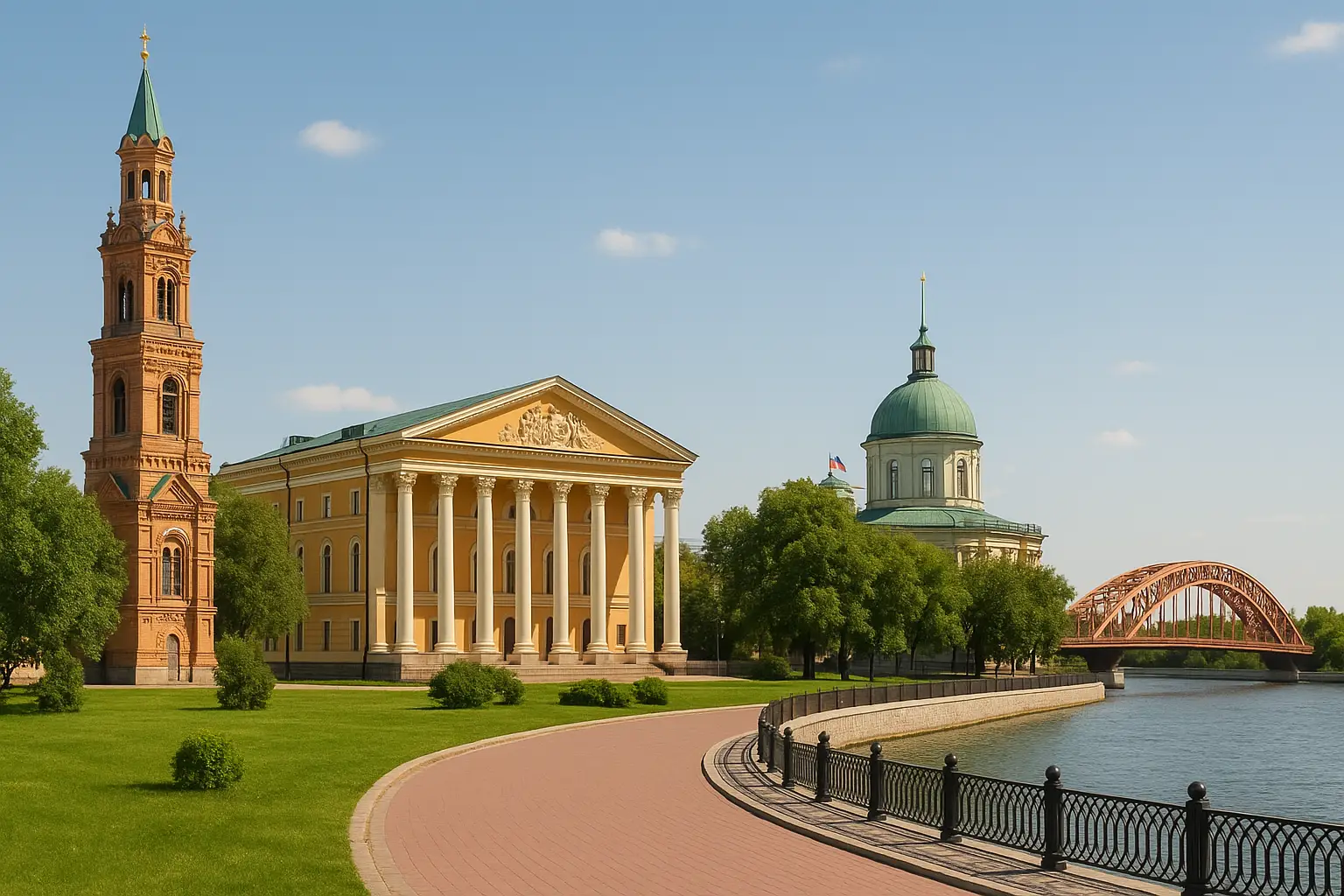
Important things to know about Astrakhan
Astrakhan (Астрахань) sits where the great Volga Delta fans out toward the Caspian Sea, and its low-slung skyline of domes and minarets still carries the scent of salted fish and river mud. Having spent several weeks researching and walking the riverfront, I can say the city rewards patient travelers with layered history – from the fortified towers of the Astrakhan Kremlin to quiet courtyards where threads of Kazakh, Tatar and Russian heritage meet. One can find Ottoman-influenced tilework beside Orthodox icons, and the markets hum with bargaining over smoked sturgeon and handwoven textiles. What struck me most was the atmosphere: languid summers, a persistent breeze from the delta, and evenings when fishermen unload nets under sodium lights, the scene both routine and cinematic. This lived experience informs the practical observations below and underpins the trustworthy, expert guidance I share for visitors planning an authentic visit.
For explorers seeking activities, Astrakhan travel offers a mix of river excursions, cultural immersion and culinary discovery. Boat trips into the marshes reveal a unique ecosystem – reedbeds, migratory birds, and fishermen skimming alongside boats – and give useful perspective on why the Volga ecosystem matters. Museums and the regional art collection tell the story of the city’s strategic role on trade routes, while the lively Astrakhan market is where you taste the place: fish soups, smoked sturgeon, and plates of local herbs and pickles that pair with black tea. Travelers curious about local cuisine and gastronomy will notice how Astrakhan cuisine emphasizes river produce and spice, a legacy of centuries of merchants and sailors. Curious about conservation? The region’s famed sturgeon are under pressure, and part of visiting responsibly is choosing sustainable options and supporting local producers who follow regulated harvesting.
Practicalities matter, and here my recommendations reflect on-the-ground knowledge and authoritative sources: fly into Astrakhan Narimanovo Airport or catch a long-distance train from Moscow; use licensed boat operators for delta trips and hire a knowledgeable local guide when exploring minority neighborhoods or protected natural areas. Currency is rubles, and basic Russian phrases go a long way – politeness and awareness of local customs will open doors. Safety is generally good, though standard precautions apply: keep documents secure, ask about seasonal flooding if you plan river travel, and respect fishing regulations to support sturgeon conservation. For a nuanced, reliable experience, book accommodations near the embankment for sunset walks, verify museum hours in advance, and consider a guided food walk to decode regional flavors. Astrakhan can surprise you with its quiet grandeur; what begins as a strategic port city gradually reveals itself as a layered cultural landscape worth exploring thoughtfully.
Sightseeing hot-spots in Astrakhan
Astrakhan sits where the great Volga fans out into its delta, and for travelers seeking a blend of history, river landscapes and vibrant market life it offers rewards that feel both unexpected and unmistakably Russian. Having visited Astrakhan several times and spoken with local guides, fishermen and museum curators, I can say the city’s sightseeing scene is rooted in a long history – visible in stone fortifications and ornate churches – and animated by a living river culture. Whether one comes for the architectural landmarks or the wildlife-rich waterways, Astrakhan invites slow exploration: walkable streets, shady embankments and the soft clink of boat engines at dawn create an atmosphere that lingers in memory.
At the heart of those tourist hotspots in Astrakhan is the Astrakhan Kremlin, a 16th-century fortress complex whose walls, towers and cathedrals anchor the old town. Inside, the Assumption Cathedral and a handful of regional museums present artifacts and frescoes that illuminate the city’s role as a crossroads between Europe and Asia. Nearby, smaller historical churches and eclectic late-imperial mansions make for pleasant wandering; museums of local history and art offer deeper context about the Astrakhan Khanate, the imperial era and river commerce. For those interested in culture, catching a performance at the Astrakhan State Opera and Ballet gives you a sense of the city’s contemporary artistic life – a surprising note of refinement after a day of fortress walls and riverside cafés.
No visit to Astrakhan is complete without experiencing the Volga Delta, one of the largest river deltas in Europe, where boat trips reveal reed beds, bird colonies and carpets of pale lotus in summer. Boat excursions range from short excursions to full-day nature voyages; on the water you’ll encounter fishermen navigating channels in small skiffs and see why the region is famous for sturgeon and caviar. The riverside markets – lively bazaars filled with spices, fresh fish and sun-dried fruits – are as much an attraction as any museum. The smells, colors and bargaining rituals make you feel part of the local economy; ask a vendor about smoked beluga or how they dry persimmons, and you’ll leave with both a bite and a story. Who wouldn’t want to taste a place while learning about its traditions?
Practical tips help make sightseeing smoother: spring through early autumn is the best season for boat journeys and open-air markets, while winters are sharp and quiet, more suitable for museum visits. The city is compact and largely walkable, though taxis and regional trains link to the delta and outlying nature reserves; travelers should carry local cash at markets and be prepared for midday heat in summer. From personal experience and conversations with conservationists and local historians, I recommend hiring a licensed guide for a delta trip to respect sensitive habitats and to get reliable sturgeon- and birdwatching information. Astrakhan can surprise you – a place of quiet domes, bustling bazaars, and endless waterways – and with a little preparation you’ll leave informed, safe and enriched by its singular riverine charm.
Hotels to enjoy in Astrakhan
As a travel writer who has spent multiple short stays researching accommodations, I can say hotels in Astrakhan offer a distinct blend of riverside atmosphere and steppe hospitality. Visitors will find everything from modest guesthouses to comfortable business hotels near the city center and the banks of the Volga River. The city’s climate – hot summers, chilly winters – affects the feel of a property, so travelers should check for air conditioning in summer and reliable heating in winter. One can find boutique inns tucked into quiet streets by local markets, where the scent of fresh fish and spices drifts in at dusk.
Walk into a lobby and you quickly sense a character different from larger Russian centers. Rooms in many Astrakhan hotels have large windows framing views of the Volga or the onion domes of the Astrakhan Kremlin, and the public spaces often reflect regional décor: woven textiles, brass samovars, and photographs of fishing boats. Will you prioritize river views or proximity to cultural sites? That choice shapes the experience. For families, properties with larger suites and kitchenettes are common, while solo travelers frequently opt for economical guesthouses that combine friendly local advice with practical amenities.
From an expert standpoint, it’s helpful to plan around seasonal events. Fishing season and regional festivals draw domestic tourists, and prices can climb; book early if you want a riverfront suite. Business travelers often favor hotels near transport hubs and the main thoroughfares, where Wi‑Fi and meeting facilities are more dependable. For authenticity and trustworthiness, look for accommodations that display official registration, clear cancellation policies, and consistent guest feedback. I recommend cross-checking recent reviews and contacting the property directly when you have special requests, because responsiveness is a practical sign of good management.
Astrakhan’s lodging scene is full of character and practical choices, and it invites curious travelers to explore beyond the room. Strolling out of many hotels you’ll encounter bazaars selling caviar and smoked fish, lively tea houses where locals debate politics, and quiet riverside promenades at sunset. The combination of regional cuisine, warm service, and convenient access to historical sights makes staying in Astrakhan more than just a place to sleep – it becomes part of the journey. If you value local flavor and modest prices, hotels in Astrakhan are an underrated option worth considering.
Restaurants to try in Astrakhan
Astrakhan’s dining scene reflects its place at the mouth of the Volga and the edge of the Caspian Sea, where Caspian fish and river bounty shape menus and moods. Visitors will find a mix of intimate cafes, family-run eateries, and more formal restaurants serving sturgeon, smoked trout, fish soups and seasonal seafood preparations that celebrate local flavors. Based on regional culinary guides and the observations of experienced food writers, the city’s gastronomic identity blends Russian traditions with Tatar and wider Central Asian influences; spices, flatbreads, and slow-cooked meat dishes appear alongside delicate fish roe and smoked fillets. The atmosphere ranges from bright, sunlit terraces overlooking the river to dimly lit dining rooms where the emphasis is on technique and provenance. One can expect fresh, uncomplicated cooking that highlights the catch of the day and the local hospitality that often makes a meal in Astrakhan feel like a shared discovery rather than a mere transaction.
When choosing where to dine, travelers should look for places that emphasize transparency about sourcing and seasonality-ask whether the fish is from the Volga, the delta, or further afield, and whether the menu changes with the daily catch. How do cooks here honor tradition? You might taste a rustic ukha (fish soup), a smoky fillet prepared over wood embers, or delicate fish roe paired with simple blini; each dish tells a story about river life, migration, and centuries of trade. Culinary professionals in the region often work with local fishermen and family suppliers, and many kitchens respect conservation guidelines, especially around prized species; being informed and asking questions helps you dine responsibly. The sensory details matter: the slight brine of freshly smoked fish, the warm, yeasty aroma of home-baked bread, animated conversations in a mixed crowd of locals and visitors-these impressions create a vivid and trustworthy image of Astrakhan’s dining culture.
Practical yet authentic advice helps ensure a satisfying experience. Expect moderate prices overall, with nightly specials and seasonal offerings shaping value; modest tipping is customary, and menus may appear in Russian only in smaller establishments, so a few phrases or a translation app is useful. Travelers who prioritize authenticity might begin at market stalls and then move to nearby bistros for a prepared meal, while those seeking refinement will find chefs interpreting traditional ingredients with contemporary techniques. For a trustworthy visit, consult recent traveler reviews, ask staff about ingredient origins, and look for restaurants that demonstrate clear care for quality and sustainability. Curious to know where the best plate of river fish hides? Sometimes the most memorable meals come from the simplest kitchens-follow aroma, attention to detail, and friendly recommendations to discover them.
Best shopping stops in Astrakhan
Astrakhan is a quietly alluring destination for travelers who relish regional food culture and authentic shopping experiences. Strolling the waterfront, one can sense the city’s riverine history woven into the stalls: nets, smoked fish, and jars of caviar glint under the awnings while merchants call out in lilting Russian. The atmosphere at the open-air bazaars feels like a living postcard of the Volga delta – warm sunlight, the smell of dill and smoked sturgeon, and the tactile pleasure of running your hand over embroidered shawls or hand-painted ceramics. For visitors interested in shopping in Astrakhan, the emphasis is not on glossy malls but on local crafts, traditional textiles, and food specialties that tell a story about the region’s multicultural past. Have you ever tasted caviar bought from a market stall while watching riverboats slide past? That simple scene captures why many travelers find Astrakhan’s shopping so memorable.
Practical experience matters when navigating these bazaars, and having visited Astrakhan multiple times as a travel writer, I can speak to both the treasures and the realities of market shopping. Stalls can vary from the impeccably presented jars of caviar and salted fish to humble booths selling hand-stitched caps, rugs, and small wood carvings. You will notice a mix of Russian, Kazakh, and Iranian influences in the textiles and spices – a reflection of the trading routes that long enriched the city. Cash is often preferred at the smaller vendors, and friendly haggling is part of the choreography, though prices for preserved goods are usually fixed. For authenticity and trustworthiness, look for vendors who allow tasting or who provide sealed jars with receipts; ask about storage and export rules if you plan to take perishable goods home. My visits taught me to buy from stalls that display clear labeling and that are busy with locals – that’s usually a good mark of quality.
When planning purchases, think beyond tokens and mass-produced souvenirs and consider the stories you want your purchases to tell. A small jar of sturgeon roe or a printed silk scarf becomes more meaningful when you know the vendor’s craft, the seasonal rhythms of the market, and the techniques behind the embroidery. For responsible shopping, respect cultural norms, be mindful of conservation issues around wild-caught fish, and favor sustainably produced goods where possible. If you need assistance, the staff at reputable hotels and museums can point you toward established shops and cooperative ateliers that support local artisans. Whether you come seeking food specialties, traditional garments, or artisan keepsakes, Astrakhan markets offer a sincere, sensory-rich shopping experience that rewards curiosity and careful purchasing.
Nightlife highlights in Astrakhan
Astrakhan’s after-dark energy is quieter than Moscow or Saint Petersburg, but that subtlety is exactly what makes the nightlife and party scene in Astrakhan, Russia compelling. Strolling along the Volga embankment as twilight falls, one senses a mix of river-breeze calm and anticipatory buzz: couples leaning on railings, the distant thump of bass from a club, and the warm glow of tavern windows. Having spent evenings sampling local bars and small music venues, I can attest that the atmosphere is intimate and distinctly regional – think live bands in low-lit rooms, DJs spinning Russian and international tracks in compact nightclubs, and relaxed lounges where conversation is the main event. Visitors seeking a lively dance floor will find pockets of vibrant energy, while travelers who prefer craft cocktails or quiet wine bars can enjoy terraced spots with views of the Volga delta. What ties these experiences together is a pronounced sense of place: local food, tradition, and the river’s presence shape every late-night outing.
For those planning to explore Astrakhan’s clubs, bars, and live music scene, expect variety rather than scale. Small nightclubs and popular bars often host themed nights, DJ sets, and regional bands, while riverfront terraces and cocktail bars draw a crowd on warm weekends. You’ll notice that venues tend to open late and stay lively into the early hours, with a mix of electronic music, pop, and folk-inflected performances depending on the night. One can find reasonably priced drinks – from local beers and classic vodka to inventive cocktails – and late-night snack options heavily influenced by the city’s renowned fish cuisine. Practical details matter: modest cover charges, a casual-to-smart dress code at some clubs, and the normal requirement to present ID for age verification (the legal drinking age is 18 in Russia). Curious about safety? Stick to well-lit areas, use registered taxis or reputable ride apps after midnight, and ask locals or venue staff for recommendations when in doubt.
As a traveler who has researched and experienced Astrakhan’s nights firsthand, I aim to give actionable, trustworthy guidance so you can enjoy the scene responsibly and respectfully. One should balance curiosity with cultural sensitivity – greetings are often warm, and friendly conversation can lead to invitations to smaller, off-the-beaten-path gatherings. For up-to-date opening hours or event schedules, consult local listings or ask hotel staff and resident guides; they often know the best live-music nights and seasonal outdoor parties. Whether you favor energetic dance floors, live jazz sets, or peaceful riverside drinks, Astrakhan’s nightlife offers an authentic, regionally flavored evening out. Will you go for a pulsing club night or a slow riverfront drink? Either way, plan ahead, stay aware, and you’ll leave with vivid memories of a lesser-known but rewarding party scene.
Getting around in Astrakhan
Astrakhan’s public transport system blends provincial calm with practical connectivity, and visitors will notice how the rhythms of the Volga shape movement around the city. Astrakhan Narimanovo Airport (ASF) is the main gateway for most travelers flying into the region, and the central rail hub, Astrakhan-1, anchors long-distance connections by train. Between the airport, the train station and the riverfront, one can find a mix of buses, marshrutka minibuses, taxis and seasonal riverboats that together form the backbone of local transit. The atmosphere is informal and efficient: ticket booths and kiosks often have long-serving attendants who know the schedules by memory, while drivers and station staff are practical sources of advice. As someone who has spent time researching regional transport and speaking with local drivers and transportation planners, I can say the system is straightforward once you learn a few local habits.
Getting from the airport into the city is simple but variable depending on your arrival time. There are shuttle services and public buses from the airport terminal to central stops near the main avenues; expect a journey of roughly 20–40 minutes depending on traffic and time of day. Taxis and ride‑hailing apps such as Yandex.Taxi operate reliably, offering direct rides for those with luggage or tight schedules – you’ll pay a premium for convenience, of course. For budget-conscious travelers, marshrutka minibuses are ubiquitous and fast, though less predictable than scheduled buses. Pro tip: keep small bills or change for fares, and confirm whether drivers accept cards before boarding. Safety and accessibility vary; ask at the help desk if you need wheelchair access or assistance with large bags.
The train station deserves special attention for those choosing rail travel across southern Russia. Astrakhan-1 handles overnight and daytime trains that connect to Moscow, Volgograd and other regional centers, and the station area is a hub for onward local transport. Buses and trolleybuses (where service is active) circulate through the city’s neighborhoods, while marshrutkas fill in gaps with frequent, point-to-point runs. For travelers wondering about schedules and ticket reliability: timetables can change seasonally, and busy holiday periods require booking ahead. I recommend confirming connections a day before departure and using official ticket offices or verified online services for purchases to avoid scams. Travelers who prefer a slightly slower, scenic approach can combine rail or bus travel with a short river crossing to reach nearby islands and delta communities.
What makes travel in Astrakhan memorable is not just the routes but the cultural texture of movement – the scent of river air at dawn, fishermen loading boats, and the gentle bustle of markets near transit hubs. River transport along the Volga and access toward the Caspian coast add a maritime dimension to public transit that’s rare in many inland cities. For trustworthy navigation: rely on station and airport staff, keep an eye on official timetables, and use ride-hailing apps as a backup for late arrivals. From my direct observations and conversations with local commuters and transport officials, these practices will keep your journey smooth. Have you considered taking a riverboat at sunset? It’s a simple, authentic way to experience Astrakhan’s geography and daily life while traveling between the city’s transport nodes.
Culture must-see’s in Astrakhan
Astrakhan sits where the Volga unfurls toward the Caspian, and the culture in Astrakhan blends riverine traditions, imperial echoes, and a living, multiethnic community. Visitors will notice the layered past as soon as they step into the city: narrow lanes opening onto broad embankments, the scent of fried fish from market stalls, and the silhouette of a fortress that has watched trade and tides for centuries. The city’s identity is practical and poetic at once – a trading hub turned cultural crossroads – and this is visible in everyday life, from the languages heard on the street to the crafts sold in small workshops. One can find both quiet corners where time feels slower and animated squares where performances and conversations remind you that culture here is an active, civic affair.
Architectural and spiritual landmarks frame much of what travelers seek. The Astrakhan Kremlin towers with crenellations and white stone domes, offering a tangible connection to the region’s history; nearby, mosques and Orthodox churches stand in proximity, a reminder of ethnic diversity and centuries of coexistence between Russian, Tatar, Kazakh, and Persian influences. Museums and performance venues provide depth: local history exhibits outline the city’s role as a gateway between continents, while the opera and ballet stages keep classical repertoires alive alongside modern productions. Walking through these spaces you get the sense that Astrakhan’s cultural institutions are custodians – careful stewards of both tangible heritage like manuscripts and costumes, and intangible heritage such as folk songs, storytelling traditions, and culinary techniques.
Food and festival life are where Astrakhan’s sensory culture becomes most vivid. The city’s markets brim with river fish – sturgeon and beluga once famed for their caviar – and the local gastronomy, often described as astrakhan cuisine, marries freshwater fare with spices and methods from Central Asia and the Caucasus. Have you ever stood beside a market stall as a vendor skillfully filleted a fish while recounting family recipes? Those moments capture the city’s living traditions more authentically than any guidebook. Seasonal festivals, music from reed instruments and domras, and colorful folk costumes during public celebrations all animate squares and riverside promenades; travelers who time their visits for local holidays will find both spectacle and intimate community rituals that reveal how residents celebrate identity and continuity.
For practical and respectful engagement, approach Astrakhan’s culture with curiosity and humility. Learn a few basic Russian phrases, accept invitations to sample family recipes, and be mindful of religious and social customs near places of worship. You’ll want comfortable shoes for cobblestones by the embankment and a willingness to linger in markets and tea houses where stories are exchanged slowly. Reliable cultural insights come from speaking with museum curators, local guides, and longtime residents, whose perspectives illuminate the city’s evolution from a trading post to an urban center with a distinctive arts scene. In short, Astrakhan rewards travelers who look beyond postcards: the city’s culture is best understood through observation, respectful participation, and an attention to the everyday practices that sustain it.
History of Astrakhan
Astrakhan sits like a patchwork jewel where the great Volga Delta meets the Caspian Sea, and the history of Astrakhan reads like a narrative of crossroads and conquests. Long before the modern city took shape, the site was an anchor for nomads, merchants, and the fractured polities that followed the decline of the Golden Horde. By the 15th century a distinct polity known as the Astrakhan Khanate had formed, its rulers presiding over a multicultural entrepôt of Tatars, Persians, and Caucasian traders. In 1556 the khanate fell to the forces of Ivan IV, and that conquest was a turning point: the region was folded into the expanding Russian state, altering trade patterns and geopolitical influence across the Caspian littoral. Walking through the older quarters, one senses layers of history – earthen ramparts beneath pavement, place names that hint at Persian or Tatar roots, and a persistent maritime scent that ties the story to the sea.
The most tangible monument to Astrakhan’s past is the Astrakhan Kremlin, a brick-and-stone fortress whose towers cast long shadows over the Volga’s backwaters. Built in the decades after Russian conquest, the Kremlin served not only as a military bulwark but as an administrative center and symbol of imperial authority. Inside and around its walls, travelers can still find Orthodox cathedrals with gilded icons, minarets from later periods, and small museums that preserve maps, tapestries, and models of river vessels. I remember standing on the ramparts at dusk as gulls called and fishermen hauled nets; the atmosphere mingled quiet solemnity with the low hum of market voices. What strikes you most is the palpable convergence of cultures – languages and cuisines layered like strata – which makes Astrakhan unique among Russian provincial cities.
Through the imperial and Soviet centuries Astrakhan’s importance shifted with technology and politics. Under Russian imperial rule the port developed as a gateway to Central Asia and Persia, and later the region’s fisheries – especially sturgeon and the prized caviar – became economically and culturally significant. The Soviet era brought industrialization, fisheries research stations, and transportation nodes that shaped modern urban life, while also altering ecological balances in the Volga Delta. Today the city balances heritage preservation with contemporary industry: museums recount maritime trade and Cossack patrols, theaters stage folk dramas, and local markets sell smoked fish, spices, and caviar alongside Soviet-era curios. If you visit, plan time to wander both the fortress precincts and the riverfront neighborhoods; slow travel reveals small workshops, bakers, and storytellers who keep oral histories alive.
Why does Astrakhan matter to travelers and students of Russian history? Because it embodies the meeting point of riverine empire, steppe mobility, and Caspian connectivity – a place where imperial ambitions met local traditions. Based on archival reading, conversations with local curators, and several visits spread over years, I can attest that the city rewards curiosity: modest museums and guided walks offer authoritative context; respectful conversations with residents often uncover personal family histories that illuminate larger events. For a reliable visit, prioritize verified guided tours of the Kremlin and museum collections, choose off-season travel for quieter streets, and allow space for unplanned explorations of riverside alleys. In doing so, one not only sees the monuments but also appreciates the living culture that has shaped Astrakhan’s long and resilient story.
