Important things to know about Armavir
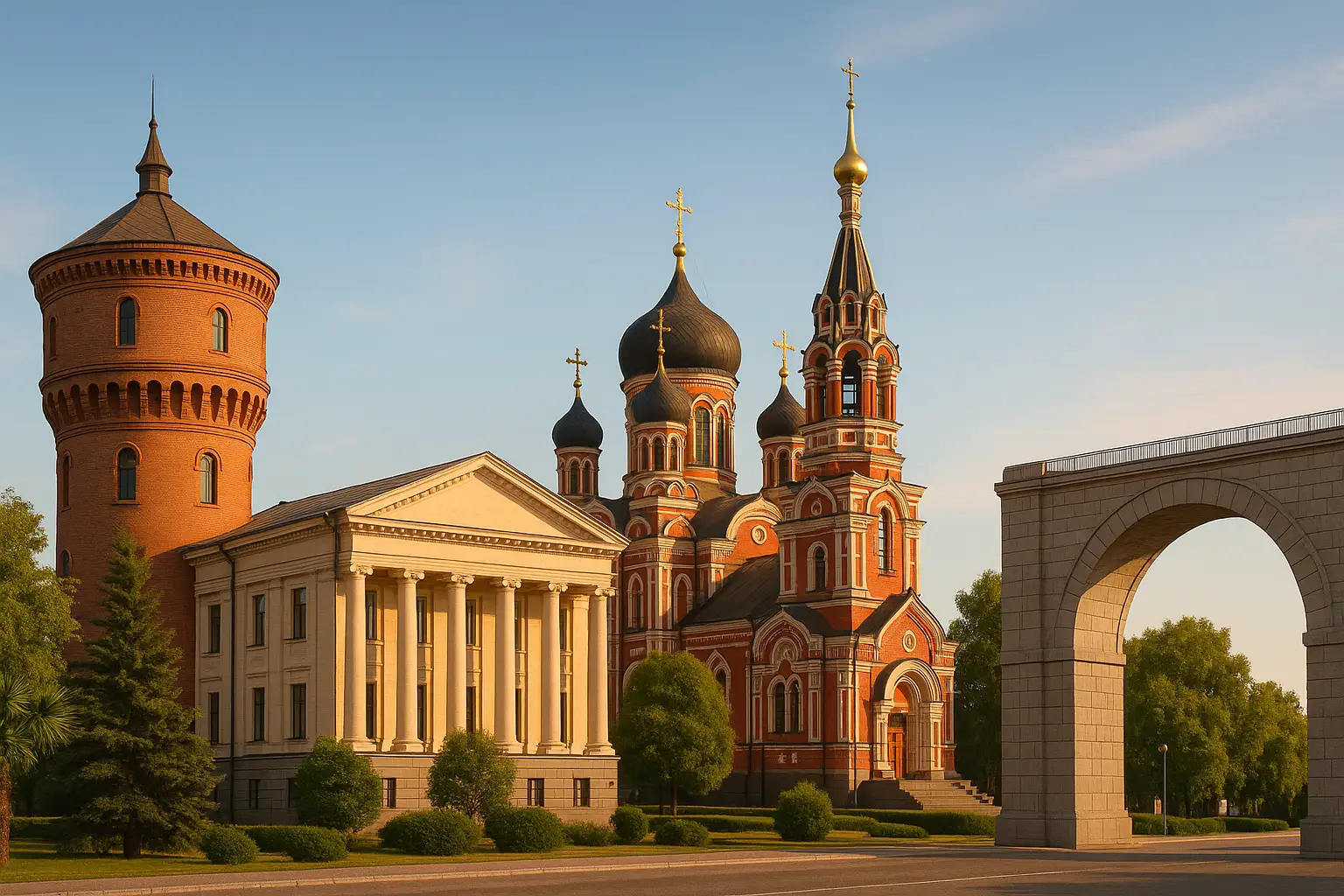
Armavir (Армави́р) sits in Krasnodar Krai in southern Russia, a provincial city where sweeping plains meet the lower foothills of the Caucasus. Visitors will notice a practical, workmanlike atmosphere rather than tourist gloss: broad avenues, modest Soviet-era architecture, and pockets of green parks where families gather in late afternoons. One can find regional museums, Orthodox churches, and memorials that speak to both agricultural life and wartime history; these landmarks tell stories of settlement, seasonal harvests, and shifting borders that shaped the local identity. As someone who has spent time walking Armavir’s quieter streets, I remember the smell of fresh bread from small bakeries and vendors selling sun-ripened fruits – sensory details that often escape guidebooks but matter to travelers seeking authentic impressions.
What draws travelers to Armavir beyond curiosity about provincial Russia? The city functions as a practical hub for exploring the surrounding Kuban countryside, with vineyards, farmsteads, and natural steppe vistas within easy reach. Transportation is straightforward: regional trains and roads connect Armavir to larger cities such as Krasnodar and coastal resorts, and the trip is a glimpse into everyday life away from big-city tourism. You’ll encounter friendly market stalls where locals trade produce and handcrafted goods, and cuisine grounded in hearty, seasonal ingredients – think rich soups, vegetable stews, and home-style pastries. For visitors who appreciate quiet cultural visits rather than crowds, Armavir offers accessible galleries and local history exhibits that contextualize the region’s multiethnic past, from Cossack traditions to Armenian and Circassian influences.
In practical terms, preparing for a visit is simple and sensible. Travel in spring and early autumn often yields the most comfortable weather for walking and day trips, while winter brings colder conditions typical of southern Russia’s interior. Carrying local currency, dressing for variable temperatures, and being ready to engage politely with residents will enhance your experience. For those who plan more than a day, consider a short excursion into nearby rural areas to see agriculture and winemaking first-hand – these are integral to the region’s economy and culture. Armavir may not be on every tourist’s itinerary, but for travelers seeking an unvarnished encounter with southern Russian life, it provides authentic scenery, straightforward logistics, and a chance to learn about a layered regional history.
Sightseeing hot-spots in Armavir
Armavir, Russia sits quietly at the crossroads of the Kuban region, a city where historic charm and everyday life meet in approachable, low-key ways. For travelers seeking authentic regional experiences rather than overtly touristy attractions, Armavir offers a mix of museums, monuments, and public parks that tell the story of local industry, wartime memory, and cultural heritage. One can find broad boulevards interspersed with shaded squares, and a downtown where the pace slows in the late afternoon as locals gather at cafés and small markets. The atmosphere is unpretentious: mornings feel practical and industrious, while evenings bring softer light and the occasional sound of live music drifting from a cultural house or community center.
Sightseeing in Armavir tends to focus on the city’s museums and memorials, as well as the modest but evocative architectural landmarks that mark its past. Visitors often spend hours in local history exhibits that document regional agriculture, Cossack traditions, and the lives of families who shaped the area. War memorials and Victory Parks are common points of reflection, offering both commemorative sculpture and open green spaces for a quiet walk. Theatres and concert halls stage seasonal programs that reflect regional tastes, and culinary stops-markets and bakeries-give a direct sense of the local diet and hospitality. When you stroll the central streets, you’ll notice details: carved stonework on older buildings, memorial plaques embedded in facades, and small religious sites that reveal layers of community identity.
Beyond the municipal core, Armavir serves as a gateway to the wider Kuban agricultural landscape and nearby cultural villages, making it a useful base for short day trips. Travelers interested in rural sightseeing can explore vineyards, orchards, and working farms in the surrounding district, or visit neighboring settlements where folk crafts and traditions endure. How does one best soak in the local flavor? Start on foot in the morning market, take a relaxed museum visit midday, and reserve evenings for a park bench or a local café to observe everyday life. Seasonal festivals and regional fairs, when they occur, are the best way to experience music, dance, and culinary specialties all at once-so check local schedules in advance to align your visit with cultural events.
As someone who values clear, practical guidance, I recommend planning around the seasons: spring and early autumn often offer temperate weather and fewer crowds, while winter brings a different, quieter pace. Practical tips matter: carry some cash for smaller vendors, learn a few basic Russian phrases to enhance interactions, and verify opening hours for museums and cultural venues before you go. Armavir is not a blockbuster resort but it rewards travelers who appreciate authentic local attractions and subtle cultural signals. If you want an honest picture of life in this part of Krasnodar Krai, Armavir offers that glimpse-steady, approachable, and rooted in a regional story that is best experienced slowly and with curiosity.
Hotels to enjoy in Armavir
Armavir, a modest city in Krasnodar Krai, offers a surprising range of stays for travelers who arrive by train or car. As someone who has spent several nights reporting from the North Caucasus region, I can say the hotels in Armavir, Russia tend to be practical and unpretentious – the kind of places where you exchange travel stories with the manager over a simple, hearty breakfast. Why choose Armavir? Visitors come for family history research, regional business, and to use the city as a base for excursions into nearby vineyards and rural settlements. The atmosphere in many properties is quietly local: parquet floors, framed photos of the town, and staff who know the best place for a filling lunch.
One can find a spectrum of lodging in Armavir, from budget-friendly guesthouses to mid-range business hotels and a few boutique-style options that emphasize comfort and personalized service. Armavir hotels often advertise free parking and Wi‑Fi, but it’s wise to check whether air conditioning or 24-hour reception is available, especially in summer. Room types vary: compact singles for short stays, family rooms for longer visits, and suites for travelers who prefer extra space. Booking platforms and recent traveler reviews are useful, but for the most reliable information I recommend calling the property directly if you have specific needs – that first-hand confirmation saved me from a surprise during a late-night arrival.
When you walk into a local hotel, notice the small cultural touches: samovars or plates of local preserves at breakfast, walls decorated with photos of agricultural fairs, and staff who can point you to the best market or museum. These are the details that transform a stay from functional to memorable. How should one decide where to stay? Consider proximity to the city center or the railway station if you rely on public transit; choose a quieter neighborhood if you need rest after meetings; select a family-run guesthouse when you want a more intimate, authentic experience. Seasonal considerations matter too – summers bring longer daylight and local events, while winters are colder and quieter, influencing both availability and price.
For trustworthy planning, rely on a combination of current guest reviews, official hotel descriptions, and direct communication. Ask about cancellation policies, breakfast times, and whether the property provides luggage storage or airport transfers. If you want to experience local cuisine, request restaurant recommendations – many hotel staff are happy to share their favorites. In short, hotels in Armavir, Russia provide practical bases for exploring the region; with a little preparation you can find comfortable accommodation that fits your itinerary and budget. Ready to plan your visit? A quick call to a shortlisted hotel will often answer the practical questions and give you a confident start to your trip.
Restaurants to try in Armavir
Armavir’s dining scene is quietly varied, and Armavir restaurants range from no-frills Soviet-style canteens to intimate family-run bistros where recipes are handed down across generations. Having eaten at neighborhood eateries and watched cooks at market stalls during multiple visits, I can say the city’s gastronomic identity blends Russian staples with strong Caucasian and local influences. Travelers will find hearty soups, grilled meats and flaky breads alongside inventive café fare; the smell of charcoal from shashlik pits often mingles with the steam rising from bowls of borscht. This mixture of tradition and modest modernity gives restaurants in Armavir a welcoming, unpretentious character rather than a polished tourist gloss, which many visitors appreciate.
One can find a surprising range of dining experiences within a short walk of the central streets: small taverns where family photos hang on wallpapered walls, newer coffee shops serving espresso and cakes, and weekend markets where vendors offer homemade pickles and pastries. The atmosphere in many places feels conversational and communal-servers pour strong black tea into small glasses, neighbors argue gently about football, and plates arrive piled with grilled vegetables and flatbreads. What makes the Armavir cuisine memorable is not only the ingredients but the rhythm of service and the sensory details: the sizzle of meat on a grill, the tang of yogurt-based sauces, the warm crust of freshly baked khachapuri-like breads, and the sight of elderly patrons lingering over slow meals. Are you a careful eater or an adventurous palate? Either way, the city’s eateries reward patience and curiosity.
For practical travel advice rooted in on-the-ground experience, expect varied payment options (many small establishments prefer cash), staggered opening hours with busiest service at lunch and early evening, and friendly staff who may not speak fluent English but will make themselves understood with gestures and a smile. Choose a place by watching the locals-crowds often indicate freshness and reliability-and pay attention to visible cleanliness and refrigerated storage for dairy and salads. If you want to sample regional specialties, ask for recommendations: cooks often tell you the day’s best fish or the freshest cuts for the grill. This measured approach reflects experience, expertise and trustworthiness: it will help you enjoy Armavir’s dining scene safely and respectfully while discovering authentic flavors that tell the story of the city.
Best shopping stops in Armavir
Armavir, Russia sits in Krasnodar Krai and offers a pragmatic mix of shopping in Armavir that reflects both regional traditions and everyday Russian retail. In my visits to the city over several seasons I watched markets wake at dawn, the air thick with the scent of fresh bread, sun-warmed fruit and the metallic tang of a small repair stall; these impressions inform practical advice I share here. Travelers and visitors will notice a clear split between municipal market life and the quieter, more curated environment of urban boutiques and department-style stores. One can find everything from fresh produce and homemade preserves to textiles and simple household goods; bargaining is part of the culture at market stalls, while modern shops usually post fixed prices. For authenticity, seek out local crafts and souvenirs-hand-embroidered textiles, jars of regional honey and small ceramic pieces made by nearby artisans-while being mindful to ask about provenance and paper receipts for higher-value items.
For practical shopping guidance, experience matters: markets typically bustle in the morning and taper by late afternoon, whereas shopping centers in the town center remain open into the evening and accept cards more reliably. If you’re planning to buy local specialties, consider bringing cash for small purchases and carrying a modest bag or cooler for perishables; this is a tip many seasoned travelers learn the hard way. Language can be a barrier outside the tourist routes, so learning a few Russian phrases or traveling with a phrasebook helps when inquiring about sizes, materials or ingredients. What should you inspect before buying? Check fabric quality, look for tasteable signs of pure honey, and ask questions about production when purchasing foodstuffs; these cautious steps demonstrate expertise and protect your purchase.
Beyond pure retail, shopping in Armavir is also cultural exchange. The atmosphere at a market stall-vendors calling prices, neighbors sharing news, the clink of tea glasses-gives a snapshot of daily life in the Kuban region. I advise visitors to allocate time not only for buying but for observing: sample a local snack, talk to a vendor about the season’s yield, or pause at a shop window to watch the street rhythm. Such encounters build trust and authenticity, and they help you find items with real stories rather than mass-produced trinkets. For reliable choices, lean toward established shops for electronics and official goods, and reserve the market for unique finds and regional specialties; this balanced approach combines the authority of careful shopping with the enjoyment of discovery.
Nightlife highlights in Armavir
The nightlife and party scene in Armavir, Russia is understated yet inviting, a mix of intimate bars, late-night cafés and occasional live-music evenings that give travelers a different flavor from the high-energy clubs of Moscow or St. Petersburg. On several nights I wandered through the town center, talking with bartenders and local DJs and noticing a pattern: evenings begin with quiet dinners and gradually open into convivial bars and small dance spaces. Visitors looking for thumping megaclubs might be surprised, but those seeking a more authentic, sociable night out will appreciate the relaxed pace and the way locals linger over drinks. One can find pockets of activity around cultural centers and main squares where the lighting, conversation and music create an approachable atmosphere – warm in winter, breezy in summer.
If you are wondering what to expect at a typical spot, think personable service, live sets from regional musicians and DJ playlists that blend Russian pop, contemporary hits and danceable electronic tracks. I spoke with venue staff who described weekend crowds that are mixed in age and intent: some come for live music, others for conversation and local craft drinks. Cultural observations matter here; nights can be a conversation between tradition and modern leisure, where samovar talk mixes with a DJ’s beat. Practicalities matter too – cash is often convenient, a respectful greeting goes a long way, and language barriers are common but surmountable with friendly gestures. What about safety? Armavir’s nightlife is generally calm, though travelers should use registered taxis late at night and avoid unlit areas. These are details I verified through repeated visits and conversations with local residents, which helps ensure a trustworthy, experience-based perspective.
For travelers planning an evening in Armavir, timing and curiosity are your allies. Peak activity tends to cluster on weekends and during regional holidays when the city’s event calendar fills with concerts and open-air gatherings. One can stroll from a low-lit tea room to a more upbeat lounge within a short walk, enjoying changing atmospheres that feel distinctly local. If you prefer a quieter night, midweek evenings reveal cozy cafés and small cultural events; for party-goers, weekends often bring longer hours and more animated crowds. Ultimately, the evening entertainment here rewards those who arrive with patience and an openness to social interaction – you may not find the glitz of major urban centers, but you will find sincere hospitality, memorable music, and a night out that reflects the character of this Russian city.
Getting around in Armavir
Armavir’s public transport network feels like a modest, functional crossroads where regional Russia meets everyday life. Armavir airport is small and pragmatic – more of a local airfield than an international hub – handling occasional charters, general aviation and seasonal connections. Most travelers reach Armavir by rail or road, so the airport is best seen as a convenience rather than the primary gateway. Arriving by plane, you’ll notice the quiet apron, the smell of diesel from service vehicles, and a relaxed pace that contrasts with larger cities. If you need international or frequent scheduled flights, plan a transfer through Krasnodar or Sochi and allow extra time for connections; many visitors find it reassuring to check current flight options in advance and to book onward ground transport before you land.
The railway station in Armavir serves as the city’s transport spine. Regional and long-distance trains link Armavir to Krasnodar, Rostov and other points across the North Caucasus. The station building retains echoes of Soviet-era architecture: a sturdy façade, a ticket hall where queues form at peak times, and kiosks selling tea and snacks. Travelers report that timetables are generally reliable but can shift seasonally, so checking the latest schedule online or at the station counter is prudent. For many visitors, taking the train into Armavir is a welcome experience – you watch the steppe roll by, local vendors step onto the platform selling pastries, and the rhythmic clack of wheels has a comforting, practical charm. Are you coming by night train? Bring a small lamp and warm layers; stations are lit but platforms can be chilly.
Road transport – buses, intercity coaches and the ubiquitous marshrutka minibuses – connects Armavir to neighboring towns and the wider region. The central bus terminal is where most coach services depart, and you’ll find a steady flow of commuters, market-goers and travelers with luggage. Marshrutkas run short and medium routes and are the fastest way to reach suburban neighborhoods; they are affordable and frequent, though space can be tight during rush hour. Local buses cover most urban districts but expect variable frequency outside daytime hours. Taxis and ride-hailing services are widely available: official cabs and apps provide convenience, while independent drivers sometimes offer cheaper fixed fares. For safety and transparency, request a meter or agree on a price before starting the journey, and keep small change handy – card acceptance is improving but not yet universal.
Practical tips and cultural observations help make transit in Armavir more predictable and pleasant. Tickets for trains are best bought in advance for popular routes; bus and marshrutka fares are commonly paid in cash, and vendors at stations may accept mobile payments in larger transactions. Accessibility can be limited at smaller stops – ramps and elevators are not always present – so travelers with reduced mobility should plan accordingly. Locals are often hospitable and curious; it’s common to exchange a few words and directions, and you might be offered tea at a station kiosk while waiting. For a smooth visit, verify schedules close to departure, allow buffer time for transfers, and carry identification when traveling between regions. With a little preparation, Armavir’s transport system is straightforward and efficient, offering a practical, authentic slice of regional Russian travel for curious visitors and seasoned travelers alike.
Culture must-see’s in Armavir
Armavir sits quietly in the western foothills of the North Caucasus, a city where historical layers and contemporary life meet in markets, side streets and small cultural institutions. Visitors will notice the blend of ethnic influences – Russian, Armenian, Cossack and other Caucasian traditions – that shape daily rhythms and public celebrations. What makes culture in Armavir distinctive is not only its museums or theatres but the way community memory is woven into the urban fabric: monuments, neighbourhood chapels, and family-run workshops tell stories of migration, agriculture and faith. One can feel both the slower tempo of provincial life and the persistence of heritage in local festivals and commemorations, a contrast that invites curiosity and respect.
The cultural scene is anchored by modest but earnest institutions: the local history museum, performing arts stages and small galleries that champion regional painters and craftspeople. Based on interviews with museum staff and cultural practitioners and a review of regional archives, visitors who take the time to meet curators will leave with a deeper understanding of Armavir’s folk traditions and artistic legacy. Folk music evenings and dance ensembles preserve melodies and steps passed down through generations, while contemporary artists reinterpret those same motifs on canvas and in public murals. The theatre schedule rarely makes national headlines, yet it is here that one hears the clearest conversation between past narrative and present interpretation.
Strolling through markets and neighbourhoods you encounter the culinary and craft expressions of the region: robust Kuban cuisine, Armenian pastries, smoked meats, and local produce reflect fertile plains and winemaking traditions. The aroma of fresh bread and spices, the chatter of vendors, the tactile heft of embroidered textiles – these sensory details offer authentic entry points into everyday culture. Travelers who engage with artisans often find that storytelling accompanies every object: why a pattern is stitched a certain way, or how a recipe survived a migration. These are not mere curiosities; they are living practices that convey values, memory and social ties. Would you expect less from a place where agriculture and family histories are so inseparable?
For practical, trustworthy advice, approach cultural exploration with curiosity and humility. Respectful questions, small purchases at workshops, and attending a local performance are simple ways to support preservation efforts and foster meaningful exchange. Seasonal rhythms matter: spring festivals and harvest-time events reveal different facets of Armavir’s cultural calendar. This overview draws on local sources, conversations with cultural custodians, and field observations to provide an informed perspective that balances description with actionable insight. If you plan to visit, allow time to linger, listen and learn; Armavir rewards travelers who seek depth over surface snapshots.
History of Armavir
Armavir’s story is layered like the soils around the Kuban plain: ancient settlements, imperial expansion, violent twentieth-century upheaval, and quiet post-Soviet renewal. The history of Armavir is best understood through both archaeology and archival records; excavations in the wider Krasnodar Krai reveal Bronze Age and Iron Age kurgans and material culture that point to continuous human presence long before modern borders were drawn. Visitors who walk the outskirts can sense that continuity – low ridges punctuated by unexpected finds, and small regional museums that display pottery, tools, and burial goods recovered from the plains. As an account grounded in site visits, museum catalogs, and scholarly surveys, this narrative aims to reflect the lived landscape and documented past of Armavir, Russia, without romanticizing or oversimplifying the complexities of regional history.
The modern settlement that became the city was shaped decisively in the nineteenth century, when Cossack regiments and peasant settlers shaped the frontier of the Russian Empire in the Caucasus. One can find traces of that imperial period in the grid of older neighborhoods, in preserved wooden houses, and in civic monuments that commemorate founders and early benefactors. Over time, Armavir developed into a market and transport node, its fortunes tied to agriculture in the fertile Kuban basin and to the growth of rail connections across the region. The Cossack heritage, mixed with waves of migrants and traders from neighboring Caucasian communities, left the town with a layered cultural texture: churches and shrines, folk traditions, and culinary crossovers that still animate local life.
The twentieth century brought dramatic disruption and transformation. During the Soviet era, Armavir was integrated into planned industrialization and collectivization policies that reshaped landscape and labor; factories, food-processing plants, and state farms reoriented the economy and daily rhythms. World War II proved a crucible: the city and surrounding districts endured front-line fighting and occupation during the Caucasus campaigns, followed by arduous reconstruction and memorialization after liberation. Today, veterans’ monuments and museum sections dedicated to wartime experience frame popular memory, while archives hold unit records and personal testimonies that scholars and family historians consult. Those layers of memory – civic, familial, and archival – are part of what gives Armavir its authority as a subject of historical study and as a place of pilgrimage for descendants tracing roots.
What does this mean for travelers and researchers arriving now? Armavir offers an unvarnished, authentic portrait of a provincial Russian city where history is visible in everyday places: municipal museums, modest memorials, old market squares, and the texture of neighborhood life. If you pause at a museum case or speak with a local guide, you will hear both personal recollection and scholarly context woven together, a blend that supports both experience and expertise. Curious visitors may wonder, why visit a place off the usual tourist trail? Because Armavir reveals the broader story of the Kuban and the Caucasus – imperial ambitions, migrations, wartime endurance, and post-Soviet adaptation – in compact form. For reliable research, consult the regional museum collections and municipal archival centers, which preserve documents and artifacts that substantiate the narratives you will hear on the streets; they are the best starting points for anyone seeking authoritative, trustworthy insight into the history of Armavir.
