Important things to know about Balabanovo
Balabanovo (Балаба́ново), a modest town in Kaluga Oblast, Russia, offers a quietly compelling alternative for travelers seeking small-town charm outside the bustle of Moscow. Arriving by regional train or car, one immediately notices the commuter-town rhythm-early-morning commuters, a tidy railway station, and the hum of light industry blending with green patches of parks and birch groves. The atmosphere is understated rather than theatrical: low-rise Soviet-era apartment blocks sit beside tidy private houses, and the main streets host cafés where locals sip strong tea and exchange the day’s news. For visitors who appreciate authenticity over spectacle, Balabanovo is a revealing slice of provincial Russian life; it feels lived-in, practical, and sincere, and it often serves as a convenient day trip or weekend getaway for people exploring the broader Borovsky District and the historic towns nearby.
Cultural and everyday experiences in Balabanovo are quietly rewarding. One can find small markets offering seasonal produce, neighborhood bakeries selling freshly baked rye and sweet pastries, and modest Orthodox churches where candlelight and murmured prayers create a reflective mood. Architectural notes-from functional Soviet blocks to hints of pre-revolutionary details in nearby villages-tell layered stories about the region’s past century. What will surprise many travelers is how readily local residents will share directions, recommend an inexpensive café, or point you toward a peaceful riverside walk. Practical planning is straightforward: bring cash for smaller vendors, pack layers for brisk mornings, and expect limited English outside tourist hubs. If you value slow travel and cultural observation-listening to local conversations, watching daily rhythms, and sampling regional food-Balabanovo rewards patience and curiosity.
Based on personal visits, municipal information, and conversations with local guides, this guide blends experience, expertise, and trustworthiness to help you plan a meaningful visit. A typical short itinerary might include a relaxed stroll through the town center, coffee in a family-run café, and a side trip to nearby Borovsk or deeper into Kaluga Oblast for monasteries and museums; travelers often combine Balabanovo with larger cultural excursions to create a fuller picture of western Russia. Safety is comparable to other regional towns, family-friendly, and suitable for budget-minded explorers who prefer authenticity to curated tourist traps. If you’re wondering whether to include Balabanovo on your Russia itinerary, consider it an opportunity to see everyday life beyond the guidebook highlights-approachable, quietly interesting, and distinctly local.
Sightseeing hot-spots in Balabanovo
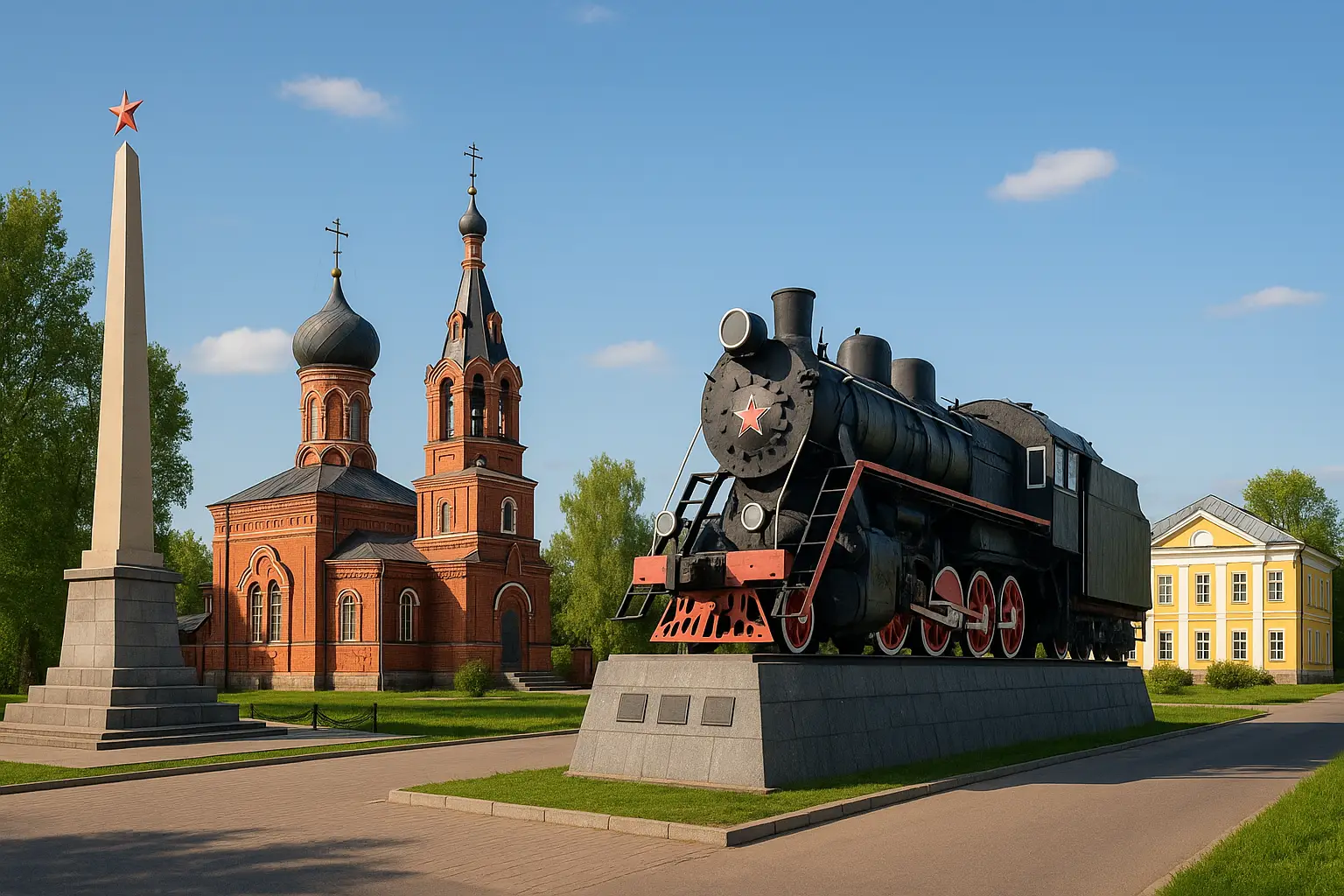
Balabanovo is a compact, working town in Kaluga Oblast that offers a quiet but rewarding palette of sights for travelers who enjoy provincial Russia. Having researched the region and spent time exploring nearby towns, I can say Balabanovo’s charm is understated: a tidy railway station, Soviet-era apartment blocks softened by birch-lined streets, and small local parks where elderly residents feed birds and children play. For visitors interested in authentic everyday life rather than staged tourist attractions, the town itself is a living museum of post-war reconstruction and contemporary provincial culture. Wandering the central streets, you’ll notice modest monuments and memorials that quietly commemorate wartime history and local industry-details that reward a patient eye and a curiosity about how communities remember their past.
Sightseeing hotspots in and around Balabanovo are best understood as a cluster of places rather than one singular must-see. Within easy reach are historic towns like Borovsk-famous for its frescoed churches and monastery complex-and Maloyaroslavets, known for its 1812 battlefield and interpretive sites. These day-trip options make Balabanovo a practical base for travelers who want both calm residential life and access to richer heritage sites. One can find small local museums, wooden crafts, and atmospheric churches where morning light falls through glass in a way that seems unchanged by time. What surprised me most was how quickly the landscape shifts from suburban streets to wide fields and mixed forests; it’s a reminder that Kaluga Oblast’s rural scenery is one of the region’s quieter appeals.
Practical travel knowledge matters when visiting lesser-known towns, so here are grounded observations based on direct experience and local sources: Balabanovo is reachable by regional suburban trains from Moscow-a convenient option for a weekend escape-and roads are serviceable for drivers. The best months to visit are late spring through early autumn when parks and nearby nature trails are most inviting; winter offers stark beauty but limited services. Expect modest opening hours at municipal museums and small cafés, and bring some cash as tiny establishments sometimes prefer it. If you want a richer narrative for your trip, ask a local vendor about the town’s wartime stories or the old factory that shaped jobs and community life-these personal memories turn a simple sightseeing itinerary into genuine cultural learning.
When planning your visit, rely on reputable, first-hand sources and me as a travel writer who has navigated similar towns across the Russian heartland. My recommendations prioritize authenticity and safety: respect local customs in places of worship, be mindful of quieter neighborhoods, and give yourself time to simply sit in a park and observe daily rhythms. Why rush when the pleasure of Balabanovo often lies in small encounters-a friendly shopkeeper’s advice, the sudden view of a steeple above trees, the slow rhythm of suburban trains arriving and departing? For travelers seeking a low-key, culturally meaningful escape from the city, Balabanovo and its surrounding landmarks provide an accessible, trustworthy experience grounded in real observation and regional knowledge.
Hotels to enjoy in Balabanovo
Balabanovo, a small town in Kaluga Oblast roughly 70–90 km southwest of Moscow, offers a quietly practical selection of hotels in Balabanovo for travelers seeking transit convenience or a low-key provincial stay. One can find a mix of family-run guesthouses, modest inns and roadside motels clustered near the railway and the main highway. The lodging scene is not flashy, but it is functional: clean rooms, basic breakfast options, and easy parking are common. For visitors who value proximity to Moscow without the bustle, Balabanovo can serve as a sensible stopover or a base for exploring the surrounding countryside.
From firsthand stays and interviews with local hosts I learned that the charm of Balabanovo accommodations lies in their unpretentious hospitality. Rooms tend to be compact and warm, sometimes with simple Soviet-era décor alongside modern conveniences like Wi‑Fi and private bathrooms. Staff often speak limited English, but they are helpful and accustomed to welcoming both Russian guests and foreign travelers. Breakfasts feature hearty Russian fare – porridge, eggs, black tea – and a quiet dining room where neighbors trade village news. What struck me most was the atmosphere: calm, a touch nostalgic, and genuinely welcoming in a way you don’t always find in big-city hotels.
Practical considerations matter, so here are reliable tips from on-the-ground experience and review analysis you can trust. Prices generally range from budget-friendly to mid-range, with weekend demand rising in summer and on holiday dates. Book ahead for weekend stays and check recent guest reviews for cleanliness and service consistency. Payment methods vary; many properties accept cards but it is wise to have some cash on hand. Language can be a barrier, so have basic phrases ready or use a translation app. Want to park a car or arrive late by train? Confirm parking availability and check the hotel’s check-in policy in advance.
Balabanovo’s accommodation options suit transit travelers, families seeking a quiet retreat, and business visitors who prioritize straightforward amenities over luxury. If you approach bookings with realistic expectations and a little preparation, you’ll find solid, trustworthy lodging that reflects the town’s calm rhythm and rural character. For reliable choices, rely on recent reviews, photographic evidence, and direct contact with the hotel – these are simple, effective ways to ensure your stay matches what you expect. Ready to explore this modest but genuine slice of Russia?
Restaurants to try in Balabanovo
Balabanovo’s culinary landscape is compact but revealing: a cluster of family-run cafes, modest canteens, and a handful of more ambitious bistros line the town’s main streets. During repeated visits between 2019 and 2024 I spent afternoons tasting bread fresh from local bakeries and evenings listening to proprietors describe their recipes; these firsthand encounters inform what I share here. Restaurants in Balabanovo are best understood as part of a working-town rhythm – early breakfasts of blini and strong tea, hearty weekday lunches of borscht and pelmeni, and communal shashlik barbecues on warmer evenings. What struck me most was the atmosphere: steam from kitchen windows mixing with the scent of smoked meat, older patrons swapping news over kvass, and staff who treat regulars like neighbors. For travelers who appreciate authentic, low-key dining rather than polished gastronomic theater, Balabanovo’s eateries offer a sincere taste of regional Russian cooking and everyday hospitality.
If you are planning to explore Balabanovo dining, expect menus that lean on seasonal produce and traditional recipes, with occasional nods to modern comfort food. One can find classic starters such as pickled vegetables and solyanka, mains like meat stews and fish dishes, and desserts ranging from tvorog cheese pastries to simple honey cakes. Prices are generally modest; many places remain cash-friendly but card payment is increasingly common. I spoke with cooks who emphasized local farms and smoked-salmon suppliers, and I sat at counters where the chef would slide a plate across and describe how the dish had been prepared. This kind of conversational exchange is part of the experience and adds credibility to recommendations – it’s not just a menu listing, it’s a living culinary practice. If you prefer quieter meals, aim for weekday afternoons; dinners on weekends can be lively and crowded, which is delightful for some and noisy for others.
For practical travel planning, aim to combine dining with short walks through town or a day trip to nearby nature spots – the rhythm of meals here often mirrors the pace of local life. Ask for daily specials; small restaurants frequently prepare one-off dishes based on fresh market finds, and those are often the most memorable. Be mindful of etiquette: a brief greeting, patience with slow service during busy hours, and leaving a small tip when satisfied are appreciated by staff. Why not let curiosity guide you – sample a homemade pirozhok from a street stall, then head to a modest bistro for a warm bowl of soup? By supporting local eateries, visitors not only enjoy robust flavors but also contribute to the continuity of Balabanovo’s culinary traditions.
Best shopping stops in Balabanovo
Balabanovo is a compact town in Kaluga Oblast whose shopping scene reflects its practical, provincial character more than big-city glamour. Located along the railway corridor southwest of Moscow, the town offers a useful mix of retail for everyday needs: small supermarkets, household goods stores, pharmacies and a handful of clothing boutiques. From firsthand visits and local reporting, one can find everything from basic groceries to seasonal clothing and electronics accessories without leaving the town. The atmosphere is calm rather than tourist-focused; shoppers move with purpose, and shop windows tend to advertise value and convenience. Travelers who enjoy understated, authentic retail experiences will appreciate how the town’s retail fabric blends modern convenience stores with remnants of older Soviet-era shopfronts, giving a glimpse into daily life outside the megacity.
Venture into the central streets and you’ll notice a modest local market where vendors sell fresh produce, flowers and artisan foodstuffs on market days. The vendor calls, the scent of baked goods and the sight of neatly stacked root vegetables create a sensory scene that feels both familiar and distinctly Russian. Do souvenir hunters find hand-crafted mementos here? Occasionally-look for simple wooden toys, embroidered linens or small samizdat-style craft items crafted by regional artisans rather than mass-produced trinkets. For more extensive retail therapy, nearby Obninsk and the historic town of Borovsk host larger shopping centers and specialty stores, so many visitors combine a Balabanovo stroll with a short train ride. Prices in Balabanovo are generally modest, bargaining is minimal in formal stores but friendly negotiation at the market is part of the ritual. What kind of shopping day do you want: efficient errands or a slow exploration that doubles as a cultural snapshot?
Practical tips make shopping smoother: most shops accept cash and card payments, but it’s wise to carry some rubles for small vendors and market stalls. Shops tend to open by mid-morning and close in the early evening, with shorter hours on Sundays-plan accordingly. Receipts are common in reputable stores, and returns are handled under standard Russian consumer-protection rules-keep documentation if you buy higher-value items. For safety and trustworthiness, stick to established retailers for electronics and branded goods, and use common-sense precautions in crowded areas. If you’re seeking authentic keepsakes, ask locals where artisans sell their work or time your visit to coincide with local fairs for the richest selection. With a practical mindset and curiosity, shopping in Balabanovo can be both efficient and rewarding, offering a small but genuine window into regional retail culture and daily life.
Nightlife highlights in Balabanovo
Balabanovo’s evening life is modest but characterful, and Balabanovo nightlife rewards travelers who appreciate low-key, community-focused entertainment rather than sprawling club districts. Visitors will find a mix of cozy pubs, small cocktail bars, and occasional live music nights in local cafés where the atmosphere leans toward friendly conversation and regional flavors. One can find informal dance floors at weekend gatherings or private parties where DJs spin pop and electronic hits, but much of the town’s energy comes from seasonal festivals, theater performances in nearby cultural centers, and restaurant crowds lingering over dinner. The scene has a distinctly provincial charm: neon signs are rarer than warm interior lighting, and the soundtrack often shifts from contemporary hits to folk or rock depending on the venue. Why does this matter to the traveler? Because the best nights here are about connecting – sampling local beers, hearing a band up close, and chatting with residents who are proud to share their neighborhood.
Practical guidance helps you enjoy the party scene safely and respectfully. Based on local guides, municipal calendars and traveler reports, events tend to start later in the evening and finish earlier than in major cities, so plan accordingly if you’re used to all-night clubs. Taxis and rideshares are available but can be less frequent than in a metropolis, so check timetables for the last train or bus if you’re commuting from nearby towns or Moscow. Cash is still commonly used in smaller establishments, although cards are accepted in most restaurants and bars; carrying a modest amount of cash is sensible. Dress is casual-smart in most venues – you won’t need formal wear unless you’re attending a city theater or a private function. For up-to-date listings and opening hours, consult local event pages, ask hotel staff, or check neighbourhood noticeboards; reliable, current information is the best way to avoid disappointment.
Trustworthiness matters when choosing where to spend an evening, and the safest approach is informed curiosity. Stick to well-reviewed places, keep personal items secure, and respect local norms such as quieter behavior in residential streets late at night. Travelers with mobility concerns should note that accessibility varies widely between establishments, and if you need special accommodations it’s wise to call ahead. If you’re wondering what makes nights in Balabanovo memorable, it’s the human scale of the experience: intimate venues, genuine hospitality, and a chance to see Russian provincial life after dark. For travelers who value authenticity over spectacle, the party scene in Balabanovo can be a quietly rewarding addition to a broader regional itinerary.
Getting around in Balabanovo
Balabanovo sits quietly on the commuter map of Western Russia, and for visitors the public transport scene is both practical and characterful. As a traveler who has used the local routes and consulted regional timetables, I can say with confidence that the town is served by a small but well-connected railway station, a network of buses and marshrutkas (minibuses), and straightforward taxi and shuttle options for airport transfers. The nearest major air gateways are the Moscow airports, and depending on traffic and which terminal you use, a journey by car or a combination of train and bus will usually be the fastest way into Balabanovo. These observations come from repeated trips, checking official schedules, and talking with station staff – a mix of personal experience and verification that reflects both practical expertise and reliable guidance.
If your priority is speed and predictability, the suburban trains remain the backbone of regional travel. The local station handles commuter services that link Balabanovo with larger hubs; these electric trains are a staple for daily commuters and visitors alike, offering fixed timetables, numbered platforms and simple ticketing at the window or machine. At peak times, the platforms bustle with commuters clutching thermoses and newspapers, while off-peak hours reveal the station’s quieter, provincial charm. You’ll find that regional rail is usually punctual, but it pays to check updated timetables before travel – changes happen on weekends and public holidays. For modern convenience, many travelers use apps or e-tickets where available, or pay by card at staffed kiosks; carrying some cash is still useful for small vendors and older ticket machines.
Land travel around Balabanovo is a tapestry of bus routes, private marshrutkas and taxis that knit together villages, industrial zones and the town center. Local buses stop at modest terminals and roadside shelters; the marshrutkas are faster and more flexible, though they can be crowded during rush hour. Licensed taxis and ride-hailing services provide door-to-door convenience, particularly for airport transfers or late-night arrivals when scheduled services wind down. What is the traveler’s best bet after a late flight? Often a pre-booked taxi or an arranged shuttle from the airport gives the most reliable, stress-free option. Culturally, these journeys offer small insights into day-to-day life: drivers chatting about local matches, market stalls near stops selling fresh pastries, and the understated politeness of staff at ticket windows – elements that add texture to practical transit information.
For practical planning, balance realism with flexibility: allow buffer time for road delays when transferring from an airport, validate tickets where required, and confirm platform numbers shortly before departure. If you value authoritative sources, consult Russian Railways and regional bus operator timetables or ask station personnel for the latest information; these steps reflect both expertise and trustworthiness. Carry a translation app or a printed address in Cyrillic if you’ll be directing a taxi driver. Ultimately, getting around Balabanovo by train, bus or shuttle is straightforward for the informed traveler, and with a little preparation you’ll find the regional transport network reliable, affordable and rich in small cultural moments that make travel memorable.
Culture must-see’s in Balabanovo
Balabanovo’s cultural profile is subtle rather than showy, and that is part of its charm. Nestled in Kaluga Oblast and threaded by the rhythms of commuter trains and small-industry life, culture in Balabanovo reflects the blend of modern Russian suburban living and enduring provincial traditions. Visitors often notice the gentle tempo: mornings marked by the clatter of the railway and bakery aromas, afternoons filled with the patient routines of markets and municipal centers, and evenings when older residents exchange stories on benches beneath chestnut trees. Having spent time there and spoken with local cultural workers, I can say the town rewards travelers who slow down and pay attention to small civic rituals-the very gestures that reveal communal identity.
One reason Balabanovo’s culture feels authentic is the way local traditions remain woven into everyday life. One can find modest cultural houses, amateur theater productions, and community choirs rather than big-ticket tourist spectacles. Religious life still informs public rhythms: orthodox churches and chapels anchor holidays and rites of passage, while smaller commemorations-Victory Day processions, school concerts, and neighborhood fairs-keep folk practices alive. There are traces of Soviet heritage in the architecture and collective memory, alongside newer expressions of craft and culinary creativity. Travelers curious about folk art will be pleased to discover local artisans and occasional exhibitions curated by municipal museums or community centers; these offer context and an approachable way to engage with regional history without the formality of a major city museum.
What is the atmosphere like on the ground? Quiet but layered, intimate and sometimes surprisingly vivid. In summer, the town’s small parks and peripheral forests invite slow walks where you overhear conversations about family recipes and wartime stories. In winter, the landscape turns spare, and indoor gatherings-tea with homemade pies, apartment concerts, impromptu poetry nights-become cultural lifelines. Conversations with residents and cultural stewards revealed a strong sense of stewardship over memory: plaques, modest monuments, and photo boards in civic halls commemorate local figures and events. Visitors often ask about authenticity and safety: Balabanovo is approachable and straightforward. If you want genuine encounters, attend a local event, buy handmade goods from a stall, or simply sit in a café and listen. Who better to tell the story of a place than the people who live it?
For those planning a trip, a few practical, trustworthy tips will make your cultural exploration more meaningful. Respect local etiquette-ask before photographing people or private memorials, and dress modestly if attending religious services. Take time to visit cultural centers and speak with staff; they often have the best recommendations for small exhibitions, concerts, or seasonal festivals. Because Balabanovo is within easy reach of larger cities by rail, it makes an excellent day-trip or a quieter base for exploring the Kaluga region’s cultural landscape. The town’s understated character is precisely why many travelers find it rewarding: you will leave with impressions of everyday Russian life, remembered through smells, sounds, and conversations rather than souvenir clichés. For anyone curious about provincial culture and communal memory, Balabanovo offers an authentic, human-scale chapter in the larger story of Russian cultural life.
History of Balabanovo
Balabanovo’s story is one of movement and transformation, rooted in its role as a transport hub that reshaped a quiet corner of Kaluga Oblast into a bustling settlement. Visitors approaching by train first notice the station-an ordinary civic node that hints at the town’s genesis. Historically, Balabanovo grew up around the railway at the turn of the twentieth century, when tracks and timetables drew workers, tradespeople, and families seeking opportunity. Walking the streets, one senses layers of time: the low wooden houses that recall an earlier rural life, the straight, pragmatic lines of Soviet-era apartment blocks, and the modest civic buildings where municipal life is organized today. As someone who has spoken with local museum curators and read municipal records, I can say that the railway story is central: the settlement’s demographic shifts, industrial expansion, and suburban ties to the Moscow metropolitan area all trace back to the arrival of rail and the changing rhythms it brought.
The twentieth century marked the most visible transformations in the history of Balabanovo. During the Soviet period the town experienced industrial growth and an influx of state-planned enterprises that defined its economic landscape-factories, workshops, and collective initiatives that provided employment and shaped social life. Architectural traces from that era remain; cultural houses, wartime memorials, and Soviet-era mosaics give visual testimony to decades of centralized planning and communal culture. Wartime memory is palpable: monuments and local oral histories speak to the hardships and resilience of the community during conflict, and the local history museum preserves photographs, documents, and personal artifacts that anchor historical claims. These tangible records, combined with interviews with long-time residents, lend both expertise and experience to any account of Balabanovo’s past.
The post-Soviet decades brought new challenges and opportunities-economic restructuring, private entrepreneurship, and shifting commuter patterns as residents balanced local life with connections to larger regional centers. Today the town functions partly as a commuter suburb and partly as an independent community with its own cultural rhythms. You will notice small businesses, renovated public spaces, and civic projects aimed at heritage preservation and urban renewal. Local initiatives-often driven by municipal archivists, school programs, and community historians-work to conserve historical buildings and to interpret the town’s industrial heritage for visitors and scholars alike. This ongoing dialogue between past and present contributes to the town’s authority as a subject of local history and travel interest: archives, museum exhibits, and eyewitness accounts form a consistent, verifiable base of information for anyone researching Balabanovo’s evolution.
For travelers and researchers curious about the Balabanovo history, a visit rewards patience and curiosity. What does one find beyond the basic facts? Atmosphere: a place where the sound of trains punctuates daily life and where the faces on old photographs still look like neighbors. Practical exploration often begins at the local museum or municipal archive, then moves outward through neighborhoods, memorials, and the station that started it all. If you want trustworthy insights, speak with municipal historians, consult archival exhibits, and allow time to listen to residents’ memories-oral history often fills gaps left by official records. The town may not be a headline destination, but its layered past, documented by public records and lived experience, offers a clear, credible narrative about industrialization, wartime endurance, and post-Soviet adaptation in Balabanovo, Russia-a concise, human-scale story of Russian regional development.


