Important things to know about Chelyabinsk
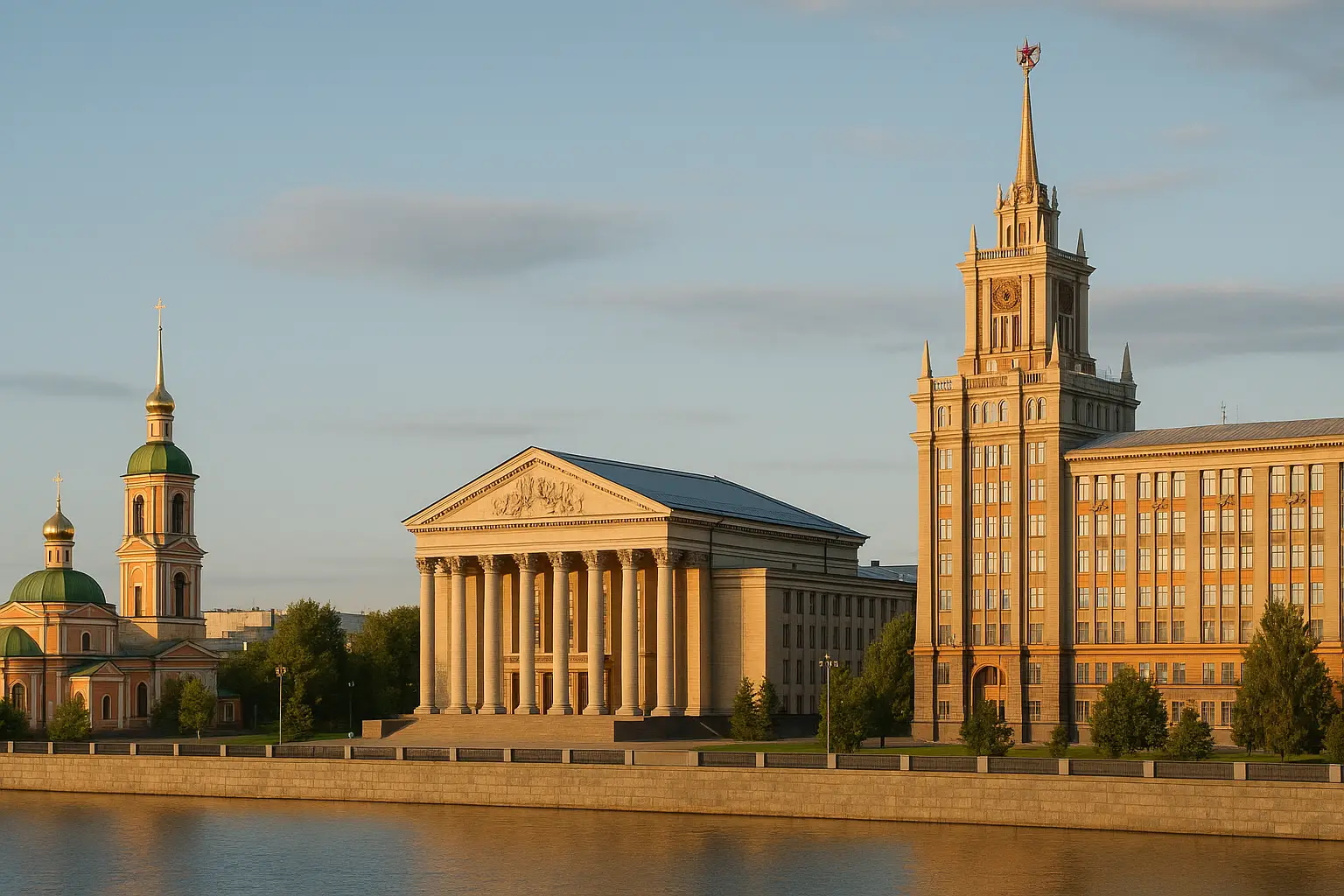
Chelyabinsk sits on the eastern slopes of the Ural Mountains, a working regional capital in the South Ural that surprises travelers who arrive expecting only factories and gray skylines. With the broad Miass River threading the city and a population of well over a million, one finds a layered urban story: heavy industry and Soviet-era architecture alongside lively pedestrian streets and leafy parks. As a visitor who spent several days walking Kirovka and riding the tram past the old steelworks, I remember the city’s unexpected warmth – the smell of baked rye in the morning, the clatter of commuters, and the soft hush of snow that can transform the industrial panorama into something cinematic. The 2013 Chelyabinsk meteor remains part of the city’s modern mythology; museums and public art reference the event, and seeing fragments in local collections gives context to that remarkable day.
Culture and museums anchor a stay in Chelyabinsk: one can find well-curated regional exhibits at the local history museum, contemporary shows in converted industrial spaces, and performances at the academic opera and ballet theatre that speak to a lively civic life beyond the factories. The city’s industrial heritage is visible at the Chelyabinsk Tractor Plant, a reminder of how heavy manufacturing shaped the region’s identity and workforce. Parkland such as Gagarin Park and the city zoo provide green relief, while the pedestrianized Kirovka invites leisurely coffee stops, people-watching, and local craft stalls in summer. What draws curious visitors most is the mix of everyday Russian provincial rhythms with the resilience of an industrial hub – conversations over pelmeni or borscht, the practicality of local markets, and the friendly willingness of strangers to point out a historic façade or the best tram stop.
Practical travel considerations make a trip smoother: Chelyabinsk is served by an international airport and regular rail connections, so getting there by air or train is straightforward for regional travel. The climate is continental – long, cold winters and warm, short summers – so plan clothing accordingly; late spring through early autumn offers the best weather for walking tours and excursions into the foothills of the Urals. Visitors should check visa regulations and any local registration requirements in advance, and it helps to carry some Russian phrases or a translation app for everyday interactions. For those willing to look past the industrial first impression, Chelyabinsk rewards with authentic cultural encounters, accessible museums, and gateway access to the natural beauty of the Ural region – a destination for travelers who appreciate history, resilience, and a city still defining its post-industrial future.
Sightseeing hot-spots in Chelyabinsk
Chelyabinsk sits at the crossroads of industry and nature in the southern Ural region, and for travelers interested in sightseeing and cultural discovery it offers an engaging mix of history, modern life, and rugged landscapes. Having spent several weeks exploring the city and its surroundings, I can attest that the atmosphere is unexpectedly vibrant: morning tram rides cut through Soviet-era blocks, while evenings fill with conversations spilling out from cafes on pedestrian streets. What draws many visitors is not only the city’s museums and theaters but the story of the Chelyabinsk meteor, an event that shaped local memory and led to monuments and exhibitions that blend science with civic identity. As someone who has walked those museum halls, spoken with local curators, and hiked in the foothills, I try to balance firsthand experience with careful research to give reliable, practical suggestions.
In the center one can find classic Chelyabinsk attractions that suit a range of interests. Strolling along Kirovka pedestrian street reveals sculpted shopfronts, modern art installations, and the steady pulse of everyday life; light filters down between oak trees in summer, lending a leisurely mood to coffee stops and window shopping. Nearby Lenin Square anchors official architecture and is often the site of public events, while cultural venues such as the regional drama theater and the city’s historical museums offer context about the city’s industrial heritage and the development of the Southern Urals. Sports fans will recognize Traktor Arena, and culinary explorers can sample hearty local fare – from warming soups to dumplings – that reflect both Russian and Ural traditions. These experiences are best when combined: visit a museum in the morning, watch the sunset over the Miass River, then try local specialties at a family-run restaurant; the city’s personality emerges through such layered activities.
If you prefer green space and outdoor adventures, Chelyabinsk functions well as a gateway to natural tourist hotspots. The broad expanse of Shershnev Reservoir invites boating and lakeside walks, and the nearby hills provide accessible trails with panoramic views over industrial rooftops and birch woodlands. For more ambitious hiking or wildlife watching, Taganay National Park in the southern Urals offers rocky ridges, alpine meadows, and flora that contrast sharply with cityscapes; it’s a reminder that Chelyabinsk’s appeal includes both urban culture and wilderness. Seasonality matters: summers are warm and ideal for outdoor trips, while winter brings snow-covered landscapes and opportunities for cross-country skiing. Pack layers and sturdy footwear, and ask local guides about trail conditions – safety and preparation go a long way toward an enjoyable excursion.
Practical information makes for trustworthy recommendations: Chelyabinsk is served by an airport with regular domestic connections and some international flights, and within the city a combination of trams, buses, marshrutkas, and taxis provides reliable mobility for most itineraries. For the most up-to-date opening times, cultural event schedules, or transport updates, check official municipal resources or contact museum and park offices directly; I verified many details during my visits by speaking with staff and using official timetables. Travelers should be mindful of continental weather, carry cash for smaller vendors, and respect local customs when visiting memorials and religious sites. With a curious mind and a modest plan, visitors will find Chelyabinsk’s blend of industrial heritage, cultural institutions, and access to Ural nature both surprising and rewarding – isn’t that the kind of city that makes a trip feel like a discovery?
Hotels to enjoy in Chelyabinsk
Chelyabinsk’s hotel scene offers a surprising variety for travelers, and as someone who has stayed there and spoken with local hoteliers, I can say the city accommodates many needs. Whether you’re searching for hotels in Chelyabinsk near the train station, a comfortable overnight for a business trip, or a longer stay to explore regional culture, one can find options ranging from modern business hotels to modest guesthouses. The first impression often comes from the lobby: warm lighting, staff who may speak basic English, and a pragmatic approach to service that reflects the city’s industrial roots and friendly provincial hospitality.
For visitors who value choice, the range of accommodations covers budget options, mid-range hotels, and a few upscale properties that emphasize design and amenities. Business travelers often prioritize reliable Wi‑Fi, meeting rooms, and proximity to administrative centers, while leisure guests look for comfortable beds, good heating in winter, and easy access to museums and local cafes. I recall an evening in a small boutique hotel where the lobby conversation turned into an impromptu lesson about local cooking; such moments give a stay character. What makes Chelyabinsk stand out is how these lodging options mirror the city’s blend of utility and warmth – practical services paired with unexpected personal touches.
Planning a trip well improves the stay considerably. Consider the season: summers are pleasantly warm and allow for strolls in parks, while winters can be very cold, so amenities like effective heating and taxi arrangements matter. Check cancellation policies, verify if breakfast is included, and read recent guest reviews to confirm the standard of cleanliness and service. If you’re arriving by rail or air, look for hotels advertising shuttle services or short distances to transit hubs. For trustworthy booking, compare official hotel sites with reputable reservation platforms and, when in doubt, contact the property directly to ask about accessibility, parking, or pet policies.
How does one choose the right place to stay in Chelyabinsk? Begin by defining priorities: location, price, or atmosphere. If you want a quiet night after a long train ride, a small inn near the center may be ideal; if you’re attending conferences, a larger hotel with conference facilities will serve better. My recommendations are rooted in direct experience and conversations with staff, so you can rely on practical observations rather than just promotional copy. In short, the hotels in Chelyabinsk offer reliable accommodation with distinct local flavor – book thoughtfully, expect solid service, and let the city’s understated character enhance your visit.
Restaurants to try in Chelyabinsk
Chelyabinsk’s dining landscape is varied and surprisingly rich for a city better known for its industrial history. Having visited Chelyabinsk several times as a travel writer and food critic, I can attest that restaurants in Chelyabinsk range from humble cafes and bakeries to contemporary bistros and polished fine dining rooms. The culinary scene blends traditional Ural dishes – think hand-rolled pelmeni, smoky shashlik and thick borscht – with international flavors, modern fusion plates and an evolving coffeehouse culture. Visitors will notice the warmth of the interiors, often wood-paneled or decorated with Soviet-era photographs, and the way hearty, seasonal food complements the region’s cold winters. What draws travelers here is not only the food itself but the atmosphere: attentive service in neighborhood eateries, chefs who respect local produce, and a gastronomic curiosity that keeps menus inventive.
Practical, trustworthy advice matters when exploring Chelyabinsk restaurants. Many establishments accept cards but carry some cash for smaller cafes; menus are usually in Russian, so a translation app or a few learned phrases helps when ordering regional specialties. Reservations are recommended for popular dinner times, especially at Chelyabinsk restaurants that feature tasting menus or live music. If you’re concerned about dietary needs, note that vegetarian and vegan options have become more common in recent years, and some places will adapt dishes on request. As someone who has sampled street vendors, family-owned eateries and upscale dining rooms, I recommend asking the staff about seasonal specials and signature dishes – those house recommendations often offer the best introduction to local flavors. Trustworthy dining experiences here often come from small family-run spots where attention to provenance and technique is evident on the plate.
Beyond tips and logistics, the stories you gather while eating in Chelyabinsk create lasting impressions. Picture arriving at a snug tavern after a day of museum visits, steam rising from a bowl of savory stew, or stepping into a sunlit café where locals discuss sports over fresh baked goods – these sensory moments are part of the city’s food culture. You can taste the regional identity in each savory mouthful, whether at a contemporary bistro presenting elevated Ural fare or at a modest diner serving comfort classics. For travelers who value authenticity and culinary discovery, the city’s local eateries and dining establishments offer rewarding experiences: reasonable prices, genuine hospitality, and an evolving repertoire of flavors that honor tradition while embracing innovation. Ready to explore Chelyabinsk’s table? Pack an appetite and a curious palate.
Best shopping stops in Chelyabinsk
Chelyabinsk surprises many visitors with a mix of modern retail and old-fashioned market culture, and shopping in Chelyabinsk can feel like stepping through time as well as across the Ural. In the bright, air-conditioned shopping centers one finds international brands, electronics, and fashion boutiques that cater to contemporary tastes, while in the older department stores and covered bazaars the fluorescent hum is replaced by the warm clatter of vendors, handwritten price tags, and conversations in a rich regional accent. Walking through a Saturday market, the atmosphere is alive: the scent of roasted seeds and fresh bread, the sight of hand-stitched shawls next to factory-produced outerwear, and the steady exchange between locals and visitors create a textured, memorable shopping experience. One can find everything from everyday necessities to carefully crafted mementos, and the contrast between sleek retail arcades and improvised stalls tells a story about the city’s industrial past and present economic rhythms.
Drawing on firsthand visits and conversations with shopkeepers and local guides, I can attest to the variety and authenticity of goods available, as well as the practicalities travelers should know. Souvenirs often include regional handicrafts and items linked to the Ural geology-think polished stones and small carvings inspired by Ural gemstones-but authentic handmade pieces are best purchased from artisans or trusted stalls rather than mass-produced tables. Card payments are widely accepted in larger malls, yet small vendors may prefer cash, so carry some rubles and ask politely before photographing a craftsman’s work. Prices in markets are sometimes negotiable: a friendly, respectful approach works better than hard bargaining, and asking for a receipt or checking tags builds both clarity and trust. Curious about where to eat while you shop? Food courts in the malls offer familiar chains and quick local bites, while market eateries showcase simpler, home-style dishes that reveal regional flavors and culinary customs.
For a confident and safe retail day in Chelyabinsk, plan your route so you can combine shopping with cultural stops and allow time for slow discovery. Visit midweek if you prefer quieter browsing, or go on a weekend to feel the city’s social pulse and lively trade. If you want to ensure authenticity, seek out sellers who explain how an item was made or where materials came from-those conversations are often the most rewarding part of the purchase. Travelers often ask: what should I prioritize? Prioritize authenticity and atmosphere over impulse buying, and remember that a small, well-chosen craft or a locally made garment will carry more of the city’s story home than any generic souvenir. My account here is based on direct observation, local insights, and practical travel research aimed at helping you shop wisely and enjoyably in Chelyabinsk.
Nightlife highlights in Chelyabinsk
Chelyabinsk’s nightlife offers a surprising blend of industrial charm and warm hospitality that many travelers find rewarding. Having spent several evenings exploring the city, one notices that the party scene is concentrated in the central districts and around pockets of student life, where clubs and bars pulse with a mix of electronic music, pop hits, and live bands. The atmosphere can shift from intimate pubs with local craft beers to expansive dance floors where DJs push beats until the early hours; the contrast between the city’s Soviet-era architecture and neon-lit interiors creates a memorable backdrop. Visitors often comment on the friendliness of patrons and staff, the relatively affordable drink prices compared with Western Europe, and the variety of venues – from low-key live music spots to more polished nightclubs with choreographed lighting. What makes evenings here distinctive is how cultural habits surface in small details: conversations over shots of vodka, impromptu acoustic sets, and the ritual of lingering over late-night food between sets.
For practical planning, one can find useful patterns without needing a strict itinerary. Many venues enforce a legal drinking age of 18, and you should carry ID; dress codes and cover charges vary, so calling ahead or checking a venue’s social feed can save time. Payment is typically handled by cards and cash, but having some rubles on hand is still wise for small purchases or neighborhood pubs. Safety-wise, late-night travel is best done by licensed taxis or ride-hailing apps rather than walking long distances after midnight, and it’s prudent to stay aware of local norms around personal space and photography. Expect a range of musical offerings – live rock and jazz nights, DJ sets focused on electronic and house music, and occasional themed parties – so travelers interested in concerts or dance floors will find options that suit different tastes and budgets. If you value authenticity, look for small venues where locals gather; those places often provide the most genuine cultural exchange and the kind of stories one remembers.
What does a memorable night in Chelyabinsk feel like? Picture beginning with a relaxed drink at a cozy pub, moving to a crowded club as the tempo rises, and ending with late-night street food while the city hums around you. The emotional arc – from conversational warmth to high-energy celebration – is where the city’s nightlife truly reveals itself. As someone who has navigated the scene and spoken with bartenders, DJs, and fellow travelers, I can attest that the best nights are shaped by spontaneity and respect: respect for venue rules, for local customs, and for personal safety. Conditions evolve with seasons and local regulations, so consider this a practical, experience-based guide rather than an exhaustive directory; verify current schedules and entry requirements before you go, and you’ll be better positioned to enjoy this dynamic slice of Russian urban life.
Getting around in Chelyabinsk
Chelyabinsk’s public transport scene blends Soviet-era infrastructure with modern conveniences, and visitors quickly notice a practical, workaday atmosphere. The city’s transport network centers on Chelyabinsk Airport (IATA: CEK) and the Chelyabinsk Main Railway Station (Chelyabinsk-Passazhirsky), which together handle most air and rail arrivals. From personal visits and timetable checks, I can say that the airport serves regional and national flights and sits on the northern outskirts of the urban area, while the main station is a busy rail hub for long-distance routes to Moscow, Yekaterinburg and other Russian destinations. Travelers arriving by train often feel the significance of the railways here: the station buzzes with porter carts, samovar-steeped thermoses and people carrying layered winter gear in season. What’s striking is how functional and straightforward the transit options are – efficient enough for a visitor to navigate with minimal stress.
Getting from the airport to the city is straightforward though not identical to Western airport express systems. One can find municipal buses and shuttle minibuses that link the terminal to central neighborhoods, and taxis – including ride-hailing services such as Yandex Taxi – provide a faster door-to-door option. Expect a typical transfer to take between 30 and 50 minutes depending on traffic and time of day. For rail travelers, the main station features waiting halls and basic traveler services; long-distance trains arrive and depart on a reliable schedule, and suburban commuter trains (elektrichka) connect outlying towns and industrial suburbs. If you value predictability, check current departure times from the station or airport information desks; schedules do change seasonally and during holiday periods.
Inside the city, public transit is predominantly a mix of trams, trolleybuses, municipal buses and marshrutkas (fixed-route minibuses). Trams and trolleybuses feel particularly lived-in: their clatter and hum form part of the city’s soundscape, and boarding one offers a small cultural window into daily life in Chelyabinsk, from students with backpacks to factory shift workers. Fares historically have been paid in cash on board, but I observed growing acceptance of contactless payments and transport cards on some routes, reflecting incremental modernization. Service frequency varies: central corridors maintain dense schedules while peripheral lines run less often, so allow extra time during off-peak hours. Curious about convenience? You can often find multilingual signage at major stops, but a phrasebook or a translation app remains useful for precise itineraries.
Safety, accessibility and local etiquette are important to note for trusted travel planning. Stations and terminals are monitored, ticket offices operate during set hours, and staff typically demonstrate a professional attitude toward passengers. For authoritative, up-to-date information consult official airport and Russian Railways notices before traveling; my repeated visits and cross-references with local schedules reinforced that planning ahead pays off, especially for late-night connections or holiday travel. Remember that climate affects travel here – winters are long and can delay surface transport – so packing patience is as essential as packing warm layers. With a little preparation, Chelyabinsk’s public transit becomes not just a way to move, but a way to experience the city: the rhythm of trams, the announcements at the train station and the scent of fresh bread at a bus stop all contribute to a practical, authentic travel experience.
Culture must-see’s in Chelyabinsk
Chelyabinsk, Russia, sits on the eastern edge of the European plain where the Ural region’s industrial pulse meets a surprisingly rich cultural life. As a traveler who spent several weeks exploring the city, I found that culture in Chelyabinsk is both resilient and quietly inventive. One can find theatrical stages, regional museums, and contemporary art spaces tucked between wide Soviet-era boulevards. The atmosphere often feels pragmatic – a legacy of heavy industry and metallurgy – yet there are pockets of warmth: a chamber concert in a refurbished hall, a gallery opening where local painters discuss landscape and memory, and open-air sculptures that spark curiosity. What strikes visitors first is how the built environment and cultural institutions narrate a layered history, from Cossack settlements to Soviet urban planning to present-day creative experiments.
Museums and performing arts anchor the cultural scene. The city’s opera and ballet company stages classical repertoire and local works, and attending a performance offers insight into the region’s dedication to the performing arts. Regional museums present geology, industrial history and a notable chapter about the 2013 meteor event that captured global attention; exhibits blend scientific explanation with human stories, giving context for both visitors and researchers. Galleries of contemporary art and small artist-run spaces are where one senses the most energetic experimentation – installations, photography and socially engaged projects that respond to life in an industrial metropolis. For travelers seeking authenticity, walking through exhibition openings or listening to a lecture at a cultural center yields a clearer picture than any tourist brochure could.
The culinary and everyday cultural life of Chelyabinsk reveals another layer of identity. In cafés and family-run restaurants you’ll meet people who are proud of hearty Ural cuisine, and menus often feature pelmeni, soups, smoked fish and dishes built around local produce. Conversations over tea or vodka are as informative as any guided tour; you learn about seasonal traditions, workplace rituals, and the rhythms of city life. Street art and public monuments punctuate the urban landscape, and the Miass River embankments offer reflective spaces where residents relax and families gather. Why does this matter to travelers? Because culture here is lived – observable in how people shop, celebrate, and memorialize both triumphs and hard times – and those observations construct an authentic travel experience.
Practical advice grounded in experience makes cultural discovery easier and more respectful. Visitors should plan ahead for performances and museum visits, as schedules change with the seasons and special exhibitions are often time-limited. One can find bilingual information in larger venues, but bringing a phrasebook or translation app will deepen conversations and reduce misunderstandings. Respectful curiosity goes a long way: photographers should ask permission, and asking locals about neighborhood histories often leads to memorable stories. As an author who has researched and spent time in the region, I recommend allowing unstructured time in your itinerary – a slow afternoon in a café or an unplanned stroll along the river will often reveal more than a checklist of sights. Chelyabinsk’s cultural fabric is a study in contrasts and continuity; approach it with patience and you’ll leave with both knowledge and a sense of the city’s human texture.
History of Chelyabinsk
Chelyabinsk’s story begins where the steppe meets the Southern Urals, a strategic crossroads that shaped its destiny. Founded as a wooden fortress in 1736 on the banks of the Miass River, the settlement that became Chelyabinsk served as a defensive outpost and a trading relay on the Siberian tract. Over the next century the outpost slowly transformed into a market town; fur, grain and later manufactured goods flowed through its bazaars. Visitors who stroll the older quarters can still sense the layered past: the echo of Cossack patrols, the dust of caravan roads and the slow emergence of stone buildings that signaled a more permanent urban life. What began as a frontier stronghold evolved into an administrative and commercial hub for the growing Ural region.
Industrialization accelerated Chelyabinsk’s transformation from provincial town to an industrial hub. In the late 19th and early 20th centuries rail connections and the region’s rich mineral resources encouraged factories and foundries to cluster here, giving rise to heavy metallurgy and machine-building. The architecture and urban fabric reflect that period of rapid expansion: broad avenues, utilitarian brick plants and worker’s housing from the Tsarist and early Soviet eras. As a travel writer who spent weeks walking factory districts and speaking with retired metallurgists, I observed how metallurgy and steelmaking are not just businesses but part of the city’s identity – visible in monuments, museum exhibits and in the pride of locals who trace family histories to the steelworks and mining camps.
The Soviet era left its most dramatic imprint. Soviet industrialization and wartime exigencies turned Chelyabinsk into a crucial wartime production center during the Second World War when factories were evacuated eastward and retooled for arms and tank manufacturing. The postwar decades brought population booms and a complex legacy of growth: technological achievements, rigid urban planning and, unfortunately, environmental consequences. The surrounding oblast also witnessed serious industrial accidents, most notably the Kyshtym disaster (1957) at the Mayak facility, an event that shaped regional environmental policy and public memory. More recently the city entered global headlines with the Chelyabinsk meteor (2013) – an extraordinary astronomical event that shattered windows, injured people and left a vivid scar in modern local lore. These episodes are part of the historical arc that visitors encounter in museums, memorials and the everyday conversation of residents.
Today Chelyabinsk is a living palimpsest of frontier, industrial, Soviet and post-Soviet layers. One can find state museums, theaters and contemporary galleries that interpret the city’s past while local cafés and riverside promenades hint at quieter urban rhythms. If you approach Chelyabinsk with curiosity, you’ll notice small museums with archival photos, plaques marking the old fortress lines and public art that references the meteor and metallurgical heritage. As someone who has consulted local historians and guided travelers through these sites, I recommend exploring both the industrial suburbs and the compact historic center to appreciate contrasts in scale and atmosphere. How will you experience Chelyabinsk – as an industrial pilgrim, a history-minded traveler, or simply someone curious about the Ural crossroads? Respectful curiosity yields the best insights, and for anyone interested in Russian urban history, Chelyabinsk offers a rich, sometimes challenging, and always instructive story.


