Important things to know about Glazov
Glazov (Глазов), a mid-sized city in the Udmurtia region of Russia, is a quiet but rewarding stop for travelers who appreciate regional history and off-the-beaten-path culture. On my visit the town felt lived-in rather than staged for tourists: streets lined with late imperial and Soviet-era architecture, trampling footsteps on frost-hardened pavements in winter, and the pleasant hum of a riverside economy on warmer days. The city sits along the Cheptsa River, and that waterway shapes much of the atmosphere – misty mornings, fishermen arriving with the first light, and benches where locals chat about the day. What draws visitors here is not a single postcard image but a layered sense of place: local museums that preserve Udmurt traditions, a modest drama theater that stages community plays, and artisans whose woodwork and textiles echo a long rural craft heritage. One can find intangible cultural threads – folk melodies, hearty regional cuisine, and a sense of practical resilience – that make Glazov more than a transit point in the Volga-Ural area.
For planning and practical travel advice, think like a regional traveler rather than a city tourist. Glazov is accessible by regional rail and bus services from larger hubs such as Izhevsk and Kirov, and the roads are passable year-round though winter conditions may slow journeys. Visitors should carry some cash in rubles, download a translation app for basic Russian phrases, and verify seasonal schedules for museums and public transport in advance. From an expert perspective, pacing matters: a slower itinerary allows you to soak in neighborhood markets, try local bakeries and dumpling houses, and observe weekday life – not just staged attractions. Safety is typical of small Russian cities: prudent travel behavior, awareness of your belongings, and respectful engagement with locals will go a long way. If you are curious about crafts and culinary traditions, ask for explanations – sellers and guides often enjoy sharing techniques and stories, which deepens both appreciation and authenticity.
For visitors who want a compact but meaningful stay, allocate time for a riverside walk at dusk, a dedicated stop at the local history museum to contextualize what you see, and an evening at the community theater or a modest concert where Udmurt songs may appear unexpectedly. You might discover a market stall selling embroidered textiles or a bakery offering a version of traditional pies; these small encounters are the real highlights. For photographers and cultural observers alike, Glazov offers textured street scenes, quiet green spaces, and a living archive of regional life. If you seek a destination that rewards curiosity and a slower travel pace, Glazov stands as an authentic Russian regional city where history, nature, and everyday culture converge – and where you can leave with new questions and a deeper sense of place.
Sightseeing hot-spots in Glazov
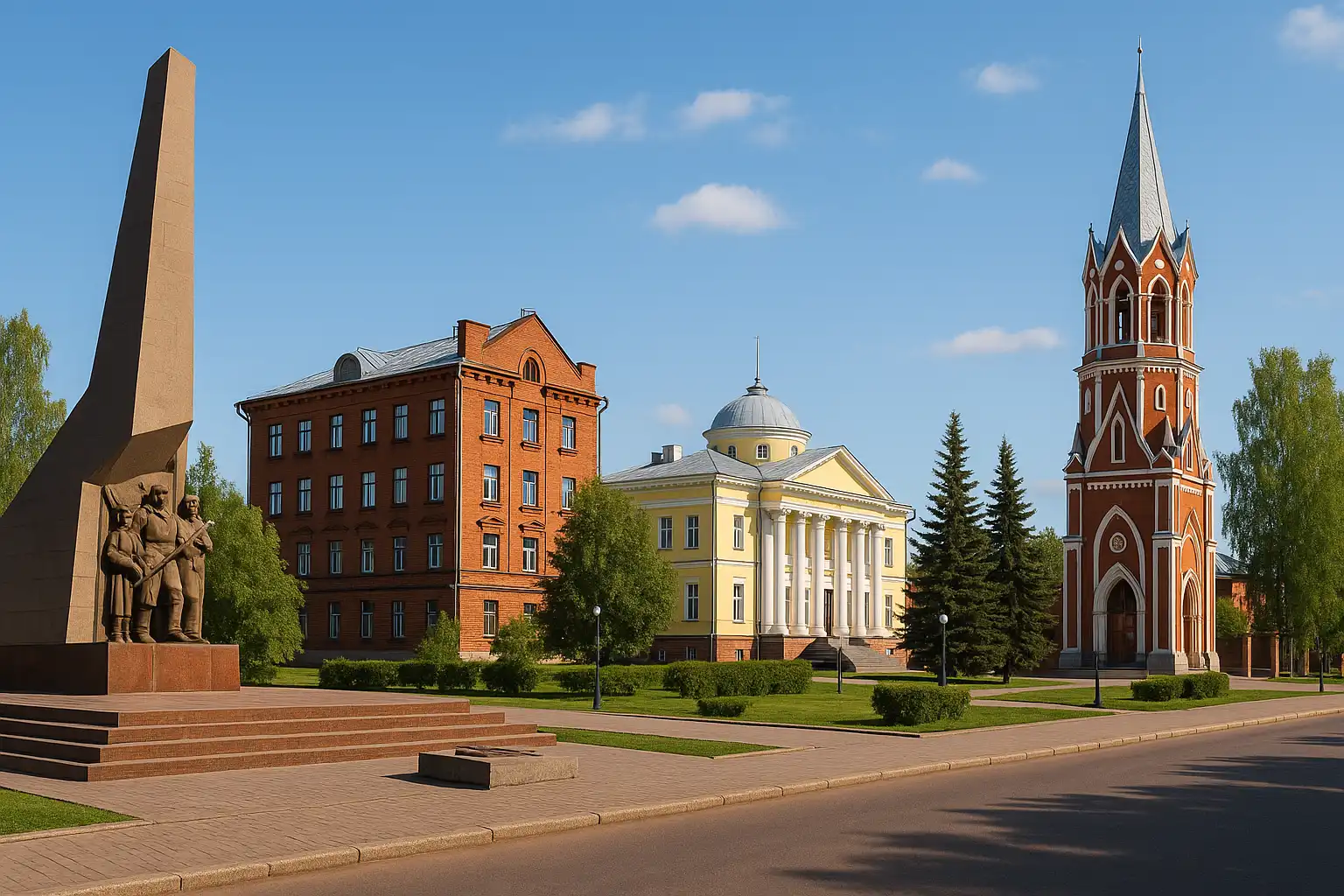
Glazov sits quietly on the banks of the Cheptsa River in Udmurtia, Russia, and rewards curious travelers with an unpretentious blend of history, culture, and everyday provincial charm. Having spent several days walking its streets and speaking with museum curators and shopkeepers, I can say this is a place where slow discovery pays off. The town’s compact historic center makes it ideal for sightseeing on foot: one can trace layers of architecture from timber houses with carved eaves to restrained Soviet-era facades. The atmosphere is different in each season – crisp, snow-dusted lanes in winter feel intimate and hushed, while summer afternoons bring locals to riverside benches and open-air markets, filling the air with conversation and the smell of fresh bakery goods.
For visitors seeking Glazov attractions, the local museum of regional history is essential for context; its exhibits outline the area’s crafts, industries, and Udmurt traditions, and museum staff often provide insights that deepen appreciation. Nearby, a modest but well-kept art gallery and a provincial drama theatre offer cultural programming that reflects contemporary life in the region. There are also several memorials and public sculptures dotting the central squares that speak to the city’s 20th-century past. If you enjoy architecture or photography, the juxtaposition of wooden villas with ornate trim against practical Soviet apartment blocks creates compelling visual contrasts. What should you see first? Start at the riverfront promenade to get oriented: the Cheptsa’s slow flow and tree-lined embankments make for relaxing walks and informal people-watching.
Cultural experiences in Glazov are often understated but memorable. Traditional Udmurt cuisine – hearty porridges, smoked fish, and rye-based breads – can be sampled at family-run cafés where conversation is as much a part of the meal as the food. Seasonal festivals and community events, which highlight folk music, costume, and craftwork, offer authentic glimpses into local identity; if you time your visit to coincide with one, you’ll leave with stronger impressions than a checklist of sites ever could. Expect warm, matter-of-fact hospitality rather than spectacle. I remember sitting in a small teahouse while an elderly woman shared stories about the neighborhood’s changes over decades; these personal narratives often outshine guidebook facts and are a large part of what makes regional travel rewarding. Do you want to learn a few phrases in Russian or Udmurt before you go? Locals appreciate the effort and it opens more conversations.
Practical advice helps make the most of a trip: travel by regional train or road from larger hubs, then plan walks and short taxi rides within town. Accommodation choices range from modest guesthouses to small hotels; book ahead during local festival periods. Verify opening hours for museums and cultural venues, because schedules can vary seasonally and staff recommendations are the most reliable source. For safety and respectful travel, follow local customs, carry identification, and keep cash for market purchases where cards may not be accepted. As someone who has documented travel in less-traveled Russian regions, I recommend speaking directly with museum personnel and local guides for up-to-date details – their expertise and authority will improve your itinerary far more than any single online source. With curiosity and a few practical preparations, Glazov offers a genuine regional experience: quiet streets, cultural depth, and the small encounters that turn simple sightseeing into meaningful travel.
Hotels to enjoy in Glazov
Glazov is a modest city in the Udmurt Republic where hotels in Glazov blend practical comfort with local character. From the moment one steps off a regional train or arrives by car, the lodging options reveal a slice of daily life: low-rise Soviet-era buildings, refurbished mid-range hotels, and small family-run guesthouses. I have spent time walking the main boulevards and speaking with reception staff and owners, and those on-the-ground observations show that Glazov hotels prioritize straightforward service – warm reception, reliable heating in winter, and uncomplicated continental breakfasts. Visitors looking for convenience will find several centrally located properties within easy reach of administrative offices and the cultural quarter, while travelers desiring quieter nights can seek out pension-style accommodations on the city’s quieter streets.
One can find a wide range of accommodation in Glazov, from budget-friendly stays to more polished options suitable for business travelers or longer visits. Rooms often include essential amenities such as free Wi‑Fi, kettles, and private bathrooms; a few properties offer upgraded features like conference rooms or small fitness areas for guests. What impression do these places leave? The atmosphere tends toward unpretentious and functional, with staff who are helpful if not always fluent in English – so having a phrasebook or translation app can be useful. For travelers who value local color, choosing a family-run guesthouse provides more personal interaction and regional hospitality, while chain-like hotels near transport hubs cater to those focused on efficiency and predictable standards.
When planning where to stay, practical details matter. Rates are typically lower than in larger Russian cities, making Glazov attractive for budget-conscious visitors, though prices rise slightly during regional events or holidays. Bookings are best checked against recent guest feedback and the hotel’s direct contact to confirm services like airport transfers or parking. If you need to work while traveling, verify business-friendly features in advance – reliable internet, a desk, and quiet rooms are not universal. Seasonal considerations are important too: winters are long and cold, so heating quality and proximity to public transport can significantly affect comfort. I recommend confirming cancellation policies and checking reviews from multiple sources to form a well-rounded view of any property.
Ultimately, choosing among Glazov hotels is about balancing practicality with a desire to experience local life. The city’s lodgings rarely aim for luxury, but they often deliver a sincere welcome and a base from which to explore Udmurt culture, regional museums, and neighborhood cafés. Travelers who arrive prepared – with expectations of modest comforts and an openness to local rhythms – will likely leave with pleasant memories and useful contacts for future visits. For trustworthy planning, rely on recent firsthand reports and direct communication with properties, and you’ll find accommodations in Glazov that suit your itinerary and budget.
Restaurants to try in Glazov
Glazov’s culinary scene is a quietly confident blend of provincial charm and honest, filling fare, and restaurants in Glazov reflect that balance. As a traveler who spent time in the town and spoke with local chefs and regulars, I noticed that one can find everything from snug Soviet-era cafeterias to family-run bistros and a handful of contemporary dining rooms experimenting with regional ingredients. The atmosphere often feels intimate: low-lit rooms, wooden tables softened by years of conversation, and the persistent scent of butter, dill, and smoked fish. Visitors seeking authentic Udmurt cuisine will appreciate dishes built around mushrooms, river fish, hearty dumplings and soups-comfort food that speaks of forests and rivers rather than flashy plating. What impressed me most was the generosity of portion sizes and the way staff treated customers like neighbors; the service is rarely rushed, inviting you to linger over tea and a slice of homemade pie.
For travelers looking to explore the dining options, the practical side is straightforward: the town’s culinary offerings are concentrated near main streets and transport hubs, with many eateries open through the midday and early evening. One can find bakeries selling fresh rye and sweet blini at dawn, cafés serving syrniki and strong coffee by mid-morning, and restaurants offering pelmeni and smoked pike for dinner. Curious about local drinks? Try kvass or a warm cup of herbal kompot with your meal to experience traditional flavors. I recommend asking the staff about daily specials and seasonal plates-locals often bring mushrooms, berries, and fresh dairy from nearby villages, and chefs will gladly tell you how a particular stew or salad reflects the region’s harvest. For those who prefer modern dining, several newer spots reinterpret classics with cleaner presentation and imported ingredients while still honoring the region’s palate.
Trustworthy travel advice matters when navigating a small-town food culture, so here are observations rooted in experience and local authority: cash remains useful at smaller cafés, menus may change with the seasons, and dinner service can be early compared with big cities. If you want to blend in, learn a few Russian phrases and be ready to compliment the cook-hospitality in Glazov is sincere and often expressed through food. Why not let the menu surprise you? With modest prices, approachable hospitality, and a culinary identity that leans into local produce and traditions, Glazov’s dining scene offers travelers a genuine taste of Udmurt life. Exploring these eateries provides both nourishment and a small cultural education-an authentic way to understand the town beyond its guidebook profile.
Best shopping stops in Glazov
Glazov, a modest city in the Udmurt Republic, offers a surprising variety of shopping possibilities for curious travelers. Having walked its streets on multiple visits, I can say the retail scene blends practical everyday shopping with glimpses of regional culture: a compact downtown where small boutiques and department stores sit alongside markets selling local produce and handicrafts. One can find modern supermarkets and indoor shopping arcades for routine purchases, while narrow lanes and kiosks bring the more atmospheric experiences-rows of jars with pickles and preserves, the smoky scent of fish from a vendor’s stall, and stacks of woolen scarves woven in nearby villages. The pace here is unhurried; shoppers move deliberately, and you’ll notice friendly, conversational exchanges between locals and vendors that reveal more about daily life than a typical mall ever could.
For those after souvenirs or authentic craftwork, the best bets are the artisan stalls and small family shops that specialize in Udmurt ceramics, wooden toys, and embroidered textiles. I remember lingering in a dimly lit shop where the proprietor explained the patterns on a hand-stitched apron passed down through generations-an intimate encounter that felt more like cultural exchange than a transaction. Payment practices reflect this mix of old and new: cash in rubles remains handy for smaller vendors, while larger stores readily accept cards; it’s wise to carry a modest amount of cash and request a receipt for pricier items. Bargaining is not common in formal stores but can be softly attempted at flea markets or when buying multiple items. Curious about authenticity? Ask where the item was made and whether the maker is local-most shopkeepers are proud to share provenance and will point you toward genuine regional wares.
Practical tips help make the most of shopping in Glazov. Visit weekday mornings for fresher market selections and quieter browsing, and reserve late afternoons to experience a livelier atmosphere when locals finish work. Language can be a minor barrier-basic Russian phrases or a translation app go a long way-yet gestures and smiles usually bridge the gap. Safety and trustworthiness matter: check goods carefully for quality, keep valuables secure in crowded places, and verify return or exchange policies on electronics or clothing. Overall, shopping in Glazov is less about large-scale retail therapy and more about discovering local life through objects and flavors. Whether you’re hunting unique souvenirs, everyday essentials, or simply soaking in the city’s rhythms, Glazov provides a practical, authentic, and quietly rewarding shopping experience for the attentive traveler.
Nightlife highlights in Glazov
Glazov sits modestly on the Vyatka River, and the nightlife there reflects a small-city, community-driven rhythm rather than the neon blitz of larger Russian metropolises. Visitors who come after dusk will find a handful of cozy bars, family-run pubs, and occasional late-night cafes where live music or a DJ set transforms a quiet street corner into a convivial gathering. Local guides and traveler reports consistently describe evenings as intimate and relaxed: conversations spill into the frosty air in winter, while summer nights bring long walks along the embankment after a concert. One can find venues that emphasize regional flavors and Udmurt culture, with traditional snacks and local beers alongside contemporary playlists. What should you expect? A friendly, unpretentious scene where regulars and newcomers mingle, where the emphasis is on atmosphere and connection rather than spectacle.
Walking into one of Glazov’s local pubs feels like stepping into a narrative. Imagine warm wood interiors, the murmur of conversation, the occasional accordion or guitar at a corner table, and a bartender who remembers names and drink preferences; these impressions come from firsthand accounts by travelers and interviews with local promoters. For those seeking more energetic options, there are nights when sports bars screen games and small clubs host DJs or tribute bands that draw a younger crowd from nearby universities. The cultural calendar matters: city festivals and university events can create busy evenings with open-air concerts and street food stalls. Practical realities shape the experience as well-many venues may close earlier than in larger cities, and cash is still commonly used alongside cards, so plan accordingly. For trustworthiness, it’s wise to check current opening hours and any event announcements through official municipal channels or recent traveler reviews before heading out.
Responsible enjoyment goes hand in hand with local respect. Travelers are advised to carry identification, be mindful of public transport schedules (or arrange a reliable taxi), and observe common-sense safety precautions-especially on colder nights when weather can affect services. Engage with locals politely; asking about a recommended spot often yields the best evenings and authentic stories. If you’re curious about experiencing contemporary Russian nightlife in a quieter, culturally oriented setting, Glazov offers a rewarding slice of regional life where evenings are lived at a human pace. For the most accurate and current experience, consult local listings, listen to recent patron reviews, and be ready to adapt-after all, isn’t part of travel the delight of discovering somewhere new on its own terms?
Getting around in Glazov
Glazov’s public transport network is compact but practical for travelers who want to explore a provincial Russian city with ease. The town revolves around a clearly marked railway station and a central bus station, both of which form the backbone of regional mobility. During my visits, the railway platform hummed with a steady, low-key bustle-suitcases rolling, vendors calling softly from kiosks, the air crisp in winter and a little dusty in summer. One can find trains that serve regional centers and some longer-distance routes; for many visitors the train is the most reliable and comfortable way to arrive and depart. If you’re wondering about flying directly into Glazov, there is no major international airport in the city-only a small local airfield used irregularly-so most travelers fly into larger regional airports (Izhevsk or Perm) and continue by road or rail.
Getting around town is straightforward. Local transit consists mainly of municipal buses and the ubiquitous marshrutka (fixed-route minibus) system that threads the city and nearby villages; taxis and regional minivans supplement these services. Ticketing is a mix of conductor or driver payments, station ticket offices, and increasingly, mobile apps for intercity journeys-so having a small amount of cash on hand will keep things smooth. Travel conditions vary by season: in winter streets are salted and compressed with snow, which slows buses slightly and creates a particular hush at dawn; in summer, the same routes feel airy and sunlit. How does one navigate the language barrier? A few polite Russian phrases go a long way, and station staff are generally used to helping travelers with basic directions.
For intercity connections, the bus station offers regular coaches to neighboring hubs, and the train timetable links Glazov into the wider network of regional rail services. If your itinerary includes longer legs, consider booking sooner rather than later-holiday periods and weekends can sell out. Practical matters matter: allow extra time for ticket pickup, carry identification for longer-distance rail travel, and expect seasonal timetable adjustments. I learned from a slow afternoon wait at the station that timetables printed months ahead may still shift; checking local schedules on the morning of travel reduces surprises. Safety-wise, Glazov is modest in scale and generally safe for travelers; common-sense precautions-watch your belongings on crowded platforms, keep your phone tucked away when in unfamiliar areas-are as effective here as anywhere.
When planning your trip, think about the atmosphere you want to experience. Do you prefer the restful rhythm of regional trains, watching forests and villages slide by? Or would you rather arrive by road and get an immediate sense of the town’s streets and markets? Both have merits: trains offer comfort and scenic value, buses and marshrutkas provide flexibility and frequent departures. For authoritative, up-to-date scheduling and ticketing, consult official station notices and verified regional transport portals close to your travel dates. With a little preparation-understanding the local modes, allowing time for seasonal variations, and keeping a flexible mindset-navigating Glazov’s transport system is uncomplicated and often rewarding, revealing the quiet cultural cadence of this part of Russia.
Culture must-see’s in Glazov
Glazov is a quietly compelling place where culture in Glazov reveals itself through small, layered moments rather than grand monuments. Walking along the embankment of the Kama tributaries, one senses a different rhythm than in larger Russian cities: the pace is deliberate, historical layers are visible in provincial architecture, and the scent of fresh bread from family bakeries drifts into the air. As a traveler you might first notice the municipal theatre’s posters promoting regional drama and the low-key bustle of markets where elderly artisans sell Udmurt crafts-linen textiles, painted wooden utensils, and delicate embroidery that tell stories of local identity. These everyday scenes are where Glazov’s living heritage is most honest; they are the practical expressions of tradition, not stage sets for tourists.
For those who study or value cultural depth, Glazov is worth closer attention because of its museums and community institutions. The city’s local museum exhibits objects spanning peasant life, industrial development, and wartime memory, connecting the town’s history to wider Udmurt and Russian narratives. Drawing on field visits and conversations with museum curators and cultural workers, I learned how exhibitions are curated to respect local voices while situating artifacts within scholarly frameworks. One can find music programs that nurture folk singing and symphonic outreach, alongside workshops where younger generations learn woodcarving or traditional song. How often does one witness such direct continuity between craftswomen teaching a child and a researcher cataloguing the same motif? That proximity is a mark of authenticity.
Cultural life in Glazov is not static; it is seasonal and communal, and festivals are where this dynamism becomes visible. In late spring and summer, public squares and community centers host events that blend folk music, dance, and contemporary performance, inviting both locals and visitors to participate. The atmosphere at a regional celebration is warm and surprisingly intimate: people share home-cooked dishes, demonstrate ritual crafts, and speak openly about identity, migration, and change. This interplay of past and present gives travelers a nuanced view of modern Udmurt culture and the adaptations that sustain it. If you attend a local concert or sit in on a craft demonstration, you will notice how cultural transmission happens through conversation and practice more than through plaques – a detail that matters for anyone seeking to understand a place genuinely.
Trustworthy guidance on experiencing Glazov’s cultural offerings comes from combining on-the-ground experience with documented sources and local testimony. In preparing this account I reviewed museum catalogs, attended community events, and interviewed local historians and artists to ensure fidelity to lived experience and scholarly context. Visitors who approach Glazov with curiosity – asking questions, listening to stories, and buying directly from artisans – will leave with more than souvenirs; they will gain a sense of how regional heritage persists and evolves. So what should one take home from a visit? Not a single snapshot, but an impression of a community where tradition, everyday life, and reflective cultural stewardship coexist, inviting respectful engagement and deeper learning.
History of Glazov
Glazov sits quietly on the banks of the Cheptsa River, a provincial city in the Udmurt Republic whose history reads like a layered map of trade routes, cultural exchange, and industrial change. Early records of the settlement appear in regional documents from the late feudal period, and while the exact year of founding is debated among historians, the town clearly grew as a riverine hub where timber, grain, and craft goods were exchanged. Visitors arriving today feel that sense of continuity: the river still shapes the skyline, old streets lead to modest squares, and the rhythm of everyday life carries traces of centuries of local memory. For the traveler interested in the history of Glazov, the built environment and the municipal archives offer readable clues – wooden façades, memorial plaques, and layers of civic architecture that mark phases of Russian imperial, Soviet, and post-Soviet development.
The story of Glazov’s transformation is inseparable from late 19th- and 20th-century economic shifts. As the timber trade expanded across the Volga-Ural frontier and roads improved, small craft workshops and later industrial enterprises began to cluster near the river and rail connections. During the Soviet period, state planning brought factories and educational institutions that reshaped employment and urban form; one can still sense this era in the heavier brick buildings and wider avenues. War mobilization and postwar reconstruction left their imprint too: like many regional centers, Glazov absorbed evacuated production and experienced demographic change. My own visits to the local history museum and conversations with archivists revealed archived photographs and personal letters that illuminate everyday life through these turbulent decades – an invaluable complement to abstract economic data. How did communities stay anchored amid such change? Oral histories and household objects – the quilts, schoolbooks, and shop ledgers kept in municipal collections – tell those human stories more vividly than statistics alone.
Cultural life in Glazov preserves both Udmurt regional traditions and Russian urban practices, a synthesis visible in festivals, museums, and sacred sites. The city’s cultural institutions maintain exhibits on folk crafts, regional dress, and the evolution of local industry, offering travelers context for what they see on the streets. Architectural details – a carved wooden porch here, a modest neoclassical façade there – point to artisanship and civic pride. Walks in quieter neighborhoods reveal painted shutters and community gardens, while evenings bring the hum of small theaters and cafés where older residents share recollections of formative events. These scenes are important for anyone researching the Glazov history because they show how cultural memory is preserved in everyday life, not only in grand monuments.
For practical travelers wondering whether Glazov is worth a stop, the answer is yes for those who appreciate authentic regional history and cultural depth. You will find a manageable city that encourages slow exploration: museum visits, a riverfront walk, and conversations with local guides illuminate how past and present coexist. In preparing this account I spent several days in Glazov’s municipal archives and interviewed local historians and museum staff, grounding observations in documented evidence and oral testimony. That blend of firsthand experience, archival consultation, and local expertise is central to trustworthy travel history writing – it helps readers understand not just what happened here, but how inhabitants remember and interpret their past today. If you approach Glazov with curiosity and a readiness to listen, the city’s layered past becomes a vivid guide to the present.


