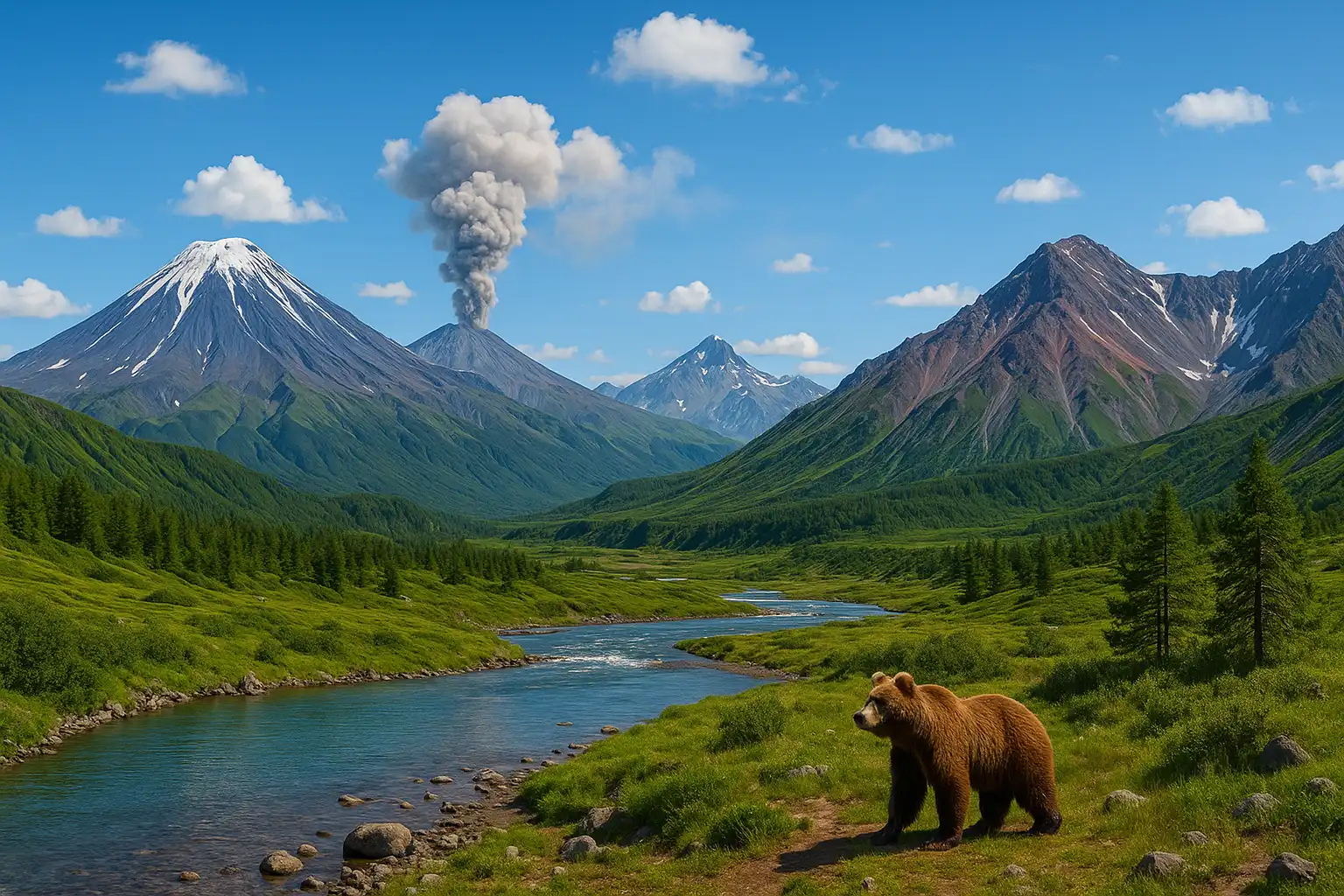
Important things to know about Kamchatka Peninsula
The Kamchatka Peninsula in Russia is a land of raw power and breathtaking contrasts. Situated in the country’s far east, between the Pacific Ocean and the Sea of Okhotsk, it stretches for more than 1,200 kilometers and offers one of the most remote yet fascinating travel experiences in the world. Here, steaming volcanoes rise above icy rivers, vast tundra landscapes blend with dense forests, and the coastline is dotted with dramatic cliffs and black-sand beaches. For centuries, Kamchatka was isolated from the rest of Russia, accessible only by sea or air, which has helped preserve its wild, untamed character.
Travelers who venture to Kamchatka encounter not only spectacular natural beauty but also cultural richness. Indigenous peoples such as the Koryaks, Itelmens, and Evens continue to live in the region, maintaining traditions shaped by fishing, reindeer herding, and seasonal festivals. Their customs, combined with Russian and Soviet influences, give the peninsula a unique identity that cannot be found elsewhere. The regional capital, Petropavlovsk-Kamchatsky, serves as the main gateway, offering a blend of Soviet history, maritime heritage, and modern Russian life.
For adventure seekers, Kamchatka is a paradise. Hiking trails lead across volcanic craters, helicopter tours reveal the Valley of Geysers, and hot springs provide natural spas in the middle of wilderness. In winter, the peninsula transforms into a snowbound wonderland where heliskiing, dog sledding, and snowmobiling replace summer’s trekking and rafting. Add to this the chance to watch brown bears fishing for salmon or to taste freshly prepared Kamchatka king crab, and it becomes clear why this remote region is considered one of the world’s most extraordinary destinations.
This Kamchatka travel guide explores the peninsula’s history, cultural landmarks, natural attractions, food, shopping, and everyday life, helping visitors prepare for an unforgettable journey to Russia’s volcanic frontier.
A Brief History of Kamchatka Peninsula
The Kamchatka Peninsula has a history as dramatic as its landscapes. Long before Russian explorers set foot here, the peninsula was home to indigenous peoples such as the Itelmens, Koryaks, Chukchi, and Evens. These groups developed rich traditions centered on the forces of nature—volcanoes, rivers, and the Pacific Ocean. Their lives revolved around fishing, hunting, and reindeer herding, while spiritual practices often paid homage to the natural elements that shaped their existence. Even today, traces of these traditions remain woven into Kamchatka’s cultural fabric.
Russian expansion into Kamchatka began in the late 17th century. Driven by the lure of valuable fur resources, Cossack explorers crossed the harsh Siberian wilderness to reach the peninsula. By the early 1700s, Kamchatka was integrated into the Russian Empire, but this process was far from peaceful. Indigenous communities resisted colonization, and conflicts over land, resources, and cultural survival were frequent. Despite these challenges, forts and trading posts were established, and Russian settlers gradually became a permanent presence.
The 18th century marked Kamchatka’s growing strategic importance. In 1740, Danish navigator Vitus Bering, sailing under the Russian flag, founded Petropavlovsk-Kamchatsky as a naval base and supply station. His Great Northern Expedition, launched from Kamchatka, charted much of the North Pacific, connecting Russia with Alaska and shaping the future of exploration in the region. Petropavlovsk quickly developed into an administrative and military center, symbolizing Russia’s ambitions in the Pacific.
During the 19th century, Kamchatka remained isolated from the rest of Russia. Harsh geography and long distances meant that supplies arrived only by sea, often infrequently. Life for both settlers and indigenous peoples was challenging, but the region retained its significance as a frontier outpost. The fur trade continued, and small communities expanded around fishing and reindeer herding.
In the Soviet era, Kamchatka took on a new identity. With its location facing the Pacific Ocean, it became a heavily militarized zone. Submarine bases, airfields, and restricted military towns dotted the coastline, and foreign access was strictly prohibited. Even Russian citizens from other regions needed special permits to enter. Alongside its military role, Soviet authorities invested in infrastructure—schools, hospitals, and housing blocks—particularly in Petropavlovsk-Kamchatsky. Scientific research also flourished, with geologists, volcanologists, and biologists studying Kamchatka’s unique environment.
After the collapse of the Soviet Union in 1991, Kamchatka slowly opened up to the outside world. Tourism began to develop, focusing on the peninsula’s extraordinary volcanoes, geysers, and wildlife. Indigenous culture also experienced a revival, with festivals, museums, and cultural centers promoting local traditions. Today, Kamchatka balances its Soviet heritage, Russian modernity, and indigenous identity, making it a destination with layers of history as complex as its geography.
Key Landmarks and Attractions
The Kamchatka Peninsula is most famous for its natural beauty, but it also holds cultural landmarks, historical sites, and distinctive places that reveal the region’s identity. From the bustling streets of Petropavlovsk-Kamchatsky to the wild landscapes of Kronotsky Reserve, every location tells a story of resilience, exploration, and survival at the edge of the Pacific. Below are some of the most remarkable landmarks and attractions to include in a Kamchatka travel itinerary.
Petropavlovsk-Kamchatsky
Petropavlovsk-Kamchatsky, the capital of the Kamchatka Peninsula, is both a gateway and a destination in its own right. Founded in 1740 by the Danish explorer Vitus Bering during his Great Northern Expedition, the city was named after his two ships, St. Peter and St. Paul. It quickly became a strategic naval base and later grew into the administrative, cultural, and economic heart of Kamchatka. Today, it remains the region’s largest settlement, with around 180,000 residents, and offers a unique blend of history, Soviet heritage, and natural beauty.
The city’s location is spectacular: nestled on the shores of Avacha Bay and surrounded by towering volcanoes such as Koryaksky, Avachinsky, and Kozelsky. This natural amphitheater makes Petropavlovsk one of the most visually dramatic cities in Russia. From almost any street, the backdrop of snowcapped peaks reminds visitors of the wild landscapes that define Kamchatka.
Culturally, Petropavlovsk-Kamchatsky reflects its frontier character. Soviet-era architecture dominates much of the cityscape, with functional apartment blocks, wide boulevards, and central squares. At the same time, local markets and small cafés add warmth and authenticity. The city’s fish market is particularly lively, filled with stalls selling fresh salmon, halibut, and Kamchatka’s famous king crab.
There are several notable attractions within the city. The Kamchatka Regional Museum introduces visitors to the indigenous peoples, Russian explorers, and natural environment of the peninsula. The Military-Historical Museum highlights Petropavlovsk’s role during the Crimean War of 1854, when it successfully defended against an Anglo-French naval attack. Lenin Square, the city’s central gathering point, remains a reminder of the Soviet era, with monuments and public buildings framing its open space.
For those seeking scenic views, Nikolskaya Hill provides one of the best vantage points over Avacha Bay and the city. From here, the panorama of the harbor, fishing boats, and volcanic peaks captures the essence of Kamchatka. Another popular viewpoint is Mishennaya Hill, accessible by a short hike, offering wide views over the urban landscape and surrounding wilderness.
Petropavlovsk-Kamchatsky also serves as the launchpad for excursions into the peninsula. Helicopter tours to the Valley of Geysers often depart from here, as do boat trips across Avacha Bay and expeditions to nearby volcanoes. Despite its remote location, the city has a growing tourism infrastructure, including hotels, guesthouses, restaurants, and cultural venues.
Insider tip: Spend at least two days in Petropavlovsk-Kamchatsky before heading into the wilderness. This allows time to explore its museums, markets, and viewpoints, while also giving travelers a sense of the peninsula’s layered history and everyday life.
Avacha Bay and Lighthouse
Avacha Bay is often described as the crown jewel of Petropavlovsk-Kamchatsky. One of the largest natural harbors in the world, it stretches for nearly 24 kilometers and is encircled by volcanic peaks that create a natural amphitheater of extraordinary beauty. The bay has been central to the history of Kamchatka since the founding of the city in 1740, serving as a safe anchorage for Russian naval expeditions, supply ships, and later, Soviet military fleets. Today, it remains a working harbor filled with fishing vessels, research ships, and ferries, while also attracting visitors who come to admire its landscapes and wildlife.
The entrance to Avacha Bay is marked by the famous “Three Brothers” rock formations. These towering stone pillars rise dramatically from the sea and are linked to a local legend that tells of three brothers who sacrificed themselves to protect the coastline from giant waves, forever turning into rocks. Seen from a boat, these formations are especially striking, and they have become one of the most recognized symbols of Kamchatka.
Another key landmark is the Avacha Lighthouse, located on Cape Mayachny at the eastern edge of the bay. Built in the mid-19th century, it is one of the oldest lighthouses in Russia’s Far East and has guided countless ships safely through the challenging Pacific waters. Though the lighthouse itself is modest in size, its setting is dramatic—perched on windswept cliffs with sweeping views across the ocean and toward the volcanic peaks inland. The surrounding area is a favorite spot for birdwatchers, as seabirds nest along the cliffs, and marine mammals are often spotted offshore.
For visitors, exploring Avacha Bay offers multiple experiences. Boat tours are the most popular way to appreciate its vast scale and beauty, often including opportunities to spot sea lions, puffins, and even orcas or humpback whales during certain seasons. Anglers can join local fishing trips, while kayakers may explore the calmer parts of the bay for a more intimate encounter with the water. In winter, the bay transforms, with ice floes drifting along the shoreline and the surrounding mountains covered in snow, creating a stark but equally captivating landscape.
Insider tip: The best time for a boat excursion on Avacha Bay is late spring through early autumn, when the waters are relatively calm, wildlife is abundant, and the volcanic peaks are free of cloud cover. Be sure to bring warm clothing, even in summer, as winds from the Pacific can be strong and temperatures on the water are often chilly.
Kamchatka Regional Museum
The Kamchatka Regional Museum in Petropavlovsk-Kamchatsky is one of the most important cultural institutions on the peninsula and an excellent starting point for any journey through the region. Founded in 1911, it is among the oldest museums in Russia’s Far East, and its mission has always been to preserve and present the unique history, culture, and natural environment of Kamchatka. For travelers arriving in this remote corner of the world, the museum provides valuable context that enriches the experience of exploring the peninsula’s wild landscapes and meeting its people.
The building itself reflects the functional Soviet style, yet inside it houses a surprisingly rich collection of artifacts and exhibits. Visitors can trace the story of Kamchatka from prehistoric times to the present day. The archaeological section showcases tools, pottery, and remains from ancient settlements, offering evidence of the region’s earliest inhabitants. Ethnographic displays are particularly fascinating, featuring traditional clothing, hunting gear, and household items of the Itelmens, Koryaks, Evens, and other indigenous peoples. Through these objects, visitors gain insight into how communities adapted to Kamchatka’s challenging environment using creativity, craftsmanship, and spiritual practices tied closely to nature.
The museum also highlights Kamchatka’s role in Russian exploration. Exhibits on Vitus Bering and the Great Northern Expedition explain how the peninsula became a springboard for voyages across the Pacific and ultimately to Alaska. Maps, navigation instruments, and historical documents reveal the hardships and triumphs of early explorers. The military history of Petropavlovsk, including the defense of the city during the Crimean War in 1854, is presented through models, weapons, and archival photographs, emphasizing the city’s strategic importance.
Natural history forms another significant part of the museum. Dioramas and displays showcase Kamchatka’s extraordinary wildlife—from brown bears and salmon to seabirds and marine mammals. Geological exhibits detail the peninsula’s volcanic activity, with striking samples of lava, ash, and mineral formations. These sections help explain why Kamchatka is often called a living laboratory of geology and ecology.
Temporary exhibitions complement the permanent collections, often focusing on contemporary art, photography, or indigenous cultural projects. They provide a platform for local voices and artists to share perspectives on life in Kamchatka today. Educational programs, lectures, and cultural events are also hosted regularly, making the museum a lively hub of learning.
Atmosphere: Walking through the museum feels like stepping into a condensed version of Kamchatka itself—a journey from ancient traditions to Soviet milestones and into the wilderness of volcanoes and geysers.
Insider tip: Plan at least two hours for a visit, ideally at the beginning of your trip. The museum offers bilingual signage in Russian and English for many exhibits, but hiring a local guide can provide deeper insights into indigenous traditions and historical events. Don’t miss the small gift shop, where you can find books, maps, and locally made crafts that are both educational and practical for further travels across the peninsula.
Vilyuchinsky Waterfall
The Vilyuchinsky Waterfall is one of the most picturesque natural landmarks near Petropavlovsk-Kamchatsky and a favorite destination for both locals and visitors. Cascading down the slopes of the Vilyuchinsky Volcano, the waterfall drops from a height of more than 40 meters, creating a dramatic curtain of water surrounded by lush alpine meadows in summer and icy sculptures in winter. Its setting, framed by rugged volcanic terrain and sweeping views of the Kamchatka wilderness, makes it an ideal spot for photographers, hikers, and anyone seeking a glimpse of the peninsula’s untamed beauty.
Reaching the waterfall typically involves a drive from Petropavlovsk-Kamchatsky, followed by a moderate hike. The journey itself is part of the experience, passing through valleys dotted with wildflowers, mountain streams, and views of surrounding peaks. In early summer, the area around the waterfall bursts into color with blooming alpine plants, while in autumn, the tundra grasses turn shades of gold and red. Winter transforms the waterfall into a frozen cascade, resembling a shimmering wall of ice that attracts adventurous climbers and snowmobilers.
The waterfall’s source is the melting snow and glaciers of Vilyuchinsky Volcano, one of Kamchatka’s most prominent peaks. Rising to 2,175 meters, the volcano dominates the skyline and provides a dramatic backdrop to the falls. While climbing the volcano itself is reserved for experienced mountaineers, the waterfall offers a more accessible way to appreciate its majesty.
Atmosphere: Visitors often describe the site as peaceful yet powerful. The sound of rushing water, the clean mountain air, and the feeling of being surrounded by untouched wilderness create an atmosphere of tranquility and awe.
Activities: Hiking, picnicking, and photography are the most popular activities during the warmer months. In winter, guided snowmobile tours sometimes include a stop at the frozen falls, adding an adventurous twist.
Insider tip: The best time to visit is late June through early September, when trails are clear of snow and the waterfall flows at full strength from the melting glaciers. Bring sturdy footwear, as the paths can be muddy, and pack a windproof jacket—weather in the mountains changes quickly. For those visiting in winter, ensure you join a guided excursion, as snow conditions can be unpredictable.
Valley of Geysers
The Valley of Geysers is perhaps the most extraordinary and world-renowned natural wonder of Kamchatka. Hidden deep within the Kronotsky Nature Reserve, this unique geothermal field is one of only a handful of places on Earth where such a concentration of active geysers exists. Spanning roughly 6 kilometers along the Geysernaya River, the valley contains dozens of erupting geysers, boiling springs, fumaroles, and mud pools, all set within a dramatic volcanic canyon. It is often compared to Yellowstone in the United States or Iceland’s geothermal fields, yet its remoteness and limited access make it feel even more pristine and otherworldly.
Discovered in 1941 by Russian geologist Tatiana Ustinova and her local guide Anisifor Krupenin, the Valley of Geysers remained a scientific curiosity for decades due to its difficult location and strict conservation rules. Today, it is a UNESCO World Heritage Site as part of the “Volcanoes of Kamchatka” natural complex, recognized for its unique geological activity and biodiversity. Despite being internationally famous, it remains remarkably untouched because visitor numbers are carefully controlled.
Access to the valley is possible almost exclusively by helicopter, departing from Petropavlovsk-Kamchatsky. The flight itself is an unforgettable experience, passing over volcanic landscapes, smoking craters, and vast tundra plains before descending into the steaming canyon. Upon arrival, wooden boardwalks allow visitors to explore safely while protecting the fragile ground. Rangers guide groups through areas where geysers erupt on schedule, sometimes sending columns of boiling water 20–30 meters into the air.
The most famous geysers include:
- Velikan (The Giant): One of the largest, capable of eruptions up to 40 meters high.
- Bolshoi (The Big One): Noted for its frequent eruptions and dramatic steam clouds.
- Maly (The Small One): A smaller geyser, but with activity that is highly regular and predictable.
In addition to geysers, the valley is home to hot rivers, thermal terraces, and bubbling mud cauldrons. The surrounding environment is equally striking, with dense vegetation nourished by the warm ground and wildlife such as brown bears often spotted in the area. Scientists study the valley not only for its geothermal phenomena but also for its role in sustaining rare ecosystems.
In 2007, a massive landslide partially buried sections of the valley, changing its appearance and blocking some geysers. Yet many remain active, and new geothermal features continue to emerge, reminding visitors that this is a living, ever-changing landscape.
Atmosphere: Walking through the Valley of Geysers is like entering a different planet—steam hisses from vents, the ground rumbles with hidden energy, and the air smells faintly of sulfur. The experience is at once humbling and exhilarating.
Insider tip: Helicopter tours are highly weather-dependent, so flexibility is essential. Summer months (June to September) provide the most reliable conditions, but even then, flights may be delayed or canceled due to fog and rain. Bring layered clothing, as temperatures can shift quickly, and always carry a camera—few places in the world are as photogenic as this volcanic wonder.
Mutnovsky Volcano and Gorely Volcano
Among Kamchatka’s most accessible and breathtaking natural landmarks, Mutnovsky and Gorely volcanoes stand side by side, offering some of the most memorable hiking and exploration opportunities on the peninsula. Both are active volcanoes, located about 70 kilometers south of Petropavlovsk-Kamchatsky, and are often combined into a single day or multi-day adventure. Their landscapes are otherworldly—filled with steaming fumaroles, boiling mud pots, ice caves, and vividly colored crater lakes.
Mutnovsky Volcano rises to 2,322 meters and is considered one of Kamchatka’s most spectacular volcanoes. Its caldera is a natural amphitheater filled with geothermal phenomena. Visitors can walk through fields of fumaroles where steam vents hiss continuously, past sulfur deposits that color the rocks in shades of yellow and orange, and alongside streams of hot water cutting through glaciers. Mutnovsky is also famous for its ice caves, formed by melting snow and geothermal heat, which create glowing blue tunnels that feel almost magical. While these ice formations are seasonal and unstable, visiting them with experienced guides is a highlight of many Kamchatka tours.
The Mutnovsky plateau is also home to Russia’s Mutnovskaya Geothermal Power Station, one of the first facilities in the country to harness volcanic heat for electricity. It provides an interesting contrast—human technology coexisting with raw natural forces.
Gorely Volcano, slightly lower at 1,829 meters, is equally fascinating but very different in character. Known as the “burned” or “scorched” volcano, Gorely features a chain of craters stretching across its summit. Many of these craters are filled with striking turquoise or emerald-colored lakes, their vivid hues caused by mineral deposits. The hike to the top is challenging but achievable for most fit travelers, offering views not only into the crater lakes but also across the volcanic landscapes of southern Kamchatka.
The terrain around Gorely is often described as lunar—vast lava fields, sharp ridges, and barren slopes contrast with patches of alpine vegetation that cling stubbornly to life. Eruptions in the past have left behind surreal formations, making it a paradise for photographers and geologists alike.
Atmosphere: Standing at the edge of Mutnovsky’s steaming vents or peering into Gorely’s brilliant crater lakes, travelers often feel as if they are witnessing the Earth’s raw power at work. It is a humbling reminder of the planet’s constant transformation.
Activities: Hiking, guided trekking tours, and photography are the main draws. In summer, multi-day camping trips allow deeper exploration, while in winter, the region becomes a destination for ski-touring and snowmobiling.
Insider tip: Weather conditions around Mutnovsky and Gorely change rapidly, and the high-altitude environment can be challenging. Sturdy hiking boots, layered clothing, and a guide with local knowledge are essential. The best time to visit is between July and September, when snow has melted enough to reveal safe trails. Helicopter tours are available for those who prefer a shorter visit, but hiking provides the most immersive experience.
Lenin Square
Lenin Square is the central public space of Petropavlovsk-Kamchatsky and a symbolic reminder of the city’s Soviet heritage. Like many towns and cities across Russia, the square was designed as both a civic gathering place and a stage for official parades, political events, and celebrations. It continues to serve this role today, combining historical memory with everyday life. For visitors, it offers a window into Kamchatka’s urban culture, as well as a convenient orientation point in the heart of the capital.
The square is dominated by a statue of Vladimir Lenin, a classic feature of Soviet city planning. The monument, standing with Lenin’s arm outstretched, is more than just a relic—it reflects the ideological and cultural influence that shaped the development of Petropavlovsk-Kamchatsky during the 20th century. Surrounding the statue are government and administrative buildings, their Soviet-era architecture marked by clean lines and functional design, typical of the period when they were built.
Over the decades, Lenin Square has been a backdrop for important moments in the city’s history. During Soviet times, it hosted May Day parades, Victory Day celebrations, and political rallies. Today, it is still used for public holidays, cultural festivals, and seasonal events, including New Year’s festivities, when a large tree and ice sculptures are erected, creating a festive atmosphere for families and children.
Visitors will find that Lenin Square also functions as a social hub. Locals often meet here before heading to nearby shops, cafés, or cultural institutions. Its open layout allows for casual strolls and people-watching, while the nearby streets connect directly to some of the city’s most important landmarks, making it an ideal starting point for exploration.
Atmosphere: The square combines a sense of history with a very present-day energy. Standing before the Lenin monument with volcanic peaks visible in the distance creates a striking contrast—urban life set against the raw natural backdrop of Kamchatka.
Insider tip: Visit Lenin Square in the evening, when the surrounding buildings are illuminated and locals gather to socialize. If you are in Petropavlovsk-Kamchatsky during Victory Day (9 May), the square becomes the focal point of celebrations, complete with parades, concerts, and fireworks that highlight both the city’s Soviet past and its contemporary community spirit.
Trinity Cathedral
Trinity Cathedral is one of the most prominent religious landmarks in Petropavlovsk-Kamchatsky and a symbol of the spiritual revival that swept across Russia after the fall of the Soviet Union. Completed in the early 2000s, the cathedral is relatively new compared to the centuries-old churches of European Russia, yet it has quickly become a cultural and architectural icon of Kamchatka. With its golden onion domes gleaming against the dramatic backdrop of Koryaksky and Avachinsky volcanoes, the cathedral is an unmistakable sight in the city’s skyline.
The cathedral was built to replace earlier wooden churches that no longer stood, fulfilling the community’s desire for a large Orthodox house of worship in the capital. Its design follows traditional Russian Orthodox architectural principles, with white walls, arched windows, and a central dome flanked by smaller cupolas. Inside, the space is richly decorated with icons, frescoes, and carved wooden iconostases, creating an atmosphere of solemnity and devotion. The high ceilings and abundant natural light contribute to a sense of openness and serenity.
Beyond its architectural value, Trinity Cathedral plays an important role in the religious and cultural life of Kamchatka. It hosts major Orthodox holidays, such as Easter and Christmas, when the cathedral is filled with worshippers and illuminated by candles and chants. Baptisms, weddings, and memorial services are also regularly held here, making it a living part of the community rather than just a monument.
For visitors, attending a service can be an unforgettable experience, offering a glimpse into the rhythms of contemporary Orthodox faith in Russia’s Far East. Even outside of worship hours, the cathedral is open for quiet reflection, and many travelers come simply to admire its interior and the views from the grounds.
Atmosphere: The cathedral embodies both grandeur and intimacy. While its golden domes shine as a symbol of faith visible across the city, its interior offers a space of calm, where visitors can step away from the bustle of Petropavlovsk and connect with Russia’s enduring spiritual traditions.
Insider tip: Dress modestly when visiting, as this is an active place of worship. Women often cover their heads, and men remove hats before entering. For the best photographs, arrive in the late afternoon when the domes reflect the setting sun, creating a dramatic contrast with the volcanic peaks that tower in the distance.
Nalychevo Nature Park
Nalychevo Nature Park is one of Kamchatka’s most celebrated protected areas and a paradise for eco-tourism. Located northeast of Petropavlovsk-Kamchatsky, the park covers nearly 2,500 square kilometers of pristine wilderness. It is part of the UNESCO-recognized “Volcanoes of Kamchatka” natural complex and attracts travelers who want to experience the peninsula’s landscapes in a more accessible and structured way than the remote Kronotsky Reserve.
The park is surrounded by volcanic giants, including Avachinsky, Koryaksky, and Zhupanovsky, which form a dramatic backdrop for hiking and exploration. Within its valleys, rivers, and forests, visitors can encounter a diverse range of ecosystems—from alpine tundra and birch groves to hot springs and mountain meadows rich in wildflowers. Wildlife is abundant, with brown bears, foxes, sables, and numerous bird species inhabiting the area.
One of the park’s greatest attractions is its network of natural hot springs. Scattered throughout the valley, these geothermal pools vary in temperature and mineral content. Some are developed with simple wooden decking and shelters, while others remain wild and untouched. Bathing in warm, mineral-rich waters while surrounded by snow-capped peaks is an unforgettable Kamchatka experience.
Nalychevo is also a hub for outdoor activities. Well-marked trails make it popular among hikers, who can embark on day trips or multi-day treks between mountain ranges. During the summer months, guided tours introduce visitors to the park’s flora, fauna, and geology. Winter transforms Nalychevo into a destination for cross-country skiing and snowshoeing, with steaming rivers and frozen forests creating a surreal landscape.
Cultural connections are present as well. The indigenous peoples of Kamchatka traditionally used the valley’s resources for fishing, hunting, and seasonal camps. Today, elements of this heritage are reflected in eco-tourism projects and local guides who share stories of traditional life.
Atmosphere: The park is often described as both peaceful and invigorating. The combination of geothermal warmth, crisp mountain air, and vast landscapes inspires a deep sense of connection with nature. Unlike some of Kamchatka’s more extreme destinations, Nalychevo feels welcoming and balanced—a place where travelers can enjoy wilderness without venturing too far into danger.
Insider tip: The best time to visit Nalychevo Nature Park is between July and September, when trails are snow-free and the hot springs are most enjoyable after long hikes. Access typically requires a combination of off-road vehicle travel and hiking, so plan at least two to three days to fully appreciate the park. Staying overnight in basic cabins near the springs allows travelers to soak under the stars, with the silhouettes of volcanoes visible against the night sky.
Kronotsky Nature Reserve
Kronotsky Nature Reserve is often regarded as the crown jewel of Kamchatka’s wilderness. Covering nearly 11,000 square kilometers, it is one of the largest and most strictly protected reserves in Russia. Established in 1934, it was created to safeguard Kamchatka’s extraordinary volcanic landscapes, diverse ecosystems, and unique wildlife. Today, it forms part of the UNESCO World Heritage Site “Volcanoes of Kamchatka,” underscoring its global significance. For many, Kronotsky represents the very essence of Kamchatka—raw, powerful, and almost untouched by human activity.
At the heart of the reserve stands Kronotsky Volcano, often described as one of the most beautiful volcanoes in the world. Its perfectly symmetrical cone rises to 3,528 meters and is frequently compared to Japan’s Mount Fuji. Surrounded by tundra, forests, and rivers, it dominates the skyline and provides a dramatic symbol of the reserve. While climbing the volcano itself is prohibited due to conservation rules, its striking profile can be admired from many vantage points across the region.
Kronotsky is also famous for the Valley of Geysers, one of the largest geothermal fields on Earth. This surreal landscape of erupting geysers, hot springs, and steaming vents attracts scientists and limited groups of tourists each year. Another highlight is Uzon Caldera, a collapsed volcanic crater filled with bubbling mud pools, colorful mineral deposits, and rare plant species thriving in the warm microclimate. Together, these areas create one of the most diverse and scientifically valuable geothermal zones on the planet.
The reserve is home to a rich variety of wildlife. Brown bears are particularly abundant and often seen fishing for salmon along rivers during spawning season. Kamchatka is sometimes referred to as “the land of bears and salmon,” and nowhere is this more evident than in Kronotsky. Other species include sable, lynx, foxes, and an impressive range of birdlife, from eagles and falcons to seabirds nesting along the coast. Marine mammals such as sea otters, Steller sea lions, and seals are also protected within the reserve’s coastal areas.
Strict regulations govern access to Kronotsky. Independent travel is not permitted; visits must be arranged through authorized tour operators, and many areas are restricted to scientific research only. This strict protection ensures the reserve remains pristine, preserving delicate ecosystems that have little tolerance for human interference. For travelers, this means a visit is a rare privilege, offering a glimpse into one of the world’s last great wilderness frontiers.
Atmosphere: Kronotsky Nature Reserve feels almost primeval. The combination of towering volcanoes, geothermal energy, and abundant wildlife creates a landscape that seems unchanged for millennia. For many, being here evokes a sense of awe at the raw forces of nature and the resilience of life in such extreme conditions.
Insider tip: Because access is limited and tours are highly dependent on weather, flexibility is essential. Helicopter excursions from Petropavlovsk-Kamchatsky are the most common way to visit, often combining stops at the Valley of Geysers and Uzon Caldera. These trips can be expensive but are considered once-in-a-lifetime experiences. Book well in advance, and always bring warm, waterproof clothing—the weather in Kronotsky is famously unpredictable.
Nature and Outdoor Activities
The Kamchatka Peninsula is often described as one of the last great wilderness frontiers on Earth. With more than 300 volcanoes (29 of them still active), pristine rivers, dense forests, vast tundra, and rugged coastline, it is a dream destination for outdoor enthusiasts. Whether you are drawn to hiking, wildlife watching, fishing, or winter sports, Kamchatka offers activities that connect travelers directly with its raw landscapes. Below are some of the most memorable outdoor experiences to consider when planning a trip.
Hiking and Trekking
Kamchatka is a paradise for hikers, offering routes that range from short day walks to multi-day treks through volcanic valleys and alpine meadows. Popular routes include the trails around Avachinsky and Koryaksky volcanoes, which provide relatively accessible climbs and panoramic views over Petropavlovsk-Kamchatsky and Avacha Bay. For those seeking more demanding adventures, expeditions to Klyuchevskaya Sopka, the highest active volcano in Eurasia at 4,750 meters, promise challenging ascents and breathtaking vistas.
The Mutnovsky and Gorely volcanoes are among the most popular trekking destinations thanks to their steaming fumaroles, sulfur fields, and vividly colored crater lakes. Multi-day treks in Nalychevo Nature Park allow visitors to combine hiking with soaks in natural hot springs, while longer expeditions can cross tundra plains, rivers, and mountain passes for a deeper sense of Kamchatka’s wilderness.
Insider tip: Trails are often unmarked, and weather conditions can change rapidly, so joining guided treks with experienced local operators is strongly recommended.
Volcano Exploration
Few destinations on Earth allow such close encounters with active volcanoes. Kamchatka’s volcanic landscapes are constantly changing—new craters, lava flows, and fumaroles appear, while glaciers melt and reform. Adventurous travelers can explore ice caves near Mutnovsky, climb to the rim of Gorely’s crater lakes, or trek across the volcanic plateau near Tolbachik Volcano, known for its 2012–2013 eruptions that reshaped the surrounding terrain.
Volcano exploration is not only a physical adventure but also a chance to witness geology in action. The combination of fire and ice, where glaciers meet steaming vents, creates surreal and unforgettable scenery.
Wildlife Watching
Kamchatka is world-famous for its wildlife, particularly its brown bear population. The peninsula is home to one of the largest concentrations of brown bears on Earth, and during salmon-spawning season (July–September), they can often be seen fishing along rivers and lakes. One of the best places for bear watching is Kurile Lake, a caldera lake within South Kamchatka Nature Reserve, where dozens of bears gather to feed.
Other species include reindeer, foxes, sables, sea otters, Steller sea lions, and a wide range of birdlife such as eagles, falcons, and seabirds nesting along cliffs. Marine wildlife tours in Avacha Bay often encounter whales, orcas, and dolphins, making the peninsula equally rewarding for ocean-based observation.
Fishing and Rafting
The rivers of Kamchatka are legendary among anglers. The Kamchatka River and the Bystraya River are prime spots for salmon fishing, with five different species running at various times of the year. Fly-fishing enthusiasts travel from around the world to experience the thrill of catching salmon in pristine conditions.
Rafting tours offer a different perspective, combining fishing with gentle floats through spectacular valleys or more challenging rapids for adventure seekers. Along the way, it is not uncommon to see bears, eagles, and other wildlife.
Insider tip: Fishing is strictly regulated to protect salmon populations, so always book with licensed tour operators.
Hot Springs and Geothermal Pools
One of Kamchatka’s greatest pleasures is soaking in natural hot springs after a day of hiking or skiing. The region is dotted with geothermal pools, many of them in stunning natural settings. Paratunka Hot Springs, located about 70 kilometers from Petropavlovsk, are the most developed, with resorts and guesthouses built around them. For a wilder experience, hot springs in Nalychevo Nature Park or near Esso village allow visitors to bathe in steaming pools surrounded by forest or mountains.
Winter bathing is especially magical, as rising steam mingles with frosty air and snow-covered landscapes.
Winter Sports and Heliskiing
Kamchatka’s long winters and volcanic terrain make it a unique winter sports destination. Skiers and snowboarders are particularly drawn to heliskiing, where helicopters drop participants on untouched slopes for descents that can stretch for kilometers. The combination of deep powder, spectacular scenery, and the thrill of remote access has made Kamchatka famous among extreme sports enthusiasts.
For less intense adventures, cross-country skiing, snowshoeing, and snowmobiling are widely available. Dog sledding tours, often led by local mushers, provide both cultural insight and a hands-on winter experience.
Seasonal Activities and Everyday Traditions
Outdoor life in Kamchatka is shaped by the seasons. In spring, wildflower hikes and birdwatching are at their peak. Summer is ideal for trekking, rafting, and fishing, while autumn is celebrated for mushroom and berry picking, a beloved tradition among locals. Families spend weekends in forests gathering blueberries, cranberries, cloudberries, and chanterelles, often inviting visitors to join them. Winter is dominated by skiing, sledding, and hot spring bathing, creating a rhythm of outdoor activities that defines life in Kamchatka.
Insider tip: Always prepare carefully for outdoor activities in Kamchatka. Weather can shift dramatically, and distances between settlements are vast. Hiring local guides not only ensures safety but also offers cultural insights that enrich the experience.
Food and Dining in Kamchatka
Food in Kamchatka reflects the peninsula’s unique geography, cultural mix, and deep connection to the sea and rivers. With the Pacific Ocean on one side, the Sea of Okhotsk on the other, and countless rivers cutting through volcanic valleys, it is no surprise that fish and seafood dominate the local table. Add to this the traditions of indigenous peoples, Russian staples, and influences from the Caucasus and Central Asia, and you get a cuisine that is hearty, flavorful, and distinctively Kamchatkan.
Seafood and Fish Specialties
The undisputed star of Kamchatka’s cuisine is the Kamchatka king crab. Known worldwide for its size and delicate taste, the crab is served simply—steamed, boiled, or grilled—to highlight its natural sweetness. Restaurants in Petropavlovsk-Kamchatsky often feature king crab legs as a signature dish, and many visitors consider it a must-try.
Salmon is another cornerstone of local dining. Five different species—pink, chum, coho, sockeye, and king salmon—fill the rivers during spawning season, and locals prepare them in countless ways: salted, smoked, grilled, or as ukha, a clear and fragrant fish soup. Caviar, particularly red salmon roe, is widely available and often enjoyed on bread with butter or as a festive treat.
Halibut, cod, and smelt also appear frequently, while dried and smoked fish are staples at local markets. For travelers, sampling freshly smoked salmon from a small stand is both affordable and authentic.
Indigenous and Traditional Dishes
Indigenous food traditions remain strong, particularly in smaller villages. Dishes may include stroganina, thinly sliced raw fish served frozen, or reindeer meat, cooked as hearty stews or dried for long journeys. Berries, mushrooms, and wild herbs are also integral, reflecting the foraging practices of local communities.
Russian Classics and Soviet Stolovayas
In Petropavlovsk-Kamchatsky and larger towns, visitors encounter the familiar staples of Russian cuisine. Borscht (beet soup), pelmeni (dumplings), and kotlety (meat patties) are everyday comfort foods. Many are served in stolovayas, Soviet-style canteens where meals are inexpensive, hearty, and self-served on trays. These dining halls provide a glimpse of daily life and nostalgia for the Soviet era, and they remain popular with both locals and budget-conscious travelers.
Caucasian and Central Asian Influences
Kamchatka’s dining scene also reflects the wider culinary traditions of Russia. Georgian and Caucasian restaurants are common, serving khachapuri (cheese bread), khinkali (dumplings), and shashlik (grilled meat skewers). Uzbek plov (rice pilaf) often appears on menus as well, offering travelers an alternative to seafood-heavy meals. These influences bring variety and spice to Kamchatka’s otherwise straightforward cuisine.
Cafés, Markets, and Modern Dining
Petropavlovsk-Kamchatsky has a growing selection of cafés and restaurants catering to different tastes. Trendy cafés serve coffee and pastries, while mid-range restaurants specialize in seafood platters or international menus. While fine dining is rare, the freshness of ingredients—particularly seafood—often makes even simple meals feel luxurious.
Markets remain a key part of Kamchatka’s food culture. The central fish market in Petropavlovsk is an essential stop, where visitors can see stalls piled high with salmon, crab, and caviar. Seasonal markets sell wild berries, mushrooms, and herbs gathered by local families, offering a direct taste of the peninsula’s natural abundance.
Drinks and Local Tastes
Alongside meals, expect to find Russian staples like vodka, often paired with fish and caviar. Beer, both Russian and imported, is widely available, and some small breweries in Kamchatka produce local varieties. Tea remains the most common everyday drink, enjoyed with sweets, honey, or pastries.
Atmosphere: Dining in Kamchatka is not about sophistication but about freshness and authenticity. Whether it is a steaming bowl of ukha enjoyed outdoors, crab legs shared at a restaurant, or homemade pies offered by a host family, meals are an integral part of the cultural experience.
Insider tip: Try to sample food outside of restaurants whenever possible—at markets, from local families, or in village guesthouses. This is where Kamchatka’s cuisine feels most alive. And if you have the chance, join a fishing trip, where freshly caught salmon grilled over an open fire is a culinary highlight you will not soon forget.
Shopping in Kamchatka
Shopping in Kamchatka is not about high-end malls or international designer brands. Instead, it reflects the character of the peninsula itself: authentic, practical, and closely tied to the region’s culture and nature. Travelers looking for souvenirs, local products, or even everyday goods will find that Kamchatka offers plenty of opportunities to take home something unique.
Local Markets
Markets are the heart of shopping in Kamchatka, and the most vibrant one is the Central Fish Market in Petropavlovsk-Kamchatsky. Here, rows of stalls are stacked with freshly caught salmon, halibut, and Kamchatka’s famous king crab. Visitors can also purchase smoked and dried fish, salmon roe, and jars of caviar. Even if you do not plan to buy much, wandering through the market is a sensory experience—the smell of smoked fish, the chatter of vendors, and the colorful displays create an atmosphere of local life.
Beyond fish, seasonal markets sell wild berries such as blueberries, cloudberries, and cranberries, as well as mushrooms gathered in nearby forests. These products reflect the peninsula’s foraging culture and make excellent edible souvenirs. Honey from local beekeepers, often infused with herbs or berries, is another popular specialty.
Souvenirs and Handicrafts
For travelers seeking more lasting keepsakes, Kamchatka offers a variety of handcrafted goods inspired by indigenous traditions. Carvings made from bone or horn, wooden utensils decorated with traditional motifs, and fur hats or mittens are among the most distinctive items. Jewelry crafted with local stones or fossilized materials makes for elegant yet meaningful gifts.
Indigenous artisans often sell their creations at cultural centers, village fairs, or small cooperative shops. Buying directly from local makers supports traditional crafts and helps preserve cultural heritage.
Soviet Memorabilia
As in many parts of Russia, Soviet-era memorabilia remains part of Kamchatka’s shopping scene. Flea markets and some antique stalls offer badges, posters, military gear, and household items from the Soviet period. These items hold both nostalgic and historical value, providing insight into life on the peninsula during its years as a closed military zone.
Everyday Shops and Malls
While Kamchatka does not have luxury shopping complexes, Petropavlovsk-Kamchatsky features several small malls and supermarkets. These are practical for travelers who need supplies such as clothing, outdoor gear, or food for excursions. Stores often stock a mix of Russian and imported products, ensuring visitors can find essentials. Outdoor and fishing equipment shops are particularly well stocked, reflecting the region’s emphasis on nature activities.
What to Bring Home
- Caviar and smoked salmon – iconic edible souvenirs that capture Kamchatka’s culinary heritage.
- Kamchatka honey and berry preserves – flavors that reflect the peninsula’s wild landscapes.
- Bone and wood carvings – handmade crafts rooted in indigenous traditions.
- Fur goods – hats, mittens, or slippers, both practical and symbolic of Kamchatka’s cold winters.
- Soviet memorabilia – for history enthusiasts looking to bring back a piece of the region’s past.
Atmosphere: Shopping in Kamchatka is less about consumerism and more about connection—to the land, the sea, and the people. Each purchase tells a story, whether it is a jar of roe from a fisherman’s family or a carved figure passed down through indigenous craft traditions.
Insider tip: Be cautious when buying caviar. Ensure it comes from legal, licensed sellers, as illegal trade exists. For the most authentic souvenirs, skip generic tourist shops and look for local cooperatives, village markets, or family-run stands where products are tied directly to Kamchatka’s culture and environment.
Day Trips from Kamchatka’s Capital
While Kamchatka is vast and wild, several unforgettable destinations can be reached on day or overnight trips from Petropavlovsk-Kamchatsky, the regional capital. These excursions offer a chance to experience the peninsula’s diverse landscapes—volcanoes, hot springs, mountain valleys, and cultural villages—without requiring lengthy expeditions into the wilderness. For travelers with limited time, day trips provide an ideal balance between accessibility and adventure.
Avachinsky Volcano
One of the most famous landmarks near Petropavlovsk is Avachinsky Volcano, rising to 2,741 meters and easily visible from the city. Known locally as “Avacha,” it is considered moderately active, with its last major eruption occurring in 1991. Hiking Avachinsky is a demanding but popular adventure, taking around 6–8 hours for a round trip. The climb leads through volcanic scree and lava flows, culminating at the crater rim with sweeping views of Avacha Bay, Petropavlovsk, and neighboring Koryaksky Volcano. For those not attempting the full ascent, the base of the volcano offers meadows filled with wildflowers in summer and views that are equally rewarding.
Insider tip: Begin the hike early in the morning for the clearest weather conditions, as clouds often gather around the summit by midday.
Paratunka Hot Springs
About 70 kilometers from Petropavlovsk lies Paratunka, a valley renowned for its geothermal hot springs. This area has long been a local favorite, offering both natural pools and developed resorts with accommodation, spa facilities, and outdoor baths. The hot springs are particularly enjoyable in winter, when bathers soak in steaming waters surrounded by snow and icy landscapes.
Insider tip: Paratunka can be visited as a relaxing half-day trip or as an overnight stay, especially in winter, when the contrast of warm water and cold air creates a magical atmosphere.
Vilyuchinsky Volcano and Waterfall
Located south of Petropavlovsk, Vilyuchinsky Volcano rises to 2,175 meters and is accompanied by the striking Vilyuchinsky Waterfall, which plunges more than 40 meters down its slopes. The area is accessible by off-road vehicles and offers scenic hikes with panoramic views of surrounding mountains. In summer, meadows bloom with alpine flowers, while in winter, snowmobiling tours reach the frozen waterfall, transforming it into a wall of ice.
Kurile Lake
Although longer to reach, Kurile Lake is one of Kamchatka’s most remarkable day or overnight trips. Situated in South Kamchatka Nature Reserve, this volcanic caldera lake is famous for its large population of spawning sockeye salmon and the brown bears that gather to feed on them. Helicopter tours are the most practical way to visit, combining wildlife watching with incredible aerial views of the surrounding landscape.
Insider tip: The best season for bear viewing at Kurile Lake is from late July to September.
Esso Village
For a cultural excursion, the mountain village of Esso, sometimes called the “Kamchatkan Switzerland,” offers a window into indigenous traditions. Located about 500 kilometers from Petropavlovsk, Esso is best reached on an overnight trip, though some organized tours offer intensive day journeys. The village features an ethnographic museum, Even and Koryak dance performances, and access to natural hot springs. Staying here provides deeper cultural immersion, with opportunities to meet local families and learn about reindeer herding traditions.
Boat Tours on Avacha Bay
If time is limited, boat tours departing directly from Petropavlovsk-Kamchatsky provide a convenient half-day adventure. These trips circle Avacha Bay, pass the famous Three Brothers rock formations, and often include stops to observe seabird colonies, Steller sea lions, and sometimes orcas or humpback whales. With volcanic peaks in the background, the combination of marine wildlife and scenery is unforgettable.
Other Options
- Ksudach Volcano and Caldera Lake – A dramatic volcanic landscape accessible mainly by helicopter, featuring a large caldera and geothermal activity.
- Mutnovsky Plateau – Off-road tours bring travelers to steaming fumaroles, mud pots, and unique geothermal terrain near Mutnovsky Volcano.
- Hot Springs in Nalychevo Park – For those with more time, trekking or guided tours lead to secluded pools surrounded by wilderness.
Atmosphere: Each day trip reveals a different side of Kamchatka—from volcanic adventures and bear watching to cultural encounters and relaxing hot spring baths. Even short excursions immerse visitors in the peninsula’s extraordinary natural and cultural heritage.
Insider tip: Because weather can change rapidly and transportation often involves off-road vehicles, boats, or helicopters, it is important to remain flexible and plan with local guides who know the conditions well.
- Avachinsky Volcano: A challenging but rewarding climb, offering panoramic views over Avacha Bay.
- Paratunka Hot Springs: Located about 70 km from the city, these thermal pools are perfect for relaxation.
- Vilyuchinsky Volcano: Scenic routes lead to waterfalls and alpine meadows.
- Ksudach Volcano and Kurile Lake: Known for its caldera lake and as a prime habitat for brown bears.
- Esso Village: A cultural center where visitors can experience Even and Koryak traditions, including folk dances and museum exhibits.
Practical Information
Traveling to Kamchatka is unlike visiting any other region of Russia. Its isolation, limited infrastructure, and harsh climate present challenges, but with the right preparation, the experience is deeply rewarding. Below is a detailed guide to the practical aspects of traveling to Kamchatka.
Transport
Getting there: The main entry point is Yelizovo Airport (PKC), located near Petropavlovsk-Kamchatsky. Direct flights connect Kamchatka with Moscow, St. Petersburg, Vladivostok, and other major Russian cities. International connections are rare, so most travelers arrive via Moscow. Flight times from Moscow average around 8–9 hours.
Getting around:
- Within Petropavlovsk-Kamchatsky: Public buses and minibuses (marshrutkas) serve the city and nearby settlements. Taxis and ride-hailing apps are also available.
- To natural attractions: Many destinations require off-road vehicles, boats, or helicopters. Organized tours usually provide transportation, as independent access to reserves is often restricted.
- Remote travel: Helicopter flights are the only way to reach iconic places such as the Valley of Geysers or Kurile Lake. These are expensive but unforgettable.
Insider tip: Always confirm transportation in advance, as weather can ground flights, delay boats, or make roads impassable.
Climate and Best Time to Visit
Kamchatka has a subarctic climate with long, snowy winters and cool, short summers.
- Summer (June–September): Best time for hiking, rafting, fishing, and bear watching. Temperatures range from 10–20°C, but weather is unpredictable, with sudden rain and fog.
- Autumn (September–October): Forests and tundra turn vibrant shades of red and gold. Salmon runs and mushroom picking are highlights, though temperatures drop quickly.
- Winter (November–April): Ideal for skiing, snowmobiling, dog sledding, and hot spring bathing. Coastal areas remain milder (around –5°C), but inland regions can plunge to –30°C.
- Spring (May–early June): Snow begins to melt, rivers swell, and landscapes slowly awaken, though many trails remain inaccessible.
Insider tip: July to early September is the prime season for first-time visitors. For winter sports, February and March offer the most stable snow conditions.
Accommodation
Kamchatka offers a limited but growing range of accommodations:
- Petropavlovsk-Kamchatsky: Hotels, hostels, and guesthouses cover most budgets. Mid-range hotels dominate, while luxury options are few.
- Hot spring resorts (Paratunka Valley): Comfortable lodges with pools and spa facilities.
- Villages like Esso: Homestays and small guesthouses provide authentic cultural experiences.
- In the wilderness: Trekking and fishing tours often use basic huts, tents, or eco-lodges.
Insider tip: Book accommodations well in advance during peak summer season, especially if you plan to stay in Paratunka or join organized expeditions.
Costs
Kamchatka is one of the more expensive regions of Russia due to its remoteness.
- Flights: A major expense, especially from Moscow or St. Petersburg.
- Tours and excursions: Helicopter trips (e.g., Valley of Geysers) can cost as much as a full European holiday. Overland tours are cheaper but still significant.
- Food: Local restaurants and stolovayas are affordable, while seafood feasts and king crab dishes are pricier but worth trying.
- Accommodation: Ranges from budget hostels to comfortable resorts; wilderness trips include costs for guides, gear, and transport.
Budget tip: To reduce costs, combine organized tours with independent exploration in Petropavlovsk and its nearby attractions.
Safety
Kamchatka is generally safe, but nature demands respect.
- Wildlife: Brown bears are common—never hike alone, carry bear spray if venturing into remote areas, and follow guide instructions.
- Volcanic activity: Many volcanoes are active; guided tours are essential for safety.
- Weather: Conditions change rapidly; always carry waterproof clothing and warm layers.
- Health: Medical facilities outside Petropavlovsk are limited. Travel insurance covering evacuation is highly recommended.
Connectivity
Internet and mobile coverage are reliable in Petropavlovsk and larger settlements but patchy or nonexistent in remote areas. Many tours take travelers completely offline, offering a chance to disconnect from the modern world.
Practical essentials to bring:
- Sturdy waterproof hiking boots
- Layered clothing for unpredictable weather
- Travel insurance with evacuation coverage
- Power banks for electronics in remote areas
- Personal medications and a basic first aid kit
Insider Tips & Local Experiences
Visiting Kamchatka is not just about volcanoes, geysers, and wildlife. The region also offers countless opportunities to experience daily life, traditions, and cultural rhythms that define the peninsula. For travelers seeking more than sightseeing, these insider tips and local experiences provide a deeper connection with Kamchatka and its people.
Everyday Life and Traditions
Life in Kamchatka is closely tied to nature and the changing seasons. In summer, many locals spend weekends fishing, hiking, or foraging in forests. Mushroom and berry picking is a beloved tradition, with families heading out to collect blueberries, cranberries, and chanterelles. In autumn, the harvest season fills markets with wild produce and preserves. Winter brings snow sports, hot spring baths, and long evenings spent with friends and family over hearty meals. Observing or joining these activities gives travelers a true sense of local rhythm.
Indigenous Culture
The indigenous peoples of Kamchatka—such as the Koryaks, Itelmens, and Evens—maintain strong cultural identities despite centuries of outside influence. Visiting villages like Esso provides a chance to witness folk dances, music, and crafts. Ethnographic museums highlight traditional tools, clothing, and rituals, while local festivals celebrate reindeer herding and seasonal changes. Some communities offer homestays where visitors can learn firsthand about customs, cooking, and everyday practices.
Seasonal Customs and Festivals
- Maslenitsa: The traditional Russian festival marking the end of winter is celebrated with pancakes, bonfires, and community gatherings.
- Indigenous Cultural Festivals: Events in Esso and other villages showcase reindeer races, dog sledding, and folk performances, often welcoming visitors.
- Victory Day (9 May): Like elsewhere in Russia, Petropavlovsk-Kamchatsky hosts parades and ceremonies in Lenin Square, bringing history and patriotism to the forefront.
Hot Springs Like a Local
While visitors often head to popular hot springs in Paratunka, locals know dozens of less-visited geothermal pools hidden in valleys and forests. Joining a guided trek or local excursion may lead to bathing spots far from crowds, where the experience of soaking in steaming water under open skies feels truly authentic.
Local Markets and Food Experiences
Markets are more than places to shop—they are cultural encounters. Chatting with vendors at the central fish market in Petropavlovsk, sampling smoked salmon, or buying jars of berry preserves connects travelers with everyday Kamchatkan life. Some guesthouses and homestays offer home-cooked meals, allowing visitors to taste family recipes prepared with seasonal ingredients.
Feeling Like a Resident
Simple activities can also provide a sense of belonging. Riding a marshrutka (minibus) through Petropavlovsk, strolling in Lenin Square on a quiet evening, or shopping at a local grocery store reveals the human side of Kamchatka beyond its wilderness. Conversations with residents, often curious about foreign visitors, offer insights into life in a region so far removed from Russia’s metropolitan centers.
Insider Tips for Travelers
- Flexibility is key: Weather controls everything in Kamchatka. Keep plans adaptable, especially for flights and outdoor excursions.
- Cash is useful: While cards are accepted in Petropavlovsk, many smaller settlements and markets prefer cash.
- Hire local guides: Not only for safety in bear country and volcanic zones, but also for cultural interpretation and access to hidden places.
- Pack for extremes: Even in summer, evenings are chilly, and rain or fog can appear suddenly. Layers and waterproof gear are essential.
- Engage respectfully: When visiting indigenous communities, ask before taking photos and show interest in traditions. Mutual respect enriches the exchange.
Atmosphere: Immersing yourself in Kamchatka’s daily life and traditions deepens the travel experience. Beyond the iconic landscapes, it is the warm encounters, shared meals, and participation in local customs that leave the strongest memories.
Conclusion
The Kamchatka Peninsula is not a place one visits casually—it is a destination that demands effort, patience, and curiosity. Yet those who make the journey discover one of the most extraordinary regions of Russia, where landscapes of fire and ice coexist, and where traditions remain deeply connected to nature. From the bustling harbor of Petropavlovsk-Kamchatsky to the remote valleys of Kronotsky Reserve, Kamchatka offers a spectrum of experiences that few other places on Earth can match.
Its history is layered and complex. Indigenous cultures such as the Itelmens, Koryaks, and Evens have preserved rituals and ways of life shaped by fishing, reindeer herding, and reverence for the natural world. Russian expansion brought exploration, fortresses, and naval expeditions, while the Soviet era left behind military installations, monumental architecture, and a sense of resilience. Today, Kamchatka stands at a crossroads, balancing its remote traditions with its role as a unique eco-tourism destination.
For travelers, the peninsula offers a multitude of attractions. Hiking trails lead across volcanic slopes and steaming fumaroles; boat tours glide through Avacha Bay past seabirds and sea lions; and helicopter rides reveal the surreal Valley of Geysers. Those seeking relaxation can soak in geothermal pools, while adventure seekers can test themselves with ascents of active volcanoes or heliskiing on untouched powder slopes. Wildlife encounters—especially with Kamchatka’s iconic brown bears—remain among the most unforgettable highlights.
Food and culture add another dimension to the experience. Freshly caught salmon, Kamchatka king crab, wild berries, and hearty Russian dishes provide nourishment rooted in the land and sea. Markets and family-run kitchens allow visitors to taste authentic flavors, while indigenous crafts and local festivals reveal the cultural depth of the region. Even shopping becomes a cultural journey, with choices ranging from caviar and carved wooden souvenirs to Soviet-era memorabilia.
Practical realities shape the trip as well. Remote geography, unpredictable weather, and limited infrastructure mean that travel requires flexibility and preparation. Yet these very challenges are part of what makes Kamchatka so special—its wilderness feels unspoiled precisely because it remains difficult to reach. Guides, local knowledge, and patience open doors to experiences that would be impossible elsewhere.
Perhaps most importantly, Kamchatka is not only about its iconic sights but about the sense of perspective it gives. Standing at the edge of a crater lake, watching bears fish in a salmon-filled river, or soaking in hot springs under the stars, visitors are reminded of the raw forces that shape our planet and the resilience of communities who live in such an environment.
In the end, Kamchatka is a place where travelers do not just observe nature but feel immersed in it. It is where culture, history, and landscape merge into an experience of rare authenticity. Those who visit often describe it as transformative—not only a journey to Russia’s farthest frontier but also a journey into a deeper awareness of the natural world.
Summary: The Kamchatka Peninsula is one of Russia’s most extraordinary destinations, offering a unique blend of volcanic landscapes, rich wildlife, indigenous traditions, and authentic cultural encounters. Remote yet rewarding, it invites travelers to step beyond ordinary tourism and experience the wilderness in its purest form.


