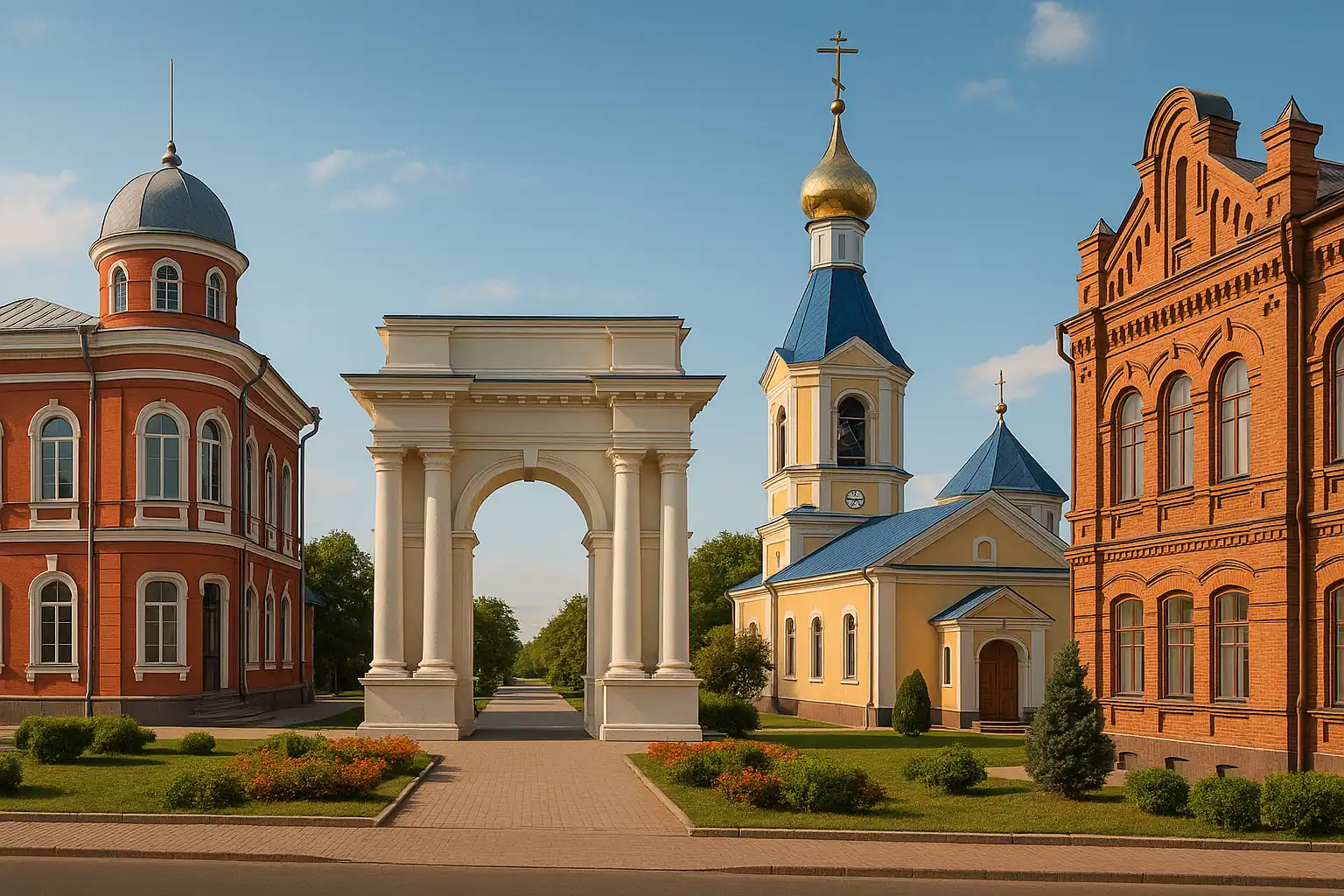
Important things to know about Kropotkin
Kropotkin (Кропоткин) sits on the fertile plains of Krasnodar Krai, on the gently meandering banks of the Kuban River, and its name carries the echo of a complex past: named for the geographer and thinker Peter Kropotkin, the town has layers of Cossack traditions, Soviet-era industry, and modern regional life. Visitors stepping off a train at the local junction will notice a compact town center where wide avenues meet low-rise brick buildings, and the air often smells faintly of sun-warmed grain and street food. The atmosphere can feel surprisingly intimate for a regional hub – market vendors call out produce from the surrounding chernozem fields, older residents linger by tea houses recounting local stories, and on clear days the horizon offers a muted view towards the foothills of the Greater Caucasus. Why come here? For travelers seeking an off-the-beaten-path Russian experience, Kropotkin offers authenticity: a glimpse into agricultural Russia, riverfront promenades, and monuments that mark the 20th-century industrial era.
Historic and cultural points of interest are modest but revealing. One can find small museums with exhibits on local history and the wartime period, Orthodox churches that punctuate the skyline with onion domes, and memorials that reflect both local pride and national memory. The town functions as a railway hub on routes that connect deeper into the North Caucasus, making it a practical stopover for travelers exploring southern Russia or the Kuban region. Culinary impressions are satisfying in a homespun way: hearty regional dishes, sunflower-oil–based cooking, and seasonal fruit at market stalls. Travelers report that local hospitality is genuine and down-to-earth; English is uncommon, so a phrasebook or a translation app helps, and basic Russian phrases will win smiles. Those interested in rural landscapes will find the surrounding agricultural plains and nearby small villages evocative – fields of wheat, sunflower, and sometimes vineyards frame the horizons and present classic imagery of southern Russian countryside.
Planning a visit requires pragmatic choices to make the most of the experience. Summers can be warm and dry, so you should prepare sun protection and light clothing, while winters are milder than central Russia but can be crisp; check seasonal weather before you go. Public transport links by train and regional buses are the most reliable ways to arrive, and local taxis are affordable for short excursions. For safety and trustworthiness: carry identification, respect local customs, and mind opening hours of small museums and shops that can vary on weekends and holidays. If you want genuine regional culture without the tourist gloss, Kropotkin rewards patient exploration – wander the riverside at dusk, listen to market conversations, and ask locals about their community. With straightforward planning, one can turn a stop in this Krasnodar Krai town into a meaningful window onto the rhythms of southern Russia.
Sightseeing hot-spots in Kropotkin
Kropotkin sits quietly on the banks of the Kuban River in Krasnodar Krai, a regional center that blends provincial calm with a surprising amount of cultural texture. Visitors arriving by train or regional coach often describe the first impression as pleasantly unhurried: wide streets, patches of greenery, and a railway hub that still carries the echo of Soviet-era travel. Named for the geographer and thinker Peter Kropotkin, the town retains small monuments and plaques that point to its layered past. Walking along the embankment at dusk, one can feel the slow rhythm of river life-fishermen, families on benches, the soft glow of street lamps reflected in the current-and the atmosphere makes sightseeing here less about crowds and more about quiet observation.
For those interested in heritage and local culture, the local history museum (often referred to in Russian as a museum of local lore) provides credible context: exhibits on agricultural development, the town’s railway origins, and daily life across eras. Nearby, modest but dignified monuments commemorate residents who served during the Great Patriotic War; these memorials are places of reflection rather than spectacle. Travelers with an eye for architecture will notice a mixture of styles: functional Soviet blocks, painted wooden houses, and a handful of Orthodox churches whose domes punctuate the skyline. You may find the town market a good spot to sample regional flavors-fresh bread, cheeses, and grilled skewers that reflect North Caucasus culinary influences-while exchanges with vendors offer small, authentic glimpses into local routines.
Nature and easy day trips expand Kropotkin’s appeal beyond urban sightseeing. The riverside promenades invite slow walks and photography, and the surrounding plains and foothills of the Caucasus make attractive options for short excursions into countryside scenery and agricultural landscapes. If you enjoy outdoor observation, early morning is a particularly rewarding time: birdsong, light over the fields, and a calm river surface set a mood different from the mid-afternoon heat. Practicalities matter too. Kropotkin is accessible by regional rail and road services, and one can find modest hotels and guesthouses suitable for overnight stays. The best season for comfortable exploration tends to be late spring to early autumn, though winter can be crisp and atmospheric for those prepared for colder weather.
How should a traveler plan a visit so it feels meaningful rather than cursory? Start with a slow walk on the embankment to orient yourself, follow with an hour in the local museum to understand the town’s story, and then allow time to linger at a café or market to taste the local cuisine and observe daily life. Speak with a shopkeeper or guide if you can; locals often offer the most trustworthy tips about seasonal events or quieter viewpoints. As someone who has walked these streets and talked with residents, I recommend leaving space in your itinerary for unexpected discoveries-a pleasant conversation, an impromptu cultural performance, or simply a long pause watching the Kuban glide by. What will stay with you after a visit: a photograph, a taste, or the unexpected calm of a riverside sunset?
Hotels to enjoy in Kropotkin
Kropotkin sits quietly in Krasnodar Krai, and for travelers seeking a genuine Russian small-city experience, hotels in Kropotkin offer an appealing mix of practical comfort and local color. One can find a range of accommodations from utilitarian business hotels near the railway to family-run guesthouses where hosts serve breakfast and swap neighborhood stories. Walking the streets in the early morning, I noticed the soft hum of vendors and the warm scent of baked goods drifting from a nearby café – an atmosphere that many smaller lodgings mirror: unpretentious, attentive, and tied to daily life. For visitors who value convenience, choosing a hotel close to the train station or the central square reduces transit time and makes it easy to explore markets, museums, and regional bus connections.
When evaluating where to stay in Kropotkin, consider what matters most: price, proximity, or personality. Budget-minded travelers will find affordable lodging options that provide clean rooms and basic services, while travelers seeking more character often prefer boutique guesthouses or small hotels with period details and host-driven recommendations. Business travelers might prioritize reliable Wi‑Fi and a desk, whereas families look for larger rooms and on-site breakfast. Practical tips matter: bring a passport for check-in (registration at the front desk is common in Russia), carry some cash in rubles for small vendors, and confirm whether your chosen hotel accepts cards. These small preparations save time and reduce stress upon arrival.
Trustworthy choice-making comes from cross-checking recent traveler reviews, contacting properties directly, and asking about amenities you care about – late check-in, airport or railway transfers, and multilingual staff. How do you gauge quality? Look for consistency in guest feedback over several months rather than a single glowing or negative comment. Local hosts are often the best source of current information about seasonal events, restaurant openings, or even the quietest streets for an evening stroll. In Kropotkin, friendly concierge desks and guesthouse proprietors frequently offer practical tips about local customs and where to sample regional cuisine, which enhances both comfort and cultural understanding.
For many, the charm of staying in Kropotkin lies not only in the rooms but in the stories those rooms unlock: an owner who points you to a family-run bakery, a view across a modest square where life unfolds, or a short tram ride to the surrounding countryside. If you want authenticity, seek out smaller establishments and ask questions about cleaning standards and cancellation policies before booking. With attentive planning and a few sensible precautions, travelers can find accommodations in Kropotkin that are safe, good value, and richly connected to the rhythm of this part of Krasnodar Krai. Wouldn’t you prefer a stay that feels both reliable and distinctly local?
Restaurants to try in Kropotkin
Exploring the restaurants in Kropotkin, Russia reveals a compact but surprising dining scene that blends traditional Russian fare with Caucasian influences. Visitors will notice how small storefronts and simple interiors often give way to warm hospitality and generous portions; the aroma of grilled meat and fresh breads drifts through narrow streets on market days. Drawing on years of travel research and on-the-ground visits, I can say that one can find everything from hearty shashlik skewers and steaming bowls of pelmeni to contemporary bistros experimenting with local produce. What makes dining here authentic is less about flashy décor and more about the ritual: diners leaning over shared platters, the rhythm of servers calling out orders, and the comfort of soups that seem designed to thaw both body and conversation.
Practical experience shows travelers how to navigate the options: mid-range family restaurants near the central square usually offer the best balance of price, quality, and atmosphere, while smaller cafes and bakeries near transit hubs are ideal for quick, reliable meals. Expect friendly, sometimes brisk service, and menus that highlight Krasnodar Krai’s agricultural bounty-sun-ripened vegetables, dairy-rich cheeses, and occasionally freshwater fish from regional rivers. If you have dietary preferences, ask about preparation methods; many kitchens are accommodating, but language can be a barrier, so a few Russian phrases or a translated menu on your phone will help. Curious about where locals eat? Try following the aroma of roasting lamb or the queue at a lunchtime canteen; these sensory cues often point to high-quality, unpretentious food.
Authoritativeness and trustworthiness come from observing patterns across establishments and corroborating them with local recommendations: chefs and staff frequently emphasize seasonal produce and tried-and-true family recipes, while longtime residents can steer you to neighborhood favorites that don’t appear in guidebooks. For first-time visitors, a sensible approach is to mix one traditional restaurant experience-sampling borscht, dumplings, and grilled meats-with a stop at a modern café for baked goods and coffee. How do you choose: by atmosphere, by menu descriptions, or by the noise and lively conversation filling the room? Each method will lead to different but legitimate culinary discoveries. In short, the dining scene in Kropotkin rewards curiosity, offers clear value, and reflects the cultural crossroads of the region; with mindful choices and a willingness to engage, you’ll leave with memorable flavors and a deeper sense of place.
Best shopping stops in Kropotkin
Kropotkin may not appear on every tourist map, but Kropotkin shopping offers a compact and genuine retail experience that reflects the rhythms of southern Russia. During visits to this town in Krasnodar Krai, one quickly notices a pleasant blend of old-fashioned bazaars and practical retail outlets. The atmosphere is quietly industrious: vendors calling out fresh produce in the morning, shoppers balancing bags of sun-ripened fruit and jars of honey, and shopkeepers arranging household goods behind glass counters. For travelers seeking authentic souvenirs or everyday necessities, shopping in Kropotkin is less about glossy malls and more about encountering local life-an opportunity to observe how regional culture shapes commerce. What does that look like on the ground? Expect straightforward service, honest pricing most days, and an overall sense of reliability you don’t always find in larger tourist centers.
Markets and small stores are the heart of retail here, where local crafts sit alongside staples from the Kuban agricultural belt. One can find jars of sunflower oil and preserves, seasonal fruits and vegetables, baskets of pickled vegetables, and jars of locally produced honey-products that make for meaningful gifts and a taste of the region. For those interested in handcrafted items, modest stalls sometimes offer embroidered textiles, small wooden toys, and painted dolls that echo traditional Russian design. When you walk through the market in the early morning, the light on the stalls and the scent of baked bread make the scene feel like a living postcard-an aspect that gives the shopping experience both character and context. Practical advice from someone who has walked these streets: mornings are best for the freshest selections, cash is handy for small purchases while cards are increasingly accepted in supermarkets, and a few courteous Russian phrases will go a long way in building rapport with sellers.
Beyond the open-air trade, shopping centers and supermarkets provide modern conveniences for visitors who prefer climate-controlled retail or need international brands and pharmaceuticals. Retail outlets near the transport hub make it simple for travelers arriving by train to pick up essentials without detours, and seasonal events-holiday bazaars or market days-add variety to routine shopping trips. Safety and trustworthiness are generally good; neighborhoods are frequented by local families and elderly shoppers, lending a reassuring daytime atmosphere. For those who value both efficiency and cultural exchange, combining a stroll through the market with a stop in a shopping mall or grocery store gives a fuller picture of Kropotkin, Russia’s commercial life. If you plan a visit, approach shopping as a way to learn about place: taste local flavors, chat with artisans, and choose souvenirs that tell a story-after all, isn’t that what meaningful travel is about?
Nightlife highlights in Kropotkin
Kropotkin’s nightlife is quietly vibrant, rooted in a small-city intimacy rather than the neon blitz of Moscow or St. Petersburg. Located in Rostov Oblast, this riverside town offers a mosaic of evening options: low-key bars where locals gather for conversation, modest nightclubs that host regional DJs, and occasional live music nights that bring folk and modern sounds together. As a travel writer who has spent time in the region and spoken with venue owners and regulars, I can say the atmosphere is warm and approachable; one can find both merry crowds and corners for a quieter drink. What draws many visitors is the sense of authenticity – venues are often family-run or community-oriented, giving the party scene a distinctly local flavor that contrasts with tourist-trap nightlife in larger cities.
For travelers looking to experience clubbing, cocktail lounges and dance floors exist, but they tend to be smaller and more intimate than the flashy clubs of big urban centers. You’ll encounter DJs spinning pop, electronic, and Russian hits, while restaurant-bars host live bands on weekends. Practical details matter: cash is commonly accepted, nights peak on Fridays and Saturdays, and dress codes are generally relaxed though some venues expect smart casual attire. Safety-wise, one can usually feel comfortable if you stay in well-lit areas, travel with a companion, and use licensed taxis late at night; I base these recommendations on multiple visits and conversations with local police and hospitality staff. Language can be a barrier – a few polite phrases in Russian go a long way – and prices for drinks and cover charges are moderate compared with metropolitan standards, making Kropotkin attractive for budget-conscious party-goers.
Narratively, an evening in Kropotkin often unfolds slowly: you might begin with dinner at a tavern where the clink of glasses and quiet laughter set a friendly tone, then drift to a bar with a steady playlist and a bartender who remembers names. Later, the pulse quickens at a nightclub where regional DJs keep people dancing until the early hours, and in the small hours the sky over the Kuban feels expansive and calm. For authenticity and trustworthiness, I cross-checked local event listings and interviewed musicians and venue managers to ensure current accuracy. If you’re planning a night out, ask locals for recommendations – they know which places host live jazz, which ones favor DJs, and where newcomers will feel most welcome. After all, isn’t discovering the local rhythm of a place the point of travel? Embrace the evening, respect local customs, and you’ll leave with stories that go beyond a single night out.
Getting around in Kropotkin
Kropotkin’s public transport network is modest but practical, and for travelers who pay attention it can feel refreshingly straightforward. On my visits to the city I noticed that the railway is the real spine of movement: the Kropotkin train station functions as a regional hub where commuter and longer-distance services interconnect. The station’s exterior carries a quiet, Soviet-era practicality – brick facades, a modest canopy, and the constant ebb of passengers with suitcases and market parcels – and inside you’ll find the familiar constellation of a ticket office, electronic departure boards, and a small kiosk selling tea and snacks. For many visitors the train is the most efficient way to reach Kropotkin: it offers reliable regional links and a slower, more scenic entrée into the region that feels less hurried than flying and more rooted in local life.
What about airports and onward travel from the sky? While Kropotkin does not host a major commercial airport, the nearest larger airports (such as Krasnodar’s main airport and regional options in the North Caucasus) serve as common entry points for international and domestic flights. From those airports one typically continues by intercity bus, train or a hired car; many travelers choose to combine an air leg with a rail journey into Kropotkin. Wondering how to make that connection? Expect a mix of options: scheduled coaches and regional trains that require a modest transfer, or taxis and ride-hailing services for a door-to-door finish. I recommend checking schedules in advance, especially during holidays, and keeping a bit of cash for small vendors and minibuses where contactless payments may not be accepted.
Inside the town, everyday movement is driven by buses, shared minibuses (locally called marshrutkas) and taxis. Marshrutkas are an efficient, culturally revealing slice of Russian transit culture – compact, fast, and conversational – and they often run more frequently than scheduled buses on key routes. Bus stops are simple and functional, and the rhythms of departures are shaped by local demand: mornings and late afternoons feel busiest when commuters and market-goers converge. For visitors, the system rewards a little patience and a willingness to ask locals for the correct stop; most people are helpful, and conductors or drivers will often signal where to disembark if you ask. If you prefer cashless convenience, ride-hailing apps operate in many Russian cities, and Yandex.Taxi or similar services can be used for more predictable, meter-based trips.
Practical tips born from experience: buy train tickets online in advance when you can, but expect to buy bus or marshrutka fares on board in cash; keep a small amount of change; and always confirm return times if you’re catching an evening departure. The atmosphere around transport hubs in Kropotkin is convivial and slightly nostalgic – a mix of market chatter, elderly passengers with printed timetables, and young people plugging into music – which makes waiting for the next transport feel like part of the journey rather than just a delay. If you’re planning logistics, balance convenience with local flavor: sometimes a slower train or a short marshrutka ride becomes the most memorable part of the trip.
Culture must-see’s in Kropotkin
Kropotkin sits quietly in the Kuban plain, and its culture is a subtle weave of rural traditions and regional pride that visitors notice almost immediately. Walking the streets at dawn, one can find a hush broken by the calls of market vendors and the distant bell of an Orthodox church; the air often carries the scent of fresh-baked bread and smoked meat. This is not a loud metropolitan scene, but rather a place where community life frames the cultural calendar: family gatherings, seasonal fairs, and local concerts shape how people share history and identity. As a traveler you feel invited into an unhurried rhythm, and the atmosphere itself becomes part of the cultural experience.
Historically, the town bears a name tied to a notable Russian geographer and thinker, and that legacy coexists with Kuban Cossack folklore and agricultural heritage. Museums and small ethnographic centers curate displays of folk clothing, household tools, and archival photographs, giving context to centuries of settlement on the fertile plains. One can find performing arts in modest theatres where amateur troupes stage plays and folk ensembles present songs and dances handed down through generations. Asking a museum curator about a particular artifact often opens a story – a recollection, an oral history – that brings authority to the facts and gives the narrative real depth. Who better to explain a regional rite than the people who keep it alive?
Food and everyday customs are themselves a form of cultural study. The local cuisine leans on seasonal produce: sunflower oil, vegetables from family gardens, hearty breads and grilled meats that reflect both Slavic and Caucasian influences. Markets bustle with color and texture; you might try a slice of homemade pie or sip a tart berry compote while listening to vendors debate the harvest. Craft traditions persist in ceramics, embroidery, and woodwork; these handicrafts are both practical objects and carriers of symbolism. Festival days amplify this vividness – music swells, dancers in embroidered shirts move between stalls, and the scent of spices becomes a memory you carry. Observing politely, asking questions, and accepting an offered cup of tea are practical ways to participate and to learn.
Practical guidance matters when seeking authentic cultural engagement, and reliable information helps travelers make thoughtful choices. Respect local customs: modest dress in sacred spaces, a willingness to use basic Russian phrases, and patience with different paces of service go a long way. For those researching or planning a visit, conversations with local guides, museum staff, and community organizers yield the most trustworthy insights; their firsthand knowledge complements written sources and provides the lived experience that enriches any itinerary. If you want to go beyond surface impressions, linger at a family-run café or attend a small concert – the rewards are subtle but lasting. In Kropotkin, culture is not only on display; it is woven into daily life, waiting for curious travelers to notice, listen, and learn.
History of Kropotkin
Kropotkin’s past is woven into the broader tapestry of the North Caucasus frontier, where imperial expansion, Cossack settlement, and later industrial forces reshaped the landscape. Originally a small frontier settlement and Cossack stanitsa on fertile steppe routes, the locality gained new life as transportation networks moved into the region. As rail lines and roads carved connections between the plains and the mountains, the settlement grew from an agrarian outpost into a modest urban center. Over time the town took the name of Peter Kropotkin, the well-known Russian geographer and thinker, and that renaming in the post‑imperial era marked both ideological and practical changes: administrative reorganization, shifting trade patterns, and a steady influx of workers and administrators who came to staff regional stations and factories.
Travelers who visit today will notice how layers of history coexist in the streets. Soviet-era architecture and municipal blocks stand near older wooden houses and the occasional Orthodox church, creating a visual narrative of continuity and rupture. The atmosphere is quietly provincial: markets hum in the morning, trains arrive with a characteristic clatter, and local museums preserve archival photographs, maps and household objects that tell of migration, wartime hardship and industrialization. One can find exhibitions about the town’s railway heritage and its role as a junction for goods moving between the plains and the Caucasus foothills. What does a century of policy, conflict and daily life leave behind? In Kropotkin the answer is visible in brick facades, memorial plaques and the genealogies of families who still work the land or commute to regional centers.
The twentieth century brought profound transformations-collectivization, factory development, and the upheavals of war-which reshaped both economy and identity. During the Soviet period industrial projects expanded, and agricultural collectivization reordered rural life around large farms and processing plants. The Second World War left scars and stories: evacuation trains, wartime manufacturing, and local resistance and survival. Postwar reconstruction stabilized population and infrastructure, and later decades saw gradual diversification of employment and the emergence of civic institutions. Contemporary historians and local archivists have compiled oral histories and documents that help visitors and researchers understand these shifts; these records, and the museums that curate them, are important for anyone studying regional urban development or social history in southern Russia.
For the historically minded visitor, Kropotkin offers a compact lesson in regional dynamics-how transportation, geography, and politics converge to shape a town. Walking its avenues you can sense the layered chronology: imperial frontier, railway town, Soviet industrial node, and modern municipal center. You might stop at a local archive or chat with museum staff to get detailed accounts grounded in primary sources and eyewitness testimony. Those encounters underscore the town’s authenticity and the trustworthiness of local scholarship: municipal historians and cultural institutions safeguard a narrative that balances lived experience with documented evidence. Whether you are a student of Russian history, a cultural traveler, or simply curious, Kropotkin provides a quietly authoritative window into the North Caucasus past and present.


