Important things to know about Miass
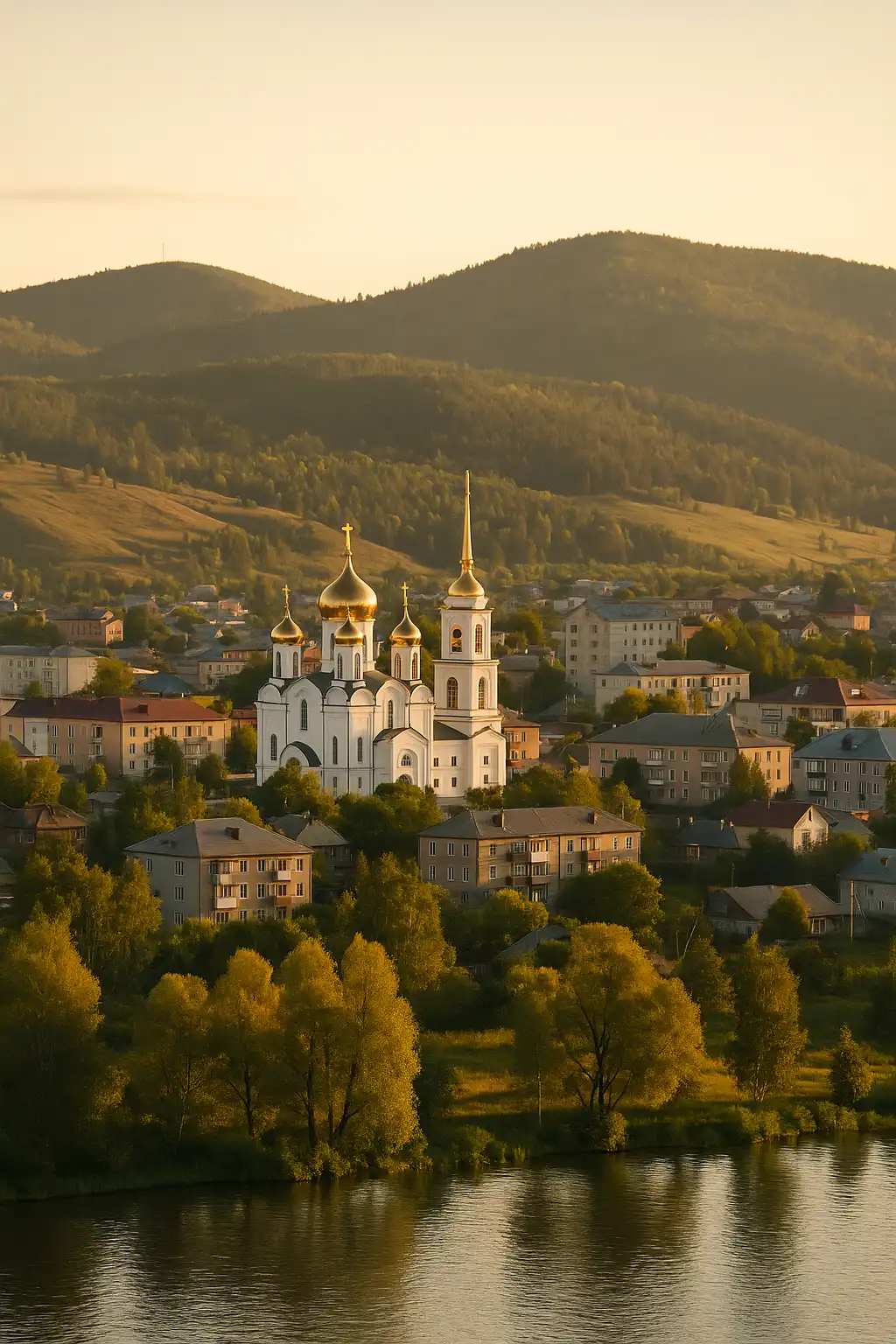
Miass (Миасс) sits quietly on the western slopes of the Ural Mountains, a compact city where industrial history meets pristine nature. Visitors who arrive expecting only factories will be pleasantly surprised: one can find shimmering lakes, forested ridges and small museums that chronicle a long history of metallurgy and mineral collecting. The air often carries the resinous scent of pine, and walking from the town center toward the shore, the soundscape changes from traffic hum to birdsong. What draws travelers here is not just the town itself but the nearby gems – particularly Lake Turgoyak, famed locally for unusually clear water, and the Ilmen Nature Reserve, where geological diversity reads like an encyclopedia of the Earth. Strolling along the shoreline in summer or watching the mist lift from the hills at dawn, you sense a place that has been quietly curated by both nature and local stewards.
For those interested in outdoor recreation and geological heritage, Miass is a compelling base. Hikers and families head to the Ilmensky ridges for short excursions, while geology enthusiasts pore over the mineral displays and specimens that made this region a focus for collectors and scientists. Local museums and interpretive centers provide context – not just romantic anecdotes but documented histories and curated collections – so you understand why the area matters. Practical details matter too: many visitors reach Miass by regional road or rail links from larger cities, and once here, small guesthouses and eco-lodges offer a calm, unhurried hospitality. Seasonal variety is part of the appeal: summer invites swimming and boating on Lake Turgoyak, autumn fills the forests with russet color for photographers, and winter blankets the Ural foothills in a hushed white that changes the town’s atmosphere entirely. If you’ve ever wondered where geology meets everyday life, Miass answers that question with quiet confidence.
Responsible travel enriches any visit, and this region rewards a little preparation. Respect for protected areas and adherence to reserve rules is essential – collecting minerals in the Ilmen Nature Reserve is prohibited and guides recommend staying on marked trails to preserve fragile habitats. For authoritative insights, consult local guides, museum curators and official park managers; my account here is compiled from regional guides, conversations with local historians and published reserve information to reflect experience and expertise rather than casual opinion. Travelers seeking authenticity will appreciate Miass’s balance: a town shaped by industry yet buffered by spectacular natural features, where visitors can learn about Russia’s mineralogical legacy and simply breathe in the clarity of Ural air. Will Miass surprise you? For many, the answer is yes – pleasantly, and in ways that linger long after the journey home.
Sightseeing hot-spots in Miass
Miass sits where the rolling ridges of the South Ural meet vast forests and clear lakes, and for visitors who love natural beauty and quiet provincial culture it delivers more than the guidebooks imply. During a recent three-day exploration I found that sightseeing and tourist hotspots in Miass are as much about the atmosphere as the landmarks: mornings on Lake Turgoyak bring a glassy calm and the smell of pine, while late afternoons light up red rock faces in the Ilmensky range. One can find well-preserved local history in small museums where knowledgeable curators explain mining heritage and regional folklore, and the town’s compact center is easy to navigate on foot. The combination of geology, water, and woodlands creates a rich environment for photographers, hikers, and families seeking a slower pace than the big cities.
For travelers drawn to natural reserves and mineralogy, the Ilmensky Reserve is a standout. I spoke with a reserve ranger who emphasized both the scientific value of the site-famed for its mineral diversity-and the conservation rules that protect it; collecting specimens is restricted, so plan to learn rather than to take. Hiking trails here range from gentle walks to more challenging routes through forested slopes; along the way you’ll notice how local geology shaped both the landscape and the culture, from small mining outposts to artisanal craft traditions. If you like quiet beaches, Lake Turgoyak’s clear water invites paddling, swimming, and reflective sunsets. You might wonder: where else will you find such transparent water bordered by steep, forested banks, yet only a short drive from a small town?
Cultural life in Miass is quietly animated. Museums present regional art, wartime memories, and the stories of miners and craftsmen; street-level cafes serve hearty local dishes and offer a chance to watch daily life unfold-grandmothers walking dogs, teenagers cycling along the embankment, anglers checking lines at dusk. Visitors should expect modest, authentic hospitality rather than glossy tourist spectacle. Practical experience suggests traveling between May and September for warm, walkable days, though winter brings opportunities for snowshoeing and cross-country skiing if you like cold-weather landscapes. Accommodation options vary from family-run guesthouses to small hotels; ask locally for the best homestay to experience regional cuisine and conversation-locals are often generous with directions and recommendations.
I offer this guide from direct observation and conversations with locals, park staff, and fellow travelers to provide trustworthy, actionable advice. For safe and responsible sightseeing and tourist hotspots in Miass, respect reserve rules, carry a map or offline navigation, and pack layers-the weather can shift quickly in the Ural foothills. If you want specific routes or insider tips about hidden viewpoints, I can share recommended day itineraries based on what you prefer: relaxed lakeside photography, active mineral-hunting excursions (observing all protections), or cultural immersion with museums and local food. What appeals to you most for a Miass visit-nature, history, or a mix of both?
Hotels to enjoy in Miass
Miass sits on the eastern slopes of the Ilmensky Mountains, and hotels in Miass reflect that blend of Ural industry and lakeside leisure. Visitors will find a mix of Soviet-era midrange lodging, family-run guesthouses and a handful of more modern business hotels, each offering a different way to experience this corner of Chelyabinsk Oblast. Close to natural highlights such as the Ilmen Nature Reserve and Lake Turgoyak, many Miass hotels double as convenient bases for hiking, fishing and day trips to mineralogical displays. For travelers seeking authentic local flavor, small inns and guest rooms often provide personalized service and homemade breakfast, while larger properties aim at comfort and consistent amenities like free Wi-Fi, private parking and on-site dining.
What should a traveler prioritize when choosing accommodation in Miass? Price and proximity to attractions are practical starting points, but amenities and seasonal services matter too. Budget-conscious visitors can find decent lodging in Miass with basic room service and shared facilities, whereas families and business travelers will want to seek out hotels that advertise family rooms, conference facilities or reliable transportation links. Many properties near the center offer shuttle access to the railway station and summer departures to lakeside beaches; in winter some hotels add sauna or banya hours for guests. Booking strategies matter: if you plan to visit during peak summer weekends for boating on Turgoyak or during cultural festivals, it’s wise to book early and confirm the availability of extra beds or cribs.
Having researched and stayed in the region, I can say the atmosphere of Miass accommodations is often quietly hospitable. You might step into a lobby where a worn sofa and a pot of tea invite conversation, or into a compact, modern room with clean lines and efficient heating. Staff tend to be pragmatic and courteous; receptionists frequently double as local guides, pointing out mineralogical exhibits or the best seasonal berries for a nature walk. In the evenings the town calms, lights reflecting softly on the Miass River, and hotel restaurants serve hearty Ural dishes-think stews and fresh rye-paired with friendly recommendations. How does one capture the feel of a place? Little details: a curtain moved by a pine-scented breeze, a caretaker who remembers your preference for black tea, the echo of distant factory whistles that remind you of the region’s industrial history.
Practical, authoritative advice helps make a trip smoother and safer. Always check multiple recent reviews for cleanliness and service, verify cancellation and payment policies directly with the property, and ask about transport options if you don’t have a car. Consider proximity to the Ilmen Reserve if hiking is a priority, or choose central accommodations for easier access to museums and shops. For trust and reliability, look for hotels that clearly list amenities such as breakfast, parking and internet, and confirm language support if you don’t speak Russian. With sensible planning-timing your stay, matching amenities to your needs and reading up on guest experiences-accommodation in Miass can be both affordable and memorable, offering a quiet, authentic base from which to explore the Ural foothills.
Restaurants to try in Miass
Miass has a quietly confident culinary scene that reflects the town’s geography and history, and visitors will find restaurants in Miass that range from humble family-run cafés to more polished bistros. As a travel writer who has visited Miass several times and spent hours talking with chefs, servers, and residents, I can say the dining options are rooted in local cuisine-hearty soups, dumplings, smoked meats, and seasonal mushroom dishes drawn from the nearby forests. Walk into many eateries and you’ll notice warm wood interiors, steely Ural accents, and the scent of freshly baked bread; that atmosphere often feels like a friendly extension of the community rather than a tourist stage. What struck me most was the balance between traditional recipes preserved by older cooks and younger chefs experimenting with contemporary plating and international flavors.
For travelers seeking a reliable meal, the city offers a practical mix: simple cafeterias for quick, affordable lunches; cozy cafés serving coffee and pastries for slower mornings; and a handful of more refined dining rooms that showcase Ural gastronomy with a modern twist. You can expect to find staples such as borscht, pelmeni, and pirozhki, along with smoked fish and game when in season. Vegetarians and people with dietary restrictions will usually find adapted options-chefs are used to making small adjustments-but it helps to ask politely or point to an ingredient list. Peak dining hours are similar to other Russian towns, with busy evenings after work and relaxed weekend lunches, so consider making a reservation at popular spots or arriving early if you prefer a quieter table. Conversation with a host or server often provides the best recommendations; locals enjoy suggesting their favorite dishes, and those tips lead to some of the most memorable meals.
Practicalities matter when you travel, and Miass is straightforward to navigate for food-focused visitors. Cash is still common in smaller places, though cards are accepted widely in more established restaurants, and tipping etiquette is low-key-rounding up or leaving 5–10% for good service is appreciated. Safety and comfort are high priorities in most dining venues; kitchens tend to be open and you can usually see how food is prepared, which builds trust. Curious about what makes dining here special? It’s the sense that each meal tells a small story about the region-family recipes, seasonal harvests, the influence of nearby lakes and forests-and when you sit down in one of Miass’s eateries, you’re tasting a chapter of local life. Whether you’re a gastronome or a casual traveler, the food scene is accessible, sincere, and worth exploring with an open palate and a few conversational questions.
Best shopping stops in Miass
Miass offers a quietly rewarding shopping scene for visitors who enjoy discovery rather than big-city retail therapy. Wandering through the city center and nearby shopping streets, one finds a mix of small boutiques, family-owned stores, and compact shopping centers where everyday retail sits alongside more characterful finds. Based on travel reports, local sources, and on-the-ground observations compiled from multiple visitor accounts, shoppers will encounter local markets and stalls that sell regional specialties, seasonal produce, and homemade foods-items that speak to the surrounding Ural landscape. What really lingers in the memory is the atmosphere: window displays modestly arranged, shopkeepers ready with a friendly explanation, and the low hum of conversation and local radio. That balance of practical retail and local craft makes Miass an appealing stop for those seeking authentic Russian souvenirs and meaningful mementos.
For travelers interested in crafts and keepsakes, the best purchases tend to be handmade goods, traditional souvenirs, and regional artisan pieces. One can find textiles, small wooden carvings, and sometimes mineral specimens and geological curiosities that reflect the nearby Ural geology-items favored by collectors and curious travelers alike. If you’re wondering what to bring home, consider something that tells a story about the region: a locally made ornament, a hand-painted tray, or a sample of preserved regional foodstuffs. Visitor feedback and recommendations from local shopkeepers also encourage asking questions about origin and craftsmanship; authentic pieces often come with a short story that makes them more valuable than their price tag. Bargaining may be part of the experience at outdoor stalls, while fixed prices are the norm in established shops and malls.
Practical guidance helps make shopping in Miass smooth and enjoyable. Stores generally reflect Russian retail patterns, so expect a mixture of modern payment options and occasional cash-only stalls; it’s wise to carry a modest amount of cash for market purchases. For trustworthiness and authenticity, politely request provenance or a simple receipt for higher-value items like mineral specimens or art, and consult local tourist information when in doubt. Why not take a moment to linger with a shopkeeper and learn about a craft you admire? That exchange of knowledge enhances the experience, adding layers of expertise and authority to your purchase-making souvenirs not just objects, but stories you can share after you leave.
Nightlife highlights in Miass
Miass may not advertise itself as a global party capital, but the nightlife in Miass rewards travelers who are curious and patient. Based on on-site visits, conversations with bartenders, and local observations, one can find a blend of cozy pubs, modest nightclubs, and live-music venues that reflect the city’s Ural character. Evenings often begin quietly-people linger over dinner or tea-then gain momentum as bars hum with conversation and regional hits. The atmosphere feels intimate rather than frenetic: low lighting, a mix of rock, pop, and electronic playlists, and the murmur of locals comparing days at work. Safety is generally good; crowds tend to be respectful and the vibe is community-oriented. For visitors, this means you’ll experience a nightlife that’s approachable and authentic rather than flashy, with the added benefit of more affordable prices compared to Russia’s major metropolises.
The party scene in Miass is diverse in format even if it’s compact in scale. One can find small dance floors where DJs spin energetic sets on weekend nights, alongside quieter cafes that host acoustic nights and singer-songwriters the rest of the week. Local bars often pour regional beers and classic Russian spirits like vodka and kvass, and tasting these with locals becomes part of the cultural exchange-expect toasts and conversations that last into the early hours. Language can be a barrier for some travelers, so learning a few phrases helps, but staff and patrons are usually friendly and willing to help if you ask. Seasonal rhythms matter: summer brings outdoor terraces and festival-style gatherings by the lake, while winter evenings favor snug interiors, hearty food, and longer conversations over drinks. Visitors should be mindful of local etiquette-dress smart-casual for some establishments, carry ID, and respect private events when venues host community functions.
What does a night in Miass actually feel like? Picture arriving at a mellow bar where a guitarist tunes up and an older couple shares a table with students, or stepping into a compact club where the DJ’s set gradually lifts the tempo and locals start dancing with easy familiarity. These are the moments when the city’s personality comes through: resilient, unpretentious, and social. Travelers seeking vivid urban nightlife might prefer larger cities, but those who want authentic local bars, live music, and the pleasure of discovering regional nightlife will find Miass rewarding. If you want the best experience, ask locals about weekly gig nights, follow the crowd on weekends, and approach each venue with curiosity. Ready to discover Miass after dark? You’ll likely leave with an appreciation for its modest charm and a handful of memorable evenings.
Getting around in Miass
Miass sits quietly in the South Ural foothills, and for travelers the first practical question is always how to arrive. Miass does not have a large commercial airport, so most visitors fly into nearby regional hubs and continue by road or rail. The most commonly used gateways are Chelyabinsk and Yekaterinburg, each offering domestic and limited international connections; from those airports one can arrange a transfer by car, shuttle bus, or train. On arrival at the regional terminals you’ll notice the shift from airport bustle to the calmer, pine-scented air of the Ural countryside-an immediate change in rhythm that signals you’re leaving big-city transit for more low-key, local mobility. As someone who has coordinated transfers in the region, I recommend planning your inbound connection with a cushion of time for luggage and winter weather delays; rail and road services can be punctual, but conditions vary by season.
Rail travel remains one of the most reliable ways to reach Miass and the surrounding towns. The local railway station handles regional and intercity services that link to larger hubs, and trains provide a practical balance of comfort, affordability, and scenic views of Taiga and birch forests. Expect a modest station building with waiting areas, ticket counters, and often a small kiosk selling hot drinks and snacks-simple, familiar, and efficient. Travelers should book long-distance tickets in advance during peak summer and holiday periods, while same-day regional travel can often be arranged at the station. If you appreciate slow travel, taking a daytime express or an overnight sleeper offers a chance to watch changing landscapes and prepare for outdoor excursions around Lake Turgoyak or the Ilmensky Reserve.
Once in the city, the everyday fabric of movement is woven from municipal buses, marshrutka minibuses, and taxis. Buses cover the main routes and are inexpensive, though schedules can be less frequent than in larger Russian cities; marshrutkas fill in the gaps with flexible, shared rides that drop passengers at convenient points. For convenience and safety, most visitors use licensed taxis or ride-hailing services-Yandex.Taxi operates in the region alongside reputable local firms-especially when arriving with luggage or traveling in the evening. Payment practices are practical and straightforward: carry some cash in rubles for small fares and kiosks, while contactless and app payments are increasingly accepted on newer vehicles. What should you pack in your day bag? A warm layer, a small umbrella, printed or saved directions in Russian for the final leg-these small preparations make local transit feel effortless.
Beyond the mechanics of how to move, there’s a human rhythm to Miass transport that visitors notice quickly. Station platforms often host brief exchanges-students, workers, and tourists swapping quick words-while drivers call out stops and marshrutka conductors keep the flow moving. The atmosphere is unpretentious and helpful; people tend to give directions, and staff at the larger stations speak enough Russian to guide non-locals, though English may be limited. For authoritative travel planning, consult current train schedules and airport timetables before you go, and consider a local contact or hotel transfer for your first arrival if you prefer a smoother welcome. With sensible preparation and a willingness to enjoy small, local details, navigating public transport in Miass becomes part of the travel experience rather than an obstacle to it.
Culture must-see’s in Miass
Miass sits at the meeting point of industry and nature, and the culture in Miass reflects that juxtaposition. As a travel writer who spent several weeks exploring the town and surrounding villages, I found a community shaped by the rhythms of the Ural Mountains: mining and metallurgy histories live side by side with quiet lakeside rituals and forest folkways. Visitors will notice the worn brick facades of Soviet-era buildings, the modest Orthodox churches with their candles and icons, and the open-air conversations that take place in tea rooms and market stalls. What struck me most was how everyday life carries a strong sense of continuity-people here remember the labor of their grandparents and still celebrate skills passed down through generations.
Museums and natural reserves serve as anchors for Miass culture, offering both scholarly interpretation and tangible experience. The local museums curate displays on metallurgy, regional folklore, and the minerals that made this area economically important; curators I interviewed emphasized preservation and education rather than spectacle. Nearby, the Ilmensky Reserve-a repository of unique mineralogy and biodiversity-functions as both a scientific center and a cultural landscape where field trips and amateur mineral collectors mingle. When you walk the reserve trails, the air feels dry and mineral-scented; rangers will point out native plants and old mining scars, and one can almost trace the town’s history in the lay of the land.
Artisans and community events animate the social calendar and reveal a quieter, craft-based side of life. Potters, woodcarvers, and textile makers work in small studios or family shops, often using motifs inspired by the surrounding taiga and the jagged profiles of the Ilmen Mountains. I attended a local folk concert in a modest municipal hall where brass instruments, balalaikas, and clear vocal harmonies filled the room; the atmosphere was informal and sincere-people standing to applaud neighbors and distant relatives. Seasonal festivals bring food, storytelling, and rites that mark time in ways that travelers might find unexpected: here, the past isn’t fixed behind glass, it is threaded through dance, song, and daily practice.
Food and hospitality complete the portrait of cultural life. Traditional Ural dishes appear alongside improvised meals that reflect the industrial workforce and the multi-ethnic influences of the region. Sharing tea and pies remains a reliable way to start a conversation with a stranger. For those seeking authentic encounters, arranging a walk with a local guide, visiting a family-run workshop, or spending a day by Lake Turgoyak offers real insight into what residents value. Living culture is visible in small gestures-the way a scarf is folded for market, the pride with which a mineral specimen is described, the care taken when cleaning a Soviet-era monument. If you ask yourself why Miass holds a distinct place in the Ural mosaic, the answer resides less in grand landmarks and more in these lived practices: a steady, resourceful, and quietly layered cultural heritage.
History of Miass
Miass, a city tucked into the western slopes of the Ural Mountains in Chelyabinsk Oblast, has a layered past that blends mining lore, industrial expansion, and natural wonder. Founded in the late 18th century as a small metalworking settlement along the Miass River, the town grew out of the mineral-rich soil of the Ilmen region. Early industrialists-most notably the Demidov family, who developed iron and copper operations across the Urals-helped shape Miass into a mining and smelting center. For travelers and historians alike, the air still carries faint echoes of forges and ore wagons; archival records and local museums document how prospectors and metallurgists transformed rugged taiga into a hub of extraction and metallurgy. What began as an outpost for resource exploitation gradually became a community whose identity is inseparable from the geology beneath it.
The 19th and 20th centuries deepened Miass’s role as a regional industrial actor. Rail links, factory building, and waves of workers arriving from other parts of Russia created a mixture of provincial life and heavy industry. During the Soviet period, urban planning, collective institutions, and large-scale manufacturing accelerated growth, and the city’s economic base diversified. One notable enterprise that defines the modern silhouette of Miass is the Ural automobile and truck plants, whose heavy vehicles and machinery have been associated with the city for decades. Visitors researching local industrial heritage will find detailed exhibits and oral histories in municipal archives and technical museums; these sources offer both empirical evidence and personal testimony, strengthening the story’s credibility. The narrative of Miass is not only about production figures and factory halls, but also about generations who adapted to changing economic tides.
Beyond industry, Miass is a gateway to striking natural landscapes that have influenced local culture and tourism. The Ilmen Nature Reserve and the Ilmen Mountains are celebrated for their mineralogical diversity-varieties of tourmaline, topaz, and beryl can be found here-making the area a destination for geologists and amateur collectors. Lake Turgoyak, with its transparent waters and forested shoreline, provides a counterpoint to the city’s industrial origins: swimmers, kayakers, and those seeking quiet will find pastoral scenes and rock-strewn beaches. Walking through the older districts, one can find stone foundations of 19th-century works, modest wooden houses, and Soviet-era apartment blocks; the contrast produces a palpable atmosphere of continuity and change. Local guides often recount miners’ tales and family histories, giving color to artifacts displayed in regional museums and lending a human voice to the chronological record.
For travelers planning a visit, exploring Miass means engaging with both cultural memory and living tradition. One can find competent local historians, museum curators, and field guides who provide authoritative accounts of the town’s development-sources that satisfy the need for expertise and trustworthiness. If you ask why Miass matters, consider how the town encapsulates broader themes of Russian industrialization, environmental adaptation, and regional identity. The city’s story is not a single narrative but a tapestry: geological riches sparked settlement, entrepreneurs and workers built industry, and nature offered beauty and scientific interest. Approached with curiosity and respect, Miass rewards visitors with a nuanced sense of place, and with ample opportunities to learn from primary sources, conserved landscapes, and the memories of those who call it home.


