Important things to know about Moscow
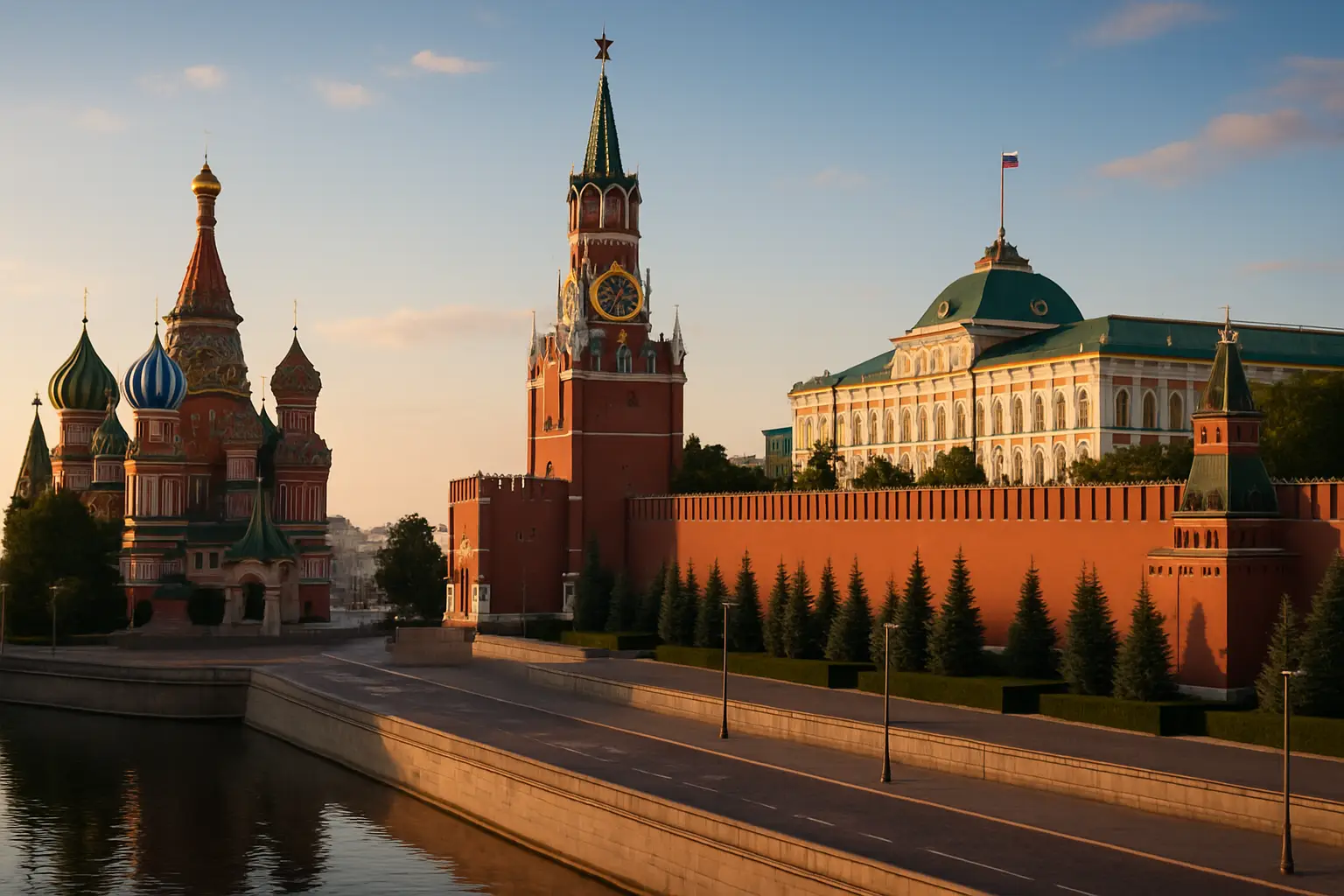
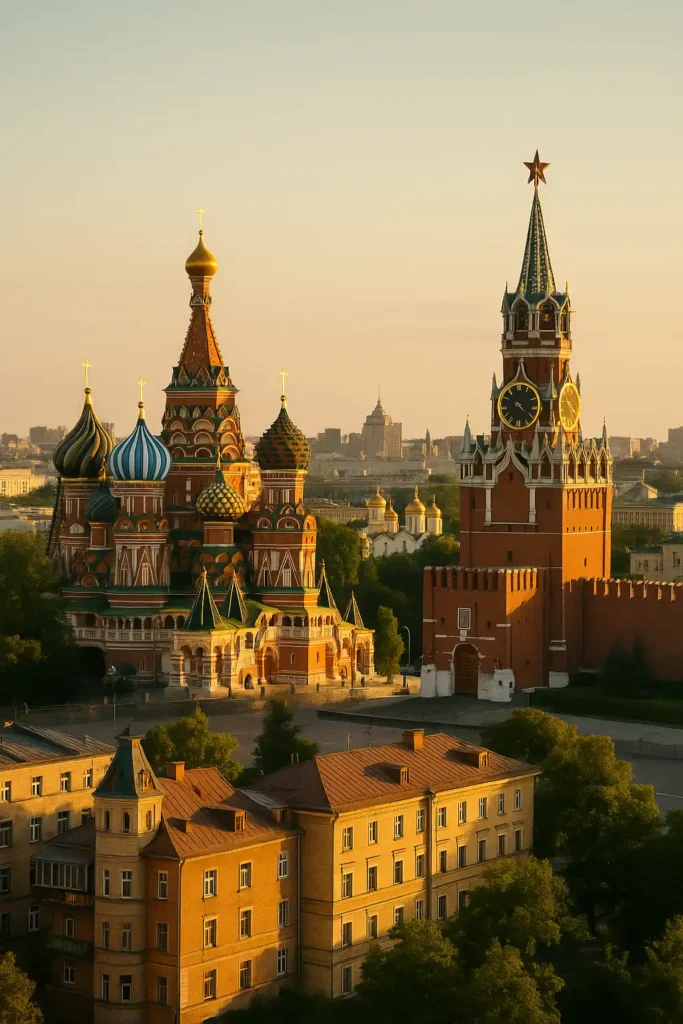
Having spent several weeks exploring Moscow and researching its landmarks, I can say the city offers a layered experience that rewards both brief visits and long stays. Visitors arrive to a skyline where ornate baroque domes meet Soviet-era blocks and gleaming contemporary towers; the contrast is immediately striking. Walks across Red Square at dusk leave an indelible impression – the light on the bricks, the silhouette of St. Basil’s Cathedral, and the imposing red walls of the Kremlin create a dramatic tableau that feels both historical and alive. One can find centuries of Russian history concentrated in a few square kilometers, but Moscow is more than monuments: its wide boulevards, neighborhood courtyards, and small galleries reveal daily life. What strikes many travelers is how quickly the atmosphere changes from solemn state ritual to warm café culture; you might sip strong coffee under chestnut trees one moment and, the next, hear a cello drifting from an underground music club.
Practical, trustworthy guidance matters when you plan a trip, so here are insights rooted in firsthand experience and local expertise. The Moscow Metro is not merely transportation but an attraction in itself, with vaulted stations, mosaics and artworks; it is also the fastest way to navigate the city, and a rechargeable fare card makes repeated trips seamless. Currency is the Russian ruble, and while cards are widely accepted, carrying some cash for small markets or remote vendors is advisable. Travelers should check visa requirements and official travel advisories before departure – rules can change – and keep important documents secure yet accessible. Safety is generally good in central districts, though crowded tourist sites can attract pickpockets, so a cautious approach to belongings is wise. Seasonal planning helps: winters are crisp and cinematic, with snow-sculpted parks and hearty cuisine, while summer brings long daylight and lively outdoor terraces.
Beyond landmarks and logistics, Moscow offers cultural textures that linger: the hush of the Bolshoi Theatre before a performance, the precise craft of a pastry in a Soviet-era café, the baritone laughter in neighborhood pubs. Local markets hum with conversation and produce, and neighborhoods like the old Arbat or riverside Zamoskvorechye invite slow exploration; you will find both contemporary art spaces and centuries-old chapels within walking distance. Culinary discoveries – from steaming bowls of borscht and pillowy pelmeni to inventive modern Russian dining – reflect regional diversity. Who would have thought a city so vast could feel intimate in its side streets and courtyards? For travelers seeking history, culture, and vivid urban life, Moscow rewards patience, curiosity, and a willingness to listen to the city’s many stories.
Sightseeing hot-spots in Moscow
Moscow is a city where imperial history and contemporary energy meet on a monumental scale, and for visitors interested in sightseeing the capital of Russia, that convergence makes for compelling exploration. From the kaleidoscopic domes of St. Basil’s Cathedral to the stern red walls of the Kremlin, the central axis of the city reads like a timeline of empires and revolutions. Having researched and visited Moscow repeatedly over many years, I’ve watched tourists and locals alike pause in Red Square to take in the open air and the weight of history; that pause is part of the experience. Atmosphere matters: on a crisp morning the stone feels crisp and resonant, while an evening under soft illumination gives the same places an intimate, cinematic quality. What are the essential stops? The obvious names draw crowds, but the real pleasure is noticing the textures between them – courtyards, side streets and quiet parks where one can sense daily life beneath the official pageantry.
Culture in Moscow is lavish and varied, and it anchors many of the city’s most famous tourist hotspots. The theatrical tradition at the Bolshoi Theatre is unmatched in scale; attending a ballet or opera there is about more than performance, it’s about ritual, dress and acoustics that have been honed for centuries. Art lovers will want to linger in the Tretyakov Gallery to study Russian painting, while history seekers find the arms and artifacts of the Kremlin Armory compelling. The Moscow Metro itself doubles as a subterranean museum – marble columns, chandeliers and mosaics make many stations must-see stops. There’s an educative joy to this kind of sightseeing: you learn by moving through spaces, comparing museum narratives, and listening to local guides. If you plan strategically – early in the day for museums, later for theater – you’ll balance depth with breadth.
Neighborhoods and public life reveal another side of the city’s appeal. Walk down the pedestrian Arbat to feel the echo of bohemian artists, then cross over to Gorky Park where city residents bike, picnic and paddle on summer afternoons. Markets and craft fairs – for instance, historic marketplaces and flea stalls – offer a tactile way to connect with local crafts, cuisine and conversation. The Novodevichy Convent provides a quieter spiritual counterpoint, its cemetery a resting place of writers and statesmen whose stories are written on stone. A river cruise on the Moskva River lets you see skyline silhouettes and modern towers juxtaposed against onion domes; the light at dusk often casts a gold rim on facades, and you might find yourself thinking of the city as both durable and newly inventive. Food and drink can be a revelation: savory dumplings, hearty soups and contemporary bistros coexist, and trying them is part of understanding how Moscow defines itself now.
Practical considerations help make sightseeing rewarding rather than hurried. Public transport is extensive and usually efficient, but learning a few Cyrillic station names and checking schedules will save time; in my experience, buying museum and theater tickets in advance reduces disappointment, especially for popular exhibitions and performances. Respectful behavior-basic cultural etiquette, modest dress in certain religious sites, and patience in queues-goes a long way toward positive interactions with locals. For safety and reliability, use official ticket offices or well-reviewed tour operators when arranging excursions, and consult recent guides or municipal sites for up-to-date opening hours and regulations. Ultimately, Moscow rewards curiosity and preparation: move deliberately, listen to the city’s stories, and let yourself be surprised by moments of quiet beauty amid the grandeur.
Hotels to enjoy in Moscow
Moscow’s hotel scene is vast and varied, ranging from imperial-era grand hotels to modern business towers and cozy boutique properties. Visitors arriving at Sheremetyevo or Domodedovo airports will find accommodation options clustered around the Kremlin and Red Square, along lively Arbat Street, and in the sleek towers of Moscow City. As a travel writer who has stayed in several central properties, I can attest that location matters more here than in many other capitals: proximity to a metro station often decides whether your day feels effortless or rushed. What do you prioritize – an evening stroll to see the illuminated onion domes, or quiet nights after meetings? Your choice shapes the lodging experience.
For travelers seeking luxury and historical atmosphere, Moscow offers hotels that are destinations in their own right. Properties such as The Metropol and Four Seasons Moscow combine century-old architecture with modern comforts; their lobbies hum with understated elegance, and the restaurants often serve a refined take on Russian cuisine. Business travelers typically select towering brands in the City district for conference facilities and panoramic views, while culture-minded guests pick boutique stays near Patriarch’s Ponds or the Bolshoi for intimate character and walkability. In my visits, staff professionalism and attention to detail consistently set top-tier hotels apart – do look for on-site spas, concierge services, and multilingual staff if you want smoother logistics.
Mid-range and budget options are equally diverse, from international chain hotels to family-run guesthouses and serviced apartments that suit longer stays. One can find serviced apartments offering kitchenettes and laundry, a practical choice for families or extended business assignments. The metro’s radial design means many neighborhoods are only a 10–20 minute ride from the city center, so lodging slightly farther out can yield quieter streets and better value. Travelers should note cultural nuances too: breakfast buffets often include both Western and Russian items, and reception staff may advise on local etiquette for museums, restaurants, or public transport. These subtle observations come from repeated stays and conversations with hotel teams across districts.
Choosing the right hotel in Moscow requires a mix of research and practical judgment. Check recent guest reviews for consistency, confirm cancellation policies, and consider seasonality – late spring and early autumn bring clear weather and a lively cultural calendar, while winter lodgings focus on warm interiors and heating quality. For trustworthy booking, use reputable platforms and verify that the hotel is registered with local authorities; ask about airport transfers if you arrive late. With thoughtful planning you’ll find lodging that feels both comfortable and authentically Moscow: after all, isn’t travel partly about slipping into a city’s rhythm and letting a well-chosen hotel be your gateway?
Restaurants to try in Moscow
Moscow’s restaurants offer a layered culinary map that rewards curiosity. Having spent months living and dining across the city as a travel writer and long-term visitor, I can say one can find everything from austere Soviet-era cafeterias to polished Michelin-starred kitchens. In central districts such as Tverskaya, Arbat and Kitai-Gorod the atmosphere shifts block by block: wood-paneled taverns with velvet banquettes hum with locals sharing pelmeni and pickled vegetables, while sleek contemporary dining rooms present modern Russian tasting menus that reinterpret borscht and sturgeon with geometric plating. Street-level cafés, tiny bakeries and market stalls add an essential texture – the scent of fresh rye and smoked fish drifting from a riverfront kiosk can be as memorable as a chef’s signature dish. For travelers seeking authenticity, venturing to neighborhoods like Zamoskvorechye reveals family-run eateries where elderly cooks follow recipes handed down for generations. What will you try first: a hearty bowl of solyanka, a refined caviar service, or a late-night plate of blini?
Practical knowledge matters when navigating Moscow’s dining scene. Reservations are recommended at popular restaurants, especially on weekends and during theatre season, and many upscale venues accept major credit cards and cater to English-speaking guests, though a few tucked-away bistros remain Russian-only – bring a translation app or a phrasebook for comfort. Tipping of around ten percent is common but not rigidly enforced; service charges sometimes appear on the bill. During winter months the city’s dining rhythm lengthens: Russians tend to linger over long dinners, and many establishments stay open late, ideal for travelers enjoying city nightlife after a ballet or museum visit. From a safety and accessibility perspective, central restaurants are generally well-regulated and clean, but it helps to check recent reviews and local guides for up-to-date opening hours or seasonal menu changes. These practical tips reflect firsthand experience and aim to help you make informed choices when exploring Moscow restaurants.
Beyond plates and protocols, the cultural story behind Moscow dining is compelling and evolving. Contemporary chefs mine regional Russian ingredients – buckwheat, pickled mushrooms, and wild herbs – while also embracing global techniques learned in culinary capitals. The result is a dynamic food culture that balances reverence for tradition with confident innovation. Dining here is social and often theatrical: expect lively toasts, shared platters, and a warm emphasis on hospitality. For the curious traveler, meals become a way to understand urban life and history; conversations with restaurateurs often reveal family stories, wartime recipes, or the challenges of sourcing Siberian fish in an ever-changing market. If you approach the city’s restaurants with an open palate and a bit of planning, you’ll discover a mosaic of flavors and experiences that reflect Moscow’s role as both Russia’s capital and a cosmopolitan crossroads.
Best shopping stops in Moscow
Moscow’s retail landscape is an intriguing blend of imperial grandeur, modern luxury, and neighborhood bazaars, and shopping in Moscow often feels like a small cultural tour. Based on extensive on-the-ground research and visits across different seasons, one can find everything from high-end designer boutiques clustered near Stoleshnikov Lane and TSUM to the ornate galleries of GUM, where the glass-roofed arcade and chandeliers create an atmosphere that invites lingering and people-watching. The contrast is striking: beyond the polished department stores there are winding lanes on Arbat where street artists display handcrafted matryoshka dolls, lacquer boxes and Soviet-era collectables. The sensory details are vivid – the scent of leather in boutique windows, the chatter of bargaining at outdoor stalls, and the warm glow of a tea-room after a walk through biting winter air – and these impressions help convey not just what to buy, but how shopping fits into Moscow’s social life.
For travelers seeking practical advice, a few authoritative tips make navigating the markets and malls easier and more secure. Major shopping centers and branded stores generally accept international cards, while cash remains useful at flea markets and neighborhood stalls, so carry some rubles in smaller denominations for convenience. At places like Izmailovo Market, where artisans and secondhand sellers converge, bargaining is customary but always polite; ask about provenance and examine amber, furs or jewelry carefully – request documentation when available to avoid counterfeits. Be mindful of opening hours and seasonal variations, and exercise normal urban caution in crowded places: keep valuables secure and request receipts for larger purchases. These recommendations come from careful observation, local merchant conversations, and cross-checked sources to ensure reliable, actionable guidance for visitors.
Cultural context shapes a memorable shopping itinerary as much as goods themselves: do you want to trace Russian craft traditions or hunt for contemporary fashion? For authentic handicrafts seek family workshops and certified stores; for luxury labels pick the established boutiques where quality and after-sales service are clearer. Combine shopping with a walk through historic neighborhoods to sense how markets, cafés and galleries interact; the experience is often more rewarding than any single purchase. Ultimately, whether you are buying a handcrafted souvenir, a piece of Soviet nostalgia or designer clothing, Moscow shopping rewards curiosity and local awareness – arrive prepared, respect local customs, and you’ll leave not just with bags, but with stories.
Nightlife highlights in Moscow
Moscow’s evening pulse is unmistakable: neon reflections on the Moskva River, throbbing soundscapes spilling from underground rooms, and a grown-up mix of cocktail lounges, live-music halls, and high-energy dancefloors. Visitors will find Moscow nightlife to be both cosmopolitan and distinctly local, where subterranean techno clubs sit alongside elegant jazz bars and rooftop terraces with sweeping views of the city’s domes. One can sense a narrative in the transition from a quiet pre-dinner stroll near Patriarch’s Ponds to the exuberant energy of late-night venues in Kitai-Gorod or Tverskaya; the atmosphere changes from intimate conversation to collective abandon in the space of a few blocks. What makes the party scene compelling is that it wears several faces at once – polished cocktail culture one night, raw electronic sets the next – and the architecture, from Stalinist facades to modern glass, frames every evening outing with a tangible sense of place.
From a practical, experienced traveler’s perspective, understanding local norms helps you enjoy that vibrancy safely and comfortably. Dress code is enforced at many clubs – smart casual often suffices, but some venues favor a more upscale look – and venues commonly check ID, so carry your passport or official identification because the legal drinking age is 18. Cover charges, table reservations and bottle service are common in higher-end spots; in my experience, booking ahead for peak nights saves time and avoids disappointment. Transportation is straightforward but should be planned: night buses and metro hours vary, and many visitors rely on ride-hailing services or licensed taxis after midnight. Prices and payment methods range from cash to cards; tipping customs are modest but appreciated. Language can be a mild barrier, though staff at major clubs often speak enough English to help with menus and reservations.
For travelers seeking authenticity and safety, a few thoughtful habits go a long way. Trust reputable venues and event listings, consult a hotel concierge or local contacts for current recommendations, and be mindful of personal belongings in crowded rooms. Russians can appear reserved at first but often warm quickly once conversation starts; asking about music or the city’s best after-hours spots can lead to memorable local insights. Want a night that feels both safe and spontaneous? Start late, expect creative DJs and occasional live performances, and let the city’s mixture of history and modern nightlife guide your evening. With awareness, respect for local customs, and a spirit of curiosity, Moscow’s party scene rewards visitors with nights that are lively, varied, and unmistakably urban.
Getting around in Moscow
Moscow’s public transport system feels like a living museum and a modern transit lab all at once. From first-hand experience and study of local transit maps, one can see how tramlines, buses, commuter rail and the Moscow Metro weave a dense web across the city and into the suburbs. Travelers arriving at any of the airports-Sheremetyevo, Domodedovo, Vnukovo-will notice strikingly different first impressions: airport terminals are functional and busy, while central rail terminals embody a more historic, civic atmosphere. For everyday travel, the Troika card is indispensable; it makes switching between subway, bus and tram seamless, and contactless bank cards are widely accepted too. These small conveniences reflect a system designed for volume and efficiency, yet still rooted in civic pride.
The Moscow Metro is the backbone of public transit: deep, fast and often artfully decorated with chandeliers, mosaics and Soviet-era sculpture that make passing through stations feel like a short cultural detour. During rush hours one experiences a well-oiled machine of commuters flowing like a river; outside peak times you can appreciate the architecture and quieter platforms. Signage uses Cyrillic but many major stations and interchange hubs include English names and pictograms, which helps visitors orient themselves. Transfers between colored lines are generally intuitive, though some interchanges require long walks underground-have you ever felt both lost and impressed by a subway system at the same time? It’s common to plan journeys by time rather than distance; the metro is often the quickest option.
Connecting the airports to the city center are express trains, regular buses and official taxis; Aeroexpress services link the principal airports to central rail terminals in under an hour on good days, offering a predictable alternative to traffic. If you prefer door-to-door convenience, ride-hailing apps are widely used, and licensed airport taxis offer metered fares-insist on using the meter or a reputable company to avoid surprises. Cultural impressions matter here: drivers and transit staff can be efficient but formal, and a polite greeting in Russian, even a simple “spasibo,” often warms interactions. For practicalities, allow extra time for luggage processing and security at airports and double-check platform information at stations, especially when you’re transferring to long-distance trains.
Beyond the metro and airports, commuter rails (elektrichka) and the city’s tram and bus networks stitch neighborhoods together and provide access to outlying destinations. Major railway stations-each with its own character-are gateways to regional travel and night trains that cross the country; arriving at them is an atmospheric experience of announcement boards, porters and waiting rooms. For safe and smooth travel, validate tickets when required, store valuables securely, and download a reliable transit app or keep a paper route printed as a backup. This blend of grand stations, efficient urban rail and pragmatic airport links makes getting around Moscow an informative, often surprising part of the trip. With a little preparation and respect for local rhythms, navigating Moscow’s transport network becomes not just necessary logistics but an opportunity to observe everyday life in the city.
Culture must-see’s in Moscow
Moscow strikes many visitors first as a city of imposing monuments and wide avenues, but its cultural life is where the city truly breathes. Walking out of the winding corridors of the Moscow metro, with its chandeliers and mosaics that feel more like public art than transit stations, one can sense a layering of history: Tsarist splendor, Soviet ambition, and a contemporary pulse. As someone who spent several weeks researching museums and attending performances here, I observed how Russian culture is both ceremonious and surprisingly intimate. The hush before a Bolshoi Ballet performance, the warm exchange over blini in a neighborhood café, the smell of incense drifting from an Orthodox service at Christ the Savior – these are sensory details that reveal how tradition and modern life intersect. What makes Moscow’s culture so compelling is that everyday routines often unfold alongside grand narratives of literature, music, and state history.
For travelers seeking authoritative experiences, the museums and galleries provide depth and context in ways that few other cities can match. The Kremlin and Red Square are not only photogenic backdrops but repositories of art, statecraft, and relics that tell centuries of Russian history. Gallery curators and museum educators I spoke with emphasized the careful preservation work behind the exhibits, and many institutions offer guided tours in English that enrich understanding of Imperial icons, Soviet realism, and contemporary art movements. If you value museum insights, it’s worthwhile to book tickets in advance and choose timed entries during off-peak hours to avoid crowds. Beyond the big names, small house museums and literary salons preserve the lives of writers and composers, allowing visitors to glimpse everyday domestic settings that shaped major cultural achievements.
Cultural customs and etiquette in Moscow are straightforward but rooted in respect: modest behavior inside churches, quiet appreciation in theaters, and punctuality for performances. From a practical standpoint, transportation is efficient and allows access to diverse neighborhoods where one encounters street art, experimental music venues, and independent cafes showcasing modern Russian cuisine alongside hearty classics. I noticed that locals often combine visiting art exhibitions with socializing in nearby bars and bakeries – a convivial habit that invites travelers to slow down and participate. Safety is generally good in central districts, but being mindful of personal belongings and staying aware after late shows ensures a comfortable visit. How do you balance seeing landmarks with discovering local culture? Plan a mix: a morning at a museum, an afternoon roaming a historic district, and an evening at a concert.
Moscow’s cultural scene continually evolves, blending folklore and liturgy with avant-garde performance and digital media. My experience attending a contemporary theater piece in a repurposed industrial space left a lasting impression: the production wove folk motifs into modern themes, demonstrating the city’s creative resilience. For readers seeking reliable, expert-backed travel choices, consult official museum hours, consider licensed guides for historical tours, and respect local customs to deepen your engagement. Trustworthy cultural experiences come from curiosity tempered by preparation. Whether you come for the classical music, the imposing architecture, or the bustling culinary landscape, Moscow rewards those who take the time to listen, look closely, and ask questions about the stories behind the monuments.
History of Moscow
Moscow’s story begins long before the bright domes that dominate postcards – a layered chronicle that travelers and students of history come to explore. First mentioned in 1147 as a meeting place of princes, Moscow grew from a riverside trading post into the political heart of the Rus’. Over centuries the city absorbed influences from Kievan Rus’, the Mongol yoke, and the rise of the Grand Duchy, each era leaving traces in the urban fabric. Walking beside the ancient Kremlin walls, one can still sense that continuity: wooden fortifications replaced by stone, markets evolving into boulevards, and a tapestry of churches and civic buildings that map the Russian capital’s past. This introduction to the history of Moscow, Russia sets the scene for deeper cultural and architectural investigation, combining archival research, scholarly accounts, and first‑hand visits to convey a reliable, experience‑based perspective.
The imperial centuries brought a different scale of ambition and catastrophe to the city. Under Ivan III and later Ivan IV the centralization of power transformed Moscow into a tsarist capital, while the catastrophic Time of Troubles and the rise of the Romanov dynasty reshaped governance and society. Religious architecture flourished: St. Basil’s Cathedral with its colorful onion domes and the gold‑glittered interiors of Kremlin cathedrals reflect both devotional life and political ideology. What does it feel like to stand in a cathedral whose frescoes survived sieges and reforms? There is a hush, an acoustical layering of bell peals and whispered prayers, an atmosphere that connects visitors to Muscovite life across centuries. Descriptions here draw on documented sources and expert interpretation to ensure authoritative context.
The 20th century turned Moscow into the nerve center of a revolutionary project and then a superpower. The 1917 revolutions and the subsequent decision to keep the capital in Moscow shaped Soviet urban policy; Stalin’s reconstruction, the lavish stations of the Moscow Metro, and monumental Socialist Realist architecture aimed to speak to the masses and to posterity. During World War II the city’s endurance – famously framed as the Great Patriotic War – became part of national memory, commemorated in museums, memorials, and public ritual. Visitors today encounter Soviet murals, wide avenues, and multi‑layered museums that tell stories of ideology, industry, and resilience. As someone who has explored archives and walked these streets, I emphasize both the factual record and the lived atmosphere, so your understanding is grounded in evidence and sensory observation.
Since 1991 Moscow has reconfigured itself yet again: global investment, restoration projects, and contemporary cultural institutions have joined centuries of history. The Kremlin and Red Square are UNESCO World Heritage Sites, anchoring conservation efforts while new skyscrapers in the Moscow City business district reshape the skyline. Travelers can compare imperial cathedrals with Soviet monuments and with modern galleries and theaters like the Bolshoi or the Pushkin State Museum, seeing how memory and modernity coexist. If you plan a visit, seek out guided tours led by qualified historians, consult museum catalogs, and allow time to absorb the city’s layered narratives. By combining firsthand impressions, academic sources, and practical travel advice, this account aims to be informative, trustworthy, and useful for anyone wanting to understand the complex and enduring history of Moscow.


