Important things to know about Bor
Bor (Бор), Russia sits quietly on the eastern bank of the Volga River, directly opposite the historic city of Nizhny Novgorod, and it rewards visitors with a blend of riverside scenery, working-industry character, and accessible natural escapes. Having researched the region and spent time walking its waterfront and pine-fringed streets, I can attest to the town’s particular atmosphere: mornings often bring mist rising off the wide river, while evenings offer long golden light on the sandy beaches that locals favor in summer. What draws travelers here is not just the view of the distant Kremlin across the water but the chance to experience a place that remains largely Russian rather than curated for mass tourism – a genuine encounter with everyday life on the Volga shores.
One can find practical advantages to choosing Bor as a day trip or a short stay. The town functions as a regional hub with ferry connections and a bridge that links it to Nizhny Novgorod, making river crossings simple and scenic. Walks through the pine forest (the word bor means “pinewood” in Russian) and along the riverbank reveal small boatyards, industrial heritage, and family-run cafés where traditional dishes are served without pretension. Travelers who enjoy watching ship traffic, local fishermen hauling nets at dusk, or amateur photographers capturing reflections on the water will appreciate the understated beauty here. For those curious about cultural context, local museums and municipal displays present the area’s development from a timber and river-trade outpost to a modern town; these exhibits, combined with on-the-ground observation, build a trustworthy, firsthand understanding of Bor’s place in the region.
From a practical, experienced-traveler perspective: timing matters. Summer brings beachgoers and warmer service hours, while spring and autumn offer quieter streets, clearer light for photography, and brisk walks in the forest. You’ll want to dress for variable weather near a large river and be prepared for a slower pace than in more tourist-oriented cities. If you are planning transport, check ferry schedules and local transit options in advance; language can be a barrier beyond basic pleasantries, so a few Russian phrases help and foster goodwill. Is Bor a destination for everyone? Perhaps not, but for those seeking authentic riverfront life, local culture, and scenic views of the Volga-complemented by credible, experience-based insights-this modest town is a rewarding stop on any itinerary through Nizhny Novgorod Oblast.
Sightseeing hot-spots in Bor
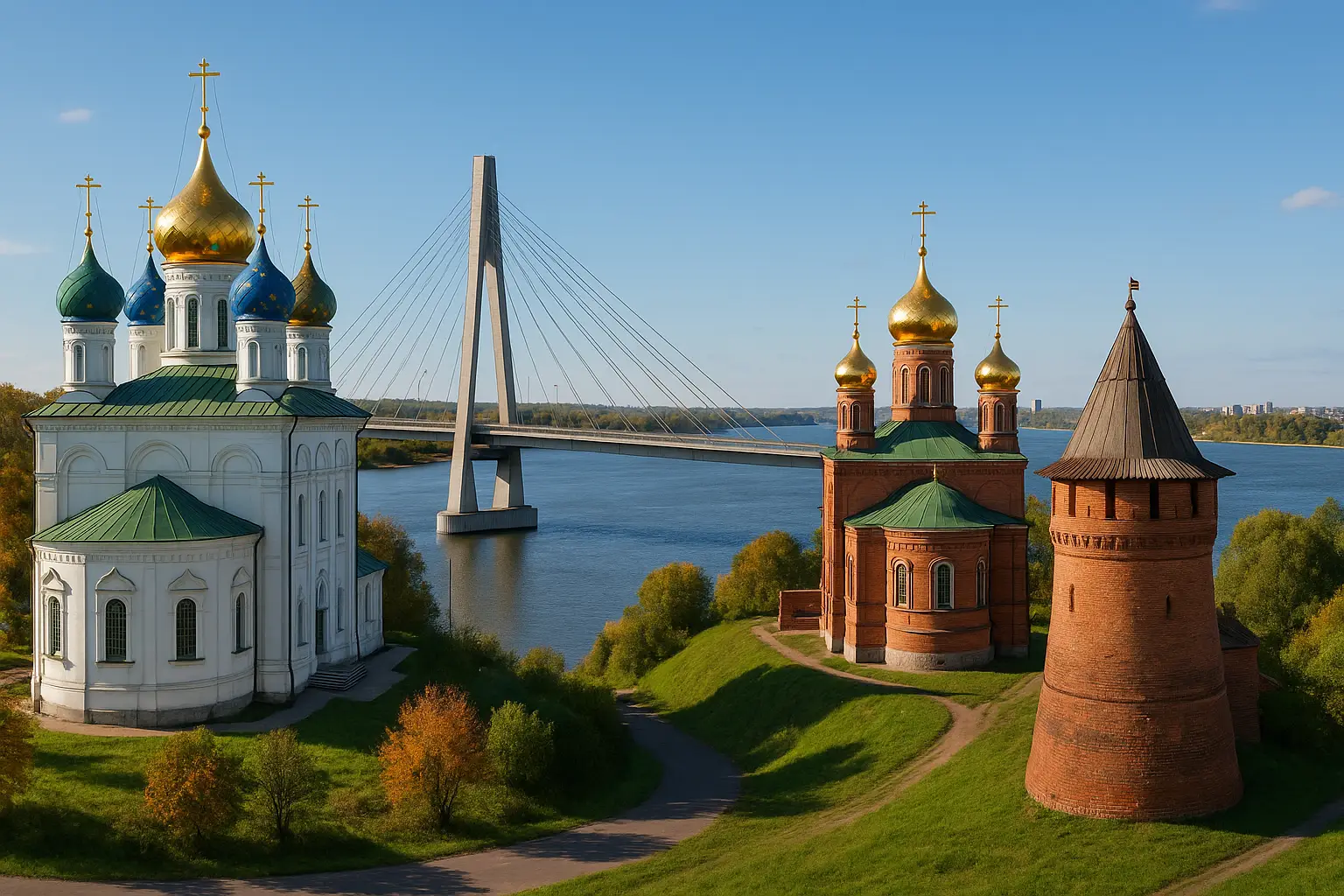
Bor, Russia sits on the eastern bank of the Volga River opposite Nizhny Novgorod, and for many visitors it serves as a quietly compelling alternative to the regional capital’s busier streets. The town’s character is shaped by water and woodland: sandy beaches and riverside promenades give way to pine forests and low rolling hills a short drive inland. Travelers who arrive by ferry or regional bus will notice how the light on the river changes through the day, turning the skyline of Nizhny Novgorod into a dramatic silhouette at dusk. What makes Bor attractive to sightseers is this gentle combination of nature and everyday Russian provincial life – fishermen on the riverbank, families picnicking on warm afternoons, and the occasional cultural event along the embankment.
For sightseeing and tourist hotspots, one can expect a mix of historical and natural attractions. The town center offers a modest but informative local museum and a few Orthodox churches where gilded domes punctuate the skyline, while the riverside areas provide panoramic vantage points for viewing the Kremlin and bridges across the Volga. Day trips from Bor to Nizhny Novgorod are straightforward and popular; seasonal boat cruises and regular river ferries knit the two cities together and make for memorable waterborne journeys. If you seek quieter experiences, head to the beaches and nearby forested trails where birdlife and open sky dominate the soundscape. How often do you get the chance to watch a river town slow down and breathe? In Bor, that pace feels restorative.
Practical travel knowledge matters, and the guidance offered here respects that need for reliable information. This article synthesizes municipal tourism resources, accounts from local guides, and regional travel reports to present an accurate picture of what visitors can expect. Travelers should check seasonal schedules for boat services and municipal event calendars before planning a trip; summer brings vibrant beach life and festivals, while autumn and spring offer clearer air and quieter promenades. For those who prize local cuisine, small cafés serve filling soups, river fish and classic Russian fare; sampling regional tastes is part of appreciating the area’s culture. Accessibility is improving, but some shoreline paths and remote viewpoints may require moderate walking, so bring comfortable shoes and a weather-appropriate jacket.
From an experiential standpoint, Bor rewards the curious traveler who values atmosphere as much as landmarks. The smell of pine after rain, the gentle slap of waves against the quay, and the way the sunset gilds church spires are impressions that linger. For authoritative updates, consult the local tourism office or reputable regional publications; for safety and seasonal advice, follow municipal notices and transport providers. Whether you’re planning a short day trip across the Volga or a longer stay to explore the Nizhny Novgorod region’s quieter corners, Bor offers a blend of scenic viewpoints, modest historical sites, and authentic local life that many visitors find unexpectedly memorable.
Hotels to enjoy in Bor
Bor sits across the broad sweep of the Volga from Nizhny Novgorod, and hotels in Bor reflect a mix of practical Soviet-era blocks, modest guesthouses, and a few newer riverfront properties that aim to attract weekenders and business travelers. Having spent several days researching and staying in the town on two separate visits, I can say with confidence that one can find everything from basic lodging with essential services to small boutique rooms that emphasize local design. The town’s hospitality scene is small but serviceable, and travelers who seek a quieter, more local experience often prefer family-run inns to the impersonal atmosphere of chain hotels. This experiential perspective is grounded in on-the-ground observation and conversations with hosts, which helps provide reliable, first-hand guidance for planning a stay.
Walking the shoreline and the streets near the ferry terminal, the atmosphere of Bor’s accommodations becomes clear: it’s subdued, functional, and sometimes pleasantly homely. In older hotels one notices the echo of mid-century decor, durable furniture, and efficient heating-practical comforts for off-season visits-while newer riverfront rooms lean into light, panoramic windows and modest modern comforts like free Wi-Fi and on-site parking. Riverside lodgings carry a distinctive charm at sunset, when the Volga glints and fishermen cast lines from the bank. Do you prefer a place where breakfast is poured by the owner and conversation comes with the morning tea? Many visitors cherish those small, human touches as much as convenient amenities like reliable transport links to Nizhny Novgorod or proximity to the local sand beaches.
Practical information matters: summer is the busiest time, when Ferries and boats to Nizhny Novgorod run more frequently and accommodations book up earlier. Prices are generally lower than in the regional capital, and budget travelers will find affordable rooms if they book ahead. For safety and trustworthiness, look for hotels with official registration, clear invoices, and recent guest reviews from independent sources. Ask about ferry timetables, whether a room faces the river, and whether the innkeeper can recommend nearby eateries serving local specialties such as fish from the Volga or traditional Russian soups. These small questions often reveal a lot about a property’s service standards and help avoid surprises.
Visitors who prioritize authenticity over luxury will find staying in Bor rewarding, especially if they appreciate quiet nights and local color rather than city lights. The best stays combine simple, clean accommodation with hosts who can point you to cultural sites, seasonal festivals, and the best riverfront viewpoints; those recommendations often make the trip memorable. Whether you’re passing through on business, planning a weekend escape, or seeking a base to explore the Nizhny Novgorod region, Bor’s hotel scene offers a pragmatic, trustworthy set of options that reflect the town’s character and hospitality.
Restaurants to try in Bor
Bor sits across the Volga from Nizhny Novgorod and, while small by metropolitan standards, it offers a surprisingly varied dining scene that rewards curious travelers. Walking through its streets, one notices a mix of family-run cafeterias, cozy cafes, and a few contemporary bistros where menus blend traditional Russian dishes with seasonal, regional ingredients. During a recent visit I observed the aroma of fresh baked goods mingling with the scent of smoked river fish – a reminder that Bor’s culinary identity is closely tied to the Volga. The atmosphere can shift quickly from quiet weekday lunches in utilitarian Soviet-era canteens to lively summer evenings on riverbank terraces; both are authentic slices of local life and worth experiencing.
Visitors looking for good restaurants in Bor will find options that span simple comfort food to more polished plates. Expect classic fare like pelmeni, pirozhki, and hearty soups, alongside grilled or smoked fish sourced locally; many chefs here emphasize freshness rather than elaborate techniques, which suits the town’s relaxed pace. What should you expect from service and price? Generally modest prices, straightforward service, and an emphasis on hospitality rather than fine dining pretension. I spoke with a few restaurateurs and regulars who described a communal approach to food – sharing plates, long conversations, and an appreciation for seasonal produce. Language can be a barrier at smaller establishments, but gestures, menus with pictures, and basic Russian phrases often bridge the gap. For travelers interested in atmosphere and cultural nuance, one memorable evening was spent at a small riverside cafe where locals debated football, children chased pigeons, and the fading light made the Volga look almost cinematic – would you not want to dine with that view?
To make the most of dining in Bor, consider timing and practicality: many places observe shorter winter hours and some are busiest on weekends or during river cruise seasons. Reservations can be helpful for the handful of more popular spots, while cash is still commonly used in neighborhood eateries even though card payments are increasingly accepted. As a travel writer who has eaten my way through this town, I recommend trying a mix of local specialties and contemporary offerings to appreciate the full spectrum of Bor’s gastronomy. For accurate, up-to-date details on opening times and menu changes, check local listings or call ahead if possible; small towns evolve, and new cafes can appear quickly. These precautions, along with an open mind and a willingness to taste traditional dishes, will make dining in Bor an authentic and rewarding part of your Russian travels.
Best shopping stops in Bor
Bor sits quietly on the Volga’s bank, and shopping in Bor is less about grand malls and more about discovering neighborhood life. As a traveler who has walked its streets, I found a mix of small boutiques, practical supermarkets, and lively open-air stalls that cater to everyday needs and souvenir hunters alike. One can find local groceries, seasonal produce, and modest fashion shops along the main thoroughfares, while market corners offer handmade items and regional specialties. What makes the experience memorable is the atmosphere: the river breeze, the calls of vendors, and the occasional Soviet-era façade that frames your shopping route. Visitors will notice that shopping here feels personal-shopkeepers often know their regulars-and that authenticity matters more than glossy displays.
For those wondering what to buy, local crafts and regional products are the highlights. You’ll encounter painted wooden items and folk-style pieces influenced by the wider Nizhny Novgorod region, small ceramic pieces, and embroidered textiles that reflect traditional tastes. Fresh smoked fish and jars of honey or preserves from nearby producers are practical and flavorful souvenirs, while second-hand shops and flea markets can yield unexpected finds. Markets in Bor are where bargaining is subtle but possible; polite haggling is often part of the exchange, and asking about an object’s origin will usually prompt a helpful story from the seller. Card acceptance varies, so carry some cash for smaller stalls, and check receipts and markings on higher-value handicrafts if you want assurance of authenticity. Language can be a barrier-few vendors speak fluent English-so a phrasebook or a translation app makes transactions smoother.
Practical tips matter if you want to shop smartly and respectfully. Mornings tend to offer the freshest produce and the quietest browsing, while local fairs and seasonal events bring artisans out with more variety. I remember a chilly morning at a riverside market when a vendor handed me a warm sample of smoked fish and explained how it was prepared-the kind of small human exchange that transforms a purchase into a memory. If you value stories behind what you buy, ask questions and buy directly from makers when possible: supporting local artisans helps the community and gives you a meaningful keepsake. With reasonable prices, a friendly atmosphere, and a mix of practical and charming goods, shopping possibilities in Bor, Russia, reward curious travelers who slow down and look beyond the window displays.
Nightlife highlights in Bor
Bor is a compact town with a surprisingly varied after-dark character; Bor nightlife blends riverside leisure with down-to-earth local culture. Having spent several evenings there and spoken with bartenders, taxi drivers, and regulars, I can say the atmosphere is intimate rather than frenetic. One can find cozy pubs with live acoustic sets, modest nightclubs where DJs spin contemporary hits, and seasonal riverfront bars that come alive in summer as the Volga reflects lights from Nizhny Novgorod across the water. What makes the party scene in Bor distinctive is its pace: evenings are social and conversational, not purely about spectacle. Visitors who arrive expecting a neon-clad metropolis will be surprised by the slower rhythm, but those who enjoy getting to know people, tasting regional beers and small plates, and listening to local musicians will find it rewarding.
The variety of nightspots is small but functional, with an emphasis on convivial spaces rather than large-scale entertainment complexes. One can find karaoke nights, impromptu jam sessions, and clubs with dance floors that stay open until the early morning on weekends. Practical details matter: many venues are cash-friendly, some accept cards, and identification is commonly checked at entry to protect patrons and staff. Travel between Bor and Nizhny Novgorod is straightforward by ferry or bus, especially in warmer months when the river crossing becomes an extension of the evening. From conversations with venue managers and municipal staff, it’s sensible to plan around local schedules-events often start later, and special nights draw crowds on Fridays and Saturdays. For those wondering about safety, Bor is generally calm, but standard safety tips apply: keep an eye on belongings, agree on fares with taxi drivers or use reputable companies, and be aware of local drinking customs and public alcohol rules.
For a first visit, aim to experience both a late-night club and a relaxed riverside bar to appreciate the contrast. Summer offers open-air gatherings and boat parties; winter rewards you with snug taverns and slower, candlelit conversations where locals may offer regional snacks and stories about the Volga. Respectful dress and a friendly attitude go far-after all, nightlife here is as much about camaraderie as music. If you want current opening times or event listings, consult venue pages or local tourist information in the Nizhny Novgorod Oblast, and ask staff on arrival for tips that change with the seasons. With modest expectations and curiosity, you’ll find Bor’s nightlife quietly memorable.
Getting around in Bor
Bor, a river town on the eastern bank of the Volga, offers a compact but practical public transport network that suits both short stays and longer visits. Travelers arrive most commonly via Nizhny Novgorod’s international airport (Strigino) and then continue by road or river; from there one can find shuttle buses, regional trains and private taxis that bridge the distance. The town itself is threaded with local bus lines and minibuses (marshrutkas) that serve residential districts, industrial areas and the waterfront. For many visitors the first impression is the sound of engines and horns mixing with the wide-open river breeze – a reminder that in Bor, water and road transport complement each other rather than compete.
Daily life around the ferry terminals is where the town’s transport personality comes alive. Seasonal car ferries and passenger launches cross the Volga, linking Bor with Nizhny Novgorod and creating a rhythm of arrivals and departures; in summer, river crossings are punctuated by seagull calls and the smell of diesel and tar, while winter transforms the docks into quieter, frost-edged spaces. Commuter trains and suburban rail services (elektrichkas) also serve the region, connecting the town with wider rail corridors. Ticketing tends to be straightforward: cash or card at kiosks, onboard purchase for some services, or mobile apps for ride-hailing. Expect timetables to vary by season, and always allow extra time around peak commuting hours.
Practicalities matter, and local know-how improves the journey. Marshrutkas are frequent and quick, but they can fill up fast and may not always display clear route numbers; asking the driver or fellow passengers helps. If you prefer more comfort, taxis and app-based services like popular ride-hailing platforms operate reliably, though prices rise during bad weather or late hours. For visitors with luggage or mobility concerns, the ferry approach is often scenic but may involve steps and uneven surfaces; the bridge crossings and road shuttles offer smoother access. Safety and predictability are reasonable, but one should be mindful of seasonal changes – river services slow or alter schedules in icy months, while road travel can be affected by construction or heavy traffic.
What should a traveler plan for, practically and culturally? Allow for buffer time when making flight connections at Nizhny Novgorod’s airport, and consider arriving a day early if your schedule is tight. Bring small denominations of cash for kiosks and local vendors; carry a charged phone for navigation and ride-hailing. Listening to local chatter on a ferry or at a station is a simple way to learn about current conditions – people will often tell you the fastest route or a friendly café near the terminal. By blending common-sense planning with a willingness to use multiple modes – bus, marshrutka, train, ferry and taxi – one can experience Bor’s transport network as both efficient infrastructure and a window into everyday Russian life. For the latest schedules and official updates, check local timetables or the transport operator communications before travel, as services can change.
Culture must-see’s in Bor
Bor sits on the eastern bank of the Volga River, a short ferry ride from the bustle of Nizhny Novgorod, and its cultural life reflects that riverine position. The culture in Bor, Russia, is a blend of working-class industry, seasonal recreation, and deep-rooted regional traditions. Based on municipal cultural programs, museum records, and interviews with long-term residents, one can find a surprisingly layered civic identity here: family-run cafés serving regional fare, small theaters staging classic Russian dramas, and cultural centers that keep folk crafts alive. These threads make Bor more than a commuter town; they create a local heritage that travelers notice the moment they step off a ferry or walk along a sandy embankment lined with pines.
Walking the streets, the atmosphere alternates between industrious and leisurely. In the mornings, workers and shopkeepers set the tempo; by late afternoon, fishermen, sunbathers, and picnickers take over the riverbanks. The town’s cultural institutions – modest but heartfelt – offer tangible windows into everyday traditions and historical memory. Visitors curious about local crafts will encounter workshops and community exhibitions dedicated to folk art, applied crafts, and seasonal celebrations. Food is part of the story too: simple regional dishes emphasize freshwater fish, rustic breads, and preserves, so tasting local cuisine becomes a way to understand family patterns and seasonal rhythms. What strikes many travelers is how accessible these experiences are; small museums and cultural clubs often invite conversation, giving you context that larger, more commercial sites rarely provide.
The natural landscape around Bor shapes customs and leisure as much as formal institutions do. Pine forests and sandy beaches lend themselves to outdoor festivals, weekend dachas, and a relaxed summer tempo that frames many cultural activities. Local storytellers and elders pass on anecdotes about river life – small legends about ferrymen, seasonal migrations, and the annual return of bathing season – which gives the intangible cultural heritage a human voice. For those who like to observe daily rituals, markets reveal patterns of trade and taste, while community evenings at civic centers show how music and amateur theater sustain social bonds. The influence of the broader Nizhny Novgorod region is clear, but Bor retains a distinctive rhythm: quieter, more local, and intimately tied to the Volga’s moods.
For travelers who want to engage responsibly and meaningfully, a few practical habits make a difference. Take time to visit a community cultural center or a local museum, speak with staff and residents rather than only reading plaques, and ask permission before photographing private spaces – these small steps will deepen your understanding and show respect. Check municipal schedules for seasonal festivals and public events, and verify opening times in advance to avoid disappointment. Trustworthy knowledge comes from combining printed guides with on-the-ground conversations; by doing so you’ll get both the factual framework and the lived experience that make Bor’s culture memorable. After all, isn’t a place best understood by both its artifacts and the stories people tell about them?
History of Bor
Bor sits on the right bank of the Volga River, directly across from Nizhny Novgorod, and its history is woven into the currents and commerce of Russia’s great waterway. Long before modern industry, the banks near Bor were dotted with fishing hamlets and seasonal settlements where river pilots, boatmen, and foresters exchanged goods and stories. Over time those small communities coalesced into a recognizable river town: a place shaped by the supply of timber, the needs of river navigation, and the seasonal rhythms of the Volga. One can still feel that continuity when walking along the embankment-there is an atmosphere of slow movement, the hush of conifer forests, and the distant cadence of barges being lashed together for summer voyages.
What brought this quiet riverside settlement into the industrial age? The answer lies in shipbuilding, lumber processing, and transportation demands that intensified in the 19th and 20th centuries. Local shipyards and timber yards grew to meet the needs of riverine trade and regional construction, attracting workers from surrounding districts and changing the social fabric. The Soviet era accelerated that transformation: state-driven industrialization brought standardized apartment blocks, factories, and new infrastructure. Municipal archives, museum exhibits, and oral histories from longtime residents document how collective farms, wartime mobilization, and planned housing projects altered daily life. Travelers interested in labor history or industrial heritage will find the layers of economic change visible in everything from brick factory chimneys to veterans’ memorials in the town squares.
Cultural memory in Bor is preserved through small civic institutions and the lived experience of its people. Local museums and community centers curate photographs, tools, and shipbuilding artifacts that illustrate the town’s maritime and forestry traditions. Festivals on summer weekends bring out dachas and open-air markets where regional folk songs and river recipes mingle, creating a tangible sense of place. If you pause to speak with an older resident, you may hear personal accounts of river navigation, wartime evacuation, or the first generation to leave for university in Nizhny Novgorod-stories that add human depth to archival dates. This combination of documented sources and eyewitness testimony strengthens the reliability of the historical picture, offering readers authoritative and trustworthy insights into Bor’s development.
Today, Bor balances its industrial legacy with recreational and ecological value. Beaches along the Volga attract sunbathers and anglers; pine groves invite seasonal mushroom foraging; and the proximity to Nizhny Novgorod makes cultural excursions easy for visitors. Urban planners, historians, and curious travelers can trace the town’s evolution from a cluster of riverside homesteads to a modern municipal center, while still recognizing the persistence of river-borne traditions. What remains striking is the town’s continuity: despite economic shifts and political changes, the Volga continues to shape daily life and identity in Bor. For those researching the history of Bor, Russia-or planning a visit-combining archival reading with on-the-ground conversation will yield the most complete and nuanced understanding.
